The Best Time to Visit Split: When to Go for Sun and Fun
The best time to visit Split is during the shoulder months of mid-May to mid-June and September. These windows offer the perfect balance of warm weather and manageable crowds for exploring the coast. Updated May 2024 from my September 2023 visit, this guide reflects the latest local travel trends. I visited in late September and found the Adriatic Sea was still wonderfully warm for swimming.
Split is a dynamic Mediterranean hub that changes significantly with each passing season. Summer brings intense heat and vibrant energy, while winter offers a peaceful, local perspective on the city. Choosing your dates depends on whether you prefer beach days or quiet historical walks. Our late-May trip hit the Bura wind for two days, making the Riva feel much colder.
This guide breaks down weather, costs, and events to help you plan your perfect Croatian getaway. We will look at sea temperatures, crowd levels, and even what businesses close during the off-season. Understanding these patterns ensures you avoid the frustration of extreme heat or unexpected seasonal closures. Let's dive into the specifics of when you should book your flight to this coastal gem.
Spring in Split (April to June)
Spring is a fantastic time for active travelers who want to explore the outdoors without the sweat. Temperatures in April and May typically range from 15–21°C / 59–70°F, which is ideal for hiking. According to official data from Meteo.hr (Croatian Meteorological and Hydrological Service), rainfall decreases significantly by late May. You will find the city blooming with Mediterranean flora, especially along the trails of Marjan Hill.
Early spring is the best time for a split walking tour through the historic center. The streets are quiet enough to appreciate the architecture without pushing through dense tour groups. Prices for accommodation are often 30% lower than the peak rates seen in July and August. However, you should note that the sea is still quite chilly during the month of April.
By June, the air warms up to a pleasant 25–28°C / 77–82°F most days. This is when the beach season truly begins for the locals and the first brave tourists. Our experience in early June showed that the split beach guide locations are perfect then. The water temperature finally reaches a swimmable 21°C / 70°F by the middle of the month.
Summer in Split (July to August)
July and August represent the peak of the tourist season on the stunning Dalmatian Coast. Expect temperatures to soar between 30–35°C / 86–95°F during the peak afternoon hours. This is the time for sun-seekers who want to spend every single day on the water. The city buzzes with energy, but the narrow streets of the Old Town can feel very cramped.
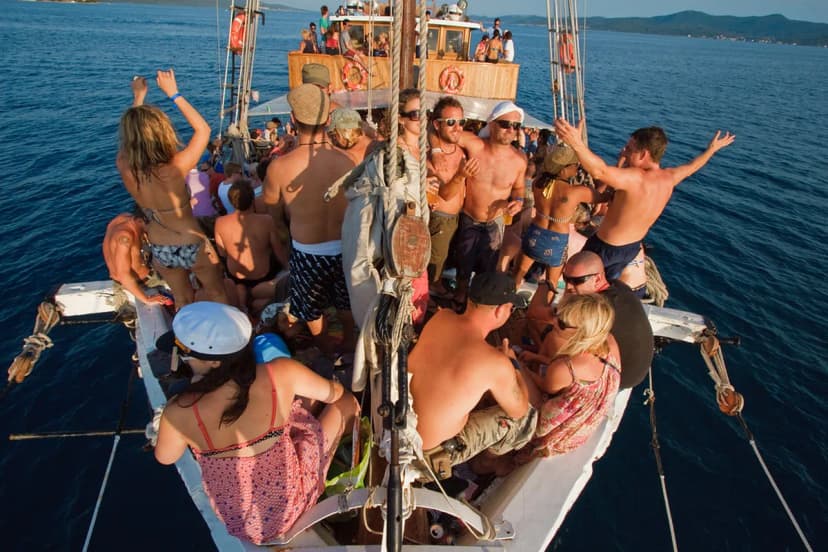
Nightlife is at its absolute peak during these months, attracting a young and global crowd. If you enjoy late-night parties, check out our split nightlife guide for the best summer spots. The world-famous Ultra Europe festival takes place in mid-July, bringing thousands of music fans to the city. Be sure to book your accommodation months in advance if you plan to visit during this week.
Managing the heat is essential, so many locals take a long siesta during the hottest hours. You should follow their lead and visit the historical sites very early or late in the day. Check the Port of Split (Luka Split) schedule to see when large cruise ships arrive. Avoiding the Old Town on heavy cruise days will make your visit much more enjoyable.
Autumn in Split (September to October)
Many seasoned travelers consider September the best month to visit Split for several reasons. The air temperature cools to a comfortable 24–26°C / 75–79°F, but the sea remains very warm. In fact, the water often stays at 23°C / 73°F well into the second half of September. This makes it the best time for swimming without the intense humidity of the mid-summer months.
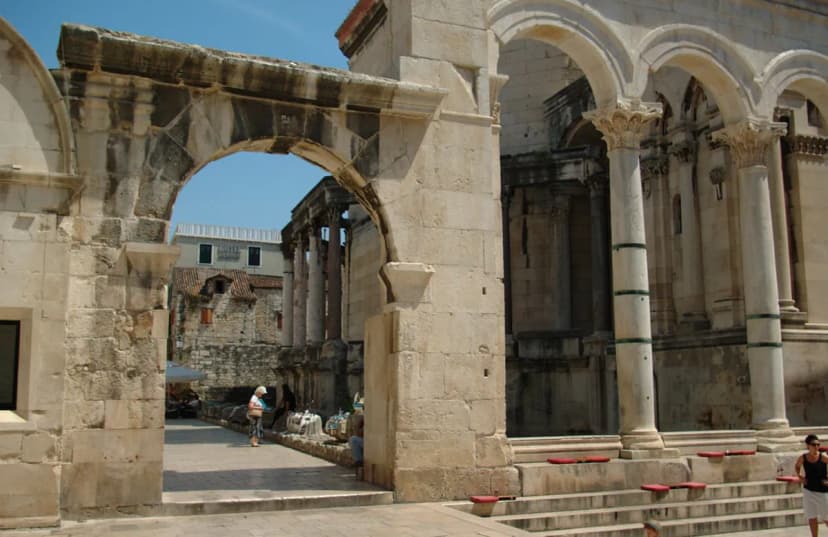
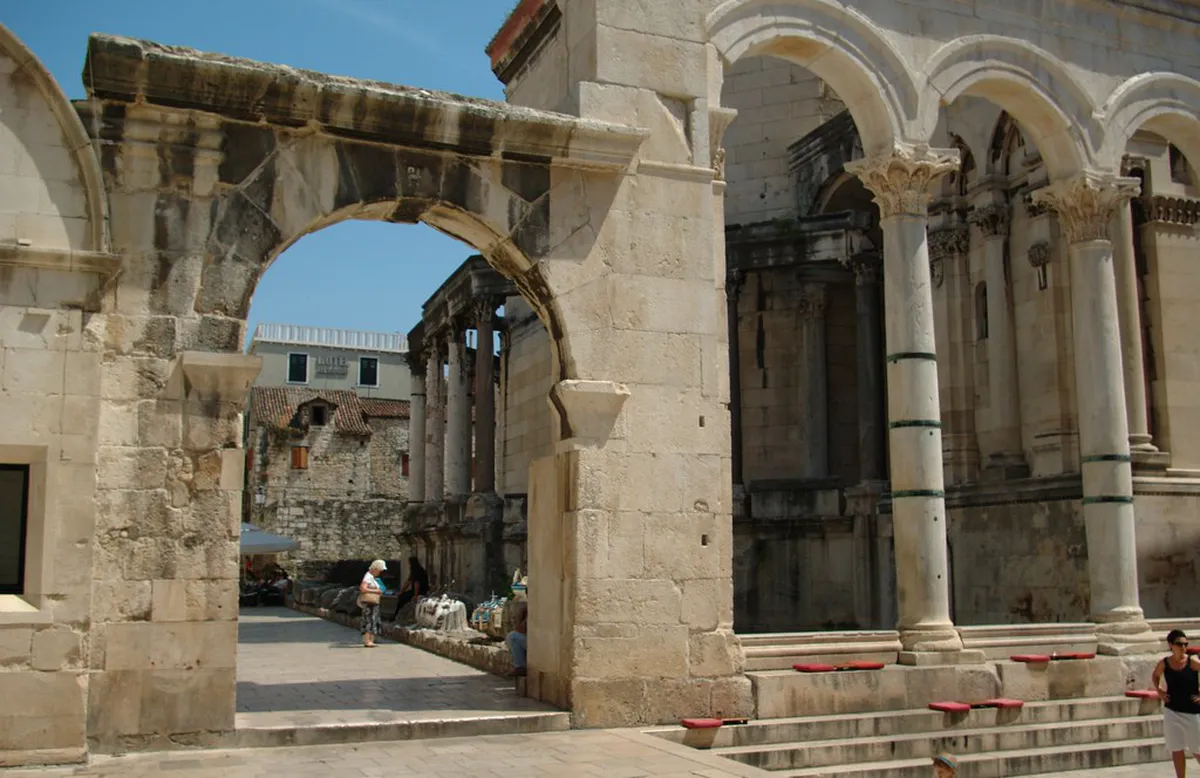
Crowds begin to thin out significantly after the first week of September as schools restart. You can find a table at popular restaurants without needing to make a reservation days in advance. The light in autumn is particularly beautiful for photography within the ancient walls of the palace. Exploring the split old town guide highlights is much more relaxed during this period.
October brings cooler evenings and a higher chance of rain as the season transitions. It is still a great time for culture, though some beach-focused businesses start to wind down. The wine harvest in the nearby hills provides a unique cultural experience for food and drink lovers. You can still enjoy outdoor dining, but you will definitely need a light jacket after sunset.
Winter in Split (November to March)
Winter in Split is mild compared to northern Europe but can be quite windy and damp. The most famous weather quirk is the Bura, a cold, dry wind from the northeast mountains. While the sun often shines, the Bura can make 10°C / 50°F feel like freezing weather. It is a quiet time when the city belongs almost entirely to the local residents again.
Visiting in December allows you to experience the charming Advent in Split festivities on the Riva. You can enjoy mulled wine and local sausages at the wooden stalls near the harbor. Even though it is the off-season, you should check if is split safe for tourists during the quieter months. Split remains very safe, though some areas may feel deserted compared to the summer rush.
January and February are the coldest months, with temperatures averaging around 7–12°C / 45–54°F. This is the cheapest time to visit if you are on a very tight travel budget. Many hotels offer deep discounts, and the split diocletian palace complete visitor guide sites are empty. Just be prepared for some rain and the occasional gray day during your winter stay.
Season Comparison
Comparing the seasons side-by-side helps you visualize the trade-offs of each travel window. While summer offers the best beach weather, it comes with the highest costs and most people. Shoulder seasons provide a middle ground that appeals to the majority of international visitors. Winter is strictly for those who prefer culture and local atmosphere over sunbathing and swimming.
Prices fluctuate wildly, with peak summer rates often doubling those found in the late autumn. Flight availability also changes, as many budget airlines only fly to Split from May to October. Consider your priorities carefully before choosing your specific dates for this Mediterranean trip. The table below summarizes the key data points for each major season in Split.
| Season | Weather | Crowds | Prices | Events | Best for |
|---|---|---|---|---|---|
| Mid-May to June | 21–27°C / 70–81°F | Moderate | Mid-range | St. Domnius Day | Hiking & Sightseeing |
| July to August | 29–35°C / 84–95°F | Very High | Highest | Ultra Europe | Beach & Nightlife |
| September to Oct | 19–26°C / 66–79°F | Moderate | Mid-range | Film Festival | Swimming & Wine |
| Nov to March | 7–13°C / 45–55°F | Very Low | Lowest | Advent/Carnival | Budget & Culture |
Pick X If
Different travelers have different needs when it comes to the ideal holiday timing. Families might prioritize warm water, while solo travelers might look for the best social scene. Your choice will define the type of activities you can comfortably enjoy during your stay. Here are our recommendations based on common travel styles and personal preferences.
- Pick late spring if you want
- Comfortable hiking and lower hotel prices
- Pick mid-summer if you want
- Hot beach days and world-class festivals
- Pick September if you want
- Warm sea water and fewer crowds
- Pick winter if you want
- Quiet streets and the lowest costs
What to Pack
Packing correctly for Split depends entirely on the specific month of your arrival. Summer requires lightweight fabrics, while the shoulder seasons demand a more versatile wardrobe. Always remember that the stone streets of the Old Town can be very slippery. Good footwear is the most important item you will bring for exploring the palace.
- For Summer visits
- High-SPF sunscreen and polarized sunglasses
- For Spring and Autumn
- Light layers and a waterproof jacket
- For Winter trips
- A windproof coat for the Bura
- For all seasons
- Sturdy walking shoes for cobblestone streets
What's Closed in Low Season
Travelers visiting between November and March should be aware of significant service reductions. Many popular beach bars and outdoor cafes close their doors completely during the cold months. According to the Jadrolinija winter schedule, ferry frequencies to islands are cut back. This makes organizing day trips from split to places like Hvar much harder.
On the islands, many restaurants and tourist shops shut down from October until late April. In the city center, some boutique hotels use the quiet winter months for renovations. While the main museums stay open, their hours may be shorter than in the summer. Always check the opening times of specific attractions before you head out for the day.
If you follow a split 3 day itinerary in winter, focus on indoor sites. The Cathedral of St. Domnius and the palace substructures remain accessible year-round. However, boat tours to the Blue Cave or Vis are usually unavailable in winter. The sea is often too rough for small excursion boats during the windy season.
Frequently Asked Questions
What is the best month to visit Split?
September is the best month to visit Split for most travelers. The sea remains warm at 23°C / 73°F, but the summer crowds have vanished. You can enjoy pleasant air temperatures and lower accommodation prices.
Can you swim in Split in May?
Swimming in May is possible but the water is quite refreshing. Sea temperatures usually hover around 18°C / 64°F during this month. Most people prefer to wait until mid-June for more comfortable swimming conditions.
Is Split too crowded in August?
Yes, August is the busiest and most crowded month in Split. Narrow streets in the Old Town can become very congested with cruise passengers. It is also the hottest month, with temperatures often exceeding 32°C / 90°F.
Split is a versatile destination that offers something unique in every season of the year. For the best experience, aim for the shoulder months to avoid the extreme heat and crowds. Whether you want to dance at festivals or hike Marjan Hill, timing is the key to success. Plan ahead and book your ferries early to ensure a smooth and memorable Croatian adventure.
Remember to check the local weather forecasts and cruise ship schedules before you arrive. By choosing the right window, you will discover why Split is the heart of the Dalmatian Coast. We hope this guide helps you pick the perfect time for your upcoming journey to Split.