Ultimate Dubrovnik 3-Day Itinerary (2026): How to Plan the Perfect Visit
Day 1 starts at Dubrovnik's City Walls (€35 admission, open 8:00 AM) — walk the 2 km circuit before 9:30 AM to beat cruise crowds; the Stradun promenade and Onofrio's Fountain below are completely free to explore all day.
Day 2 costs €40 in island fees: the Lokrum Island ferry is €20 return from the Old Port, and the cable car to Mount Srđ is €20 return; Day 3 adds the Elaphiti Islands boat tour at €50 per person for a full-day archipelago excursion departing from Gruž Harbour.
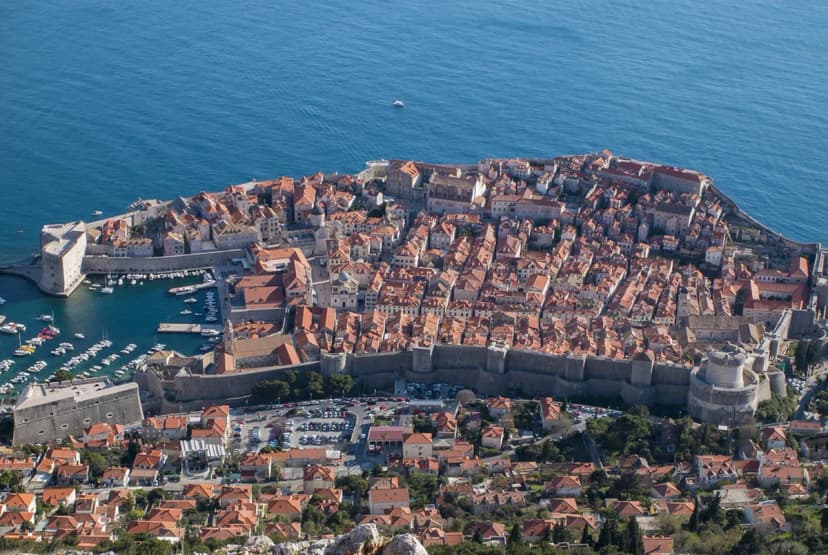
Dubrovnik captivates every traveler with its dramatic stone walls and shimmering blue Adriatic waters. Planning a trip to this Croatian gem requires a smart strategy to see everything in three days without feeling rushed or overwhelmed by the crowds. Croatia officially adopted the Euro in January 2023, so all prices throughout this guide are in EUR. This 2026 guide provides a detailed day-by-day plan that covers the most iconic landmarks, lesser-known local spots, Game of Thrones filming locations, the best restaurants across every budget, and a clear breakdown of whether the Dubrovnik Pass is worth buying for your specific trip.
You will walk through centuries of history while exploring narrow alleys and majestic limestone plazas throughout the center. The city offers a perfect blend of historic architecture and modern coastal relaxation for every type of visitor. Follow this expert advice to maximize your time in the Pearl of the Adriatic without paying for overpriced tourist traps.
Day 1: Exploring the Historic Old Town
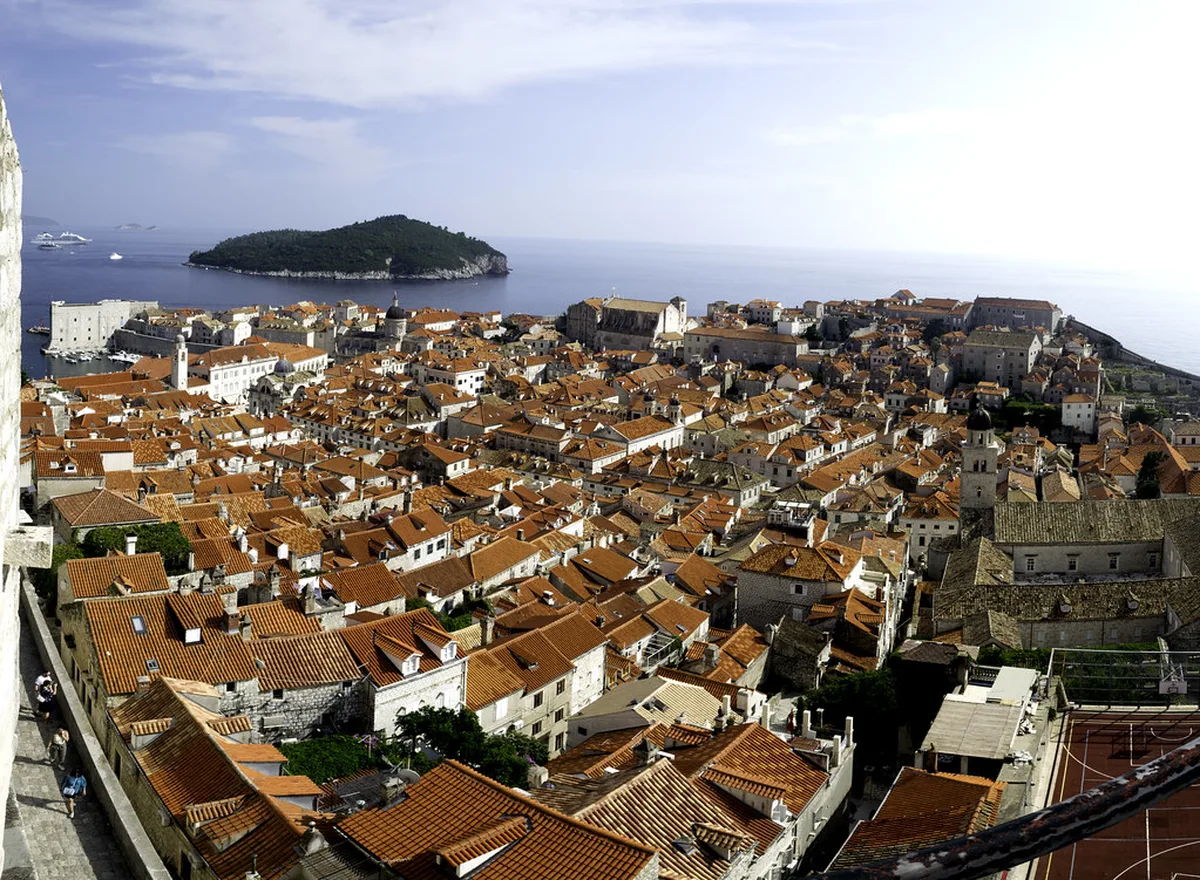
Start your morning at the Pile Gate by 8:00 AM sharp to beat the cruise-ship crowds that descend on the walls by 10:00 AM. Walking the complete circuit of the ancient city walls takes approximately two hours at a relaxed pace, covering almost two kilometres of battlements. Tickets cost €35 per adult in 2026 and are purchased at the gate or online; if you have the Dubrovnik Pass (€55 for 3 days), walls entry is included and you skip the ticket queue entirely. Keep your camera ready for the panoramic shots of the red terracotta rooftops, Fort Lovrijenac, and the deep blue Adriatic stretching to the horizon.
Descend to the Stradun — the main limestone-paved street that glows like polished marble under the Adriatic sun — and make your way to the western end. Stop at the Large Onofrio's Fountain (built 1444) to refill your water bottle for free; the fountain's sixteen carved stone faces are also one of the classic Game of Thrones filming locations used in early King's Landing scenes. A coffee at Café Festival on the terrace overlooking the Stradun costs about €3–4 and is the perfect break before the next site.
Spend midday exploring the Rector's Palace (€15 entry, or included with many museum combo tickets) and the Cathedral of the Assumption to see Baroque and Gothic architecture at its finest. These sites illuminate the history of the maritime Republic of Ragusa, which ruled independently for over 450 years. Our detailed Dubrovnik Old Town guide covers every alley and courtyard worth visiting for your afternoon walk. After the palace, turn into Ulica od Puča — a narrow side alley — to find Konoba Jezuite, where a plate of grilled fish with salad costs €16–20 and quality is notably higher than Stradun-facing restaurants.
From there, walk up the Jesuit Steps (another recognizable Game of Thrones filming spot used as the Sept of Baelor) toward the hilltop church of St. Ignatius for a quieter view over the Old Town rooftops without the wall-ticket crowds. Finish your first day by finding a rock perch at Buža Bar — the cliff bar literally cut into the outer city wall — for a sunset beer (€5–7) while watching the sun set over the Adriatic. Arrive by 6:30 PM in summer to claim a spot; it fills completely within minutes of golden hour.
- Walk the Ancient City Walls
- Time: 2 hours
- Cost: €35 adult (2026); free with Dubrovnik Pass
- Best for: Panoramic views, photography
- Tip: Arrive at 8:00 AM opening to beat cruise groups
- Visit the Rector's Palace
- Type: History museum
- Cost: €15 standalone, or combo ticket
- Best for: Republic of Ragusa history, architecture
- Tip: Audio guide in English adds excellent context
- Buža Bar Sunset
- Time: Allow 1 hour
- Cost: Drinks €5–€8
- Best for: Sunset views outside the walls
- Tip: Go at 6:30 PM — fills fast in peak season
Day 2: Lokrum Island, Cable Car, and Coastal Life
Board the Lokrum Island ferry from the Old Port (Stara Luka) for a short ten-minute crossing. The round-trip ferry ticket costs €20 per adult in 2026 and includes your day entry to the island nature reserve. Ferries depart every 30–45 minutes from 9:00 AM during peak season (June–September), with the last return ferry typically at 8:00 PM — check the exact schedule posted at the pier on the day of your visit. Lokrum is a protected natural reserve, meaning no permanent residents, no cars, and genuinely pristine nature.
Spend your morning on Lokrum hiking the well-marked pine-shaded trails that cross the entire island in about 45 minutes. Stop at the ruined Benedictine Monastery (established 1023) and explore the cloister garden. Walk uphill to Fort Royal, a Napoleonic-era fortress at the island's highest point, for sweeping views back over Dubrovnik's Old Town — one of the best photo angles of the whole city. The island's salt lake (Mrtvo More — "Dead Sea") is a sheltered swimming hole surrounded by rocks where the water is calm and slightly warmer than the open sea; it is especially popular with families.
Return to the mainland after lunch and head toward Banje Beach, just a five-minute walk east of the Ploče Gate. Banje is Dubrovnik's most scenic urban beach, with direct views of the city walls rising from the sea. Entry to the public section is free; renting a sunbed from Banje Beach Club costs €20–30 per day but comes with waiter service. The water here stays swimmable from late May through early October. For a more local and less crowded alternative, continue another ten minutes along the coast path to Šulić Beach or the rocks below Hotel Excelsior — see our full Dubrovnik beach guide for more options.
For active travellers, an afternoon sea kayaking tour around the city walls is one of the highlights of any Dubrovnik visit. Most operators charge €45–55 per person for a 2.5-hour guided paddle that circles the entire Old Town at water level, passes hidden sea caves, and stops at a small sheltered cove for snorkelling. Booking in advance in summer is strongly recommended as tours sell out days ahead. This kayak perspective of the walls — looking up at fifteen-metre stone fortifications from sea level — is something no land tour can replicate.
Spend your evening dining at a restaurant in the Lapad Peninsula neighbourhood, a ten-minute bus ride from the Old Town on the number 6 bus (€2 per journey). Seafood restaurants here charge €18–28 for a main course versus €30–45 inside the walls for equivalent quality. Konoba Maslina on Lapad Bay is a local favourite for grilled fish, prawn buzara (garlic and wine prawns), and fresh octopus salad at half the price of comparable Old Town options.
Day 3: Mount Srđ Views, Elaphiti Islands, and Local Flavors
Take the Dubrovnik Cable Car up to Mount Srđ for the most iconic panoramic view of the city, the Old Town, and the surrounding Adriatic islands. The return ticket costs €20 per adult in 2026; the cable car operates from 9:00 AM (with summer sunrise departures from 7:00 AM). The ride covers 778 metres of altitude in under four minutes and arrives at the Imperial Fortress at the summit. Morning visits before 10:00 AM offer the clearest air and smallest queues; late afternoon visits (after 4:00 PM) give you the dramatic warm light for photography.
At the summit, visit the Homeland War Museum inside the fortress (€4 entry, or free with Dubrovnik Pass). The museum documents the 1991–1992 Siege of Dubrovnik with photographs, weapons, and personal testimonies. It is a sobering and important counterpoint to the city's picture-postcard image. The terrace café at the summit serves coffee and snacks with unbeatable views; a coffee here costs €4–5, which is reasonable given the location.
For the afternoon, board the Elaphiti Islands full-day boat tour departing from Gruž Harbour, approximately a 10-minute bus ride from the Old Town (bus 6, €2). The tour costs €50 per person and visits three of the fourteen Elaphiti islands — Koločep, Lopud, and Šipan — in a single day. Koločep is the smallest and least visited, with car-free sandy coves perfect for swimming; Lopud has Šunj Beach, one of Croatia's finest sandy beaches, a 15-minute walk across the island from the village. Šipan is the largest, with vineyards and a quiet harbour village that feels entirely untouched by mass tourism. Many tours include a grilled fish lunch served on deck or at a local restaurant. Book in advance online during July and August as tours frequently sell out 3–4 days ahead. This half-day island hopping experience is the most memorable moment of most visitors' three-day Dubrovnik trip — particularly for those who find the city walls and Old Town too crowded by Day 3.
Come back to the mainland by early evening and head to the Gruž Harbour market area for fresh local produce, dried figs, Pelješac olive oil, and local honey at half the prices you'd pay in Old Town souvenir shops. Dine on fresh seafood at a local konoba around the harbour: black cuttlefish risotto costs €14–18, grilled sea bream €18–24, and a half-litre of house wine €6–9. Konoba Kolona and Pantarul are both consistently praised by locals and repeat visitors for honest Dalmatian cuisine at fair prices.
End your evening by exploring the Dubrovnik nightlife guide for the best bars and clubs. Revelin Fortress hosts internationally renowned DJ nights inside a medieval stone building — tickets run €20–35. For a more relaxed evening, head to Troubadour Hard Jazz Café in the Old Town for live music nightly from 10:00 PM in a cave-like stone setting. A craft beer costs €6–8. Walking through the lit-up Stradun at 11:00 PM when the day-trippers have gone is one of Dubrovnik's most atmospheric experiences: the polished limestone glows white under the street lights and the city finally feels like your own.
Dubrovnik Pass: Is It Worth It in 2026?
The Dubrovnik Pass costs €55 for 3 days (2026) and includes free entry to the city walls, unlimited public bus transport, free or discounted entry to 8 museums (Rector's Palace, Maritime Museum, Ethnographic Museum, Aquarium, and more), and a 50% discount on the cable car (making it €10 instead of €20). It does not include Lokrum Island ferry tickets or sea kayaking tours.
Here is a direct calculation based on this itinerary. Without the Pass: city walls €35 + cable car €20 + Rector's Palace €15 + one museum €10 = €80 in attraction entry alone, before any bus fares (€2 per journey, easily 6–8 trips over 3 days = €12–16 more). With the Pass: €55 total for all of the above plus cable car at half price. The Pass saves you at least €35–40 over 3 days if you follow this itinerary. Buy it online before you travel to avoid queues at the Pile Gate kiosk.
The Pass makes less financial sense if you plan to spend a full day on Lokrum or doing a day trip outside the city, as you lose a day of museum access. In that case, buying wall tickets and the cable car separately (€55 combined) may be enough. Check the Dubrovnik City Pass guide for a full breakdown of every included attraction and current prices, as the Pass inclusion list is updated each season.
Game of Thrones Filming Locations in Dubrovnik
Dubrovnik served as King's Landing throughout HBO's Game of Thrones series (Seasons 2–8), and the filming locations are one of the most searched topics for visitors in 2026. Walking the sites yourself is completely free — you simply need to know where to look. If you want context and behind-the-scenes stories, guided GoT tours cost €20–35 per person and run daily from outside the Pile Gate.
The most visited locations are all within or immediately adjacent to the Old Town. Fort Lovrijenac (accessible from the city walls ticket or €15 standalone) was used as the Red Keep exterior for several seasons — the views from its ramparts are spectacular regardless of your GoT interest. The Jesuit Steps (Ulica od Jezuita, free) are the scene of Cersei's Walk of Atonement from Season 5 and remain one of the most photographed stairways in the city. Pile Gate arch and the bridge over the dry moat appear repeatedly as King's Landing's main entrance.
Inside the walls, Ulica Božidarevića (a narrow alley north of the Cathedral) was used for several market and street scenes. The Ethnographic Museum courtyard doubled as Littlefinger's brothel exterior. Trsteno Arboretum, about 20 km north of Dubrovnik by bus (line 12, €4–6 return), was used for the Tyrells' garden in King's Landing — well worth a half-day visit if you are a GoT enthusiast. The arboretum itself dates to the 15th century and contains a spectacular Renaissance garden with a fountain visible in multiple scenes.
GoT interest has not faded since the series ended; if anything, it has grown as a new generation of viewers discovers the show. Plan at least two hours to visit the major free sites and consider the paid tour if you want the full story of how the production team transformed a medieval Croatian city into a fantasy capital.
Best Restaurants in Dubrovnik by Budget (2026)
Dining in Dubrovnik ranges from excellent value to genuinely expensive depending on where you sit and what you order. The single biggest factor in your meal cost is proximity to the Stradun: restaurants on or directly facing the main street charge a premium of 30–50% over equivalent places two alleys away. Croatia's currency is now the Euro (since January 2023), so all prices below are in EUR.
Budget (€10–20 per main course) — Konoba options: Look for small, family-run konobas in the alleys behind the Cathedral and around the Gundulićeva Poljana (morning market square). Konoba Jezuite (Ulica od Jezuita) serves grilled fish, pastas, and local peka (slow-cooked meat under an iron lid) for €14–18 per main. Konoba Lokanda Peskarija at the Old Port is another local favourite — the buzara prawn starter (€12) and grilled sea bream (€18) are both recommended and portions are generous. Pair your meal with a carafe of local Pošip white wine (€8–12) from the Korčula island vineyards.
Mid-range (€20–30 per main course) — Seafood with a view: Restaurant 360 terrace overlooks the harbour walls and serves beautifully presented Adriatic seafood, with mains ranging from €28–45 for fish courses. Restaurant Nautika, just outside the Pile Gate, is known for its langoustine and tuna dishes (€32–50 per main) and a wine list featuring Croatia's best producers. Both require advance reservations in July and August. For a more casual mid-range experience, Proto Restaurant (just off Stradun, established 1886) serves classic Dalmatian cuisine with octopus stew and black risotto at €22–30 per main in a historic setting.
Fine dining (€30+ per main course): Restaurant 360 (full tasting menu €95–120 per person) and Restaurant Vapor (modern Croatian cuisine, €35–55 per main) represent the city's upscale dining scene. Both require reservations made weeks in advance during peak season. If budget is not a concern, the sunset tasting menu at 360 with the harbour walls lit up at dusk is a genuinely special experience worth the cost.
Street food and snacks: For cheap eating between sights, Peka sandwiches from the Gundulićeva Poljana market stalls cost €4–6. Fresh fruit from the market is €1–2 per piece. The best burek (flaky pastry with cheese or meat) is found at the small bakery on Ulica Boskoviceva for €2.50. Ice cream at local gelateria Od Sigurate costs €2–3 per scoop compared to €4–5 at the tourist stands on Stradun.
3-Day Dubrovnik Budget Breakdown: What It Actually Costs in 2026
Most Dubrovnik guides list individual attraction prices but never show you the full picture. Here is a complete three-day budget breakdown based on 2026 prices, covering every significant expense so you can plan your cash and card spending accurately before you arrive. All prices are in EUR — Croatia has used the Euro since January 2023.
Day 1 — Old Town and City Walls (Budget: €55–€75 per person)
The city walls are the biggest single expense of the trip at €35 per adult. Entry is at the Pile Gate from 8:00 AM and the walls ticket is also your best photography opportunity — allocate the full €35 without hesitation. After descending, the Stradun and all street-level Old Town exploration is entirely free. The Rector's Palace costs €15 standalone; the Dubrovnik Pass (€55 for 3 days) covers it. Budget for one sit-down lunch at a konoba two alleys from the Stradun: €16–20 for a main plus a glass of Pošip wine. Dinner at Konoba Jezuite or similar: €18–24. Buža Bar sunset drinks: €6–8. Bus from accommodation: €2–4. Day 1 total without the Pass: approximately €70–80. With the Pass bought on arrival: the €55 Pass replaces the €35 walls ticket, giving you walls + 8 museums + half-price cable car — making Day 1 effectively free of further entry fees.
Day 2 — Lokrum Island and Cable Car (Budget: €60–€90 per person)
The Lokrum Island round-trip ferry costs €20 per adult from the Old Port (Stara Luka), departing every 30–45 minutes during peak season. The ferry price includes day entry to the protected nature reserve. Pack a picnic lunch bought at the Gundulićeva Poljana market (€6–10 for bread, cheese, and fruit) to avoid the small island café, which charges tourist prices. After returning to the mainland, the Dubrovnik Cable Car up to Mount Srđ costs €20 return per adult (or €10 with the Dubrovnik Pass). At the summit, the Homeland War Museum is €4 standalone, free with the Pass. Budget €8–12 for a coffee and snack at the summit terrace. Afternoon sea kayaking around the city walls runs €45–55 per person if you choose to book it (optional, but highly recommended). Day 2 total: €40–75 depending on whether you kayak.
Day 3 — Elaphiti Islands and Gruž Harbour (Budget: €65–€90 per person)
The Elaphiti Islands full-day boat tour departing from Gruž Harbour costs approximately €50 per person and typically visits three islands: Koločep, Lopud, and Šipan. Most tours include a boat crew lunch of grilled fish and salad (check when booking — some are half-board, others are not). Round-trip bus to Gruž from the Old Town: €2–4. Evening dinner at a Lapad or Gruž konoba: €18–26 for a main. Final sunset stroll on the Stradun: free. Day 3 total: €70–90.
Full 3-Day Budget Summary:
- Attractions (walls €35, Lokrum ferry €20, cable car €20, Elaphiti tour €50, museum €15): €140 without Pass / €105 with Pass
- Meals (3 lunches + 3 dinners, mid-range konobas): €90–€130
- Drinks and snacks (Buža Bar, coffee, gelato): €20–€35
- Transport (airport bus + city buses): €20–€30 (free for buses with Pass)
- Total per person: €270–€335 without Pass; €225–€285 with Pass
The Dubrovnik Pass (€55) saves you roughly €40–55 over three days on this itinerary, mostly from the half-price cable car and free museum entries. If you are two people travelling together, the combined saving of €80–110 makes buying both passes online before you arrive an easy decision. The Pass does not cover the Elaphiti Islands tour, sea kayaking, restaurant bills, or accommodation — these are always pay-as-you-go expenses.
Practical Planning for Your 2026 Visit
Buying a Dubrovnik City Pass saves you a significant amount of money during your three-day stay. The 3-day Pass costs €55 in 2026 and covers the city walls, unlimited local bus transport, eight museums, and a 50% cable car discount. If you follow the itinerary in this guide, you will recoup the pass cost within the first morning of Day 1 (walls + cable car alone would cost €55 without it). Purchase online at the official Dubrovnik Pass website for a small discount and to avoid the kiosk queue at Pile Gate.
Most travellers wonder about safety: our full guide to is Dubrovnik safe for tourists covers the topic in depth. The short answer is that Dubrovnik maintains a very low crime rate and feels welcoming at all hours. Solo travellers generally navigate the city without major concerns. Standard travel precautions apply in crowded areas — watch your belongings near ferry piers and during large tour group arrivals in the morning.
Pack comfortable walking shoes with grip, because the limestone cobblestones become extremely slippery when wet or in humid conditions. The city climbs steeply from the sea, and you will encounter several hundred steps daily — Dubrovnik is not a flat destination. Temperatures in July and August regularly exceed 32°C, so plan heavy sightseeing before noon or after 4:00 PM, carry a reusable water bottle (refillable free at Onofrio's Fountain), and use factor 50 sunscreen on the exposed city walls circuit. The low season (October–April) offers cooler temperatures, lower prices, and far smaller crowds, though some beach businesses close from November onwards.
Critical Mistakes to Avoid in Dubrovnik
Driving into the city centre is a major error due to extremely limited space, narrow medieval roads, and strict access restrictions. Finding parking in Dubrovnik is notoriously difficult and expensive, with the main Pile Gate car park charging €6–10 per hour in peak season. Use public buses (€2 per journey, or free with the Dubrovnik Pass) or local taxis to reach the Old Town. The historic centre itself is a pedestrian-only zone where private cars are not permitted at any time.
Many visitors stay exclusively in the city and miss the spectacular wider region. The nearby islands and coastal towns are dramatically less crowded and often more beautiful in their own way. Consider the day trips from Dubrovnik page for options including Cavtat (30 minutes by boat), the Elaphiti Islands, and the wine country of the Pelješac Peninsula. Planning at least one half-day excursion outside the walls gives you critical perspective on Croatia's coastal character beyond the tourist-saturated Old Town.
Avoid eating only at restaurants located directly on the Stradun walkway, where a pasta dish can cost €22–28 versus €14–18 for the same quality two alleys away. Wander into the streets behind the Cathedral or around Gundulićeva Poljana market square to find family-run konobas that local residents actually use. Check Google Maps reviews filtered to Croatian-language reviewers for the most reliable local recommendations, or simply ask your accommodation host for their honest favourite. Never book the first restaurant you see after arriving through the Pile Gate — these positions command the highest prices for the lowest effort.
Frequently Asked Questions
Is three days enough time to see Dubrovnik?
Yes, three days is the ideal length for a first visit to Dubrovnik. Day 1 covers the city walls (2 hours, €35) and Old Town highlights including the free Stradun promenade. Day 2 adds Lokrum Island (€20 return ferry) and the cable car to Mount Srđ (€20 return). Day 3 features the Elaphiti Islands boat tour (€50 per person) and local dining in Gruž. You can see every major highlight without rushing, and still have time for a beach break or GoT filming location walk.
How do I get from the airport to the Old Town?
The Atlas airport shuttle bus runs directly from Dubrovnik Airport (DBV) to the Pile Gate bus stop and costs €7–10 per person each way. Taxis cost €40–55 for the same 25 km journey depending on the operator. The bus journey takes 30–40 minutes in normal traffic. Book shuttle tickets online in advance during peak season as coaches fill up quickly after international flight arrivals.
Can I use Euros in Dubrovnik?
Yes. Croatia officially adopted the Euro as its currency on 1 January 2023, replacing the Croatian Kuna. All prices throughout Dubrovnik — restaurants, shops, attraction tickets, ferry fares — are denominated in EUR. Major credit cards (Visa, Mastercard) are widely accepted everywhere including small konobas, market stalls, and ferries. There is no need to carry large amounts of cash, though having €20–30 on you is useful for small purchases.
Are the city walls worth the €35 entry price in 2026?
Yes, the city walls are the single most worthwhile paid attraction in Dubrovnik. The nearly 2 km circuit takes about 2 hours and offers unmatched panoramic views of the Old Town rooftops, the Adriatic Sea, Fort Lovrijenac, and the surrounding islands. The €35 adult price (2026) is included free in the Dubrovnik Pass (€55 for 3 days), which saves money if you also plan to visit the cable car and museums. Walk first thing at 8:00 AM opening to avoid both crowds and midday heat.
Is the Dubrovnik Pass worth buying in 2026?
The 3-day Dubrovnik Pass costs €55 in 2026 and is worth buying if you plan to walk the walls, take the cable car, and visit at least one museum. Without the Pass, walls (€35) + cable car (€20) alone cost €55 — exactly the Pass price, so every museum entry and bus ride after that is pure saving. Buy online before you arrive for a small discount and to skip the Pile Gate queue. The Pass is less valuable if you spend a full day away from the city on Lokrum or a day trip, as ferry costs are not included.
What are the best Game of Thrones filming locations in Dubrovnik?
The top free GoT sites in Dubrovnik are the Jesuit Steps (Cersei's Walk of Atonement, Season 5), the Pile Gate bridge and arch (King's Landing entrance), Fort Lovrijenac (the Red Keep exterior, €15 entry or included with walls ticket), and the Onofrio Fountain area used in early King's Landing street scenes. Trsteno Arboretum, 20 km north (bus 12, €4–6 return), was used for the Tyrells' garden. Guided GoT walking tours cost €20–35 per person and depart daily from the Pile Gate.
Three days in Dubrovnik in 2026 gives you enough time to walk the ancient city walls (€35, early morning), hop across to Lokrum Island (€20 return ferry), ride the cable car to Mount Srđ (€20 return), and sail the Elaphiti Islands archipelago (€50 boat tour from Gruž), all while following Game of Thrones filming locations through the Old Town alleys and eating well at every budget level. If you buy the Dubrovnik Pass and follow the day-by-day structure in this guide, you will see every major highlight while saving €35–55 on entry fees compared to buying tickets separately.
For your next step, read our guide on the Dubrovnik city walls for a detailed circuit walkthrough, explore day trips from Dubrovnik if you are extending your stay, or compare Croatia's two headline cities in our Dubrovnik vs Split guide to decide where to base yourself. The Pearl of the Adriatic rewards every traveller who takes the time to look beyond the Stradun.