7 Amazing Day Trips from Sintra for Your Portugal Itinerary
Best day trips from Sintra in 2026: Cascais (15 min train €2.30), Cabo da Roca (Bus 1253, 40 min, €4.50), Setúbal (train €6.40 return, 1 hr 10 min), Mafra Palace (bus €3.50, 40 min). Entry: free–€10.
The coastal loop from Sintra to Cabo da Roca then Cascais costs under €10 in bus fares. Mafra entry €6, Queluz €10, Setúbal Natural Park free. One full day covers two destinations comfortably.
Sintra serves as a magical base for exploring the rugged Atlantic coastline and historic Portuguese towns. Many travelers only visit the palaces before heading back to Lisbon immediately. Staying in the hills allows you to discover hidden gems just a short drive away. Planning several day trips from Sintra can transform your entire vacation experience.
The region offers a diverse mix of royal history and dramatic natural beauty. You can easily reach golden beaches and massive baroque palaces within thirty minutes. Understanding the local transport network makes these excursions simple and affordable. Our guide highlights the most rewarding destinations for your next regional adventure.
Exploring the surrounding area reveals a side of Portugal many tourists often miss. Check out the best time to visit Sintra before planning your excursions. Each nearby town provides a unique atmosphere that complements the mountain scenery. Get ready to see the westernmost point of Europe and charming fishing villages.
Coastal Escapes to Cabo da Roca and Cascais
Coastal scenery defines the landscape just west of the historic town center. Reaching the Atlantic takes less than thirty minutes by car or local bus. Many visitors start their journey at the famous cliffs of Cabo da Roca. This location marks the westernmost point of the European continent, where sheer 140-metre cliffs plunge directly into the ocean.
In 2026, Bus 1253 departs from Sintra train station and runs to Cabo da Roca roughly every 60–90 minutes. A single ticket costs €4.50 and the journey takes around 40 minutes. The return journey on the same bus back to Sintra costs another €4.50, so budget €9 for the full Cabo da Roca loop. Alternatively, a Carris Metropolitana day pass covering the entire coastal circuit is available for €8 and is excellent value if you plan multiple stops. Entry to the Cabo da Roca viewpoint itself is free, though there is a small tourist office where you can pay €5 for a commemorative certificate confirming you stood at the edge of Europe.
Cascais offers a sophisticated seaside atmosphere just a short drive further south along the EN247 road. Walking through the Cascais old town reveals colorful streets and high-end boutiques that open early for the tourist season. The Boca do Inferno chasm — a dramatic collapsed sea cave just 2 km west of the town center — provides a powerful display of crashing ocean waves and is free to visit. The walk from Cascais center along the coastal path to Boca do Inferno takes around 20 minutes and offers sweeping Atlantic views throughout.
Taking the combined bus route makes this coastal loop accessible for those without a car. Bus 1253 connects Sintra station to Cabo da Roca, and Bus 1624 continues from Cabo da Roca onward to Cascais, with a single fare of €4.50 per leg. From Cascais you can return to Lisbon by train (€2.30 one-way, 40 min) rather than retracing your steps. Alternatively, a direct train from Cascais to Sintra costs €2.30 and takes approximately 45 minutes via Lisbon Cais do Sodré — useful if you want to end the day back at your Sintra accommodation. From Cascais, a taxi back to Sintra costs approximately €25–30 in 2026 depending on traffic and time of day.
Dining in Cascais is a highlight for many travelers visiting from the hills. Fresh seafood restaurants line the pedestrian streets near the harbor, and many offer tourist menus from €14 at lunch. Try the local grilled sea bass (robalo grelhado) or arroz de marisco, a traditional seafood rice dish that typically costs €16–22 for two. The Mercado da Vila food hall on Rua Marquês Leal Pancada is an excellent lunch stop with multiple stalls, affordable prices of €8–12 per dish, and a covered terrace. Reservations are often necessary at the sit-down restaurants during busy weekend lunch hours throughout the summer.
The Museu do Mar Rei D. Carlos in Cascais is worth an hour of your time, with entry at €2.50 in 2026 and a well-curated collection on the fishing history of this former royal resort. The adjacent Parque Marechal Carmona is free and has a small zoo with peacocks and ducks, making it particularly popular with families. After exploring the town center, head to the Cascais beaches — Praia da Rainha, Praia da Ribeira, and Praia do Guincho are all within easy reach. If you want to stay longer, the Cascais Cidadela arts complex — a converted 16th-century fortress — hosts gallery exhibitions with entry at €3.
- Cabo da Roca Coastal Cliffs
- Type: Coastal viewpoint
- Access: Bus 1253 from Sintra (€4.50 single, 40 min)
- Cost: Free entry; certificate €5 optional
- Time: 45 minutes on-site
- Cascais Sophisticated Seaside Town
- Type: Resort town
- Access: Bus 1624 from Cabo da Roca (€4.50); or direct train (€2.30)
- Best for: Dining, Museu do Mar (€2.50), Boca do Inferno walk (free)
- Time: 3–4 hours
- Boca do Inferno Chasm
- Type: Natural wonder
- Access: 20-minute walk from Cascais center
- Cost: Free access
- Time: 30 minutes
Mafra National Palace: A Royal Day Trip from Sintra
Mafra National Palace is one of Portugal's most spectacular baroque monuments and sits just 20 km north of Sintra, making it a natural half-day or full-day excursion. Commissioned by King João V in 1717 to fulfill a vow to God for providing him an heir, the palace-convent complex took 13 years and 45,000 workers to build. The result is an 880-room colossus that combines a royal palace, a Franciscan convent, and an enormous limestone basilica in a single continuous façade stretching 232 metres across. UNESCO listed the Mafra complex as part of the Royal Building of Mafra World Heritage Site in 2019, alongside the other royal palaces of the Sintra cultural landscape.
Getting to Mafra by public transport from Sintra is easy and affordable in 2026. The Mafrense bus line 1059 departs from Sintra train station and runs to Mafra village approximately every 60–80 minutes. A return ticket costs around €3.50 and the journey takes roughly 40 minutes through rolling farmland and pine forest. The bus drops you within a five-minute walk of the palace entrance on the town square. If you prefer to drive, the distance is 22 km via the IC30 road and parking near the palace is free in the side streets or in the Parque Urbano lot 300 metres away.
Entry to the Palácio de Mafra costs €6 per adult in 2026, which includes access to the royal apartments, the basilica, and the famed library. The library is the jewel of the complex, with floor-to-ceiling shelves holding over 36,000 leather-bound volumes from the 17th and 18th centuries. Famously, a colony of bats lives inside the library every night to protect the ancient paper from insects, and staff remove any droppings each morning before opening time. A combined ticket for the palace plus the Cerco Gardens — the formal baroque garden to the rear of the complex — costs €10 in 2026 and is worthwhile if you want to spend a full morning here.
The Cerco Gardens (entry €3 separately) sprawl across eight hectares of sculpted hedgerows, fountains, and woodland paths directly behind the palace. They were designed in the early 18th century to echo Versailles and are rarely crowded even in high season. The nearby Tapada Nacional de Mafra — a vast royal hunting ground of 826 hectares enclosed by a 21 km stone wall — offers guided walks and wildlife-watching for €4 per person on foot. Red deer, wild boar, and fallow deer roam freely inside the Tapada and sightings are common, particularly in the early morning. Cycling tours of the Tapada are available for €10.
The Biblioteca Nacional de Mafra (National Library wing of the palace) is open to the public within the palace entry ticket and houses rare manuscripts alongside the general leather-bound collection. Photography inside the library is permitted without flash. The basilica's interior is one of the most impressive in Portugal, featuring six monumental pipe organs — four were restored between 2020 and 2024 — and a nave decorated with pink and grey Lisbon marble. The main dome rises 68 metres and floods the space with natural light from its lantern windows.
For lunch near the palace, the town square in Mafra has several traditional tascas (local taverns) serving set menus for €12–18 per person, including a main course, bread, wine or water, and a dessert. Restaurante A Ruína on Rua 25 de Abril is popular with locals and reliable for grilled meats and caldo verde soup at reasonable prices. Sweet almond pastries from the local pastelaria on the main street are a specialty of the Mafra region and cost around €1.20 each. If you have transport, combining a morning at Mafra with an afternoon at the surfing town of Ericeira (12 km west) makes a well-rounded day trip pairing history and Atlantic beach scenery.
Discovering the Grandeur of Mafra — What Else to Explore
Beyond the palace itself, the town of Mafra offers a relaxed Portuguese atmosphere that provides welcome contrast to the tourist intensity of Sintra's center. Walking through the cobblestone streets reveals modest tile-fronted houses and family-run bakeries. The local market held on Saturday mornings sells fresh produce, handmade ceramics, and regional cheese for very affordable prices. Mafra's own covered market hall is open weekday mornings and a good place to pick up an inexpensive lunch of bread, local chouriço, and Serra da Estrela cheese before heading to the palace.
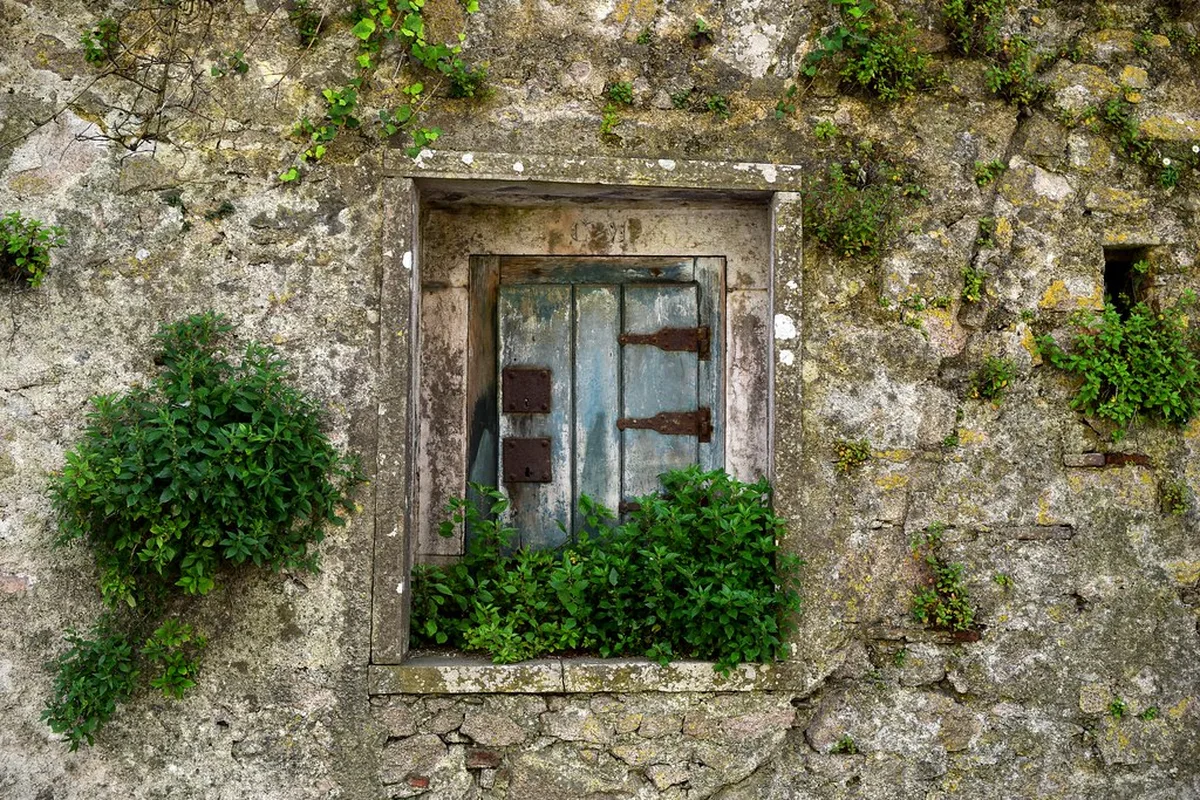
The Palácio Nacional de Mafra is best explored with the free multilingual audio guide available at the ticket desk — it covers all 32 rooms open to the public and significantly enriches the experience. Guided group tours of the palace depart at 10:00, 12:00, 14:00, and 16:00 daily and cost €10 per person including entry; private tours for up to eight people can be booked for €55 total (€6 entry plus €49 guide fee). Photography throughout the palace is permitted without tripods.
Walking through the royal apartments reveals the scale of Portuguese monarchy during its peak 18th-century wealth, when gold from Brazil funded projects like this one. Long corridors connect dozens of staterooms furnished with original period pieces including canopied beds, gilded mirrors, and Arraiolos carpets. The Sala dos Troféus (Trophy Room) displays hunting trophies collected over centuries, a vivid reminder that the Tapada hunting grounds were central to court life. The basilica features six pipe organs arranged in pairs along the nave, and on the first Sunday of each month a free organ recital is held at 16:30, drawing visitors from across the Lisbon region.
Combining a visit to Mafra with the nearby coast is highly recommended for a full-day outing. The surfing town of Ericeira lies just 12 km west on the EN116 road, reachable by local bus or taxi (€10–14 from Mafra). This pairing provides a perfect balance of royal baroque grandeur in the morning and Atlantic beach relaxation in the afternoon. Check bus schedules in advance as the Mafra-to-Ericeira connection runs only a few times per day.
Surfing and Scenery in Ericeira and Azenhas do Mar
Ericeira is a world-class surfing reserve with a charming old town vibe and one of only two World Surfing Reserves in Europe. Narrow streets feature whitewashed buildings with bright blue-painted trim that has remained virtually unchanged for generations. The cliffs offer spectacular views of the Atlantic rollers hitting the sand at beaches like Ribeira d'Ilhas, Praia dos Pescadores, and Praia de São Sebastião. Professional surfers from around the globe gather here throughout the year, and the town buzzes with surf schools, board rental shops, and après-surf cafés.
Surf lessons in Ericeira cost approximately €35–45 per person for a two-hour group session in 2026. Board and wetsuit rental for a full day runs €20–25 at most of the surf shops along Rua 5 de Outubro. If you simply want to watch rather than surf, the clifftop path running north from Praia dos Pescadores offers an excellent free vantage point above Ribeira d'Ilhas, which is the main competition beach. The €4 parking lot at the top of the cliff fills quickly in summer, so arriving before 09:00 is recommended if you are driving.
Azenhas do Mar provides one of the most iconic views in Portugal and sits just 6 km north of Ericeira along the coastal road. This small village sits directly on the side of a steep cliff, its whitewashed houses stacked in tiers above the Atlantic. A saltwater natural pool at the base fills naturally during high tide and is free to enter, though it can be very crowded on summer weekends. Photographers often visit at golden hour to capture the white houses glowing against the deep blue sea. The restaurant at the cliff edge has been operating for decades and serves grilled fish with views from around €18–24 per plate.
Reaching these seaside spots is easiest with a rental car or taxi from Sintra. Car rental from Sintra for a day typically costs €45–65 including insurance in 2026, which is excellent value when split among a group. Parking near Azenhas do Mar can be tight during the summer months, particularly on weekends between June and September. A taxi ride from Sintra center to Ericeira usually costs about €20–28 one-way in 2026, depending on the time of day and whether surge pricing applies via Uber or Bolt. The Mafrense bus also connects Sintra to Ericeira via the inland route for €4.50, though the journey takes around 55 minutes with a change at Torres Vedras in some timetable slots.
Praia da Adraga is another hidden gem located approximately 8 km south of Ericeira along the coast road. The beach is framed by dramatic rock arches and deep sea caves carved by centuries of Atlantic erosion. A small restaurant on the sand serves excellent fresh grilled fish, house wine, and limpets (lapas) for around €14–20 per person at lunch. It remains a firm favorite for locals and in-the-know visitors who want to avoid the larger crowds of Cascais beaches. Parking at the top of the access road costs €3 per day in 2026.
Exploring the Pink Walls of Queluz National Palace
Queluz National Palace is often called the Versailles of Portugal, and the comparison holds up well once you stand in its central courtyard. The 18th-century rococo architecture features delicate pink and yellow ochre rendered walls set off by ornate limestone carvings, statuary, and urns. Built between 1747 and 1794, it served as the summer and later permanent residence for the Portuguese royal family until the monarchy was abolished in 1910. Reaching the palace by public transport is simple: the CP Linha de Sintra commuter train connects Sintra station to Queluz-Belas station in approximately 15 minutes, and trains run every 20 minutes throughout the day. A single ticket costs approximately €2.40 in 2026 using the Viva Viagem card (€0.50 card fee). From Queluz-Belas station it is a 10-minute walk along a clearly signed route through the town.
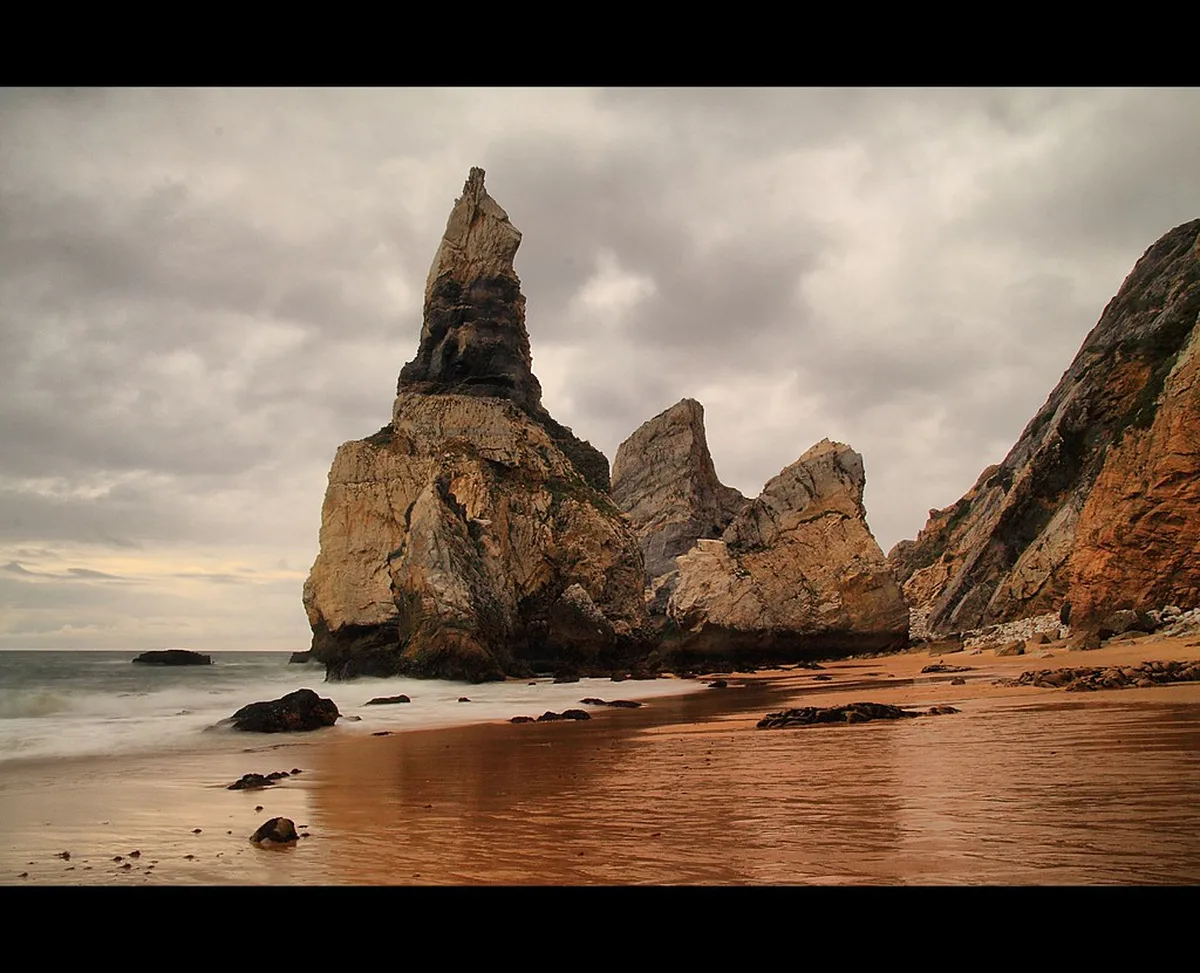
Entry to Queluz National Palace costs €10 per adult in 2026, which covers the state apartments, the magnificent gardens, and all temporary exhibitions. A family ticket for two adults and up to three children under 14 costs €18. The gardens are arguably the best feature of the complex: marble statues and azulejo-tiled water canals wind through manicured lawns, and the Lions Staircase at the north end is a favourite photo spot. Spring visits in April and May bring the magnolias and wisteria to full bloom, making the garden particularly photogenic. The gardens alone can occupy a full hour of wandering.
Inside the palace, the Sala do Trono (Throne Room) displays floor-to-ceiling gold-leaf mirrors and painted ceilings that rival anything in Madrid or Vienna. The Sala de Música (Music Room) hosted royal concerts throughout the 18th century and still contains its original fortepiano. You can see the Sintra Pena Palace guide to compare the two different royal styles — Pena's romantic fantasy versus Queluz's refined European rococo. Queluz offers a much more peaceful experience with significantly fewer tourists than the Sintra palaces, especially on weekday mornings before 11:00.
The palace café set within a restored kitchen outbuilding called Cozinha Velha is one of the most atmospheric places to have lunch near any Portuguese palace. A light lunch of soup, half a grilled chicken, and local wine costs around €16–22 per person including coffee. There is also a small gift shop selling azulejo tiles, linen tablecloths, and reproductions of the palace's decorative patterns. Most visitors find two to two-and-a-half hours is enough for a thorough visit including the gardens. Queluz pairs very well with a morning spent at Sintra's palaces, as the easy train connection means you can move between the two without a car.
Setúbal and Arrábida Natural Park: A Hidden Coastal Gem
Setúbal is one of the most rewarding and underrated day trips from Sintra, combining a lively working-class Portuguese city with access to the stunning Arrábida Natural Park — a stretch of limestone cliffs and turquoise-blue coves that ranks among the most beautiful coastline in all of Europe. The journey from Sintra takes approximately 1 hour 10 minutes by train, changing at Lisbon's Roma-Areeiro or Entrecampos station, with a return ticket costing around €6.40 in 2026. From Setúbal city, local buses run to Portinho da Arrábida (Bus 760, €2.50 single, 35 min) during the summer season from April through October.
The Arrábida Natural Park itself is free to enter, though the most popular beach, Portinho da Arrábida, applies a seasonal vehicle access restriction between June and September — only 100 cars are permitted on the access road at any one time, costing €3 per car. Pedestrian access from the bus stop is always free. The water at Portinho da Arrábida is famously clear and warm, with visibility up to 20 metres, making it popular for snorkelling and scuba diving. Diving courses with Arrábida Dive Center cost approximately €55 per person for a half-day guided session including equipment. Kayak rental from the beach runs €15 per hour or €40 for a full day.
The Convento da Arrábida, a 16th-century Franciscan convent built into the cliffs above Portinho da Arrábida, is one of the park's most atmospheric landmarks. Guided visits to the convent cost €5 per person and run on weekends between April and October. The view from the convent terrace across the bay is spectacular, with the Serra da Arrábida ridge rising sharply on one side and the Sado estuary glittering below. Photography from the clifftop path above the convent is exceptional, particularly in the late afternoon when the limestone turns golden in the low sun.
In Setúbal city itself, the Mercado do Livramento is a must-visit covered market open every weekday morning until 13:00. It is widely regarded as one of the best fresh fish markets in Portugal, with enormous displays of locally caught sea bass, bream, and sole. A bowl of fresh seafood soup (caldo de marisco) at one of the market's small counters costs around €5 in 2026. The city center around Praça do Bocage has a good selection of traditional tascas serving grilled fish and arroz de choco (cuttlefish rice) for €12–18 per person at lunch. Restaurante O Coral on Largo da Misericórdia is a local institution serving reliable seafood at fair prices.
The Sado estuary near Setúbal is home to a resident pod of around 30 bottlenose dolphins that can be spotted on boat tours departing from the Setúbal marina. A two-hour dolphin watching tour costs approximately €35–45 per adult in 2026 and runs several times daily throughout the summer. The estuary is also rich in birdlife — flamingos, spoonbills, and little egrets are regularly seen in the salt marshes along the water's edge. For those who want to combine Setúbal with a wine experience, the Moscatel de Setúbal wine produced in the surrounding hills is one of Portugal's most distinctive dessert wines and can be sampled at local quintas (wine estates) from €5 per tasting. José Maria da Fonseca winery in nearby Azeitão offers guided cellar tours for €12 per person including three tastings and runs year-round.
Getting the most from a Setúbal day trip requires an early start from Sintra. Take the first morning train to Lisbon and then connect to Setúbal before 09:00 to arrive before the crowds. Alternatively, hiring a car from Sintra for €45–65 per day gives you the flexibility to visit both Portinho da Arrábida and a second cove like Praia de Galapinhos — a secluded arc of white sand framed by pines that is only accessible on foot and is regularly voted one of the best beaches in Portugal. The 20-minute clifftop walk from the car park to Galapinhos beach is well marked and passes through fragrant pine and rockrose scrub with Atlantic views the entire way.
Essential Logistics for Day Trips from Sintra
Navigating the regional roads requires a bit of patience during the busy months of June through September. Finding parking in Sintra is often the biggest challenge for those arriving by car. Consider using the peripheral lots at São Pedro de Penaferrim (free) or the paid lot at the Palácio da Vila (€2 per hour, max €10 per day in 2026) to avoid the narrow streets of the center. Shuttle buses (scotturb) run every 10–15 minutes from the peripheral areas to the main stations and cost €1.50 per single journey.
Check the Sintra day trip from Lisbon guide for timing tips that apply equally when heading out from Sintra to surrounding destinations. Sea fog often rolls in from the Atlantic during the morning hours and can obscure cliff views at Cabo da Roca until midday, particularly in May and June. The temperature near the ocean is usually 3–5°C cooler than in the mountain woods. Always bring a light windproof jacket even if the sun is shining when you leave Sintra's town center.
Timing your departures is essential to avoid the heavy morning traffic that backs up along the EN247 toward the coast. Most resources for planning a Sintra day trip from Lisbon suggest arriving at Sintra station before 09:00. Leaving for your coastal or inland excursions after 10:00 helps you miss the first wave of tourist coaches. Returning to Sintra in the early evening — before 18:30 — allows you to enjoy dinner in the village before the last train back to Lisbon at 23:20 in 2026. Rail tickets from Sintra to Lisbon Rossio or Oriente cost €2.40 in 2026 using Viva Viagem.
Rideshare apps like Uber and Bolt work well for short regional trips and typically offer faster pick-up times than traditional taxis in 2026. A trip from Sintra center to Cascais via Uber costs around €18–25 depending on demand. A trip to Ericeira runs €20–28. This is often cheaper than multiple single bus tickets for a group of three or four travelers, and the door-to-door service eliminates timetable constraints. Make sure your phone is fully charged as mobile signal can be intermittent near the sea cliffs at Cabo da Roca and Azenhas do Mar.
Frequently Asked Questions
What are the best day trips from Sintra for families?
Cascais is the best family-friendly day trip from Sintra in 2026. The town has calm, shallow beaches like Praia da Rainha, a free park with peacocks at Parque Marechal Carmona, and a small free zoo. The bus from Sintra via Cabo da Roca (Bus 1253 then 1624) costs €4.50 per leg and is manageable with children. Queluz National Palace is another excellent family option: the train from Sintra takes only 15 minutes (€2.40), entry is €10 per adult and €5 per child, and the garden fountains and marble statues keep younger visitors entertained. Both destinations have toilets, cafés, and flat walking paths suitable for pushchairs.
Can I visit Cabo da Roca and Cascais on the same day?
Yes, combining Cabo da Roca and Cascais in one day is straightforward. Bus 1253 runs from Sintra station to Cabo da Roca (€4.50, 40 min), and Bus 1624 continues from Cabo da Roca to Cascais (€4.50, 30 min). Spend 45 minutes at the cliffs then take the onward bus to Cascais for lunch and an afternoon exploring the seafront and Boca do Inferno. From Cascais, return directly to Lisbon by train (€2.30, 40 min) rather than retracing the route to Sintra. Total transport cost for the whole loop is around €11–13 per person in 2026.
Is a rental car necessary for day trips from Sintra?
A rental car is not necessary for Cascais and Queluz, which are both well served by bus and train from Sintra. However, for destinations like Azenhas do Mar, Praia da Adraga, Praia de Galapinhos, and the Tapada Nacional de Mafra a car or taxi is strongly recommended as public transport is infrequent. Car rental from Sintra costs around €45–65 per day in 2026 including basic insurance. Uber and Bolt are often more economical for solo travelers or couples making one or two specific trips, while a rental car pays off for groups visiting multiple stops in a single day.
How much do day trips from Sintra usually cost?
In 2026, a typical day trip from Sintra costs €35–60 per person all-in. Bus and train fares range from €2.40 (Queluz by train) to €9 return (Cabo da Roca bus loop). Palace entries are Queluz €10, Mafra €6, Mafra combined with gardens €10. Beaches and natural viewpoints like Cabo da Roca and Ericeira surf beaches are free. Setúbal by train costs €6.40 return and Arrábida Natural Park entry is free. Budget €12–18 for a restaurant lunch near any of the palaces. A comfortable budget for a full day out including transport, entry, and a sit-down meal is €50–65 per person.
How do I get from Sintra to Mafra by public transport in 2026?
Take the Mafrense bus line 1059 from Sintra train station directly to Mafra village. The journey takes approximately 40 minutes and a return ticket costs around €3.50 in 2026. Buses run roughly every 60–80 minutes on weekdays and less frequently on weekends, so check the Mafrense timetable at sintra.pt or at the station before you go. The bus stops within a 5-minute walk of the Mafra National Palace entrance on the town square. If you miss the bus, a taxi from Sintra to Mafra costs approximately €20–28.
What is the Mafra National Palace combined ticket price in 2026?
In 2026, Mafra National Palace standard entry is €6 per adult, covering the royal apartments, the basilica, and the famous 36,000-volume baroque library. A combined ticket including the Cerco baroque gardens costs €10. The Tapada Nacional de Mafra wildlife park is sold separately at €4 for a self-guided foot visit or €10 for a guided cycle tour. Guided palace tours are €10 per person (including entry). Children under 12 and EU residents under 26 with student ID enter free. The palace is closed on Tuesdays.
How do I get from Sintra to Setúbal and Arrábida Natural Park?
From Sintra, take the commuter train toward Lisbon and change at Roma-Areeiro or Entrecampos station for the Setúbal line. The full journey from Sintra to Setúbal takes approximately 1 hour 10 minutes with a return ticket costing €6.40 in 2026. From Setúbal city, Bus 760 runs to Portinho da Arrábida beach in about 35 minutes for €2.50 single, operating April through October. Arrábida Natural Park entry is free for pedestrians, though a €3 vehicle access fee applies to the Portinho da Arrábida beach road during summer. Alternatively, a car hire from Sintra (€45–65 per day) gives you the flexibility to visit multiple coves including the secluded Praia de Galapinhos.
Exploring the region beyond the main palaces adds incredible value to your stay in Sintra. The variety of coastal views and historical monuments — from the baroque grandeur of Mafra to the Atlantic edge at Cabo da Roca, and from the turquoise coves of Setúbal to the sophisticated seafront of Cascais — ensures something rewarding for every traveler. Planning ahead with transport timetables and booking entry tickets online where possible will make your excursions much smoother in the busy 2026 summer season.
Whether you prefer surfing the world-class breaks at Ericeira, walking the cliff paths at Azenhas do Mar, dolphin watching in the Sado estuary at Setúbal, or marveling at the library bats of Mafra, the options from this small mountain town are extraordinary. The Atlantic breeze and royal heritage create a unique atmosphere you will long remember. Don't forget to check the local weather before heading out to the coast, and carry a windproof layer regardless of conditions in town.
Your 2026 adventure in Portugal can be much more than just a quick palace visit. Take the time to see the westernmost edge of Europe, the pink rococo walls of Queluz, the 880 rooms of Mafra that took 45,000 workers to build, and the hidden turquoise coves of Arrábida. These experiences along the Portuguese Atlantic coastline will very likely be the highlight of your entire trip. Safe travels as you explore the remarkable surroundings of this magical mountain town.