When is the Best Time to Visit Sintra for a Perfect Trip?
The best time to visit Sintra is April–May or September–October: temperatures stay 16–22°C, crowds run 40–50% lower than July–August, and palace queues rarely exceed 20 minutes.
Spring delivers the best value — Sintra hotels average €95–€130/night in April versus €160–€220/night in August, while Pena Palace costs €18 and the Lisbon train is just €2.30 each way.
Sintra sits nestled in the hills of Portugal, offering a magical escape from the bustling streets of nearby Lisbon. Finding the best time to visit Sintra ensures you enjoy these fairy-tale palaces without fighting through massive tourist crowds. Most travelers prefer the mild temperatures and blooming gardens found during the fresh spring or crisp autumn months. In 2026, Sintra is forecast to welcome over 4.5 million visitors annually, making seasonal planning more important than ever. Planning ahead for seasonal weather patterns and local tips helps you organize a perfect 2026 Portuguese adventure.
The Best Time to Visit Sintra for Mild Weather
April and May bring vibrant colors to the lush gardens of the Quinta da Regaleira and Monserrate Palace. Daytime temperatures usually hover around 18°C, making the steep uphill walks to the castle ramparts much more comfortable. Exotic plants reach full bloom during this refreshing window, providing incredible backdrops for your travel photos. Most visitors find the spring atmosphere perfect for exploring the vast palace grounds without feeling overheated.
In 2026, April is shaping up as a particularly strong month for Sintra visitors. The Easter week rush (late March) subsides by the second week of April, and weekday crowds are noticeably thinner throughout the month. Accommodation prices drop back to off-season ranges of €90–€120 per night for mid-range guesthouses within walking distance of the historic center. Average rainfall in April is around 70mm spread across 13 rainy days — typically short showers rather than all-day downpours — so most outdoor sightseeing continues uninterrupted. By May, rainfall drops to around 45mm and daytime highs climb to 21°C, offering some of the most reliably pleasant conditions of the entire year.
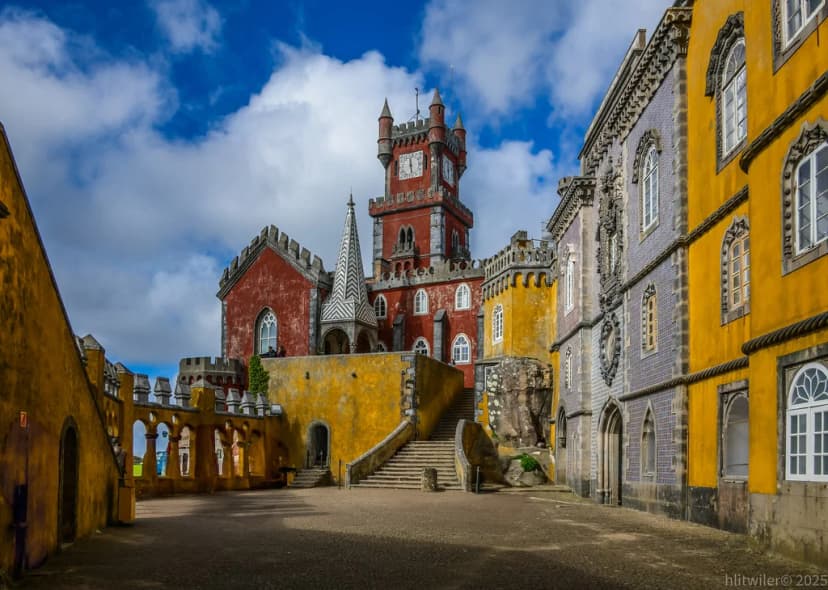
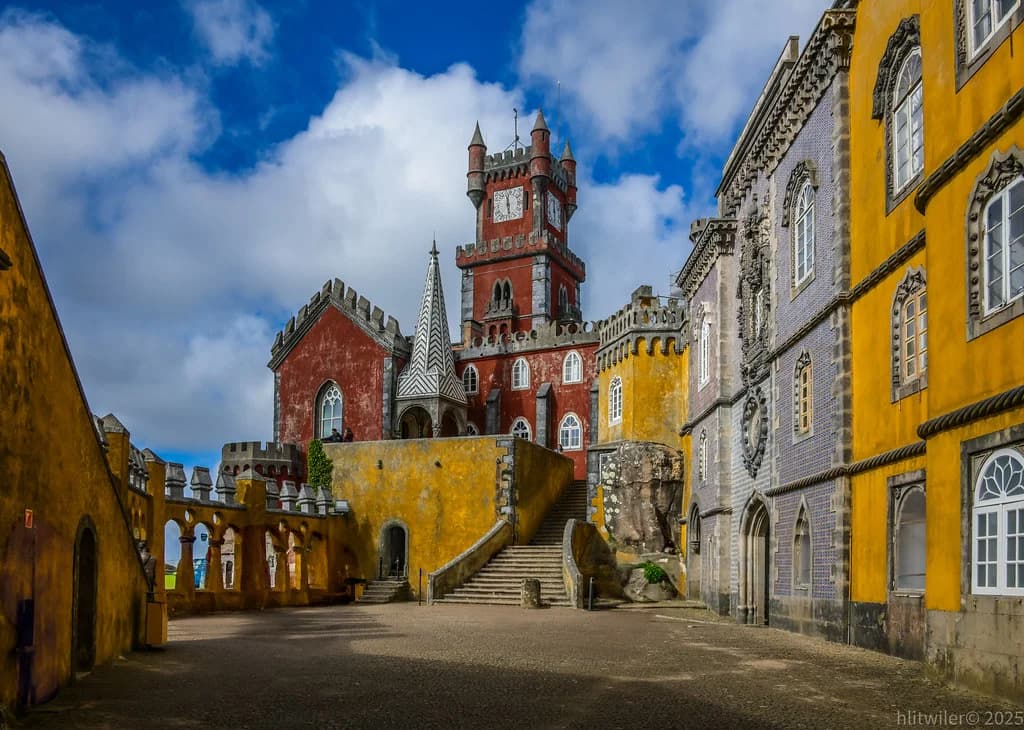
September and October provide a similar sweet spot with thinning crowds and warm, golden Mediterranean sunlight. Many families return home after the summer holidays, leaving the narrow cobblestone streets much quieter for exploring. Consider booking a Sintra walking tour to discover hidden gems tucked away from the main palace routes. The autumn light creates a stunning glow against the yellow and red walls of the iconic Pena Palace. October is particularly underrated: temperatures average 19°C, entrance queues are short enough that timed tickets can often be purchased same-day, and the surrounding Sintra-Cascais Natural Park takes on warm amber tones as the season shifts.
Spring visitors should prepare for occasional light showers that keep the mountain landscape looking remarkably green and lush. Carrying a small travel umbrella allows you to continue exploring the outdoor castle ramparts without getting soaked. These months offer the best balance between comfortable weather and manageable numbers of fellow tourists. Planning your visit for late May often provides the most reliable weather for outdoor hiking and photography throughout the palace gardens. If you have extra time, the day trips from Sintra to Cascais and the Atlantic coastline are equally rewarding in spring, when the cliffs and beaches are at their greenest and quietest.
Managing Summer Heat and High Season Crowds
July and August mark the peak of the tourist season when thousands of visitors arrive daily from the capital. In 2026, Sintra expects its busiest summer on record, with daily visitor counts at Pena Palace exceeding 8,000 on peak weekends. Expect long queues for shuttle buses — often 45 minutes or more — and significant wait times at the entrances of the most popular historic sites. Temperatures often rise above 28°C, though the mountain air remains slightly cooler than the Lisbon city center. Staying hydrated and wearing sunscreen is essential when walking between the different hilltop monuments.
Planning your logistics becomes essential during these busy months to avoid unnecessary stress and wasted time. Accommodation prices peak in July–August, with guesthouses averaging €150–€220/night and many properties requiring minimum two-night stays. Budget travelers should look at staying in Lisbon and commuting by train, which runs every 20 minutes from Rossio Station for just €2.30 per journey. Drivers should be aware that parking in Sintra is extremely limited and often restricted during peak hours in summer, with the nearest unrestricted car parks filling by 9:00 AM on weekends. Using the train from Rossio Station helps you bypass the heavy traffic congestion that clogs the winding mountain roads.
Taking a Sintra day trip from Lisbon guide can help you navigate the public transport system effectively. Most trains run every 20 minutes during the day, providing a reliable way to reach the town center in approximately 40 minutes. Arriving before 8:30 AM allows you to stay ahead of the largest tour groups arriving by coach, which typically descend on the palace entrances between 10:00 AM and 11:00 AM. Early arrivals also benefit from the morning shade provided by the dense forest canopy before the midday sun intensifies. If you must visit in summer, Tuesday and Wednesday see 20–25% fewer visitors than weekends, based on 2025 entry data from palace operators. Booking all timed tickets at least two weeks in advance through penapalacios.pt is non-negotiable in July and August — walk-up availability is essentially zero on weekends.
Embracing the Mystical Atmosphere of Winter
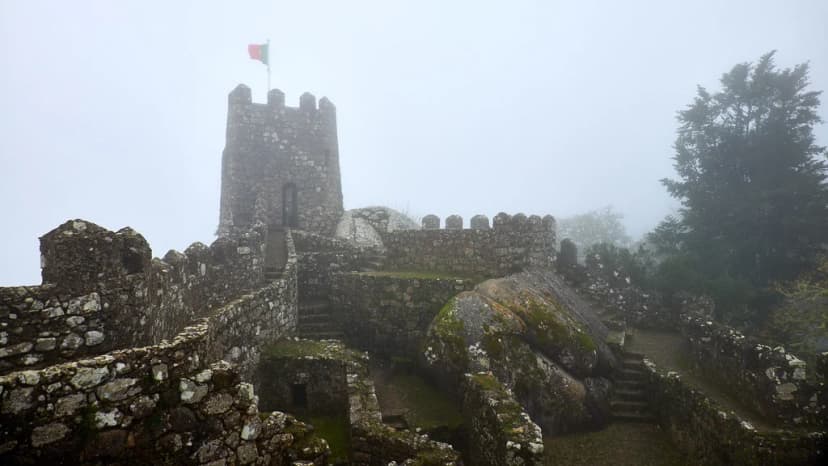
Winter in Sintra offers a completely different experience characterized by rolling mists and a quiet, moody atmosphere. From November to February, the palaces often disappear into the clouds, creating a hauntingly beautiful scene for photographers. You will find much lower prices on accommodation — guesthouses average €65–€90/night in January — and shorter lines at even the most famous landmarks. The lack of crowds allows for a more contemplative visit to the ancient Moorish ramparts, where you can linger at viewpoints without dozens of other tourists jostling for the same angle.
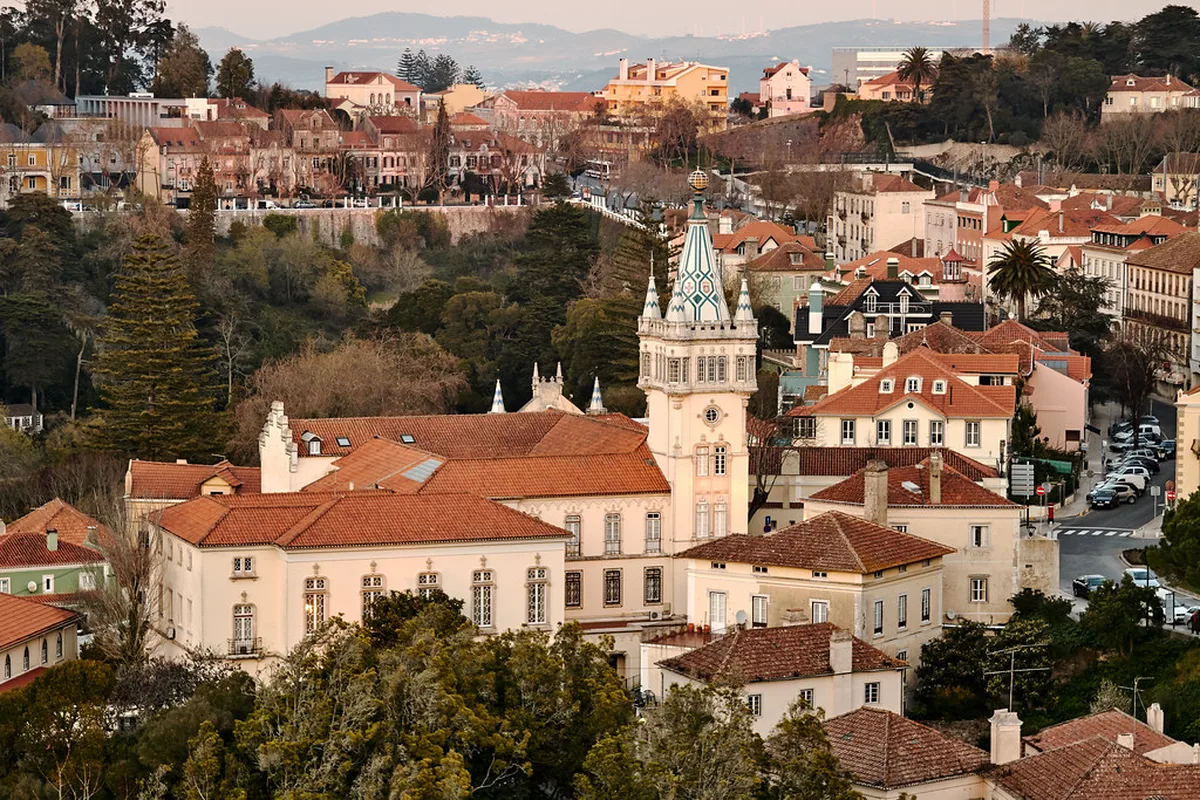
Rain is common during the colder months, so packing a waterproof jacket and sturdy boots is a smart move. Indoor attractions like the National Palace of Sintra provide a warm refuge when the Atlantic winds pick up speed. In 2026, the National Palace is offering a special winter exhibition showcasing restored 15th-century azulejo panels, making it a compelling draw even in poor weather. Choosing this season suits travelers who value solitude and budget-friendly rates over perfectly clear blue skies. Many visitors enjoy the romantic feeling of the fog-covered forests during a quiet winter stroll through the Sintra-Cascais Natural Park.
Daytime temperatures rarely drop below 10°C, but the humidity can make the air feel quite chilly when combined with Atlantic winds. Many local cafes serve hot chocolate and traditional pastries like Travesseiros — the custard-filled pastry unique to Sintra — to help you warm up between palace visits, typically costing €1.50–€2.00 each. Visiting in January or February allows for a slow-paced exploration that feels much more authentic and personal, with entry to Quinta da Regaleira often possible without any advance booking. The shorter daylight hours mean you should start your sightseeing early, as sunset arrives by 5:30 PM in December and January, limiting outdoor exploration time. Note that a few secondary attractions operate on reduced winter schedules from November through February, so checking individual palace websites before your visit is advisable.
Autumn in Sintra: The Underrated Shoulder Season
September and October represent the most underappreciated window to visit Sintra in the entire calendar year. After the relentless summer crowds thin out following the August bank holiday weekend, the hilltop palaces and forest trails of the Sintra-Cascais Natural Park return to a manageable pace that more closely resembles the spring shoulder season. Temperatures through September remain warm at 22–25°C, dropping gently to a comfortable 18–20°C by mid-October — warm enough for extended outdoor walks through the palace grounds without the punishing July heat.
From a cost perspective, autumn delivers meaningful savings compared to peak summer rates. Mid-range guesthouses in the historic center drop from their summer peaks of €150–€220/night back to a more accessible €100–€140/night in September, falling further to €80–€110/night through October. This price correction, combined with significantly shorter queues at Pena Palace (€18 adult) and Quinta da Regaleira (€8 adult), makes autumn arguably the best overall value season for first-time visitors who want a quality experience without peak-season stress.
The autumn light in the Sintra mountains is genuinely exceptional for photography. The late afternoon sun casts warm golden tones against the ochre and burgundy walls of Pena Palace, and the surrounding forest takes on amber hues as the season progresses into October. Photographers and travel writers consistently rank October as the most photogenic month in Sintra, and the manageable crowd levels mean you can hold a composition at a viewpoint without other visitors constantly walking into frame.
Autumn is also the ideal time to combine a Sintra visit with nearby Atlantic coastal destinations. The beaches at Praia Grande and Praia das Maçãs — a short bus ride from Sintra town — remain swimmable through late September with sea temperatures around 19°C, while crowds thin dramatically after the August school holiday peak. Alternatively, consider a half-day excursion to Cascais beaches, which are easily reached by local bus or taxi and offer a relaxed contrast to the inland mountain scenery. September weekdays in particular offer the rare combination of summer-quality weather with near-spring crowd levels — a window that experienced Sintra visitors actively plan around.
Timing Your Visit for Top Attractions
Choosing the right hour of the day is just as important as choosing the right month for your visit. The iconic Pena Palace attracts the largest groups, making early morning arrivals crucial for a peaceful experience. Pena Palace opens at 9:00 AM, and the first 30 minutes after opening are consistently the quietest window of the entire day. Secure your entry slot well in advance through penapalacios.pt to ensure you do not miss out on your preferred time; in 2026, all timed-entry tickets must be booked online and no walk-up tickets are sold at the gate during peak season (May–September). Ticket price for Pena Palace is €18 per adult for palace and park access.
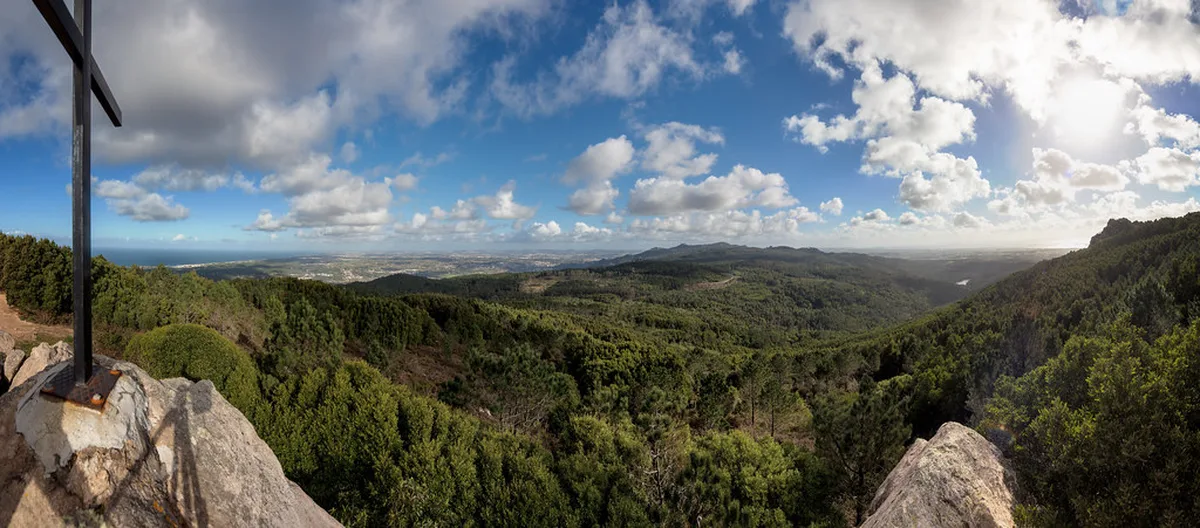
Late afternoon visits also work well for places like the Moorish Castle as the sun begins to set. The lighting during the final two hours of operation provides incredible views all the way to the Atlantic Ocean. Most organized day-trip groups depart by 5:00 PM, leaving the ramparts much quieter for independent travelers. Exploring the castle walls at dusk offers a unique perspective on the surrounding mountain landscape and, on clear evenings, visibility extends as far as the Setúbal Peninsula.
Reading a detailed Sintra Pena Palace guide can help you navigate the complex ticketing system and timed entries. These guides explain how to move between the different park levels and the main palace interior efficiently. Following a set schedule helps you maximize your time without feeling rushed between the various mountain sites. Using the local shuttle bus — Line 434, which runs from the train station past the Moorish Castle and up to Pena Palace — can save you from the exhausting uphill climb; the return trip is included in the €7.50 shuttle ticket. Arrive at the shuttle stop by 9:15 AM to board before the post-opening rush fills the queues.
- Morning Palace Entry
- Time: 9:00 AM
- Benefit: Fewer crowds, best light for photos
- Best for: Pena Palace (€18), Quinta da Regaleira (€8)
- Late Afternoon Ramparts
- Time: 5:00 PM
- Benefit: Golden hour light, tour groups departed
- Best for: Moorish Castle
Avoiding the Crowds: Best Times to Visit Pena Palace and Quinta da Regaleira in 2026
Pena Palace and Quinta da Regaleira are Sintra's two most-visited attractions, and both have adopted strict crowd management policies for 2026. Pena Palace opens at 9:00 AM daily and Quinta da Regaleira also opens at 9:00 AM, with the last admission at 5:30 PM (6:30 PM in summer). Arriving at the gate precisely at opening time — ideally 10 minutes before — gives you the first 45 minutes inside before the main coach groups begin arriving around 10:00 AM. This window is the single most effective crowd-avoidance strategy available to independent travelers.
Ticket prices in 2026 are €18 per adult for Pena Palace (palace building and surrounding park) and €8 per adult for Quinta da Regaleira. Both attractions require advance online booking through penapalacios.pt; on summer weekends, same-day tickets are routinely sold out by 8:00 AM. It is strongly recommended to book Pena Palace tickets at least two to three weeks ahead for any visit between May and September, and at least one week ahead for April, October, and school holiday periods. Quinta da Regaleira tickets can usually be booked three to five days in advance outside of peak summer.
Midweek visits (Tuesday through Thursday) see substantially lower visitor numbers than Friday through Sunday at both sites. Based on 2025 entry data from the palace operators, Tuesday mornings in September recorded 30–35% fewer visitors than comparable Saturday mornings. If your schedule allows, arriving on a Tuesday in late September combines three favourable factors: school groups have returned to class, the summer coach-tour season is winding down, and the weather remains warm and stable. For Quinta da Regaleira in particular, the underground Initiation Well — the most photographed feature — can be explored with minimal queuing before 10:30 AM on any weekday outside July and August.
For visitors who cannot avoid weekend trips, the best mitigation strategy is to split the two palaces across two separate mornings rather than attempting both in one day. Visit Pena Palace on the first morning (arrive by 9:00 AM, allow 2–2.5 hours), and Quinta da Regaleira on the second morning (arrive by 9:00 AM, allow 1.5–2 hours). This approach avoids the afternoon crush at both sites and leaves time in each afternoon to explore the quieter corners of Sintra, including Monserrate Palace and the winding paths of the Sintra-Cascais Natural Park.
Local Insights and Common Travel Mistakes
Many tourists fail to account for the unique micro-climate that governs the weather in these coastal mountains. Dense fog often blankets the hills while Lisbon remains sunny and significantly warmer — a temperature difference of 5–8°C between the town center and the palace hilltops is common. Always bring an extra layer of clothing even if the coastal forecast looks bright before you leave. The mountain air can turn surprisingly cold as soon as the sun disappears behind the peaks, especially in spring and autumn when conditions shift quickly.
Another frequent error is trying to see every major palace in a single day without a clear plan. Sintra has five significant historic sites spread across steep terrain covering several kilometers, and rushing between them leads to fatigue and frustration. Most experienced travelers recommend selecting two or three sites that best match your interests and devoting proper time to each. Spreading your visit over two days allows for a much more relaxed and enjoyable pace, and Sintra offers a good range of overnight accommodation from budget guesthouses at €65/night to boutique hotels at €180/night. You can find practical planning advice in our complete Sintra day trip from Lisbon guide, including how to combine both palaces and the Moorish Castle in a single day if time is limited.
Local residents often suggest visiting on a Tuesday or Wednesday to avoid the weekend crowds from the city. Many attractions offer small discounts of €1–€2 for online bookings compared to on-site purchase prices, which also saves you from waiting in the ticket office lines. Planning your route from the highest point down to the village saves your legs from unnecessary climbing. The walk down through the Villa Sassetti path provides beautiful views and a gentle descent back toward the train station. The Lisbon–Sintra train departs from Rossio Station every 20 minutes throughout the day and costs €2.30 each way — the most affordable and stress-free way to reach Sintra from the capital in 2026. After your day in Sintra, you may also want to explore the Portuguese coast from Lisbon to the Algarve for a broader itinerary along Portugal's Atlantic shore.
Frequently Asked Questions
When is the least crowded time to visit Sintra?
The least crowded time to visit Sintra is during the winter months from November to February, excluding the Christmas and New Year holiday period. Mid-week visits — particularly Tuesday and Wednesday mornings — during the spring and autumn shoulder seasons also offer a quieter experience than weekends. In 2026, January and February weekdays at Pena Palace typically see under 1,000 visitors per day compared to over 8,000 on peak summer weekends.
Is one day enough to see all the palaces in Sintra?
While you can see the main highlights in one day, it often feels rushed and exhausting due to the steep terrain and distances between sites. Most visitors find that selecting two or three priority sites — such as Pena Palace (€18) and Quinta da Regaleira (€8) — allows for a better experience. Two days gives you time to also visit the Moorish Castle and Monserrate Palace at a relaxed pace. Arriving at Pena Palace at 9:00 AM opening and using the shuttle bus (Line 434, €7.50) helps maximise a one-day itinerary.
What is the weather like in Sintra compared to Lisbon?
Sintra has a unique micro-climate that is often 5–8°C cooler and significantly more humid than Lisbon due to its position in the coastal Sintra Mountains. It is common to experience heavy fog and mist at the palace hilltops even when the capital is perfectly clear and sunny. Always carry a light jacket and waterproof layer to stay comfortable, regardless of the Lisbon forecast.
How do I get from Lisbon to Sintra in 2026?
The easiest and cheapest way to travel from Lisbon to Sintra in 2026 is the direct CP train from Rossio Station, which departs every 20 minutes throughout the day and takes approximately 40 minutes. A single ticket costs €2.30. The train drops you in Sintra's historic center within a short walk of the main palace shuttle bus stop. Avoid driving during peak season as parking is severely restricted and fills by 9:00 AM on summer weekends.
Do I need to book Pena Palace tickets in advance for 2026?
Yes — advance online booking through penapalacios.pt is strongly recommended and effectively mandatory between May and September 2026. On summer weekends, same-day tickets sell out before 8:00 AM. Pena Palace adult tickets cost €18 and include access to both the palace building and the surrounding park. Book at least two to three weeks ahead for summer visits and at least one week ahead for spring and autumn. No walk-up ticket sales are available at the gate during peak season.
What month has the best weather and fewest crowds in Sintra?
Late September and early October 2026 offer the best combination of weather and manageable crowds in Sintra. Temperatures average 19–21°C, rainfall is low at around 40–50mm for the month, and visitor numbers drop 40–50% compared to peak July and August. Accommodation prices also fall back to mid-range levels of €95–€130/night. If visiting in spring, the second and third weeks of May avoid the Easter rush and offer similarly reliable conditions with temperatures around 21°C.
Is Sintra worth visiting in autumn, and what should I expect?
Autumn is one of the best and most underrated times to visit Sintra. September temperatures remain warm at 22–25°C, hotel rates drop to €100–€140/night (down from summer peaks of €150–€220/night), and Pena Palace queues shrink significantly after the summer holiday period ends. October is the most photogenic month, with golden light and amber foliage framing the palace walls. Timed entry tickets can often be booked just a few days ahead in October, unlike the two-to-three week advance booking required in summer.
Choosing the right time for your trip depends on whether you prioritize clear skies, low prices, or quiet streets. Visiting Sintra during the right season in 2026 ensures you experience the true magic of this historic mountain town. With Pena Palace tickets at €18 and the train from Lisbon at just €2.30, a well-timed visit is both affordable and unforgettable. Explore further with our guide to day trips from Sintra to discover the nearby Atlantic coastline and historic villages. Proper planning allows you to fully enjoy the fairy-tale charm of Portugal's most famous hilltop escape in 2026.