The Ultimate Granada Nightlife Guide for 2026
Granada is the only city in Spain where every drink comes with a free tapa — beer costs €2–€3, and a full evening of bar-hopping across Calle de Elvira typically costs €12–€15 including food.
Flamenco shows in the Sacromonte cave venues cost €25–€35 per person in 2026, clubs open from midnight with peak energy after 2 AM, and the rooftop bars above the Albaicín serve wine from €2.50 with unobstructed Alhambra views.
Granada offers a distinct evening experience that blends Moorish history with a high-energy student population. Most visitors start their evening in the historic center where traditional taverns serve generous portions of food alongside every drink. This city remains one of the few places in Spain where the free tapas tradition is upheld as a matter of civic pride. Discovering the best local spots is essential for making the most of your time in Andalusia.
The nightlife scene caters to everyone from budget travelers to those seeking upscale cocktail lounges. You will find a mix of narrow cobblestone alleys and modern boulevards filled with music and laughter. Planning your route helps you navigate the steep hills and hidden plazas after the sun sets.
Expect the city to come alive much later than other European destinations due to local dining customs. The atmosphere changes from relaxed afternoon coffee vibes to vibrant street parties as midnight approaches. Locals often hop between several different venues to sample various flavors and musical styles throughout the night. This guide provides the local insight needed to enjoy the city like a true resident.
Top Neighborhoods for Granada Nightlife
The Realejo district serves as the city's trendy heart with a mix of bohemian bars and modern cafes. Walking through these streets reveals colorful street art and cozy corners perfect for a relaxed evening start. Many residents prefer this area because it offers a more local feel away from the main tourist crowds. You can find excellent craft beer selections and creative tapas in the small plazas scattered throughout Realejo. Bars like Bodegas Castañeda on Calle Almireceros offer house wine from €1.80 a glass alongside generous plates of jamón and manchego cheese. The outdoor seating areas fill up fast after 8 PM, so arrive early to claim a spot on the terrace before the evening rush hits.
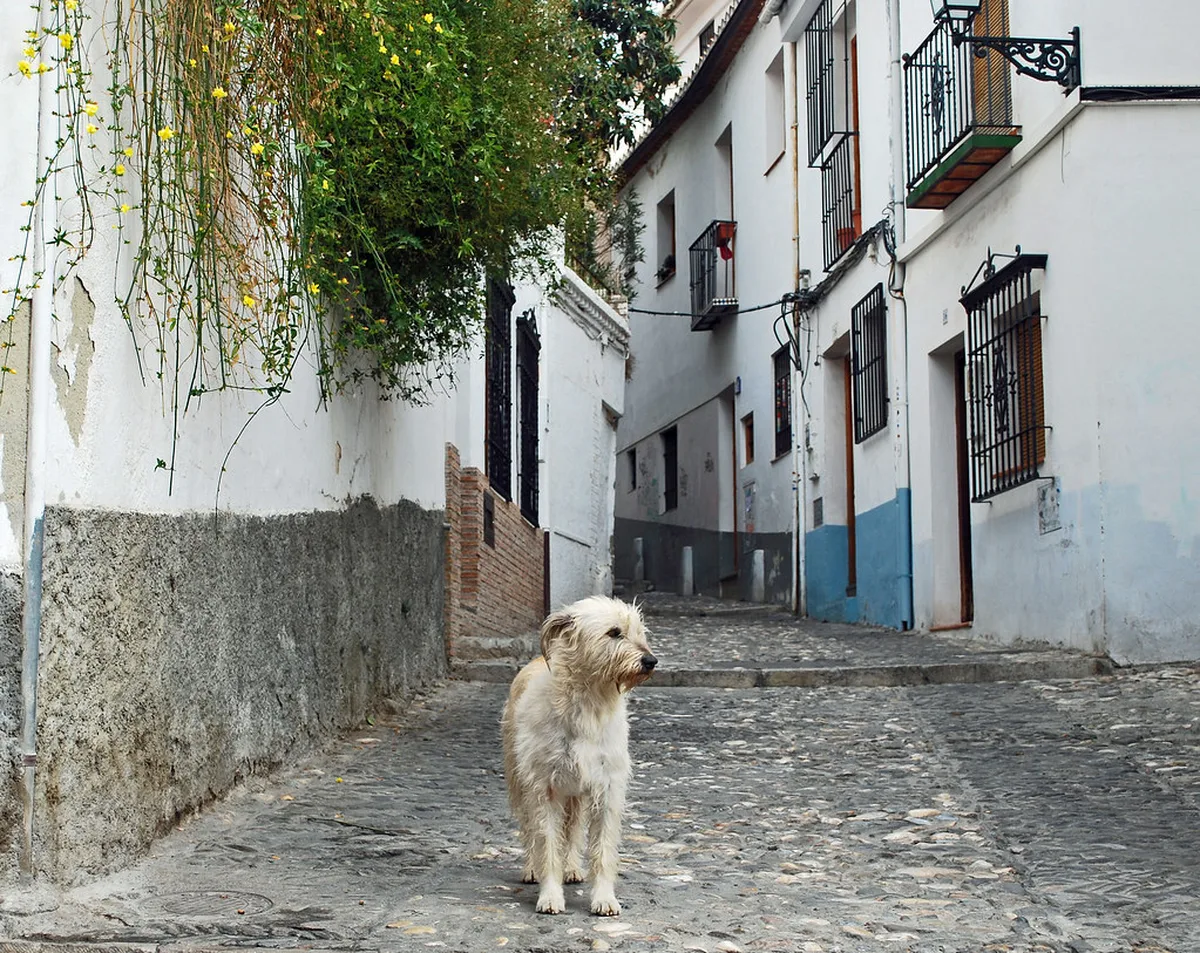
Calle Elvira and Plaza Nueva act as the gateway to the Granada old town for nightlife seekers. This area stays busy until the early hours with a high concentration of Moroccan tea houses and tapas bars. It is a convenient location for those staying in central hotels who want to walk between venues. The narrow sidewalks often overflow with people enjoying the warm Andalusian air during the summer months. Bar Aliatar on Calle Elvira is a standout, known for its rotating tapa selection and cold draft beer at just €2.80. Plaza Nueva itself hosts a cluster of terraces where you can sip local Alhambra beer — the city's own brand — while watching street performers work the crowd.
Pedro Antonio de Alarcón is the primary destination for anyone looking for affordable drinks and student energy. Dozens of small pubs and shot bars line this long street, offering some of the lowest prices in the city. The music here ranges from heavy metal and rock to the latest Spanish pop hits. Visiting this area on a weekend provides a glimpse into the massive university culture that defines Granada. Many bars here run promotions between 10 PM and midnight — typically €2 beers or two-for-one cocktail deals — drawing in students from the nearby Universidad de Granada campus. Pub Planta Baja at the southern end of Pedro Antonio is especially popular for live indie and alternative gigs on Thursday evenings, with no cover charge before 11 PM.
The Albaicín neighborhood offers a more romantic and quiet atmosphere with stunning views of the illuminated Alhambra. Several terrace bars provide the perfect backdrop for a glass of local wine as the stars come out. Navigating the steep labyrinth of white-washed streets requires comfortable shoes and a bit of patience. It is the ideal spot for a sophisticated evening before heading to the louder clubs downtown. La Tetería del Bañuelo on Calle Bañuelo serves Moroccan mint tea and shisha in an authentically decorated space, costing around €4 per pot — a perfect prelude to a full night out. After exploring the Albaicín, be sure to check out the Granada old town guide for historic context on these streets.
- Realejo District for Trendy Bars
- Vibe: Bohemian and artistic
- Best for: Craft beer fans
- Where: South of Alhambra
- Cost: Moderate pricing (beer ~€2.50)
- Calle Elvira for Historic Taverns
- Vibe: High energy bustle
- Best for: Bar hopping
- Where: Near Plaza Nueva
- Cost: Budget to moderate (beer ~€2.80)
- Pedro Antonio for Student Life
- Vibe: Loud and youthful
- Best for: Cheap shots and promotions
- Where: Modern city center
- Cost: Very low prices (shots from €1.50)
- Albaicín for Romantic Evenings
- Vibe: Quiet and atmospheric
- Best for: Wine and views
- Where: Historic hill quarter
- Cost: Moderate (wine from €2.50)
Granada's Free Tapas Tradition: How It Works in 2026
Granada is the last major Spanish city where ordering any alcoholic drink — or even a soft drink — automatically earns you a free plate of food. This is not a gimmick or a tourist promotion; it is a centuries-old local custom that shapes the entire rhythm of evening life. Bars on side streets and away from the main plazas uphold the tradition most strictly. On Calle Navas, Calle Elvira, and the streets around Plaza Trinidad, you will consistently receive a complimentary tapa with every round ordered, regardless of what you drink. A full evening of tapas bar-hopping costs €12–€15 per person and typically covers four to five rounds of drinks plus the equivalent of a complete dinner — making Granada the best-value drinking city in Spain by a considerable margin.
There are two distinct types of tapas bars in Granada that every visitor should understand before going out. The first type is the sequence bar, where the kitchen decides what you eat. Your first drink arrives with something simple — perhaps a small dish of olives, a slice of jamón, or a portion of pan con tomate. The second drink brings something more substantial: a wedge of tortilla española or a mini-racion of croquetas. By the third or fourth round you can expect a full plate of albóndigas (meatballs in tomato sauce), braised oxtail, or the daily stew. The sequence escalates with each drink and the theatre of not knowing what arrives next is part of the enjoyment. The second type is the choice bar, where a printed menu lets you select your preferred tapa. These suit picky eaters or those with dietary restrictions, and many choice bars now clearly label vegetarian, vegan, and gluten-free options.
Bar Los Diamantes on Calle Navas is the single most celebrated tapas bar in the city for 2026. The house speciality is generous fried fish — calamari, boquerones, and gambas — served in paper cones alongside every drink at €2.80–€3.20. The bar is narrow and always packed after 9 PM; standing room only at the counter is the norm, and that is exactly how locals prefer it. Casa Julio on Calle Ermita is another institution, where the fourth drink reliably brings a mini-racion of braised oxtail that alone would cost €8 as a starter in most restaurants. Bodegas La Mancha on Calle Joaquín Costa charges just €2 for a glass of house wine and accompanies each round with a rotating daily tapa that changes at lunchtime and again at dinner.
Non-drinkers are welcome in this tradition. Most authentic tapas bars will serve a free tapa alongside a glass of water or a soft drink, though venues closer to the main tourist plazas have quietly dropped this practice. Vegetarians fare surprisingly well — tortilla de patatas, croquetas de queso, patatas bravas, and pimientos de padrón appear regularly in the tapa rotation at most bars. The golden rule for making the most of the tradition: never rush. Two hours and four bars is a perfectly paced evening; six bars and you have consumed a full three-course meal for around €12–€15 total, all-in.
Mastering the Granada Tapas Culture
Granada is world-famous for its tradition of serving a free plate of food with every alcoholic beverage ordered. This custom means you can effectively eat dinner while only paying for your beer, wine, or soft drinks. Most traditional bars will bring a surprise dish that increases in size or quality with each round. You should expect to pay between €2.50 and €3.50 for a drink and its accompanying tapa in 2026, making this one of the most extraordinary value propositions in all of southern Europe.
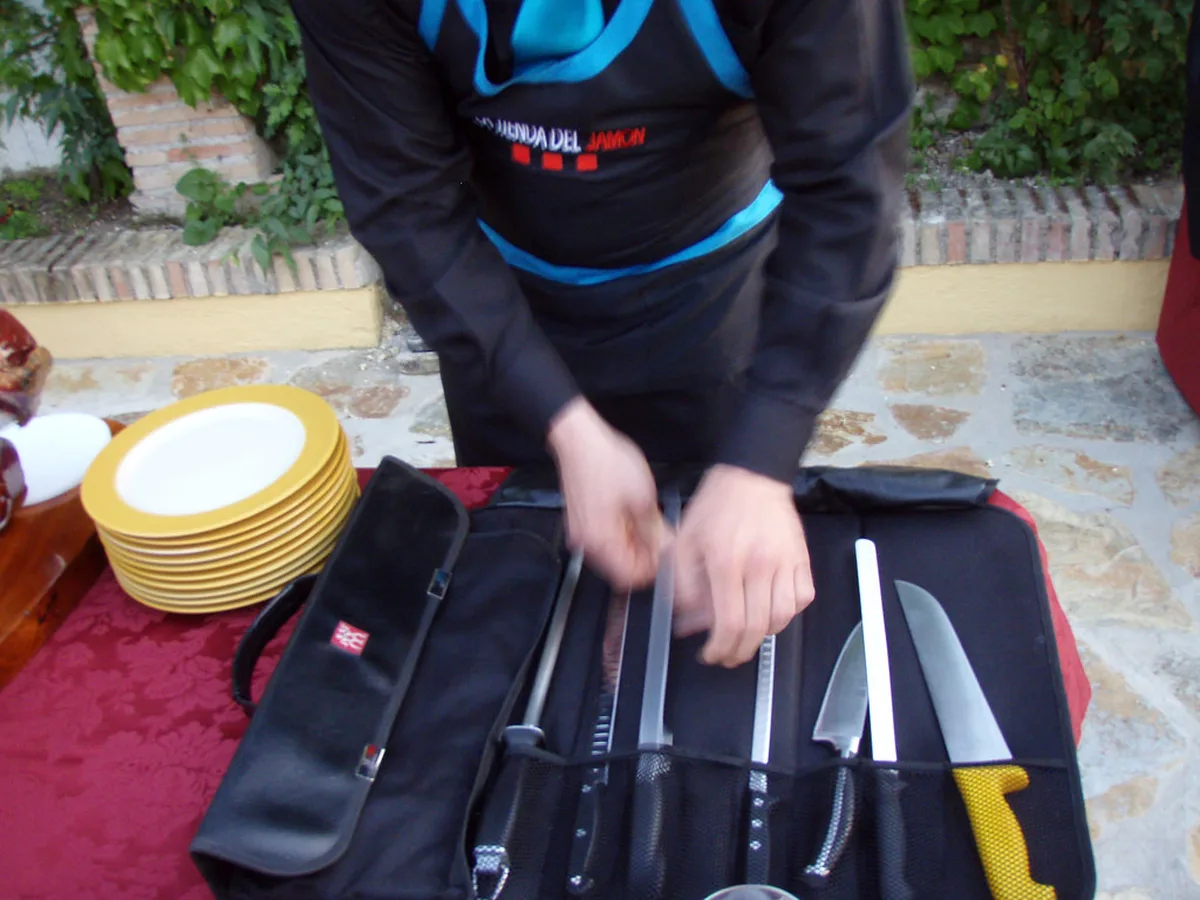
A key local insight involves the difference between sequence bars and choice bars during your night out. In sequence bars, the kitchen decides what you eat, starting with simple items like olives or ham and escalating through tortilla española, albóndigas, and eventually a mini-portion of the day's stew. Choice bars allow you to select your preferred tapa from a printed menu, which is better for picky eaters or those with dietary needs. Locals usually know which spots offer the best variety and will guide their friends accordingly — do not be afraid to ask your bartender which tapa is coming next, as they often enjoy the theatre of the reveal.
Timing is crucial because many popular tapas bars fill up quickly around 9:00 PM every night. Arriving early ensures you get a spot at the bar where the service is often faster and more personal. Standing at the bar is a common practice that allows for quicker movement between different establishments. Many people visit three or four different places to experience a wide range of local culinary specialties.
Some of the best tapas bars in 2026 include Bar Los Diamantes on Calle Navas, famous for its generous fried fish tapas and brisk service even during the busiest Friday evenings. Casa Julio on Calle Ermita is another local favourite, where the fourth round of drinks reliably brings a mini-racion of braised oxtail. Bodegas La Mancha on Calle Joaquín Costa is beloved by university students for its house wine at €2 a glass and rotating daily specials. For a more upscale tapa experience without leaving the tradition behind, try Bar El Trillo in the Albaicín, which pairs artisan cheeses and charcuterie with natural wines from Andalusian producers. The golden rule: never rush through a tapas crawl. Two hours and four bars is a solid evening; six bars and you have had a full meal for around €12–€15 total.
Non-drinkers are also catered for — most tapas bars will serve a free tapa alongside a glass of water or a soft drink, though some tourist-facing venues have quietly dropped this custom. Stick to bars on side streets away from the main plazas to guarantee the tradition is upheld. Vegetarians will find tortilla de patatas, croquetas de queso, and patatas bravas appearing frequently in the tapa rotation, making Granada far more accessible than other meat-heavy Andalusian cities.
Sacromonte Flamenco Caves: Authentic Flamenco Experience in 2026
Sacromonte is the historic Roma quarter where flamenco performances take place inside natural caves carved into the hillside east of the Albaicín. The intimate setting creates a powerful acoustic environment that enhances the emotional depth of the cante jondo singing and the percussive footwork of the bailaoras. Performances usually begin late in the evening — most shows start between 9:30 PM and 10:00 PM — and can run for 60 to 90 minutes, well past midnight for the most extended programmes. Tickets in 2026 cost €25–€35 per person and almost always include one complimentary drink, making it reasonable value for what is genuinely an unforgettable cultural experience. Combination tickets bundling the show with a guided walking tour of Sacromonte can be booked from the tourist office on Plaza del Carmen for around €40.
The specific flamenco style performed in Sacromonte is known as Zambra — a form developed by the local Roma (Gitano) community that features dancers performing in extremely close proximity to the audience. This intimacy allows you to see every detail of the intricate footwork, the subtle wrist rotations, and the intensity of the performers' expressions in a way that no large theatre can replicate. Cueva de la Rocío and Venta El Gallo are two of the most established cave venues in 2026, both operating for several decades and maintaining reputations for authentic performance rather than polished tourist spectacle. Cueva La Rocío on Camino del Sacromonte typically offers four or five performers per show; Venta El Gallo features a larger ensemble and occasionally brings in guest cantaores from Jerez and Seville. Booking in advance is essential during peak season from March through October — most venues sell out by Wednesday for the following weekend. Off-season shows in November through February are easier to access and often feel more intimate.
Beyond the flamenco shows, Sacromonte itself rewards unhurried exploration on foot before the evening begins. The whitewashed cave homes carved into the hillside create a dramatic silhouette against the Sierra Nevada, and the neighbourhood has its own village-within-a-city atmosphere quite unlike the rest of Granada. The Museo Cuevas del Sacromonte at the top of the hill charges €5 entry and provides detailed historical context about the Roma community and their influence on Andalusian music, pottery, and metalwork going back to the 15th century. Evening guided walks through the neighbourhood cost around €12 per person and typically end at a cave bar for a glass of local wine as the sun sets behind the Alhambra — an experience that makes the cultural context of the later flamenco show far richer.
Reaching Sacromonte requires some planning. The path from Plaza Nueva winds steeply uphill along the Camino del Sacromonte for about 1.5 kilometres — manageable at dusk, but quite dark and uneven on the way back after a late show. Many visitors prefer the small red minibus (line C34, €1.40) or a taxi costing €6–€8 from the city centre to reach the cave venues safely. Walking downhill after the show is the preferred option for most guests as the streets are livelier on the descent. Always verify start times on venue websites before heading up, as schedules shift between summer and winter programmes. For context on the wider history of this quarter and its relationship to the broader city, the Granada old town guide covers the Moorish and Roma heritage in detail.
Best Bars and Clubs in Granada
Mae West stands as the most famous nightclub in the city, located within the Neptuno shopping center on Calle Arabial. This massive venue features multiple rooms with different music styles ranging from commercial hits to house music. The decor is elaborate and theatrical, creating an immersive environment for a long night of dancing. It typically attracts a slightly more dressed-up crowd compared to the casual bars in the old town. Entry in 2026 costs €15–€20 and usually includes one drink. The doors open at midnight but the dance floors do not fill until around 2:00 AM, so do not arrive too early expecting atmosphere.
El Camborio offers a unique clubbing experience with a terrace that overlooks the Alhambra palace complex from the Sacromonte hillside. Dancing under the stars while looking at one of the world's most famous monuments is truly unforgettable. The music usually leans toward international hits and reggaeton, which keeps the dance floor packed until dawn. Entry fees in 2026 run €10–€15 and often include a drink, making it a fair value for the spectacular views provided. The outdoor terrace area fills up earliest — arrive by 1:00 AM on weekends if you want a prime spot near the railing with the full Alhambra panorama in view.
Smaller venues like Boogaclub on Calle Verónica de la Virgen provide a great alternative for those who enjoy live music and funkier beats. This spot often hosts jam sessions and underground DJ sets that attract a diverse and artistic crowd. It is a fantastic place to meet locals who are passionate about the city's alternative music scene. Cover charges are typically €5–€8 on live music nights and free on DJ-only evenings. Granada 10 cinema-bar on Calle Cárcel Baja is another cult favourite — it operates as a cinema until around midnight and then transforms into a bar with projections of classic films running in the background, creating an eccentric and memorable atmosphere with no cover charge.
For those who prefer a more intimate lounge setting, Sala Vogue on Calle Mesones offers plush seating, expertly mixed cocktails at €9–€12, and a laid-back electronic soundtrack that avoids the deafening volume of the mega-clubs. It opens at 11 PM and draws a slightly older crowd of professionals and visiting academics. Bar Aliatar on Calle Elvira is the perfect warm-up stop before moving to clubs — craft beer runs €3.50 and the kitchen serves until 11:30 PM. Most clubs in Granada do not get busy until at least 2:00 AM on Friday and Saturday nights, so pace your evening accordingly and consider visiting the Granada safety guide for advice on navigating the city late at night.
- Mae West Mega Club
- Type: Multi-room disco
- Best for: Big night out
- Where: Calle Arabial, Neptuno Center
- Hours: Midnight–7 AM (Fri–Sat)
- Cost: €15–€20 entry including 1 drink
- El Camborio Viewpoint Club
- Type: Scenic dance club
- Best for: Alhambra views + dancing
- Where: Sacromonte hill
- Hours: 1 AM–6 AM (Fri–Sat)
- Cost: €10–€15 entry including 1 drink
- Boogaclub Music Venue
- Type: Live music bar
- Best for: Funk, soul, and indie
- Where: Calle Verónica de la Virgen
- Hours: 10 PM–4 AM
- Cost: €5–€8 (free on non-live nights)
- Sala Vogue Lounge
- Type: Cocktail lounge
- Best for: Relaxed late-night drinks
- Where: Calle Mesones
- Hours: 11 PM–4 AM
- Cost: Cocktails €9–€12, no cover
Rooftop Bars with Alhambra Views and Albaicín Flamenco Venues
Granada's most atmospheric drinking experiences happen not inside any club, but on the rooftop terraces and mirador bars of the Albaicín district. The neighbourhood sits directly across the ravine from the Alhambra, which means that at night — when the palace is lit by warm floodlights — the view from a terrace drink becomes genuinely extraordinary. Several bars have made this view their entire identity, and they deliver.
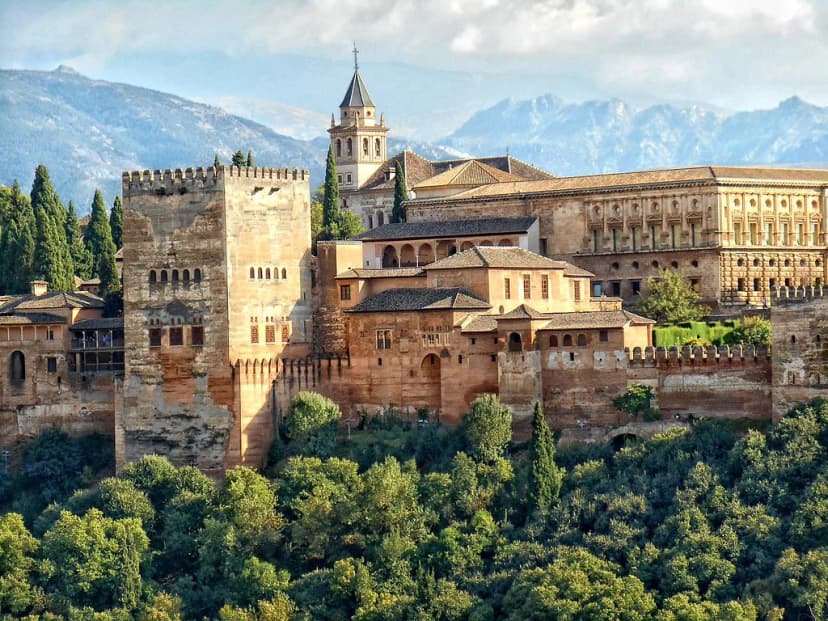
El Huerto de Juan Ranas on Calle de Atarazana Vieja is the most celebrated rooftop bar in Granada for 2026. Perched just below the Mirador de San Nicolás viewpoint, it offers unobstructed sightlines to the Alhambra towers and the snow-capped Sierra Nevada beyond. A glass of local Andalusian white wine costs €4.50, cocktails run €9–€11, and there is no entry fee. The terrace fills up an hour before sunset, so aim to arrive by 7:00 PM in summer to guarantee a seat. After dark the fairy lights switch on and the Alhambra glows golden — one of the most memorable nightlife experiences in southern Spain at any price point.
Mirador de Morayma on Calle Pianista García Carillo is a slightly more formal restaurant-bar that pivots into a terrace cocktail destination after 10 PM. The Alhambra view here is partially framed by pomegranate trees, giving it an almost cinematic quality. Gin and tonics — the fashionable drink of choice in 2026 Spain — are served in large balloon glasses with house-infused botanicals for €10. Reservations are recommended on weekends; walk-ins are usually accepted at the bar rather than the terrace tables.
Beyond the pure rooftop scene, the Albaicín also hosts several smaller flamenco venues that operate outside the Sacromonte cave circuit. Peña La Platería on Placeta de Toqueros is one of the oldest active flamenco clubs (peñas) in the city, founded in 1949. Members-only in theory, it opens its doors to respectful visitors on Friday evenings for live Zambra and Soleares performances starting at 10:30 PM. Entry is typically €10–€15 with a drink included. The atmosphere is deeply authentic — no microphones, no choreographed tourist show, just musicians and dancers performing for the love of the art form. La Chumbera on the road to Sacromonte offers outdoor flamenco performances on the terraced hillside during summer, with tickets around €20 and the Alhambra visible in the background throughout the show.
For a self-guided rooftop experience, walk the path from Plaza Larga up to Mirador de San Nicolás at dusk. Several small kiosks sell cold Alhambra beer (€2.50) and local wine (€2) to the crowds gathered for the sunset. It is free, communal, and unmistakably Granadan — the kind of evening that no organised tour can replicate. From the Albaicín you can easily continue to the day trips from Granada page if you want ideas for a quieter follow-up day in the region.
Practical Tips for Your Night Out
Understanding the local schedule is the most important part of planning your evening in Granada. Dinner rarely starts before 9:00 PM, and many bars do not reach their peak until well after midnight. If you try to go out too early, you might find many of the best venues nearly empty. Taking a late afternoon siesta helps you stay energized for the long night ahead, particularly during the hot summer months when daytime temperatures regularly exceed 35°C.
Granada is generally a safe city for nightlife, but you should still remain aware of your surroundings. Stick to well-lit streets when walking between neighborhoods like the Albaicín and the modern center. For more detailed safety information, the is Granada safe for tourists guide covers pickpocket hotspots, safe taxi services, and neighbourhood-by-neighbourhood risk levels. Taxis are plentiful and relatively inexpensive — a cross-city ride typically costs €5–€8 in 2026 — providing a reliable way to get home after the buses stop running. Keep your belongings secure in crowded tapas bars where pickpockets occasionally operate during peak hours.
The dress code in most Granada bars is quite casual, reflecting the city's relaxed and youthful vibe. Jeans and a nice shirt are perfectly acceptable for almost every venue except the most exclusive clubs like Mae West, which enforces a smart-casual policy on weekends. Comfortable walking shoes are a necessity because of the uneven cobblestones and steep hills found in historic areas. Club entry fees in 2026 are generally €5–€10 at smaller venues and €15–€20 at the major clubs; most prices include one drink. ATMs are readily available throughout the city center and most bars accept contactless card payments, though small traditional tapas bars sometimes prefer cash.
Seasonal weather can vary greatly, with very hot summer nights and surprisingly chilly winter evenings. Always bring a light jacket if you plan to spend time at the higher elevation terrace bars in Sacromonte or the Albaicín, where temperatures drop noticeably after midnight. The city's altitude (680 metres above sea level) means that even in July the temperature can fall to 18°C by 3 AM. Consider reviewing day trips from Granada if you need a quieter activity for the following morning when you need time to recover from a late night out.
Hydration and pacing are practical concerns that experienced visitors take seriously. Granada's tapas culture naturally encourages drinking more than intended because each round prompts another plate of food, which in turn suggests another drink. A useful strategy is to order a water alongside each alcoholic drink — this is accepted practice in Spain and will not attract comment from bar staff. Transport home after 3 AM is best arranged via the FreeNow or Cabify apps, which operate reliably in Granada and allow fare estimation before booking.
Frequently Asked Questions
Is Granada expensive for nightlife?
Granada is one of the most affordable cities in Spain for a night out in 2026. Because of the free tapas tradition, you can enjoy several drinks and a full meal for under €15. Student-focused bars on Pedro Antonio de Alarcón offer beer from €2.50 and shots from €1.50 throughout the week. Club entry ranges from €5–€10 at smaller venues to €15–€20 at major clubs like Mae West.
What time do clubs open in Granada?
Most major nightclubs in Granada open their doors around midnight in 2026. However, the dance floors usually remain quiet until at least 2:00 AM. The party typically continues until 6:00 or 7:00 AM on Friday and Saturday nights. Smaller bars and tapas venues open from around 8:00 PM and are busiest between 9:00 PM and midnight.
Do I need to tip at tapas bars?
Tipping is not mandatory in Spain, especially at casual tapas bars. Many locals simply leave the small change from their bill if the service was particularly good. For a more formal sit-down dinner, a tip of 5 to 10 percent is appreciated but not expected. At cave flamenco shows in Sacromonte, a small tip of €2–€5 for the performers is a kind gesture after the show.
Is it safe to walk in Granada at night?
Granada is quite safe for pedestrians at night in 2026, especially in the busy central areas around Plaza Nueva and Calle Elvira. The Albaicín's narrow streets are generally safe but can feel isolated late at night — walking with a companion is recommended. Taxis cost around €5–€8 for cross-city rides and are a reliable way to travel between neighbourhoods after 2:00 AM.
What is the best area for free tapas in Granada?
The best areas for free tapas in Granada are Calle Navas, Calle Elvira, and the streets surrounding Plaza Trinidad. Bar Los Diamantes on Calle Navas is particularly famous for its generous fried fish tapas served with every drink. Drinks cost €2.50–€3.50 and the free tapa improves with each round — by the third drink you can expect a substantial plate of food at no extra charge.
How much does a flamenco show in Sacromonte cost in 2026?
Flamenco shows in Sacromonte's cave venues cost €25–€35 per person in 2026, with most tickets including one drink or a light meal. Cueva de la Rocío and Venta El Gallo are among the most reputable venues. Shows typically start between 9:30 PM and 10:00 PM and run for 60–90 minutes. Booking online at least 48 hours in advance is strongly recommended, particularly from March to October.
Which bars on Calle de Elvira are best for a night out in 2026?
Calle de Elvira is one of Granada's most reliable bar strips for a night out in 2026. Bar Aliatar is the standout choice — it serves rotating tapas with every drink, pours cold draft beer at €2.80, and has kitchen service until 11:30 PM. The street also hosts several Moroccan tea houses and small wine bars that make for excellent warm-up stops before heading to the clubs. The stretch between Plaza Nueva and Plaza del Triunfo is the liveliest section, typically crowded from 9 PM onward on weekends.
Granada offers a unique nightlife experience that you will not find anywhere else in the world. The combination of free tapas, historic cave flamenco, rooftop bars with Alhambra views, and energetic student bars creates a truly special atmosphere. Whether you want to dance until sunrise or enjoy a quiet wine overlooking one of Spain's greatest monuments, this city delivers at every budget level.
Remember to pace yourself and follow the local schedule to get the most out of your visit. Start the evening with tapas around 9 PM, move to terrace bars in the Albaicín for sunset drinks, catch a flamenco show in Sacromonte if the mood takes you, and join the clubs after 2 AM for the full Granada experience. Exploring the different neighborhoods will reveal the many layers of this ancient and vibrant Spanish city. For more on what the city has to offer beyond the evening hours, read the full Granada old town guide to plan your days alongside your nights.