Is Granada Safe for Tourists? A Complete 2026 Travel Guide
Granada is very safe for tourists in 2026. Violent crime against visitors is extremely rare, the main risk is pickpocketing near the Albaicín and Alhambra, local police can be reached at 091, ambulance at 112, and city buses cost EUR 1.40 per journey.
In any emergency — theft, medical crisis, or accident — call 112, Spain's universal free emergency line. Officers are multilingual and can dispatch police, fire, or ambulance anywhere in Granada. For non-emergency tourist crime reports call 091 or visit the Comisaría on Calle Duquesa to file a denuncia in English.
Granada combines rich Moorish heritage with a vibrant modern culture that feels secure even late at night. The tapas tradition keeps streets and terraces busy well past midnight, which naturally deters opportunistic crime. Planning ahead with a few targeted precautions will make your 2026 Andalusian adventure genuinely worry-free.
Is Granada Safe for Tourists in 2026?
Yes — Granada is safe for tourists in 2026. The city ranks among Spain's lowest for violent crime, authorities actively protect visitor safety, and the local economy depends heavily on tourism. The main risk is opportunistic pickpocketing in the Albaicín and around the Alhambra; keeping your bag secure eliminates most of that risk.
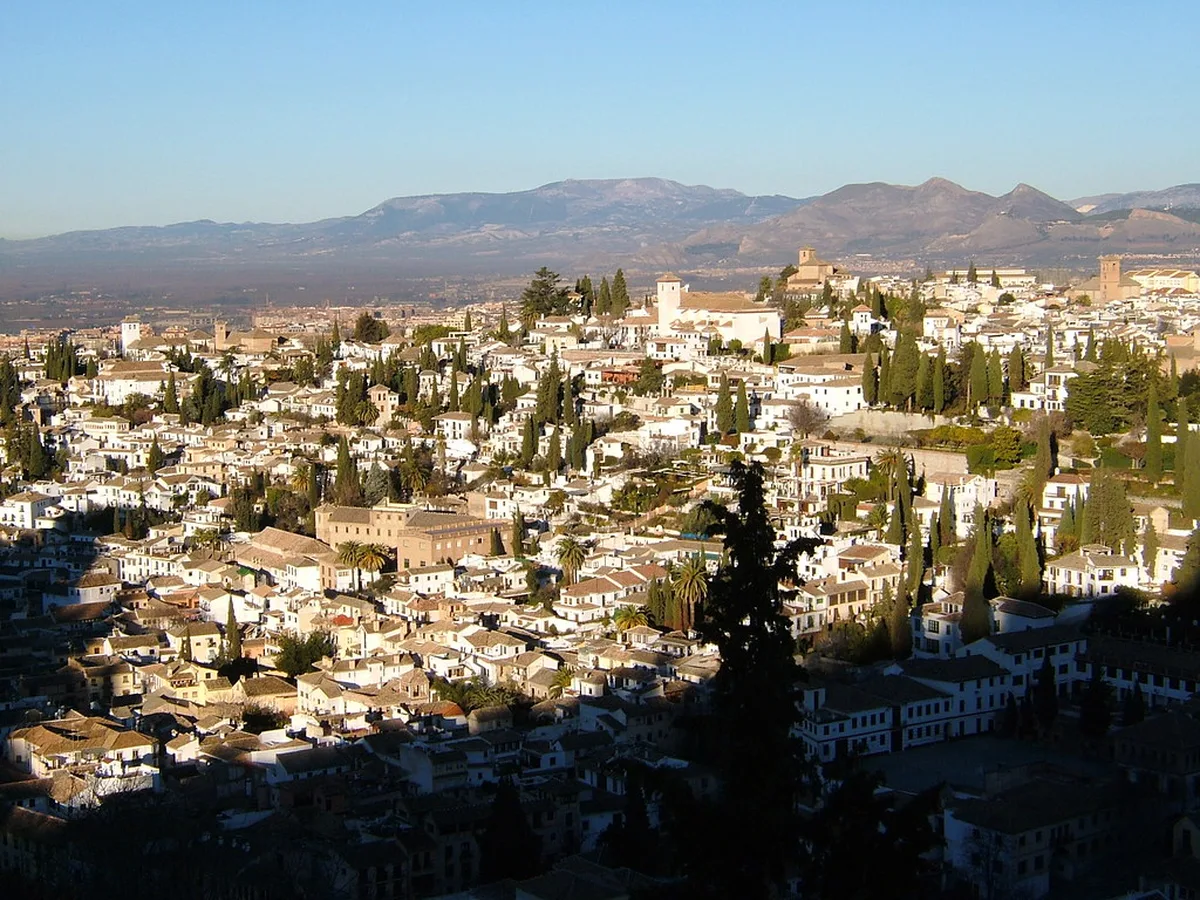
Granada is a safe city for tourists in 2026. Crime rates are significantly lower than in Spain's largest cities, violent incidents targeting visitors are extremely rare, and the local economy depends heavily on tourism — meaning authorities actively protect visitor safety. The main risk is opportunistic petty theft in crowded areas around the Alhambra, the Cathedral, and Plaza Nueva. Keep your bag across your front, use inner zip pockets for your phone and wallet, and your trip is statistically very unlikely to involve any crime at all.
The Policia Local patrols the historic centre visibly, particularly around the Alhambra hilltop, Plaza Bib-Rambla, and Gran Vía de Colón. Officers are stationed at the Alhambra access points and in the Albaicín during summer peak season, and many can handle basic tourist queries in English. If you need to report a theft, the Comisaría de Policía Nacional on Calle Duquesa is the correct office for filing a denuncia — essential for insurance claims.
Daytime safety in the city centre, Realejo, and Albaicín is excellent. The streets fill with families, students, and visitors from early morning, and this natural activity provides good ambient security. You can carry your camera or use your phone for navigation without constant anxiety as long as you stay reasonably alert in the busiest squares.
Night-time Granada is equally animated. The famous free-tapas culture means bars and restaurants stay busy until 1 or 2 am, keeping the main arteries of Calle Navas, Calle Elvira, and the Paseo del Salón well-populated and well-lit. Tourists returning to accommodation along these routes enjoy a level of street activity that discourages petty crime. The key rule: stay on illuminated, trafficked streets and avoid the poorly lit hillside paths behind the Albaicín after midnight.
Spain's healthcare system is excellent and EU visitors with a valid EHIC (European Health Insurance Card) can access emergency treatment at no cost. Non-EU visitors should carry comprehensive travel insurance. The main public hospital serving tourists is the Hospital Universitario Virgen de las Nieves, located on Avda. de las Fuerzas Armadas. For non-urgent matters, the Centro de Salud Albaicín on Carrera del Darro handles walk-in consultations during business hours.
Common Scams and Petty Crime to Avoid
Petty theft and targeted scams are the primary concerns for tourists in Granada. Understanding exactly how they operate — and where — puts you in control from the moment you arrive. Most incidents are entirely preventable with basic awareness.
Pickpocketing Hotspots
The highest-risk locations for pickpocketing are the area immediately around the Granada Cathedral on Gran Vía de Colón, the Plaza Nueva where the Alhambra bus stop creates a predictable crowd, and the tight streets leading up to the Alhambra hill. Thieves work in pairs or small groups: one distracts you — dropping something, bumping you, asking for directions — while the other lifts your wallet or phone. Hold your bag across the front of your body with the zip toward your chest. Keep your phone in a front trouser pocket or an inner jacket pocket, never the back pocket of jeans.
The Rosemary Sprig Scam
This is Granada's most notorious tourist scam. Women, often positioned near the Cathedral entrance on Gran Vía or around the Plaza Isabel la Católica, approach tourists and press a sprig of rosemary into their hand while offering to read their palm. Once you accept, they demand EUR 10–20 for the reading and become persistently aggressive if you refuse. The solution is simple: keep your hands in your pockets, make no eye contact, and say a firm "no" while continuing to walk. Do not take anything handed to you unsolicited.
Fake Flamenco Ticket Sellers and Tour Guides
Unregistered individuals sometimes approach tourists near the Alhambra ticket office or outside the main flamenco venues in Sacromonte, offering "discounted" tickets or exclusive guided access. These deals are either counterfeit, vastly overpriced, or for low-quality performances far from the reputable caves. Always book your Alhambra tickets through the official website (alhambra-patronato.es) well in advance — same-day tickets sell out weeks ahead. For flamenco in Sacromonte, book directly with established tablaos like Cueva de la Rocío or Cueva Venta El Gallo.
The Mustard or Bird Poop Distraction
A stranger approaches to tell you that you have bird droppings or a stain on your jacket. While a second person pretends to help you clean it, an accomplice steals your bag or wallet. If this happens, ignore the "helper," move away immediately, and check your belongings. The substance is usually mustard or a similar condiment applied by the team moments before they approach you. This scam is less common in Granada than in Madrid or Barcelona but does occur on the Alhambra road and near the main bus station.
ATM Skimming and Card Fraud
Use ATMs attached to bank branches on Gran Vía de Colón or inside shopping centres rather than standalone street machines. Cover your PIN with your hand, check for any loose overlay on the card slot, and prefer contactless payment (which is universally accepted in Spain in 2026) over inserting your card. Inform your bank of your travel dates before departure to avoid blocks on legitimate transactions.
If you are a victim of any crime, call 112 or go directly to the Comisaría on Calle Duquesa (open 24 hours) to file a denuncia. Do this the same day — many travel insurers require a police report filed within 24 hours for theft claims to be valid.
Safe Neighborhoods and Areas to Watch
Where you stay in Granada has a significant influence on how secure and convenient your visit feels. The city divides neatly into safe, tourist-friendly historic zones and a few peripheral residential areas that offer very little for visitors and carry higher petty crime rates. Consulting a Granada old town guide before choosing accommodation will help you pick the most rewarding and secure base.
City Centre and Realejo — Safest Area
The city centre around Plaza del Carmen, Gran Vía de Colón, and the adjacent Realejo (old Jewish quarter) is the safest and most convenient area for tourists. Streets are wide, well-lit, and heavily policed. Hotels here put you within easy walking distance of the Cathedral, the Alcaicería market, and the Bib-Rambla square. The Realejo has gentrified significantly in recent years with independent restaurants and boutique accommodation, making it equally desirable for couples and families. This is the recommended base for first-time visitors.
Albaicín — Beautiful but Requires Night-Time Care
The Albaicín is Granada's most atmospheric neighbourhood: a UNESCO World Heritage hillside of whitewashed carmenes (walled houses with gardens), Arabic tea houses on Calle Calderería Nueva, and viewpoints like the Mirador de San Nicolás — one of the best vantage points for Alhambra views in the world. During the day and early evening it is perfectly safe and very popular. After midnight, the narrow lanes — particularly those branching off Carrera del Darro toward the upper Albaicín — become poorly lit and largely deserted. Walk in groups after midnight, stay on Carrera del Darro itself, or take a taxi from the Plaza Nueva taxi rank directly to your accommodation.
Sacromonte — Safe on the Main Road, Caution on the Hillside
The Sacromonte caves, home to Granada's flamenco heritage and Roma community, line the main Camino del Sacromonte road. This road is active in the evenings as tourists head to tablaos, and the walk from Plaza Nueva is around 25 minutes. The main road is safe. However, the hillside paths above the road — the barranco and upper cave areas — become deserted quickly after 10 pm. If you visit a flamenco show, book a taxi back to the centre rather than walking the barranco path alone at night.
Almanjáyar and Northern Districts — Avoid
The northern district of Almanjáyar, roughly 4 km from the historic centre, is a densely populated residential area with no tourist attractions, poor lighting, and a reputation for drug-related crime and opportunistic theft. Visitors have no reason to go there. Other northern residential areas including Cartuja and Beiro are generally safe for their residents but offer nothing for tourists. If you find yourself directed toward these areas by an unofficial guide or taxi driver, decline and return to the centre.
For a deeper orientation to Granada's streets and quarters before your arrival, the Granada old town guide provides a neighbourhood-by-neighbourhood walkthrough with street-level detail.
Is Granada Safe for Solo Female Travelers?
Granada is widely regarded as one of the more comfortable cities in Spain for women travelling alone. The university population — Granada has one of Spain's largest student bodies — creates a young, cosmopolitan atmosphere that is generally respectful and inclusive. That said, understanding the specific dynamics of the city helps solo female travellers make confident choices at every stage of their trip.
Daytime solo exploration is completely safe in all tourist neighbourhoods. The Albaicín, the city centre, the Realejo, and the Alhambra grounds are all populated throughout the day with mixed groups of travellers, making it easy to feel at ease even on quieter side streets. The cultural norm in Andalusia is that streets are social spaces — locals are on their doorsteps, shop owners are outside, children are playing — so genuine isolation is rare during daylight hours.
Evening and night-time solo navigation requires more judgment. Calle Navas, Calle Elvira, and the streets around the Plaza Trinidad stay busy with bar-goers until at least 2 am and are safe to walk. The challenge arises with the Albaicín's upper reaches and the Sacromonte barranco after midnight, both of which become dark and unpopulated quickly. The practical rule: after midnight, take a taxi from a licensed rank (Plaza Nueva is the central option, fare to most hotels EUR 5–8) rather than walking uphill paths alone.
Catcalling (known locally as piropo) does occur in Granada, more frequently in the Sacromonte flamenco areas and near some late-night bars on Calle Pedro Antonio de Alarcón. It is generally verbal rather than physical. Walking with purpose, avoiding sustained eye contact with men in doorways, and wearing headphones if you find the attention uncomfortable are effective deterrents. Harassment that crosses into physical contact should be reported to the Policia Local (092) or the nearest officer immediately.
Solo female travellers staying in hostels benefit from the strong community culture in Granada's backpacker accommodation. Hostels like Oasis Backpackers and Makuto Guesthouse run free or low-cost evening tapas tours, which are excellent for meeting fellow travellers and having a group for the first few nights of exploration. The hostel front desk can also advise on which bars and clubs are currently the most welcoming solo-traveller environments.
For day trips out of the city, the main bus terminal on Avenida del Sur and the Granada train station are both safe and well-staffed. The buses to Sierra Nevada, the coast, and Córdoba fill with a mix of locals and tourists. Explore some of the excellent day trips from Granada that are perfect for solo travellers, including Alhama de Granada, Ronda, and the Alpujarras villages, all reachable by scheduled bus.
Granada Nightlife Safety: Which Areas to Avoid After Dark
Granada's nightlife is one of Spain's most accessible — the free-tapas culture keeps the city animated until the early hours, and the student population ensures venues stay lively well beyond midnight. Knowing which corridors are safe after dark, and which to avoid, makes it easy to enjoy everything the city offers without compromising your security.
The safest nightlife corridor in Granada runs along Calle Navas, Calle Elvira, and the wider Plaza Nueva zone. These streets are brightly lit, busy with mixed groups of locals and tourists on Thursday through Sunday until at least 2–3 am, and well-patrolled by Policia Local on foot and by car. Bars here stay open late and have visible staff, which keeps the ambient safety level high. Calle Pedro Antonio de Alarcón and the area around Campo del Príncipe in the Realejo are equally well-used by locals and students and carry the same low-risk profile during peak hours.
The Albaicín neighbourhood, while magical by day, changes character significantly after midnight. The labyrinthine alleys above Carrera del Darro — winding paths named Callejón del Gallo, Cuesta de San Agustín, and similar — become completely deserted and unlit by 1 am. Solo visitors and small groups should avoid these lanes after midnight, regardless of direction. Carrera del Darro itself, the paved riverside road at the base of the Albaicín hill, remains safer due to some residual foot traffic but should still be navigated with awareness late at night.
Sacromonte's Camino del Sacromonte road is busy during flamenco show hours (typically 9 pm–midnight) but quiets very rapidly after performances end. Walking the 25-minute route back to Plaza Nueva alone after midnight is not recommended. Licensed taxis can be ordered via the FreeNow or MyTaxi app with a price estimate upfront — the typical fare from Sacromonte to the city centre is EUR 5–7. Planning your return before the show ends saves both time and anxiety.
The areas to avoid entirely after dark — Almanjáyar, the upper Sacromonte barranco, and any route directed by a stranger away from the main tourist corridors — have no nightlife or tourist value anyway. Sticking to the areas described above and using the Granada nightlife guide for venue recommendations ensures you experience the best of the city's evening culture safely. If you end up disoriented, call 112 or flag down a Policia Local vehicle — they will redirect you without issue.
Transportation after dark is straightforward. Licensed taxis queue at Plaza Nueva around the clock and the fare structure is metered and regulated. The FreeNow and MyTaxi apps both operate in Granada and provide upfront price estimates, which is reassuring for solo travellers unfamiliar with routes. City buses (EUR 1.40) run a reduced night service on key corridors Friday and Saturday. Avoid accepting lifts from unlicensed drivers regardless of the price offered — unlicensed vehicles operate outside the regulatory framework that protects passengers.
Alhambra-Specific Safety and Visitor Tips
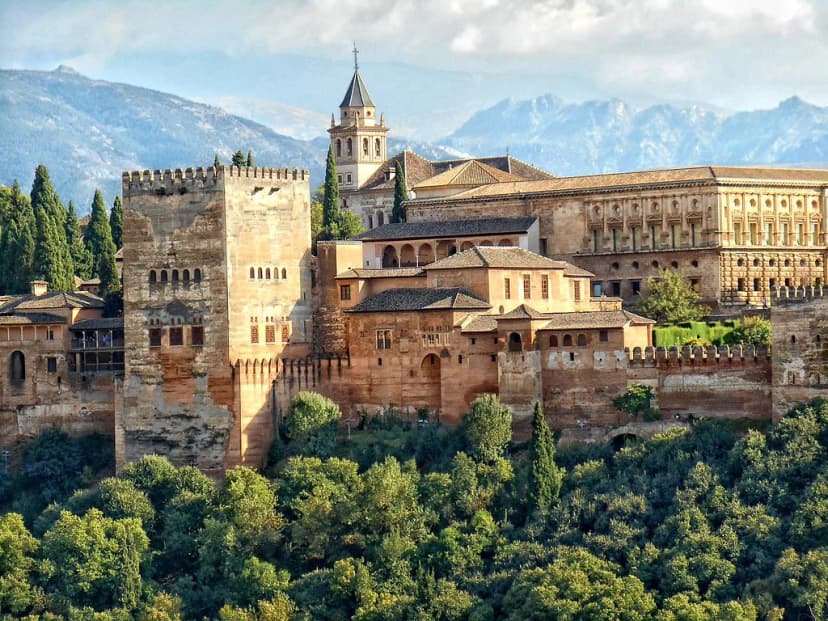
The Alhambra is Granada's defining attraction and the most visited monument in Spain. It draws over 2.5 million visitors a year, which creates specific crowd-management and safety dynamics that are quite different from the rest of the city. Knowing what to expect prevents the most common problems visitors encounter at this UNESCO World Heritage site.
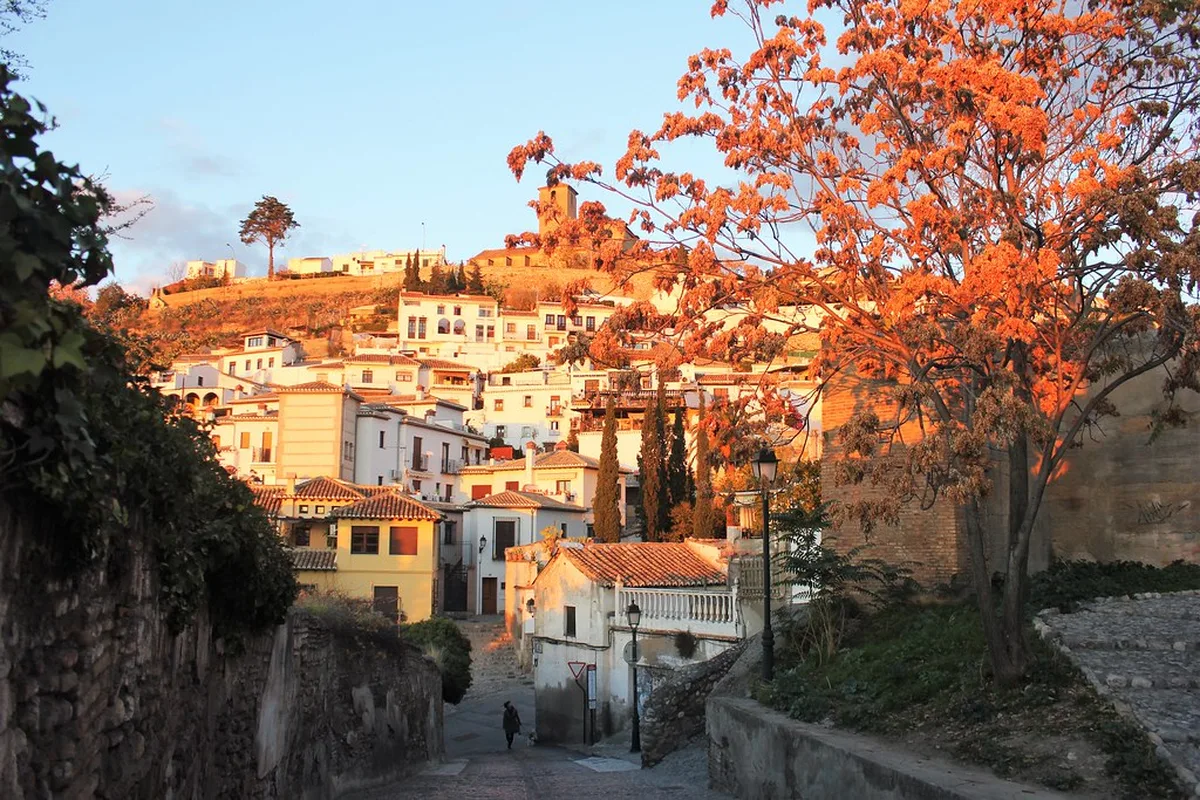
Book Tickets Weeks in Advance
Daily visitor numbers are strictly capped at approximately 6,600. Tickets for peak-season dates (April–October) routinely sell out 4–6 weeks ahead on the official booking platform (alhambra-patronato.es). Arriving without tickets and hoping to buy at the box office is almost always unsuccessful from March through September. The EUR 18–20 general admission ticket includes the Nasrid Palaces, the Alcazaba fortress, and the Generalife gardens. Night visit tickets (EUR 9) are available for limited evening slots and provide a uniquely atmospheric experience of the Nasrid Palaces.
Pickpocketing on the Alhambra Bus (Line C3)
The small red Alhambra Bus, Line C3, which runs from Plaza Isabel la Católica up to the Alhambra entrance, gets extremely crowded during the 9–11 am and 3–5 pm peak windows. This is the single highest-risk spot in Granada for pickpocketing. Hold your bag on your lap if seated or press it against your front while standing. The walk up the Cuesta de Gomérez — a paved, tree-lined path — takes around 30 minutes and is a pleasant alternative that eliminates the bus-crowd risk entirely.
Unofficial Guides at the Gate
Individuals offering guided tours at the Alhambra entrance who are not wearing official Patronato de la Alhambra guide lanyards are operating without authorisation. Prices quoted are arbitrary, quality is variable, and they will not be able to add value inside the Nasrid Palaces where movement is self-directed. Official licensed guides can be booked through the ticket office or via reputable tour aggregators like Civitatis and GetYourGuide.
Physical Safety on Site
The Alhambra complex involves significant walking on uneven stone, cobbled ramps, and occasionally steep steps inside the towers. Wear flat, grip-sole shoes — heels are genuinely unsafe on the wet cobblestones after rain. Carry at least 500 ml of water in summer; the fountains inside the Generalife gardens are the main free water source on site. Sun protection is essential from June to September as large sections of the grounds have no shade. The nearest emergency services point inside the complex is the Visitor Information Office at the main entrance; medical staff are on site during opening hours.
Transport Safety Tips
Getting around Granada safely is straightforward if you use the right options. The city is compact enough that most central attractions are walkable, and the few situations where transport is needed have clear, safe choices.
Licensed taxis in Granada are white with a roof light and a green stripe along the lower body. They are metered, regulated by the Junta de Andalucía, and overwhelmingly honest with tourists. A typical city-centre journey costs EUR 4–7 and airport transfers around EUR 25–30. Always confirm the meter starts at the beginning of the journey. Avoid any unmarked or unlicensed vehicles, regardless of the price offered. The most reliable taxi rank for tourists is on Plaza Nueva, operating 24 hours.
Granada does not yet have Uber or Bolt coverage as of 2026, but the MyTaxi and FreeNow apps both work in the city and allow you to book a metered licensed taxi digitally with a fare estimate upfront — the safest option for solo travellers unfamiliar with local street names.
The public bus network (Transportes Rober) covers the entire city cheaply at EUR 1.40 per journey. The Alhambra buses (C3, C4) and the routes to the university district are the most useful for tourists. Keep a firm grip on your bag on the C3 bus at peak hours, as noted in the Alhambra section above. Night buses run a reduced service after midnight on Friday and Saturday on key corridors.
If you plan on taking day trips from Granada, the main long-distance bus terminal (Estación de Autobuses) on Avenida del Sur and the train station (Estación de Granada) on Avenida de la Constitución are both safe, well-signed, and staffed. Keep your luggage in sight at all times in the departure areas. Alsa and Autocares Bonal operate the most used regional routes; both have online booking with seat selection, which reduces terminal waiting time and associated exposure to petty theft.
Exploring the wider area beyond Granada is very rewarding. For a broader picture of the region's evening culture and safe venue recommendations, see our Granada nightlife guide which covers how to move safely between venues after dark.
Practical Health and Emergency Information
Spain has a world-class emergency response system and Granada, as a major tourist city, has multiple layers of health and safety infrastructure in place for visitors. Saving the key numbers in your phone before you arrive takes under a minute and provides complete peace of mind for the duration of your trip.
The single most important number is 112 — Spain's universal emergency line for police, fire, and ambulance. It is free, operates 24 hours, and operators are trained to handle multiple languages including English, French, and German. When you call, give your location as precisely as possible — street name and nearest landmark — and state clearly whether you need police (policía), fire (bomberos), or medical (médico or ambulancia). For police non-emergency matters, including theft reports, the dedicated national police line is 091.
For tourist-specific crime reports, the dedicated Servicio de Atención al Turista Extranjero (SATE) operates from the Comisaría de Policía Nacional on Calle Duquesa. Staff here are trained to help tourists file denuncias in English and can advise on contacting embassies and consulates. The SATE line for non-emergency tourist assistance is +34 958 201 160.
Tap water in Granada is safe to drink directly from the tap and carries a distinctly clean mountain taste thanks to its Sierra Nevada source. This is an environmental and economic advantage: you can refill a reusable bottle at any public drinking fountain throughout the old town and save significantly on plastic bottle purchases. Staying well hydrated is especially important in July and August when temperatures regularly exceed 38°C in the city centre.
Pharmacies (farmacias) display a bright green cross and are extremely common throughout the city centre, particularly on Gran Vía de Colón and Calle Reyes Católicos. Most pharmacists speak basic English and can advise on over-the-counter treatments for sunburn, stomach issues, minor cuts, and insect bites. Outside normal hours (typically 9:30 am–2 pm and 5 pm–8:30 pm), look for the "Farmacia de Guardia" notice posted on the door of the nearest closed pharmacy, which lists the current 24-hour duty pharmacy by area.
- Essential Emergency Contacts
- General Emergency (police/fire/ambulance): 112 (free, 24 hours, multilingual)
- Local Police (Policia Local): 092
- National Police (Policia Nacional — theft reports): 091
- Medical Emergencies: 061
- SATE Tourist Assistance (English): +34 958 201 160
- Hospital Virgen de las Nieves (main A&E): +34 958 020 000
- Health Essentials
- Tap water: Safe to drink — Sierra Nevada source
- Sun protection: SPF 50 essential in summer (June–September)
- Footwear: Flat, grip-sole shoes for cobblestones
- Pharmacy symbol: Green cross, very common in the centre
- EU visitors: Carry your EHIC for free emergency treatment
- Non-EU visitors: Comprehensive travel insurance required
Frequently Asked Questions
Is Granada safe for solo female travelers?
Yes, Granada is safe for solo female travellers. Daytime exploration across all tourist neighbourhoods — Albaicín, Realejo, the city centre — is comfortable and hassle-free. After midnight, use a licensed taxi (EUR 5–8, Plaza Nueva rank) rather than walking the Albaicín hillside paths alone. Catcalling can occur near late-night bars on Calle Pedro Antonio de Alarcón; walking with purpose and avoiding eye contact with groups in doorways is effective. The FreeNow or MyTaxi apps let you book a metered taxi digitally with a price estimate upfront, which is the safest solo night-time option.
Can I walk around Granada at night safely?
Yes. The city centre streets — Calle Navas, Calle Elvira, Gran Vía de Colón, and the Plaza Nueva area — are busy with locals and tourists until 2 am and are safe to walk. The Albaicín's main thoroughfare, Carrera del Darro, is also safe in the evening. Avoid the poorly lit lanes in the upper Albaicín and the Sacromonte barranco path after midnight. If returning late from Sacromonte or the Albaicín hilltop, take a taxi rather than walking the darkened hillside routes.
Are there any areas of Granada to avoid?
The northern residential district of Almanjáyar is the area visitors should avoid entirely — it has no tourist attractions and carries higher rates of drug-related crime and petty theft. The upper hillside paths of the Albaicín and the Sacromonte barranco route should be avoided by solo travellers after midnight. Stick to the historic centre, Realejo, lower Albaicín (Carrera del Darro), and the main Sacromonte road for the best combination of safety and experience.
What is the most common crime in Granada?
Pickpocketing is the most common crime affecting tourists in Granada. It occurs most frequently around the Granada Cathedral on Gran Vía, in Plaza Nueva (where the Alhambra bus departs), and on the crowded Line C3 Alhambra bus during peak morning and afternoon windows. Thieves typically work in pairs using distraction techniques. Keep your phone in a front pocket, hold your bag across your chest with the zip forward, and you eliminate the vast majority of your risk. If theft does occur, file a denuncia at the Comisaría on Calle Duquesa the same day for insurance purposes.
Is the Alhambra safe to visit and how do I avoid problems?
The Alhambra itself is safe once you are inside the complex, with security staff, medical personnel, and information officers on site during all opening hours. The main risks occur before entry: pickpocketing on the crowded C3 bus and unofficial "guide" touts at the gate. Book tickets weeks in advance on alhambra-patronato.es (general admission EUR 18–20, night visit EUR 9) — same-day tickets are almost never available in peak season. Consider walking the Cuesta de Gomérez path (30 minutes) instead of the C3 bus to avoid the crowd. Wear flat, grip-sole shoes for the cobbled surfaces and carry water, especially May through September.
What emergency number should I use in Granada?
Call 112 for any emergency in Granada — police, fire, or medical. It is free, available 24 hours a day, and operators are multilingual. For non-emergency police matters and theft reports, call 091 (National Police). For non-emergency tourist assistance in English (reporting theft, contacting an embassy), the SATE tourist police service is reachable at +34 958 201 160, operating from the Comisaría on Calle Duquesa. The main hospital accident and emergency department is Hospital Universitario Virgen de las Nieves (+34 958 020 000) on Avenida de las Fuerzas Armadas.
Is Granada nightlife safe for tourists?
Granada's nightlife is generally safe for tourists. The Calle Navas, Calle Elvira, and Plaza Nueva corridor stays busy and well-patrolled until 2–3 am and is safe to walk. Avoid the upper Albaicín lanes and Sacromonte barranco path after midnight — these become unlit and deserted. After Sacromonte flamenco shows, book a taxi (EUR 5–7 via FreeNow or MyTaxi) rather than walking back alone. City buses cost EUR 1.40 and run a reduced night service Friday and Saturday. Licensed taxis queue 24 hours at Plaza Nueva. Do not accept lifts from unlicensed vehicles.
The answer to "is Granada safe for tourists?" is a clear yes for 2026. Granada consistently ranks as one of the safer cities in Spain for international visitors, with violent crime against tourists being exceptionally rare and a local economy that actively supports visitor safety. The primary concern is opportunistic petty theft in crowded tourist zones — a risk that is easily managed with bag-securing habits and awareness of the specific hotspots covered in this guide.
The keys to a trouble-free trip are simple: book your Alhambra tickets weeks ahead, avoid the Almanjáyar district, use taxis after midnight in the Albaicín, watch your bag on the C3 bus, and save 112 (emergencies) and 091 (police) in your phone before you land. Follow those rules and you are free to focus entirely on the Alhambra's breathtaking architecture, the Albaicín's Moorish maze, and the unforgettable free tapas culture that makes Granada one of Europe's most special destinations. Explore the full Granada old town guide and check our Granada nightlife guide for safe routes between the best bars and venues after dark.