Girona Beach Guide 2026: Best Coastal Day Trips to Costa Brava
Platja de Pals, 30 km from Girona, is reached by SARFA bus for €3–5 one way; Lloret de Mar (60 km) costs €8 by bus; Calella de Palafrugell (45 km) costs €7–9 — all Costa Brava beaches are within one hour of Girona.
Most beaches near Girona in 2026 are free to access: parking runs €2–3 per hour in peak season, SARFA return fares range from €6 to €16 depending on distance, and sunbed rental costs €10–12 per item per day at busier resort beaches.
Girona sits inland but offers remarkably easy access to the stunning Mediterranean shores of the Costa Brava. Many travelers use the city as a base to explore nearby sandy bays and rocky coves. Before heading to the water, spending a morning exploring the Girona Old Town is highly recommended — the medieval Jewish Quarter and cathedral walls are just forty minutes from the sea and well worth your time.
Accessing the coast remains straightforward whether you prefer public transport or a rental car. The region features a diverse mix of lively resort towns and quiet, hidden inlets. A quick trip to the water provides a refreshing contrast to city sightseeing, and with the right planning, you can be swimming in the Mediterranean within an hour of leaving your accommodation.
This guide helps you navigate the best coastal spots within a short distance of Girona's city center. You will find practical advice on transport, parking costs in EUR, timing, and local secrets for a perfect day on the Costa Brava in 2026.
Best Coastal Escapes Near Girona City
Tossa de Mar stands out as a favourite destination for its iconic medieval castle — the Vila Vella — overlooking the Platja Gran. This main beach stretches around 400 metres of coarse golden sand backed by the well-preserved fortified walls, making it one of the most photogenic settings on the entire Costa Brava. The SARFA bus ride from Girona's central station takes approximately one hour and costs around €15 for a return ticket in 2026. Arriving before 10:00 AM helps you secure a prime spot on the sand during July and August, when the beach fills quickly with both domestic and international visitors.
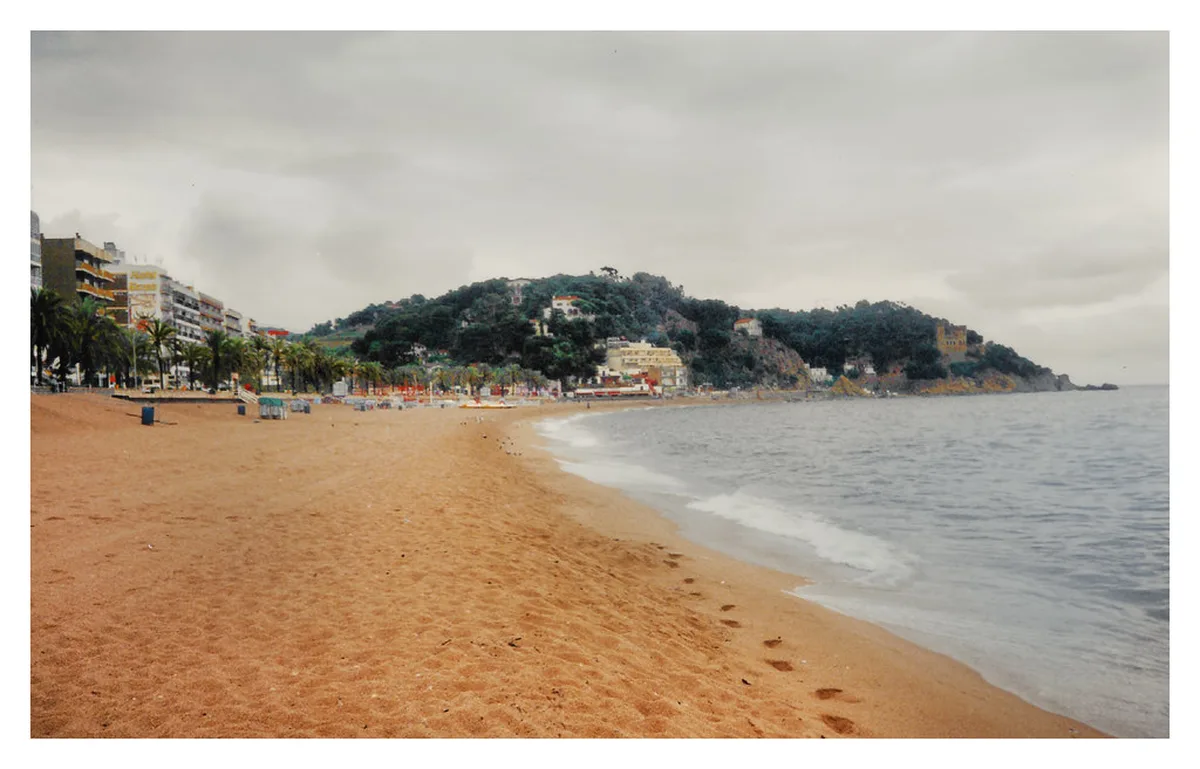
Platja d'Aro sits roughly 35 km south of Girona and offers a completely different atmosphere: a long, wide sandy stretch backed by a modern shopping district and a lively promenade. The beach is approximately 2 km long with fine sand, making it ideal for families and those who prefer easy, flat access to the water. Sunbed and parasol rental costs around €10–12 per item per day in 2026. Most travellers find that a morning exploring the Girona walking tour pairs perfectly with an afternoon here.
Platja de Sant Pol in S'Agaró is Girona's closest beach at just 32 km, and arguably its most refined. The crescent-shaped bay is sheltered by pine-covered headlands, which keep the water calm and make it particularly appealing for swimmers of all abilities. The beach has Blue Flag status, guaranteeing clean water, lifeguard coverage, and well-maintained facilities including showers, changing rooms, and a beach bar serving cold drinks from around €3. Parking in the S'Agaró area costs approximately €2.50 per hour at the public lots nearest the sand.
Sant Feliu de Guíxols provides a more traditional Catalan atmosphere with a sheltered bay perfect for swimming. The local promenade features numerous cafes where you can enjoy fresh seafood with a view of the marina. Expect to spend about 40 minutes driving to this charming port town from Girona. The town also hosts a modest monastery and a covered market, so it makes for a well-rounded cultural and coastal day out.
L'Escala, situated further north along the coast at around 45 km from Girona, serves as a northern gateway to the coast and is famous for its delicious locally cured anchovies — the Anxoves de l'Escala have been produced here for centuries and are sold in small jars at the local market for around €5–8. Visitors can explore the nearby ruins of the ancient Greek and Roman settlement at Empúries before cooling off in the clear blue water of the adjacent beach. The combination of archaeology and seaside makes L'Escala a uniquely rewarding destination.
- Tossa de Mar Platja Gran — coarse sand, medieval castle backdrop, 40 km from Girona, free public access (parking €3/hr)
- Platja de Sant Pol (S'Agaró) — fine sand, Blue Flag, 32 km from Girona, parking ~€2.50/hr
- Platja d'Aro Main Beach — wide sandy beach, 2 km long, 35 km from Girona, sunbeds €10–12/item/day
- Sant Feliu de Guíxols — sheltered bay, 40 km from Girona, free public access
- Lloret de Mar — large resort beach, 43 km from Girona, parking up to €25/day in peak season
How to Reach the Coast from Girona
SARFA buses provide the most reliable public link between Girona and the Mediterranean coast. These coaches depart frequently from the main bus terminal located right next to the high-speed train station on the Carrer de Barcelona. In 2026, one-way fares range from €6–8 to nearby towns like Platja de Sant Pol or Sant Feliu de Guíxols, and up to €10–12 for longer routes such as Palamós or L'Escala. Return tickets typically cost around double, so budgeting €15–20 per person per day for bus transport is realistic. Services run from roughly 07:00 through to early evening, with more frequent departures on summer weekends.
Renting a car offers the greatest flexibility for exploring multiple coves in a single afternoon. Several international agencies operate from Girona Airport — located just 12 km south of the city centre — and from pick-up points in the city itself. Economy car rentals in 2026 start from around €35–45 per day during the shoulder season (May, June, September), rising to €60–80 in July and August. Driving allows you to reach more remote locations that SARFA buses simply do not service, such as the small coves tucked along the Camí de Ronda coastal path.
Direct train lines to the beach do not exist from Girona city centre. Renfe trains head north toward Figueres and Portbou, or south to Barcelona, without connecting to the Costa Brava coast itself. Travellers must therefore rely on road transport to bridge the gap to the seaside towns. The one exception is the occasional summer shuttle service that some municipalities operate during peak season — check the Girona tourist office website for up-to-date schedules each year.
Parking in coastal villages can become quite difficult and expensive during the peak holiday season of July and August. Many central lots in Tossa de Mar charge up to €22 for a full day during summer, while Lloret de Mar's beach-adjacent car parks can exceed €25 per day. Arriving before 09:00 or after 17:00 significantly reduces both congestion and cost. A popular strategy among locals is to park in a residential street on the edge of town — often free or subject only to a short-stay limit — and walk the last 10–15 minutes to the beach. You can find detailed planning tips via the day trips from Girona guide, which covers transport logistics for the most popular coastal routes.
Cycling is an emerging option for the shorter coastal routes. The Via Verda de la Costa Brava is a converted railway greenway that connects several inland towns toward the coast. While it does not reach the sea itself, it links well with local cycle paths in towns like Palamós, making a bike-and-bus combination possible for keen cyclists.
Hidden Gems and Secluded Coves of Costa Brava
Calella de Palafrugell maintains a traditional white-washed appearance that feels worlds away from the big resort beaches. The village is made up of several small coves strung together by a scenic coastal path: Cala de Canadell, Cala de les Dones, Port Bo, and Platja del Racó each have their own character, ranging from fishing-boat mooring spots to clear-water swimming inlets. Finding a table at a beachfront restaurant here requires a reservation on weekend evenings in 2026, particularly in July — the habanera singing festival held here each summer draws large crowds. The nearest car park sits about 800 metres from the water and charges approximately €2 per hour.
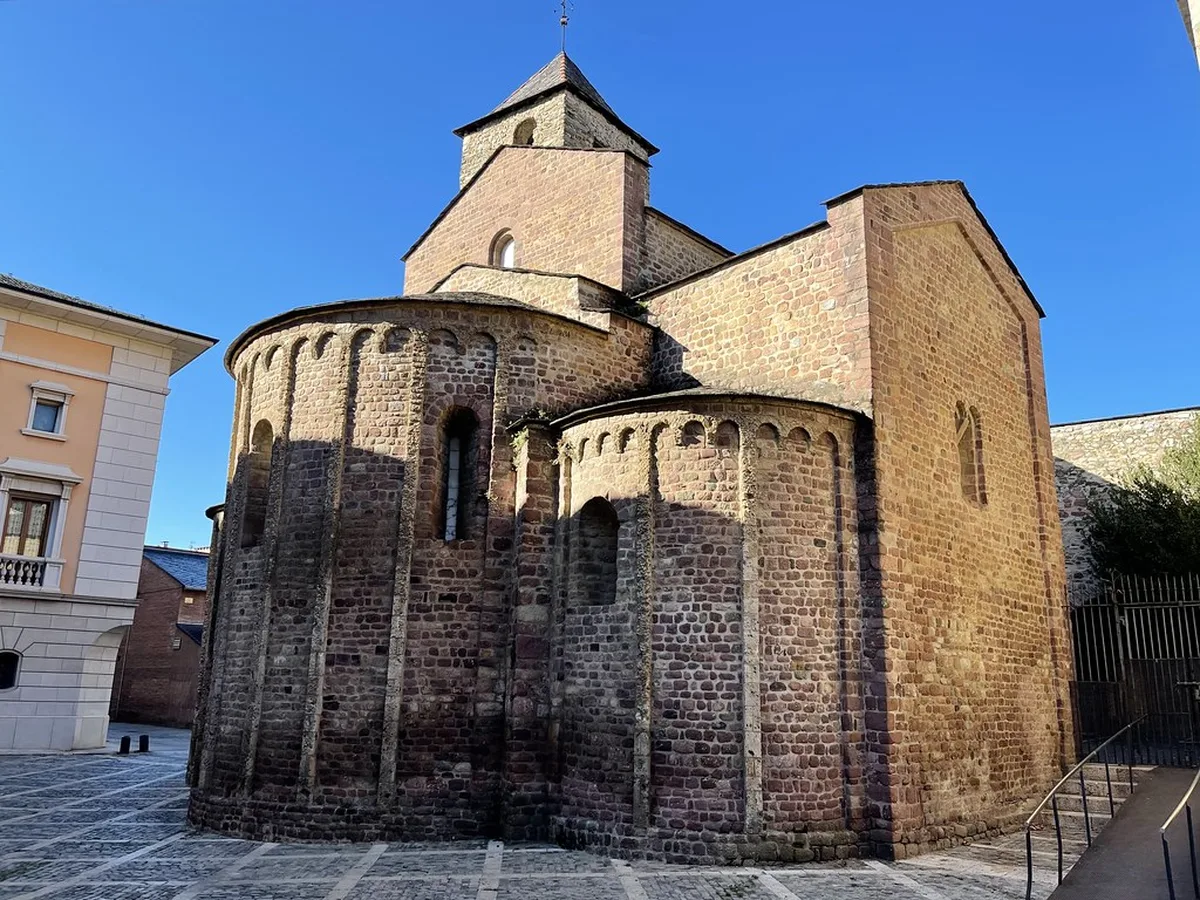
Hiking the Camí de Ronda coastal path reveals secret bays that are entirely inaccessible by car, making them far less crowded than the main resort beaches. This ancient waymarked trail originally used by customs officers to patrol the coastline now connects virtually every coastal town from Blanes in the south to the French border. The section between Calella de Palafrugell and Llafranc is particularly spectacular, passing above limestone cliffs before dropping down to tiny coves with snorkelling-quality visibility. Carry at least 1.5 litres of water per person as some stretches offer no shade and no facilities between access points.
Cala El Golfet is a stunning hidden cove located at the end of a 20-minute walk from the botanical gardens of Cap Roig. The reddish limestone cliffs contrast beautifully with the turquoise water, and the bay is small enough that even in August it rarely feels overcrowded. There are no facilities at the cove itself — no sunbed rentals, no bar — which is precisely part of its charm. Bring everything you need: snacks, water, a towel, and reef shoes for the rocky entry into the water.
Cala Futadera, near Lloret de Mar, is one of the most celebrated naturist coves on the Costa Brava. Reaching it requires a 30-minute walk each way on a well-marked path from the car park near the Hotel Santa Marta. The effort keeps the visitor numbers low relative to Lloret's main beach, and the water clarity here is exceptional — visibility of 10 metres or more on calm days. No facilities on site; the nearest services are back at the car park.
Platja Fonda, near Tossa de Mar, is a long pebble and coarse-sand beach accessible only by a steep 15-minute descent on foot from a signed parking area. The isolation means the water retains its exceptional clarity throughout the season. It is a favourite with local families who make the effort to avoid the main Tossa crowds, and it rewards those willing to carry their picnic down the hillside with a genuinely peaceful swimming experience.
Snorkelling and Diving Spots Near Girona
The Costa Brava earned its reputation as one of Europe's finest diving destinations long before it became a mass tourism hotspot, and the underwater scenery around Girona's coast remains exceptional in 2026. The rocky, indented coastline creates an ideal habitat for Mediterranean marine life including octopus, moray eels, sea bream, grouper, and — in deeper water — barracuda and even the occasional sunfish. Several protected marine zones further north guarantee that fish stocks remain healthy and visibility stays high.
The Medes Islands Marine Reserve, located off the coast near L'Estartit (approximately 50 km north of Girona), is widely considered the best diving site in Spain's Mediterranean waters. The archipelago of seven small islets and associated underwater rocks is a strict natural reserve: you must book a guided dive with a licensed dive centre in L'Estartit and cannot enter the reserve independently. In 2026, a guided dive package including equipment hire costs approximately €60–80 per person per dive. The reward is extraordinary: dense grouper populations, caves filled with gorgonian sea fans, and wall dives dropping to 50 metres.
For snorkellers, Cala El Golfet and the rocky shores of Cala Futadera offer excellent shallow-water experiences without a dive guide or certification. Simply entering the water at the rocky edges of these coves and finning along the base of the limestone walls reveals a rich undersea garden — neptune grass meadows, rainbow wrasse, damselfish, and sea urchins in the shallows. A basic snorkel and mask set can be rented in most coastal towns for around €8–12 per day if you have not brought your own.
Lloret de Mar has several dive centres operating from the town's main beach, offering Try Dive experiences for complete beginners from around €50 per person. These shallow introductory dives take place in the bay just offshore and require no prior experience. More experienced divers can book excursions to nearby sites including Punta Treumal and the wreck of the cargo ship Boreas, which lies at 32 metres and hosts an impressive encrustation of coral and sponges.
Water temperature in 2026 follows the typical regional pattern: the sea reaches its peak of around 26°C in August, drops to approximately 20°C by October, and hits its seasonal low of 13°C in February–March. The shoulder months of June and September offer water temperatures of 21–23°C combined with excellent visibility, making them ideal for snorkelling and diving without the summer crowds.
Practical Tips for Your Beach Day Trip
The Tramuntana wind can occasionally bring strong gusts and cooler temperatures to the northern beaches of the Costa Brava. This northerly wind funnels down from the Pyrenees through the Empordà plain and can arrive with little warning, turning a calm morning into a breezy afternoon. Always check the local weather forecast specifically for wind speed and direction before finalising your coastal plans. The AEMET website (Spain's national meteorological agency) provides free hourly wind forecasts for each coastal municipality, and it is worth bookmarking before your trip. A calm day in Girona city does not guarantee equivalent conditions at the coast.
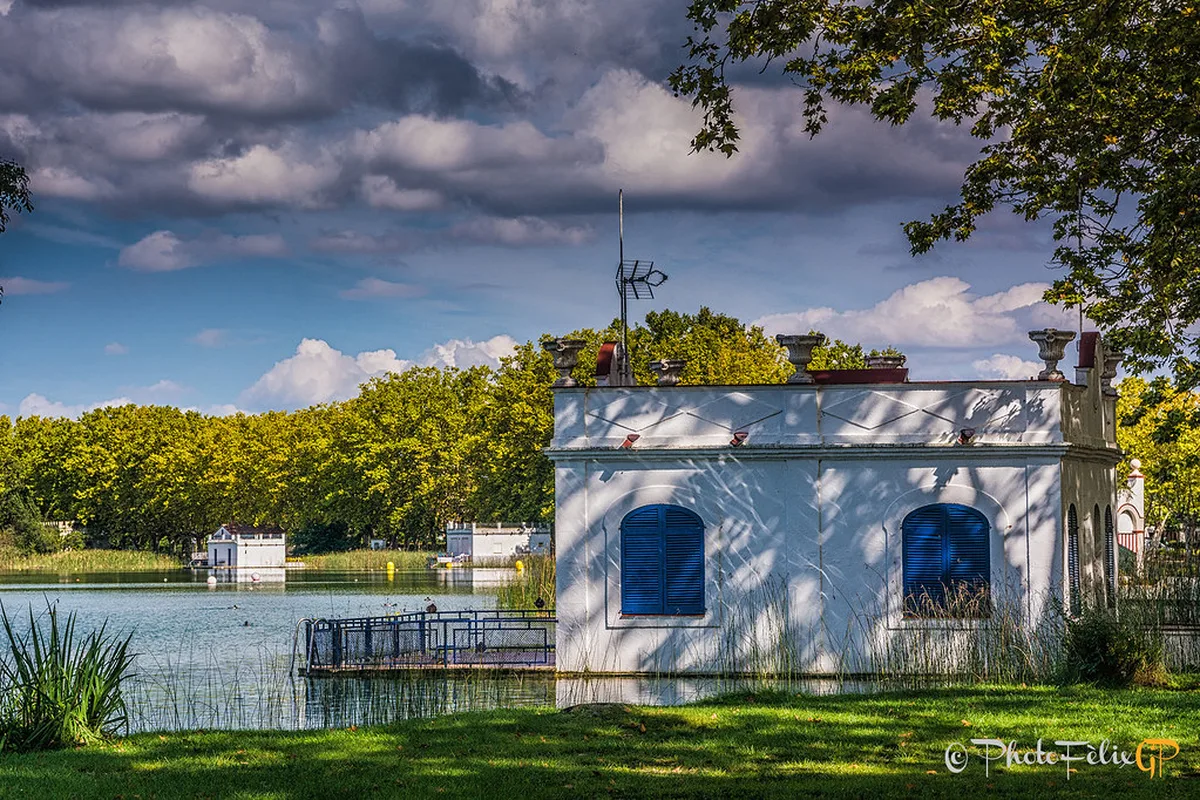
Packing sturdy water shoes is a smart move for most of the pebbly and rocky coves in the region. Many of the more scenic and less crowded beaches are entirely rocky underfoot, and the algae-covered boulders at the water's edge can be dangerously slippery without proper protection. Aqua shoes or neoprene surf booties cost around €15–25 in sports shops in Girona and are available in most coastal towns. They make exploring tide pools much safer for children and adults alike.
Planning your trip for June or September often results in the best overall experience on the Costa Brava. Sea water temperature reaches a very swimmable 21–23°C during these months, while the massive summer crowds have either not yet arrived or have already departed. You will also find that accommodation, car rental prices, and restaurant menus are noticeably more affordable during these shoulder periods — a family holiday in June can cost 20–30% less than the identical trip in August. Parking is also far easier to find outside of July and August.
Booking transport for day trips from Girona in advance is advisable for summer weekends. Popular SARFA bus routes to Tossa de Mar fill quickly on Saturday mornings from late June onward, and some services sell out the day before. Purchasing tickets online at the SARFA website or via the Moovit app guarantees your seat and avoids queuing at the station. Early departures — 08:30 or 09:00 — provide the bonus of arriving at the beach before the midday rush.
Sun protection on the Costa Brava should not be underestimated. Summer UV index regularly reaches 9–10 (very high) at midday, and the reflective surface of both sand and water intensifies exposure. Apply SPF 50 sunscreen at least 30 minutes before reaching the beach and reapply every 90 minutes if swimming. Seeking shade between 13:00 and 16:00 and wearing a hat during this window is standard local practice, not an overreaction.
Family Friendly Beaches and Amenities
Platja de Sant Pol in S'Agaró is widely considered one of the safest and most comfortable spots for families with young children on the Costa Brava. The bay is naturally sheltered by two rocky headlands, which reduce wave action and keep the water calm even when winds affect more exposed beaches. The sandy bottom slopes very gently, meaning children can wade a considerable distance from shore in knee-deep water. The beach holds Blue Flag certification in 2026, guaranteeing professional lifeguard coverage throughout the season, clean changing rooms, showers, and accessible toilet facilities — all maintained to a high standard. A beach bar on the sand serves drinks and snacks from around €3–5, making it easy to spend a full day without leaving the cove.
Sant Feliu de Guíxols provides another excellent family option with its wide, sheltered town beach and extensive promenade. The shallow entry, soft sand, and calm water make it easy for young children to play safely. Lifeguards are on duty from late June through August. The promenade behind the beach is wide and flat — ideal for pushchairs and wheelchairs — and is lined with ice cream parlours, casual restaurants, and a miniature train ride that runs along the seafront during summer, costing around €2 per child per ride.
Platja d'Aro is another strong family choice, particularly for families with older children who want more activity. The long flat beach makes ball games, frisbee, and beach volleyball easy, and there are several watersport centres offering kayak and paddleboard rentals. Prices for a one-hour paddleboard rental run approximately €15–18 in 2026, with tandem kayak hire at around €20 per hour — suitable for an adult and a child together. The shopping district behind the beach provides plenty of options for a post-swim ice cream or evening meal.
Lloret de Mar, though known primarily as a busy resort, has invested significantly in family amenities in recent years. The main beach is broad, long, and sandy with an exceptionally gentle slope, making it very safe for young swimmers. Lifeguard towers are spaced at regular intervals. The town also operates a small waterpark on the outskirts suitable for younger children, with day tickets in 2026 starting from around €20 per child.
Tossa de Mar offers a particularly memorable family experience thanks to the medieval castle walls that frame the beach. Children are fascinated by the fortifications, and the combination of history and swimming makes for a varied day out. The town's compact medieval quarter is entirely walkable, and numerous ice cream shops and pizza restaurants cater to family dining budgets. One practical note: the Tossa car parks fill rapidly in peak season, so aim to arrive before 09:30 or use the SARFA bus from Girona (€15 return per adult, children under 4 typically free).
Calella de Palafrugell: Girona's Most Beautiful Cove Beach
Calella de Palafrugell sits approximately 45 km south-east of Girona, making it a straightforward day trip from the city in 2026. The SARFA bus covers the route in around one hour and costs €7–9 one way, departing from Girona's central bus terminal beside the high-speed train station. By car, the GI-682 coastal road brings you there in 45–50 minutes, and parking near the village is available in a signposted lot roughly 800 metres from the seafront at around €2 per hour during the peak season.
The village is not a single beach but a chain of small, distinct coves joined by a scenic waterfront promenade. Cala de Canadell is the widest and most sheltered, with fine shingle and clear turquoise water that makes it particularly good for swimming families. Port Bo is the old fishing harbour, flanked by colourful whitewashed houses that have changed little in decades and provide some of the most photographed views on the entire Costa Brava. Platja del Racó, tucked to the south, is narrower and typically quieter even during July and August. Cala de les Dones, accessible via a short clifftop walk, is the most secluded of the four coves and rewards the five-minute walk with exceptional water clarity ideal for snorkelling.
The seaside promenade linking all four coves takes about 20 minutes to walk end-to-end and is flat enough for pushchairs and wheelchairs. Beachfront restaurants are plentiful and serve fresh seafood — the grilled fish platters here are a regional speciality, typically priced at €14–20 per main in 2026. Cold drinks at the beach bars start from around €2.50 for a water and €3.50 for a cold beer.
Calella de Palafrugell hosts the Festival de la Cançó de Havaneres each summer, a traditional habanera singing event held on the waterfront. The festival draws large crowds in July, so weekend visits during this period require advance planning and potentially a reserved table at any restaurant. Outside of festival season, the village maintains a relaxed, authentically Catalan atmosphere that sets it apart from the livelier resort towns further south.
For a longer day out, the Camí de Ronda coastal path connects Calella de Palafrugell northward to the village of Llafranc in about 45 minutes of easy walking. Llafranc has its own sandy bay with calm water and a lighthouse viewpoint above the village that is worth the short climb. A combined visit to both villages and the coastal path between them makes for one of the most rewarding full-day excursions from Girona, covering outstanding scenery, good swimming, and excellent local food without requiring a car. Travellers exploring the wider region can also consider the nearby day trips from Girona guide for additional coastal and inland route planning.
Frequently Asked Questions
How far is the nearest beach from Girona?
The nearest beach to Girona is Platja de Sant Pol in S'Agaró, approximately 32 kilometres from the city centre. By car the drive takes about 35 minutes via the GI-682 coastal road. The SARFA bus covers the same route in around 55 minutes with a one-way fare of approximately €7.50 in 2026.
Can I take a train from Girona to the beach?
No direct train lines connect Girona city to the Costa Brava beaches. Renfe trains from Girona run north toward Figueres or south toward Barcelona, not to the coast. To reach the sea you must use the SARFA bus service, rent a car, or hire a taxi. SARFA departures leave from the bus terminal adjacent to Girona train station.
What is the best beach for families near Girona?
Platja de Sant Pol in S'Agaró is the top family beach near Girona in 2026. It holds Blue Flag status, has lifeguard coverage, calm sheltered water, and excellent facilities including showers and changing rooms. Sant Feliu de Guíxols and Platja d'Aro are strong alternatives, both offering shallow water, flat access, and a wide range of beachside amenities.
Is parking expensive at the Costa Brava beaches?
Yes, parking is costly at popular Costa Brava beaches in peak season. Tossa de Mar's central car parks charge around €3 per hour with a daily maximum of approximately €22 in July and August. Lloret de Mar beach-adjacent parking can exceed €25 per day. Using the SARFA bus (€15 return from Girona to Tossa de Mar) or arriving before 09:00 are the two most effective ways to avoid high parking costs.
What is the best time of year to visit Costa Brava beaches from Girona?
June and September are the best months for beach day trips from Girona. Sea water temperature reaches 21–23°C — warm enough for comfortable swimming — while crowds are noticeably smaller than in July and August. Accommodation, car hire, and restaurant prices are also 20–30% lower during these shoulder months. The peak season of mid-July to mid-August brings the largest crowds and highest prices but also the warmest water at around 26°C.
Are there good snorkelling and diving spots near Girona?
Yes. The Medes Islands Marine Reserve near L'Estartit, around 50 km from Girona, is Spain's premier Mediterranean dive site and offers guided dives from approximately €60–80 per person including equipment in 2026. For snorkelling without a guide, the rocky coves at Cala El Golfet near Calella de Palafrugell and Cala Futadera near Lloret de Mar have exceptional clarity. Mask and snorkel rental is available in most coastal towns for around €8–12 per day.
How do I get from Girona to Platja de Pals by bus?
Platja de Pals is approximately 30 km from Girona. SARFA buses run from Girona's central bus terminal to the Pals area with a one-way fare of €3–5 in 2026, and the journey takes around 35–40 minutes. Buses typically connect via Palamós or Palafrugell; check the SARFA timetable online for current schedules. By car the drive via the C-66 and GI-650 takes about 30 minutes, with free or low-cost parking available near the beach access points.
Is Calella de Palafrugell worth visiting from Girona?
Yes — Calella de Palafrugell, 45 km from Girona, is widely considered one of the most beautiful villages on the Costa Brava. The bus from Girona takes about one hour and costs €7–9 one way in 2026. The village has four distinct coves connected by a flat seafront promenade, excellent seafood restaurants (mains €14–20), and the famous habanera singing festival in July. It is quieter and more authentically Catalan than Lloret de Mar or Platja d'Aro, making it ideal for visitors who prefer scenery and atmosphere over resort amenities.
Girona serves as a perfect gateway to some of the most spectacular beaches in Spain. Whether you seek a lively resort like Lloret de Mar or Platja d'Aro, a picture-postcard cove like Tossa de Mar, or a truly hidden inlet only reachable on foot, the Costa Brava has something for every type of traveller. Planning your transport and timing carefully — particularly around SARFA bus schedules and the peak July-August parking crunch — ensures a stress-free day by the Mediterranean.
The combination of historic city life and coastal beauty makes this region a standout choice for a 2026 Spain holiday. You can balance a morning exploring the Girona Old Town with an afternoon swim in crystal clear water, or take a full-day coastal walking route along the Camí de Ronda. The Girona walking tour is an ideal complement to a beach day, giving you the best of both the city's medieval heritage and the natural beauty of the surrounding coast.
Remember to check local wind and weather conditions before heading out, pack reef shoes for rocky coves, and book SARFA buses in advance for summer weekends. With a little preparation, a Girona beach day trip in 2026 will be one of the highlights of your trip to Catalonia.