Top 7 Day Trips From Girona to Explore Catalonia
Barcelona is the most popular day trip from Girona: the high-speed AVE train covers the journey in just 37 minutes and tickets cost €10–€25 one-way, making it one of Europe's most accessible city pairs.
Figueres and the Dalí Theatre-Museum are reachable in 35 minutes by regional train (€7 return), with museum entry costing €15 in 2026; Costa Brava beaches like Calella de Palafrugell are served by summer buses for just €3–€9 each way.
Girona sits at the heart of northern Catalonia, which makes it one of Spain's most rewarding base cities for day-trippers. The city's train station connects directly to France and Barcelona, while regional bus lines reach medieval villages and mountain foothills. Travelers often use this historic hub to discover hidden Romanesque architecture and world-class art museums. Explore the Girona Old Town guide to understand the city's roots before heading out to the surrounding region.
Most destinations in this guide are reachable within 30 to 60 minutes by train, bus, or car. From Salvador Dalí's surrealist legacy to crystal-clear Mediterranean coves, the variety of experiences nearby satisfies every type of traveler. Planning transport in advance—especially for trains to Figueres and Barcelona—saves both money and time during peak 2026 season. For a deeper look at what to see before or after your day trips, see the Girona walking tour and the Girona beach guide.
Besalú and the Medieval Heartland
Besalú sits just 30 minutes north of Girona by car (32 km) and remains one of the most iconic medieval villages in Spain. The town is famous for its massive twelfth-century fortified bridge that crosses the scenic Fluvià river—entry to the bridge itself is free, and it is one of the most photographed monuments in Catalonia. Visitors typically spend two to three hours wandering through the narrow, winding streets of the Jewish Quarter. The historic underground mikvah (ritual Jewish bath), dating to the twelfth century, costs around €3 per person and requires a guided visit booked at the tourism office on Carrer Tallaferro.
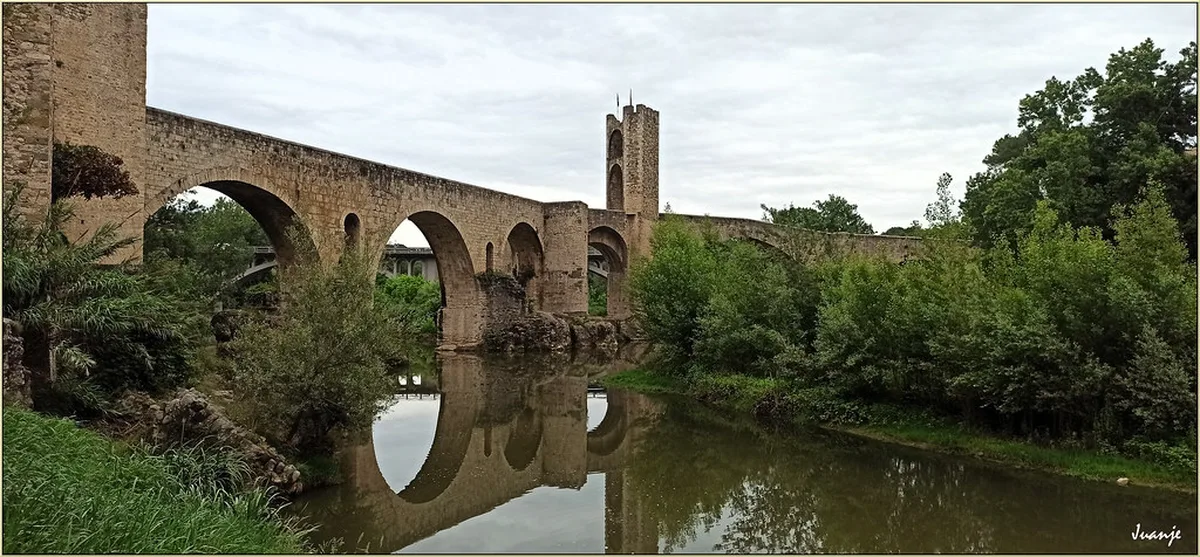
The village feels like a living museum because of its perfectly preserved stone facades, Romanesque church of Sant Pere, and the Church of Sant Vicenç with its distinctive Romanesque apse. The monastery of Sant Pere de Besalú, founded in 977 AD, charges €2 entry and rewards visitors with an exceptionally well-preserved cloister. Many travelers combine this stop with a quick visit to Castellfollit de la Roca, a neighboring village that perches dramatically on a 50-metre basalt cliff formed by ancient volcanic activity. The Parc Natural de la Zona Volcànica de la Garrotxa, just 20 minutes west of Besalú, adds a volcanic landscape of cinder cones and beech forests to round out a full day.
Local Teisa buses depart from Girona's main bus station (Carrer Barcelona) several times daily; the one-way fare costs approximately €4. The bus journey takes about 45 minutes, which is slightly longer than the drive due to intermediate stops. Arriving before 10:00 helps you avoid large tour groups that typically descend by late morning. Walking across the fortified bridge at golden hour—roughly 19:30–20:00 in summer—provides stunning light for photography of the river and surrounding green hills. Small artisan shops line the main square (Plaça de la Llibertat), selling local crafts and traditional Catalan products like walnut liqueur (ratafia) for around €12 a bottle. Wear comfortable shoes; the cobblestone streets are uneven and notably steep near the church quarter.
- Besalú Medieval Fortified Bridge
- Distance from Girona: 32 km / 30 min by car
- Highlight: Twelfth-century Romanesque architecture, free access
- Jewish mikvah entry: €3 (guided tour)
- Sant Pere Monastery: €2 entry
- Bus: Teisa from Girona, ~€4 one-way, 45 min
Figueres and the Surrealist Dalí Museum
Figueres is the birthplace of Salvador Dalí and home to the Teatre-Museu Dalí, the world's largest surrealist object and the second most visited museum in Spain. Regional trains run from Girona station roughly every 30 minutes; the journey takes 35 minutes and a return ticket costs €7, making it one of the best-value cultural day trips in northern Catalonia. Museum entry in 2026 costs €15 for the standard daytime ticket or €20 for evening visits, which include access to the iconic Dalí Jewels wing. Online booking is mandatory in July and August—walk-up entry is simply not possible during peak season.
The museum building itself was designed by Dalí as a work of art: the façade is studded with giant eggs and golden bread rolls. Inside, the central courtyard features a giant Cadillac limousine you can make "rain" inside for €1. The Mae West Room, the Fishmonger's shop, and the Palomar ceiling fresco are highlights that require at least two hours to appreciate fully. The adjacent Dalí Joies collection in a separate building—included in most combined tickets—showcases 37 intricate pieces of jewelry Dalí designed, from rubies shaped like lips to a beating golden heart.
Beyond the museum, Figueres rewards exploration of its pedestrian centre, the covered Mercat Municipal market (open mornings, Monday–Saturday), and the Rambla filled with local café terraces where a coffee costs €1.50. Sant Ferran Castle (Castillo de San Fernando), a UNESCO-listed military fortress on a hill at the town's edge, charges €5 entry and covers over 32 hectares. Its underground water cisterns—large enough to row a boat inside—are genuinely extraordinary. Allow four to five hours in total to cover both major sites comfortably before catching the return train. Thursday mornings bring an outdoor market to the Plaça del Gra, selling regional cheeses (Garrotxa goat cheese costs around €3–€4 per 100g) and fresh seasonal fruit. Always check the Renfe train schedule before you go, as Avant services require a reserved seat and cannot be boarded without one.
Costa Brava Coastal Escapes
The Costa Brava stretches along the Catalan coastline from Blanes to the French border and contains some of the Mediterranean's most spectacular scenery. From Girona, the closest coastal resort towns are between 45 and 75 minutes by car, making them ideal for a leisurely day trip. No direct train line serves these villages from Girona, but summer bus services connect key destinations: Sarfa and Moventis routes depart from Girona bus station with fares ranging from €3 to €9 each way depending on destination and booking time.
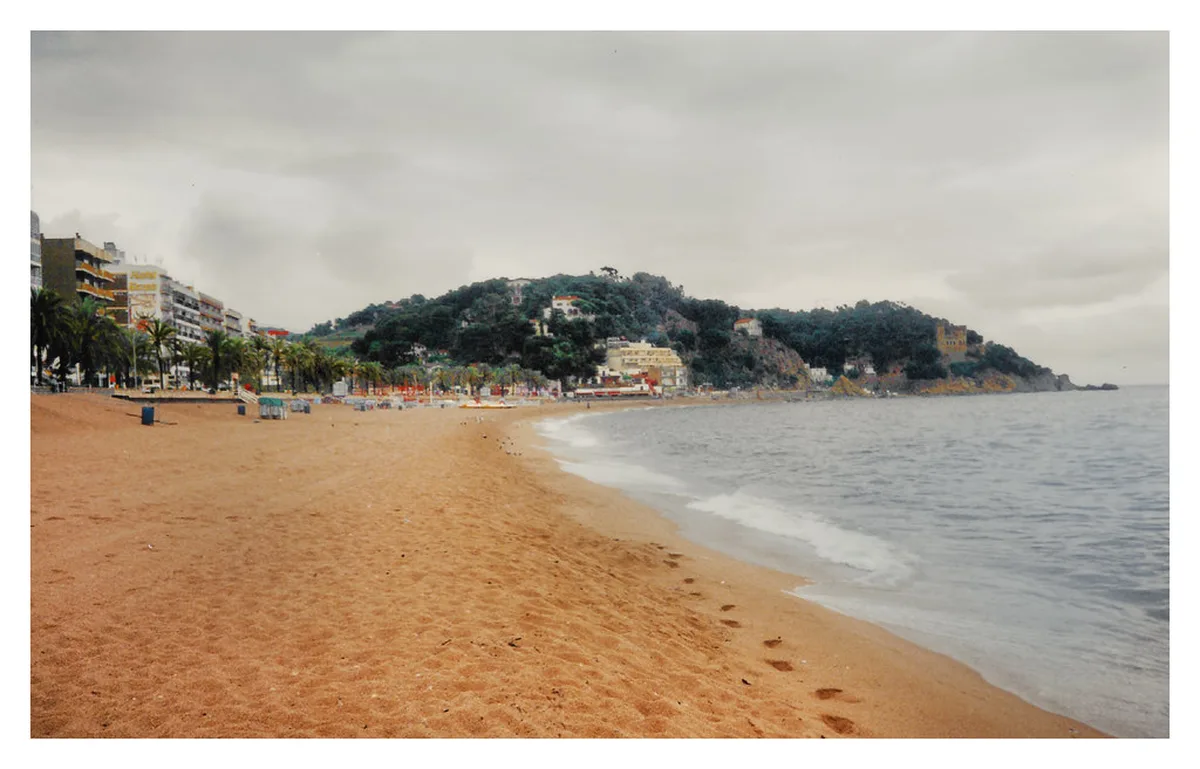
Calella de Palafrugell provides a quintessential Costa Brava atmosphere, with white-washed fishermen's houses draped in bougainvillea and a transparent turquoise bay. Parking in a central commercial lot costs around €15 for a full summer day. The Camí de Ronda coastal footpath connects several coves—Llafranc, Tamariu, and Aiguablava—all within a 5 km walking radius, and the path is free to walk. Most restaurants along the waterfront serve fresh seafood platters (suquet de peix) for €22–€28 per person; a glass of local white cava costs €4.
Tossa de Mar, about 70 km south of Girona (roughly 60 minutes by car), is the only walled medieval town on the entire Costa Brava coast. The Vila Vella (walled old town) is free to enter and offers sweeping views of the bay from its thirteenth-century towers. Glass-bottom boats depart from the main beach (Platja Gran) every hour in summer, costing €10 per adult for a 45-minute tour of nearby sea caves and rocky coves. Seafood at the harbour restaurants averages €25–€30 per person.
Begur, perched 200 metres above sea level, delivers panoramic views of the Mediterranean from its eleventh-century castle ruins (free entry, open dawn to dusk). The town is famous for its distinctive colonial-style houses—constructed by Catalan emigrants who returned wealthy from Cuba in the nineteenth century. Secluded beaches like Sa Tuna (crystal clear, non-commercialised) and Aiguablava (sheltered bay, Blue Flag) lie just 5 minutes by car. Visiting in May or early September means far smaller crowds and cooler temperatures. Parking in Begur town costs €2/hour at the main municipal lot.
- Calella de Palafrugell: 45 min drive, parking €15/day, Camí de Ronda walk free
- Tossa de Mar: 60 min drive, Vila Vella free entry, glass-bottom boat €10
- Begur: 50 min drive, castle ruins free, beaches 5 min by car
Barcelona by High-Speed Train
Barcelona is the most popular day trip from Girona, and rightly so: the high-speed AVE train covers the 100 km journey in just 37 minutes, and tickets cost €10–€25 each way depending on booking time and service type. Trains run roughly every 30 minutes throughout the day from Girona station, making early departures and late returns easy to plan. Booking via Renfe's website at least one week in advance secures the cheapest fares; last-minute tickets can cost €40+.
A single day in Barcelona rewards visitors who focus on two or three areas rather than trying to see everything. The Gothic Quarter (Barri Gòtic) is free to wander and sits within 15 minutes' walk of Barcelona Sants or Passeig de Gràcia stations. La Sagrada Família, Gaudí's unfinished masterpiece, charges €26–€38 for standard entry in 2026 depending on whether you include tower access; book online well in advance as timed-entry slots sell out days ahead. Park Güell requires a timed ticket (€10 for the Monumental Zone) and is best visited in the early morning before 10:00.
El Born neighbourhood is an excellent alternative to the tourist-heavy Barri Gòtic: the Museu Picasso charges €14 for adults (free on the first Sunday of each month), and the surrounding streets are packed with independent restaurants where a menú del día costs €12–€16. La Barceloneta beach is free and reachable by metro from Passeig de Gràcia in under 15 minutes—ideal for a swim before the return train to Girona. The Mercat de Santa Caterina (a less crowded alternative to La Boqueria) offers fresh produce, local cheeses, and jamón ibérico for tasting without the crowds. Return trains run until around 22:30, giving you a genuinely full day in the city on a day-trip budget.
Logistics and Regional Driving Insights
Many travelers underestimate the complexity of Catalonia's regional bus schedules outside the main rail corridors. While Renfe trains connect Girona to major hubs like Figueres (35 min, €7 return) and Barcelona (37 min, €10–€25), smaller villages depend on private Teisa buses. Buying tickets directly from the driver is common practice on rural routes, but drivers rarely accept bills over €20, so carry small change. Check the official Teisa website and Renfe app for the most accurate 2026 departure times, especially around public holidays when timetables shift significantly.
Renting a car unlocks the most flexibility for visiting multiple small villages in a single day. Rates in 2026 start around €35–€50 per day for a compact car, including basic insurance, from agencies at Girona-Costa Brava Airport or Girona train station. However, medieval village centres like Besalú and Begur restrict vehicle access for non-residents and delivery vehicles during daytime hours. Look for 'Aparcament' (parking) signs on the outskirts of town to find municipal lots and avoid fines that can reach €90–€200 for illegal parking in restricted zones.
Spain's Low Emission Zones (ZBE—Zones de Baixes Emissions) now operate in towns and cities with over 50,000 residents. Ensure your rental car carries the proper DGT environmental label (sticker) before driving into restricted urban centres. Girona's Barri Vell (Old Quarter) restricts vehicle access during peak hours (09:00–20:00) for non-residents—confirm entry rules with your rental agency before driving in. Most international rental agencies automatically provide vehicles compliant with 2026 Euro 6 standards; check the sticker on the windscreen before departing.
Banyoles Lake and Natural Wonders
Banyoles Lake (Estany de Banyoles) is the largest natural lake in Catalonia, located just 20 km from Girona—roughly a 20-minute drive or a 35-minute regional bus ride. The lake gained international fame as the 1992 Barcelona Olympics rowing venue; you can still hire rowing boats at the Club Natació Banyoles for approximately €10 per hour. The flat perimeter path runs 6.5 km around the entire lake and takes about 90 minutes at a relaxed pace—it's flat, shaded, and pushchair-friendly.
Swimming is permitted only in the designated swimming zone near the Club Natació during summer months (roughly June–September); the water temperature reaches a comfortable 24°C by July. Kayak and paddleboard rentals are available from the lakeshore kiosk at €12–€15 per hour, making Banyoles a popular escape for locals on hot summer Sundays. Families frequently visit the nearby Neolithic archaeology site at La Draga, just 500 metres from the lake's eastern shore, which showcases pile-dwelling settlements from over 7,000 years ago. Entry to the La Draga archaeological zone is free, and interpretive panels in Catalan, Spanish, and English explain daily life in Neolithic Catalonia.
The lake area features historic wooden fishing platforms called 'pesqueres' lining the western shore—these wooden jetties date back centuries and are still used by local anglers. Over 100 bird species inhabit the reed beds, including herons, cormorants, and great crested grebes, making the lake a rewarding spot for birdwatchers with binoculars. Several shaded picnic areas with tables are located near the northern shore close to the main tourism office. Parking is free in the large municipal lot at the lake's northern entrance. The old town of Banyoles itself is compact and pleasant: the Plaça Major hosts a Thursday morning market where you can pick up local olives, cheese, and fresh bread for a lakeside picnic at very reasonable prices.
The Dalí Trail: Figueres, Cadaqués and Púbol from Girona
Salvador Dalí scattered his genius across three locations in northern Catalonia, all reachable from Girona as part of an epic Dalí-focused day or a leisurely two-day circuit. The Gala-Salvador Dalí Foundation manages all three sites and sells a combined ticket for €36 (valid over multiple days), which is significantly cheaper than individual entry to each venue. Understanding the geography first helps: Figueres is 35 minutes north by regional train (€7 return), Cadaqués is 75 minutes from Figueres by bus or 90 minutes from Girona by car, and Púbol lies 40 minutes south of Girona by car or roughly 60 minutes by bus via Flassà.
The Teatre-Museu Dalí in Figueres is the essential first stop and the largest of the three museums. Dalí designed it himself in a converted theatre, calling it "a single surrealist object." The building's façade—studded with giant eggs and golden bread loaves—is unmistakable from the Rambla. Inside, the Central Courtyard houses a Cadillac limousine that "rains" internally for €1, and the ceiling fresco of the Palomar room reveals a floating Mae West face when viewed in a mirror. Standard daytime entry costs €15; evening visits (July–August, 22:00–01:00) cost €20 and offer a uniquely magical atmosphere. Booking online is mandatory in peak season as the museum reaches capacity by 11:00 most summer mornings.
Cadaqués is the jewel of the Costa Brava and was Dalí's beloved home for decades. The whitewashed fishing village curves around a picturesque bay, overlooked by a distinctive white church on the hill. The Casa-Museu Salvador Dalí at Portlligat, a 15-minute walk from the village centre, is where Dalí actually lived and worked for nearly fifty years. Entry costs €14 and must be reserved online; group sizes are strictly limited to eight people per time slot to protect the intimate atmosphere of the house and its extraordinary studio spaces. The bus from Figueres to Cadaqués (Sarfa company) takes 75 minutes and costs €5 each way; services run several times daily in summer but are very limited in winter. Allow at least two hours in the village after the museum to walk the Camí de Ronda coastal path, try fresh seafood at a harbourside restaurant (a plate of grilled anchovies costs €12), and explore the labyrinthine lanes of the old fishermen's quarter.
Púbol is the least-visited of the three Dalí sites and all the more rewarding for it. Dalí purchased the medieval castle of Púbol in 1969 as a gift for his wife and muse, Gala, decorating it with paintings, sculptures, and elephants with giraffe legs. The Gala-Dalí Castle of Púbol charges €10 entry (€8 with student ID) and takes around 90 minutes to explore. Its sunken garden filled with Dalí sculptures and the basement where Gala's embalmed body was interred—and where Dalí himself lived in self-imposed isolation after her death—are profoundly atmospheric. To reach Púbol from Girona, take a regional train to Flassà station (20 minutes, €3.50) and then a taxi for the final 4 km (around €8 each way), or rent a bicycle from Girona station for a scenic 40 km cycle through flat agricultural plains. The approach by car takes just 35 minutes via the GI-66 road. Combining Figueres and Púbol in a single day is very manageable; adding Cadaqués creates a full-day or overnight itinerary that serious art lovers will not regret.
- Figueres (Teatre-Museu Dalí): 35 min by train, €7 return, museum entry €15 daytime / €20 evening
- Cadaqués (Casa-Museu Portlligat): 90 min by car or bus from Girona, entry €14 (pre-book essential)
- Púbol (Gala-Dalí Castle): 35 min by car, entry €10; train to Flassà + taxi ~€11 total
- Combined Dalí Foundation ticket: €36, valid over multiple days
Frequently Asked Questions
What is the easiest day trip from Girona without a car?
Figueres is the simplest car-free day trip from Girona. Regional trains depart from Girona station roughly every 30 minutes, the journey takes 35 minutes, and a return ticket costs €7 in 2026. The Teatre-Museu Dalí is a 10-minute walk from Figueres station; book museum entry online in advance (€15 daytime, €20 evening) as it sells out during summer.
How long does it take to get from Girona to Barcelona by train?
The high-speed AVE train from Girona to Barcelona takes approximately 37 minutes and costs €10–€25 one-way in 2026. Trains run roughly every 30 minutes throughout the day, and seats must be reserved in advance via the Renfe app or website. Book at least one week ahead to secure the best fares, especially during peak July–August season.
Can I visit Besalú and Figueres in a single day?
Yes, combining Besalú and Figueres is very manageable with a rental car. Spend the morning in Besalú (2–3 hours), then drive north to Figueres (35 minutes) for the afternoon at the Dalí Museum. Doing both by public transport is difficult because there is no direct bus between the two towns—you would need to return to Girona and change.
Is the Costa Brava reachable by train from Girona?
No direct train connects Girona to Costa Brava resorts like Calella de Palafrugell, Tossa de Mar, or Begur. You must drive (45–70 minutes depending on the village) or take a summer bus. Sarfa and Moventis run seasonal services from Girona bus station to coastal towns from June to September, with fares ranging from €3 to €9 each way; timetables are limited outside summer months.
How much does a day trip from Girona cost on average in 2026?
Budget for €30–€60 per person for a typical day trip from Girona in 2026, covering transport, entry fees, and lunch. A Figueres return train (€7) plus Dalí Museum entry (€15) totals just €22 per person. A Costa Brava beach day with summer bus (€3–€9 each way) or car hire and parking costs €35–€70 per person. Banyoles Lake is the most affordable option—bus fare plus boat rental totals under €20 per person.
What is the best time of year for day trips from Girona?
May, June, and September are the best months for day trips from Girona. Temperatures are comfortable (20–26°C), coastal beaches are swimmable, and crowds are significantly smaller than July–August. The Dalí Museum and Costa Brava villages are at peak congestion from late July through August, when advance booking for everything is essential. Winter (November–February) is quiet and mild, but some coastal businesses close.
Day trips from Girona reward every type of traveler—whether you're drawn to surrealist art in Figueres, the turquoise coves of the Costa Brava, a fast Barcelona escape by train, or the quiet medieval streets of Besalú. The city's position in northern Catalonia means world-class destinations are rarely more than an hour away. Plan your transport in advance, book museum tickets online, and leave time to simply enjoy the unhurried pace of the Catalan countryside.
For more to explore in the region, the Girona Old Town guide covers the city's best historic sights, the Girona walking tour maps a self-guided route through the cathedral and Arab baths, and the Girona beach guide details the nearest coastal spots if you prefer a beach base over a village. If you're planning further into Spain, check the day trips from Granada and day trips from Segovia guides for ideas in other regions.