The Ultimate Guide to Day Trips from Segovia in 2026
Madrid is just 30 minutes from Segovia by AVE high-speed train costing €8–12 each way in 2026, while Ávila's UNESCO-listed medieval walls are reachable in 30 minutes by regional train for €7–10, with wall entry costing €7 per adult.
Toledo is accessible from Segovia in around 2 hours by bus for €15, and El Escorial's spectacular royal monastery is only 1 hour away by bus for €5, with monastery entry priced at €12 per adult in 2026.
While Segovia itself is a legendary city, its surroundings offer equally impressive historical treasures and scenic landscapes. Travelers often use this historic hub as a base to explore the rugged heart of central Spain. Taking day trips from Segovia reveals royal estates and medieval villages that remain largely untouched by time. A short drive into the countryside allows you to discover hidden castles and ancient ruins without the stress of city traffic. Planning your route is simple because most destinations are within a one-hour drive of the city center. Local bus services connect the main hubs, though a car helps you reach more remote and quiet castles. You should prioritize the northern routes for lush gardens and the western paths for ancient stone walls. Every journey from the city offers a new perspective on the vast and beautiful Castilian landscape.
The Royal Splendor of La Granja de San Ildefonso
This royal palace sits just 11 kilometres away at the base of the cool Guadarrama mountains, making it the single most accessible day excursion from Segovia's old town. Bus Line 661 departs from Segovia's Paseo de Ezequiel González stop roughly every 30–45 minutes during the tourist season, and the round-trip fare is only €4.20 in 2026. If you prefer to drive, the journey along the CL-601 road takes under 20 minutes and free parking is available in the large lot adjacent to the palace gardens.
King Philip V designed the estate to mirror the elegant French style of his youth in Versailles. Construction began in 1721 and was completed in stages over the following three decades. Visitors often spend hours exploring the 1,500 acres of meticulously manicured gardens filled with classical sculptures, clipped yew hedges, and long reflecting pools. Entry to the palace rooms costs €9 for adults and €4 for children under 16 in 2026. EU citizens over 65 can enter for free on Wednesdays. The combined palace-plus-gardens ticket is worth purchasing if you want to see the full estate at a combined cost of €11 per adult.
The undisputed highlight of any visit is watching the 26 monumental baroque fountains spray water high into the mountain air. The most spectacular displays — including the Neptune Fountain and the Andrómeda Fountain — only operate on specific days during the spring and summer months, typically Wednesdays, Saturdays, and Sundays from late April through mid-September. Check the official Patrimonio Nacional schedule at least a week before you travel to avoid missing these dramatic water displays, which can attract large crowds. Arriving before 11:00 AM on fountain days gives you the best angles for photography before the crowds build.
Walking through the palace interior reveals an incredible collection of 18th-century tapestries woven in Brussels, delicate hand-blown glassware from the famous Royal Glass Factory nearby, and gilded ceiling frescoes painted by Italian masters. Each room showcases the opulence of the Bourbon dynasty through gilded cornices and polished marble floors. The tapestry collection alone is considered one of the finest surviving examples of Flemish baroque weaving in Europe. The adjacent Real Fábrica de Cristales glass museum is only a five-minute walk from the palace entrance and costs an additional €6, offering a fascinating glimpse into the royal glass-blowing tradition that still continues today. Most travelers find that three to four hours is enough time to see the main palace highlights and gardens comfortably before returning to Segovia for the evening.
Ávila from Segovia: Medieval Walls and Mystic History
Ávila is famous for having the best-preserved medieval walls in all of Europe, and the city as a whole is a UNESCO World Heritage Site alongside Segovia. This extraordinary fortification is located roughly 65 kilometres west of Segovia and is reachable in about 30 minutes by regional train, with tickets costing €7–10 each way in 2026. Avanza regional buses also run several times daily from Segovia's bus station on Paseo de Ezequiel González, with journey times around 60–70 minutes and tickets costing approximately €5.25 one way. Driving is faster but the train is the most convenient option for those who want to enjoy the scenery without navigating mountain roads.
The massive stone fortifications feature 88 semi-circular towers and nine different historic entry gates, giving the city its unmistakable silhouette against the Castilian sky. Visitors can pay €7 to walk along the top of the ramparts for nearly two kilometres along the best-preserved southern and eastern sections, which offer sweeping views of the Gothic cathedral rising above the rooftops and the rolling green hills of the Sierra de Ávila in the distance. A second, shorter route on the northern stretch costs €3.50 and is equally worthwhile. Wear comfortable walking shoes because the stone surfaces can be uneven and slippery in damp weather, and some sections involve steep stone ramps without handrails.
Beyond the walls, Ávila is deeply connected to the life and legacy of St. Teresa of Ávila, the 16th-century mystic and Doctor of the Church. The Convento de Santa Teresa, built on the site of her birthplace, is open for free and contains a small museum with personal relics and manuscripts. The nearby Museo de Santa Teresa charges €2 for entry and provides excellent historical context. Ávila Cathedral, embedded directly into the city walls and serving as part of the defensive structure, charges €6 for adults to enter its Gothic interior and the cloister, which date back to the 12th century. The nearby Basílica de San Vicente, another Romanesque masterpiece just outside the walls, costs €2.50 and is worth visiting for its elaborately carved funeral monument.
You should try the local "Yemas de Santa Teresa," which are intensely sweet egg-yolk pastries found in every bakery along Calle Reyes Católicos. Most shops sell a small box of six for around €6–7 as a traditional and delicious souvenir. Combining ancient military history, religious heritage, and local gastronomy makes Ávila one of the most rewarding day trips from Segovia. Pairing the morning at the walls and cathedral with a long afternoon lunch of Ávila's famous roasted veal — a denomination of origin product — at one of the restaurants around the Plaza Santa Teresa rounds out a perfect full day excursion. Budget roughly €18–25 per person for a sit-down meal with local wine. The city's compact historic core means you can cover the key highlights comfortably on foot within a single day, making Ávila ideal for both half-day and full-day visits from Segovia.
El Escorial: Royal Monastery Day Trip from Segovia
El Escorial is one of Spain's greatest royal monuments — a vast Renaissance palace-monastery complex built by King Philip II in the 16th century and now a UNESCO World Heritage Site. Located approximately 60 kilometres south of Segovia in the foothills of the Guadarrama mountains, El Escorial is reachable by bus in about one hour. Herranz buses depart regularly from Segovia's bus station and connect through San Lorenzo de El Escorial, with tickets costing around €5 each way in 2026. The journey takes you through pine-forested mountain scenery before arriving at the imposing granite façade of the monastery complex.
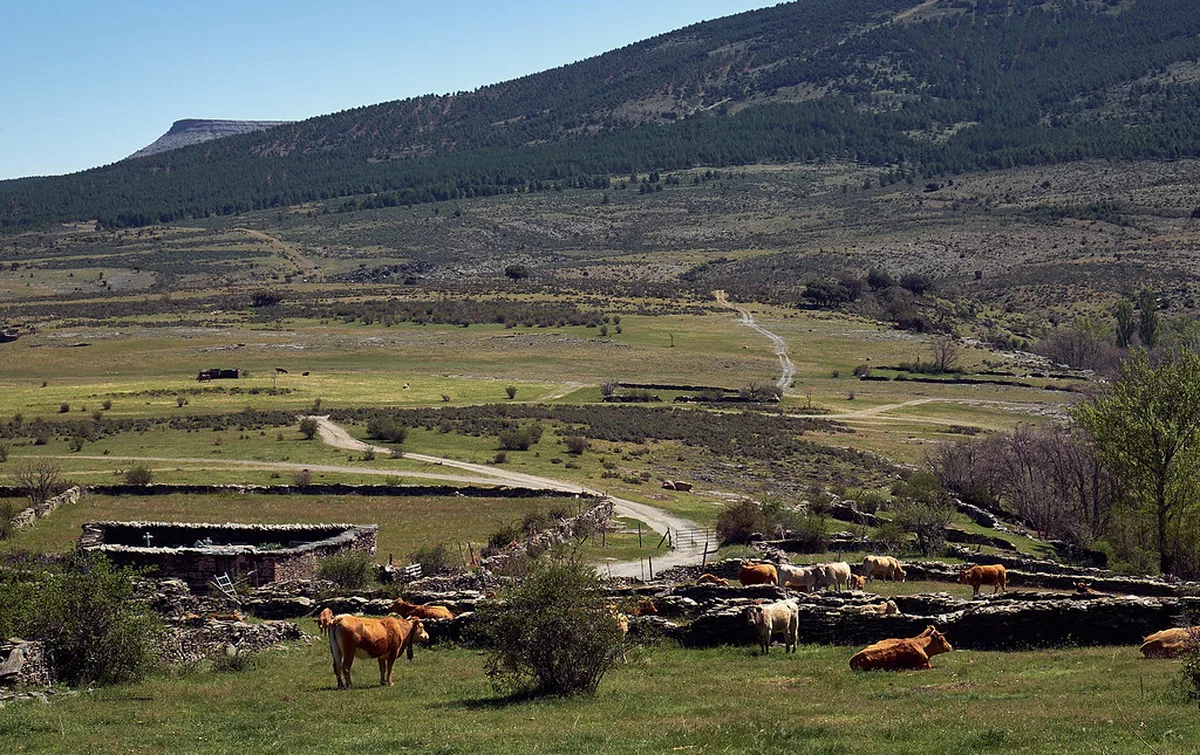
Entry to the Real Sitio de El Escorial costs €12 per adult in 2026, with reduced admission of €6 for students and EU citizens over 65. The ticket covers the royal palace apartments, the Pantheon of Kings where Spanish monarchs are interred beneath gilded bronze tombs, the stunning basilica with its domed ceiling, the chapter rooms containing an extraordinary collection of Flemish and Italian Renaissance paintings, and the royal library with its 45,000 volumes and beautifully frescoed ceiling. Plan at least three hours to do justice to the main highlights, as the complex covers over 33,000 square metres of floor space across its eight main courtyards.
The library alone is worth the trip to El Escorial. Housing manuscripts from the medieval period through the Renaissance, it contains original texts by Copernicus, Alfonso X el Sabio, and St. Teresa of Ávila. The ceiling frescoes depict the seven liberal arts and were painted by Pellegrino Tibaldi in 1592. Photography is not permitted inside the library, but the experience of standing among 450-year-old royal manuscripts is unforgettable. The adjacent Patio de los Reyes features six colossal stone statues of the Old Testament kings of Judah on the basilica's façade, each over four metres tall.
The town of San Lorenzo de El Escorial surrounding the monastery is a charming place for lunch after your visit. Local restaurants serve traditional Castilian roasts and fresh mountain trout dishes. Budget €12–18 per person for a full lunch with wine at one of the family-run restaurants on Calle Rey. The area also has a number of excellent hiking trails into the surrounding Guadarrama mountains, and the Valle de los Caídos — a controversial Civil War memorial — is located 13 kilometres away for those wishing to extend their visit. Combining El Escorial with a stop at the nearby royal gardens of La Herrería makes for a satisfying and diverse full-day excursion from Segovia without the crowds of a Madrid day trip.
Stepping Back in Time in Pedraza Village
Pedraza is a tiny medieval village that feels like a living museum of classic Spanish history, and it is consistently ranked among the most beautiful small towns in Castile and León. It is situated about 40 kilometres northeast of Segovia, roughly 40–50 minutes by car along the SG-V-2226. Unfortunately, public transport connections to Pedraza are extremely limited — one daily bus runs from Segovia on certain weekdays only, making this a destination best suited for those with a rental car. Car hire in Segovia costs approximately €35–50 per day for a compact vehicle in 2026, and several agencies operate from the city centre and the train station.
Only a few hundred permanent residents live in Pedraza, which means the quiet and peaceful atmosphere of the 16th century remains remarkably intact. The entire village is enclosed by ancient protective walls, and entry to the historic core is through a single arched gate. The main square, the Plaza Mayor, is widely considered one of the most beautiful arcaded plazas in the entire Castile region, surrounded by uniformly ochre stone buildings, a 16th-century watchtower, and several traditional restaurants with outdoor terraces. The village is also famous for its film-set looks and perfectly preserved golden cobblestone streets that see little vehicular traffic.
Traditional restaurants around the Plaza Mayor serve succulent roast suckling pig — known locally as cochinillo asado — and baby lamb cooked in wood-fired clay ovens following centuries-old recipes. Expect to pay about €25–30 per person for a high-quality and authentic three-course lunch experience including wine, which is outstanding value for the quality. The signature Restaurante La Olma and several competing establishments nearby require advance reservations on weekends and during public holidays, when visitors pour in from Madrid just 90 kilometres to the south.
You can visit the Ignacio Zuloaga Castle museum located at the far southwestern edge of the village. This 15th-century fortress, which once held Francis I of France as a prisoner, now houses a fascinating collection of works by the famous Basque painter Ignacio Zuloaga alongside pieces by his contemporaries El Greco, Goya, and Zurbarán. Admission is approximately €12 per adult and includes access to the castle's towers, which offer panoramic views of the Duratón river gorge and the northern plains of Segovia province. The castle is open Thursday through Sunday and during national holiday periods, so confirm hours before making the drive. Combining the castle museum with a long lunch and a stroll through the village streets can fill a perfectly satisfying full day out from Segovia.
The Unique Brick Fortress of Coca Castle
Coca Castle is a masterpiece of Mudejar-Gothic architecture that uses elaborately decorated brick instead of traditional stone blocks, making it one of the most visually distinctive fortifications in all of Spain. This 15th-century fortress was commissioned by Alonso de Fonseca, Archbishop of Seville, and features a triple-ring defensive system, a deep dry moat, and elaborate towers encrusted with intricate geometric relief patterns drawn from Islamic artistic traditions. It is located 50 kilometres northwest of Segovia, reachable in approximately 45 minutes by car along the CL-605. The red-hued brick façade glows dramatically during the golden hour before sunset, making late-afternoon photography particularly rewarding.
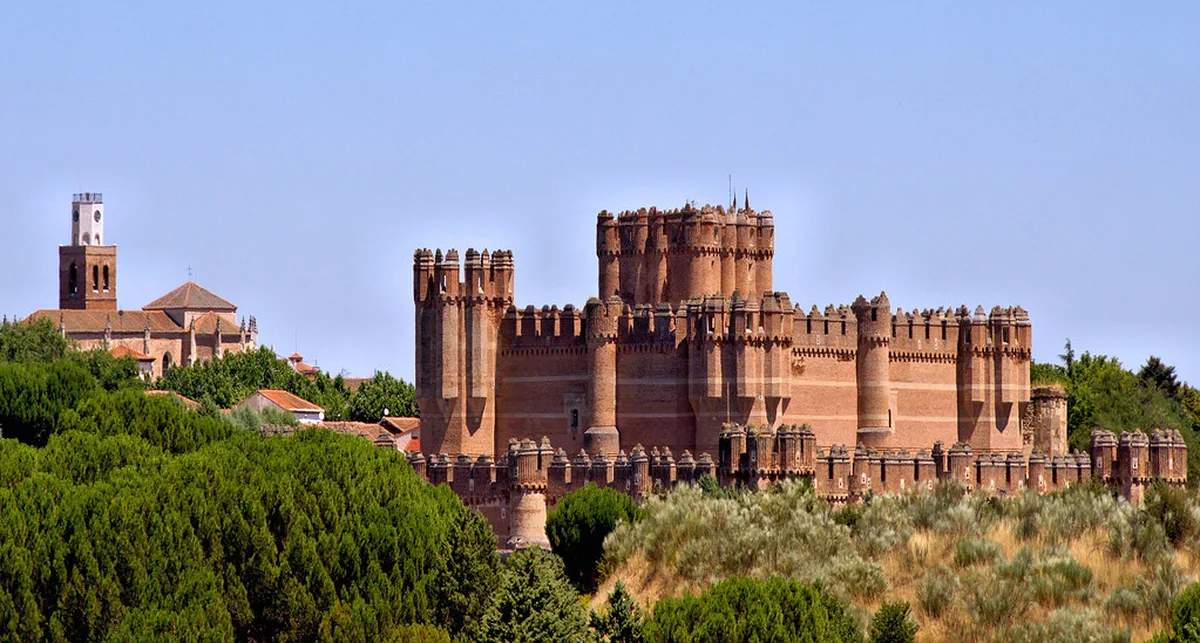
Guided tours of the castle interior cost €3.50 per adult in 2026 and depart several times daily. The tour lasts approximately 45 minutes and takes visitors through the main keep, the chapel with its original 15th-century altarpiece, the armory displaying period weapons and armour, and the central patio where the Fonseca family received guests. Guides explain the remarkable fusion of Christian military architecture with Nasrid decorative techniques, illustrating how craftsmen from al-Andalus applied their skills to a Christian patron's commission. Most visitors spend a total of 90 minutes on site including the tour and a self-guided walk around the moat and outer defensive ring. There is no public transport to Coca — a car or taxi from Segovia (approximately €40 one way) is required.
The town of Coca itself merits a brief exploration before or after the castle visit. The 15th-century Church of Santa María la Mayor, located a five-minute walk from the fortress, contains an exceptional mudéjar apse tower and is free to visit during opening hours. Several small cafes on the main street serve churros, café con leche, and bocadillos for under €5. Free parking is available in the large gravel lot directly adjacent to the castle entrance, and picnic tables near the moat make for a pleasant outdoor lunch spot in fine weather.
- The Impressive Main Keep Tower
- Height: Over 25 metres
- View: Wide Castilian plains
- Access: Internal spiral stairs on guided tour
- Deep Defensive Moat System
- Depth: Several metres, dry moat design
- Purpose: Triple-ring defensive protection
- Design: Mudejar brick-lined walls
- Intricate Mudejar Brickwork Patterns
- Style: Islamic-inspired geometric relief
- Material: Locally fired terracotta brick
- Detail: Arabesque and lacería latticework
Madrid by High-Speed AVE Train
Madrid is the easiest and most dramatic day trip from Segovia in 2026, thanks to the AVE high-speed rail connection that covers the 90 kilometres between the two cities in just 27 minutes. Renfe operates frequent services throughout the day from Segovia-Guiomar station — reachable from the city centre by local bus or taxi in about 15 minutes — with standard Turista class tickets ranging from €8 to €12 each way depending on how far in advance you book. The station is modern and well-connected, with luggage storage available if you want to travel light for a day in the capital.
On arrival at Madrid Chamartín or Atocha station, the entire city opens up via the Metro network, with a single-journey ticket costing €1.50 to €2 depending on the number of zones. The most popular destinations for a day visitor from Segovia include the Prado Museum (€15 general admission, free after 18:00 on weekdays), the Reina Sofía contemporary art museum (€12), the Royal Palace (€14, includes guided tour), and the sprawling Retiro Park, which is free. Art lovers can chain the Prado and the Thyssen-Bornemisza gallery (€16) into a single intensive morning of world-class painting. History enthusiasts should head to the Toledo district near Atocha, where the remains of the Moorish city wall survive alongside a mosque-turned-church dating to the 10th century.
Food in Madrid is a major attraction in its own right. The Mercado de San Miguel near the Plaza Mayor is ideal for a late-morning tapas crawl with high-quality produce stalls and standing bars — budget €10–15 for a solid selection of bites and a glass of cava. For a sit-down lunch, the La Latina neighbourhood offers traditional madrileño cuisine: cocido madrileño (a hearty chickpea stew) for around €14–18 at restaurants like Malacatín or Casa Carola. Returning on the late AVE back to Segovia, with services running until approximately 21:30, gives you a full 10–12 hours in the capital while still sleeping in Segovia that night. For those planning to extend their trip, our day trips from Toledo guide covers additional Madrid-area excursions from another great Castilian base.
Booking Madrid AVE tickets through the Renfe website or app at least 7–14 days ahead secures the lowest fares of €8 per journey. Last-minute tickets on the same day can cost €12–18. The frequency of trains — typically one every 30–60 minutes during peak hours — means you rarely need to stress about missing a specific departure. Families with children should note that kids aged 4–13 receive a 40% discount on Renfe Cercanías and regional services but not always on AVE tickets, so check the booking conditions carefully when purchasing.
Avoiding Common Mistakes on Your Excursions
Many visitors underestimate the travel time between these rural Spanish towns and historic villages. While distances look short on a map, winding country roads through the Sierra de Guadarrama foothills can slow your progress significantly compared to motorway estimates. Plan for at least one hour of actual driving time per major destination, and build in a 20–30 minute buffer for parking, finding the entrance, and buying tickets at sites that do not offer online pre-booking.
Grouping nearby towns together can maximise your limited vacation time. La Granja de San Ildefonso and the Valsaín royal pine forests make a natural half-day pairing to the north of Segovia. Pedraza and the Hoces del Río Duratón natural park — a dramatic limestone canyon famous for nesting Griffon vultures — can be combined for a full northeastern day loop. Coca Castle and the charming market town of Cuéllar, which has its own largely unvisited 14th-century castle, work well together as a western half-day circuit. Relying solely on public transport is a mistake for more remote locations like Coca and Pedraza. Buses are frequent between Segovia and major hubs like Ávila or Madrid, but connections to smaller villages are rare or nonexistent during the standard working week.
Renting a car for a day provides the freedom to stop at scenic viewpoints and roadside Roman milestones along the way. Car hire can be booked through major platforms like Hertz, Avis, or Europcar from approximately €35 per day plus fuel. For this region, a basic sedan is entirely adequate since all the roads are paved. Petrol stations are plentiful along the main corridors but sparse on smaller rural routes, so fuel up before leaving Segovia. Another common error is forgetting that many smaller attractions observe the traditional siesta closure between 14:00 and 17:00. Most shops and some smaller museums close firmly during these hours, so plan your heavy sightseeing for the morning and enjoy a long, relaxed lunch during the midday break. This local rhythm means you never arrive at a locked gate after a long drive. Visit our Segovia old town guide and Segovia walking tour to plan your base city experience before setting off.
Frequently Asked Questions
What is the best day trip from Segovia?
La Granja de San Ildefonso is widely considered the best day trip from Segovia. It is only 11 km away and accessible by Bus Line 661 in 30 minutes for €2.10 each way. The Bourbon royal palace charges €9 for adult entry in 2026 and the baroque gardens and fountains are among the finest in Spain.
How do I get from Segovia to Ávila?
The fastest way from Segovia to Ávila in 2026 is by regional train, which takes approximately 30 minutes and costs €7–10 each way. Avanza regional buses are also available from Segovia bus station, taking 60–70 minutes for around €5.25 one way. By car, the journey is about 50 minutes along the A-6 motorway. Once in Ávila, the famous medieval walls cost €7 per adult to walk.
Can I visit Pedraza without a car?
Visiting Pedraza without a car is very difficult. Only one daily bus serves the village from Segovia on certain weekdays, with no return service on others. Most travellers rent a car for around €35–50 per day in Segovia. The drive is 40 km northeast and takes about 45 minutes along the SG-V-2226 road.
How much does El Escorial monastery cost to visit?
Entry to El Escorial royal monastery costs €12 per adult in 2026. Reduced admission of €6 applies for students and EU citizens over 65. The ticket includes access to the royal palace apartments, the Pantheon of Kings, the basilica, the Renaissance chapter rooms, and the famous royal library. To reach El Escorial from Segovia by bus takes about 1 hour and costs approximately €5 each way.
How do I get from Segovia to Madrid by train?
Renfe AVE high-speed trains connect Segovia-Guiomar station to Madrid in just 27 minutes. Tickets cost €8–12 each way in 2026 when booked in advance. Trains run frequently throughout the day. The station is about 15 minutes from Segovia city centre by local bus or taxi. Book on renfe.com to secure the cheapest fares.
How long does it take to get from Segovia to Toledo?
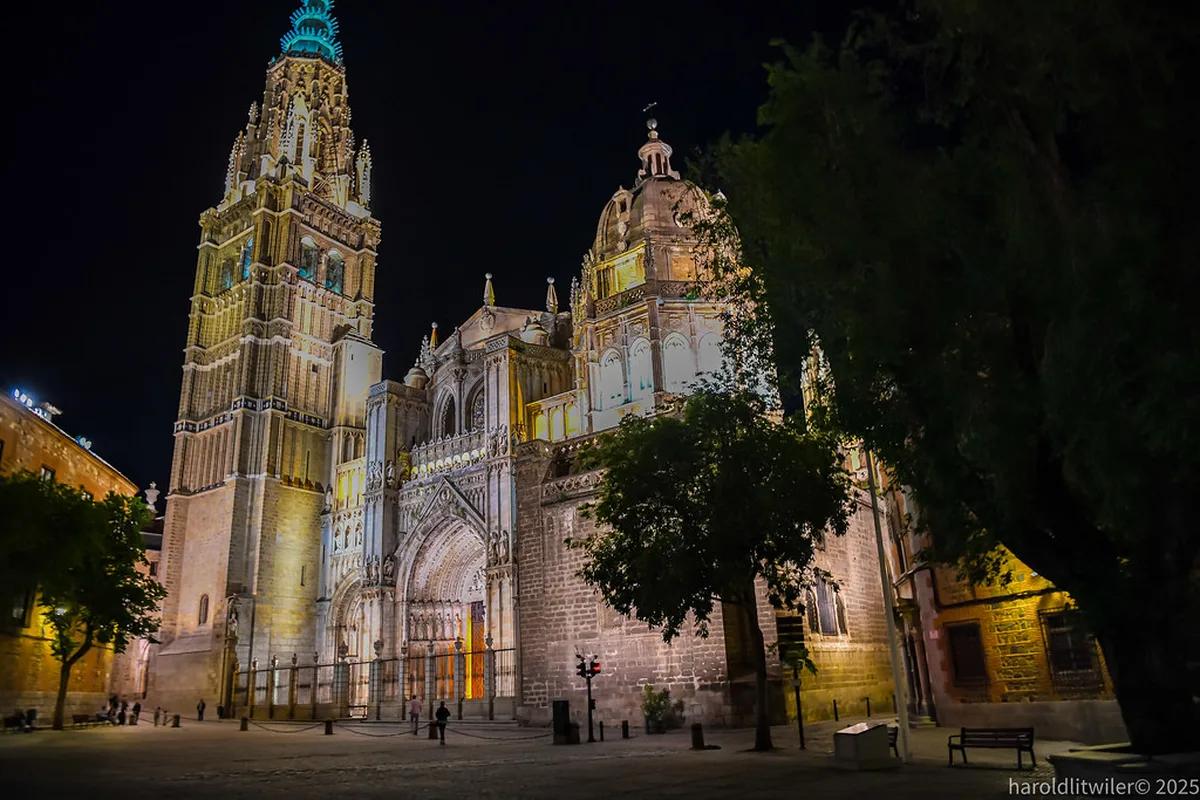
Getting from Segovia to Toledo takes approximately 2 hours by bus in 2026, with tickets costing around €15 each way. The route typically involves a connection in Madrid, making it one of the longer day trips from Segovia. Despite the journey time, Toledo's UNESCO-listed old city — with its cathedral, Alcázar fortress, and medieval Jewish quarter — rewards the effort richly.
How much does it cost to visit Coca Castle?
Guided tours of Coca Castle cost €3.50 per adult in 2026. The tour lasts about 45 minutes and covers the keep, chapel, armory, and central patio of this remarkable 15th-century Mudejar-Gothic fortress. There is no public transport to Coca, so a car or taxi from Segovia (approximately €40 one way) is necessary to visit.
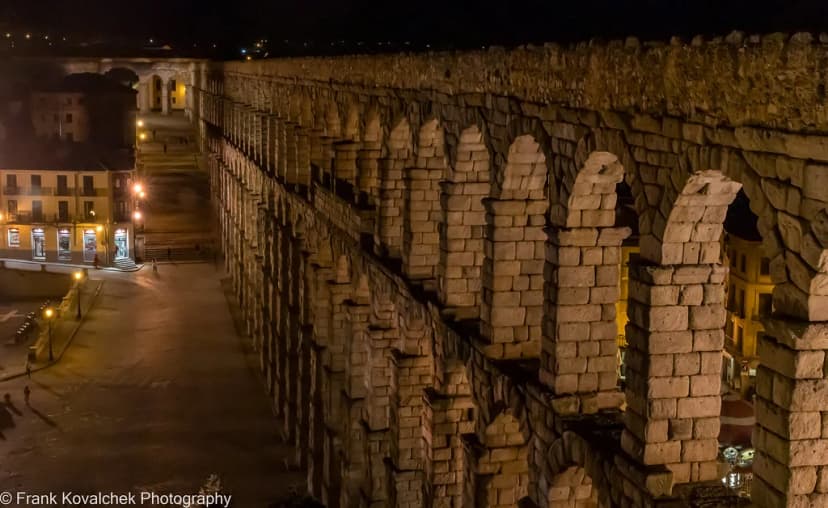
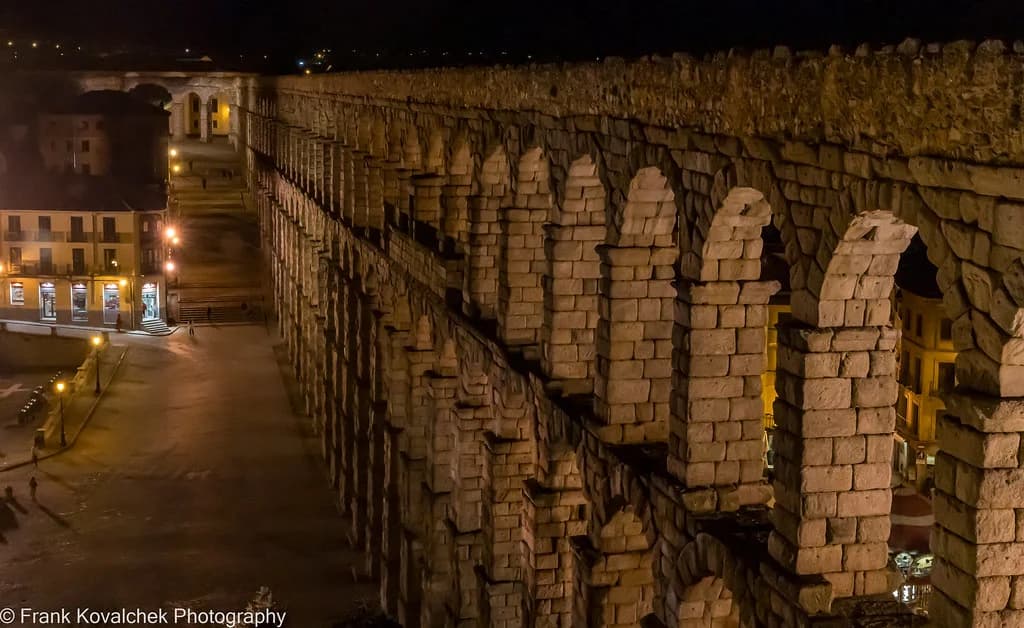
Exploring the area surrounding Segovia adds incredible depth and variety to any Spanish holiday. From the royal fountains of La Granja to the Mudejar brickwork of Coca, the Renaissance grandeur of El Escorial, and the medieval walls of Ávila, the diversity of architecture and landscape within an hour of the city is remarkable. These day trips from Segovia ensure you see the authentic side of the historic Castilian heartland beyond the famous aqueduct. Each destination offers a unique story that complements and enriches the history of the city itself. Make sure to check the latest opening times before you set off, as seasonal closures and siesta schedules can catch visitors off guard. Packing a light jacket is wise since mountain temperatures in the Guadarrama range can drop noticeably in the late evenings even in summer. For planning your stay in the city itself, our Segovia old town guide and Segovia walking tour provide essential insider tips. Those interested in similar excursions elsewhere in Spain may also find our day trips from Toledo guide useful for planning a broader Castilian itinerary. Your journey through central Spain will be much richer with these hidden gems included.