The Ultimate Segovia Old Town Guide for 2026
Segovia's Roman Aqueduct is free to visit in 2026, the Alcázar de Segovia costs €10, and the Cathedral charges €4 — free Sunday mornings 9:30–10:30AM. The high-speed Avant train from Madrid reaches Segovia in just 30 minutes for €8–12.
One full day in Segovia costs well under €50 per person: walk the 2,000-year-old Roman Aqueduct for free, tour the fairytale Alcázar for €10, visit the Gothic Cathedral for €4, and enjoy a classic cochinillo asado lunch — one of the best-value UNESCO day trips in all of Spain.
Segovia Old Town serves as a living museum of Roman, Moorish, and Christian history in central Spain. Walking through these narrow cobblestone streets feels like stepping back into a medieval fairytale with every turn. Our comprehensive guide highlights the essential sights while helping you avoid common tourist traps. Prepare to see architectural wonders that earned this entire city its prestigious UNESCO World Heritage status.
The city sits on a rocky crag between the Eresma and Clamores rivers, offering dramatic views from every angle. Travelers often visit as a quick trip from Madrid, yet the historic center deserves a much slower pace. Expect to find towering cathedrals, ancient fortifications, and some of the best roast meats in the country. This guide provides the local insights you need to navigate the steep hills and hidden plazas effectively. Pair this guide with our Segovia walking tour for a day-by-day route through the old town, and see our day trips from Segovia page for excursions into the surrounding Sierra de Guadarrama.
Segovia's Roman Aqueduct: 2,000 Years of Engineering
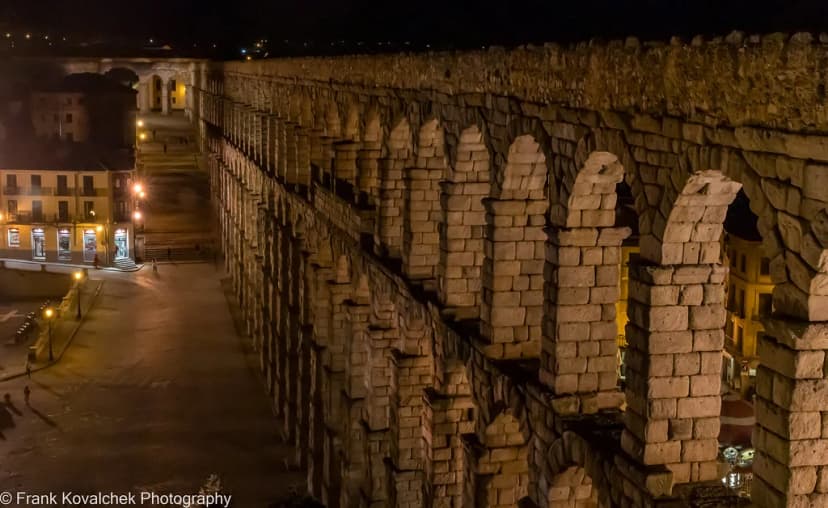
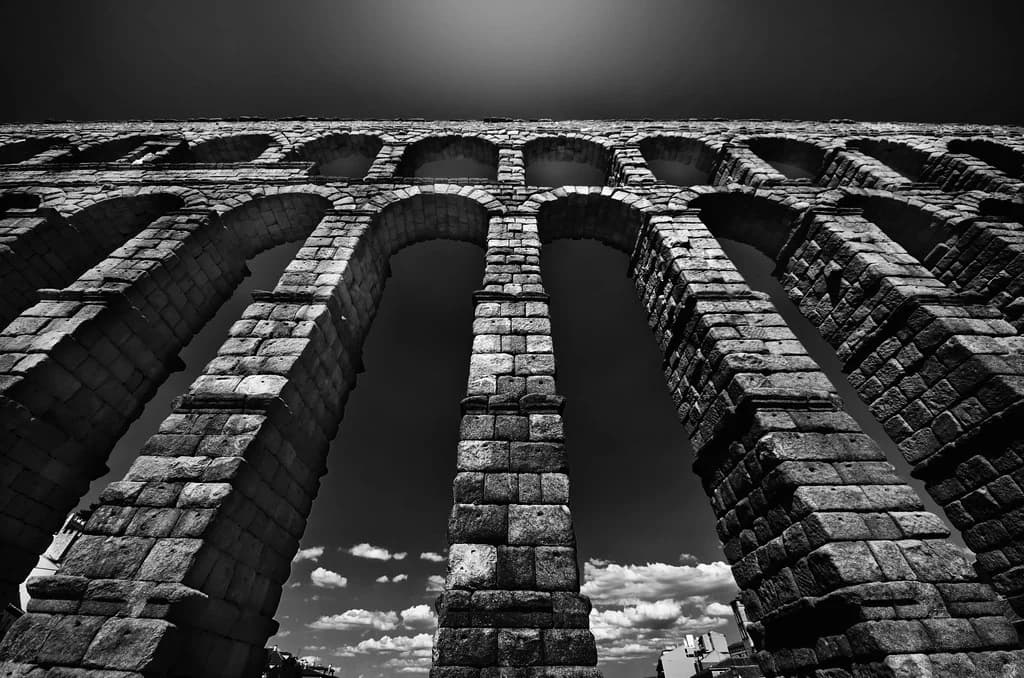
The Roman Aqueduct is Segovia's most recognisable monument and the finest surviving Roman structure in the Iberian Peninsula. Built in the first century AD — most likely during the reign of Emperor Trajan or Domitian — this engineering marvel stretches 818 metres through the city and features 167 arches arranged across two tiers. The tallest point rises nearly 29 metres above the Plaza del Azoguejo, and not a single drop of mortar was used in its construction. The granite blocks are precision-cut and locked together solely by their own weight, a feat that continues to astonish modern engineers more than two millennia later. At its peak the aqueduct could transport up to 20,000 cubic metres of water per day from the Rio Frio in the Sierra de Guadarrama all the way into the city cisterns — a supply network that remained partially functional well into the Middle Ages.
Entry to view the aqueduct is completely free in 2026. You can walk along the pedestrianised boulevard at the base at any hour, but the best light for photography falls at sunrise or just before sunset when the honey-coloured granite glows warmly. If you want elevation, climb the Postigo del Consuelo staircase on the eastern side: it brings you level with the upper channel and gives a perspective that street-level crowds never get. The interpretive centre inside the nearby Casa de la Química is also free and explains the aqueduct's construction and history through clear bilingual panels, including scale models of the original water capture system in the mountains.
Plaza del Azoguejo acts as the bustling heart of the lower town where locals and tourists converge daily. Information kiosks here provide maps and walking routes leading upward into the medieval quarters. Look for the bronze She-Wolf statue — a gift from the city of Rome — that honours the ancient legend connecting Segovia to the Roman she-wolf of Romulus and Remus. The surrounding terrace cafes charge a premium for their views (espresso around €2.50–€3.00), but the narrower side streets offer the same outlook at half the price. Local legends claim a girl made a pact with the devil to build the aqueduct overnight in exchange for her soul, though historians firmly date it to the Roman imperial period. A plaque on the outer wall of the Aqueduct Museum records twenty-two major conservation interventions since the 13th century — testament to just how seriously Segovia takes this 2,000-year-old inheritance. Allow 30–45 minutes here before moving uphill along the Calle Real toward the Cathedral.
- Aqueduct Visit Details
- Location: Plaza del Azoguejo / Plaza de Artillería
- Cost: Free to view, free interpretive centre
- Best time: Sunrise or 30 minutes before sunset
- Access: Fully pedestrianised; accessible by city bus Line 11 from Guiomar station
- Tip: Postigo del Consuelo stairs give the best elevated view
Alcázar de Segovia: The Castle That Inspired Disney's Cinderella
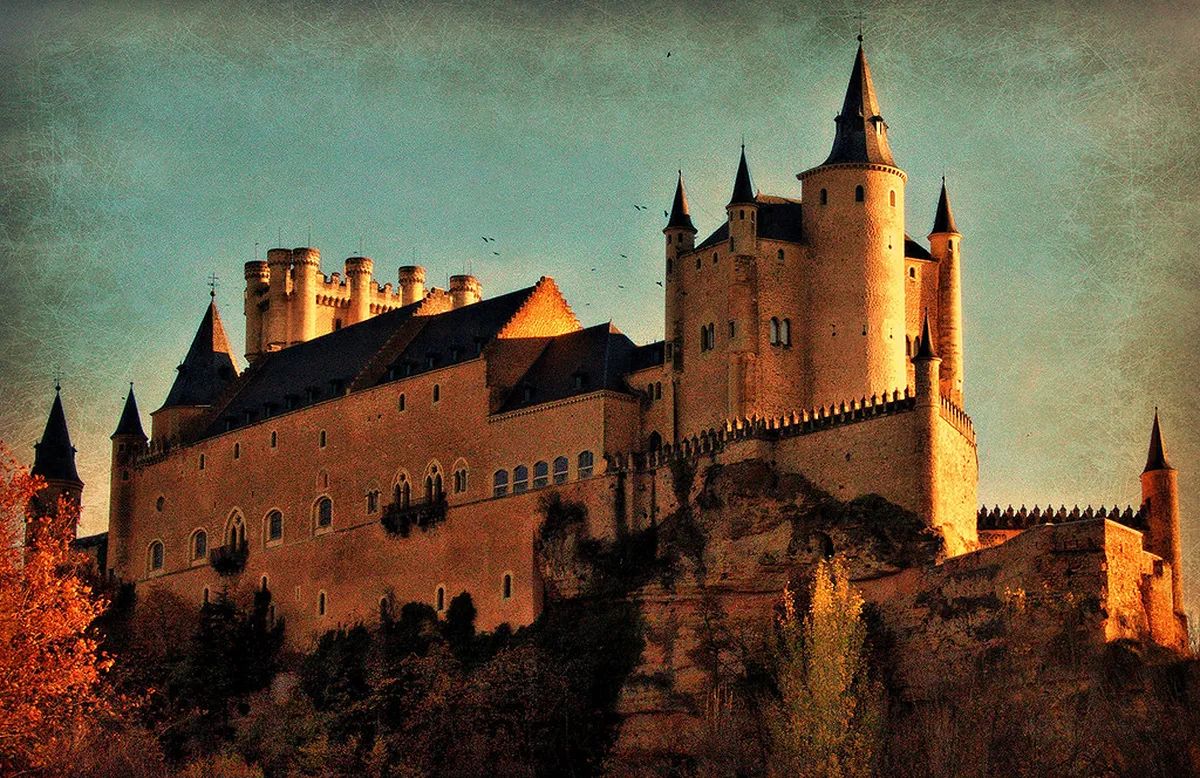
The Alcázar de Segovia occupies a narrow rocky promontory at the westernmost tip of the old town, its prow-shaped silhouette rising above the confluence of the Eresma and Clamores rivers like a ship breasting a stone sea. The fortress has served successively as a Moorish fort, a Castilian royal palace, a state prison, and from 1764 a prestigious Royal Artillery School. Queen Isabella I was proclaimed Queen of Castile here in 1474, making the Alcázar one of the most historically charged sites on the Iberian Peninsula. The castle's distinctive blue slate spires and turreted round towers are widely cited — though officially unconfirmed by Disney — as a primary design inspiration for the Cinderella Castle at Walt Disney World. Whether or not the legend holds, the similarity is striking from every angle and makes for an excellent conversation starter at the ticket queue.
In 2026, the combined ticket for the palace rooms and the Tower of Juan II costs €10 per adult (reduced €5 for students and EU seniors). Entry to the palace alone is €7.50; the tower can be added separately for €3. The Alcázar is open Monday through Sunday from 10:00 to 19:00 in winter (closing at 20:00 in summer). Audio guides are available at the entrance for €4 and are worth the addition for the royal apartments, where the commentary brings the painted ceilings and dynastic portraits to life. Booking online at least 24 hours in advance is strongly recommended from April through October, when same-day queues can stretch 45 minutes or more. Book via the official site at alcazardesegovia.com.
Inside, the Throne Room is the showpiece: a Mudéjar coffered ceiling in gold, blue, and crimson shelters the thrones of Isabella and Ferdinand, and the walls are lined with polychrome friezes depicting the monarchs of Castile and León in chronological order. The Galley Room beside it has curved wooden walls designed to resemble a ship's hull and floor-to-ceiling windows facing the Eresma valley. The Armory on the ground floor holds a substantial collection of plate armour, crossbows, and medieval blades in excellent condition. The Tower of Juan II rises 152 steps above all of this: the spiral staircase is narrow and the steps uneven, so those with mobility concerns may prefer to skip it, but the 360-degree panorama at the top — Cathedral pinnacles to the east, Sierra de Guadarrama to the north, the Monastery of El Parral directly below — is genuinely breathtaking. Budget a full two hours for a thorough visit, then walk the short trail down to the banks of the Eresma for a classic postcard view of the entire fortress above you.
- Alcázar Visitor Guide
- Opening hours: 10:00–19:00 (winter), 10:00–20:00 (summer)
- Combined ticket (palace + tower): €10 adult / €5 reduced
- Palace only: €7.50 | Tower only add-on: €3
- Audio guide: €4
- Location: Plaza de la Reina Victoria Eugenia
- Booking: alcazardesegovia.com (recommended April–October)
Walking the Calle Real to Plaza Mayor
Calle Real is the main pedestrian artery connecting the Roman Aqueduct at the city's foot to the central Plaza Mayor at its crown. The street changes names several times along its half-kilometre rise — passing through Calle de la Infanta Isabel, Calle de Juan Bravo, and Calle de Isabel la Católica — but locals refer to the entire stretch as the Royal Way and it is impossible to get lost along it. The gradient is gentle enough for most walkers, and the buildings on either side reward close inspection at every step.
The first major landmark you encounter is the Casa de los Picos, a 15th-century mansion whose entire granite facade is covered in diamond-shaped stone points. This unique decoration was a Renaissance status symbol, and the building now houses an art school that occasionally opens its courtyard to visitors for free temporary exhibitions. Immediately opposite stands the Torreón de Lozoya, a medieval tower that hosts rotating art shows; entry is typically €2–€3. A few paces further, the Romanesque church of San Martín commands a small plaza where a statue of Juan Bravo — the local hero who led the Revolt of the Comuneros against Charles I in 1520 — gazes defiantly toward the city walls. The portico of San Martín is one of the finest examples of Segovian Romanesque architecture; entry to the church itself is free on most weekday mornings.
Boutique shops along Calle Juan Bravo sell traditional Segovian ceramics, hand-tooled leather goods, and small jars of Judiones de la Granja beans to take home. Avoid anything with large tourist price markups near the street corners; the alley workshops behind the main facade often sell the same items at 30–40% less. Plaza Mayor, at the top of the climb, serves as the social hub of the old town with regular weekly markets and seasonal fairs. The square is flanked by the 17th-century Town Hall on the east, the Segovia Cathedral on the south, and the elegant Juan Bravo Theatre on the west. Grab a coffee at one of the outdoor terraces to enjoy the view of the cathedral's soaring pinnacles — budget around €2–€4 for drinks — and return in the evening when families gather for the nightly paseo and the illuminated facades create an entirely different atmosphere. The walk from the Aqueduct to Plaza Mayor takes around 20 minutes at a relaxed pace; our full Segovia walking tour adds all the detours and hidden alleys worth exploring along the way.
The Lady of Cathedrals and Medieval Alleys
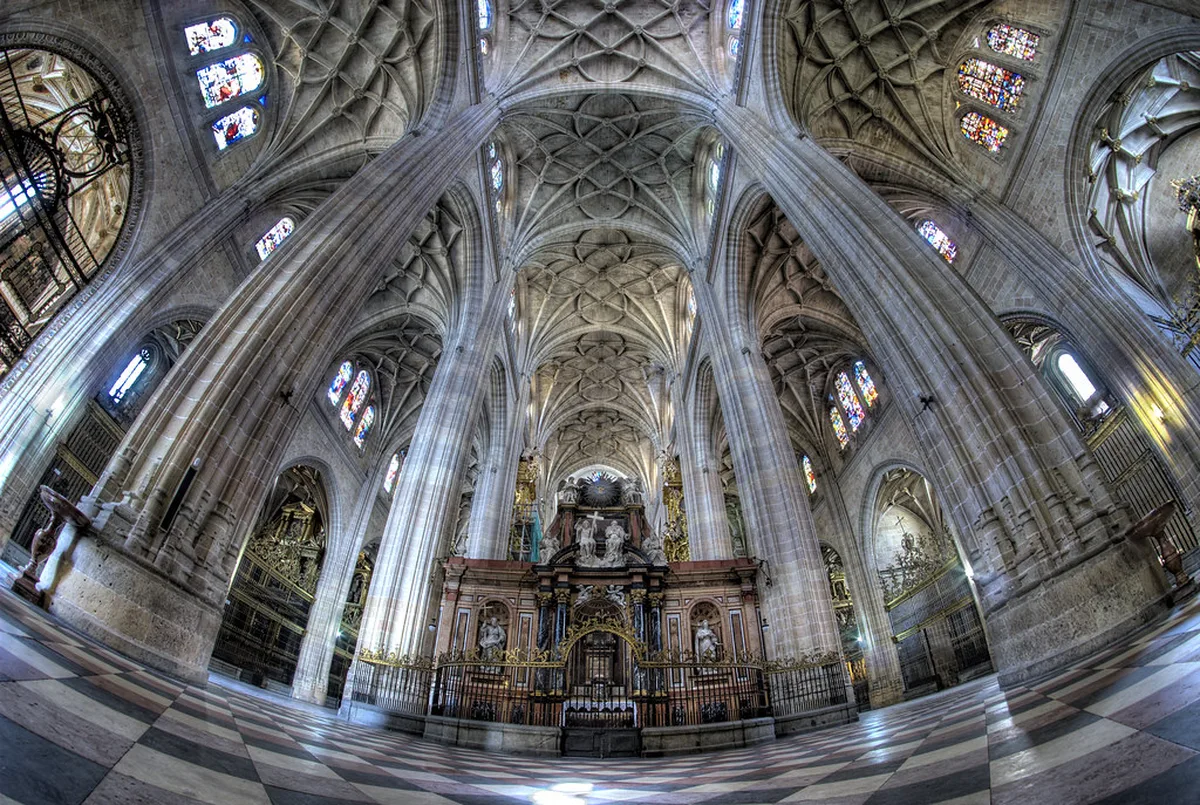
The Segovia Cathedral dominates the southern edge of Plaza Mayor with a silhouette of soaring pinnacles, flying buttresses, and an elegant dome that earned it the nickname "Lady of Cathedrals" from the moment construction began in 1525. It was the last Gothic cathedral built in Spain — and arguably the most graceful — replacing an earlier church destroyed during the Comuneros revolt. The interior is vast, bright, and remarkably unified in style, filled with carved choir stalls, gilded altarpieces, and 16th-century Flemish tapestries hanging in the nave chapels.
General entry in 2026 costs €4, which includes access to the Cathedral museum and the beautifully peaceful Gothic cloister — itself transplanted stone by stone from the previous cathedral that once stood near the Alcázar. On Sunday mornings between 9:30 and 10:30AM, entry is completely free, making this the best value window in the entire old town for budget-conscious visitors. The museum holds an outstanding collection of religious silverwork, illuminated manuscripts, and the elaborate hearse used for royal funerals in the 16th century. Guided tours of the bell tower are available for a supplement of approximately €3 and reward climbers with panoramic views across Plaza Mayor and the rooftops all the way to the Sierra de Guadarrama. Opening hours in summer 2026 run 09:00–21:30; winter hours shorten to 09:30–18:30. Aim to be inside by 09:30 to beat the tour-group rush that peaks between 11:00 and 13:00.
The Jewish Quarter, or Judería, spreads through a quiet network of alleys immediately west of the Cathedral, descending gently toward the city walls. This neighbourhood was home to one of Castile's most prosperous Jewish communities until the Expulsion of 1492. The Didactic Centre of the Jewish Quarter on Calle de la Judería Nueva (entry approximately €2) occupies a preserved medieval townhouse and traces the community's history through artefacts, maps, and multilingual panels. From there, narrow callejones lead to the Puerta de San Andrés, a well-preserved medieval gate with an intact portcullis slot. A short section of the city wall is walkable here, offering views across the Clamores valley. Keep an eye on the house walls throughout the neighbourhood for esgrafiado plasterwork — the geometric scratch-patterns created by layering coloured plaster and incising designs through to a darker underlayer — which is unique to the Segovia region and dates back to the 15th century.
Segovia's Food Scene: Cochinillo, Jewish Quarter Gems, and Plaza Mayor Cafes
Segovia's culinary identity is anchored by a single, unforgettable dish: cochinillo asado, or roast suckling pig. Piglets weighing under six kilograms are slow-roasted whole in a wood-fired clay oven until the skin crackles like porcelain and the meat beneath falls apart at the touch. By long tradition, the waiter demonstrates the tenderness by cutting the pig with the edge of a ceramic plate before snapping the plate on the floor for good luck — then presenting you with a perfectly portioned half or quarter pig that costs €18–€26 per person as a main course.

The most celebrated cochinillo address in Spain is Mesón de Cándido (Plaza del Azoguejo 5), which has been roasting pigs continuously since 1905 and holds a royal warrant. Expect to pay €35–€55 per person for a full meal with wine. Restaurante José María (Calle Cronista Lecea 11, near Plaza Mayor) is equally revered by locals and slightly less expensive, with cochinillo portions from €22. For a mid-range option without the tourist premium, head to Casa Duque (Calle Cervantes 12), which has served cochinillo since 1895 and offers a weekday set menu (menú del día) for €16 that includes bread, salad, a cochinillo quarter, dessert, and house wine.
Beyond the flagship dish, Segovia's food scene rewards exploration. Judiones de la Granja — enormous white kidney beans grown in the gardens of La Granja de San Ildefonso, 11 km south — are served in a slow-cooked stew with pig's ear and chorizo that costs around €10–€14 as a starter. Ponche Segoviano, the city's signature pastry, is a multi-layered sponge filled with cream and glazed with toasted marzipan; any of the bakeries along Calle Real sell individual slices for €2–€3. Pair everything with a bottle of Valtiendas Tempranillo (DO Ribera del Duero, often €12–€18 per bottle in restaurants) for an authentically Castilian meal. La Granja de San Ildefonso itself — the Baroque palace and royal gardens 11 km outside Segovia — is one of the most popular day trips from the city; see our day trips from Segovia guide for transport details and opening hours.
The alleys of the Jewish Quarter also hide several small wine bars and tapas counters that open from noon. These spots rarely appear in guidebooks but serve superb local cheese boards (queso castellano from nearby farms, €6–€8) and house-poured Rueda whites alongside free pintxos with each drink. Around Plaza Mayor, the terraces are excellent for breakfast or an afternoon coffee; most serve churros con chocolate for €4–€5 between 09:00 and 12:00, and the square fills with locals enjoying the paseo from around 19:00 onward. Avoid restaurants with large laminated photo menus on the street — they typically charge 20–30% more than the quieter establishments tucked into the side alleys just one block away.
Practical Travel Tips for Segovia
Comfortable walking shoes are essential because the cobblestone streets are often steep and quite uneven underfoot. The high-speed Avant train from Madrid Chamartín reaches the Guiomar station — located 5 km outside the old town — in approximately 30 minutes and costs around €8–€12 each way in 2026. From Guiomar, city bus Line 11 runs directly to the Roman Aqueduct in about fifteen minutes for €1.40. Regular buses from Madrid Príncipe Pío bus station (operated by Avanza) are slightly slower at 75 minutes but drop passengers at the Paseo de Ezequiel González terminal, a 10-minute walk from the aqueduct, and cost around €7–€9 return. Once you have explored the old town, check our day trips from Segovia guide for onward excursions to La Granja and Pedraza.
Plan your visit for a Tuesday or Wednesday morning to enjoy a more peaceful atmosphere in the plazas and shorter queues at the Alcázar ticket window. The winter months from November through February can be very cold and windy due to the city's altitude of 1,002 metres in the Castilian plateau — carry a warm layer even in spring. Autumn (October–November) and late spring (April–May) offer the most pleasant walking weather and avoid the peak summer crowds that descend from late June through August. Most shops in the old town observe a siesta closure between 14:00 and 17:00, so plan your shopping for the morning or late afternoon.
The western edge of the city wall near the Alcázar is perfect for watching the sunset over the valley. Walk toward the Puerta de Santiago and the Vera Cruz church below to see the fortress from a different, less crowded angle that most visitors miss entirely. The Vera Cruz church itself — a 13-sided Templar chapel built in the 13th century — charges just €2 entry and is one of Segovia's most underrated monuments. Carry a reusable water bottle to fill at the public stone fountains around town, and note that most public toilets in the old town are free and signposted from the main plazas. Local police and tourism offices are very helpful if you need directions or emergency assistance; the main tourist office is on Plaza Mayor near the Cathedral entrance. For a deeper exploration of the streets between these landmarks, see our dedicated Segovia walking tour route. Visitors planning to explore beyond Segovia may also find our Toledo old town guide useful, as Toledo makes an excellent companion UNESCO city day trip from Madrid on the same week.
Frequently Asked Questions
How much time do I need to see Segovia old town?
Allow at least 4 to 6 hours to cover the main sites comfortably. This timeframe covers the Roman Aqueduct (30–45 min), the Cathedral (45–60 min including cloister), and the Alcázar including the tower (90–120 min). Add another 90 minutes for a sit-down cochinillo asado lunch and you have a full and satisfying day from Madrid.
How much does it cost to visit Segovia's main monuments in 2026?
The Roman Aqueduct is free to view at any time. The Alcázar charges €10 for the combined palace and tower ticket in 2026 (€7.50 for palace only, €3 for tower only). The Segovia Cathedral costs €4 for general entry including the cloister and museum, but is free on Sunday mornings from 9:30 to 10:30AM. Budget around €14–€18 total for all three main monuments per adult on a standard weekday visit.
What is the best way to get to Segovia from Madrid?
The high-speed Avant train from Madrid Chamartín is the fastest option, reaching Segovia Guiomar station in around 30 minutes for approximately €8–€12 each way in 2026. From Guiomar, take city bus Line 11 (€1.40) to the Roman Aqueduct in 15 minutes. Avanza buses from Madrid Príncipe Pío take about 75 minutes but drop you closer to the old town and cost around €7–€9 return — a good budget alternative.
Is the Segovia Cathedral free to enter?
The Cathedral charges €4 for general admission in 2026, which covers the nave, museum, and Gothic cloister. However, entry is completely free every Sunday morning from 9:30 to 10:30AM. This free window is one of the best-kept secrets in Segovia — arrive at 9:25 to get inside before it fills with other early visitors who know the trick.
Are the monuments in Segovia open on Mondays?
Yes, the Alcázar and Cathedral are open every day of the week in 2026 including Mondays. The Alcázar opens at 10:00 and the Cathedral from 09:30. Some smaller museums and local shops may have limited Monday hours or be closed on public holidays, so check the official tourism website before your visit if you are targeting a specific attraction.
Is Segovia old town accessible for visitors with mobility issues?
The historic centre presents challenges because of steep hills and ancient cobblestones. The main route from the Aqueduct to Plaza Mayor is mostly paved and manageable for most visitors. The Alcázar tower (152 steps on a narrow spiral staircase) and the Cathedral bell tower are not suitable for those with limited mobility. City buses are equipped with ramps and provide an alternative to walking the steeper sections.
What is cochinillo asado and where is the best place to eat it in Segovia?
Cochinillo asado is Segovia's signature dish of slow-roasted suckling pig, traditionally cut at the table with the edge of a ceramic plate to show how tender the meat is. The most famous restaurants are Mesón de Cándido (Plaza del Azoguejo 5, full meal €35–€55) and Restaurante José María (Calle Cronista Lecea 11, main course from €22). For a more affordable option, Casa Duque on Calle Cervantes offers a weekday set menu with cochinillo for €16.
Did Disney really use the Alcázar de Segovia as inspiration for Cinderella Castle?
The connection is widely cited but officially unconfirmed by Disney. The Alcázar de Segovia's prow-shaped silhouette, blue slate spires, and turreted towers bear a striking resemblance to the Cinderella Castle at Walt Disney World. Historians and travel writers have noted the similarity for decades, and many guides in Segovia promote it enthusiastically — making it one of the most popular talking points on any Alcázar tour, whatever the official position may be.
Segovia Old Town offers an unforgettable journey through Spain's rich and diverse cultural heritage in 2026. The combination of a free Roman aqueduct, a €4 Cathedral with free Sunday morning entry, and a €10 Alcázar makes this one of the most rewarding and affordable UNESCO day trips in Europe. By following this guide, you can experience the best landmarks and flavors this city has to offer without overspending or missing the hidden gems. Pack your walking shoes and prepare to fall in love with the timeless beauty of Segovia — and use our Segovia walking tour to make every step count.