Exploring Segovia: The Ultimate Walking Tour Guide 2026
The classic Segovia walking tour is a 2-hour loop: start at the Roman Aqueduct (free), walk uphill to the Cathedral (€4, free Sunday 9:30 AM), continue to the Alcázar (€10), then stroll the city walls back — total monument budget €15–20 per adult in 2026.
Segovia's entire historic core is self-guided in one continuous ridge walk — Aqueduct to Cathedral to Alcázar — with no car needed; wear sturdy shoes for cobblestones and allow 6–8 hours to visit all three monuments at a relaxed pace.
Segovia feels like a living museum where Roman engineering meets medieval fairy tales. Walking through these ancient streets reveals layers of history at every corner. A well-planned Segovia old town guide helps you navigate the steep hills efficiently. Wear sturdy shoes because the cobblestones can be quite unforgiving on your feet.
This UNESCO World Heritage city offers a compact layout perfect for exploring on foot. Most visitors arrive by train and start their journey at the massive Roman Aqueduct. You will find that the city rewards those who wander into quiet side alleys. Prepare for a day filled with stunning architecture and rich Spanish culture.
Starting Your Segovia Walking Tour at the Aqueduct
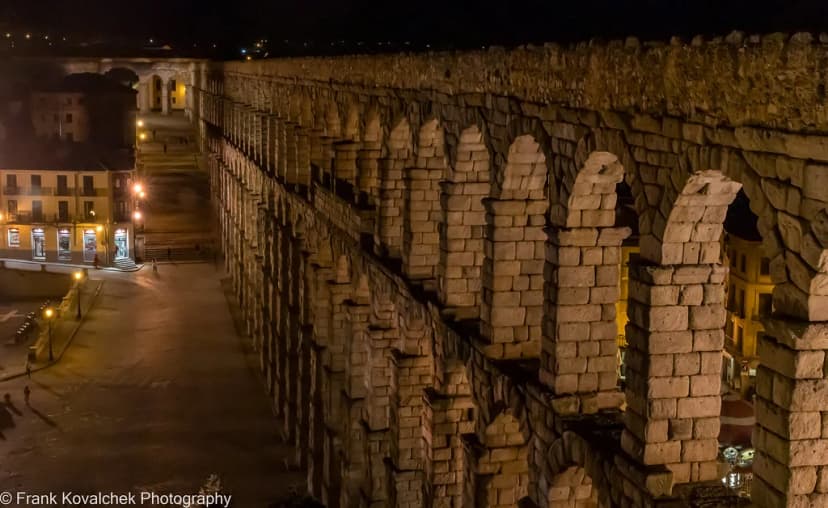
The Roman Aqueduct at Plaza del Azoguejo is the unmissable starting point of any Segovia walking tour. This 2,000-year-old granite structure stretches 818 metres across the city and reaches a maximum height of 28.5 metres at its tallest double-arched span near the plaza. It was built during the 1st or 2nd century AD without a single drop of mortar — only precisely cut granite blocks hold 167 arches in place. Entry to view the aqueduct from street level is completely free in 2026, and the viewing platform above the stairs on the left side of the plaza costs nothing either.
The visitor centre sits right next to the monument at Plaza del Azoguejo and opens daily from 10:00 to 19:00. Pick up a free physical map here to help with navigation through the winding upper streets. Staff can provide current opening hours for smaller museums and local churches. Many guided groups gather in this plaza during the late morning hours — arrive before 09:30 to photograph the arches without a crowd.
Walk up the stairs on the left side of the aqueduct for an elevated view at the Postigo del Consuelo mirador. This vantage point allows you to see the monument stretching roughly 500 metres into the modern city below. The climb is short but steep — about 40 stone steps — so take your time. From here look for the small statue of the Virgin of Fuencisla tucked high within the arches above the central road.
From the aqueduct your route heads straight up Calle Cervantes and then Calle Juan Bravo — the central pedestrian spine of the old town. This 700-metre uphill walk connects you seamlessly to the Jewish Quarter, Plaza Mayor, and eventually the Alcázar. Starting at the aqueduct ensures you follow the natural upward flow of the city's geography rather than fighting against it. Grab a quick coffee at Bar El Azoguejo on the plaza before beginning the main ascent — a café con leche runs about €1.50 in 2026.
Free walking tours meet at the aqueduct daily at 11:00 and 16:00; these last around two hours and cover all major stops. Tip the guide €10–15 per person at the end. Private licensed tours booked in advance cost €15–20 per person and include a dedicated guide with a headset system for larger groups. Both options give context that a map alone cannot provide, especially for the aqueduct's engineering history.
Navigating the Jewish Quarter and Plaza Mayor
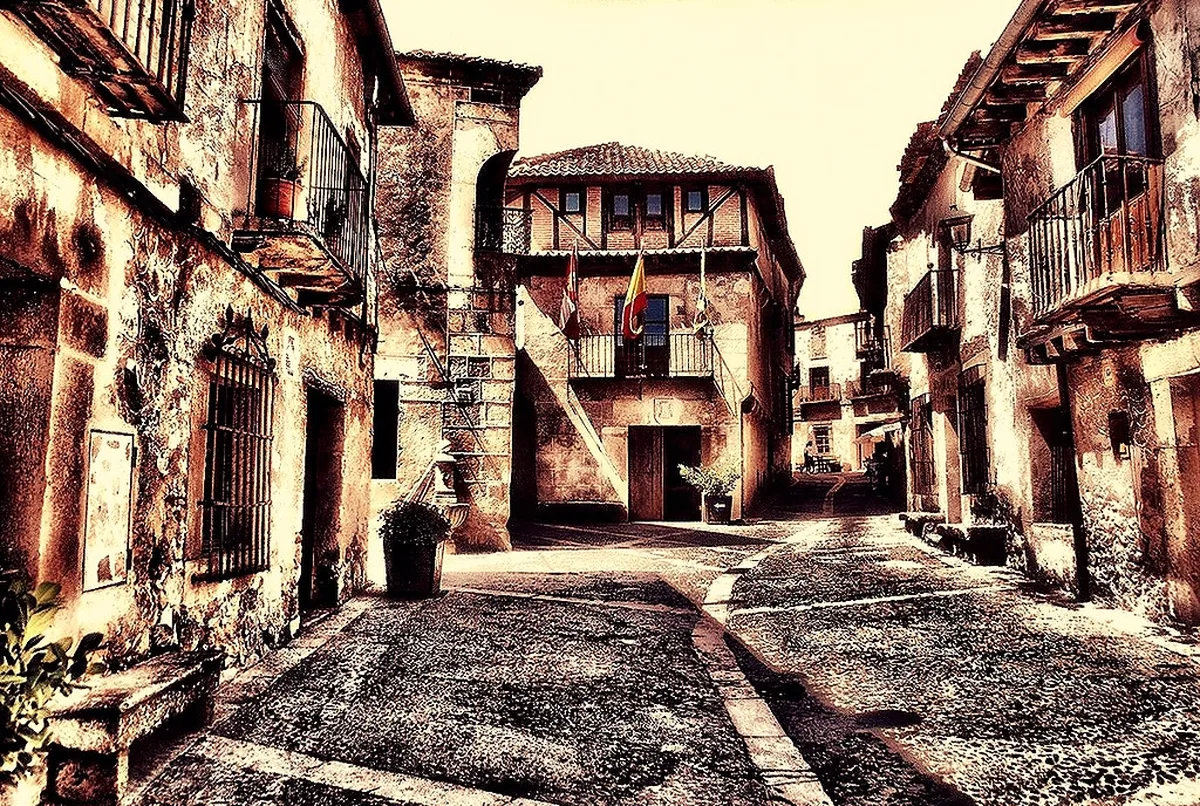
Leaving the aqueduct and heading up Calle Cervantes for about 200 metres brings you into the neighbourhood once known as the Jewish Quarter, or Judería. Segovia had one of the most significant Jewish communities in medieval Castile until the 1492 expulsion. The streets here narrow considerably; Calle de la Judería and Calle de Escuderos feature the distinctive diamond-patterned stone facades (called esgrafiado) that define Segovian architecture. Look for the small plaque at the corner of Calle de la Judería marking the former site of the main synagogue.
The Didactic Center of the Jewish Quarter (Centro Didáctico de la Judería) on Calle Judería Vieja opens Tuesday to Sunday, 10:00–14:00 and 16:00–19:00. Entry costs €2 in 2026 and includes a detailed map of the medieval Jewish neighbourhood with all known former synagogue sites marked. The centre is small but informative, with bilingual Spanish–English panels explaining the community's 400-year history in Segovia.
Continuing uphill for another 300 metres along Calle Juan Bravo opens onto the vibrant Plaza Mayor. This broad arcaded square serves as the social heart for both locals and tourists, lined with café terraces where a beer costs €2.50–3.50 in 2026. The outdoor terraces offer the perfect spot to rest while viewing the massive Cathedral directly across the square. Local craft markets set up stalls here on weekends and public holidays — handmade ceramics start around €8–12 for a small piece.
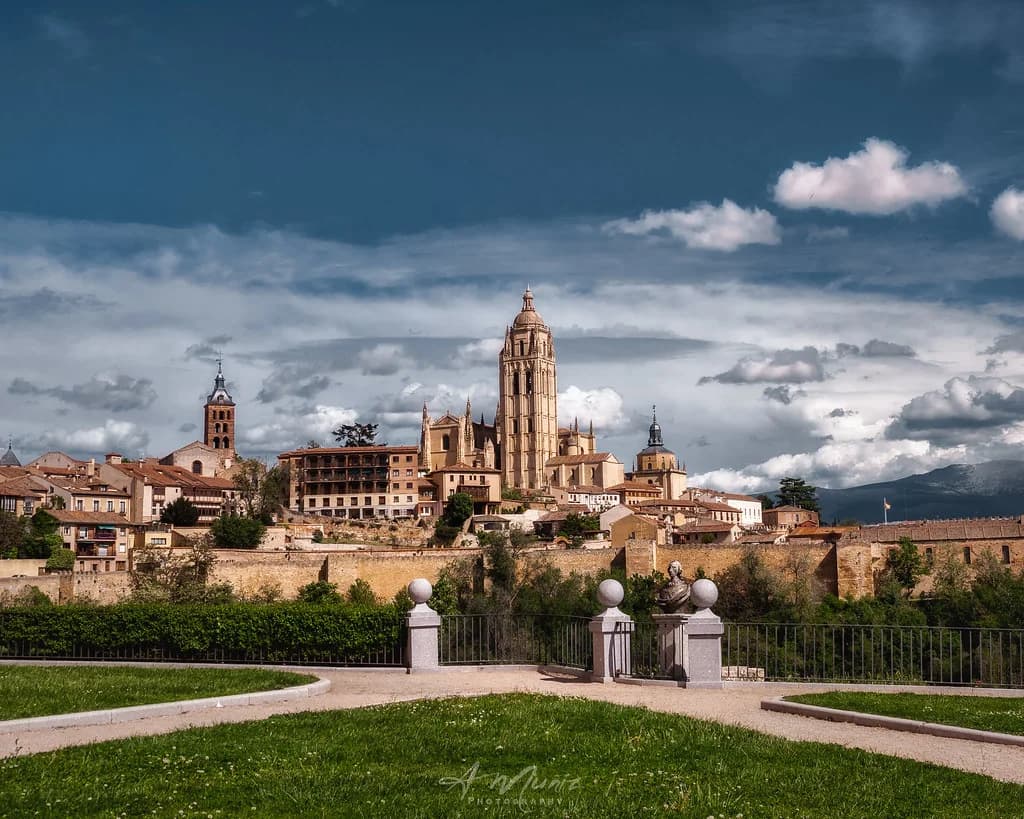
Segovia Cathedral, begun in 1525 and completed in 1577, dominates the skyline with intricate Gothic spires rising 88 metres. Entry tickets cost €4 in 2026 for the main interior and cloister; entry is free on Sundays from 9:30 AM. The late afternoon sun creates a golden glow against the yellow Cuesta sandstone walls. Allow at least 45 minutes to explore the 18 side chapels, the Gothic cloister with its Renaissance fountain, and the Diocesan Museum housing Flemish tapestries and a Rogier van der Weyden altarpiece.
Artisan shops on Calle Isabel La Católica and surrounding streets sell traditional Segovian ceramics, hand-stitched leather goods, and locally produced anise liqueur. These boutiques offer significantly higher quality souvenirs than the standard kiosks near the aqueduct. Prices for local crafts remain reasonable — leather wallets run €15–25, ceramic jugs €10–18 — if you step away from the immediately touristy stretch near the cathedral steps. Supporting these small businesses helps preserve the authentic character of the old town that makes Segovia worth visiting in the first place.
Exploring the Alcázar of Segovia Fortress
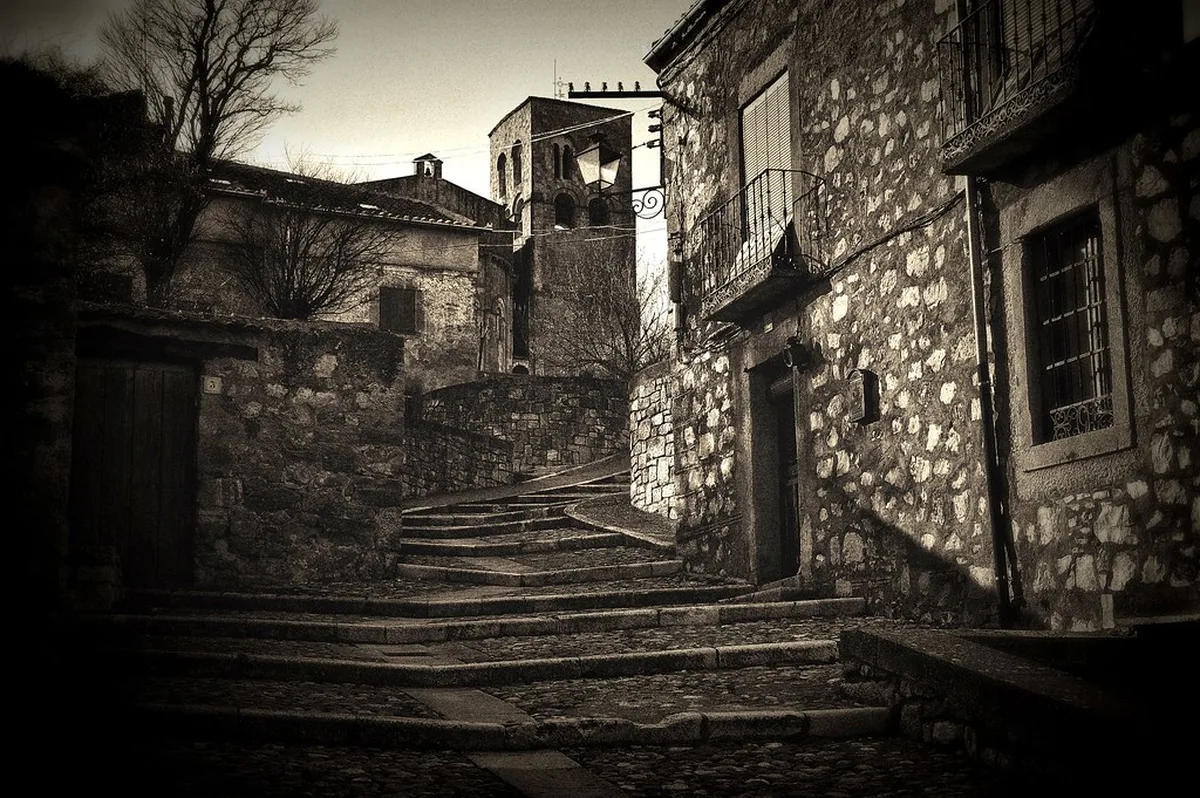
The Alcázar of Segovia sits at the very tip of the rocky promontory where the Eresma and Clamores rivers converge, giving the castle its distinctive ship-prow silhouette. Its fairy-tale turrets and slate-blue spires reportedly inspired Walt Disney's designers when they created Cinderella Castle — a claim the Alcázar itself acknowledges in its visitor materials. From Plaza Mayor the walk to the Alcázar takes roughly 10–15 minutes along Calle de Daoiz through a quiet residential neighbourhood of honey-coloured stone houses and window boxes overflowing with geraniums.
Booking entry tickets online at alcazardesegovia.com is strongly recommended to skip the physical queue, especially in July and August. In 2026 general admission costs €10 and covers the palace rooms, the armory hall, and the artillery museum. A combined ticket adding the Tower of Juan II costs €13. Students and seniors with valid ID pay €7 for the general ticket. The Alcázar opens daily at 10:00 and the last entry is at 18:00 (19:30 in summer). Plan to spend at least 90 minutes to see everything at a relaxed pace.
Inside, the Throne Room features a spectacular artesonado ceiling of gold and blue Mudejar woodwork, constructed in the 15th century. The Hall of the Galley has a unique inverted-keel ceiling that resembles the hull of a ship. The Armory displays full suits of plate armour worn by Castilian kings, including pieces attributed to the reign of Philip II. Each of the 10 decorated palace rooms carries a nameplate explaining which monarch used it and during which century — the audio guide (€3 rental) adds significant context to these.
Climbing the Tower of Juan II requires the combined ticket and significant physical effort. The spiral staircase winds 152 steps upward in a narrow stone tube that can feel claustrophobic. Reaching the top at roughly 80 metres rewards you with a sweeping 360-degree panorama: the old town spreads below, the Guadarrama mountains rise snowcapped to the south in winter and spring, and you can trace the full line of the Roman Aqueduct stretching away to the east.
The castle moat and dry-stone gardens provide a beautiful final rest spot before leaving. A small café within the castle courtyard sells cold drinks and bocadillos for €4–6 — a welcome stop on hot days. Security checks at the entrance typically add 5–10 minutes during peak hours. Photography is freely permitted throughout the palace rooms and tower; no flash required signs are posted in the Throne Room and Hall of the Galley to protect the historic ceilings.
Evening Golden-Hour Walk and Eresma Valley Viewpoint
One of the most rewarding experiences in Segovia is a short detour below the city walls into the Eresma Valley at golden hour — the hour before sunset when the fortress walls glow amber and the valley falls into a soft green shadow. This loop adds roughly 45–60 minutes to your day and is almost entirely free of charge.
Exit the Alcázar and follow the signed path down the steep hillside on the north face, descending approximately 60 metres in elevation over 400 metres of walking. You arrive at the Pradera de San Marcos, a broad green meadow along the Río Eresma. From here the Alcázar rises dramatically above the cliffs, and photographers consistently name this the single best angle in Segovia for capturing the full castle profile — especially with wildflowers in the foreground in April and May.
Walking east along the river path for about 300 metres takes you past the Church of Vera Cruz, a 13th-century Templar church with a unique 12-sided circular nave. Entry costs €2 in 2026, open Tuesday to Sunday 10:30–13:30 and 16:00–18:30. The church is modest inside but the architecture is genuinely unusual — one of only a handful of Templar churches surviving in Spain. The small apse at the rear still contains the original stone altar table used during the Crusades.
Continuing along the river for another 200 metres brings you to the Convento de los Carmelitas Descalzos (Discalced Carmelites Convent), where the body of St John of the Cross rested before being moved to Úbeda. The exterior is visible from the path at no cost. The valley floor remains noticeably cooler than the city above — typically 3–5 degrees Celsius lower on summer afternoons — making this detour especially welcome in July and August when the upper town can be oppressively warm.
To return to the city, follow the riverside path back to the base of the Alcázar hill and climb back up the same steep path, or continue east along the Clamores river to reach the Santiago Gate (Puerta de Santiago) and re-enter the old town from the south side near the Cathedral. The full valley loop, including Vera Cruz, covers approximately 1.5km and takes around 50 minutes at a relaxed pace. Bring water — there are no cafés in the valley itself. Sunset time in Segovia in 2026 ranges from around 20:45 in April to 21:50 in late June, giving you a generous evening window for this walk.
The Hidden Valley View of the City Walls
Many travellers make the mistake of staying entirely within the old city walls. Exiting the city near the Alcázar allows you to walk down into the Eresma Valley and see the fortifications from below at a scale that is impossible to appreciate from within. A steep 400-metre path leads down from the castle gardens to the Pradera de San Marcos, a lush green meadow where the full profile of the Alcázar, city walls, and Cathedral apse all appear together in a single view. No entrance fee applies — the meadow is public land open at all hours.
The valley floor feels remarkably peaceful compared to the busy plazas above. Walking east along the river path for about 500 metres takes you past ancient monasteries and quiet gardens. The Church of Vera Cruz at Carretera de Zamarramala features a unique 12-sided Templar design worth a €2 entry fee and 30 minutes of your time. This area stays 3–5 degrees Celsius cooler on hot days due to the shade from the valley walls and the cooling effect of the Eresma river running alongside the path.
Photographers should visit this meadow during the late afternoon, ideally 60–90 minutes before sunset. The golden hour illuminates the castle walls in warm amber while the valley floor falls into cooler tones — a contrast that makes for striking photos. You will encounter far fewer tourists here than at the main monuments: typically only a handful of visitors and the occasional local walking a dog. The meadow is ideal for a picnic if you carried snacks from one of the old-town bakeries — a bocadillo from Panadería Morán on Calle Cronista Lecea costs around €3–4.
Looping back to the city requires a steady uphill walk of about 400 metres back up the access path, re-entering through the Alcázar gardens gate. Alternatively, follow the Clamores river path east for 600 metres to reach the Santiago Gate. This detour adds about an hour to your total walking time. The extra effort is fully justified by the incredible scale of the fortifications seen from below — a perspective that no map, photograph, or guidebook fully conveys until you are standing in the meadow yourself looking up.
Practical Logistics for a Smooth Visit
The high-speed AVANT train connects Madrid Chamartín to Segovia-Guiomar station in 28 minutes; a single ticket costs €13–16 in 2026 depending on timing. From Segovia-Guiomar station, buses number 11 and 12 run every 20–30 minutes to Plaza del Azoguejo (the aqueduct) for €1.50 per journey, payable by contactless card or exact cash. If you prefer exploring the wider province before or after the city, check the day trips from Segovia page for nearby destinations including the Palace of La Granja de San Ildefonso (12km south) and the walled city of Ávila (67km west).
Lunch in Segovia centres around cochinillo asado (roast suckling pig), the city's most famous dish. Mesón de Cándido on Plaza del Azoguejo and Restaurante José María on Calle Cronista Lecea are the two most celebrated restaurants. Expect to pay €28–38 per person for a full cochinillo meal with wine in 2026. Reservations are essential at both restaurants, especially on weekends. Vegetarian options are expanding — Bar Alcázar on Calle Marqués del Arco and several spots on Plaza Mayor now offer tapas menus with vegetable-based dishes at €3–5 per tapa.
Weather in Segovia is highly variable. Summer temperatures reach 32–36°C on peak July days, while winters frequently drop below 0°C overnight with occasional snowfall. Segovia sits at 1,002 metres elevation — about 4–5 degrees Celsius cooler than Madrid at all times of year. Carry a refillable water bottle as public drinking fountains are located at Plaza Mayor, outside the Cathedral, and near the Alcázar entrance. Most shops observe a siesta from approximately 14:00–17:00, so plan museum visits for the morning.
Public restrooms with accessibility ramps are available at the Plaza del Azoguejo visitor centre (free), inside the Cathedral (for ticket-holders), and at the Alcázar entrance (free for visitors). Free Wi-Fi is available on Plaza Mayor and outside the Cathedral but coverage is unreliable for real-time navigation. Download the Segovia offline map on Maps.me or Google Maps before leaving Madrid. The city is extremely safe by Spanish standards, with virtually no reported pickpocket incidents outside of the busiest summer days at the aqueduct plaza.
A combined Segovia card covering Cathedral entry and the Alcázar general admission costs €12.50 and saves €1.50 versus buying separately. It is available at the Cathedral ticket desk. The card does not include the Tower of Juan II, which remains a separate €3 add-on. For families, the Alcázar offers a children's rate of €5 for ages 6–16; under-6 enter free. The Cathedral charges €1.50 for children 6–16 with a paying adult, and is free for all visitors on Sunday mornings from 9:30 AM.
Segovia Walking Tour with Kids: Family Route to the Alcázar 2026
Segovia is one of the most family-friendly historic cities in Spain, and the walking route from the aqueduct to the Alcázar is remarkably well suited to children if you break it into manageable stages. The key is sequencing attractions so that the most visually dramatic stop — the Alcázar — comes last, maintaining excitement throughout the day. Plan for a slower pace, add ice cream breaks, and you will find that children between the ages of 5 and 14 typically love Segovia.
Stop 1 — Roman Aqueduct (free, allow 20 minutes): Begin at Plaza del Azoguejo and walk children up the stone staircase on the left to the elevated mirador at Postigo del Consuelo. Let them count the arches — there are 167 in total — and explain that no cement was used to hold them together. This interactive angle keeps young visitors engaged far better than a standard history lecture. From the mirador, point out how the water channel at the top once carried fresh water down from the Fuenfría mountains 17km away.
Stop 2 — Calle Juan Bravo and a snack break (allow 15 minutes): Walk up the pedestrian spine and stop at one of the bakeries for a mini cochino (small fried pastry) or a local biscuit. Panadería El Alcázar near Calle del Cronista Lecea sells small pastries for €0.80–1.50 each. This break recharges small legs for the climb ahead. Point out the esgrafiado (diamond-patterned plasterwork) facades on the buildings — children enjoy tracing the geometric patterns with their eyes.
Stop 3 — Segovia Cathedral (€4 adult, €1.50 children 6–16, free Sunday 9:30 AM, allow 30 minutes): The soaring Gothic nave impresses even reluctant sightseers. Head directly to the cloister garden — its fountain and arched walkway are calm and photogenic. The Diocesan Museum inside contains a 15th-century painted carriage used for religious processions that children often find fascinating. Limit the visit to 30 minutes to preserve energy for the Alcázar.
Stop 4 — Alcázar of Segovia (€10 adult, €5 children 6–16, under-6 free, allow 90 minutes): This is the highlight for most children, particularly those familiar with fairy-tale castle imagery. The Armory hall with full suits of plate armour is consistently the most popular room among younger visitors. Book the Tower of Juan II (€3 extra per person, minimum age recommendation 7+) if your children are comfortable with narrow spiral staircases — the 152-step climb rewards them with a panoramic view of the entire city. The castle gift shop sells small knight figurines and replica crowns for €4–8, popular as affordable souvenirs.
Stop 5 — Eresma Valley meadow (free, allow 30 minutes): Descend the north-face path from the Alcázar gardens to the Pradera de San Marcos meadow. Children can run freely on the grass while parents photograph the castle from the classic angle below. The riverside path is flat and easy even for pushchairs or prams — a rare feature in this hilly city. Bring a picnic from the old-town market for an idyllic finish to the walking tour. Return to the city via the 400-metre uphill path, or continue east along the Clamores river to the Santiago Gate.
The complete family route covers approximately 2.5km of walking and is achievable in 5–6 hours with breaks. Total family budget for two adults and two children (ages 7–12): approximately €35–40 covering Cathedral and Alcázar entry. Avoid peak midday hours in summer (12:00–15:00) when heat on the exposed cobblestone streets becomes uncomfortable for young children. The Segovia old town guide covers additional family-friendly dining options near Plaza Mayor, including restaurants with dedicated children's menus.
Frequently Asked Questions
How long does a Segovia walking tour take?
The core self-guided route from the Roman Aqueduct to the Alcázar covers roughly 2km and takes about 2.5 hours at a relaxed walking pace, not counting time spent inside monuments. Adding the Cathedral (45 minutes), the Alcázar interior (90 minutes), a lunch break (60–90 minutes), and the optional Eresma Valley viewpoint loop (50 minutes) brings the total to a full 7–8 hour day. Plan to arrive in Segovia by 09:00 to complete everything before sunset.
How much does a Segovia guided walking tour cost in 2026?
Free walking tours operate daily at 11:00 and 16:00 from Plaza del Azoguejo; you tip the guide €10–15 per person at the end. Licensed private guided tours booked through agencies such as Segovia Tourism or GetYourGuide cost €15–20 per person in 2026 for a 2–3 hour group tour. Private tours for up to 4 people run €70–100 for a 3-hour session. Self-guided tours using a downloaded map or audio guide app are completely free, excluding monument entry fees.
Is Segovia walkable for people with mobility issues?
The historic centre is built on a hillside and most streets are paved with uneven cobblestones, making it challenging for wheelchairs and mobility scooters. The main pedestrian spine along Calle Juan Bravo is relatively manageable, but the Alcázar access path and the Eresma Valley descent involve steep gradients. Accessible taxis are available at the train station and on Plaza Mayor (approximately €4–6 per journey between major monuments). Buses 11 and 12 have low-floor access from the train station to the aqueduct.
What is the best time of year to walk Segovia?
April, May, September, and October offer the most comfortable walking temperatures — typically 15–22°C with lower humidity and smaller crowds than summer. Spring (April–May) also brings wildflowers to the Eresma Valley meadow, making the Alcázar viewpoint particularly photogenic. Summer (July–August) is hot at 30–36°C and crowded; start walking by 08:30 to beat the midday heat. Winter (December–February) is cold and occasionally snowy, but the city is beautifully uncrowded and cochinillo restaurants are fully staffed.
What are the entry fees for Segovia's main monuments in 2026?
In 2026 the Roman Aqueduct viewing is completely free. The Cathedral charges €4 for adults (€1.50 for children 6–16); entry is free on Sundays from 9:30 AM. The Alcázar general admission is €10 (€5 for children 6–16; under-6 free), with the Tower of Juan II adding €3. A combined Cathedral and Alcázar card costs €12.50. The Vera Cruz church in the Eresma Valley charges €2. The Jewish Quarter Didactic Center charges €2. Total budget for all paid monuments: approximately €15–20 per adult.
Can you do a Segovia day trip from Madrid on public transport?
Yes — Segovia is one of the easiest day trips from Madrid. The AVANT high-speed train from Madrid Chamartín reaches Segovia-Guiomar station in 28 minutes; tickets cost €13–16 each way in 2026 and run approximately every 30–60 minutes throughout the day. From the station, city bus lines 11 and 12 reach the aqueduct in 15 minutes for €1.50. Buses depart regularly from 06:30 to 22:00, making it easy to return to Madrid after a full day. The last return train typically leaves around 22:00–22:30. See the day trips from Segovia guide for more regional transport options.
Is Segovia walking tour suitable for children and families in 2026?
Yes — Segovia is very family-friendly. The recommended family route runs Aqueduct → Cathedral (€4 adult, €1.50 child, free Sunday 9:30 AM) → Alcázar (€10 adult, €5 child 6–16, under-6 free) → Eresma Valley meadow and covers 2.5km in 5–6 hours with breaks. The Alcázar Armory with its full suits of plate armour is consistently the most popular stop for children. Total family cost for two adults and two children is approximately €35–40. Avoid the hottest midday hours in summer. The Eresma Valley meadow at the end of the route offers flat open space ideal for families with pushchairs.
A walking tour of Segovia in 2026 offers an unforgettable journey through Spanish history — from the free viewpoint of the 2,000-year-old Roman Aqueduct to the €10 Alcázar admission that unlocks one of Europe's finest medieval fortresses. The compact 2km route means even a half-day visitor can tick off all three UNESCO landmarks. For those who linger until golden hour and descend into the Eresma Valley, the rewards are entirely out of proportion to the modest effort involved. Plan your visit to the Segovia old town carefully and give yourself at least 6–8 hours to experience everything at a pace that does justice to the city. If you enjoy this style of historic walking tour, the Toledo walking tour offers a similarly rewarding medieval ridge walk just 75km south of Madrid, with the added drama of El Greco's artwork and a gorge-wrapped skyline.