7 Incredible Day Trips From Toledo Spain for Your 2026 Trip
The fastest day trip from Toledo in 2026 is Madrid by bus in 30 minutes for just €6 return — making the capital the most affordable and accessible excursion, with the Prado Museum, El Retiro Park, and tapas all within easy reach.
For royal grandeur, Aranjuez is 1 hour by bus for €8 return with the Royal Palace entry at €12; Segovia is 2 hours by bus for €15; and Cuenca is 1 hour by AVE train for €20–35 — all reachable and back in a single day from Toledo.
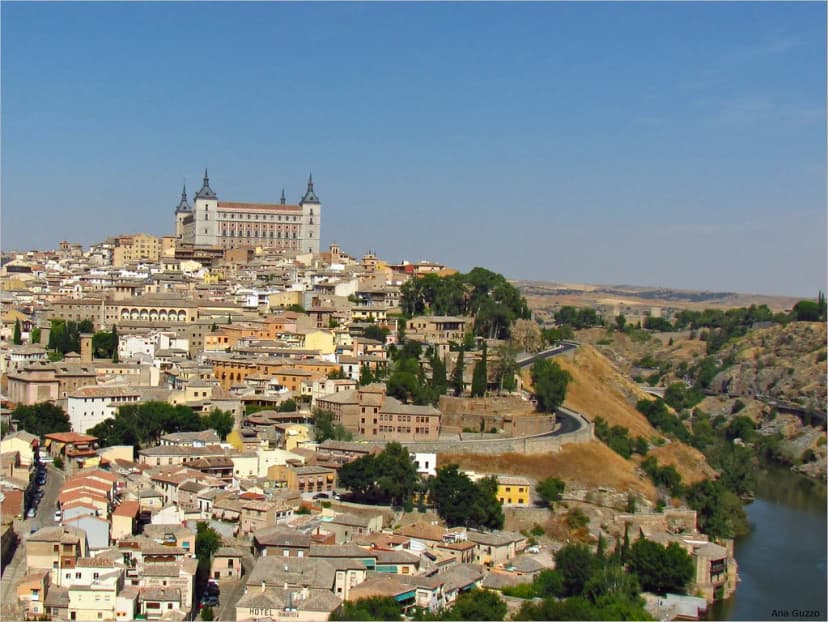
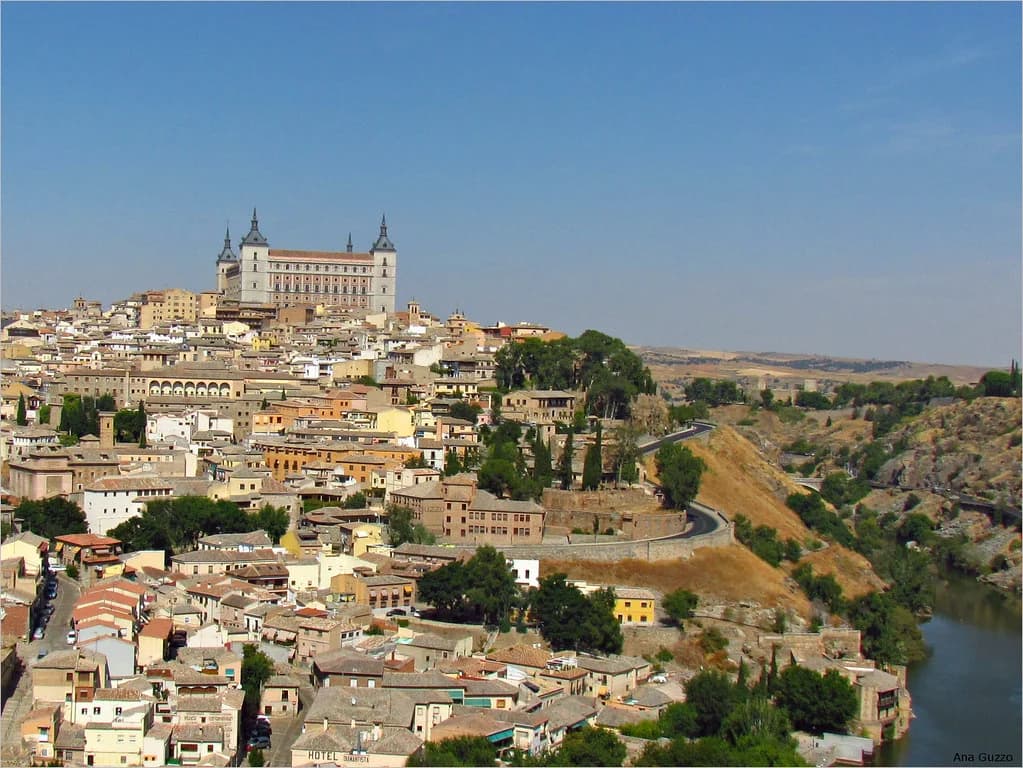
Toledo serves as a magnificent base for exploring central Spain. The surrounding region offers diverse landscapes — Castile-La Mancha reveals medieval castles, royal gardens, windmill ridges, and vibrant modern cities just an hour away. A well-planned itinerary allows you to experience the contrast between ancient stone streets and bustling urban centres, combining historical education with scenic photography. Taking a Toledo walking tour early in your trip helps establish a baseline for the region's history before you venture further afield. Use our Toledo old town guide as your home-base reference throughout your stay. This guide explores the most rewarding destinations reachable within a single day from Toledo in 2026.
Madrid: The Capital Connection
High-speed AVE trains connect Toledo to Madrid Atocha in just 33 minutes, running approximately every 30 to 60 minutes throughout the day. A standard one-way ticket costs around €14 per person booked online in advance via Renfe; walk-up fares can rise to €18. Alternatively, ALSA express buses depart from Toledo bus station and reach Madrid in approximately 30 minutes for as little as €3 one-way (€6 return), making the bus the most budget-friendly option for the capital. The first train departs Toledo at roughly 06:55 and the last return from Atocha leaves around 21:30, giving you a full day in the capital with minimal stress. The total cost for a return trip including transport and a museum entry typically lands between €30 and €55 per person depending on your transport choice.
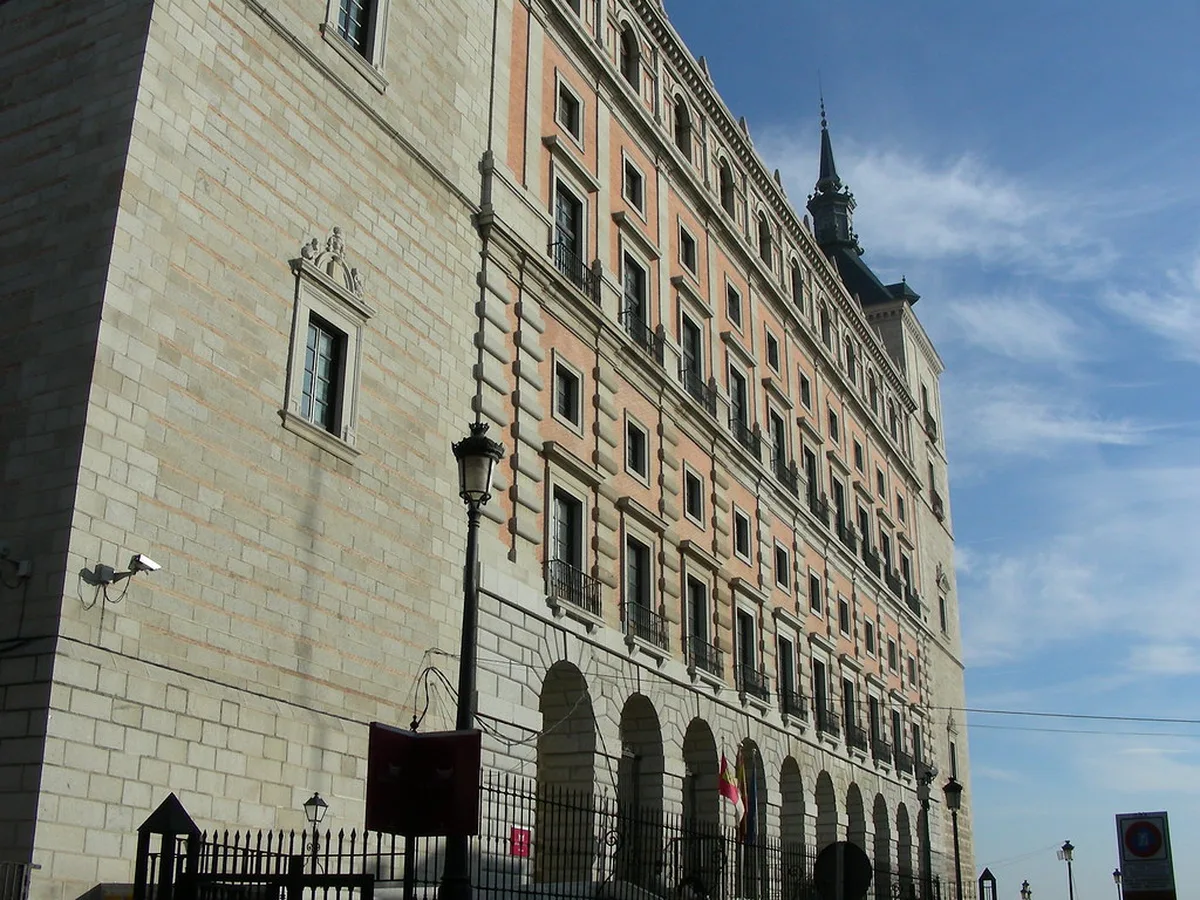
Arrive at Atocha and head directly to the Golden Triangle of Art, a 15-minute walk along Paseo del Prado. The Prado Museum holds over 8,000 works including Velázquez's Las Meninas and Goya's Black Paintings; adult admission is €15, and it is free on weekday evenings after 18:00. The Reina Sofía museum next door displays Picasso's Guernica and charges €12 entry. Between the two museums, the Thyssen-Bornemisza fills gaps in European art history for €13. Booking all three tickets online 48 hours in advance avoids queues that can stretch 30 minutes in summer. If art museums are not your priority, the Palacio Real (Royal Palace of Madrid) is a 20-minute metro ride from Atocha and costs €14 entry — its 3,418 rooms make it the largest royal palace in Western Europe by floor area.
Afternoon walks through El Retiro Park, a short metro ride or 20-minute walk from the museum strip, offer a peaceful break from urban noise. The Crystal Palace (Palacio de Cristal) remains a favourite spot for photographers seeking unique light through its Victorian glass-and-iron structure — entry is free. Hire a rowboat on the central lake for €6 per 45 minutes for a leisurely interlude. Finish your day with tapas near the Plaza Mayor, where surrounding bars offer €2–3 pincho bites. Catch a train back from Atocha by 20:00 to arrive in Toledo before dinner service ends at 22:00. For families, the Parque del Buen Retiro also connects to the Royal Botanic Garden (€6 adult, free on Sundays), and the nearby Caixa Forum is a free contemporary art space with changing exhibitions. Madrid rewards visitors who plan a loose morning itinerary and allow the afternoon to evolve organically — the city's walkable centre means unexpected discoveries are part of the experience.
Consuegra: The Iconic Windmills
Driving 40 minutes south on the CM-400 road leads you to the iconic white windmills of Consuegra, perched atop the Cerro de la Calderico ridge at 930 metres elevation. Twelve windmills — locally named after characters from Don Quixote, including Rucio, Rocinante, and Mambrino — line the ridge in a row that stretches nearly 800 metres. Parking is free at the base of the hill, and a short 10-minute walk brings you to the first mill. The drive from Toledo costs nothing beyond fuel (roughly 25 km each way), and the full excursion including the castle can be completed in under three hours. There is no direct public bus from Toledo to Consuegra on most days, so a rental car or private taxi excursion (€60–80 return for up to four passengers) is the practical option.
Visit Molino Bolero, the most fully restored windmill, to see how traditional La Mancha milling worked before the 19th century. Entry to the interior costs €5 per person (2026 rate) and includes a guided 20-minute demonstration of the millstone, gear mechanisms, and canvas sails in operation. Guides explain that each mill could grind up to 1,000 kg of grain per day when the Levante wind blew. Children under 12 enter for €2. The remaining mills are viewable from outside at no charge — their brilliant whitewashed walls photograph beautifully at golden hour, roughly 19:00–20:00 in summer.
The nearby Castillo de la Muela, a 10th-century Moorish fortress later expanded by the Knights of St John, dates to around 970 AD. Climbing its outer walls takes 15 minutes and rewards with a panoramic view across the vast plains of La Mancha, including the famous saffron fields that blaze purple-orange in late October during harvest. Castle entry is included in a combined ticket with Molino Bolero for €7 per adult or €3.50 for children (2026 combined rate). The fortress contains a small museum displaying Moorish ceramics, medieval armour, and a scale model of 12th-century Consuegra. Pack water and sunscreen — there is no shade on the ridge and summer temperatures regularly exceed 35°C by noon. A café at the base of the hill serves bocadillos from €3 and cold drinks. Arrive before 10:00 on weekends to avoid coach tour groups that typically arrive from Madrid mid-morning. Consuegra's Saffron Rose Festival in late October is a spectacular time to visit, with costumed processions, craft stalls, and saffron-picking demonstrations on the ridge itself.
Aranjuez: A Royal Garden Retreat
Aranjuez sits just 47 kilometres north of Toledo and is reachable by ALSA bus in approximately 1 hour for €8 return — one of the most cost-effective day trips available from Toledo. Alternatively, a regional Renfe train (line C-3) covers the route in about 50 minutes from Toledo station for €5.50 each way, or the drive north on the A-4 motorway takes 40 minutes by car. The town hosts a Royal Palace and gardens that form a UNESCO World Heritage Cultural Landscape (listed 2001) — a designation that covers the palace, its formal gardens, and the agricultural estates along the Tagus and Jarama rivers. This is one of the most undervisited royal sites in Spain, especially compared to Madrid's El Escorial, making it ideal for travellers who prefer shorter queues and a more relaxed atmosphere.
The Royal Palace of Aranjuez (Palacio Real de Aranjuez) served as the spring residence of the Spanish Bourbon monarchs from the 18th century onward. Its architecture blends French classicism with Italian baroque, reflecting the tastes of Philip V and Ferdinand VI. Adult entry to the palace interior costs €12 in 2026 (free for EU citizens under 18); a combined ticket covering the palace plus the Casa del Labrador costs €14. The throne room, porcelain cabinet, and smoking room are the standout interiors — the porcelain room alone, commissioned by Charles III in 1763, is worth the entrance fee. Allow 90 minutes for a thorough self-guided visit using the free audio guide included with admission.
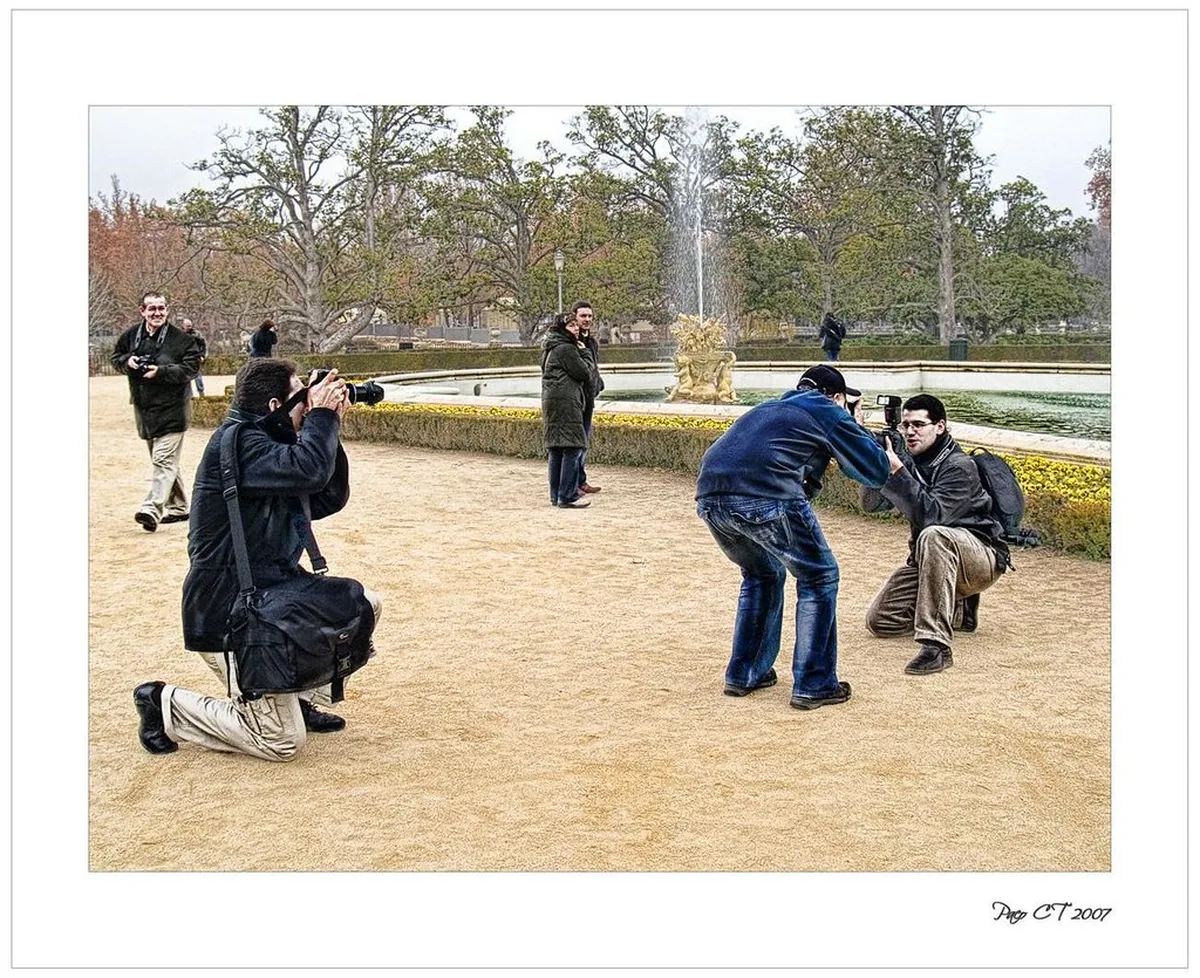
Wander through the Island Garden (Jardín de la Isla), a formal Renaissance parterre garden laid out on an island between two arms of the Tagus River. Its geometric flowerbeds, topiary hedges, and 24 historic fountains cover 8 hectares and are free to enter. The adjacent Prince's Garden (Jardín del Príncipe) covers 150 hectares of English-style landscaping and contains the Casa del Labrador, a small pleasure palace with remarkable neoclassical interiors decorated with silk, marble, and clocks; entry to the casa alone costs €7. Expect to spend at least two hours exploring these expansive grounds. If you visit between May and June, look for the historic Strawberry Train (Tren de la Fresa), a vintage diesel train running from Madrid Atocha on select Saturdays for €38 return including a basket of fresh local strawberries — Aranjuez strawberries (fresas de Aranjuez) have been cultivated here since the 16th century and are famous across Spain. Local market stalls near the palace sell punnets for €3–4 during the peak April–June harvest season. The town centre also offers good-value lunch options: the covered Mercado de Abastos near Plaza de Abastos has a tapas bar where a menú del día costs €12 including wine. Return buses to Toledo run until approximately 21:30, making an early morning to late afternoon visit perfectly achievable without rushing.
Aranjuez Royal Palace: The Most Elegant Day Trip from Toledo
Beyond the gardens, the Palacio Real de Aranjuez deserves its own focused exploration as the single most elegant royal building within easy reach of Toledo. Built on the banks of the Tagus, the palace's cream-and-brick facade stretches 232 metres and is reflected in the river on calm mornings, creating one of the most photographed architectural scenes in central Spain. Entry costs €12 per adult in 2026 and the complex opens Tuesday through Sunday from 10:00 to 18:00 (17:00 in winter). Arrive at opening time to walk the state rooms before tour groups descend from Madrid after 11:30.
The interior unfolds across 22 decorated rooms. The Porcelain Room, commissioned by Charles III in 1763 and designed by José Gricci, is the uncontested highlight: every wall surface, including the ceiling, is lined with white biscuit-porcelain panels depicting chinoiserie scenes, monkeys, and allegorical figures crafted at the Buen Retiro factory. No photography is permitted inside, which forces visitors to absorb the detail rather than simply snap and move on. The Smoking Room (Sala Árabe) is a miniature Alhambra transplanted into a 19th-century palace — its stucco stalactites, ceramic tile dados, and horseshoe arches were modelled directly on Granada's Nasrid architecture. The Throne Room, hung with Flemish tapestries and featuring portraits of Carlos III and Carlos IV by Francisco de Goya, rounds out the royal apartments.
After the palace tour, cross the footbridge over the Tagus to the island gardens. The 18th-century fountains, including the Neptune Fountain and the Ceres Fountain, are operational on select days in summer — check the Patrimonio Nacional website for the schedule. If you visit in April or May, the rose garden adjacent to the palace is in full bloom and entry is free. Combine a palace visit with a riverside lunch — Restaurante Casa José (two Michelin stars) is the prestige option at €90–120 per person, but the riverside cafés near the Roman bridge serve excellent grilled trout (trucha) from the Tagus for €14. The bus back to Toledo (€4 one way, 1 hour) departs hourly from Aranjuez bus station, a 5-minute walk from the palace gates. Plan to depart by 17:30 to arrive in Toledo with time for an evening stroll along the city walls.
Talavera de la Reina: Ceramic Heritage
Talavera de la Reina, 76 kilometres west of Toledo on the A-5 motorway, is Spain's ceramic capital and a UNESCO Creative City of Crafts since 2019. Buses from Toledo's Estación de Autobuses (ALSA company) run roughly every 60 minutes and take about 75 minutes; a single ticket costs €6.70. By car the drive takes under an hour. The town's signature blue-and-yellow glazed tiles (azulejos talaverana) have been produced here since the 15th century and now decorate everything from street signs and park benches to church domes and railway stations across Spain and Latin America. The visual impact of this tile work is inescapable — even the fountain outside the bus station is clad in hand-painted ceramic panels.
The Ruiz de Luna Ceramic Museum (Museo Ruiz de Luna) occupies a beautifully restored 16th-century Augustinian convent and displays over 1,600 pieces spanning five centuries of local production. Admission is free on weekdays and €2 on weekends (2026 rate). The collection is arranged chronologically and shows how the craft evolved from simple geometric Mudéjar patterns to elaborate Baroque figurative scenes depicting hunting, mythology, and religious subjects. The museum shop sells reproduction pieces from €12 and signed works by active local potters from €35. Plan 60–90 minutes for a full visit including the museum café, which serves decent coffee and local pastries.
Take a stroll along the Tagus riverfront promenade to reach the Roman Bridge, a 13-arch structure originally built in the 1st century AD and restored under the Caliphate of Córdoba in the 10th century. The bridge frames pleasant views of the old town skyline and is particularly attractive at dusk when the stonework glows amber. Nearby, the Basilica of Our Lady of the Prado (Basílica de Nuestra Señora del Prado) contains one of the most comprehensive displays of historic Talavera tiles in situ — the entire nave is lined with 17th-century azulejo panels depicting biblical scenes. Entry is free. The city centre feels noticeably less touristy than Toledo, offering a more authentic local atmosphere where you can watch ceramics being hand-painted through workshop windows along Calle Carnicerías. Many shops sell hand-painted plates from €8, decorative vases from €20, and bespoke tile panels by commission. This is the best place in Spain to buy authentic, locally made ceramic souvenirs at fair prices, and the round trip including museum entry can be done for under €20 total.
Segovia: Fairytale Alcázar and Aqueduct
Segovia lies 130 kilometres north of Toledo, and in 2026 the most practical public transport route is a direct ALSA bus from Toledo that takes approximately 2 hours and costs around €15 each way. Alternatively, you can travel via Madrid Méndez Álvaro bus station (total journey around 3 hours each way). By car, the drive takes around 90 minutes via the A-42 and A-6 motorways, with budget of approximately €25–30 in fuel and €6–10 in tolls for a round trip. Despite the slightly longer journey time, Segovia is supremely rewarding as a full-day excursion — its concentration of UNESCO World Heritage monuments per square kilometre is among the highest in Spain.
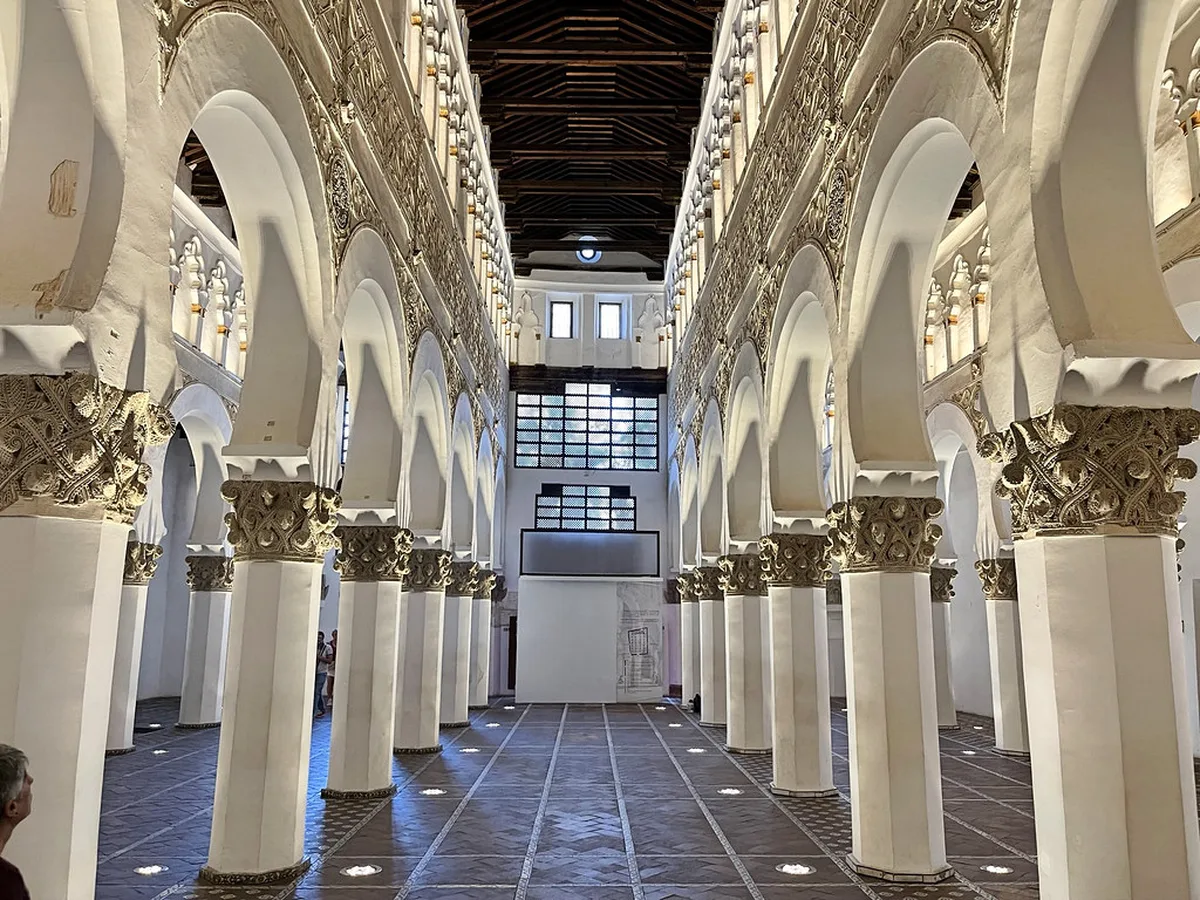
The Roman Aqueduct of Segovia dominates the Plaza del Azoguejo and stands as one of the best-preserved Roman monuments in the world. Built in the late 1st or early 2nd century AD, it consists of 167 arches constructed from roughly 25,000 granite blocks held together without mortar, lime, or clamps — only gravity and precision. At its tallest point the aqueduct reaches 28.5 metres. Entry to view it from street level is free; a UNESCO World Heritage Site since 1985, it attracts around 3 million visitors annually. Arrive before 09:00 to photograph it without crowds filling the foreground.
Visit the Alcázar of Segovia, the castle perched dramatically on a rocky promontory above the confluence of the Eresma and Clamores rivers. This fortress, with its distinctive blue-grey slate spires, reputedly inspired Walt Disney's design for Cinderella Castle after he visited in the 1950s. Adult entry costs €10 in 2026, with an optional tower climb for an additional €4 — the 152 steps to the top of the Torre de Juan II deliver the best panoramic views in Castile. The royal rooms display tapestries, armour, and state furniture from the Habsburg and Bourbon eras. Allow 90 minutes minimum. The Gothic Segovia Cathedral on Plaza Mayor is the last Gothic cathedral built in Spain (completed 1577) and charges €4 entry. Food lovers should try the traditional roast suckling pig (cochinillo asado) at one of several long-standing restaurants near the cathedral — Mesón de Cándido, open since 1931, charges around €38–45 per person for a full menu. Leave Segovia by 17:00 to reach Toledo comfortably before dinner.
- The Roman Aqueduct
- Age: approximately 2,000 years
- Height: 28.5 metres
- Entry: Free
- Status: UNESCO World Heritage Site
- Segovia Alcázar
- Style: Fairytale castle, reputedly inspired Disney
- Price: €10 entry, €4 tower (2026)
- View: Eresma and Clamores valleys
- Tip: Book online to skip the queue
- Segovia Cathedral
- Style: Late Gothic
- Price: €4 entry
- Tip: Last Gothic cathedral built in Spain
Cuenca: The Hanging Houses City from Toledo
Cuenca, 145 kilometres east of Toledo, is one of Spain's most dramatically situated cities — its medieval old town balances on a narrow ridge between two deep river gorges cut by the Júcar and Huécar rivers. The fastest route is the AVE high-speed train from Toledo, which covers the journey in approximately 1 hour and costs €20–35 one way in 2026 (book early via Renfe for the lower fares). Direct ALSA buses also serve the route twice daily for approximately €12 one way and take around 2 hours. By car the drive on the A-40 motorway takes around 90 minutes. Cuenca's old town is a UNESCO World Heritage Site (listed 1996) and arguably the most photogenic urban setting in Castile-La Mancha.
The Casas Colgadas (Hanging Houses) are Cuenca's defining image: three medieval buildings that extend over the 40-metre cliff edge of the Huécar gorge on timber brackets, their colourful wooden balconies apparently defying gravity. Built in the 14th and 15th centuries as private residences, they now house the Museo de Arte Abstracto Español — Spain's first abstract art museum, opened in 1966 with works by Miró, Tàpies, Sempere, and Zóbel. Adult admission costs €3 in 2026, making it one of the best-value art experiences in Spain. The footbridge (Puente de San Pablo) suspended above the gorge opposite the Hanging Houses provides the classic photograph — it is free to cross and the view from mid-bridge at golden hour is extraordinary.
The old town is entirely pedestrianised and compact enough to cover on foot in half a day. The Cuenca Cathedral on Plaza Mayor is the only Anglo-Norman Gothic cathedral in Spain, begun in the 12th century by Norman craftsmen who accompanied Alfonso VIII's reconquest of the city. Entry to the main nave is free; the museum and treasury cost €3.80. Climb the unfinished north tower for views over the gorge. The limestone streets of the old town, with their steep staircases, Romanesque arches, and hanging lanterns, reward slow exploration. Pack comfortable shoes as gradients are steep. For lunch, try morteruelo (a rich game pâté unique to Cuenca, served warm on toast, €5–8) at any bar near the cathedral. The Las Casas Colgadas restaurant inside the Hanging Houses itself serves a menú del día for €22 — pricier than local bars but the gorge view through the medieval windows is unparalleled. Return to Toledo by 18:00 to be back before dark; the AVE makes this entirely feasible even on a half-day extension to a morning visit. Day-trippers from Toledo who take the early AVE (departing around 08:00) have a comfortable 7–8 hours in Cuenca before catching an evening train home.
Strategic Planning for Regional Excursions
Buses and trains both serve Toledo's main transport hub on Paseo de la Rosa. For Madrid and Aranjuez, ALSA buses offer the best value — Madrid in 30 minutes for €6 return, Aranjuez in 1 hour for €8 return. Trains are faster to Madrid (33 minutes, €14 each way on AVE) but more expensive. For Segovia, an ALSA bus takes 2 hours at €15 each way. For Cuenca, AVE trains cost €20–35 and take 1 hour. For rural destinations such as Consuegra and Talavera, a rental car offers the most flexibility; compact car hire from Toledo typically costs €35–55 per day through providers like Europcar or Avis. Fuel costs approximately €1.65 per litre for unleaded (2026 average in Castile-La Mancha), so budget €15–25 for fuel on most day trips. Remember that parking in Toledo Spain requires advance planning — use the large underground garages outside the city walls at €1.50–2.00 per hour rather than searching for street spaces within the old town.
Buses serve many smaller towns including Consuegra, Talavera de la Reina, and Aranjuez, though schedules can be infrequent on weekends and public holidays. Check the official ALSA website (alsa.com) for timetables at least 48 hours before travel; peak-season buses on popular routes like Toledo–Aranjuez sell out. The Toledo bus station (Estación de Autobuses, Avenida de Castilla-La Mancha) is a 10-minute taxi ride from the historic centre or 20 minutes on foot downhill. Book online to guarantee a seat and print or download your ticket to avoid station queues.
Consider the heat when planning outdoor trips to the windmills or gardens. Summer temperatures in Castile-La Mancha often exceed 35°C by midday between June and September. Start your journey at sunrise — typically between 07:00 and 07:30 in July and August — to enjoy the best photographic light and cooler air. Carry at least 1.5 litres of water per person for any outdoor excursion. Autumn (October–November) and spring (March–May) offer the most comfortable conditions and often coincide with local festivals: Consuegra's Saffron Rose Festival in late October, Aranjuez's strawberry harvest in May, and Cuenca's Week of Religious Music in Holy Week are all worth planning around. If you are combining multiple day trips during a longer Toledo stay, prioritise Cuenca and Segovia on weekdays when site queues are shorter and bus seats more available. Use the Segovia walking tour itinerary to plan your time efficiently once you arrive.
Frequently Asked Questions
Is Madrid a good day trip from Toledo?
Yes, Madrid is an excellent day trip from Toledo. ALSA buses cover the journey in approximately 30 minutes for €6 return (2026), making it the cheapest option. The AVE high-speed train takes 33 minutes at €14 each way and departs every 30–60 minutes. You can comfortably visit the Prado Museum (€15 entry), walk El Retiro Park, and enjoy tapas near Plaza Mayor before catching the last bus or train back around 21:30.
How do I get to the Consuegra windmills from Toledo?
The best way to reach the Consuegra windmills from Toledo is by car — take the CM-400 south for roughly 40 minutes (40 km). Parking at the windmill ridge is free. Public buses from Toledo exist but run infrequently, especially on weekends, making a car or taxi hire strongly preferable. A guided taxi excursion from Toledo typically costs €60–80 return for up to four passengers. Windmill entry costs €5 per adult; the combined windmill and castle ticket is €7.
How do I get from Toledo to Aranjuez and how much does it cost?
The easiest way from Toledo to Aranjuez is by ALSA bus, which takes approximately 1 hour and costs €8 return in 2026. A Renfe regional train (line C-3) covers the route in about 50 minutes for €5.50 each way. By car, the drive north on the A-4 takes 40–45 minutes. Once in Aranjuez, the Royal Palace entry costs €12 per adult in 2026, and the Island Garden is free to enter. It is an excellent half-day or full-day excursion, especially in spring during strawberry season.
How long does it take to get from Toledo to Segovia?
A direct ALSA bus from Toledo to Segovia takes approximately 2 hours and costs around €15 each way in 2026. By car the drive takes about 90 minutes via the A-42 and A-6 motorways. There is no direct train between Toledo and Segovia. Segovia requires a full day due to the journey time — plan to arrive by 10:00 and depart by 17:00. Key sights include the Roman Aqueduct (free), Alcázar (€10), and Segovia Cathedral (€4).
Can you visit Cuenca as a day trip from Toledo?
Yes, Cuenca is a perfectly manageable day trip from Toledo in 2026. The AVE high-speed train covers the journey in approximately 1 hour and costs €20–35 each way (book early via Renfe for lower fares). ALSA buses also run twice daily for around €12 one way and take about 2 hours. Cuenca's Hanging Houses (Casas Colgadas), the gorge footbridge, and the old town cathedral can all be comfortably explored in 5–6 hours before catching an evening return service.
What is the best day trip from Toledo for families?
For families with children, Consuegra offers the most engaging combination: windmills to explore, a medieval castle to climb, and wide-open countryside at no major cost (windmill entry €5, castle included in a €7 combined ticket). Madrid is also excellent for older children given its interactive science museum (€7) and open-air park spaces. Cuenca's hanging houses and gorge bridge thrill adventurous kids of all ages. Aranjuez is ideal for families who enjoy gardens, with free entry to the Island Garden and a strawberry harvest season that children love.
What is the cheapest day trip from Toledo in 2026?
The cheapest day trip from Toledo in 2026 is Madrid by ALSA bus: just €6 return for the 30-minute journey, with free entry to El Retiro Park and the Caixa Forum gallery. Aranjuez is the next most affordable option at €8 return by bus, with free entry to the Island Garden (Palace entry €12). Consuegra is cheapest if you have a car — fuel costs around €6–8 return, parking is free, and all twelve windmills can be viewed from outside for free.
Exploring the areas surrounding Toledo enriches your understanding of Spanish culture and history far beyond what any single city can offer. Whether you choose the royal gardens of Aranjuez (1 hour, €8 return by bus), the dramatic hanging houses of Cuenca (1 hour by AVE, €20–35), the Don Quixote windmills of Consuegra, or the aqueduct city of Segovia (2 hours by bus, €15), each trip delivers a distinct perspective on central Spain. Keep our Toledo old town guide and Toledo walking tour handy for when you return to your home base each evening. Check parking in Toledo before your return to avoid city-centre frustration after a long day out.
Planning ahead ensures you make the most of the efficient transport links available from Toledo in 2026. Always check local opening times for museums and castles before you depart — many sites close on Mondays, and some require online pre-booking during peak summer months. The diverse landscapes of Castile-La Mancha are waiting to be explored during your next visit, from the windswept ridges of Consuegra to the cliff-edge streets of Cuenca and the royal elegance of Aranjuez. Safe travels as you venture out into the heart of the Iberian Peninsula.