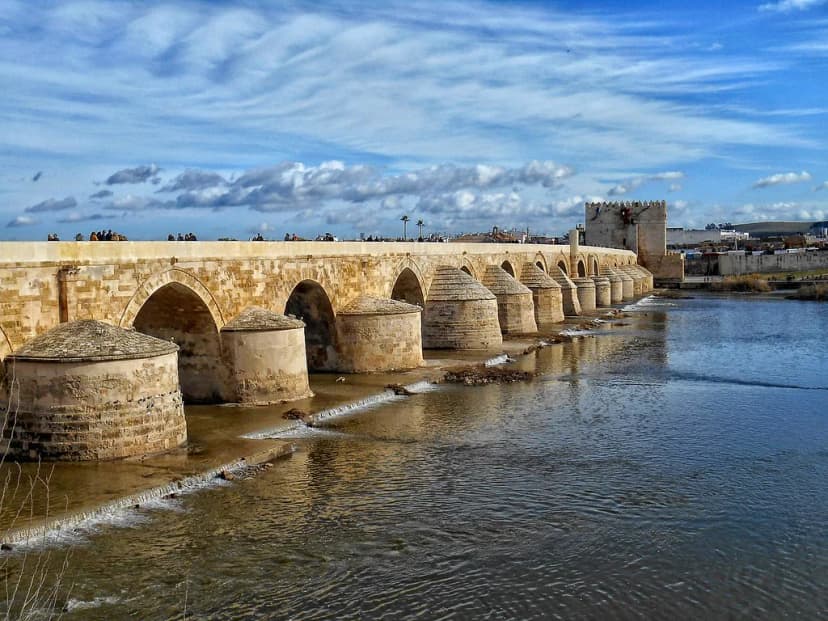
Best Day Trips from Cordoba: Top Andalusia Escapes for 2026
The AVE high-speed train from Córdoba reaches Seville in just 45 minutes for €15–€35 one-way, and Málaga in 1 hour for €20–€30 — both iconic cities are easy same-day escapes in 2026.
Granada is 2 hours 45 minutes from Córdoba by bus (€15–€25), while Ronda takes around 2.5 hours by bus (€15–€20) — Andalusia's most dramatic hilltop town at a budget-friendly price from your Córdoba base.
Córdoba sits at the heart of Andalusia and offers a perfect base for exploring Southern Spain. You can easily reach several historic cities within a couple of hours using the efficient rail network. Planning various day trips from Cordoba allows you to see the diverse landscapes of the region without changing hotels. Most travelers find that the city's central location saves significant travel time and effort.
Before heading out, make sure you explore the Cordoba old town and consider booking a Cordoba walking tour to appreciate the local history. This guide highlights the most rewarding excursions for your 2026 itinerary.
Planning Your Day Trips from Cordoba
Transport logistics define how much you can actually see during a single day away from your hotel. The high-speed AVE train connects major hubs like Seville and Málaga in under an hour for roughly €15–€35 depending on how far in advance you book. Renfe, Spain's national rail operator, offers the best fares when tickets are purchased 60 days ahead through their official website or app.

Regional buses provide a more budget-friendly alternative for smaller towns that lack direct train access. The Alsa company serves routes including Granada, Ronda, Montilla, and Antequera, with fares starting as low as €4–€20 each way. Check the Alsa website for updated 2026 fares and seasonal departure times before you head to the station.
Many visitors make the mistake of overpacking their schedule with too many long-distance destinations. Focus on one major site per trip to avoid spending your entire holiday sitting on a train or bus. Depart from Córdoba Central Station early — most AVE trains begin around 6:30 AM — to maximize time at your destination before crowds build.
Renting a car offers the most flexibility if you plan to visit the white villages or rural olive groves. Daily rental rates in Córdoba run approximately €35–€60 including basic insurance. Driving in the Andalusian countryside is generally straightforward on well-maintained N- and A-roads, though parking in historic city centers remains a challenge. If you drive to Seville or Granada, use a park-and-ride facility on the city outskirts to avoid congestion charges and scarce central parking.
For those traveling on a tighter budget, the multi-trip Cercanías rail pass covers short regional hops at a fixed low rate. The combination of one long-distance AVE trip and one Cercanías segment lets you efficiently combine two smaller destinations in a single day without overspending on separate full-price tickets.
Practical tip: bring a reusable water bottle and a sun hat — Andalusian summers regularly push above 38°C (100°F). Most major museums and archaeological sites open between 9 AM and 3 PM on weekdays, with shorter Sunday hours and Monday closures common. Always verify opening times on official websites before traveling, as 2026 schedules may differ from pre-pandemic norms.
Seville: The Vibrant Capital of Andalusia
Seville is the easiest and most rewarding destination to reach by train from Córdoba. The high-speed AVE journey takes only 45 minutes from Córdoba Central, with departures running approximately every hour from early morning. One-way tickets start at €15 when booked in advance and peak at around €35 for flexible walk-up fares. You arrive at Santa Justa station, which is a short 15-minute taxi ride (€12–€15) or a direct bus connection to the historic center.
The massive Seville Cathedral — the largest Gothic cathedral in the world — dominates the skyline and houses Christopher Columbus's tomb. Entry costs €12 for adults in 2026, and combined tickets including the Giralda tower climb are €16. The Royal Alcazar directly next door is arguably Spain's most spectacular royal palace, a UNESCO World Heritage Site blending Islamic Mudéjar and Christian Gothic architecture. Alcazar entry is €14.50 for adults, and tickets sell out weeks in advance during peak season, so book online immediately after securing your train seats.
Wandering through the Santa Cruz neighborhood offers a charming look at traditional white-washed streets and hidden plazas. Emerging from narrow lanes into sun-drenched courtyards filled with orange trees is one of those quintessential Seville moments. Many local tapas bars in this area open for lunch around 1:30 PM and serve excellent regional dishes — try the pescaíto frito (fried fish) and salmorejo (thick cold tomato soup, similar to gazpacho but richer).
If you have extra time, cross the Guadalquivir River to the working-class Triana district, famous for its ceramic workshops and flamenco heritage. Walk over to the Plaza de España to see the breathtaking semicircular complex with its hand-painted azulejo tile alcoves representing each Spanish province. This monumental public space remains free to enter and provides some of the best photo opportunities in the entire country. Allow at least 30 minutes here. Return trains to Córdoba run until around 10:30 PM, giving you a full day in the city.
Granada: Majestic Views of the Alhambra
Reaching Granada from Córdoba by bus takes approximately 2 hours 45 minutes, with fares ranging from €15–€25 one-way when booked through Alsa. Direct bus departures run several times per day from Córdoba's main bus station, and arrivals at Granada's central bus terminal put you just a short taxi or city bus ride from the historic center. The bus journey is comfortable and passes through scenic Andalusian countryside — an enjoyable ride that justifies the slightly longer travel time compared to Seville.

The Alhambra is a stunning Nasrid fortress-palace complex that overlooks the modern city with the Sierra Nevada mountains as its backdrop. You must secure your Alhambra tickets months in advance because daily visitor numbers are strictly capped — general admission costs €19 for adults in 2026 and includes access to the Nasrid Palaces, Generalife gardens, and the Alcazaba military fortress. The Nasrid Palaces specifically have timed entry slots; arrive at your assigned time or you forfeit entry without a refund. Book through the official Alhambra website (alhambra-patronato.es) only — third-party resellers charge significant mark-ups.
Allow at least four hours inside the Alhambra complex. The Generalife's water gardens alone deserve an unhurried hour, especially in late April and May when the roses are in bloom. The Alcazaba watchtower offers panoramic views across Granada's rooftops toward the snow-capped Sierra Nevada, which can hold snow as late as June in a good year.
The Albaicín district provides a steep but rewarding walk through the old Moorish quarter. Stop at the Mirador de San Nicolás at sunset for the classic postcard view of the red fortress walls glowing against the mountain backdrop. The neighborhood is packed with tea houses (teterías) serving Moroccan-style mint tea for about €3 — a welcome rest stop after climbing the cobblestone streets. For dinner before your return bus, the area around Plaza Nueva offers dozens of tapas bars where Granada's custom of free tapas with every drink order still applies in 2026. Check our Granada old town guide for a detailed neighborhood breakdown and our Granada safety guide for practical visitor tips.
Málaga by AVE: Sun, Museums, and the Costa del Sol in 1 Hour
Málaga is one of the fastest and most rewarding day trips from Córdoba, with the AVE high-speed train covering the distance in just 1 hour for €20–€30 one-way. Trains depart Córdoba Central several times daily from early morning, and Málaga María Zambrano station sits right in the heart of the city — no lengthy transfer needed once you step off the platform. This makes Málaga an ideal choice for travelers who want maximum sightseeing time without a long commute.
The Alcazaba of Málaga is the city's most impressive landmark: an 11th-century Moorish fortress rising above the seafront, with beautifully preserved palace rooms, terraced gardens, and sweeping Mediterranean views. Entry costs €3.50 for adults in 2026 (combined ticket with the Castillo de Gibralfaro for €5.50). The climb to the Castillo provides the best panoramic view of the city and coastline — allocate at least 90 minutes for both fortresses together. The Roman Theatre directly below the Alcazaba entrance is free to visit and dates from the 1st century BCE.
Málaga's historic center is increasingly vibrant, with the Centro de Arte Contemporáneo (CAC Málaga) offering free contemporary art exhibitions and the Museo Picasso Málaga (€12 adults) dedicated to the city's most famous son. The Calle Larios pedestrian boulevard is a natural gathering point, lined with pavement cafés ideal for a mid-morning coffee break. From there, the La Malagueta beach is a 15-minute walk along the seafront promenade — perfect for a relaxed swim before heading back to Córdoba.
For lunch, head to the Mercado Central de Atarazanas, a stunning 19th-century iron market hall with a Moorish gateway, where bar counters serve fresh fried fish (boquerones, sardinas) and chilled local wines for €2–€4 per tapa. The seafood here is among the freshest in Andalusia, supplied direct from the nearby Mediterranean ports. Last AVE trains back to Córdoba run until late evening, giving you a genuinely full day from morning coffee to sunset over the Costa del Sol.
Medina Azahara: The Forgotten Caliphate City (€8 Entry, 8km from Córdoba)
Medina Azahara is one of the most underrated archaeological sites in Europe and the most convenient half-day trip from Córdoba, sitting just eight kilometers (five miles) west of the city center. A dedicated shuttle bus, the Bus Azahara, departs from Avenida del Alcázar in Córdoba at set times (check current schedule at the Córdoba tourism office) and costs €9 return per adult in 2026, including admission to the site. The shuttle makes getting here easy even without a car.
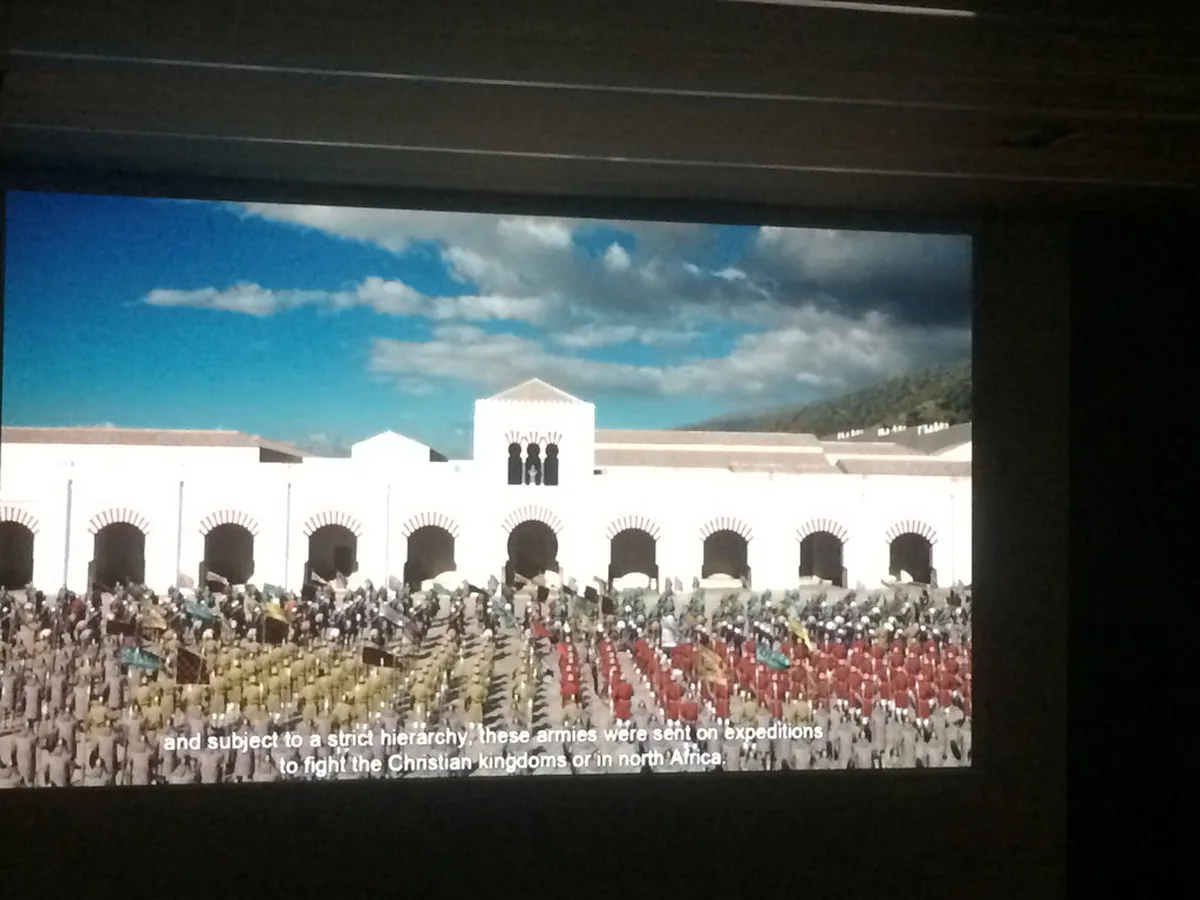
The ruins reveal the astonishing scale of the palace-city commissioned by Abd-ar-Rahman III in 936 CE as the seat of the Umayyad Caliphate of Córdoba. At its peak, Medina Azahara housed 25,000 people across 112 hectares of terraced palaces, mosques, gardens, and administrative buildings. It was sacked and looted within 70 years of completion, and the ruins lay forgotten for almost a thousand years until serious excavation began in the 20th century. Today only about 10% of the complex has been excavated, making each new season of archaeological work a genuine discovery.
Walking through the restored reception halls — particularly the Salon Rico, or Rich Hall, with its restored carved marble panels — gives you a visceral sense of the immense artistic achievement and wealth that once flowed through here. The craftsmanship rivals anything you will find in Granada's Alhambra, yet the site sees a fraction of the visitor numbers. Non-EU adults pay €8 standard admission independently; EU citizens enter for €1.50. The shuttle package (€9 return) bundles transport and entry for non-EU visitors, making it the most convenient option.
Plan approximately three to four hours to explore the on-site museum, watch the introductory film, and walk the main excavation paths. The museum is excellent, with interactive digital reconstructions showing what the palace-city looked like at its peak. Visit on a weekday morning to avoid the modest weekend crowds. After returning to Córdoba, the Córdoba old town is just a short walk from the bus drop-off for a relaxed evening meal in the historic center.
Ronda: Cliffs, Bridges, and Bullrings
Ronda is one of Spain's most dramatic towns, perched on a sheer gorge carved by the Guadalevín River in the Málaga province. The bus journey from Córdoba takes approximately 2.5 hours on the Alsa network, with return fares starting around €15–€20 — a budget-friendly option that drops you at Ronda's central bus station just minutes from the Puente Nuevo. A scenic train route via Antequera is also available; the rail journey involves a change at Antequera-Santa Ana, but the mountain scenery through the Málaga highlands justifies every minute of the two-and-a-half-hour ride.
The Puente Nuevo (New Bridge), built in 1793 over a 120-meter-deep gorge, is Ronda's defining image and one of the most photographed bridges in all of Spain. Walk across it and look down into El Tajo gorge — the sheer drop is genuinely vertiginous. The viewing platforms on the walkway below the bridge (accessed via a separate path) give the best photography angles; access is free. Inside the bridge's central arch is a small interpretive center (entry €2) explaining its engineering history.
Ronda's Plaza de Toros is the oldest bullfighting ring in Spain, opened in 1785, and even travelers ambivalent about the tradition find the architecture and the Bullfighting Museum (entry €8) compelling. The ring's whitewashed wooden galleries are beautifully preserved and were where Pedro Romero codified the rules of modern bullfighting. Surrounding the ring, the old quarter (La Ciudad) sits entirely on the western cliff, filled with grand mansions, the Arab Baths (entry €4.50), and a Moorish bridge predating the famous Puente Nuevo by several centuries.
For lunch, the area around Calle Virgen de la Paz offers several traditional restaurants serving plato de los montes — a hearty mountain-style plate of egg, sausage, and pork rind for around €10–€13. Ronda's local wine, made from the Ronda DO appellation in the highlands above the gorge, is increasingly well-regarded and pairs well with the cold-weather meats. Allow a full day here; the sheer scale of the old quarter means you could easily spend six hours without feeling rushed. Compare Ronda's clifftop drama with the gentle medieval charm of other Andalusian stops covered in our day trips from Granada guide.
Montilla: Wine and Olive Oil Traditions
Montilla offers a quieter alternative to the busy tourist hubs and focuses on the region's famous fortified wines. You can reach this town in approximately 40 minutes by car via the A-45 motorway or in about 50 minutes by local bus from Córdoba's main bus station, with Autocares Carrera operating several departures daily and fares starting at around €4 each way. The town sits at about 400 meters above sea level in the Campiña Sur (Southern Plain), surrounded by chalky white soil that looks almost lunar — ideal for growing the Pedro Ximénez grape.
Local wineries, known as bodegas, often offer guided tours that explain the unique aging process used in this area. Unlike Jerez's better-known sherry, Montilla-Moriles wines reach sufficient natural alcohol levels without fortification — a result of the intense Andalusian sun concentrating sugars in the grapes. Tasting sessions at established bodegas like Bodegas Alvear (founded in 1729, one of Andalusia's oldest) typically include four to six varieties of Pedro Ximénez and amontillado for €15–€25 per person. Bodegas Pérez Barquero offers tours most weekdays with 24 hours advance booking.
The town also hosts several traditional olive oil mills (almazaras) where you can learn about the local harvest and production cycle. Córdoba province is the largest olive oil-producing region in the world, generating over 300,000 tonnes annually. Sampling fresh extra virgin olive oil poured over toast — pan con aceite — provides a visceral understanding of the flavors that define Andalusian cuisine. Some mills sell directly to visitors at producer prices, typically €8–€12 per litre for premium early-harvest oil.
Most visitors skip Montilla in favor of larger cities, which means you will enjoy a far more authentic and unhurried experience. Small family-run restaurants in the town center serve hearty local dishes — particularly berenjenas con miel (fried eggplant with cane honey syrup) and rabo de toro (oxtail stew) — at prices well below Córdoba's tourist area. Return buses run until early evening, making this an ideal late-morning departure for a relaxed half-day trip combined with an afternoon back in Córdoba.
Frequently Asked Questions
What is the best way to take day trips from Cordoba?
The high-speed AVE train is the most efficient method for reaching major cities like Seville (45 min, from €15) or Málaga (1 hour, from €20) in 2026. Most journeys drop you near the historic centers and run on frequent daily schedules. For Granada (2h45min by bus, €15–€25) or Ronda (2.5 hours by bus, €15–€20), regional buses operated by Alsa provide good coverage, while a rental car (€35–€60/day) offers the most flexibility for rural routes.
Can I visit Seville and Granada in a single day from Cordoba?
Attempting both cities in one day from Córdoba is not recommended. Seville alone warrants a full day to visit the Cathedral (€12), Royal Alcazar (€14.50), Santa Cruz quarter, and Plaza de España. Granada's Alhambra (€19) requires at least four hours inside the complex, plus 2h45min bus travel each way. Splitting them across two separate day trips allows a relaxed lunch and thorough sightseeing at each destination without feeling rushed.
Is a rental car necessary for exploring the area around Cordoba?
A car is not necessary if you are sticking to major cities connected by the AVE rail network. Public transport is excellent and often faster than driving between urban hubs. However, a car is genuinely helpful for visiting Medina Azahara independently (8 km from Córdoba, €8 entry for non-EU adults), the white villages of the Subbética mountains, or specific olive oil estates and vineyards in the Montilla-Moriles countryside that buses do not reach directly.
How far in advance should I book Alhambra tickets for a day trip from Cordoba?
Book Alhambra tickets at least two to three months in advance for visits between April and October 2026. The Alhambra limits daily visitors strictly, and slots — particularly timed Nasrid Palace entry — sell out fast during peak season. Purchase only through the official Alhambra website (alhambra-patronato.es); third-party resellers charge €5–€15 in additional fees. Adult general admission costs €19 in 2026 and includes the Generalife gardens and Alcazaba fortress. From Córdoba, take the Alsa bus (2h45min, €15–€25) and pre-book your return journey as well.
What is the closest day trip from Cordoba?
Medina Azahara is the closest excursion at just eight kilometers from Córdoba city center. The dedicated Bus Azahara shuttle departs from Avenida del Alcázar and costs €9 return including site admission for non-EU adults in 2026 (EU citizens pay €1.50 entry separately). The archaeological ruins of the 10th-century Umayyad Caliphate palace-city take about three to four hours to explore fully, making it an ideal half-day option that leaves your afternoon free for the Córdoba old town or Mezquita.
Is Ronda worth a day trip from Cordoba?
Yes, Ronda is absolutely worth the 2.5-hour bus journey from Córdoba (€15–€20 return on Alsa). The Puente Nuevo bridge spanning a 120-meter gorge is one of Spain's most spectacular sights and is free to visit. Add the Bullring Museum (€8), Arab Baths (€4.50), and the old quarter's Moorish streets for a full day of sightseeing. Trains are also available via a change at Antequera-Santa Ana and offer beautiful mountain scenery through the Málaga highlands.
How long does it take to reach Málaga from Cordoba by train?
The AVE high-speed train from Córdoba to Málaga takes approximately 1 hour, with tickets priced from €20–€30 one-way depending on booking date and train class. Departures run several times daily from Córdoba Central Station, and you arrive directly at Málaga María Zambrano station in the city center. This makes Málaga one of the easiest and most time-efficient day trips from Córdoba — you can easily fit in the Alcazaba fortress (€3.50), Picasso Museum (€12), and a seaside lunch at the Atarazanas market all in a single day.
Choosing the right day trips from Cordoba depends on your interest in history, architecture, food, or dramatic natural scenery. Seville delivers grand Gothic cathedrals and royal palaces within 45 minutes by AVE (€15–€35); Granada's Alhambra rewards those who plan months ahead and take the 2h45min Alsa bus (€15–€25); Málaga combines coastal sun with world-class museums in just 1 hour by train (€20–€30); Ronda stuns with its clifftop drama after a 2.5-hour bus ride (€15–€20); Medina Azahara satisfies history enthusiasts with a half-day €8 excursion; and Montilla offers an authentic wine-country escape free of tourist crowds.
The city's central Andalusian location means every direction opens a different world — from the flamenco energy of Seville to the mountain landscapes above Ronda. Use Córdoba's excellent rail connections as your launchpad, book key attraction tickets well in advance, and start early to beat both the crowds and the summer heat. For deeper exploration of the city itself before or after your excursions, our Cordoba walking tour and Cordoba parking guide will help you make the most of every hour in 2026.