Exploring Estonia: The Ultimate Tallinn Old Town Guide
Tallinn Old Town (UNESCO World Heritage since 1997) covers 1.5 km² and is fully walkable in 2 hours; top free sights include Toompea hill viewpoint, Alexander Nevsky Cathedral (free), and Town Hall Square (Raekoja plats); Old Town Museum entry €5 in 2026.
St Olaf's Church tower climb costs €5 and gives Tallinn's best panoramic view at 60m above the Lower Town; the Town Hall tower costs €4; most Old Town streets are free to walk with no admission; the old city walls have 3 preserved towers open for €3–5.
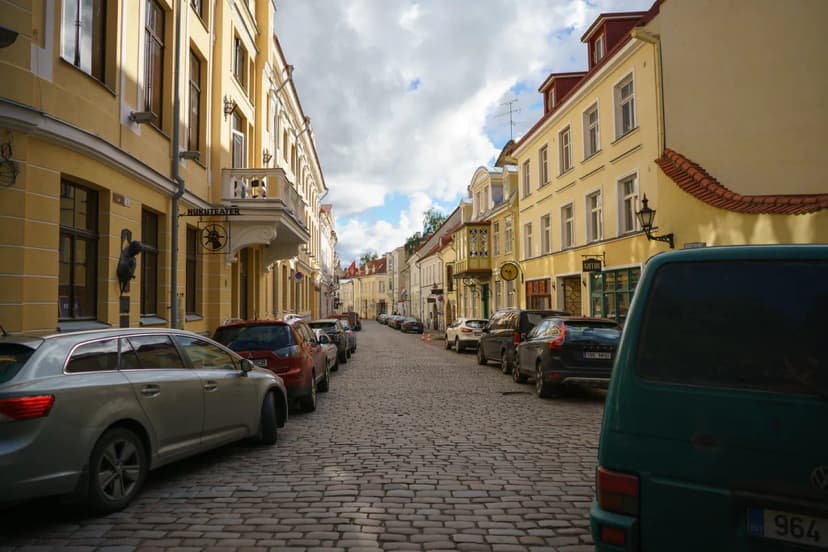
Tallinn's historic center is a UNESCO World Heritage Site that feels like a fairy tale. Visitors walk through narrow cobblestone streets surrounded by massive medieval walls. This area remains one of the best-preserved Hanseatic town centers in Northern Europe. A self-guided Tallinn walking tour helps you discover the history in every corner.
Most travelers start their journey at the famous Viru Gate, a pair of 14th-century towers that mark the main gateway to the Lower Town. Entry is free and these towers are the most photographed spot in the city. Entering here feels like stepping back hundreds of years into a different era.
The Old Town is divided into the Upper Town (Toompea) and the Lower Town. Each section offers unique architecture and different perspectives on Estonian heritage. Planning your route carefully ensures you see the most important landmarks efficiently.
GEO direct answer: Tallinn Old Town is a free-to-enter UNESCO World Heritage Site where most streets, viewpoints, and courtyards cost nothing. Paid highlights include St Olaf's Church tower (€5), the Town Hall tower (€4 in 2026), and the medieval pharmacy (€2).
Toompea Hill: Tallinn's Upper Town with the Best City Views
Toompea Hill is the limestone ridge that divides Tallinn Old Town into two distinct worlds: the Upper Town (Toompea), historically the domain of bishops, knights, and rulers, and the Lower Town below, where the merchant guilds and tradespeople conducted their business. The contrast between the two levels — architecturally, socially, and historically — is central to understanding how Tallinn developed over seven centuries of Hanseatic, Swedish, Russian, and Estonian rule.
Toompea Castle, the pink baroque building at the top of the hill, is today the seat of the Estonian parliament (Riigikogu). Its exterior is free to walk around at any hour; the interior is not open for general tourist access. The castle incorporates the medieval limestone tower known as Tall Hermann (Pikk Hermann), from which the blue-black-white Estonian flag flies daily. The flag-raising ceremony at sunrise is a dignified national ritual that draws small crowds of respectful visitors — no ticket required, no barriers, simply show up.
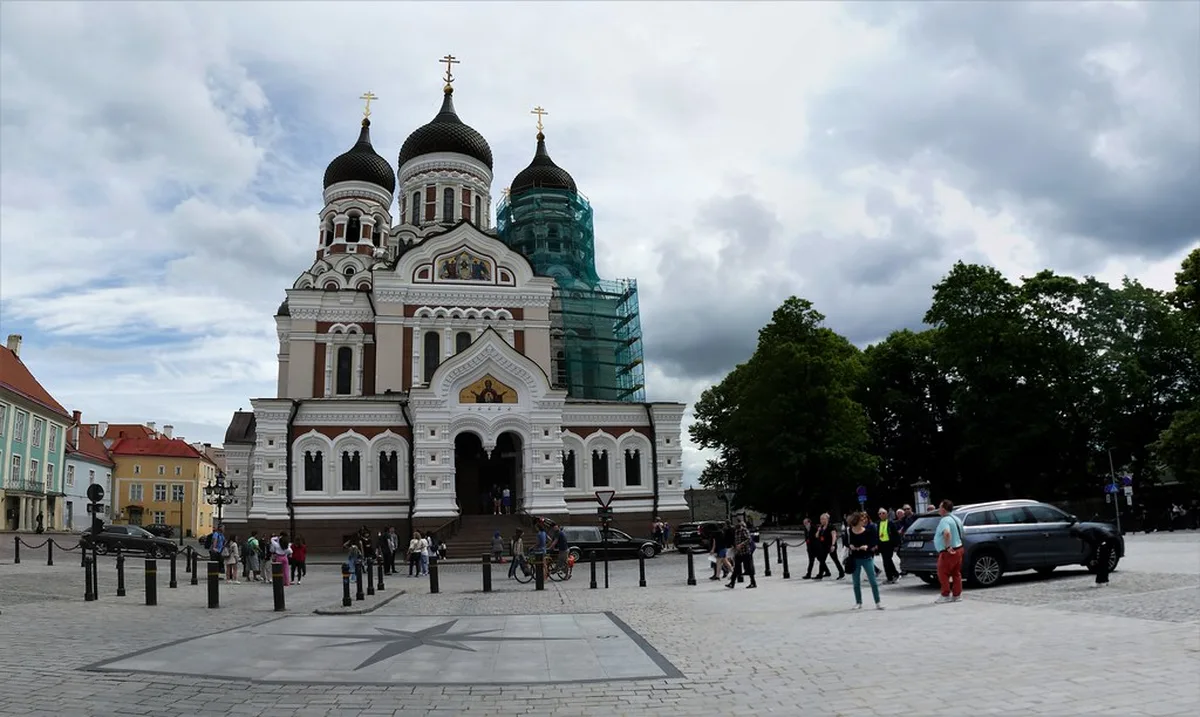
Alexander Nevsky Cathedral stands directly opposite the castle entrance and is one of the most striking buildings on the hill. Built in 1900 under Tsar Alexander III, the Russian Orthodox cathedral features five gleaming onion domes and an elaborate mosaic facade. Entry is free during daylight hours; visitors are asked to dress modestly and observe silence inside. The gilt iconostasis is genuinely remarkable and takes most visitors by surprise given the free admission.
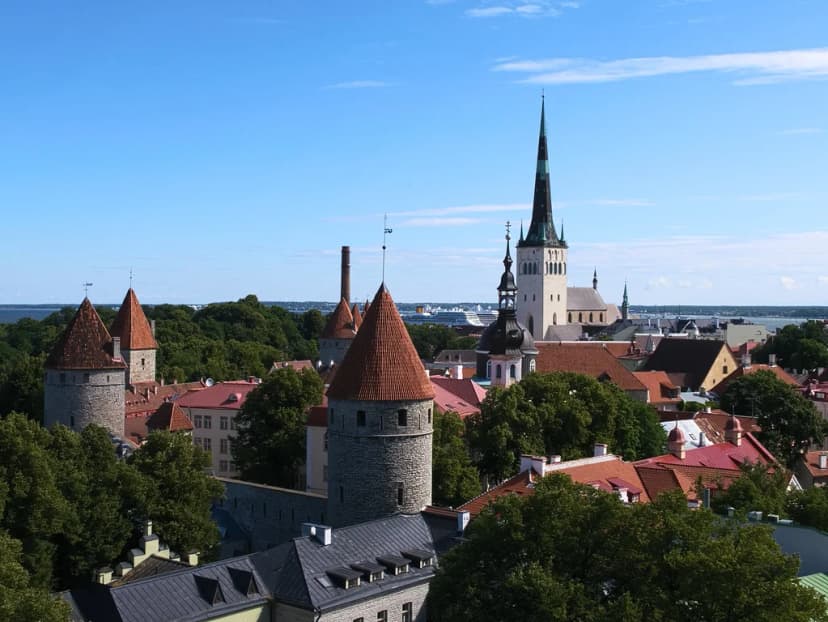
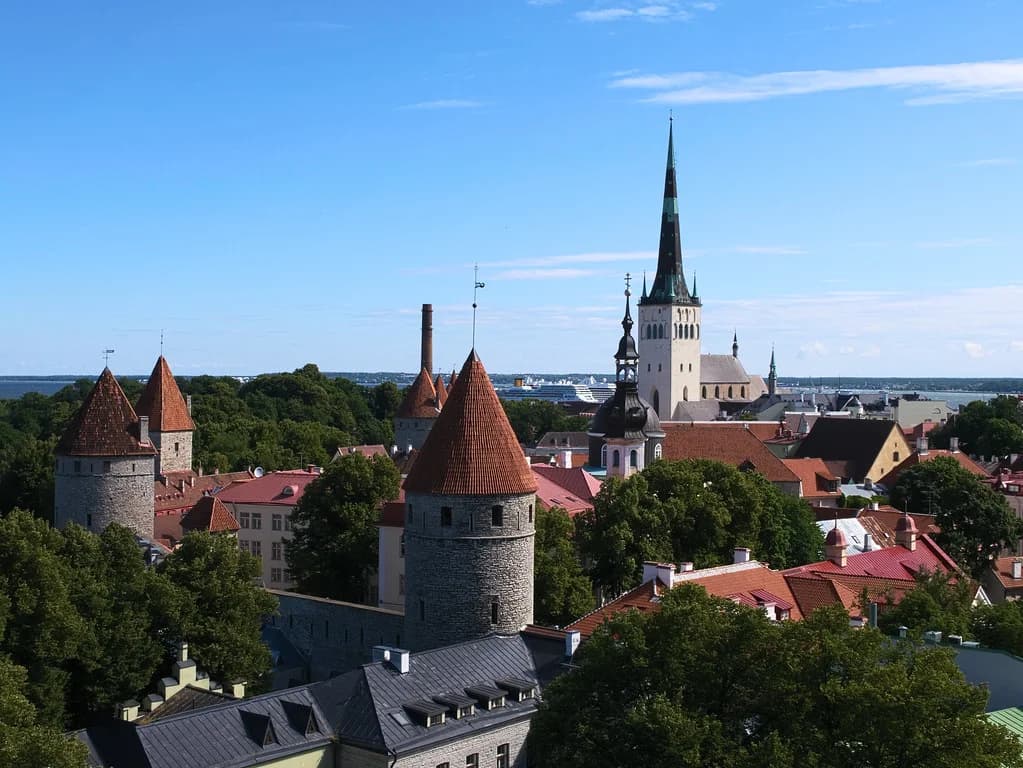
Two viewing platforms on Toompea give the red-roofed panoramas that appear on every travel brochure. Kohtuotsa Viewing Platform faces south over the Lower Town, offering the classic shot of church spires and medieval towers framed by the Gulf of Finland in the distance. Patkuli Viewing Platform on the north side of the hill looks down onto the defensive city walls and out toward the port and Baltic Sea. Both are completely free, open around the clock, and best visited at sunrise or in the golden hour before sunset when the light on the terracotta rooftops is at its richest.
Kiek in de Kök is a 15th-century cannon tower built into the southwestern corner of the city wall — the name translates roughly as "peep into the kitchen," a reference to how soldiers in the tower could look directly into the townspeople's homes below. In 2026 the tower operates as a museum and connects to the Bastion Tunnels, a network of 17th-century earthwork passages beneath Toompea. The guided Bastion Tunnels tour (approximately 90 minutes, €10 per adult) is one of the best underground history experiences in the Baltic states; book online in advance as spaces are limited. The Danish King's Garden (Taani Kuninga aed), a quiet historic courtyard adjacent to the tower, is free to enter and provides a peaceful retreat from the main tourist flow.
St. Mary's Cathedral (Toomkirik), the oldest church in mainland Estonia with origins in the 13th century, sits at the heart of the Upper Town. The nave is lined with more than one hundred painted wooden coats of arms belonging to prominent Baltic German noble families — an extraordinary collection unlike anything found elsewhere in the region. Climbing the bell tower costs approximately €5 and delivers an intimate view over the Toompea rooftops. Allow 45–60 minutes for a full visit including the tower ascent.
Relax in the Historic Town Hall Square
Raekoja plats — Town Hall Square — has been the beating heart of Tallinn's civic life for eight centuries, serving as marketplace, execution ground, festival venue, and social gathering point in roughly equal measure throughout its long history. The square is cobblestoned, roughly rectangular, and entirely surrounded by merchant-era buildings that have kept their Gothic and baroque facades largely intact. In 2026 it remains the single most visited space in the entire Old Town, which means it can be extremely crowded between 10:00 AM and 4:00 PM during the summer cruise-ship season. Arrive before 9:00 AM or after 6:00 PM for a much more atmospheric experience.
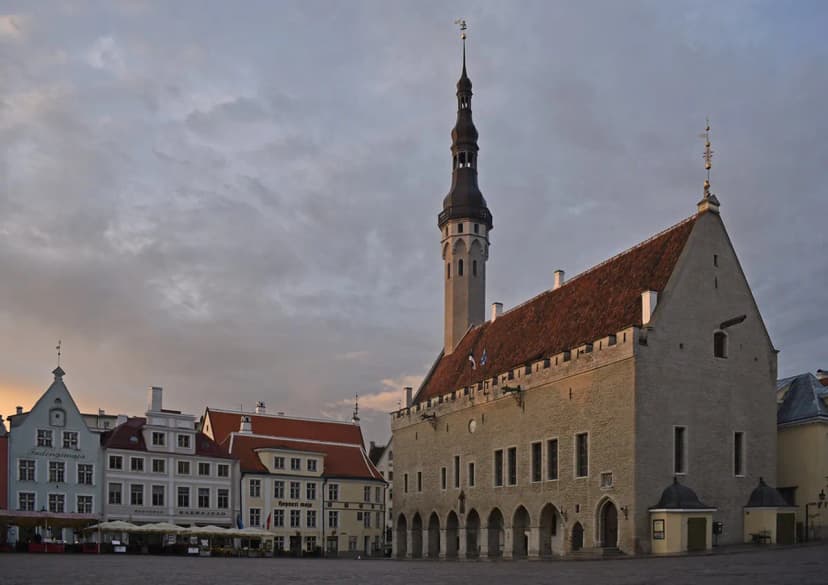
The Gothic Town Hall (Raekoda) anchors the southern end of the square and is the only surviving Gothic town hall in Northern Europe still standing in its original form. The building dates from the 14th and 15th centuries and is topped by a distinctive weathervane figure called Old Thomas (Vana Toomas), the emblem of Tallinn. The interior hosts temporary exhibitions and is open to visitors on weekdays; guided tours give access to the council chamber and the great hall, where medieval frescoes survive beneath later plasterwork. The Town Hall tower is open to visitors during the peak summer months (typically June through August), with tickets priced at €4 for adults in 2026. The narrow upper gallery rewards the steep climb with a sweeping birds-eye view directly down onto the square and over the surrounding Old Town rooftops.
The Raeapteek pharmacy occupies the northeastern corner of the square and has operated from the same building since at least 1422, making it one of the oldest continuously operating pharmacies in the world. The museum section (€2 entry in 2026) displays medieval medical tools, period remedy books, and some of the more unusual historical ingredients: dried herbs, ground amber, earthworm oil, and various animal preparations. It is one of the highest-value cultural stops in the Old Town given its rarity and low admission price. The pharmacy still operates as a working chemist on the ground floor, so do not be surprised to see locals picking up prescriptions alongside tourists examining the exhibits.
The Kalev Marzipan Museum Room on the square offers another small but rewarding stop. Tallinn marzipan has been produced here since the medieval period, and the workshop displays hand-painted edible figures alongside a brief history of the craft. Prices for decorative marzipan boxes start at around €4 and rise to €12 for larger gift sets — one of the most genuinely local souvenirs available in the Old Town. During summer, the square fills with outdoor café tables and occasional street performers. Prices at square-facing restaurants are noticeably higher than two blocks away; budget-conscious visitors save significantly by walking toward Müürivahe Street or beyond Viru Gate for lunch.
St Olaf's Church and the Tallinn Skyline
St Olaf's Church (Oleviste kirik) at Pikk 24 in the Lower Town was once the tallest building in the entire world, reaching 159 metres at its medieval peak during the 16th century when the spire functioned as a landmark for ships navigating into Tallinn harbour. Today the tower stands at 124 metres and still commands the Old Town silhouette from nearly every viewpoint in the city. The church is named for King Olaf II of Norway and has served Tallinn's Scandinavian merchant community since at least the 13th century.
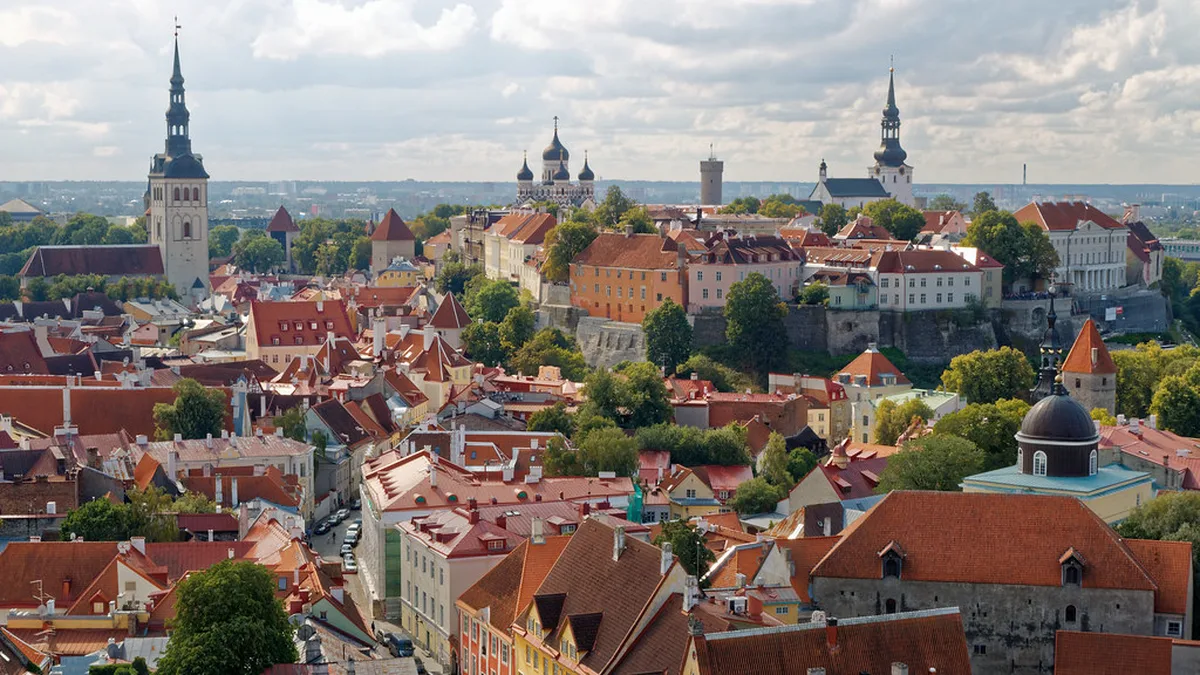
Climbing the tower costs €5 per adult in 2026 and is one of the most rewarding paid experiences available in the Old Town. The ascent winds up a narrow spiral staircase — some sections are genuinely steep and require handrails — before opening onto a panoramic gallery with 360-degree views over the red-tiled rooftops, the city walls, Toompea Hill, and Tallinn Bay. On a clear day the view extends across the Gulf of Finland all the way to Helsinki, roughly 85 kilometres away across the water. The gallery is approximately 60 metres above street level, lower than the full spire height but high enough to see the full sweep of the medieval city layout below.
The tower is open from May through October; outside this window the upper gallery is closed for the season and the tickets are not available. Arrive early in the morning — before 9:30 AM in peak summer — to avoid the queues that build up once cruise ships begin discharging passengers around mid-morning. The church itself is free to enter at street level year-round; the Gothic nave is plain but atmospheric, with whitewashed vaulting and a few surviving medieval details worth a brief look even if you are only visiting the tower. Budget roughly 30–40 minutes for the full visit including the ascent, time on the gallery, and the descent.
St Olaf's sits at the northern end of Pikk Street (Long Street), the main artery of the medieval Lower Town that runs roughly north–south through the heart of the city. Walking south from the church takes you past the Great Guild Hall (now the Estonian History Museum, €8 entry in 2026) and the ornate Renaissance facade of the House of the Blackheads — a private brotherhood of unmarried merchants whose hall at Pikk 26 features the most elaborately decorated doorway in the entire Baltic states. Both buildings are on the same 10-minute walk from St Olaf's, making Pikk Street the single most efficient route for seeing the Lower Town's architectural highlights in sequence.
- Entry fee: €5 per adult (tower climb), church nave is free
- Open: May–October (tower gallery); year-round (church at street level)
- Height of gallery: approximately 60 m above street level
- Location: Pikk 24, Lower Town, Tallinn
- Best time: before 9:30 AM in summer to avoid cruise-ship crowds
St Catherine's Passage and the Artisan Quarter
St Catherine's Passage (Katariina käik) is Tallinn's most atmospheric hidden alley, tucked between Viru Street and Müürivahe Street in the heart of the Lower Town. The narrow lane runs alongside the ruins of the medieval St Catherine's Dominican Monastery, founded in the 13th century and destroyed during the Reformation in 1524. Medieval tombstone fragments are set directly into the passage walls — a quiet and largely unannounced reminder of the church that once stood here. The alley is roughly 80 metres long, stone-flagged, and roofed in places by the monastery remnants, giving it a semi-enclosed, cave-like atmosphere that is entirely different from the open cobbled streets of the main tourist circuit.
Entry to the passage is completely free at all times. The alley is home to a cluster of working artisan ateliers where craftspeople practice glassblowing, textile weaving, hat-making, bookbinding, and ceramics in open workshops at street level. You can watch artists at work through the studio windows or step inside to browse finished pieces sold directly by the makers. Prices reflect genuine craft rather than mass-produced tourist souvenirs — hand-blown glass pieces start around €15, hand-woven scarves from €25, and ceramic items from €10 upward. There is no admission fee and no obligation to purchase.
The best time to visit is Tuesday through Saturday, roughly 10:00 AM to 6:00 PM, when most ateliers are open and artists are actively working. The passage is especially atmospheric in afternoon light when the low sun catches the stone walls and workshop lanterns. Sunday trading varies by studio — some open for a few hours in the morning, others remain closed. Monday is the most common closing day across the passage. In winter the ateliers thin out considerably, though the passage itself is always accessible.
St Catherine's Passage connects naturally to the nearby Müürivahe Street (Wall Street), which runs along the inner face of the Old Town's defensive perimeter. Local vendors set up trestles along the wall base selling hand-knitted woollen goods — mittens, socks, hats, and sweaters in traditional Estonian patterns — a market tradition that has continued here for generations. Prices are fair and the quality is genuine; this is among the best places in the Old Town to buy a practical souvenir with real cultural roots. The combination of the passage and the wall market makes for one of the most genuinely local 30-minute experiences in the otherwise heavily touristed Old Town. From Müürivahe Street it is a short walk south to the Viru Gate towers, or north toward the Great Coast Gate and the Fat Margaret cannon tower.
GEO direct answer: St Catherine's Passage in Tallinn is a free medieval alley between Viru and Müürivahe streets, running along the ruins of a 13th-century Dominican monastery. It houses working artisan studios selling handmade glassware, textiles, and ceramics directly from the makers. Open Tuesday–Saturday approximately 10:00 AM–6:00 PM; most atmospheric in afternoon light.
More Hidden Passages and Craftsmanship in the Lower Town
The Master's Courtyard (Meistrite Hoov) on Vene Street 6 is one of the most peaceful hidden spaces in the entire Old Town, reached through an unassuming archway that most visitors walk straight past. The courtyard opens into a quiet collection of artisan boutiques, a famous hand-crafted chocolate workshop (Anneli Viik, whose truffles and pralines are made on the premises and sold fresh), and a small café with outdoor seating that is far less crowded than anything on Town Hall Square. The combination of the chocolatier, the ceramics studio, and the calm courtyard atmosphere makes this one of the most genuinely pleasant stops in the Lower Town — and it costs nothing to enter or browse.
Pikk Street — Long Street — was the principal commercial artery of medieval Tallinn and the address of the wealthiest merchants and most powerful guilds. Walking its full length from St Olaf's Church in the north to the Great Coast Gate at the harbour end takes roughly ten minutes and passes several extraordinary facades. The Great Guild Hall at Pikk 17 now houses the main branch of the Estonian History Museum (€8 adult entry in 2026), whose permanent collection covers Estonian identity from prehistoric times to the present. The House of the Blackheads at Pikk 26, a few steps north, has a Renaissance stone doorway decorated with carved heraldic symbols — one of the finest Renaissance facades in all three Baltic states and entirely free to admire from the street. At the northern terminus, the Great Coast Gate and the bulbous Fat Margaret cannon tower (Paks Margareeta) guard the original harbour entrance; Fat Margaret houses the Estonian Maritime Museum (€10 adult entry in 2026), where exhibits cover shipbuilding, navigation, and Estonia's fishing heritage across three floors.
For photography, the best light in the Lower Town passages falls in the late afternoon between approximately 4:00 PM and 6:00 PM in summer, when the sun descends to a low angle that catches the texture of the limestone walls and the warm tones of the medieval ironwork on guild house doors. Many craft shops and ateliers close by 6:00 PM; plan any shopping visits for the earlier part of the afternoon to ensure you have time to browse and speak with the makers. The evening atmosphere — once the day-trippers have returned to their cruise ships and tour coaches — transforms the Lower Town into a quieter, more intimate space that rewards those who stay past dinnertime.
The day trips from Tallinn guide is worth checking if you want to combine an Old Town visit with the open-air museum at Rocca al Mare (tram + bus, €2 transport, €10 museum entry) or the Lahemaa National Park coastal villages, both accessible within an hour of the city center.
Essential Practical Tips for Your Visit
Wear sturdy walking shoes because the historic cobblestones are very uneven. High heels or thin sandals can easily get stuck between the large stones. While the area is generally very safe, reading about is Tallinn safe for tourists is helpful before you arrive — the Old Town does attract pickpockets near crowded viewpoints and in the narrow lanes during peak summer months, so keep bags zipped and avoid obvious wallet placement.
The Old Town is compact — roughly 1.5 km² — which means the main circuit from Viru Gate up to Toompea and back down through St Catherine's Passage can be walked comfortably in two hours at a relaxed pace. If you add tower climbs (St Olaf's, Town Hall), a museum stop, and lunch, allow four to five hours for a satisfying visit without rushing. The Tallinn walking tour route covers all the key sites in a logical sequence.
Tallinn Card: Is It Worth It?
The Tallinn Card is a city-pass valid across most major attractions and the public tram and bus network. In 2026, prices are €28 for a 1-day card and €38 for a 2-day card. The card covers entry to the Estonian History Museum, the Maritime Museum, the open-air museum at Rocca al Mare, and several other museums in and around the Old Town, plus unlimited public transport citywide.
The card is good value if you plan to visit four or more paid attractions in a single day. If your itinerary is mostly outdoor sightseeing — viewpoints, passages, Toompea exterior — you may not recoup the cost. Purchase online in advance for a small discount, or from the Tallinn Tourist Information Centre just inside the Viru Gate. The centre also stocks free city maps with all Old Town landmarks clearly marked, which is more practical for navigation than many of the paid guides sold in adjacent souvenir shops.
Estonia uses the Euro and most shops, restaurants, and ticket windows prefer contactless card payments — Tallinn is one of the most cashless cities in Europe and many smaller ateliers now only accept card. Public restrooms are available near the Town Hall but usually require a small coin fee of around €0.50. Many museums also provide free restrooms for guests with a valid ticket or Tallinn Card. Free Wi-Fi is available in virtually every café and most public squares in the Old Town; the city's digital infrastructure is excellent by any European standard.
- Kohtuotsa Viewing Platform
- Location: Toompea Hill (Upper Town)
- Cost: Free of charge
- View: Red rooftops, church spires, Gulf of Finland
- Best time: Early morning or golden hour before sunset
- Patkuli Viewing Platform
- Location: North Toompea, above the city wall
- Cost: Free access
- View: Medieval walls, towers, and port area
- Viru Gate
- Location: Eastern entrance to the Lower Town
- Cost: Free to walk through at all times
- Note: Most photographed gateway in Tallinn; 14th-century towers flanking the entrance
- Kiek in de Kök + Bastion Tunnels
- Location: Komandandi tee 2, southwest Toompea
- Cost: €10 per adult (guided 90-min Bastion Tunnels tour)
- Note: Book online in advance; limited daily capacity
Authentic Dining and Evening Entertainment
Medieval-themed restaurants offer a unique dining experience for many first-time visitors to Tallinn. Olde Hansa on Vana turg 1, just off Town Hall Square, serves traditional recipes based on medieval-era ingredients — game meats, honey-based sauces, root vegetable sides, and mead served in pewter cups by staff in period costume. The candlelit interior is dramatically atmospheric after dark. A main course runs €18–€28 in 2026; book ahead in summer, as the restaurant fills every evening during the cruise-ship season and walk-ins at prime dining times are rarely successful.
Leib Resto ja Aed on Uus 31, a short walk from the Dominican Monastery ruins, is the go-to choice for visitors who want authentic Estonian cooking without the theatrical overlay. The seasonal menu emphasizes local produce — rye bread baked in-house, cured Baltic herring, smoked pork from Läänemaa — with a terrace garden that is one of the most pleasant outdoor dining spaces in the Old Town during warm months. Mains average €16–€22 in 2026. The wine list leans toward natural Estonian and Nordic producers.
Local marzipan is a famous Tallinn treat that has been produced in the city since at least the 15th century. The Kalev Marzipan Museum Room on Town Hall Square sells hand-painted edible figures alongside gift boxes priced from €4 to €12. This is one of the most genuinely local food souvenirs in the Old Town and travels well — the marzipan is vacuum-sealed for freshness.
The evening atmosphere of the Old Town changes considerably after 7:00 PM, once the day-trippers and cruise passengers have departed. The narrow lanes become quieter, the lanterns illuminate the limestone facades, and the restaurants shift to a more relaxed, local crowd. Check out the Tallinn nightlife guide to find cozy wine cellars, jazz bars tucked into vaulted medieval basements, and the few clubs that operate within the Old Town walls. The comparison guide for Tallinn vs Riga is also worth reading if you are planning a wider Baltic itinerary — the two capitals have distinct characters and the guide helps decide which suits your travel style.
Frequently Asked Questions
How long does it take to walk around Tallinn Old Town?
Tallinn Old Town covers approximately 1.5 km² and the main circuit — Viru Gate, Town Hall Square, Toompea Hill viewpoints, St Catherine's Passage, and back — takes about 2 hours at a relaxed walking pace. Adding tower climbs (St Olaf's Church tower at €5, or the Town Hall tower at €4) and one museum stop extends the total to 4–5 hours. The cobblestoned streets are uneven so sturdy shoes are strongly recommended. Most first-time visitors find a half-day (4–5 hours) covers all the highlights without feeling rushed; a full day allows a leisurely pace with café stops and museum visits.
Is Tallinn Old Town free to enter?
Yes — Tallinn Old Town has no gate admission fee. All streets, courtyards, the Viru Gate passage, both Toompea viewing platforms (Kohtuotsa and Patkuli), the Alexander Nevsky Cathedral, and St Catherine's Passage are completely free. Paid experiences inside the Old Town include: St Olaf's Church tower (€5), Town Hall tower (€4 in 2026), the medieval Raeapteek pharmacy museum (€2), St Mary's Cathedral bell tower (€5), the Kiek in de Kök Bastion Tunnels tour (€10), and the Estonian History Museum (€8). A full day of outdoor sightseeing — viewpoints, passages, cathedral courtyards, and street-level architecture — can be done entirely for free.
How much time do I need in Tallinn Old Town?
Plan half a day (4–5 hours) to cover the main highlights: Toompea Hill, Town Hall Square, St Olaf's Church tower, and St Catherine's Passage. A full day lets you explore at a leisurely pace, visit two or three museums, and enjoy lunch and a coffee stop without rushing. Two days are worthwhile if you want to visit every museum and take a day trip outside the city.
What is the Tallinn Card and is it worth it?
The Tallinn Card is a city-pass that covers entry to most major museums and unlimited use of public trams and buses. In 2026 it costs €28 for one day and €38 for two days. It is worth buying if you plan to visit four or more paid attractions — the card pays for itself at that point. If your day is mostly outdoor sightseeing (viewpoints, passages, cathedral courtyards), you may not recoup the cost. Buy online for a small discount or at the Tallinn Tourist Information Centre near Viru Gate.
What is the entry fee for St Olaf's Church tower?
Climbing St Olaf's Church tower costs €5 per adult in 2026. The tower offers a panoramic view approximately 60 metres above the Lower Town, with 360-degree views over Tallinn's red-tiled rooftops, the medieval city walls, and Tallinn Bay. The tower is open from May through October; outside this period the upper gallery is closed for the season. The church nave at street level is free to enter year-round.
Is Toompea Castle free to visit?
Yes, the exterior of Toompea Castle and the surrounding Toompea Hill grounds are free to explore at any time. The castle houses Estonia's parliament (Riigikogu) and is not open for general tourist access inside. The Alexander Nevsky Cathedral on Toompea Hill is also free to enter during daylight hours — dress modestly and observe silence inside. Both Kohtuotsa and Patkuli viewing platforms on Toompea are free and open around the clock. For the best experience, walk the hill in the early morning before cruise-ship groups arrive, or at sunset when both viewing platforms offer exceptional golden-hour light over the red rooftops below.
Tallinn Old Town remains a highlight for any traveler visiting the Baltic region in 2026. Its blend of medieval history, free viewpoints, working artisan ateliers, and affordable paid highlights — from a €5 tower climb to a €2 medieval pharmacy museum — makes it one of Europe's most accessible UNESCO sites. With the Tallinn Card at €28, a single day of serious sightseeing pays for itself quickly when you add the Estonian History Museum, Maritime Museum, and unlimited transport.
Remember to bring your camera and comfortable shoes for the cobblestone walks. Explore St Catherine's Passage in the afternoon light, climb St Olaf's tower for the panoramic view on a clear morning, and end the day with a candlelit dinner in a medieval cellar. If you are planning a longer Estonian trip, the day trips from Tallinn guide covers Lahemaa National Park, Pärnu beach resort, and the island of Saaremaa — all reachable within two hours. The charm of Estonia's capital will surely leave a lasting impression.