The Ultimate Tallinn Walking Tour for History Lovers
Tallinn's free walking tour by Estadventures meets daily at 11 AM and 2 PM at the Town Hall Square (Raekoja plats); the 2-hour tour covers all major Old Town highlights and is tip-based, with a typical tip of €5–15 per person in 2026.
A self-guided Tallinn Old Town walking tour covers 2.5 km in 2–3 hours; key stops include Viru Gate (free), Town Hall Square (free), Toompea Castle (exterior free), and St Olaf's Church tower (€5 entry) — fully doable without a guide.
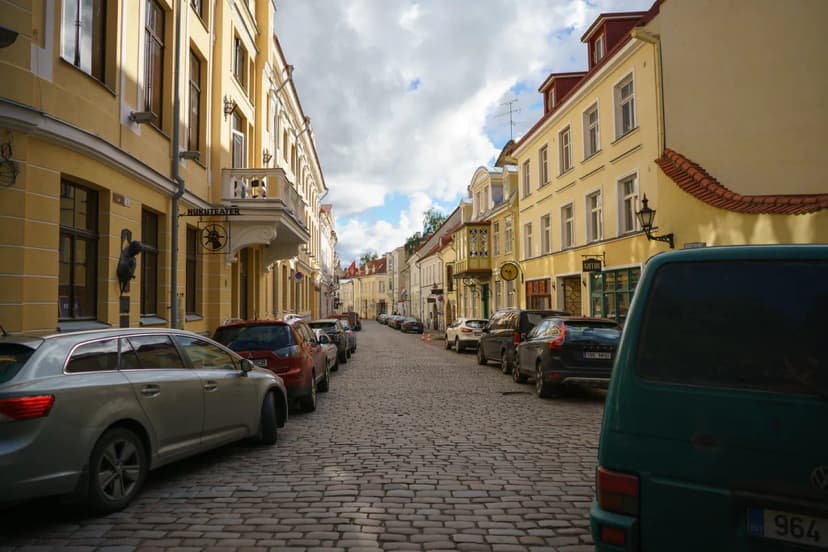
Tallinn serves as one of the best-preserved medieval cities in all of Northern Europe. Walking through the limestone gates feels like entering a living museum of Hanseatic history. You will find narrow alleys and grand merchant houses around every corner.
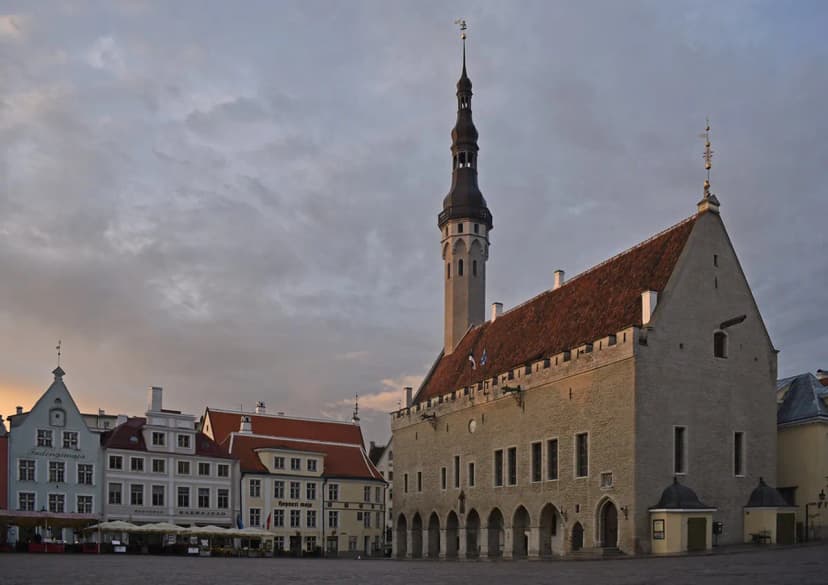
Planning a tallinn walking tour allows you to see the contrast between the Upper and Lower towns. Most visitors start their journey at the iconic Town Hall Square to soak in the atmosphere. This area remains the vibrant heart of the Estonian capital for locals and tourists alike.
Exploring on foot is the most rewarding way to experience the city's unique charm and character. You can discover secret courtyards that tour buses simply cannot reach on their standard routes. Check out our Tallinn Old Town guide for more detailed neighborhood insights before you arrive.
Quick answer: The classic self-guided Tallinn walking tour follows a 4 km main loop — Viru Gate → Town Hall Square → Toompea Hill → Alexander Nevsky Cathedral → Patkuli viewpoint → Kohtuotsa viewpoint → Pikk Street — and takes approximately 2 hours to complete at a relaxed pace.
Free tour option: EstAdventures runs tip-based free walking tours from Viru Gate daily at 11:00 AM and 2:00 PM in summer 2026. Tours last roughly 2.5 hours; a tip of €5–15 per person is customary and appreciated.
Exploring the Heart of the Lower Town
The Town Hall Square (Raekoja plats) has been the center of civic life since the 13th century. It hosts colorful markets and seasonal festivals throughout the entire year. Look for the circular stone in the center to spot all five main church spires at once. The square itself is free to enter and takes roughly 20 minutes to fully absorb at a relaxed pace.

The Raeapteek pharmacy sits on the corner and has operated since at least 1422. It is one of the oldest continuously running medical establishments in the world today. Entry to the small museum section costs €3 in 2026 and lets visitors see medieval remedies like dried deer penis and charred hedgehogs. The apothecary storefront exterior is free to view and photograph at any time.
St. Catherine's Passage (Katariina käik) offers a glimpse into the traditional craft culture of the medieval era. Local artisans work in open studios along this narrow, atmospheric stone walkway — glassblowers, bookbinders, hat-makers, and leather workers operate side by side. You can buy hand-blown glass or high-quality leather goods directly from the makers here. The alley is approximately 80 metres long, runs parallel to Vene Street, and is always open with no entry fee.
The Viru Gate is the natural starting point for the self-guided loop and for all EstAdventures free tours. These twin limestone towers were part of a much larger 14th-century defensive system that once included 46 towers. Only the two main gate towers survive intact today. From Viru Gate, head west along Viru Street (roughly 5 minutes on foot) to reach Town Hall Square. Budget around 20 minutes at the square itself before turning toward Toompea. The entire Lower Town section from Viru Gate to the base of Toompea Hill covers approximately 700 metres and can comfortably be walked in 15–20 minutes without stops.
St Nicholas' Church (Niguliste Museum) stands on the southwestern edge of the Lower Town and dates to the 13th century. It now functions as a museum of medieval art and houses a famous fragment of Bernt Notke's Dance of Death painting. Entry costs €5 in 2026 and the museum is open Tuesday through Sunday. Plan 30–45 minutes inside if you have an interest in medieval ecclesiastical art.
Walking the Lower Town perimeter walls is another highlight many visitors overlook. Short sections of the original city wall remain accessible for a small fee of around €5 in 2026, allowing you to climb the narrow stone steps and look down over the medieval rooftops. The Hellemann and Kiek in de Kök towers anchor opposite ends of the surviving wall section. This detour adds approximately 30 minutes to your Lower Town circuit.
- The Town Hall Pharmacy (Raeapteek)
- Type: Historic Museum
- Cost: €3 entry
- Location: Town Hall Square corner
- Highlight: Medieval medicine displays
- St. Catherine's Passage (Katariina käik)
- Type: Artisan walkway
- Best for: Local crafts and photography
- Access: Open daily, free
- Length: ~80 metres
- St Nicholas' Church Museum (Niguliste)
- Type: Medieval art museum
- Cost: €5
- Hours: Tue–Sun
- Highlight: Bernt Notke Dance of Death fragment
Ascending Toompea Hill for Historic Views
Toompea Hill was the seat of power for the foreign rulers of Estonia for centuries — Danes, German knights, Swedes, and Russians all governed the country from this limestone plateau. The climb up the Pikk Jalg (Long Leg Lane) street provides a gradual ascent of about 150 metres with lovely stone walls rising on either side. You will feel the transition from the merchant-led Lower Town to the noble Upper Town clearly as the architecture changes. Allow about 10 minutes to walk from Town Hall Square to the top of Toompea via Pikk Jalg, or around 7 minutes via the steeper Lühike Jalg (Short Leg Lane) staircase route.
The Alexander Nevsky Cathedral stands out with its grand black onion domes and richly ornate facade. This Russian Orthodox church was built in 1900 during the period of the Russian Empire, deliberately positioned opposite the Toompea Castle to assert imperial dominance. Entry is free but remember to dress modestly — shoulders and knees covered — and remain quiet during active religious services. Candles can be purchased inside for €1. The exterior is particularly photogenic in the early morning when the square in front is empty.
Toompea Castle sits directly beside the cathedral and today houses the Estonian Parliament (Riigikogu). The exterior, including the distinctive pink Baroque facade, is free to admire from the courtyard. Guided tours of the interior are available on selected days — check the parliament website in advance. The Tall Hermann tower (Pikk Hermann) at the corner of the castle flies the Estonian tricolor and stands 45.6 metres tall. Access to the tower itself is restricted, but the surrounding courtyard is open to visitors.
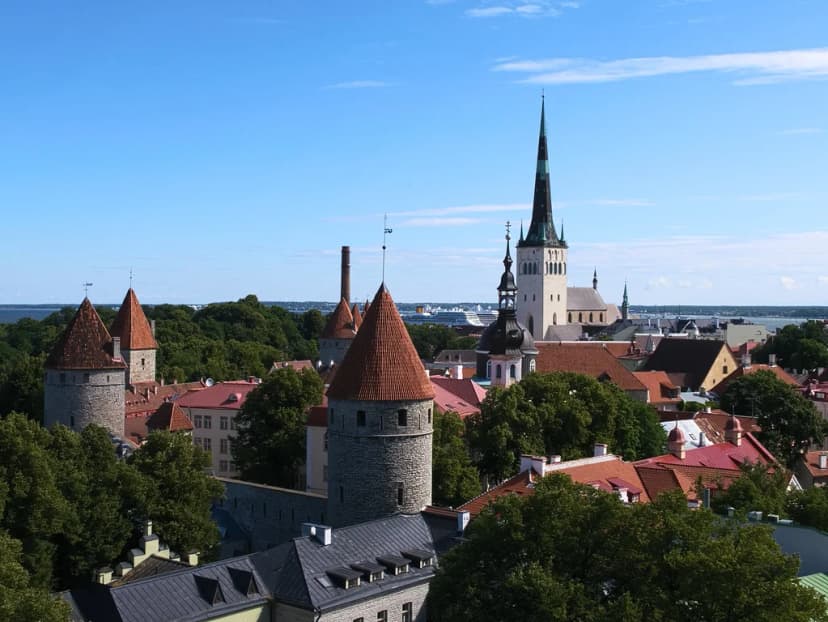
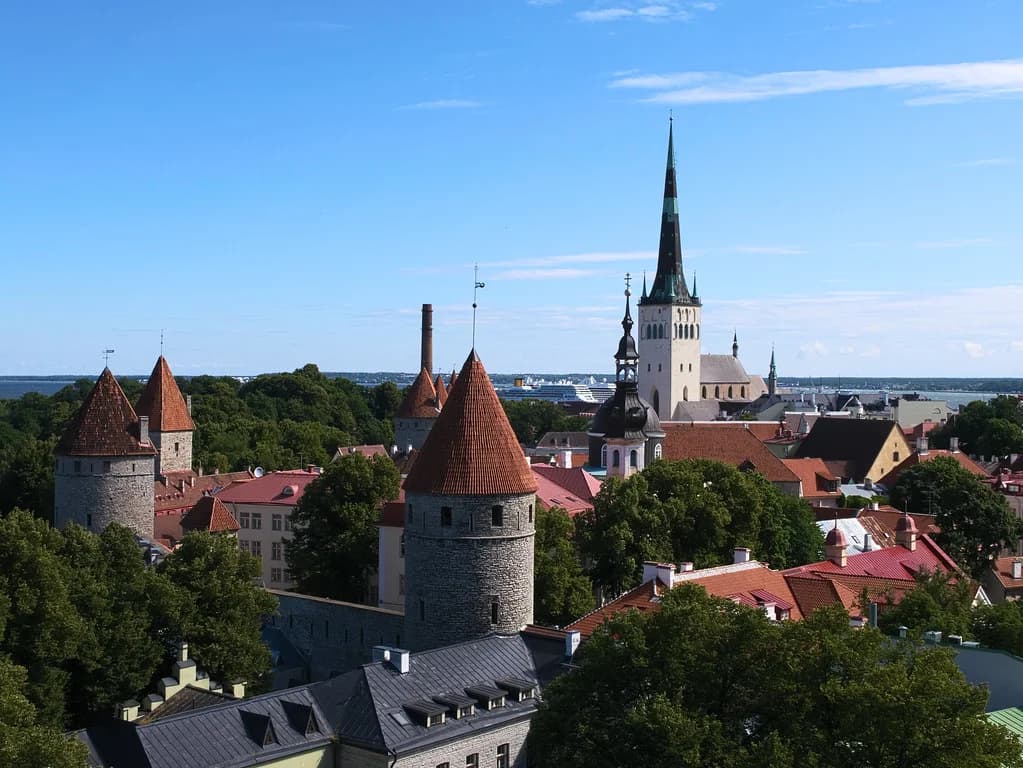
The Kohtuotsa viewing platform offers the most famous panoramic view of the red-tiled roofs of the Lower Town. You can see the modern skyline of Tallinn rising behind the ancient medieval towers. The famous 'The Times We Had' wall provides a perfect backdrop for travel photography. Kohtuotsa is a 5-minute walk from Alexander Nevsky Cathedral and is always open with no admission charge. Early mornings between 7:00 AM and 9:00 AM offer the clearest light and the fewest crowds.
Patkuli viewing platform gives a different perspective looking toward the sea and the main port. It is especially beautiful during the golden hour just before the sun sets over the Baltic. A steep set of stone stairs leads directly from here back down to the park below the walls — the descent takes about 5 minutes but can be slippery after rain. Patkuli is roughly 300 metres from Kohtuotsa and takes about 4 minutes to reach on foot, making it easy to visit both viewpoints in a single Toompea circuit before descending via Pikk Street. Both platforms are free and open 24 hours.
The Danish King's Garden (Taani Kuninga aed) sits on the northern edge of Toompea and tells the legend of how the Danish flag (Dannebrog) fell from the sky here in 1219. Bronze statues of faceless monks stand watch over this peaceful terrace overlooking the Lower Town rooftops. It takes around 5 minutes to walk from Kohtuotsa to the garden, and entry is free. The views here are slightly less dramatic than Kohtuotsa but far less visited, giving a quieter atmosphere.
Free Walking Tours in Tallinn: EstAdventures and Alternatives
EstAdventures is the most popular free walking tour operator in Tallinn and the best starting point for first-time visitors. The meeting point is directly at Viru Gate — the most recognizable landmark on the edge of the Old Town. In summer 2026 tours depart daily at 11:00 AM and 2:00 PM. Each tour lasts approximately 2.5 hours and covers the key highlights of the medieval centre including Town Hall Square, Toompea Hill, and the defensive towers along the city wall. The tours are suitable for all fitness levels and the pace is relaxed, with frequent stops for storytelling and questions.
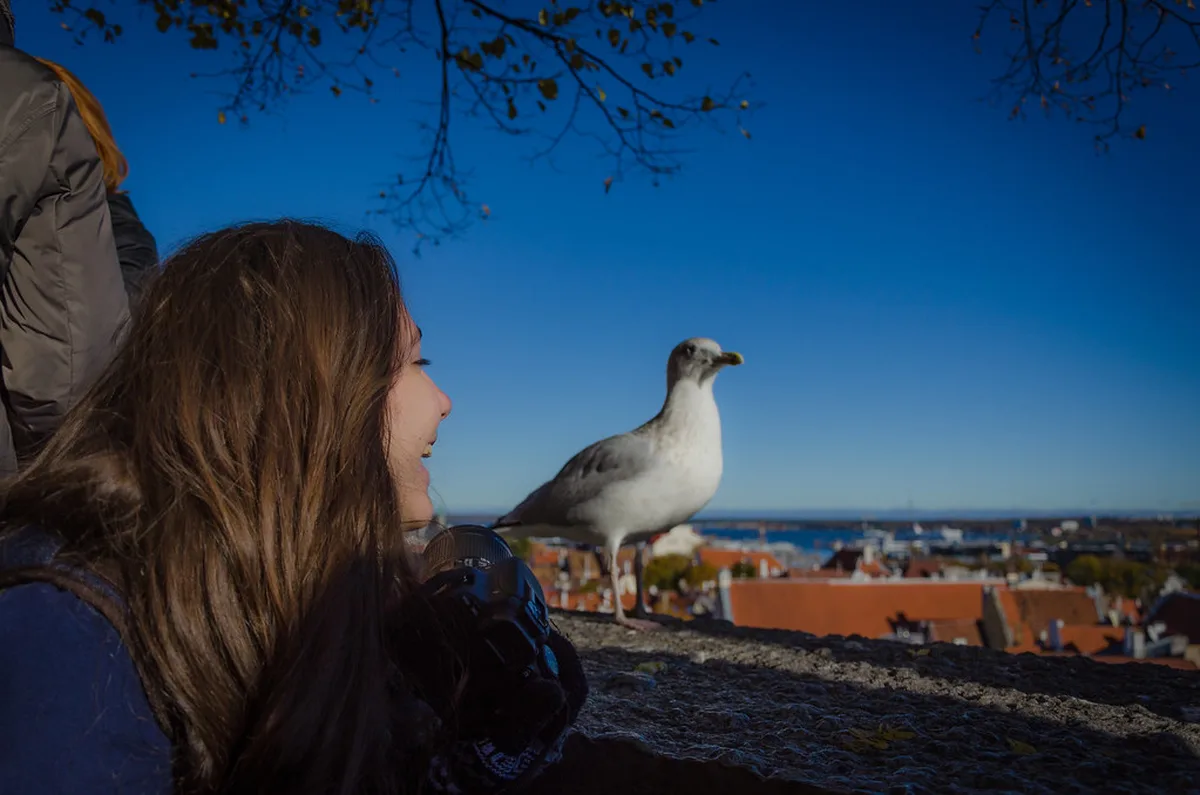
The tours are free to join but run on a tip-only model, which is standard across Europe for this format. A tip of €5–15 per person is considered customary and fair for a quality 2.5-hour tour; the upper end of that range reflects an exceptional guide or a particularly informative day. Pay at the end of the tour in cash or sometimes by card depending on the individual guide. Tipping in Estonian kroons is not possible — Estonia uses the euro exclusively since 2011.
Content on the EstAdventures tour covers the city's most dramatic stories: the Hanseatic merchant era, the occupation and resistance during the Soviet period, medieval guild politics, and the legends behind Tallinn's many towers and gates. Guides are local and speak English fluently; the format suits solo travellers, couples, and small groups well. Groups are generally capped at 20–25 people per guide during peak summer months, so arrive 5–10 minutes early to secure a spot.
Tallinn Free Tour operates as an alternative option, also meeting in the Old Town area. This company offers a similar tip-based model with a slightly different route emphasis, including more time in the Kalamaja and Telliskivi districts beyond the walls. Both operators are reputable and receive strong reviews in 2026 — choose EstAdventures if your priority is the medieval core, or Tallinn Free Tour if you want to see more of contemporary Tallinn beyond the Old Town walls.
For travellers who prefer a self-paced experience, Smart-guide.org offers a downloadable audio guide for the Tallinn Old Town route. The app is available on iOS and Android and costs around €4–6 for permanent access. It is a practical option if you prefer to linger at each stop without following a group pace. The audio guide covers approximately 15 waypoints and runs for around 2 hours of total audio content.
Private guided walking tours are also widely available in 2026, typically costing €25–50 per person for a 2.5–3 hour session with a licensed local guide. Small group tours (2–6 people) are more affordable per head and allow for a tailored route. Specialist history and photography tours run at the higher end of the pricing range. Booking in advance via GetYourGuide or Viator is recommended during July and August when availability is limited.
- EstAdventures
- Meeting point: Viru Gate
- Departure times: 11:00 AM and 2:00 PM (summer, daily)
- Duration: ~2.5 hours
- Cost: Free + tip (€5–15 recommended)
- Best for: Medieval history and Soviet-era stories
- Tallinn Free Tour
- Meeting point: Old Town area
- Cost: Free + tip
- Best for: Old Town + Kalamaja districts
- Smart-guide.org Audio Tour
- Format: App-based self-guided
- Cost: ~€4–6
- Best for: Flexible solo exploration
- Waypoints: ~15 stops
- Private Guided Tour
- Cost: €25–50 per person
- Duration: 2.5–3 hours
- Best for: Tailored itineraries, small groups
The Complete 3-Hour Self-Guided Tallinn Walking Tour Route
This numbered route covers 2.5 km of walking time and visits all the essential landmarks of Tallinn's UNESCO-listed Old Town. Budget approximately 3 hours including entry stops. Total optional entry costs with all paid attractions: approximately €30 per person. All waypoints below are accessible on foot from the previous stop in under 10 minutes.
- Viru Gate — Entry Point (free)
Start here at the twin 14th-century limestone towers on the eastern edge of the Old Town. Take 5 minutes to walk through the gate and study the defensive wall sections on either side. This is also the meeting point for all EstAdventures free tours at 11 AM and 2 PM. Walking time to next stop: 3 minutes. - Katariina käik — St Catherine's Passage (free)
Turn south off Vene Street into this narrow 80-metre medieval alley. Local artisan workshops line both sides — glassblowers, leather workers, and bookbinders operate studios here. The passage is always open with no entry fee and is quietest before 10 AM. Walking time to next stop: 5 minutes. - Raekoja plats — Town Hall Square (free, tower €4)
The historic heart of Tallinn since the 13th century. The Town Hall itself dates to the 15th century; climbing the tower costs €4 and rewards you with a panoramic view across the Old Town rooftops. Allow 20–30 minutes at the square including a stop at the Raeapteek pharmacy museum (€3). Walking time to next stop: 3 minutes. - Raeapteek — Town Hall Pharmacy Museum (€3)
One of the oldest continuously operating pharmacies in Europe, dating to at least 1422. The small museum section inside displays medieval remedies and period apothecary equipment. Entry is €3 in 2026. Walking time to next stop: 5 minutes via Niguliste Street. - Niguliste — St Nicholas' Church Museum (€5)
A 13th-century church now functioning as a museum of medieval art. The highlight is a surviving fragment of Bernt Notke's Dance of Death painting from around 1500. Open Tuesday through Sunday; entry is €5 in 2026. Allow 30 minutes for a thorough visit. Walking time to next stop: 8 minutes via Lühike Jalg (Short Leg Lane). - Toompea Hill via Long Leg Lane (Pikk Jalg) — free
Ascend to the Upper Town via Pikk Jalg, the wider carriage ramp that rises gradually between stone walls. The street itself is a photogenic medieval lane worth pausing on. At the top you enter a different world — the noble district that foreign rulers governed Estonia from for centuries. Walking time to next stop: 3 minutes. - Alexander Nevsky Cathedral (free)
The most visually striking building on Toompea — a Russian Orthodox cathedral built in 1900 with dramatic black onion domes. Entry is free; dress modestly with covered shoulders and knees. Candles are available for €1 inside. Allow 15 minutes. Walking time to next stop: 2 minutes. - Toompea Castle Exterior (free)
The pink Baroque facade of Estonia's Parliament building (Riigikogu) faces the cathedral. Admire the exterior and the 45.6-metre Tall Hermann tower (Pikk Hermann) flying the Estonian tricolor. The surrounding courtyard is open to visitors. Walking time to next stop: 5 minutes. - Patkuli Viewing Platform (free)
This western viewpoint looks toward the port and the Baltic Sea beyond — particularly beautiful at golden hour. A steep stone staircase descends from here down to the park below the city walls. Allow 10 minutes. Walking time to next stop: 4 minutes along the Toompea escarpment. - Kiek in de Kök Tower — optional (€7, or €10 combined with bastion tunnel tour)
This 15th-century artillery tower on the southwestern corner of the Old Town walls houses a history museum across six floors. The bastion tunnels beneath the city date to the 17th century and can be combined with the tower ticket for €10. Allow 45–60 minutes if visiting both. The tower is open Tuesday through Sunday. This is the final stop before descending back toward Viru Gate to complete the loop.
Total optional entry costs: Town Hall tower €4 + Pharmacy €3 + St Nicholas' €5 + Kiek in de Kök + tunnel €10 = approximately €22 in entries. Add €8–10 for lunch or coffee and your 3-hour self-guided walk comes in at roughly €30 per person all-in. Skipping paid entries reduces the total to under €5 for the walk itself.
For a shorter version of this route, skip waypoints 4 and 10 and walk directly from Town Hall Square to Pikk Jalg. This condensed 2-hour version costs around €5–9 and still covers all the essential outdoor highlights. See our Tallinn Old Town guide for additional tips on navigating the medieval district.
Discovering Hidden Courtyards and Passages
The Masters' Courtyard (Meistrite Hoov) is a quiet oasis tucked away from the busy main streets at Vene 6. It features a famous chocolate shop that serves handmade truffles in a cozy courtyard setting. Quiet benches allow travelers to rest while admiring the historic wooden architecture of the inner yard. Entry to the courtyard itself is free; the chocolate shop and café inside operate at standard prices. Allow 15–20 minutes to browse the artisan studios and enjoy the peaceful atmosphere that contrasts sharply with the crowds on the main tourist routes.
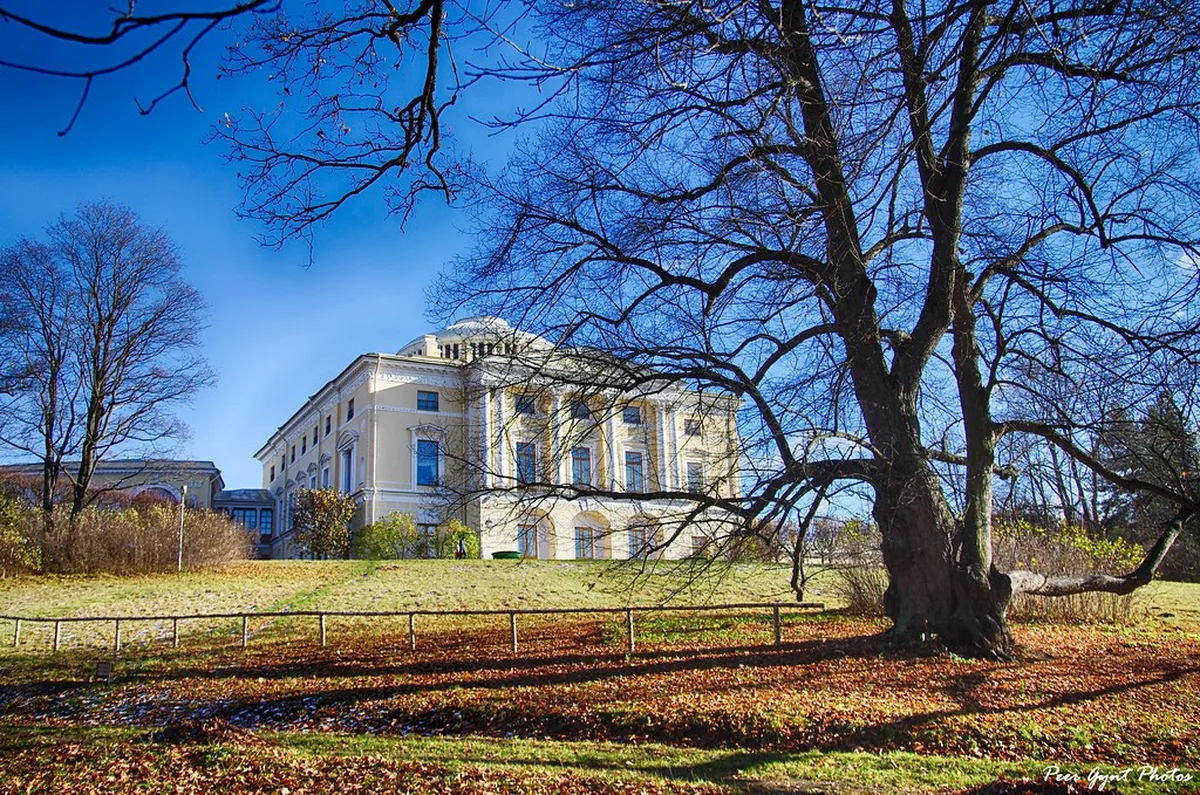
The Danish King's Garden (Taani Kuninga aed) tells the legend of how the Danish flag fell from the sky here in 1219. Bronze statues of faceless monks stand watch over this peaceful terrace overlooking the city. It remains one of the best spots to view the Kiek in de Kök cannon tower from above. The garden is free to enter and open daily; it takes about 5 minutes to walk here from the Kohtuotsa viewing platform. Morning visits before 9 AM are particularly atmospheric when the mist sits low over the Lower Town rooftops below.
Short Leg (Lühike Jalg) and Long Leg (Pikk Jalg) streets are the two primary paths connecting the Lower and Upper towns. Lühike Jalg is a narrow, steep staircase of approximately 50 stone steps while Pikk Jalg is a wider cobbled ramp that could historically accommodate horse-drawn carriages. Walking both paths gives you a full sense of the city's medieval urban planning and the social divide between the merchant class below and the ruling nobility above. Both routes are free and open 24 hours; allow 5 minutes per ascent or descent.
The Bremeni Tower area and the accessible sections of the city wall allow you to see the original defensive thickness — some sections measure up to 3 metres wide. Short sections of the wall walk are open for a small fee of around €5 in 2026. Climbing the narrow stone steps provides a unique aerial view of the rooftops within the fortified perimeter. The wall walk connects the Hellemann Tower in the east with sections running south toward Kiek in de Kök, a walk of approximately 200 metres at elevation.
Pikk Street runs north from the Old Town core and is worth exploring after descending from Toompea. This long merchant street contains several of Tallinn's finest guild houses — the Great Guild Hall (now the Estonian History Museum, entry €7) and the Brotherhood of Black Heads building (exterior free) are the most notable. The Church of the Holy Ghost at the southern end of Pikk Street displays the city's oldest surviving public clock on its facade. Walking Pikk Street from south to north takes around 10 minutes and delivers a quieter, less crowded experience than Town Hall Square. If you want to extend your walk into the modern creative districts beyond the walls, our Tallinn nightlife guide covers the Telliskivi and Kalamaja neighbourhoods in detail.
Essential Tips for Your Walking Route
Sturdy footwear is the single most important piece of preparation for any tallinn walking tour. The uneven cobblestones — particularly on Pikk Jalg and Lühike Jalg — can be very difficult to navigate in thin sandals or high heels. Sneakers or boots with good grip and thick soles will make your 4 km main loop comfortable. If you plan to descend via the Patkuli stairs, note that wet cobblestones become slippery after rain, so rubber-soled shoes are strongly recommended year-round. Women in particular should avoid heels entirely on the steeper staircase sections.
Timing your visit can significantly change the atmosphere of the narrow medieval streets. Arrive before 9:00 AM to enjoy the town before the large cruise ship groups appear — Tallinn receives significant cruise traffic from May through September, with up to five ships docking simultaneously on peak days. Early mornings offer the best light for photography and much shorter lines at major attractions including the Town Hall tower and the viewing platforms. The golden hour immediately after sunrise between 6:00–7:30 AM in summer creates exceptional lighting conditions on the limestone walls.
Choosing between a free tour and a private guide depends on your personal interests and budget. Free tours (EstAdventures, tip-based, €5–15 recommended) provide an excellent general overview and suit budget travellers well. Private guided tours in 2026 typically run €25–50 per person for a 3-hour session with a licensed local guide who can tailor the route to your pace and interests. For families with children, private tours that include storytelling and interactive elements tend to work better than the group free tour format.
Safety in the Old Town is generally very high for all types of travelers. You should still keep an eye on your belongings in crowded areas like the main square, particularly during busy festival days when pickpocketing risk increases marginally. The cobblestone streets are well-lit until late evening during summer months. Read our guide on is Tallinn safe for tourists for more security tips specific to Estonia's capital.
Weather preparation is essential in Tallinn regardless of season. Estonian weather changes quickly — a sunny morning can turn overcast within an hour. Pack a waterproof layer even during summer, and bring sunscreen during June and July when daylight can extend until 11 PM. Winter walking tours (November–February) require heavy insulation; temperatures can drop to -15°C in January. The cobblestones freeze in winter and are treated with sand rather than salt to protect the historic stone surface.
Budget planning for your walking tour day: free self-guided walk with no entries costs €0; self-guided with all major entries (pharmacy €3, St Nicholas' €5, Town Hall tower €4, Kiek in de Kök + tunnel €10) totals approximately €22; a guided free tour with a generous tip (€15) plus lunch at a mid-range restaurant (€15–20) brings a typical day total to €35–40 per person. Planning a comparison trip to another Baltic capital? Our Tallinn vs Riga guide breaks down costs, attractions, and walking experiences side by side.
Extending Your Walk Beyond the Walls
Telliskivi Creative City is just a ten-minute walk from the main train station (Balti jaam), making it an easy add-on after completing the Old Town loop. This former industrial complex from the Soviet era now houses trendy boutiques, street art installations, independent galleries, and a rotating schedule of weekend markets. It represents the contemporary side of Estonian culture and attracts a younger local crowd. The main building cluster along Telliskivi Street is always open as an outdoor precinct; individual shops and cafés operate from around 11 AM daily.
The Balti Jaam Market (Baltic Station Market) offers a fantastic variety of local food, vintage goods, and Estonian handicrafts. You can try traditional black bread, local smoked fish, or modern fusion dishes in the renovated food hall on the upper level. The market operates Thursday through Sunday and serves as a perfect lunch spot after finishing your tour of the Upper Town. Budget €8–15 per person for a satisfying lunch with a drink at one of the food stalls.
Rotermann Quarter showcases how modern architecture can blend sensitively with old industrial heritage. The sleek glass and steel buildings designed by leading Estonian architects stand between renovated 19th-century grain elevators and brick warehouses. This area is excellent for high-end shopping, contemporary design stores, and upscale dining options in the evening. The quarter is a 5-minute walk east from the main Old Town entrance near Viru Gate.
St Olaf's Church tower (Oleviste kirik) is one of the most underrated stops on any extended Tallinn walk. The church dates to the 13th century and at one point in the 16th century was the tallest building in the world at 159 metres. The tower can be climbed for €5 in 2026 — 232 steps lead to a viewing platform with arguably the best 360-degree views in the entire city. The church itself is on the northern edge of the Old Town and takes around 10 minutes to walk from Viru Gate.
Day trips from Tallinn extend the walking experience into the Estonian countryside and coastline. Lahemaa National Park, 70 km east of Tallinn, offers coastal walking trails through bog landscapes and historic manor estates. Paldiski, 45 km west, provides a hauntingly empty Soviet-era submarine base to explore. Our day trips from Tallinn guide covers 10 options with transport times and costs for each. For summer visitors, our Tallinn beach guide maps the nearest sandy shores reachable within 30 minutes of the city centre.
The nightlife in the surrounding districts offers a more local vibe than the tourist bars inside the walls. You can find craft beer pubs and hidden cocktail lounges within walking distance of Viru Gate — the Kalamaja and Telliskivi neighbourhoods are particularly active from Thursday through Saturday. Our Tallinn nightlife guide can help you plan your evening activities after your walk concludes.
Frequently Asked Questions
Is there a free walking tour in Tallinn?
Yes — EstAdventures runs a free walking tour in Tallinn that meets daily at 11 AM and 2 PM at Viru Gate (Town Hall Square area) in summer 2026. The tour is tip-based rather than pre-paid; a tip of €5–15 per person is the standard range depending on your experience and the quality of the guide. Tours last approximately 2.5 hours and cover the major Old Town highlights including Town Hall Square, Toompea Hill, and the medieval defensive walls. Tallinn Free Tour is a second operator with a similar model that also ventures into contemporary neighbourhoods like Kalamaja and Telliskivi.
How long does a Tallinn Old Town walking tour take?
A self-guided Tallinn Old Town walking tour covering the main 2.5 km loop takes 2–3 hours at a relaxed sightseeing pace. Adding paid entries (Town Hall tower, St Nicholas' Church museum, Kiek in de Kök tower) extends the total time to 3–4 hours. The EstAdventures guided free tour runs approximately 2.5 hours with stops for storytelling. If you combine the Old Town with extended areas like Telliskivi Creative City or Rotermann Quarter, budget a full half-day of 4–5 hours total walking time.
Is the Old Town accessible for people with mobility issues?
The medieval cobblestones and steep hills of Toompea present significant challenges for wheelchairs and strollers. Some main streets are smoother than the narrow side alleys. It is best to plan a route that avoids the steepest stairs like the Patkuli descent and the Lühike Jalg staircase. The Town Hall Square itself is the most accessible central area. Taxis can reach the Upper Town via road, bypassing the staircase routes entirely.
What should I wear for a walking tour in Tallinn?
Comfortable shoes with thick, rubber soles are essential for the uneven cobblestone streets of the Old Town — avoid heels or thin-soled sandals entirely on the steeper staircase sections. Estonian weather can change quickly in any season, so wearing layers is a smart choice. Bring a waterproof jacket even if the morning looks sunny. Sunscreen is necessary during the long daylight hours of summer. In winter (November–February), dress for temperatures as low as -15°C and expect icy cobblestones.
How much do private walking tours cost in Tallinn in 2026?
Private guided walking tours in Tallinn typically cost €25–50 per person in 2026 for a 2.5–3 hour session covering the historic centre and cultural highlights. Semi-private and small group tours (2–6 people) are often cheaper per head. Specialist tours focused on photography, Soviet history, or medieval architecture run at the higher end of the price range. If budget is a priority, the tip-based EstAdventures free tour at Viru Gate is an excellent alternative at just €5–15 tip per person.
How much does it cost to visit Tallinn Old Town in 2026?
The Tallinn Old Town can be explored entirely for free if you stick to outdoor sights — Viru Gate, Town Hall Square, Toompea Castle exterior, Alexander Nevsky Cathedral, and both viewing platforms (Patkuli and Kohtuotsa) are all free to enter. Adding paid attractions brings the cost to approximately €22–30 per person: Town Hall tower (€4), Raeapteek pharmacy museum (€3), St Nicholas' Church museum (€5), St Olaf's tower (€5), and Kiek in de Kök with bastion tunnels (€10). A tip for the EstAdventures free tour (€5–15) is optional but appreciated.
Tallinn offers a rare opportunity to walk through a remarkably intact piece of European history. The combination of medieval architecture and modern creative energy makes every walk exciting. You will leave the city with a deep appreciation for its resilience and beauty.
Remember to look up at the intricate weather vanes and down at the historic doorsteps. Small details often tell the most interesting stories about the merchants who lived here. Take your time to explore the quiet corners away from the main tourist paths.
If you have extra time, consider taking one of the many day trips from Tallinn to see the Estonian countryside. The nearby national parks and coastal villages offer a different view of local life beyond the city walls. Your 2026 walking tour is just the beginning of a fantastic Baltic adventure.