Exploring the Coast: Your Complete Tallinn Beach Guide 2026
Tallinn's best beaches are Pirita (7 km from Old Town, bus 1A or 8, free entry, 2 km of sand), Stroomi (bus 40, shallow and safe for children, free), and Kakumäe (bus 40A, rocky coves, quieter in 2026) — all within easy reach of the city centre.
Tallinn beach season runs June to August with Baltic water temperatures 18–22°C; Pirita watersports hire costs paddleboard €12/hour, kayak €10/hour; nearby Pirita TOP hostel offers beachfront accommodation from €18/night.
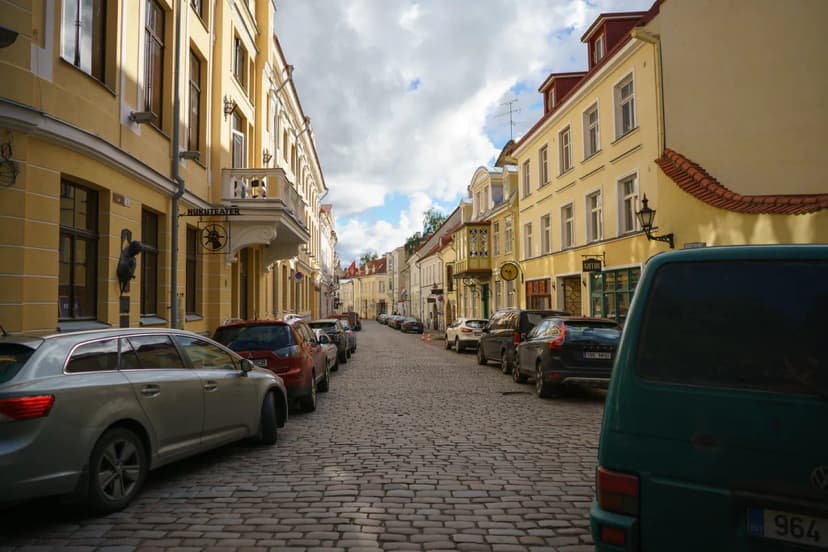
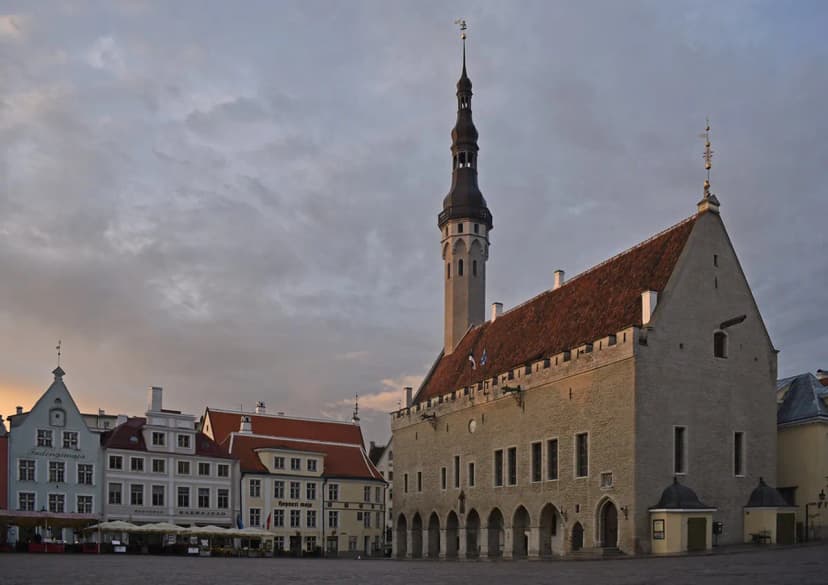
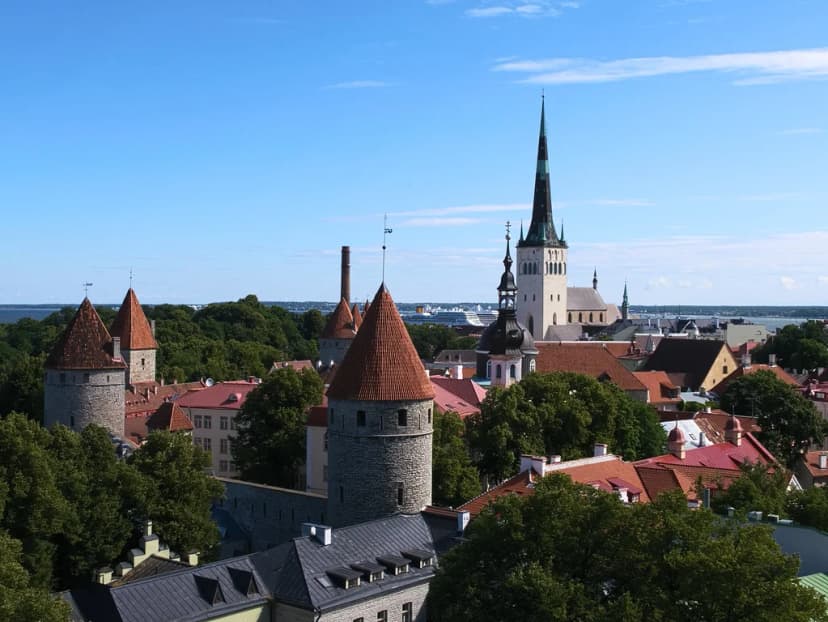
Tallinn is famous for its medieval charm and historic cobblestone streets. However, the sandy shores offer a refreshing summer break for locals and visitors. The Baltic breeze feels wonderful just minutes from the city center. Our comprehensive 2026 guide helps you find the perfect spot for sun and sand along Estonia's Gulf of Finland coastline.
Many visitors combine a beach day with other things to do in Tallinn for a full itinerary. The coastline features diverse options ranging from busy resorts to quiet nature reserves. Each beach provides a unique perspective of the Gulf of Finland. Planning your visit ensures you enjoy the best coastal experiences Estonia has to offer in 2026.
Quick answer: Tallinn's top beaches — Pirita, Stroomi, and Kakumäe — are all free to enter. Reach Pirita in 20 minutes on bus 1A or 8 from the city centre, and expect Baltic Sea water temperatures of 18–22 °C in July–August 2026.
Pirita Beach: The Iconic Tallinn Beach Guide Choice
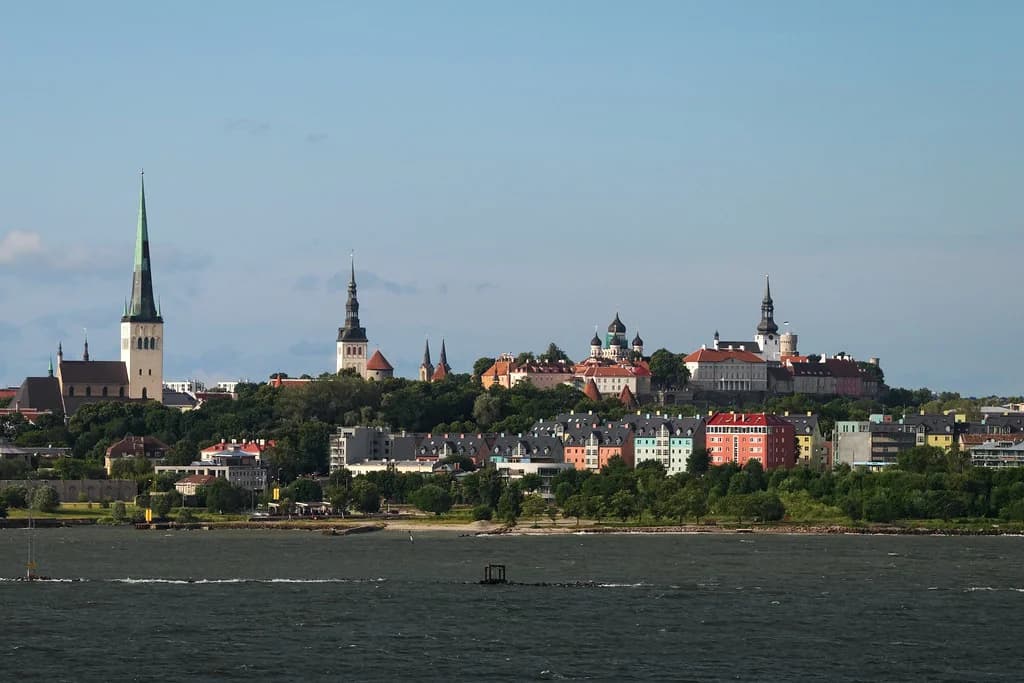
Pirita Beach serves as the most popular coastal destination for residents and tourists alike. Situated approximately 7 km from Tallinn's Old Town, this two-kilometer stretch of fine white sand offers stunning views of passing Baltic ferries and the distant silhouette of the historic city skyline. Walking through the adjacent pine forest provides a cool escape from the midday sun. Most people consider this the primary destination for a classic seaside experience in Tallinn during summer 2026, and it is easy to see why — the beach combines excellent infrastructure with a lively, social atmosphere that few coastal spots in the Baltic region can match.
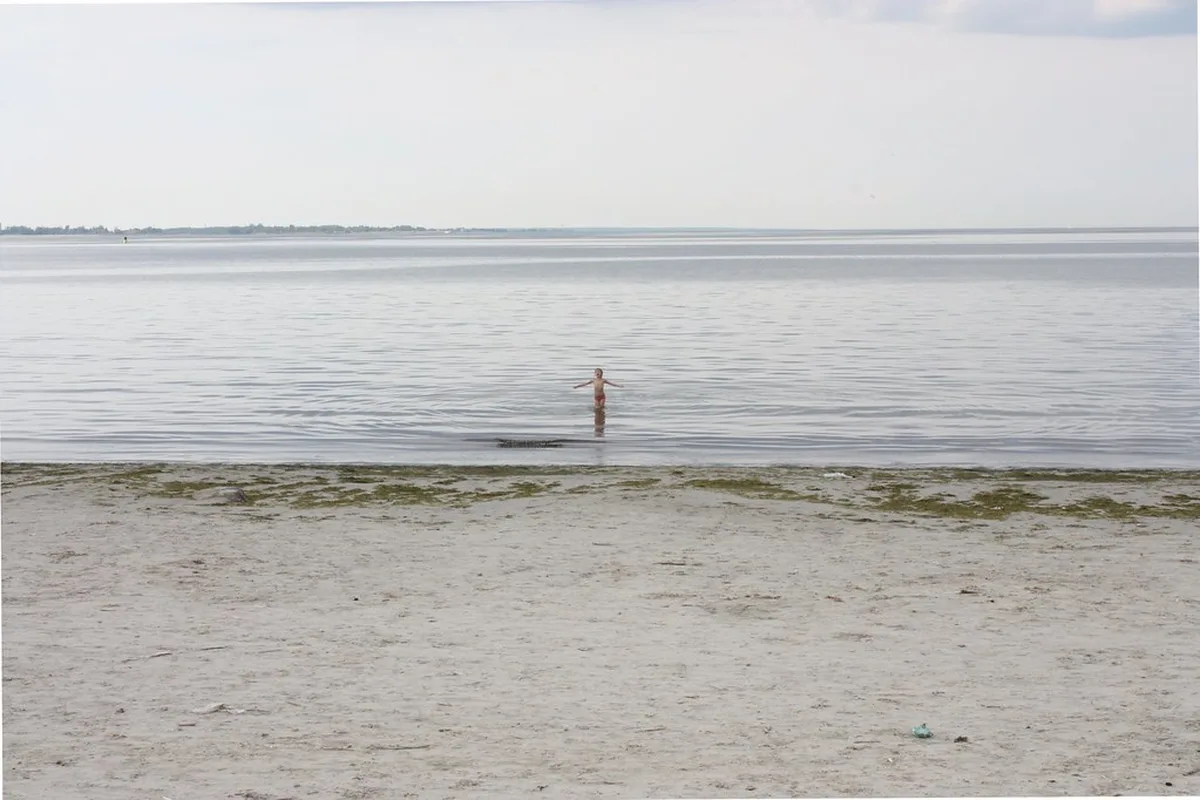
Getting to Pirita is simple using the city's efficient public bus system. Buses 1A and 8 depart regularly from the city centre and reach Pirita in approximately 20 minutes, dropping passengers right at the main beach entrance. The route follows the scenic coastal Reidi tee promenade, offering great views of the Gulf of Finland before you even step onto the sand. Cyclists can also use the dedicated cycle path that runs along the promenade directly from the city center — an enjoyable 30-minute ride on a calm summer morning.
Once on the beach, the activity options are plentiful. Volleyball nets are set up along the shoreline throughout summer, and the area draws both casual players and competitive weekend leagues. Paddleboard hire costs €12 per hour and kayak rental is €10 per hour in 2026, with qualified instructors available for beginners who want a supervised first session on the water. The café row along the northern end of the beach serves everything from ice cream and smoothies to grilled fish and cold Estonian craft beer, with most meals priced between €8–15.
Accommodation options are excellent for those who want to base themselves right on the coast. Pirita TOP hostel offers beachfront beds from €18 per night in 2026, making it one of the most affordable beach-adjacent stays in the entire Baltic region. Drivers will find paid parking near the main beach entrance at around €2–3 per hour in peak season, so public transport is strongly recommended for a stress-free day. The beach area also features modern amenities: changing cabins, coin-operated lockers at €2 per session, and public showers are clustered near the main lifeguard station. Evening visitors might enjoy the local bars that stay open late into the night — check our Tallinn nightlife guide for more after-dark beach options. Watching the sunset over the water is a favourite activity for couples, and the pier view of the city's medieval spires is truly spectacular on a clear summer evening.
Safety at Pirita is well-managed. Professional lifeguards patrol the designated swimming zone throughout June, July, and August, and coloured flag signals indicate daily water conditions clearly. The beach is suitable for confident swimmers but also has roped-off shallow entry points for less experienced bathers. If you want to learn more about general safety across the city, our guide on safety in Tallinn covers everything you need to know.
- Pirita Coastal Services
- Type: Public sandy beach — no entry fee
- Transport: Bus 1A or 8 from city centre (~20 min, ~7 km)
- Water sports: Paddleboard €12/hr, kayak €10/hr (2026)
- Parking: ~€2–3/hr near main entrance
- Accommodation: Pirita TOP hostel from €18/night
- Food: Beach café row + kiosks (meals €8–15)
- Lockers: €2/session at lifeguard station
Stroomi Beach: A Family Favorite in Pelguranna
Stroomi Beach provides a fantastic environment for families looking for shallow, calm waters on Tallinn's western residential side. Located in the Pelguranna district, the area features large grassy parks ideal for picnics and afternoon barbecues. Local families often gather here on warm weekends to enjoy the sheltered bay's gentler water temperatures. The protected geography means the sun heats the water faster than at the more exposed Pirita, making early-season swims more comfortable and the overall experience more family-friendly throughout June and early July in 2026.
From the city center, bus 40 gets you to Stroomi in roughly 15 minutes — a quick, easy ride that makes this beach an excellent choice for a spontaneous half-day outing without planning ahead. The western location also means it tends to attract a quieter, more local crowd than Pirita, giving it a relaxed neighbourhood feel that many visitors find genuinely appealing. The water at Stroomi is notably shallow for a long distance from shore, making it the safest swimming environment in Tallinn for toddlers and young children. Lifeguards monitor the designated swimming zone closely during peak summer months, and parents can relax on the grass while younger kids splash freely in the ankle-deep shallows. The rocky sections at the northern end of Stroomi's shoreline are worth exploring for snorkeling — visibility in the calm, shallow water is often excellent on windless summer mornings.
The surrounding park is one of the most pleasant green spaces on Tallinn's western edge. It includes several designated barbecue spots with fire grates (free to use, bring your own charcoal), long walking trails that connect to other residential green corridors, and paved paths that are popular with inline skaters and joggers. Active travelers can use these trails for cycling — the flat terrain makes it accessible for all fitness levels. Several permanent outdoor gym stations are dotted along the park perimeter and are free to use throughout the year. Beach volleyball courts are set up each summer, and informal games are always welcoming of newcomers. Snack kiosks near the main entrance sell ice cream, hot dogs, and soft drinks at reasonable prices in 2026, typically €2–5 per item.
Stroomi is an excellent pairing with a broader day in west Tallinn. The residential neighbourhood around Pelguranna has several interesting local cafés and bakeries where you can grab lunch before heading to the beach. For visitors looking to combine a beach morning with a heritage afternoon, the nearby Kalamaja district — famous for its wooden architecture — is an easy bus ride away. Stroomi also connects to the broader day-trip network from Tallinn, making it a natural first stop before exploring further along the Estonian coast.
- Stroomi Beach Highlights
- Location: Pelguranna, North Tallinn (western side)
- Transport: Bus 40 from city center (~15 min, free for Tallinn residents)
- Atmosphere: Relaxed, family and local crowd
- Water: Shallow, calm, excellent for toddlers and young swimmers
- Snorkeling: Good at rocky northern end on calm days
- Park: Free barbecue pits, picnic zones, jogging/skate paths, outdoor gym
- Food: Kiosks near entrance (€2–5 per item)
Kakumäe and Pikakari: The Quiet Coastal Alternatives
Kakumäe Beach offers a more secluded, peninsula feel compared to the busy city shores. Situated on a small headland on the western edge of Tallinn, the beach sits within a quiet residential area and delivers a genuine sense of escape — even though it is still firmly within city limits. The rocky coves and sheltered inlets make Kakumäe particularly appealing to those who prefer discovering their own private patch of shoreline rather than sharing a busy strand with hundreds of tourists. The water here is known for being exceptionally clean and clear thanks to the natural filtration of the rocky seabed, and windsurfers and kitesurfers frequently visit this spot when the westerly winds pick up across the bay. In 2026 Kakumäe remains one of the quietest beaches in Tallinn even during peak July weekends, making it an ideal retreat for couples and solo travellers seeking peace over party.
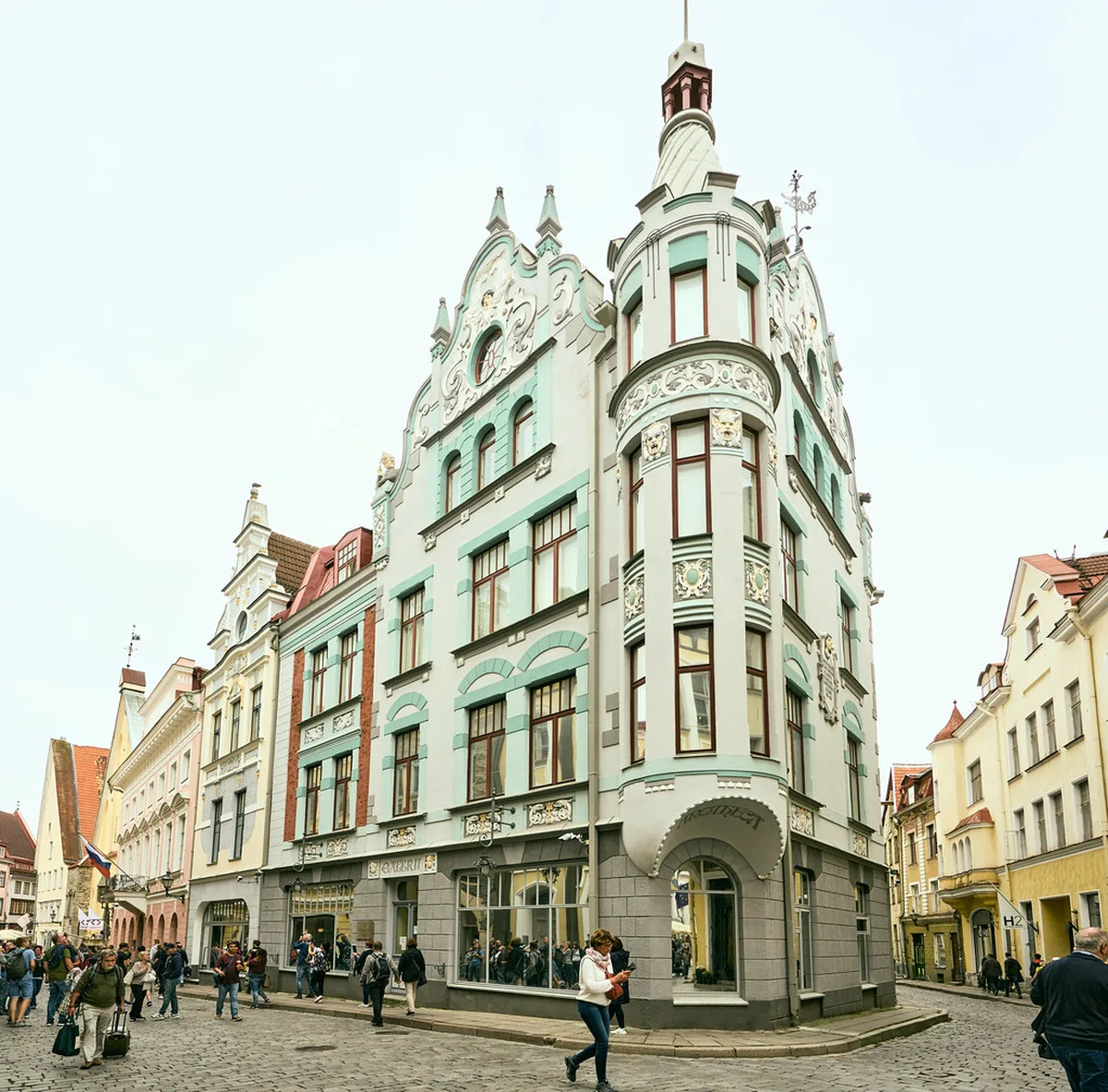
Reach Kakumäe by taking bus 40A from the city centre — the journey takes around 25 minutes and drops passengers within a short walk of the beach access path. Unlike Pirita and Stroomi, there is no commercial infrastructure at the beach itself, so pack your own food, water, and sunscreen before you leave. The absence of kiosks and cafés is precisely what most visitors come here for. A small car park at the headland is free of charge outside peak hours, though it fills up quickly on sunny summer afternoons from late June through August.
Pikakari Beach is another excellent choice for those seeking a unique coastal experience. It sits on the Paljassaare peninsula near a beautiful nature conservation area on Tallinn's north-western edge. The water becomes deep very quickly compared to other local beaches — experienced swimmers will appreciate the challenge. Large waves created by passing cruise ships and Baltic ferries are a famous local attraction, particularly in the afternoon when vessel traffic peaks. Nature lovers will find plenty to do around the Paljassaare area — bird-watching towers provide great views of migratory species in spring, and the hiking trails lead through diverse landscapes including coastal wetlands, pine forests, and open meadows. This area feels entirely removed from the busy Tallinn Old Town routes and rewards those willing to make the extra effort to reach it.
Reaching Pikakari requires a bit more planning. Bus 59 departs from the central bus station and connects to the Paljassaare area. The extra effort is well rewarded with genuine peace, pristine natural surroundings, and almost no crowds even during the peak of the 2026 summer season. Both Kakumäe and Pikakari suit adventurous travellers who have already visited Pirita and Stroomi and want to discover a less-touristed side of Tallinn's coastline. Bringing a picnic is strongly recommended for both beaches — the natural settings make al fresco dining especially enjoyable.
- Hidden Gem Comparison
- Kakumäe: Bus 40A, peninsula setting, rocky coves, windsurfing/kitesurfing, free parking
- Pikakari: Bus 59, deep water, wave action from passing ships, nature reserve walks, birdwatching
- Facilities: Minimal at both — bring your own food, water, sunscreen
- Vibe: Peaceful, natural, local
- Crowds: Low to moderate even in peak July–August 2026
Pärnu Beach: Estonia's Summer Capital as a Day Trip from Tallinn
If you have a spare day and want to experience what is arguably the finest sandy beach in Estonia, Pärnu is the definitive answer. Located 130 km south of Tallinn, this coastal resort town is widely known as Estonia's unofficial "summer capital" and draws both local families and Scandinavian visitors every July and August. The long, flat Pärnu Beach stretches for 5 km and is backed by a relaxed promenade of cafés, ice cream stands, and elegant spa hotels — a resort experience with a distinctly Baltic character that sets it apart from the city beaches near Tallinn.
Getting there by bus is straightforward and affordable. Lux Express coaches run multiple daily departures from Tallinn Bus Station (Bussijaam) and cover the journey in approximately 2 hours. One-way tickets cost around €8–10 depending on how far in advance you book — purchasing online at least a few days ahead consistently yields the best fares. Return bus options run throughout the day with the last departure typically around 21:00, giving you a full beach day before heading back to Tallinn. Seats sell out quickly on summer weekends in July and August, so booking as early as possible is essential for 2026 summer travel planning.
On arrival, Pärnu Beach itself is free to access — there is no gate, no ticket booth, and no reservation required. The beach is notably less crowded than Pirita on weekday mornings even in peak season, and the resort infrastructure around it is more developed than anywhere else in Estonia. Sun loungers and parasol sets are available to hire from beach operators at around €5–8 per day — a worthwhile investment if you plan to spend the full afternoon relaxing in the sun. Drivers arriving by car will find paid parking near the beach promenade; arriving before 10:00 AM in July and August is strongly recommended to secure a spot.
Pärnu is famous throughout Estonia and among Baltic spa tourists for its mud spa treatments. The town has several established wellness centres offering half-day packages built around therapeutic Baltic mud wraps. Tervise Paradiis spa offers mud wrap treatments starting from €25 per session, with combined packages including sauna, pool access, and relaxation lounge use available from approximately €45–65. Booking spa slots in advance online is recommended during July peak season as popular morning slots fill quickly.
Beyond the beach and spa, Pärnu Old Town is an easy free walk from the shore. The 17th-century Red Tower (Punane torn), the elegant timber-framed merchant houses along Rüütli street, and the tree-lined promenade through Rannapark are all within 15 minutes of the beach on foot. The Old Town walk takes roughly 60–90 minutes at a leisurely pace and is entirely free. Local restaurants along Rüütli street serve Estonian favourites including smoked fish, elk stew, and fresh berry desserts — budget around €15–25 for a two-course lunch at a mid-range restaurant in 2026.
The best window for a Pärnu trip is late June through August, when water temperatures along this southern stretch of the Estonian coast reach their annual peak and resort facilities operate at full capacity. Pärnu is notably quieter than Pirita on the same summer weekend — the longer journey deters day-trippers and gives the resort a more relaxed, resort-town pace. For visitors comparing Baltic coastal options, Pärnu offers more resort infrastructure, a longer beach, and better spa facilities than any of Tallinn's city beaches, making it the standout choice for a dedicated beach day in 2026.
Quick answer: Pärnu Beach is 130 km from Tallinn — take a Lux Express bus (€8–10, ~2 hours) for Estonia's best sandy beach (5 km, free entry), with sun loungers at €5–8/day, mud wraps at Tervise Paradiis from €25, and free Old Town walking. Best July–August 2026.
- Pärnu Day Trip Essentials
- Distance: 130 km south of Tallinn
- Bus: Lux Express from Tallinn Bussijaam — ~2 hrs, €8–10 one-way (book ahead)
- Return: Last bus back ~21:00 (check timetable in advance)
- Beach: 5 km sandy beach, free entry, open all day
- Sun loungers: ~€5–8/day from beach operators
- Mud spa: Tervise Paradiis from €25 (mud wrap), full packages €45–65
- Old Town walk: Free, ~60–90 min, highlights Red Tower + Rüütli street
- Lunch: €15–25 at mid-range restaurant on Rüütli street
- Best season: Late June–August 2026
Essential Tips for Your Tallinn Beach Guide 2026
Timing your visit is crucial for the best Estonian beach experience. The peak swimming season runs from late June through August. Water temperatures in the Baltic Sea peak at 18–22 °C in July and August, though June and September can feel noticeably cooler at 14–16 °C. Many locals find the brisk water refreshing during hot July afternoons, and the long Nordic daylight hours — with sunset past 22:00 at midsummer — mean beach sessions can extend well into the evening without losing the light.
Public transport is the most convenient and cost-effective way to reach any coastal spot in 2026. Tourists should purchase a QR ticket online or use a contactless bank card — both are accepted on all Tallinn buses. Download the Tallinn Transport app to track bus arrivals in real time and plan connections. Note that registered Tallinn residents travel for free on public transport, while visitors pay the standard fare of approximately €2 per journey. A 24-hour visitor transport card costs around €5 and covers unlimited bus travel across the entire city network — excellent value if you plan to visit multiple beaches in a single day.
Packing the right gear will make your beach day significantly more comfortable. The Baltic climate can surprise visitors with rapid weather changes even in high summer. Always bring a sturdy windproof jacket — the coastal breeze can feel quite chilly even when the inland temperature is warm. High-SPF sunscreen is necessary even on overcast days due to elevated UV levels at northern latitudes. A reusable water bottle saves money and reduces plastic waste at beaches where tap water facilities are available. For remote spots like Kakumäe or Pikakari, pack your own snacks and lunch as commercial facilities are absent.
If you want wilder shores beyond the city limits, there are many wonderful day trips from Tallinn that lead to quieter beaches and coastal nature reserves. Lahemaa National Park offers sandy bays surrounded by massive glacial boulders and almost zero crowds even in peak season. These locations provide a deeper look into Estonia's rugged coastal beauty and suit travellers who prefer natural landscapes over resort infrastructure.
For visitors curious about how Tallinn compares to other Baltic capitals as a summer destination, our Tallinn vs Riga guide covers the beach access, transport, and overall summer experience differences between the two cities in detail.
- Beach Day Packing List 2026
- Must-have: Windproof jacket (Baltic coastal wind is real)
- Protection: High SPF sunscreen (UV high even on cloudy days)
- Payment: Contactless card or QR ticket for bus (~€2/journey)
- Budget: €20–30 covers bus, paddleboard hour at Pirita, snack + ice cream
- Remote beaches: Pack own food, water, and sunscreen (no kiosks at Kakumäe/Pikakari)
- Refreshment: Reusable water bottle
Coastal Safety and Local Beach Etiquette
Safety remains a top priority for beachgoers visiting the Estonian capital. G4S lifeguards patrol the main official beaches — Pirita, Stroomi, and Kakumäe — during the summer months from mid-June through August. These beaches are generally very safe with low rates of petty crime, and the lifeguard presence gives families with children particular confidence. In 2026, lifeguard towers at Pirita are staffed from 10:00 to 20:00 daily throughout peak season.
Pay close attention to the flag system used by the beach guards. A green flag means the water is calm and safe for swimming. Yellow indicates that the water may be cold or have small waves, and swimmers should exercise caution. Red flags mean swimming is prohibited due to dangerous conditions or water quality issues — always respect red flags as Baltic currents can strengthen rapidly during storms. Water quality notices are also posted at the main beach entrance boards and updated daily in 2026.
Respecting local rules helps keep the coastline clean and enjoyable for everyone. Smoking is prohibited on the sand at all official city beaches within designated swimming zones. Glass bottles and glass containers are banned at beach areas to prevent injuries from broken shards — decant drinks into plastic or metal cups before heading onto the sand. Always use the provided trash bins to dispose of litter properly; Tallinn City Government runs active beach cleaning teams throughout summer but visitor cooperation is essential.
Dogs are not permitted on the main swimming beaches during the summer season (typically June through August). Look for specific designated dog beaches if you are travelling with a pet — these areas allow animals to swim and run freely without disturbing other visitors. Keeping the environment clean and respectful of local rules ensures these coastal spots remain beautiful for the seasons to come. For a broader overview of etiquette and safety across the city, visit our Tallinn safety guide for tourists.
Frequently Asked Questions
What is the best beach in Tallinn for swimming?
Pirita Beach is widely considered the best for swimming due to its size, sandy shoreline, and full facilities. It offers professional lifeguard services throughout summer 2026 and is easily reached on bus 1A or 8 from the city centre in about 20 minutes. The 2 km stretch of sand, paddleboard hire (€12/hr), and café row make it the most complete beach experience in Tallinn. For a full day out, pair your beach visit with a walk from our Tallinn walking tour guide.
When is the best time to visit Tallinn beaches?
The best time to visit Tallinn beaches is late June through August, when Baltic Sea water temperatures reach 18–22°C and daylight extends past 22:00. July is peak season with the warmest water and most beach facilities operating at full capacity. June and early September are cooler (14–16°C) but much quieter. Avoid visiting before mid-June or after late August if swimming is your main goal — the water will be too cold for comfortable bathing.
Is Pirita beach safe for swimming?
Yes, Pirita beach is safe for swimming when the lifeguard green flag is flying. Professional lifeguards staff the beach from 10:00 to 20:00 daily throughout June, July, and August 2026. The beach uses a colour flag system: green means safe, yellow means caution (cold water or small waves), and red means no swimming. The water is generally calm and clear, making it suitable for confident adult swimmers. Children should always swim in the roped-off shallow zones and be supervised by an adult. For broader safety information across the city, see our Tallinn safety guide.
Are there any free beaches in Tallinn?
Yes, all public beaches in Tallinn are free to enter for everyone. You do not need to pay for access to Pirita, Stroomi, Kakumäe, or Pikakari. Some services like coin-operated lockers (€2/session), paddleboard rentals (€12/hr at Pirita), kayak hire (€10/hr), or sun loungers may carry a fee. Public transport to the beaches costs approximately €2 per journey. Pärnu Beach, 130 km south of Tallinn, is also free to access — just the bus fare (€8–10) is required to get there.
Which Tallinn beach is best for families with young children?
Stroomi Beach is the top choice for families with toddlers and young children. Its sheltered bay stays very shallow for a long distance from shore, lifeguards monitor the swimming zone throughout summer, and the adjacent park has multiple designated barbecue spots and open grassy areas for picnics. The water heats up faster than Pirita due to the protected bay geography, making it comfortable for children even in June. Reach Stroomi via bus 40 from the city center in about 15 minutes — free for Tallinn residents, ~€2 per journey for visitors in 2026.
How do I get to Pirita Beach from Tallinn Old Town?
Take bus 1A or 8 from the city centre — the journey to Pirita takes approximately 20 minutes and follows the scenic coastal Reidi tee promenade, offering great views of the Gulf of Finland along the way. Buses run frequently throughout the day and accept contactless bank cards. Cycling along the Reidi tee promenade is also a popular option on fair-weather days, taking around 30 minutes from the Old Town area. After your beach day, explore the broader city using our Tallinn Old Town guide for the best heritage walking routes.
Tallinn offers a surprising variety of coastal experiences for every type of traveller in 2026. Whether you want the lively resort atmosphere of Pirita (7 km from Old Town, bus 1A or 8, paddleboard €12/hr), the family-friendly calm of Stroomi (bus 40, shallow water, free barbecue pits), the rocky seclusion of Kakumäe (bus 40A, quieter coves, cleaner water), or a full day-trip south to Pärnu's legendary 5 km sandy expanse (Lux Express €8–10, mud wrap from €25 at Tervise Paradiis), the Gulf of Finland coastline delivers unforgettable Baltic summer days. All public beaches are free to enter, bus connections are fast and affordable at around €2 per journey, and the long northern daylight hours are long enough to fit in a full beach session alongside your city sightseeing.
Remember to check local weather and water temperatures before you head out, pack a windproof layer, and book Lux Express tickets to Pärnu well in advance if you are planning a summer weekend trip. If you are planning a broader Baltic itinerary, our Tallinn vs Riga comparison helps you decide how to split your time between the two capitals. The shores of Estonia provide a perfect balance to the medieval historic centre — pack your bags and prepare for a memorable day on the Baltic coast in 2026.