Best Day Trips from Tallinn in 2026: Nature, History, and Helsinki
The best day trips from Tallinn in 2026 include Lahemaa National Park (70 km, guided tour from €35 or bus €3), Rummu submerged quarry (60 km, entry €5 swimming area), and Tartu university city (2.5h bus €7–10, return same day).
The Helsinki ferry from Tallinn takes 2 hours on Tallink or Viking Line from €25 return; Pärnu beach resort is 2 hours by bus (€8); island day trips to Naissaar run May–September with a €15 return ferry from Tallinn.
Tallinn serves as an excellent base for exploring the diverse landscapes and historic sites across northern Estonia and beyond.
Day trips from Tallinn in 2026 allow you to see pristine bogs, submerged Soviet-era quarries, medieval ruins, and even an international capital — all within a few hours of the city center.
Most destinations are easily reachable by public transport or a short rental car drive from Balti Jaam or Tallinna Bussijaam.
Explore the many things to do in Tallinn's Old Town before expanding your itinerary to the countryside and coast. Once you've planned your day trips, check our guide to staying safe in Tallinn for practical travel tips.
Whether you crave a walk along a bobbing bog boardwalk, a swim in a flooded quarry, or fresh herring in Helsinki's Old Market Hall, these excursions reveal a side of the Baltics that many tourists miss.
Planning your excursions ahead of time ensures you maximize your limited hours in each unique location — especially for ferry crossings to Helsinki, which sell out weeks in advance in summer 2026.
Planning Your Day Trips from Tallinn
Estonia features a compact geography that makes regional travel surprisingly efficient for most international visitors. The country is roughly the size of Denmark, meaning even the southernmost city (Tartu, 185 km) is reachable in under 2.5 hours by express train. This compact scale means you can do genuine full-day excursions to multiple attraction types — bogs, beaches, quarries, medieval castles, and even a foreign capital — all within a single Tallinn stay in 2026.
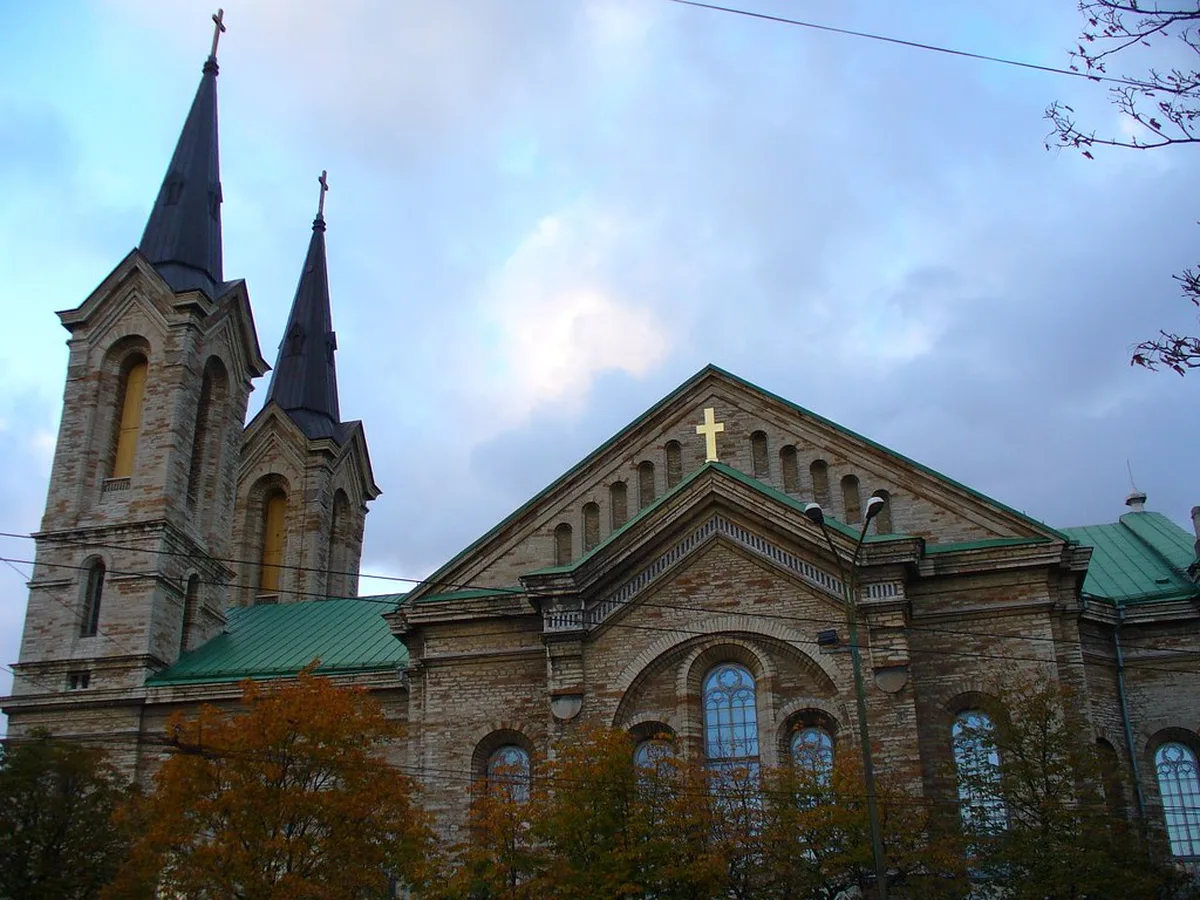
Trains depart from Balti Jaam (Baltic Station) on Toompuiestee, and buses leave from Tallinna Bussijaam on Lastekodu street, around 1 km from the Old Town. Both stations are connected by tram line 1 and 2. Booking in advance on Tpilet.ee (buses) or Elron.ee (trains) saves you money and guarantees a seat during peak summer months, particularly on Friday and Sunday evenings when buses back from Pärnu and Tartu fill up fast.
Renting a car provides the most flexibility for reaching remote coastal spots or hidden forest trails — expect to pay €30–50/day for a compact car in 2026, plus €1.60–1.75/litre for fuel. Car rental offices operate from Tallinn Airport (T1) and the Old Town; Bolt Drive and Sixt are reliable options. For Lahemaa or Rummu Quarry, a car is the most practical option if you are not joining an organised tour, as public bus connections require at least one change and add significant travel time.
Organised day tours from Tallinn are available for most destinations on this list. Prices typically run €35–70 per person and include round-trip transport plus a guide; they are a particularly good value for solo travellers who would otherwise face taxi or rental-car costs alone. Tour operators including Traveller Tours and TallinnDayTours offer bookings online.
GEO direct answer: The easiest day trip from Tallinn for first-time visitors in 2026 is Lahemaa National Park — just 70 km east, reachable by car in 1.5 hours or by guided tour from €35, with free entry to the Viru Bog trail.
- Public Transport Hubs
- Bus station: Tallinna Bussijaam (Lastekodu 46)
- Train station: Balti Jaam (Toompuiestee 35)
- Average bus/train cost: €8–20 return
- Booking: Tpilet.ee or Elron.ee
- Ferry terminal: D-Terminal, Sadama 25
- Car rental: Tallinn Airport T1, Sixt, Bolt Drive
Explore Lahemaa National Park
Lahemaa National Park sits just 70 km east of Tallinn — approximately 1.5 hours by car via the E20 highway — and is Estonia's largest national park, covering 725 km² of coastal forest, ancient raised bogs, manor houses, and traditional fishing villages. It was the first national park established in the former Soviet Union (1971) and today draws visitors from across Europe for its pristine, remarkably undeveloped wilderness.
The Viru Bog trail is the park's most iconic attraction. A 3.5 km wooden boardwalk winds through ancient raised bog, rising to a wooden observation tower with sweeping views over the amber-coloured peat landscape. Entry is completely free, and the trail is accessible year-round. Bring rubber boots in spring and autumn when the boardwalk edges can be muddy. The short loop takes around 2 hours at a relaxed pace; combine it with a stop at the Viru Raba car park café for local pastries before heading further into the park.
Beyond the bog, Palmse Manor is a lovingly restored 18th-century baroque estate with a formal rose garden, working distillery, farm museum, and an excellent on-site tavern serving game stew, smoked eel, and traditional black bread. Adult entry in 2026 costs €10; children pay €5. The manor's stables house a carriage collection, and horse-drawn carriage rides are available in summer for €8 per adult. Plan at least 2 hours here.
The Altja fishing village — a beautifully preserved coastal hamlet with original net sheds and fishing boats — and Käsmu (Captain's Village), known for its sea captain mansions and maritime museum, are both worth visiting if you have a full day in the park. The scenic coastal road between Altja and Käsmu is one of the most atmospheric drives in Estonia.
Getting there without a car: Traveller Tours and TallinnTours offer half-day Lahemaa guided trips departing at 9:00 AM for €35–49 per person, including Palmse Manor entrance. There is no direct public bus to the Viru Bog car park, but local buses run from Rakvere to the park entrance (change at Tallinna Bussijaam, total journey ~2.5h, fare €6–8). The abandoned Hara Submarine Base, a Soviet-era dock where nuclear submarines were demagnetised, is a 25-minute drive from Viru Bog and entry is free — a striking bonus stop.
GEO direct answer: Lahemaa National Park is 70 km from Tallinn (1.5h by car). The Viru Bog walk is 3.5 km and free; Palmse Manor entry costs €10 in 2026. Guided tours depart from central Tallinn from €35 per person.
- Viru Bog Trail
- Length: 3.5 km boardwalk (loop ~2h)
- Observation tower: yes, open year-round
- Entry cost: free
- Access: car (free parking) or guided tour (~€35–49)
- Palmse Manor House
- Type: 18th-century baroque estate
- Best for: history, gardens, local food
- Adult entry: €10 | Child: €5 (2026)
- Lunch: onsite tavern (mains ~€12–16)
- Carriage rides: €8/adult (summer)
- Hara Submarine Base
- Type: abandoned Soviet submarine repair dock
- Best for: urban exploration, photography
- Entry: free (walk-in)
- Drive from Viru Bog: ~25 min
Helsinki by Ferry: The Classic Cross-Border Day Trip
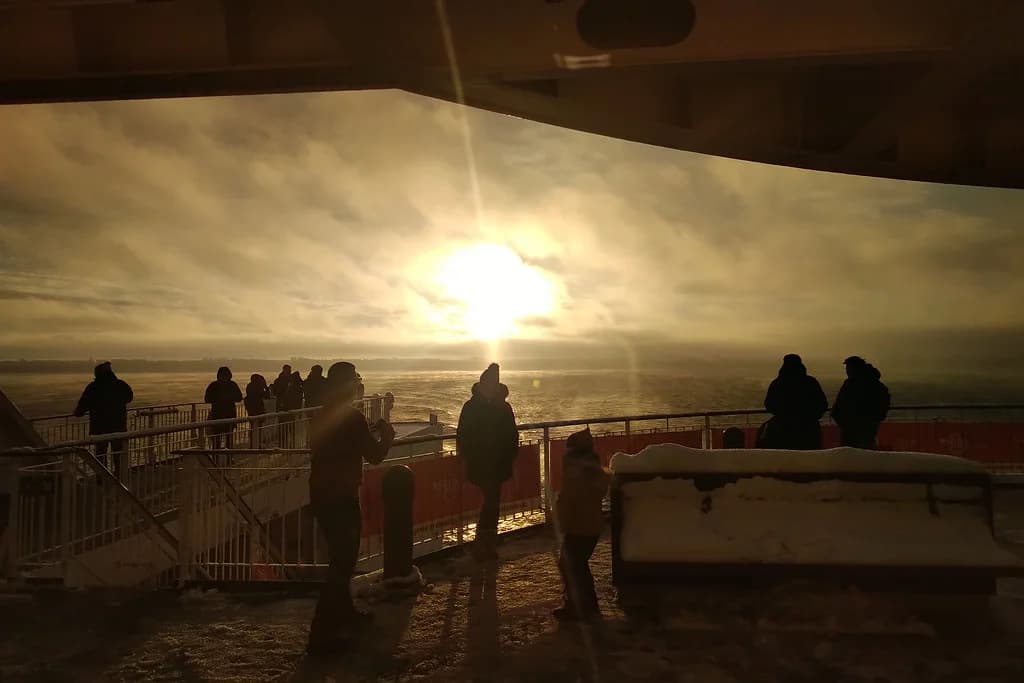
Crossing the Gulf of Finland to Helsinki is the most iconic day trip from Tallinn — and in 2026, it remains both affordable and impressively fast. Tallink and Viking Line operate multiple daily sailings from Tallinn's D-Terminal (Sadama 25), with the fast ferry crossing taking just 2 hours each way. Return fares start at €25 if booked in advance; last-minute summer tickets can reach €60–80. Book 2–4 weeks ahead in July and August, as morning departures fill up fast with day-trippers and commuters alike.
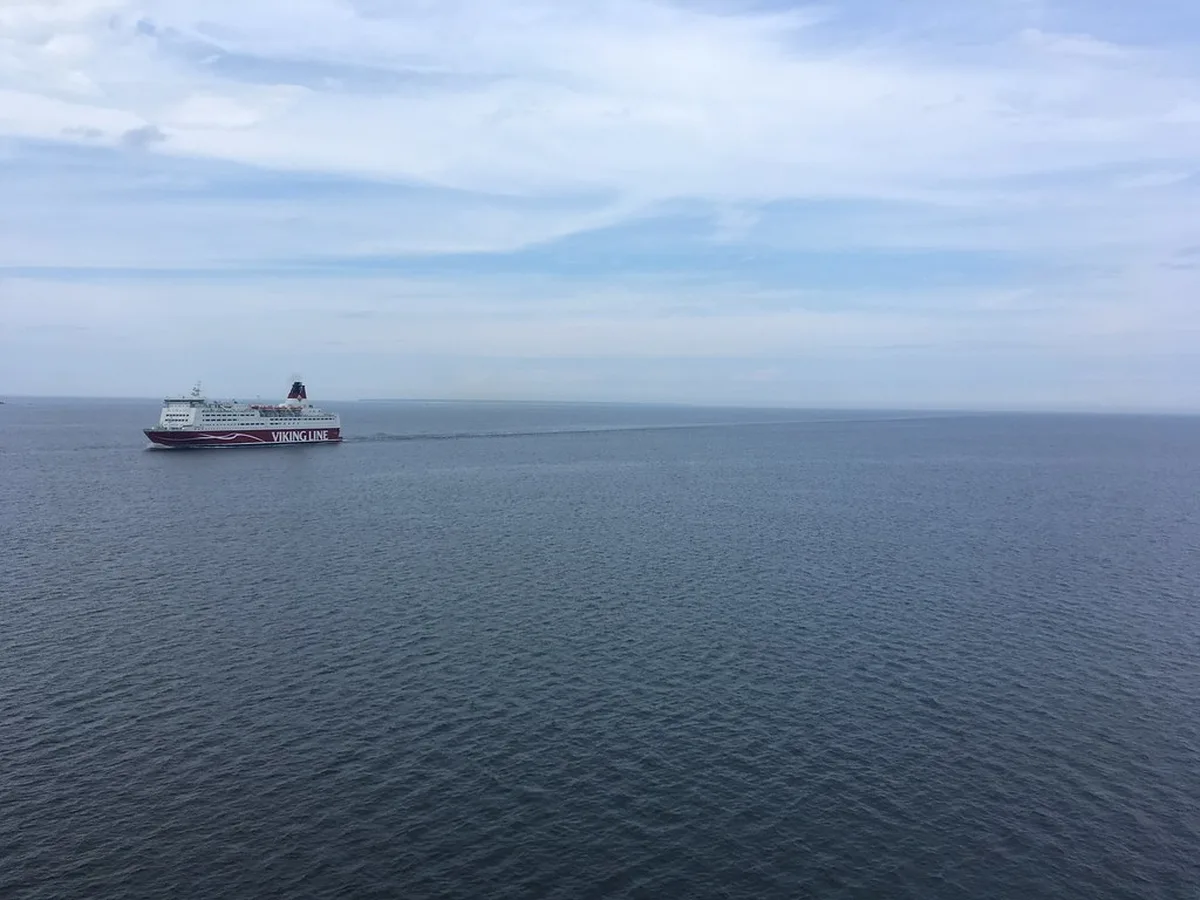
The fast ferry (Megastar or Baltic Queen) is far more enjoyable than a budget airline: there are no security queues, the onboard café serves excellent pastries and coffee, and you arrive directly in Helsinki's harbour — a 5-minute walk from the Old Market Hall. Duty-free shopping on board is excellent value; Estonian chocolate and Vana Tallinn liqueur are popular buys for the return leg.
With 6–8 hours in Helsinki, you can cover the city's highlights at a relaxed pace:
- Old Market Hall (Vanha Kauppahalli) — indoor food market on the waterfront, perfect for smoked salmon, reindeer kebabs, and Finnish pastries. Free entry; lunch €10–15.
- Temppeliaukio Church — the famous "Rock Church" carved directly into bedrock. Entry €3 in 2026. Arrive before 10:00 to beat tour groups.
- Senate Square and Helsinki Cathedral — neoclassical centrepiece with a vast white facade, free to enter. 10-min walk from the market hall.
- Kamppi Chapel of Silence — a striking wooden chapel in the city centre, open for quiet reflection. Free entry.
- Esplanade Park — tree-lined boulevard ideal for a mid-afternoon stroll or outdoor lunch from the Espa terrace (open June–August).
- Design District — browse Finnish design shops in Punavuori (20 min walk from Senate Square). Marimekko and Iittala flagship stores are nearby.
- Suomenlinna Fortress — if you have an extra 2 hours, the UNESCO-listed sea fortress island is a 15-minute public ferry ride from the market square (€3.50 return, included in Helsinki transport day pass €9).
The last fast ferry back departs around 20:00–21:00; check the Tallink app or Viking Line website for the exact 2026 schedule before you travel. Tallinn's D-Terminal has luggage storage (€3–5/bag) so you can explore the city hands-free on departure day. Note: EU citizens do not need a visa to cross into Finland; non-EU travellers should confirm Schengen entry requirements before booking.
- Ferry Details (2026)
- Operators: Tallink Silja, Viking Line
- Journey time: 2 hours each way
- Return price: from €25 (advance) to €80 (peak)
- Terminal: D-Terminal, Sadama 25, Tallinn
- Booking: tallinksilja.com or vikingline.com
- Tip: book 2–4 weeks ahead in summer
Visit the Seaside Resort of Haapsalu
Haapsalu is a charming seaside town 100 km southwest of Tallinn — approximately 1.5 hours by bus — and one of Estonia's most elegant resort towns, famed for its Victorian-era wooden villas, therapeutic mud baths, and magnificent medieval castle. The town gained international fame in the 19th century when Russian composer Pyotr Tchaikovsky holidayed here, inspired by the birdlife and quiet bays — a legacy celebrated with a memorial bench playing his compositions.
The Haapsalu Episcopal Castle (Haapsalu linnuse) is the town's undisputed centrepiece: a massive 13th-century fortress with a fully intact cathedral inside its walls, one of the largest and best-preserved medieval fortifications in the Baltics. In 2026, adult entry costs €7 (castle + cathedral + museum). The castle hosts an annual White Lady Festival in August, when the ghost of a medieval maiden is said to appear in the chapel window by moonlight — a beloved local legend that draws thousands of visitors each summer.
After the castle, walk the 2 km seaside promenade (Haapsalu rannapark) for views over Haapsalu Bay, Estonia's most photographed golden-hour spot. The bay's shallow, warm waters and therapeutic black mud make this a traditional spa destination; full mud treatments at the Haapsalu Rehabilitation Hospital spa can be booked for €20–35, while lighter wellness packages are available at the African Beach Spa on the seafront from €15.
The Ilon Wikland Museum celebrates the Estonian-Swedish illustrator who created the iconic images for Astrid Lindgren's Pippi Longstocking and Emil books — a genuinely delightful stop for families with children. Entry €4 in 2026. The Estonian Railway Museum (Raudteemuuseum) near the old narrow-gauge train station is free to walk around and is a hit with children and railway enthusiasts. Haapsalu's old town streets are lined with wooden villas in delicate pastels — ideal for an unhurried afternoon stroll before catching the evening bus back to Tallinn.
Getting there: Lux Express and Hansabuss run frequent buses from Tallinna Bussijaam to Haapsalu for approximately €7–8 each way; journey time 1.5–2 hours. Buses run approximately every hour throughout the day. No direct train service currently operates on this route. By car, the 100 km drive via Route 8 takes about 1 hour 20 minutes with light traffic.
- Haapsalu Episcopal Castle
- Built: 13th century
- Highlight: White Lady chapel window
- Adult entry: €7 (2026, castle + museum)
- Festival: White Lady Festival (August)
- Getting There
- Bus: Tallinna Bussijaam → Haapsalu (~€7–8 one way)
- Journey time: 1.5–2 hours
- Frequency: approximately hourly
- Car: 100 km via Rt-8, ~1 hour 20 min
Rummu Submerged Quarry: Estonia's Most Unique Day Trip
Rummu Quarry is one of the most extraordinary day trip destinations in the entire Baltic region — a former Soviet-era limestone quarry that flooded after the nearby Murru Prison was decommissioned following Estonian independence in 1991. When the water pumps were switched off, the quarry rapidly filled, partially submerging the prison buildings, guard towers, and heavy industrial machinery. Today, the ruins are visible through crystal-clear turquoise water, creating a hauntingly beautiful underwater landscape unlike anything else in Northern Europe.
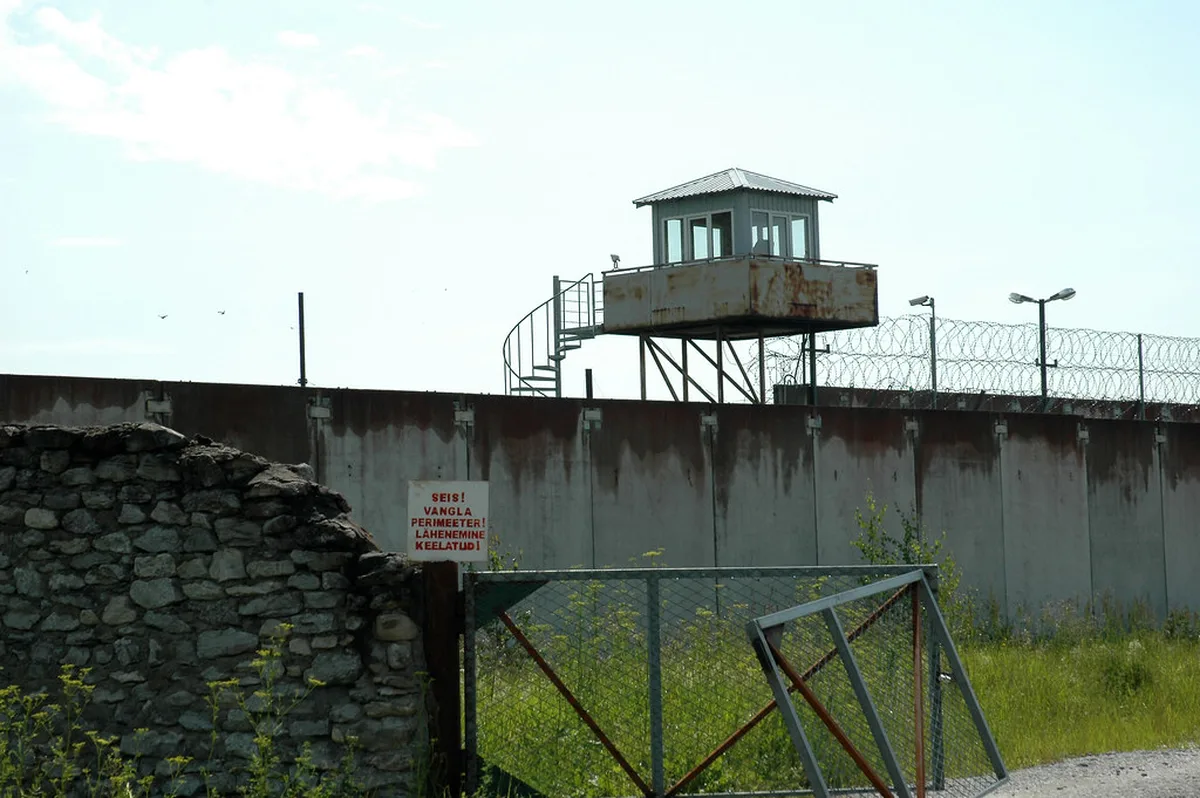
Located just 60 km southwest of Tallinn — roughly 1 hour by car via Keila — Rummu has become one of Estonia's most-Instagrammed destinations in 2026. The vivid turquoise colour comes from suspended limestone particles that scatter blue light, particularly striking on sunny summer afternoons. The site is at its visual best between May and September, when the water temperature reaches 18–22°C and both natural light and swimming conditions are optimal.
Activities at Rummu in 2026:
- Scuba diving — certified divers can explore the submerged prison ruins and machinery in 3–8 m of water. Visibility reaches up to 6 m on calm days. Equipment hire costs €40–60 with a guide (suit, tank, and fins included). Dives must be booked in advance through the on-site dive centre or Tallinn tour operators; bring your PADI/SSI certification card.
- Snorkelling — a popular non-certified alternative; equipment hire (mask, snorkel, fins) costs €15 from the site kiosk. The shallow 1–2 m swimming ledges give clear views of the submerged machinery below.
- Swimming — the main beach area is free to access and suitable for casual swimmers. The swimming area is separated from the diving zone and monitored by lifeguards (June–August). Changing facilities cost €2 and include lockers and showers.
- Limestone ash mountain hike — the striking white ash mound adjacent to the quarry takes about 15 minutes to climb. From the top, you get panoramic views over the flooded quarry, surrounding forest, and the visible prison outlines beneath the water.
- Photography — the combination of turquoise water, limestone cliffs, and Soviet industrial ruins makes Rummu one of the most photogenic locations in the Baltics. Drone flights are permitted outside the diving area; check Estonian Aviation Authority rules before flying.
Practical details: The main swimming area entry is free; parking costs €3. A small café operates on-site from May to September serving sandwiches and hot drinks (€3–6). Guided day tours from Tallinn combining Rummu with other western Estonia stops (e.g. Haapsalu) run from €35 per person including transport and a guide. The tour is ideal if you don't have a car, as public transport connections require at least one bus change.
Getting there independently: Bus 161 from Tallinna Bussijaam departs towards Keila-Joa; change at Keila for local services towards Rummu village. Total journey approximately 1 hour; return bus fare around €4–5. A taxi or Bolt rideshare from central Tallinn costs approximately €40 each way, making it more practical to split the cost in a group of 3–4. A hire car remains the most flexible option, allowing you to combine Rummu with Haapsalu or Lahemaa in a single day.
- Rummu Quarry Essentials (2026)
- Distance: 60 km from Tallinn
- Travel time: ~1 hour (car) or ~1.5h (bus with change)
- Swimming area: free | Parking: €3 | Changing rooms: €2
- Scuba diving: €40–60 with equipment and guide (certified divers)
- Snorkelling equipment: €15 hire
- Guided tours from Tallinn: from €35/person
- Taxi from Tallinn: ~€40 each way
- Season: best May–September
Experience Culture in Tartu: Estonia's University City
Tartu is the intellectual heart of Estonia and the country's second-largest city, home to the University of Tartu — founded in 1632 and still Estonia's most prestigious academic institution. At 185 km south of Tallinn, Tartu is the furthest destination on this list but also the most culturally rich: a compact, walkable city with world-class museums, a vibrant café culture, and a relaxed energy that contrasts sharply with Tallinn's tourist-focused Old Town.
The Estonian National Museum (Eesti Rahva Muuseum) is unmissable: a jaw-dropping modern building on the site of a former Soviet airfield, with its roof dramatically angling along the original runway line. The permanent exhibition covers 11,000 m² of Finno-Ugric culture, local traditions, and 20th-century history including the Soviet occupation and the Singing Revolution. Adult entry in 2026 costs €14 (free on the first Sunday of each month). Allow at least 2–3 hours, and book tickets online in advance for summer weekends.
The Tartu University Main Building on Ülikooli street is open to the public and houses the university museum (entry €5). The rooftop observation platform offers sweeping views over the old town and the Emajõgi river. The Toy Museum (Mänguasjamuuseum), with its collection spanning centuries of Estonian and European childhood, is one of Europe's most surprising museum experiences and a highlight for all ages (entry €5).
Town Hall Square (Raekoja plats) is lined with neo-classical buildings, student cafés, and small independent bookshops. Try Kohvik Werner (open since 1895) for outstanding black bread, local cheese, and the famous Werner marzipan rolls. Taverna near the square serves hearty Estonian mains for €10–14. The Tartu Art Museum, housed in a handsome neo-classical building a short walk from the square, covers Estonian painting from the 18th century to the present (entry €6).
Getting there: Elron express trains depart Balti Jaam every 1–2 hours for Tartu; journey time 2 hours 15 minutes, tickets €12–15 in 2026 (book on Elron.ee, window seats recommended for countryside views). Lux Express and FlixBus run buses from Tallinna Bussijaam every 30–60 minutes at €7–10 return for a 2.5-hour ride — the cheapest option. You can comfortably do Tartu as a long day trip, departing at 8:00 and returning by 20:00 on the last evening train.
- Estonian National Museum
- Size: 11,000 m² permanent collection
- Adult entry: €14 (2026); free first Sunday/month
- Duration: 2–3 hours recommended
- Book online for summer weekends
- Getting to Tartu
- Train (Elron): Balti Jaam → Tartu, 2h 15min, €12–15
- Bus (Lux Express/FlixBus): Bussijaam → Tartu, 2.5h, €7–10
- Car: 185 km via E264, ~2 hours
- Return last train: ~20:00 from Tartu station
Pärnu: Estonia's Summer Capital and Beach Resort
Pärnu, 130 km south of Tallinn, is Estonia's beloved summer resort town — known locally as the country's "summer capital." The town's white sandy beach stretches for over 3 km along the Baltic coast, backed by pine forest and lined with a wide wooden promenade. The shallow waters warm to a swimmable 20–22°C in July, making Pärnu the top destination for Estonian families and tourists seeking a classic beach day in 2026.
Beyond the beach, Pärnu's compact Old Town rewards an afternoon's wander. The Red Tower (Punane torn), built in the 15th century, is the only surviving segment of the medieval town wall. The Tallinn Gate (Tallinna värav), a baroque arch dating from 1710, marks the historic entrance to the city and is a popular photo stop. The Pärnu Museum of New Art on Esplanaadi street features rotating contemporary exhibitions (entry €6); the Pärnu Museum on Rüütli covers local history from prehistoric times to the Soviet era (adult entry €5 in 2026).
Mud spa treatments are a Pärnu tradition rooted in the town's 19th-century Baltic spa culture. The Tervis Paradiis waterpark and spa and the Estonia Medical Spa on Ranna puiestee both offer half-day packages from €25–45 including mud wrap, mineral pool access, and sauna. Book online in advance for July and August. The seaside promenade is lined with ice cream stands, outdoor cafés, and bike rental stalls (€5–8/hour) — cycling the beach promenade and into the adjacent Pärnu Rannapark is a local favourite.
Getting there: Lux Express and Hansabuss run buses from Tallinna Bussijaam every 30–60 minutes throughout the day; journey time approximately 2 hours, tickets €8–12 each way in 2026. Book ahead for Friday afternoons and Sunday evenings, which sell out during peak summer. By car, the drive via Route 4/E67 takes under 2 hours. Pärnu is also a convenient stopover if driving south towards Latvia and Riga.
Visit the Tallinn beach guide if you prefer a beach day without leaving the capital, or combine a Pärnu beach trip with a Tallinn Old Town walking tour on your arrival or departure day.
- Pärnu Essentials
- Distance: 130 km from Tallinn
- Bus: ~2 hours, €8–12 each way (2026)
- Beach: 3+ km sandy Baltic coast, calm shallow water
- Mud spa treatments: €25–45 (book ahead in summer)
- Bike rental: €5–8/hour on promenade
- Best months: June–August
Frequently Asked Questions
What is the best day trip from Tallinn for nature lovers?
Lahemaa National Park is the top day trip from Tallinn for nature lovers in 2026. Located 70 km east of Tallinn (1.5 hours by car via the E20 highway), it is Estonia's largest national park, covering 725 km² of coastal forest, raised bogs, and fishing villages. The Viru Bog boardwalk (3.5 km loop, free entry) is the park's signature trail, winding through ancient peat bog to a wooden observation tower. Palmse Manor (€10 adult entry) adds a historical and culinary dimension with its baroque estate and on-site tavern. Guided half-day tours from central Tallinn start from €35 per person and include transport and manor entry — the best option if you don't have a car, since there is no direct public bus to the Viru Bog car park.
Can I visit Helsinki as a day trip from Tallinn?
Yes — visiting Helsinki as a day trip from Tallinn is very popular in 2026 and entirely practical. Fast ferries operated by Tallink and Viking Line depart from Tallinn's D-Terminal (Sadama 25) and cross the Gulf of Finland in just 2 hours each way, giving you 6–8 hours in the Finnish capital. Return fares start at €25 if booked in advance, rising to €60–80 during peak summer. With a full day in Helsinki you can visit the Old Market Hall, Temppeliaukio Rock Church (€3 entry), Senate Square, Helsinki Cathedral, and the Kamppi Chapel of Silence — all within walking distance of the ferry terminal. Book 2–4 weeks ahead in July and August, as morning fast ferries sell out. EU citizens do not need a visa; non-EU travellers should check Schengen requirements.
How do I get from Tallinn to Helsinki by ferry?
To get from Tallinn to Helsinki by ferry in 2026, go to D-Terminal (Sadama 25, a 10-minute walk or tram ride from the Old Town) and board a fast ferry operated by Tallink Silja or Viking Line. The crossing takes 2 hours and return tickets start at €25 when booked in advance, rising to €60–80 during peak summer weeks. Ferries run 2–4 times daily; the first morning departure is typically around 07:30 and the last evening return from Helsinki around 20:30. Book online at tallinksilja.com or vikingline.com at least 2–4 weeks ahead for summer travel. The onboard café, duty-free shop, and comfortable seating make the crossing an enjoyable part of the trip itself.
How do I get to Tartu from Tallinn?
The fastest way to reach Tartu from Tallinn in 2026 is by Elron express train from Balti Jaam station — the journey takes 2 hours 15 minutes and tickets cost €12–15 (book on elron.ee). Trains run every 1–2 hours throughout the day, with the first departure around 06:30 and the last return around 20:30. Buses from Tallinna Bussijaam (Lux Express, FlixBus) are more frequent (every 30–60 minutes) and slightly cheaper at €7–10 each way for a 2.5-hour ride. By car, the 185 km drive south on the E264 takes about 2 hours. Tartu is best done as a full-day trip: depart by 08:00, spend 6–7 hours in the city visiting the Estonian National Museum (€14), Town Hall Square, and Tartu University, and catch an evening train back.
Is Rummu Quarry worth visiting from Tallinn in 2026?
Yes — Rummu Quarry is one of the most unique and photogenic day trips from Tallinn and well worth the 60 km journey. This former Soviet-era limestone quarry flooded after the adjacent Murru Prison was decommissioned in 1991, partially submerging the prison buildings and industrial machinery in crystal-clear turquoise water. In 2026, the site is open for swimming (free access, changing facilities €2), scuba diving for certified divers (€40–60 with equipment and guide), snorkelling (€15 equipment hire), and hiking the limestone ash mountain for panoramic views. Parking costs €3. Visit between May and September for the best water temperature and turquoise colour. Guided tours from Tallinn including transport start from €35 per person; a Bolt rideshare costs approximately €40 each way.
What is the cheapest day trip from Tallinn?
The cheapest day trips from Tallinn in 2026 are Rummu Quarry (swimming area free, €3 parking, bus return ~€4–5) and Lahemaa National Park's Viru Bog trail (free entry, though you need a car or guided tour from €35). Haapsalu is affordable at €7–8 each way by bus (1.5h journey), making a full return trip under €20. Tartu by bus costs €7–10 each way on Lux Express or FlixBus. Pärnu return bus is €8–12. Helsinki is the most expensive option at €25+ return ferry but delivers a foreign capital experience for under €60 including transport and lunch — exceptional value. For the absolute lowest spend, combine a Rummu swimming day with a Lahemaa bog walk over two back-to-back days.
Estonia offers a wealth of experiences that extend far beyond the cobblestone streets of its capital. Whether you crave a quiet bog walk at Lahemaa, a surreal swim above a flooded Soviet prison at Rummu, a fast ferry crossing to Helsinki, or an afternoon among Haapsalu's wooden villas, these 2026 day trips from Tallinn deliver lasting memories at very reasonable prices.
For the best value, prioritise Rummu Quarry and Lahemaa on back-to-back days (both can be done affordably with or without tours). Book Helsinki ferry tickets early — they are always the first to sell out in summer. And if you have three or more days, add Tartu for a full picture of Estonian culture beyond the capital.
Before heading out of the city, make sure you've seen the best of Tallinn itself: read our Tallinn Old Town guide for the top medieval sights, and check our Tallinn walking tour to orient yourself on foot. Wondering how Tallinn stacks up against its Baltic rivals? Our Tallinn vs Riga comparison will help you plan the perfect multi-city Baltic itinerary. For evening plans back in the capital, see our Tallinn nightlife guide and tips on staying safe in Tallinn as a tourist.