Discover the Best Bratislava Walking Tour Secrets
Bratislava's free walking tours meet daily at 11 AM at the Main Square (Hlavné námestie) fountain; the 2-hour tip-based tour covers the Old Town, Michael's Gate, Bratislava Castle, and the Danube embankment; suggested tip €5–10; private tours from €60 for groups up to 10 in 2026.
A self-guided Bratislava walking tour covers 2 km in 2–3 hours: Michael's Gate (free exterior, tower €5) → Main Square (free) → Old Town Hall (€5) → St Martin's Cathedral (free) → Bratislava Castle (€10) → Danube embankment UFO Bridge (bridge walk free, tower entry €7.50).
Bratislava offers a compact and charming capital city experience for every traveler. Exploring the winding streets on a Bratislava walking tour reveals centuries of history. Most visitors start their journey in the historic heart of the city. Local guides often share stories that you won't find in standard textbooks.
Walking through the pedestrian zones allows for a relaxed pace without traffic noise. Small cafes line the routes, offering perfect spots for a quick break. Travelers frequently enjoy the mix of Gothic and Baroque architecture found here. The city layout makes navigation simple even for first-time visitors.
Quick answer: Bratislava Old Town is entirely walkable in 2–3 hours, covering the 1.2 km route from Michael's Gate through Hlavné námestie (Main Square) to St. Martin's Cathedral, with Bratislava Castle a 10-minute uphill walk beyond.
Free tours in 2026: Free Tour Bratislava and New Europe Tours both run daily tip-based walking tours departing Hlavné námestie at 10am and 2pm, lasting about two hours and covering Old Town's main landmarks.
Essential Stops on a Bratislava Walking Tour
Michael's Gate stands as the only preserved gate of the medieval city fortifications, marking the northern entrance to the historic pedestrian zone on Michalská Street. Walking under its green copper roof feels like stepping back into the 14th century. The tower houses a compact museum of weapons and city models, and the climb to the top rewards you with panoramic views over the terracotta rooftops. Tickets cost approximately €5 per person and the visit takes around 25 minutes. From the base of the tower it is exactly 350 metres south along Michalská Street to reach the Main Square. For photography enthusiasts, the best exterior shot of Michael's Gate is taken from the far end of Michalská Street early in the morning, when the low-angle sun illuminates the copper roof and the cobblestones are still quiet. A small cannonball from the Napoleonic siege remains embedded in the tower wall just below the clock — worth seeking out before you climb. The weapon museum inside contains halberds, crossbows, and a large-scale model of the medieval city that helps you understand how the pedestrian zone maps onto the original fortification layout.
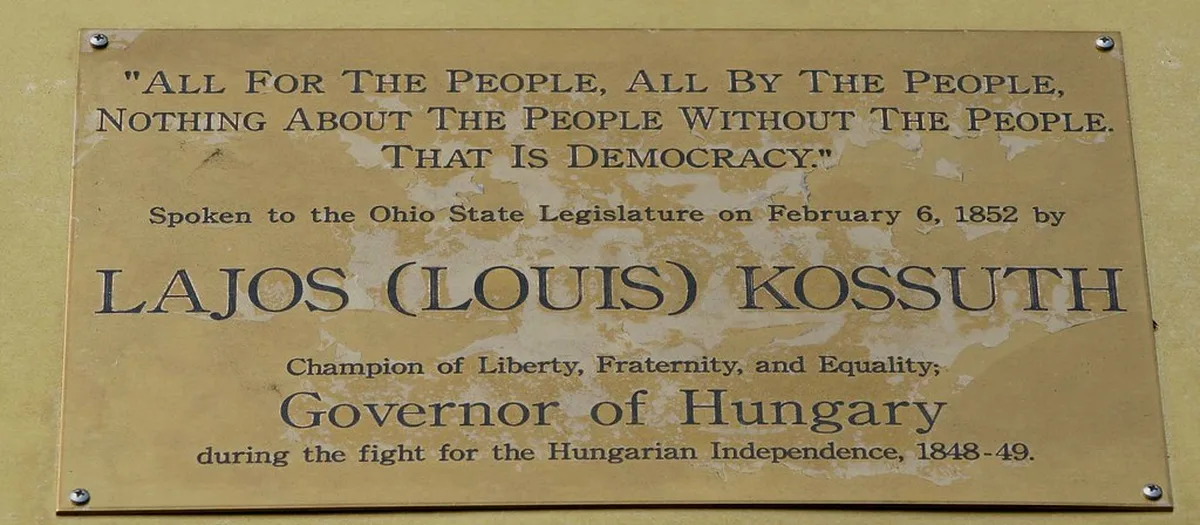
The Main Square — Hlavné námestie — serves as the vibrant social hub of the entire Old Town and the natural pivot point of any walking route. Roland Fountain sits in the center, dating back to 1572, and was reputedly built after city magistrate Roland saved Bratislava from fire. Historic palaces surround the square including the Old Town Hall to the east and the Primate's Palace one block further on Primaciálne námestie. The walk from the fountain to the Primate's Palace entrance covers roughly 200 metres and takes five minutes on foot. Many visitors spend time here watching the world go by before continuing south on Panská Street toward the cathedral. The free walking tours depart from this fountain daily at 11 AM, making it the easiest single meeting point in the city. Outdoor cafes along the square's perimeter serve Slovak coffee and pastries from around €3–5 — ideal for a mid-morning break. The surrounding palaces display beautiful Baroque and Classicist facades that repay close inspection: look for the ornate window frames on the Mirbach Palace on the north side, which now houses a gallery of Baroque art with free admission on the first Sunday of each month.
Old Town Hall is one of the oldest stone buildings in the country, assembled from several Gothic and Renaissance structures over four centuries. A cannonball from Napoleon's 1809 artillery bombardment remains embedded in the tower wall, serving as a permanent reminder of the siege. The interior courtyard often hosts small concerts or seasonal craft markets throughout the year, and the adjoining City History Museum is worth a 45-minute visit. Entry costs €5 for adults. From Old Town Hall continue 300 metres southwest along Panská Street to reach St. Martin's Cathedral. The museum's collection spans Roman-era finds from the Devín fortress, medieval guild artifacts, and Habsburg-era city maps — a genuinely illuminating 45 minutes that reframes everything you see outside. Photography is permitted throughout the courtyard and most of the museum rooms. The tower climb (included with museum entry) offers a different vantage point from Michael's Gate, looking south across the cathedral spire and the river rather than north toward the residential hills.
St. Martin's Cathedral served as the coronation site for 11 Hungarian kings and 8 queens between 1563 and 1830, marking Bratislava's centuries as a Habsburg royal capital. Its 85-metre Gothic spire features a gilded replica of the Hungarian royal crown at the very top — visible from the Danube embankment on a clear day. The interior contains impressive late-Gothic vaults, a Baroque altar by Georg Rafael Donner, and a memorial to Field Marshal Pálffy. Entry is free outside of service hours, but visitors must respect active prayer times on Sunday mornings. From here the Visit Ljubljana tourism office can help plan your riverside SNP Bridge embankment route, just 200 metres west along Staromestská Street. The most dramatic interior photography opportunity is the view looking east up the nave from the western door, best captured without flash in the diffused light of midday. A side chapel contains the tomb of St. John of Nepomuk in gilded Baroque splendour — a striking contrast to the austere Gothic architecture of the main nave. Allow at least 20–30 minutes here to absorb the detail. For architectural and historical information, the Wikipedia article on St. Martin's Cathedral provides comprehensive background.
Bratislava Castle crowns the hilltop just west of the cathedral and is a 600-metre uphill walk via Zámocká Street, gaining 60 metres of elevation over about 15 minutes. The castle houses the Slovak National Museum collections focusing on prehistoric Slovakia, the Great Moravian era, and Habsburg court life. Entry to the castle grounds is free; the museum inside costs €10 for adults. The castle terrace offers the single best panoramic view in the city: the Danube snaking south, Austria's border hills to the west, and the Old Town rooftops below. The best photography light on the terrace is in the late afternoon when the sun is behind you and the castle facade glows warm. For those who prefer not to walk uphill, public bus 203 stops at the castle gate from the city center. The grounds are open daily and the views from the ramparts alone justify the climb even without entering the museum.
- Climbing Michael's Gate Tower for views
- Type: Historical landmark
- Best for: Panoramic photos
- Where: Michalská Street, northern Old Town
- Cost: €5
- Time: 25 minutes
- Visiting the Old Town Hall Museum
- Type: History museum
- Best for: Local culture and city history
- Where: Hlavné námestie (Main Square)
- Cost: €5
- Time: 45 minutes
- St. Martin's Cathedral
- Type: Gothic cathedral, royal coronation site
- Best for: Architecture and history
- Where: Rudnayovo námestie, south of Old Town
- Cost: Free (donations welcome)
- Time: 20 minutes
- Bratislava Castle
- Type: National museum and panoramic viewpoint
- Best for: History and city views
- Where: Castle Hill, Zámocká Street
- Cost: Grounds free, museum €10
- Time: 45–90 minutes
Free Walking Tours in Bratislava 2026
Bratislava has two well-established free walking tour operators that make it easy for budget travellers to explore the city with expert local guides. Both operate on a tip-based model — you pay nothing upfront and leave a tip at the end based on how much you enjoyed the tour. A standard tip of €5–10 per person is customary and fair for a quality 2-hour experience. Tours run daily year-round, with additional departure times added during the summer peak season from June through August. In 2026 both operators have extended their daily schedule: a new 11 AM departure has been added at Hlavné námestie fountain in addition to the long-running 10 AM and 2 PM slots, catering to late risers who want the morning coolness but can't make the earliest start. Private tours are available from both operators at €60 per group for up to 10 people, with bespoke routes that can focus on Communist-era architecture, Jewish heritage, or Art Nouveau buildings depending on your interests.
Free Tour Bratislava (freetourbratislava.com) meets at Hlavné námestie (Main Square) directly in front of the Roland Fountain. Departures run at 10:00 AM, 11:00 AM, and 2:00 PM daily in summer. The route covers all the major Old Town highlights: Michael's Gate and Michalská Street, the Main Square and Roland Fountain, the Old Town Hall courtyard, Primaciálne námestie with the Primate's Palace, the route down Panská Street to St. Martin's Cathedral, and views toward Bratislava Castle from Žižkova Street. Guides are local Bratislavans with strong English and often humorous storytelling — expect entertaining anecdotes about Habsburg royalty and Cold War-era spy stories in equal measure. Groups average 10–20 people on weekday tours; book online in advance for weekend slots in summer. The tour also stops at the Čumil bronze statue and the Napoleon Soldier on the way, giving guides a chance to explain the city's tongue-in-cheek art installation culture.
New Europe Tours (neweuropetours.eu/walking-tour-bratislava/) follows a similar tip-based format and also departs from the Main Square area at 10:00 AM and 2:00 PM daily. Their route additionally touches on communist-era sights: the SNP Bridge with its distinctive UFO observation deck (visible from the Danube waterfront and accessible via the tower lift for €7.50), the Socialist Realist architecture of náměstie Slobody (Freedom Square), and the Most SNP approach road that controversially demolished part of the Jewish quarter in the 1970s. This makes New Europe particularly good for visitors interested in 20th-century political history beyond the medieval highlights. Their guides often include personal family stories from the Communist period that bring the architecture and politics to life in ways that standard guidebooks cannot replicate.
Both tours include Bratislava Castle views from the rampart lookout on Čičmany Square (roughly 10 minutes on foot from the cathedral), the Danube waterfront promenade along Nábrežie arm. mládeze, and the Old Town's bronze statue trail including Cumil on Rybárska brána Street and the Napoleonic soldier at the corner of Sedlárska Street. Guides also cover the Jewish Quarter remnants around Heydukova Street and the story of the demolished synagogue, which provides important historical context about the city's transformation in the Communist era. The Danube embankment section gives views across to Austria's Petronell-Carnuntum Roman ruins on clear days, a 30-km stretch that underlines Bratislava's unique position as a city where three countries — Slovakia, Austria, and Hungary — meet within a short drive.
To book, visit the operators' websites or simply show up 10 minutes before departure at Roland Fountain. No physical ticket is required — just look for the guide with the company's flag or sign. If you prefer a private group tour, both operators offer private options from around €60 per group for up to 10 people, with customisable routes and flexible start times. Booking 24–48 hours in advance is recommended for private tours to confirm guide availability, especially during the busy summer months of July and August when demand peaks. Walking shoes are strongly recommended as the route covers cobblestoned streets and some gentle inclines.
Choosing Between Guided and Self-Guided Tours
Professional guides provide context that brings the silent stone walls to life. They explain the complex relationship between Slovakia, Hungary, and Austria throughout history, including the 150-year period when Bratislava — then known as Pressburg — served as the capital of the Kingdom of Hungary. Guided groups often meet near the Roland Fountain on Hlavné námestie or at the foot of Michael's Gate on Michalská Street each morning. Booking a private guide directly usually costs between €60 and €120 per group for a two-hour session, while small-group guided tours from licensed agencies run around €15–25 per person. Private guides can tailor the itinerary to your specific interests — whether that is Habsburg royal history, Communist-era architecture, or the city's Art Nouveau heritage buildings beyond the standard tourist trail. Licensed guides carry official city certification and can access some restricted areas of historical buildings not open to the general public, adding unique value to the premium price.
Self-guided walks offer the ultimate freedom for independent travelers with a flexible schedule. You can pause for a coffee on Ventúrska Street or take photos of the Franciscan Church facade on Františkánske námestie whenever the mood strikes. Using a digital map helps you find specific Bratislava Old Town highlights at your own pace without waiting for a group. A well-planned self-guided circuit from Michael's Gate south to St. Martin's Cathedral and then west along the riverfront covers about 3 km and takes two to three hours at a relaxed sightseeing pace. The self-guided route easily incorporates spontaneous detours: the Blue Church on Bezručova Street is a 12-minute walk northeast from the Main Square and is one of the most visually striking Art Nouveau buildings in Central Europe. Download the offline map in Google Maps or Maps.me before leaving your accommodation so you have navigation even without mobile data coverage in the castle area.
Free walking tours operate on a tip-based system and strike the best balance for most budget-conscious travellers. These tours typically last two hours, depart from Hlavné námestie at 10:00 AM, 11:00 AM, and 2:00 PM in summer, and cover the most famous landmarks from Michael's Gate to the Danube waterfront. Guides are usually enthusiastic local students or trained storytellers who share many local legends not found in guidebooks. Reservation is recommended during the busy summer months to secure a spot, though walk-ups are usually accepted outside of peak season. The tip-based model means the guide's income depends directly on the quality of the experience, creating a strong incentive for consistently engaging and informative tours. Most visitors find the free tour is the single highest-value activity in Bratislava relative to cost.
Audio guides provide a middle ground between organised groups and solo wandering. Several apps — including Rick Steves Audio Europe and the Bratislava City App — offer narrated walking tours that trigger commentary based on your GPS location as you move through the Old Town. This option works well for those who prefer listening to stories privately and moving at their own pace without any group dynamics. Ensure your phone battery is fully charged before starting a digital tour, as the GPS-triggered format drains battery faster than standard map use. A portable power bank is strongly recommended for a full-day walking tour combining the Old Town circuit, the castle, and the Danube embankment. Most audio guide apps cost €3–8 for the full city tour, making them significantly cheaper than a private guided experience while still providing narrated historical context at each landmark.
A combined approach works well for many visitors: join a free tour in the morning to get a broad orientation and the key historical stories, then return independently in the afternoon to linger at the sites that interested you most. This two-visit strategy is especially effective for Bratislava Castle, where the free tour only provides exterior views and walking context, while an independent afternoon visit allows time to explore the Slovak National Museum galleries inside (€10 entry) and enjoy the sunset panorama from the rampart terrace without the time pressure of a group schedule. The day trips from Bratislava guide covers how to extend your exploration to the nearby Devín Castle ruins and Modra wine village if you have more than one day in the region.
Navigating the City Safely and Comfortably
Comfortable footwear is the most important preparation for any Bratislava walking tour. The historic center features irregular granite cobblestones on streets like Michalská, Ventúrska, and Kapitulská that can be tough on thin soles after an hour of walking. Avoid wearing high heels or flip-flops if you plan to walk for two or more hours. Sturdy low-top sneakers or dedicated walking shoes provide the best support for these medieval surfaces, especially on the steeper sections of Zámocká Street leading up toward the castle hill. Merino wool socks are particularly recommended for all-day walking comfort on cobblestones, as they reduce friction points that cause blisters on uneven surfaces. If you are visiting in summer, lightweight breathable uppers make a significant difference during the warmer months when temperatures regularly reach 30–34 °C in July and August.
Bratislava remains one of the safest capital cities in Europe for international tourists and the Old Town pedestrian zone is well-lit and monitored. Standard precautions against pickpockets in crowded spaces like Hlavné námestie, the Christmas market, and the busy tram stops at Obchodná Street are still sensible. Keep your phone in a front pocket or zipped bag when photographing in the Main Square. Read more about local security in our guide on Bratislava safety for tourists before your trip. Emergency services in Slovakia respond quickly and English-speaking officers are available at the Old Town police station on Gunduličova Street. The city's tourist police also patrol the main pedestrian zone during summer peak hours and are identifiable by their blue uniform with a yellow "Tourist Police" badge. Medical facilities are excellent: the University Hospital on Mickiewiczova Street has an English-speaking emergency department open 24 hours.
Walking distances between major sites are very short within the pedestrian zone. Michael's Gate to Hlavné námestie is 350 metres (about 5 minutes). The Main Square to St. Martin's Cathedral via Panská Street is 450 metres (6–7 minutes). The cathedral to the castle gatehouse via Zámocká Street is 600 metres but involves a 60-metre elevation gain, taking around 15 minutes at a steady uphill pace. Public bus line 203 stops at Zámocká Street if the climb is not suitable for all members of your group. From the castle, the UFO Bridge observation tower is a 1.2 km walk west along the river — allow 20 minutes to reach it on foot. The full self-guided circuit from Michael's Gate to the castle and back via the Danube embankment covers approximately 5 km in total, making it a comfortable half-day outing that requires no public transport at all.
Drinking water is readily available from public fountains in Hviezdoslav Square and near the Danube embankment during the warmer months from April through October. Tap water in Slovakia meets EU drinking-water standards and is completely safe. Carrying a reusable bottle saves money and reduces plastic waste along the busy tourist routes. Most cafes on Ventúrska Street and Laurinská Street will also refill your bottle at no charge if you ask politely at the counter. The average cafe coffee costs €2.50–3.50 in the pedestrian zone, slightly less on side streets like Zámočnícka and Rybnická off the main tourist path. Budget for around €15–25 per person for a comfortable day of walking including entry fees, one museum, and a sit-down lunch at a mid-range Slovak restaurant serving traditional bryndzové halušky (sheep cheese dumplings) for €8–12.
Hidden Gems Beyond the Main Square
The Blue Church — officially the Church of St. Elizabeth — looks like it belongs in a fairytale or an Art Nouveau illustration. Located just outside the Old Town walls at the end of Bezručova Street, it is a 12-minute walk (850 metres) northeast from Hlavné námestie. The pale blue Hungarian Secessionist exterior, covered in cerulean mosaics and glazed roof tiles, was completed in 1913 and remains the most photographed building in Bratislava after the castle. Visit on a weekday morning for the best light and fewest crowds; the interior is open to visitors outside of Mass times and entry is free with a small donation welcome. The best exterior photography position is from the small garden path on the south side of the building, where you can frame the entire facade with the ornate bell tower in one shot. Mass is celebrated on weekday mornings at 7:00 AM and Sunday mornings at 9:30 AM — attending even a few minutes of a Slovak Catholic service in this extraordinary setting is a genuinely memorable experience for visitors of any faith background.
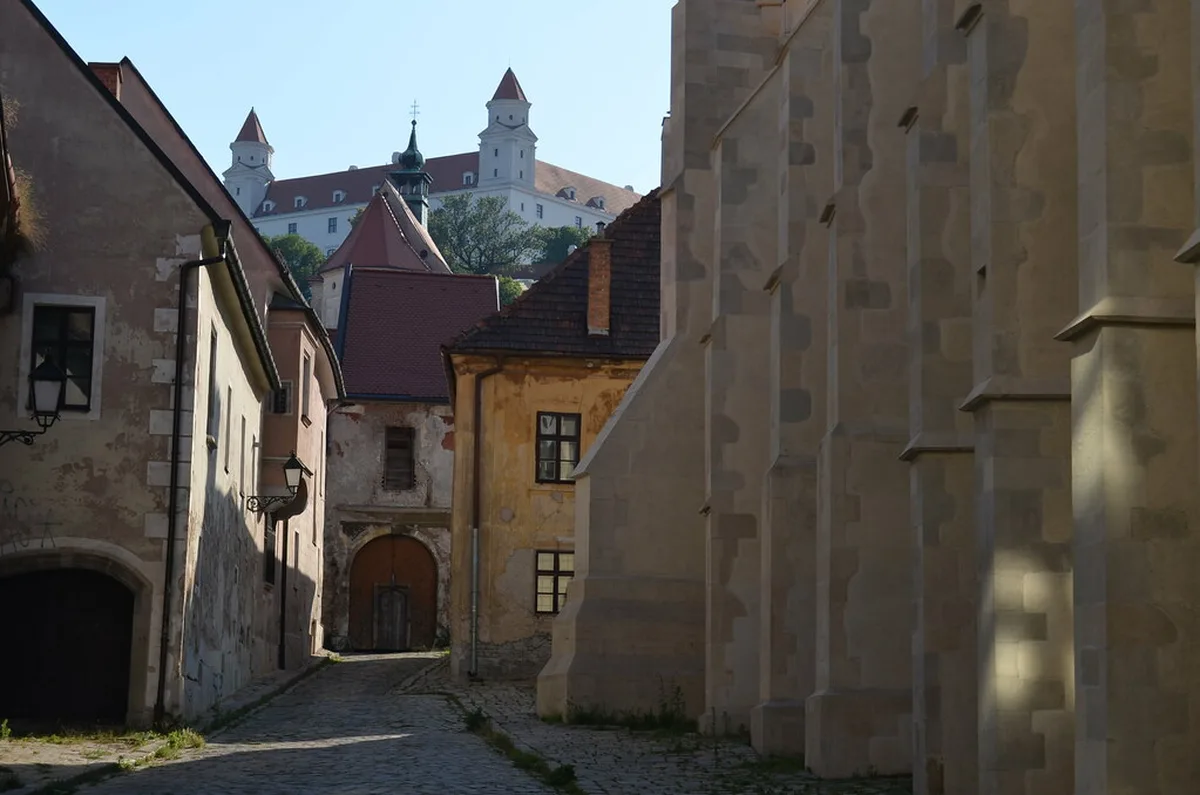
Kapitulská Street offers a quiet escape from the busy tourist paths nearby and is just two blocks south of the Main Square between Klobučnícka and the cathedral. This is one of the oldest residential streets in the city, where time seems to have stopped: dilapidated Baroque facades stand next to beautifully restored canon houses along the narrow cobblestone lane. Street numbers are painted in ecclesiastical red rather than the city's standard blue, indicating the street once fell under Church jurisdiction. Photographers love this 200-metre stretch for its authentic and moody atmosphere, especially in the early morning before tour groups arrive. The best time for unobstructed photography here is between 8:00 AM and 9:00 AM, when the golden morning light catches the ochre-plastered walls and the street is completely empty. Several of the canon houses have been converted into small private apartments whose ground-floor windows display charming window box gardens throughout the spring and summer months.
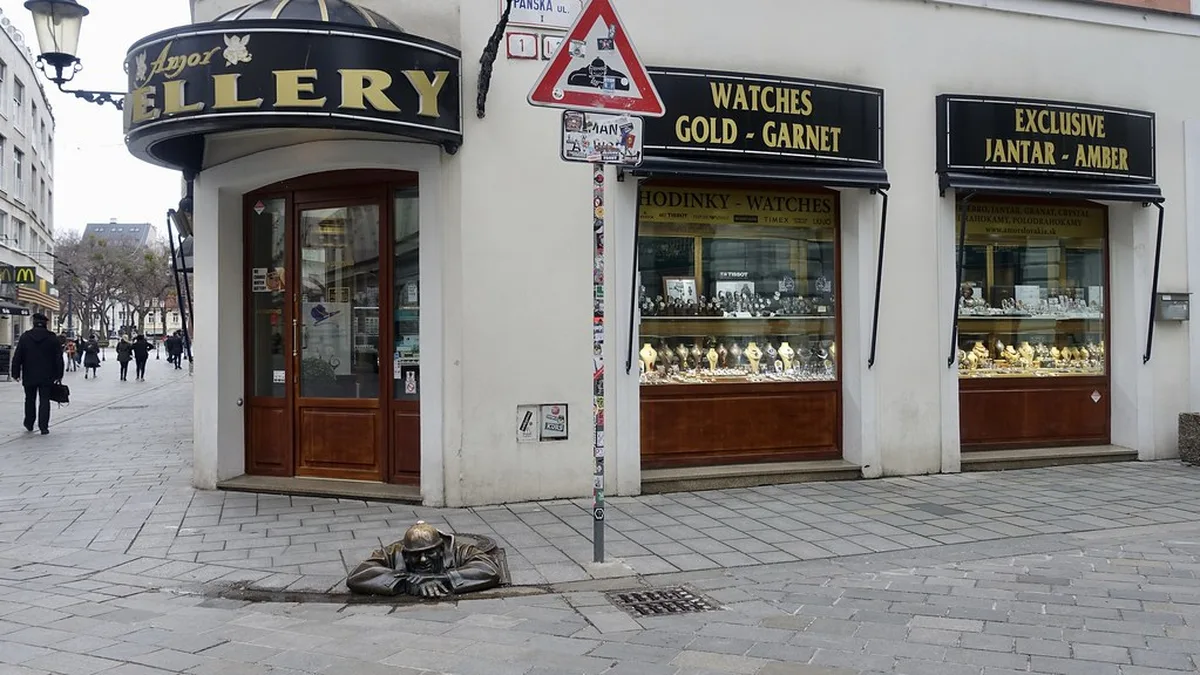
The 'Man at Work' statue — known locally as Cumil — is a favourite spot for quick tourist photos and sits at the corner of Rybárska brána Street and Panská Street, about 100 metres south of the Main Square. Look for the bronze figure peering out from a manhole cover in the pavement. A small yellow warning sign beside him reads "Man at work" in Slovak. Locals say touching his hat brings good luck; the brass has been polished smooth by thousands of hands over the decades. A nearby companion statue — the Napoleonic soldier leaning over a bench on Sedlárska Street — is a further 80 metres east. For a broader exploration of all five bronze statues in the Old Town and the walking route that connects them, see the dedicated section below on the Bratislava Quirky Statues Walking Trail, which covers Čumil, Napoleon, Schöner Náci, and the Paparazzi Photographer with precise street-level directions and photography tips.
Craft beer bars are hidden in atmospheric stone-vaulted basements throughout the historic district. Slovakia has a rapidly growing craft brewing scene, with local names like Bratislava Pivovar on Drevená Street and the Slovak Pub on Obchodná Street offering seasonal IPAs and pale lagers from €3–5 per half-litre. After your walking tour, the Bratislava nightlife guide covers the best basement bars and rooftop terrace venues by neighbourhood. Most bars open their doors around 4:00 PM and welcome visitors straight off the tourist trail in walking shoes. The basement bars on Obchodná Street and the side streets around Laurinská are within a 5-minute walk of the Main Square, making them a natural end point for an afternoon walking circuit. Look for the Slovak craft lager Kaltenecker or Ráztoční IPA on tap — both represent the quality peak of the domestic craft scene in 2026.
The Bratislava Quirky Statues Walking Trail: Čumil and Friends
Bratislava's Old Town is home to a collection of playful bronze statues that have become beloved symbols of the city's character — whimsical, self-deprecating, and irresistible to photographers. The full quirky statues trail connects five bronze figures across a 1.5 km loop entirely within the pedestrian zone, all free to visit and photograph. The trail takes around 45–60 minutes to complete at a leisurely pace, and works well as a standalone self-guided walk or as an add-on to any free walking tour. Morning visits before 9:30 AM are strongly recommended for unobstructed photography, as the statues attract significant crowds during midday peak hours from 11 AM to 3 PM in summer.
Čumil — Man at Work is the most famous and most photographed bronze figure in Bratislava, positioned at the corner of Rybárska brána and Panská Street, approximately 100 metres south of the Roland Fountain. The bronze figure of a sewer worker peers out from a manhole cover in the pavement, his elbows resting on the cobblestones and a contented grin on his face. Created by sculptor Viktor Hulík in 1997, Čumil was one of the first of Bratislava's bronze statues and was installed as part of a city beautification programme following independence in 1993. The small yellow "Man at Work" warning sign beside him — a municipal in-joke — has become as iconic as the statue itself. Touching his polished hat is said to bring good luck, and the brass sheen from thousands of hands is clearly visible. Souvenir shops on nearby Laurinská Street sell Čumil miniatures ranging from €3 for a keyring to €8 for a small display figure — genuine bronze-painted resin replicas that make distinctive gifts.
Napoleon Soldier stands on Hlavné námestie (Main Square) itself, leaning casually over a bench with his hands resting on the seat back, as if observing the fountain and the passing tourists with quiet amusement. The life-size bronze represents the French soldiers who occupied Bratislava during Napoleon's 1805 and 1809 campaigns, a period of significant historical consequence for the city. Created as part of the same civic sculpture programme as Čumil, the Napoleon figure is positioned to invite interaction — most visitors sit on the bench beside him for a photo opportunity. The statue is located on the north side of the square near the Mirbach Palace, approximately 180 metres from Čumil. Early morning light from the east illuminates his face clearly, making the 8–9 AM window the ideal photography slot.
Schöner Náci — the dandy gentleman — stands near Rybárska Brána (Fisher's Gate) at the entrance to the square from Panská Street, a bronze figure dressed in a top hat and long coat, arm extended as if in gallant greeting. The character is based on a real Bratislava eccentric named Ignác Lamár (1897–1967), a working-class man who dressed in formal attire and bowed gallantly to ladies on the street regardless of his modest means, earning the affectionate nickname Schöner Náci (Beautiful Ignác in the Viennese German dialect once spoken throughout the city). His dignity and cheerfulness in the face of poverty made him a beloved figure, and the statue honours that spirit. Entry is free; the best photograph frames Schöner Náci against the backdrop of Michael's Gate tower in the near distance.
Paparazzi Photographer crouches on Sedlárska Street with his camera raised as if snapping an unsuspecting passerby, his eye pressed to the viewfinder and a look of intense concentration on his bronze face. He is positioned on Sedlárska Street roughly 80 metres east of Čumil, making him a natural second stop on the statues trail. The figure was added to the Old Town collection in the 2000s and quickly became a favourite interactive photo opportunity — visitors kneel beside him and pretend to look through the same viewfinder. The statue's ironic commentary on tourism and voyeurism gives it an extra layer of meaning that rewards thoughtful visitors beyond the obvious photo opportunity.
The recommended walking route connecting all five statues starts at Čumil on Rybárska brána (start point, 0 km) → Napoleon Soldier on Hlavné námestie (200 m north) → Schöner Náci at Rybárska Brána entrance (150 m south) → Paparazzi on Sedlárska Street (80 m east) → loop back via Panská Street to return to Čumil (400 m), completing a 1.5 km loop entirely within the pedestrian zone. The entire route is flat except for a gentle rise on the eastern end of Sedlárska Street. The best time to complete the loop is between 8:00 AM and 10:00 AM on weekdays, when the narrow streets are empty and the light is ideal for photography without harsh shadows. The souvenir shops on Laurinská Street, which runs parallel to Panská, open at 10:00 AM and offer the widest selection of Čumil miniatures (€3–8) and other Old Town-themed gifts. The trail pairs naturally with the Bratislava Old Town guide for a complete pedestrian zone itinerary covering both the statues and the architectural highlights.
Best Times to Walk Through Bratislava
Spring and autumn provide the most comfortable temperatures for long outdoor walking tours. May and September typically deliver daytime highs of 18–22 °C, sunny skies, and mild breezes that make cobblestone walking pleasant rather than tiring. Crowds are noticeably smaller during these shoulder seasons compared to the July–August peak, and you will find it far easier to photograph Michael's Gate or the Roland Fountain without large tour groups filling the frame. Outdoor cafe tables along Ventúrska Street are open from April, making it easy to sit and rest mid-route. May is particularly photogenic: the chestnut trees lining the Hviezdoslav Square are in bloom and the outdoor flower market on the south end of the square adds colour to the streetscape. September combines the warm temperatures of late summer with the grape harvest festivals in the nearby wine villages of Modra and Svätý Jur, just 25 km north of the city — easy half-day excursions covered in the day trips from Bratislava guide.
Summer days can get quite hot with temperatures regularly reaching 30–34 °C in July and August. Plan your walking tour for the early morning (before 10:00 AM) or late afternoon (after 5:00 PM) to avoid peak heat and peak crowds simultaneously. The narrow lanes of Kapitulská Street and the shaded arcade of Primaciálne námestie provide natural relief during midday. July and August also see the highest concentration of organised tour groups departing from Hlavné námestie, so free tours fill up quickly and online booking at least a day in advance is strongly recommended during this period. The evening light in summer is exceptional for photography: the golden hour begins around 7:30–8:00 PM in midsummer, and the warm tones on the Old Town facades last until nearly 9:00 PM. Evening walks along the Danube embankment offer the best views of the UFO Bridge lit against the fading sky, with the castle floodlit above the Old Town rooftops.
Winter transforms Hlavné námestie into a festive Christmas market from late November through 23 December. The smell of roasted nuts, trdelník pastries, and mulled Sváteční wine fills the cold evening air. Walking tours during this time often focus on local Advent traditions, the illuminated facades of the Old Town Hall, and seasonal food stalls selling smoked meats and regional cheeses. Dress in warm waterproof layers as the wind channelled from the Danube can make the Main Square feel several degrees colder than the forecast temperature. The Christmas market itself is free to enter and browse; budget €10–20 for mulled wine, hot chocolate, and traditional food stalls. Bratislava's winter walking tour season is shorter — most free tour operators reduce to one daily departure at 11:00 AM from December through February — so check operator websites for current winter schedules before planning your visit.
Morning walks starting around 9:00 AM consistently offer the quietest and most atmospheric experience. Delivery vehicles complete their rounds in the pedestrian zone by 9:30 AM, and the low-angle morning light is ideal for capturing the warm yellow and ochre tones of the historic facades on Michalská Street. Most shops open at 10:00 AM and the major museums — Old Town Hall Museum (€5 entry) and Michael's Gate Tower (€5 entry) — open at 10:00 AM as well, so a 9:00 AM start lets you complete the main walking circuit and arrive at your chosen museum just as the doors open. The 9–10 AM window is also the only reliable time to photograph the Čumil bronze statue without tourists gathered around it — arrive before the first free tour groups depart from the Main Square at 10:00 AM and you will often have the statue entirely to yourself for photographs. Bratislava Castle is best visited at opening time (9:00 AM) for the same reason: the terrace panorama is completely crowd-free for the first 30–45 minutes of the day.
Frequently Asked Questions
How long does a typical Bratislava walking tour take?
A standard Bratislava walking tour usually lasts between two and three hours. This timeframe covers the major Old Town landmarks — Michael's Gate, the Main Square, Old Town Hall, and St. Martin's Cathedral — at a comfortable sightseeing pace. If you add a visit to the castle or an interior museum such as the Old Town Hall City History Museum (€5 entry), plan for an extra 45–90 minutes. Free walking tours from operators like Free Tour Bratislava and New Europe Tours run for approximately two hours and depart daily from Hlavné námestie.
How long does the Bratislava Old Town walking tour take?
The Bratislava Old Town walking tour takes 2–3 hours for the self-guided circuit. The core route — Michael's Gate (free exterior, tower €5) → Main Square (free) → Old Town Hall (€5) → St Martin's Cathedral (free) — covers approximately 1.2 km and takes around 90 minutes at a relaxed pace with brief stops. Adding Bratislava Castle (€10 museum, grounds free) extends the walk to 2.5 km and 2.5–3 hours total. If you include the Danube embankment and the UFO Bridge area, the full circuit is approximately 4–5 km and occupies a comfortable half-day.
Is there a free walking tour in Bratislava?
Yes, Bratislava has excellent free walking tours in 2026. Free Tour Bratislava (freetourbratislava.com) and New Europe Tours (neweuropetours.eu) both run daily tip-based tours departing from Hlavné námestie (Main Square) fountain. Tours meet at 10:00 AM, 11:00 AM, and 2:00 PM (summer schedule). The 2-hour tour is completely free upfront; a suggested tip of €5–10 per person is standard at the end. Both operators also offer private tours from €60 for groups of up to 10 people. No ticket is required — simply arrive at Roland Fountain 10 minutes before departure and look for the guide with a company flag.
Are there free walking tours in Bratislava?
Yes. Two main operators run free tip-based walking tours in Bratislava in 2026: Free Tour Bratislava (freetourbratislava.com) and New Europe Tours (neweuropetours.eu). Both depart from Hlavné námestie (Main Square) at 10:00 AM and 2:00 PM daily, with an additional 11:00 AM departure in summer. Tours last approximately two hours and cover Old Town, castle views, the Danube waterfront, and communist-era sights. No upfront payment is required; a tip of €5–10 per person at the end is customary.
Are walking tours in Bratislava suitable for children?
Yes, the compact nature of the Old Town makes Bratislava very family-friendly for walking tours. The pedestrian zones on Michalská and Obchodná streets are completely car-free and safe for children. Many free tour guides include fun stops at the whimsical bronze statues — Čumil the sewer worker and the Napoleonic soldier — that children enjoy. Ice cream shops on Ventúrska Street and the open plaza at Hlavné námestie offer easy rest breaks mid-route. The Bratislava Castle grounds are also free to enter and the wide terrace is ideal for children to run around while adults take in the panoramic views. The statue trail (Čumil, Napoleon, Schöner Náci, Paparazzi) is a popular child-friendly highlight that keeps younger visitors engaged throughout the walk.
Can I do a Bratislava walking tour if I have limited mobility?
The Old Town core is mostly flat, but the historic cobblestones on Kapitulská and Ventúrska streets can be challenging for wheelchairs or strollers. Smoother asphalt paths run along the edges of main pedestrian streets and along the Danube embankment. The climb to Bratislava Castle via Zámocká Street involves a significant incline; public bus 203 stops at the base of the hill, or a short taxi ride to the castle gate eliminates the climb entirely. Most major museums have installed accessible elevators. The Danube embankment promenade from the SNP Bridge to the Old Town ferry dock is a fully paved, flat route of approximately 1.2 km — suitable for wheelchairs and strollers year-round and offering excellent views of the castle and bridge without any cobblestone surfaces.
Do I need to book a Bratislava walking tour in advance?
For free walking tours, advance booking is recommended but not always required. From June to August, weekend departure slots at 10:00 AM and 2:00 PM fill quickly and online pre-registration on the operators' websites guarantees your place. Outside peak season (September–May), walk-up attendance is generally accepted. For private guided tours costing €60–120 per group, booking at least 24–48 hours ahead is advisable to confirm guide availability. Licensed tour agencies in Bratislava can also accommodate same-day private bookings if guides are available.
Bratislava is a city best explored on foot to truly appreciate its small details. A walking tour provides the perfect introduction to the history and culture of Slovakia, whether you choose a free tip-based tour departing from Hlavné námestie, a self-guided circuit along Michalská Street and Panská Street, or a private guide who brings the medieval walls to life with stories of Habsburg kings and Cold War politics. Pack your walking shoes, charge your phone for the map, and prepare for a memorable journey through this historic Danube capital in 2026.