Amazing Day Trips From Bratislava You Must Experience in 2026
The most popular day trips from Bratislava in 2026 are Vienna (1h by train, €15-20 return, or €10 by FlixBus), Budapest (2.5h by train, €25-40 return), and Devin Castle (16 km, bus 29 from Most SNP, €1 city transport + €5 castle entry).
Bojnice Castle is 2h by train from Bratislava (€10 return) with a €12 entry fee; the Lesser Carpathian wine region (Červený Kameň Castle, €8 entry) is 45 min by bus; Piešťany spa town is 1.5h by train (€8 return) with thermal pools from €20.
Bratislava serves as a perfect hub for exploring Central Europe due to its central location. You can reach several capital cities and historic castles in under two hours from the city center. Many travelers find that venturing beyond the city limits reveals hidden gems and stunning landscapes. These excursions offer a deeper look into Slovak culture and neighboring history for every visitor.
Planning a few day trips from Bratislava allows you to maximize your time in this diverse region. The efficient rail and bus networks make independent travel simple and very affordable in 2026. Local destinations range from imperial Austrian palaces to medieval Slovak fortresses perched on cliffs. This guide covers the most rewarding locations to help you build a memorable itinerary.
Vienna as a Day Trip from Bratislava: The World's Easiest Capital-to-Capital Excursion
No day trip from Bratislava compares to Vienna for sheer ease, variety, and value. The two capitals are separated by just 65 kilometers — a distance you can cover in approximately 60 minutes by train. Trains depart from Bratislava Hlavná stanica (the main railway station) throughout the day, arriving at Wien Hauptbahnhof right in the heart of Vienna. RegioJet and ÖBB both operate the route, with return tickets starting from around €15 in 2026. For an even cheaper option, FlixBus runs coaches from Mlynské Nivy bus station — €10 return is common if you book a few days ahead — though the bus takes 60–75 minutes depending on traffic near the border crossing.
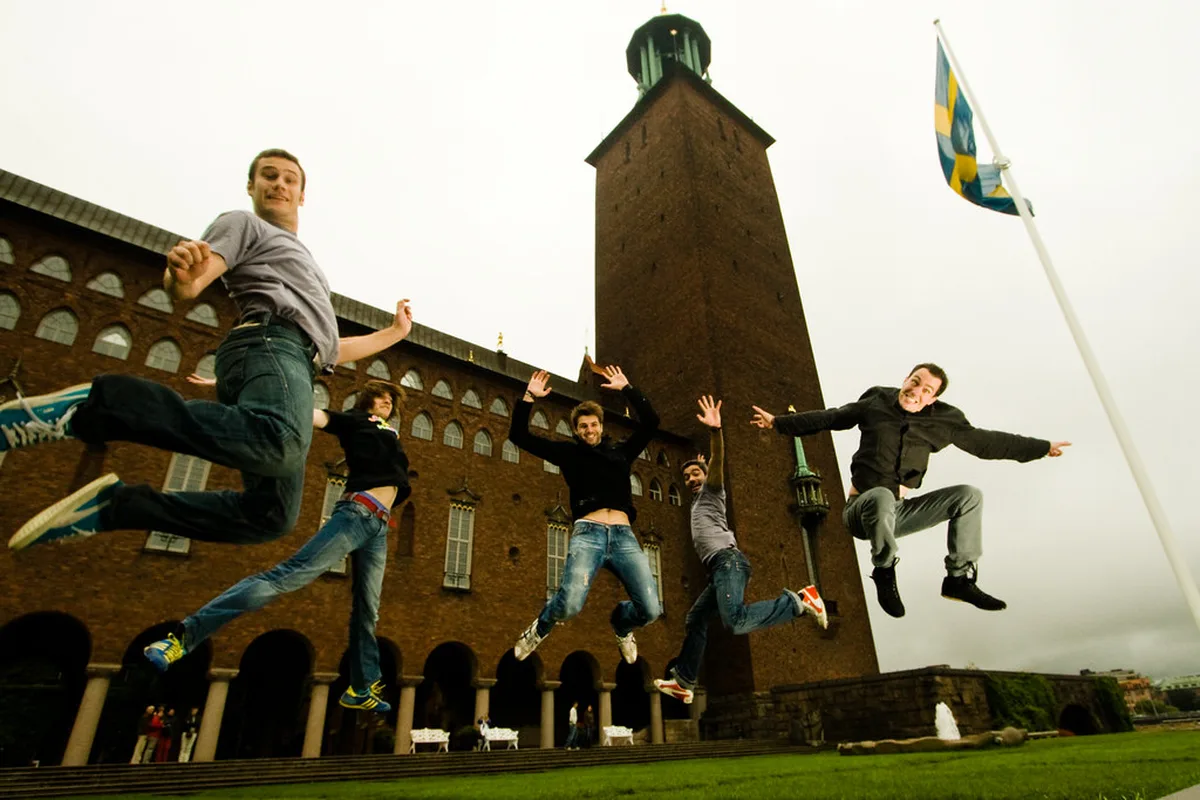
The best departure time is 7:00–8:00 AM. Catching an early train puts you at Wien Hauptbahnhof before 9:00 AM, giving you a full nine to ten hours in the city before a comfortable evening return by 8:00 PM. Early arrivals also beat tour groups to popular sights like Schönbrunn Palace, where queues at the ticket desk can stretch 30 minutes by mid-morning during peak spring and summer months.
Once in Vienna, your options are wide. For the imperial experience, head straight to Schönbrunn Palace — the Grand Tour covering 40 state rooms costs €23 in 2026, or the Classic Pass (22 rooms) is €20. Alternatively, the Upper Belvedere houses Klimt's famous "The Kiss" painting and charges €16 entry. Art and history lovers can spend several hours in either of these two world-class venues. For a gentler introduction to the city, visit the Prater park and ride the historic Riesenrad Ferris wheel, which costs €14 and rewards you with sweeping views over the capital. If you prefer free sightseeing, the Ringstrasse boulevard, St. Stephen's Cathedral nave (free entry), and the Naschmarkt food market (open Mon–Sat from 6:00 AM) cost nothing and pack in more character per hour than almost any paid attraction in the city.
Getting around Vienna is straightforward with a 24-hour Vienna City Card (Wiener Linien pass), which costs €17 and covers unlimited travel on all trams, buses, U-Bahn metro lines, and regional S-Bahn trains within the city boundaries. The card can be purchased at any U-Bahn station vending machine or via the WienMobil app before you even board the train in Bratislava. Most of Vienna's major sights cluster within walking distance of the First District, so many visitors find they only need the card once or twice to get from the train station to the center.
Currency is straightforward: both Slovakia and Austria use the euro, so no exchange is needed and there are no hidden conversion fees. Austria and Slovakia are both in the Schengen Area, which means there are no passport checks at the border — however, always carry a valid national ID card or passport for the train or bus journey, as conductors check identity on international routes. Vienna is a full-day destination: a half-day visit focused on the historic center still delivers enormous value, but a full day lets you combine an iconic palace with the vibrant market and museum culture that makes this city unmissable.
- Vienna Day Trip Quick Facts
- Distance: 65 km from Bratislava city center
- Train: RegioJet/ÖBB from Bratislava Hlavná stanica to Wien Hauptbahnhof, €15-20 return, ~60 min
- Bus: FlixBus from Mlynské Nivy, from €10 return, 60–75 min
- Best departure: 7:00–8:00 AM, return by 8:00 PM
- Schönbrunn Palace: €23 (Grand Tour), €20 (Classic)
- Belvedere: €16 | Riesenrad: €14
- Vienna City Card (24h transit): €17
- Currency: EUR — no exchange needed from Slovakia
Iconic City Breaks to Vienna
Vienna sits just 65 kilometers away and remains the most popular choice for travelers in 2026. High-speed trains depart every hour from Bratislava Hlavná stanica (main station) on RegioJet or ÖBB services, with return tickets costing approximately €15–20 per person. This short journey takes roughly 60 minutes and drops you directly at Wien Hauptbahnhof, Vienna's central station. Most visitors appreciate the ease of reaching another country's capital so quickly and cheaply — few cities in Europe enjoy such a convenient cross-border connection.
You might prefer the scenic route by taking a Twin City Liner hydrofoil boat along the Danube. This journey takes 75 minutes and offers unique views of the river banks and the ruins of Devín Castle rising above the Slovak bank. Tickets for the boat start at around €29 one-way in 2026, making it a more relaxed and atmospheric alternative. Check the seasonal schedule as boat services typically run from April through October and pause completely in winter.
Once in Vienna, begin with the grand imperial district. The Kunsthistorisches Museum charges €21 adult entry and houses one of the world's finest collections of Old Masters paintings. St. Stephen's Cathedral serves as a natural starting point for a self-guided walking tour — the Gothic nave is free to enter, while the South Tower climb costs €6 and rewards you with sweeping rooftop views of the city. The Naschmarkt open-air food market, open Monday to Saturday from 6:00 AM, is a brilliant and completely free stop for a mid-morning snack — vendors sell fresh produce, olives, cheeses, and international street food at very reasonable prices. Most major museums stay open until 6:00 PM, giving you ample time to visit two or three attractions in a single day.
Dining in Vienna does not have to be expensive if you know where to look. Lunch specials in the side streets off Mariahilfer Strasse offer traditional schnitzel meals for €12–€18, well below the tourist trap prices near St. Stephen's Cathedral. A sit-down meal at a local Gasthaus with a half-litre of draught beer typically costs €15–€22 per person in 2026. Consider using the efficient U-Bahn subway system — a 24-hour travel pass costs €8 and offers unlimited rides across all zones. Book your train tickets in advance via the RegioJet or ÖBB apps to secure cheaper early-bird fares and avoid queuing at the station ticket desk on the morning of travel.
- Vienna City Excursion Details
- Transport: RegioJet/ÖBB Train (~€15-20 return) or Twin City Liner Boat (~€29 one-way)
- Distance: 65 kilometers
- Journey time: 60–75 minutes
- Key entry fees: Kunsthistorisches Museum €21, Schönbrunn Palace €20–€23, Belvedere €16, Cathedral nave free
- U-Bahn 24h pass: €8
Vienna Day Trip from Bratislava: 60 Minutes to Austria
Vienna deserves its own focused breakdown because no day trip from Bratislava matches its combination of imperial grandeur, world-class museums, and easy accessibility. In 2026, RegioJet and FlixBus both operate frequent coach services from €10 return on the bus, making Vienna one of the cheapest international capital routes in Europe. The bus journey takes 60–75 minutes depending on border formalities, with multiple daily departures from Mlynské Nivy bus station, just a short tram ride from Bratislava's center. Train options via ÖBB and RegioJet are equally fast and start at €15 return, with trains departing roughly every hour throughout the day from Bratislava Hlavná stanica.
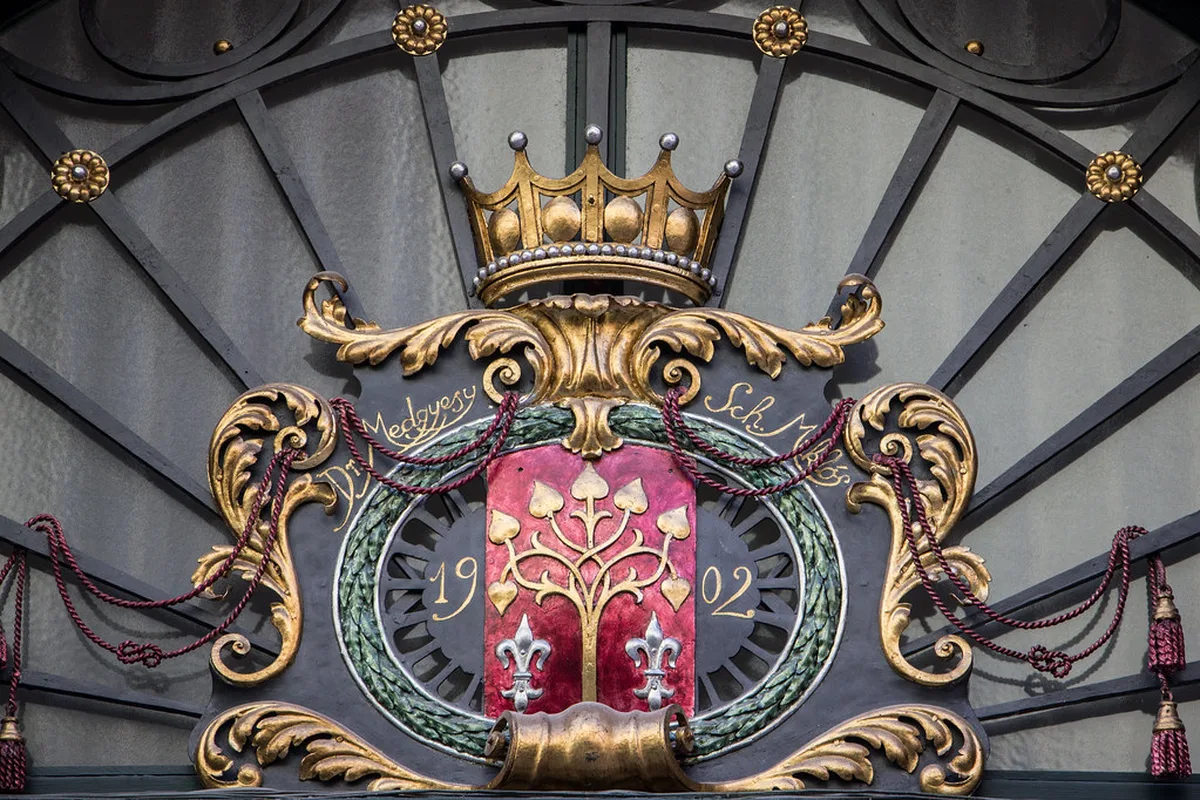
Once in Vienna, your itinerary depends on whether you have a full day or just a half-day. For a half-day visit, focus on the historic First District: walk from Stephansplatz through the Graben pedestrian boulevard to the Hofburg Palace (grounds free, imperial apartments €16 in 2026). St. Stephen's Cathedral is the unmissable anchor — the Gothic nave is free to enter, while the South Tower climb costs €6 and rewards you with sweeping rooftop views over the baroque and Gothic skyline. Finish with coffee and cake at a traditional Viennese café; a Melange and a slice of Sachertorte runs about €10–€12 per person. The half-day circuit is easily walkable without public transport, which saves the cost of a transit pass.
For a full-day visit, venture beyond the Ring. Schönbrunn Palace is the top attraction — the Classic Pass covering 22 rooms costs €20 in 2026, while the Grand Tour (40 rooms) costs €23. The palace gardens are free to enter and spectacular in spring, with manicured hedgerows, fountains, and views of the Gloriette hilltop monument above. Alternatively, head to the Upper Belvedere to see Klimt's "The Kiss" in person — entry is €16 and includes a full circuit of the Baroque palace's permanent collection. The Naschmarkt food market (open Monday–Saturday from 6:00 AM) is a brilliant free stop for lunch, with stalls selling fresh produce, olives, cheeses, and international street food at very reasonable prices compared to restaurant menus nearby.
Transport within Vienna is straightforward. A 24-hour U-Bahn pass costs €8 and covers all trams, buses, and metro lines. Buy it at any station vending machine or via the WienMobil app before you leave Bratislava. Most major sights cluster within walking distance of the First District, so a single metro trip from Wien Hauptbahnhof to Stephansplatz is often enough to set you up for the day. Carry your passport or national ID card — Austria and Slovakia are both in the Schengen Area, so there are no passport checks at the border, but ID is still required by conductors on bus and train services. Plan your return journey for no later than 8:00 PM to allow time for dinner before the trip and avoid late evening service gaps.
- Vienna Day Trip Quick Facts
- Bus: RegioJet/FlixBus from €10 return, 60–75 min from Mlynské Nivy station
- Train: RegioJet/ÖBB from €15 return, ~60 min from Bratislava Hlavná stanica
- Half-day plan: Stephansplatz → Graben → Hofburg (€16) → café (€10–€12)
- Full-day plan: Schönbrunn Palace (€20–€23) + Naschmarkt (free) + Belvedere (€16)
- Vienna 24h U-Bahn pass: €8
- Cathedral nave: free; South Tower: €6
Exploring Devín Castle and Local History
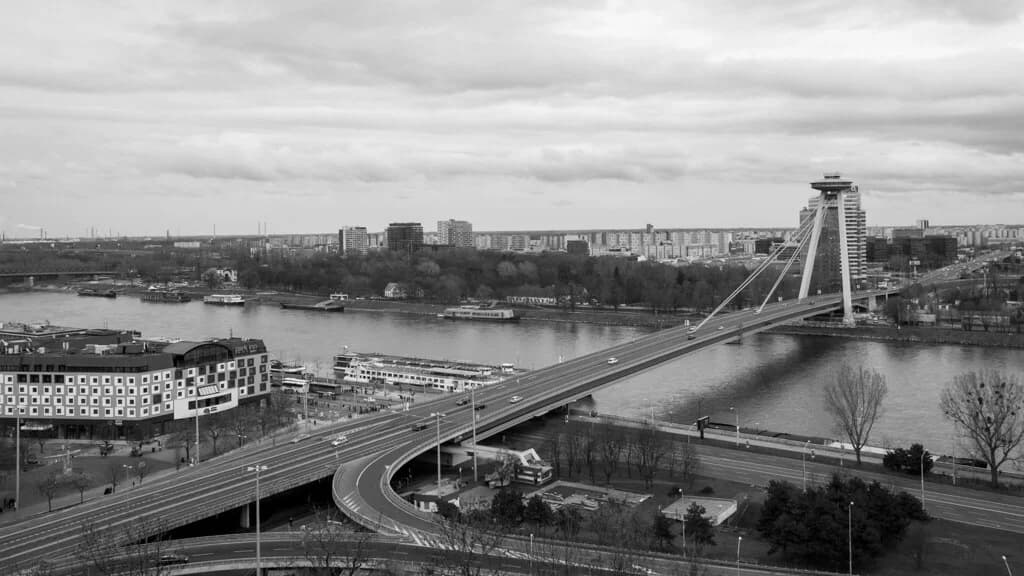
Devín Castle stands at the confluence of the Danube and Morava rivers just 16 kilometers outside Bratislava's city center, making it the closest major historical excursion available to visitors based in the capital. Bus 29 departs from Most SNP (the iconic UFO Bridge stop) and takes about 20 minutes, costing €1 with a standard city transport ticket purchased via the IDS BK app or at any yellow ticket machine near the tram stops. The ruins offer a powerful look at Iron Curtain history and medieval Slovak fortifications dating back over 1,000 years, with information panels describing how the site was a closed military zone until 1989. Adult entry to the castle grounds costs €5 in 2026, with reduced concessions available for students and seniors. Slovakia's position as a border nation creates fascinating historical narratives — more information is available through the Wikipedia overview of Slovakia and the dedicated Wikipedia entry on Devín Castle.
Combine this trip with a Bratislava walking tour to understand the region's full historical context before heading out to the castle. Walking along the Danube cycling trail from the city center to Devín takes about 90 minutes on foot and offers stunning waterside scenery — a popular weekend route for locals with cyclists, joggers, and families with prams sharing the wide riverside path. The castle grounds feature informative plaques in English that explain the strategic importance of this ancient site through the Roman, Great Moravian, and Habsburg periods. Photographers will love the panoramic views of the Austrian border, the Morava floodplain, and the distant hills of Lower Austria spreading out below the upper fortifications.
Local vendors near the entrance sell traditional currant wine that is unique to this specific region. A small bottle usually costs about €5 and makes for a distinctive regional souvenir to bring back to Bratislava. Visit the small museum inside the castle caves to see artifacts from the Roman era, including coins, pottery, and reconstructed weaponry. The site stays open later in summer — until 7:00 PM from June through August — to allow visitors to linger for the spectacular golden-hour sunset views over the Danube and into Austria. In spring and autumn, the closing time reverts to 5:00 PM, so plan your Bus 29 return accordingly to avoid missing the last direct service back to the city center.
Wear sturdy shoes as the paths leading up to the ruins involve uneven stone steps and can be slippery after rain — ankle-support footwear is genuinely helpful, especially for the upper keep. Plan for about three hours in total to explore the castle, the surrounding village, and the riverside trail at a leisurely pace without feeling rushed. Families particularly enjoy the open green spaces below the ruins for a picnic on a sunny afternoon, with young children able to run freely in the safe enclosed grounds. Nearby Restaurant Devín serves hearty Slovak meals with mains from €10–€16 if you need a sit-down meal after your hike back down the hill. This excursion is especially well-suited to visitors who enjoy history with minimal crowds and outstanding natural scenery, as Devín receives far fewer tourists than the famous Bratislava Castle in the city center.
- Devín Castle Excursion Details
- Transport: Bus 29 from Most SNP (€1 city transport, 20 min)
- Distance: 16 kilometers from city center
- Entry fee: €5 adults (2026), concessions available
- Opening hours: extended to 7:00 PM June–August
- Total visit time: approximately 3 hours recommended
Visiting Trnava: The Little Rome of Slovakia
Trnava earned its enduring nickname "the Little Rome" because of the extraordinary concentration of historic churches found within its well-preserved medieval walls — there are over a dozen sacred buildings within the compact old town alone, a density that rivals much larger European cities. Frequent trains from Bratislava Hlavná stanica depart several times per hour, making the 30-minute trip an easy and affordable spontaneous outing; tickets cost around €3.50–€4 one-way in 2026. The city center features a beautiful main square lined with colorful Baroque townhouses and quiet independent cafes that stay busy with students and local office workers from morning to early evening. Visitors often climb the Town Tower (entry €2) for panoramic views of the red-tiled roofs and Gothic spires stretching across the golden skyline, particularly rewarding in late afternoon light.
The University of Trnava adds a youthful energy to the historic streets throughout the academic year, reflected in a vibrant café and bar scene along Hlavná Street where a good espresso costs just €2 and a glass of local wine runs €3–€4 at most bars. Local wine cellars offer tastings of regional White Carpathian vintages that many tourists overlook entirely despite their growing international reputation. Expect to pay around €15 for a guided tasting experience of five wines in a historic vaulted cellar beneath the old town — a very accessible and convivial way to spend 90 minutes in the afternoon. This city provides a much quieter alternative to the more crowded streets of Bratislava, especially on weekday mornings when the main square feels almost entirely like a local space.
Walking through the Bratislava old town guide first helps you appreciate the contrast in architectural styles between the two cities — Trnava's Baroque is more austere and ecclesiastical where Bratislava's is more civic and ornate. Trnava's city walls are among the best-preserved medieval fortifications in all of Central Europe, with several towers still accessible via short staircases that give you a bird's-eye view of the layout. Entrance to the Cathedral of St. John the Baptist, the largest church in Slovakia, is free, though donations are appreciated by the resident parish. The adjacent Archbishop's Palace gardens offer a tranquil spot to rest for 20–30 minutes between sightseeing stops. Check the local event calendar for the annual Trnava Markets held in December and the Old Town Festival in June, when the streets fill with musicians, food stalls, and artisan workshops.
Most shops in the center close early on Saturday afternoons and remain shut on Sundays — plan your visit for a weekday to enjoy the full range of boutiques, traditional Slovak bakeries, and delicatessens that sell local cheeses and preserved meats. The train station is a 10-minute walk from the historic district along a well-signed pedestrian route that passes through a pleasant residential quarter with painted facades. Luggage storage is available at the station for €2 per bag if you want to explore without carrying a backpack on a warm summer day. Return trains run until around 10:00 PM, giving you a generous window for an evening meal before heading back to Bratislava — try the roast duck with lokše potato pancakes at one of the central restaurants for a genuinely Slovak dinner experience at around €14–€18 for a main course with a local beer.
- Trnava Excursion Details
- Transport: Direct train (~€3.50–€4 one-way, 30 min)
- Distance: 48 kilometers from Bratislava
- Town Tower entry: €2
- Wine tasting: ~€15 for 5 wines
- Best day to visit: weekdays for full shop access
Cultural Gems in Nitra and Beyond
Nitra ranks as the oldest continuously inhabited city in Slovakia and features a stunning castle complex rising dramatically above the city on a hillside that has been fortified since at least the 9th century. Direct buses from Bratislava's Mlynské Nivy bus station run frequently throughout the day and take about 90 minutes, with tickets priced at €5–€7 one-way in 2026. The Upper Town houses the Cathedral of St. Emmeram, whose interior showcases incredible Baroque frescoes and an ornate gilded altar that dates back to the 17th century — the cathedral is considered one of the finest Romanesque-Baroque sacred interiors in Central Slovakia. Entry to the cathedral is free, though the castle complex charges €5 for adult access to the fortifications and tower views, where on clear days you can see all the way to the Small Carpathian Mountains on the Slovak-Austrian border.
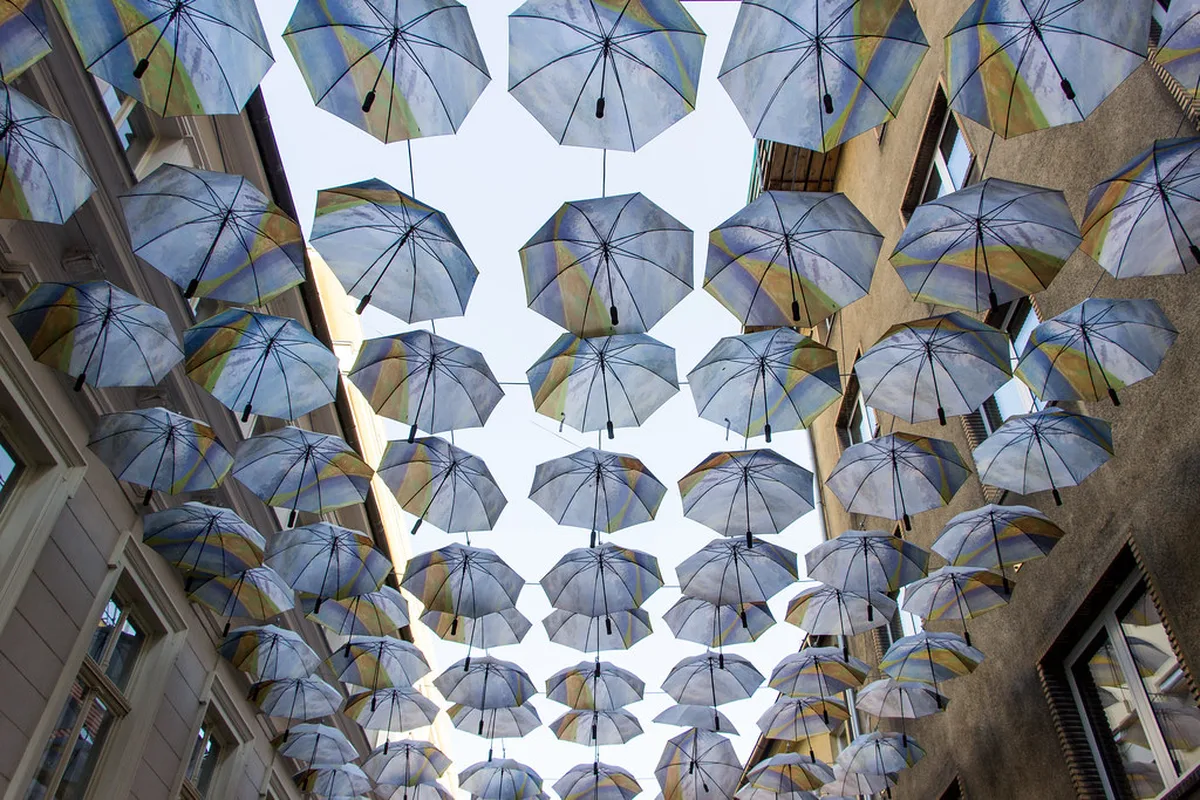
Nature lovers should hike up Zobor Hill (588 m) for the best panoramic views over the rolling vine-covered countryside of the Nitra region. The well-marked trail from the edge of town takes about 60–90 minutes at a moderate pace and is suitable for most fitness levels, with a gravel path for the lower section that transitions to a forest track near the summit. You can find several traditional pubs at the base of the hill serving cold Zlatý Bažant beer for about €2 per large glass — a thoroughly deserved post-hike reward after the climb. The hilltop ruins of the Benedictine Zobor Abbey, though only fragmentary, add a quiet meditative atmosphere to the summit and provide a compelling reason to push all the way to the top rather than turning back halfway.
The Synagogue in Nitra, built in 1911 in a Moorish-influenced style, serves as a beautiful cultural venue for concerts and art exhibitions that rotate through the year. Entry fees for special events are usually modest, ranging from €5 to €10 depending on the programme — check the city's cultural calendar before visiting to see what might be on. Exploring the pedestrian zone of the lower town reveals several statues and installations that celebrate the city's long Slavic heritage, including a striking monument to Cyril and Methodius, who brought Christianity and literacy to this region in the 9th century and whose legacy is central to Slovak national identity. The pedestrian zone also contains several good café options with terrace seating, ideal for a lunch break in the middle of sightseeing before heading to Zobor Hill in the afternoon.
Consider visiting Nitra during the autumn harvest festivals in October to experience local traditions, open-air food stalls, and folk music performances that fill the main square with authentic regional energy. The weather remains mild enough for outdoor exploration through late October in this region — temperatures typically sit between 12°C and 18°C during the day, with light-jacket evenings. Always verify bus return times at the station before departure, as evening services reduce to roughly one bus per hour after 6:00 PM, with the last departure back to Bratislava typically around 9:00–10:00 PM. Digital tickets are widely accepted and can be purchased through the FlixBus or RegioJet apps, saving you the queue at the station counter during busy mid-day departures.
- Nitra Excursion Details
- Transport: Direct bus (~€5–€7 one-way, 90 min from Mlynské Nivy)
- Distance: 90 kilometers from Bratislava
- Cathedral entry: free; Castle complex: €5
- Zobor Hill hike: 60–90 min, moderate difficulty
- Best season: October for harvest festivals
Cross-Border Magic at Lednice-Valtice
This UNESCO World Heritage site in the Czech Republic is accessible within a 90-minute drive or by a combination of train and local bus from Bratislava — it is one of the most underrated excursions in the region, deeply loved by those who discover it but still largely off the radar for international tourists. The Lednice-Valtice Cultural Landscape covers 283 square kilometers of Baroque parklands, two aristocratic palaces, a Moorish minaret, and over 30 smaller follies and temples scattered across the estate by the Liechtenstein family over three centuries. Renting a bike from one of the rental shops in Lednice village is the best way to cover the vast flat parklands between the two main villages; expect to pay €15–€20 for a full day of cycling in 2026, with quality bikes available from several shops near the palace entrance. The cycling route between Lednice and Valtice is approximately 8 kilometers each way on well-maintained flat paths that wind through parkland, past ponds, and through vineyards.
Wine enthusiasts will find the National Wine Centre (Vinné Centrum) in the historic vaulted cellars beneath Valtice Castle a highlight of the entire trip. You can sample 6–10 award-winning Moravian white wines — predominantly Welschriesling and Müller-Thurgau — for a flat entry fee of around €25 per person in 2026. The tasting rooms are open daily from 10:00 AM to 5:00 PM, but advance booking is strongly recommended for groups of four or more, particularly on weekends during the June–September wine season. This region consistently wins international wine awards and is considered among the finest white wine-producing areas in Central Europe, with many of the top estates small enough that you can only access their best vintages through the Centre rather than retail stores.
The Lednice Palace interior features intricate neo-Gothic woodwork and period furnishings that took decades of skilled craftwork to complete, and the resulting ensemble of rooms is one of the most complete examples of Romantic-era aristocratic interior design in the Czech Republic. Guided tours run at regular intervals and last approximately 50 minutes each, conducted in Czech and German with English audio guides available for €3 extra. A basic tour ticket costs €10 and includes access to the most grand state rooms, while the premium tour (€15) adds the private apartments and the rooftop terrace with views over the extensive parklands below. Walking through the attached palm house greenhouse — one of the oldest in Central Europe, built in 1845 — offers a lush tropical escape even during the cooler spring and autumn months when the outdoor gardens are not yet in full bloom.
Parking near the main entrances can be difficult during busy holiday weekends and public holidays in summer, particularly in July and August when Czech and Slovak families make it a popular weekend outing. Arrive before 10:00 AM to secure a free roadside parking spot and beat the largest tour bus crowds that descend on the estate from mid-morning onwards. The entire landscape is very flat, making it ideal for travelers who prefer easy walking or cycling over strenuous hikes — it is one of the most accessible UNESCO World Heritage sites in Central Europe for visitors with mobility considerations. Many visitors comfortably spend a full day here seeing both palaces, cycling between them through the parkland, and still having time for a proper wine tasting before the 90-minute journey back to Bratislava in the early evening.
- Lednice-Valtice Excursion Details
- Transport: Car or train + local bus, ~90 min from Bratislava
- Distance: ~80 kilometers
- Bike rental: €15–€20/day
- Wine tasting: ~€25 per person (6–10 wines)
- Palace tour: €10 (basic) / €15 (premium)
- Best time: arrive before 10:00 AM in summer
Choosing the Best Day Trips From Bratislava
Selecting the best excursion depends on your preferred mode of transport, available time, and budget priorities. Train travel remains the most reliable and affordable option for reaching nearby cities like Vienna (~€15-20 return, 60 min), Trnava (~€4 one-way, 30 min), or Piešťany (~€8 return, 1.5h) in 2026. Travelers should avoid visiting smaller towns on Mondays when many museums and castles remain closed for their weekly day of rest — this applies to several attractions in both Trnava and Nitra, where closure days are common across the heritage sector. Review our Bratislava walking tour guide to balance your city exploration time with excursion days and avoid overlapping the most interesting city sights with your out-of-town trips.
Booking tickets online in advance through the RegioJet or ÖBB apps can save you 20–30% on international bus and rail routes, particularly for Vienna, where last-minute fares can climb significantly on busy travel days. Always carry a small amount of euro cash for local village cafes, ice cream stands, and public toilets, which typically charge €0.50–€1.00 — many rural Slovak venues still do not accept card payments, and castle gift shops frequently operate cash-only. Public transport in Slovakia is very affordable compared to Western European standards — a regional train ticket rarely exceeds €8 for a one-way journey to most nearby towns, and the network covers all the destinations in this guide. Verify the platform numbers on the digital screens at Bratislava Hlavná stanica before boarding, as they can and do change at the last minute, particularly for international services.
Keep your passport or national ID card with you whenever crossing borders into Austria or Czechia, even though all three countries are in the Schengen Area and there are no routine checks. Day trips allow you to experience more of the Danube region without changing hotels or paying for additional accommodation, which is a significant budget advantage when Bratislava hotel rates are already some of the lowest of any European capital. Bratislava serves as a quiet and excellent-value base for these regional adventures, with its central position saving you hours compared to traveling from Vienna or Prague. Start your journeys early in the morning — aim to leave by 8:00–9:00 AM — to make the most of the daylight hours at your chosen destination, especially for outdoor excursions like Devín Castle or the Lednice-Valtice cycling trails.
Checking the weather forecast the evening before helps you choose intelligently between indoor museum days and outdoor excursions. Rainy weather is best matched with indoor-heavy itineraries: Lednice Palace, Vienna museums, or the Nitra Cathedral tour. Sunny days call for outdoor castle hikes at Devín, Zobor Hill in Nitra, or cycling through the Lednice-Valtice parklands. If you only have one free day and want the single most rewarding destination for its variety, accessibility, and world-class density of sights, Vienna is the clear answer. For a purely Slovak experience on a tight budget, Devín Castle offers the best overall value: under €6 total round trip cost, only 20 minutes travel time, and genuinely fascinating history that most visitors find deeply moving — particularly the Iron Curtain section near the riverbank where watch posts and barrier remnants are still visible.
- Day Trip Decision Guide
- Shortest trip: Devín Castle — 20 min by Bus 29, €1 each way, €5 entry
- Best for history + architecture: Trnava — 30 min by train, ~€4 one-way
- Best international: Vienna — 60 min by train, ~€15-20 return
- Best for wine + nature: Lednice-Valtice — 90 min by car, €10–€25 on site
- Best for ancient Slovak roots: Nitra — 90 min by bus, ~€6 one-way
- Best castle lovers: Bojnice — 2h by train (€10 return), €12 entry
Frequently Asked Questions
How far is Vienna from Bratislava?
Vienna is approximately 65 kilometers from Bratislava by road and rail. The train journey takes around 60 minutes on RegioJet or ÖBB services departing hourly from Bratislava Hlavná stanica, with return tickets from €15 in 2026. Budget travelers can book FlixBus coach services from €10 return, departing from Mlynské Nivy bus station in a journey of 60–75 minutes depending on border traffic.
What is the best day trip from Bratislava?
Vienna is widely considered the best overall day trip from Bratislava in 2026, offering world-class museums, imperial palaces, and a vibrant café culture just 60 minutes away by train. For a purely Slovak experience, Devín Castle is the best budget option — it costs under €6 total (€1 bus + €5 entry) and takes only 20 minutes by Bus 29 from Most SNP. For the most dramatic castle experience within Slovakia, Bojnice is a two-hour train ride away (€10 return) and charges €12 entry for its fairy-tale Gothic towers.
Can I visit Vienna as a day trip from Bratislava?
Yes, Vienna is the easiest and most popular day trip from Bratislava. The two capitals are just 65 km apart. Trains (RegioJet, ÖBB) run hourly from Bratislava Hlavná stanica to Wien Hauptbahnhof in about 60 minutes, with return tickets from €15 in 2026. FlixBus is cheaper (from €10 return) but takes 60–75 minutes. Leave by 7:00–8:00 AM to maximize your day and return by 8:00 PM. Both countries use EUR and are in the Schengen Area — no currency exchange or passport checks needed, though carry valid ID. A full day lets you visit Schönbrunn Palace (€23), Belvedere (€16), and the free Naschmarkt, plus take in the historic Ringstrasse and St. Stephen's Cathedral nave at no cost.
Can I visit Budapest as a day trip from Bratislava?
Yes, you can reach Budapest in about 2.5 hours by direct train from Bratislava Hlavná stanica. Tickets cost approximately €25–€40 return in 2026. Frequent departures throughout the day make it feasible to see the Buda Castle, Parliament building, and the Danube embankment in a single long day before returning in the evening. Leave no later than 8:00 AM to ensure a full 8–9 hours in the Hungarian capital. Note that Hungary uses the Hungarian forint (HUF), not euros, so bring some local currency or plan to use an ATM in Budapest.
What is the best day trip from Bratislava for castle lovers?
For castle lovers, Bojnice Castle is the most spectacular day trip from Bratislava in 2026. The neo-Gothic fairy-tale castle, built over a medieval fortress, is Slovakia's most visited castle and hosts an annual International Festival of Ghosts and Phantoms every spring. The train journey from Bratislava takes about 2 hours with a change in Prievidza, costing €10 return. Entry to the castle interior is €12 for adults. Devín Castle (16 km by Bus 29, €1 city transport + €5 entry) is a closer and more dramatic ruin option on the Danube, while Červený Kameň Castle in the Lesser Carpathians (45 min by bus, €8 entry) offers excellent preserved fortifications and wine-country scenery.
Is public transport reliable for these excursions?
Public transport in Slovakia and the wider Central European region is very efficient and generally runs on time. Trains and buses connect Bratislava to most major nearby attractions at low cost — regional train tickets rarely exceed €8 one-way. You can navigate the systems easily using English-language signs and apps: RegioJet, ÖBB, and FlixBus all offer English-language booking with e-tickets accepted on board. For Vienna connections, trains run at least hourly throughout the day. For Devín Castle, Bus 29 runs every 20–30 minutes from Most SNP on weekdays and slightly less frequently on weekends — check the IDS BK app for exact departure times.
Bratislava is an ideal starting point for exploring the rich culture of Central Europe in 2026. From the imperial streets of Vienna to the ancient walls of Nitra, the fairy-tale towers of Bojnice, and the riverside ruins of Devín, the options are plentiful and remarkably affordable. Read our Bratislava old town guide and safety tips for Bratislava to complete your trip planning. Using this city as your base provides a perfect mix of value and convenience that few other European capitals can match. Plan your next regional adventure today and discover why this corner of Central Europe continues to surprise and delight travelers from around the world.