The Ultimate Catania Beach Guide: Sand, Volcanic Shores and Boat Tours 2026
Catania's coastline sits on the Ionian Sea, offering golden sandy lidos at La Playa (€12–18/day sunbed set, 15 min by bus), free volcanic platforms at San Giovanni Li Cuti (1.5 km from centre), and Aci Trezza boat tours to the Cyclopean Isles for €15 per person — all reachable for €1.50–€2 by public transport.
Sicily's best urban beach mix spans 3 km of sandy La Playa south of the harbour, jet-black volcanic rock at San Giovanni Li Cuti just 20 minutes' walk from Piazza del Duomo, and the dramatic Isole Ciclopi sea stacks 15 km north near Aci Trezza — each distinct in terrain, access, and EUR cost.
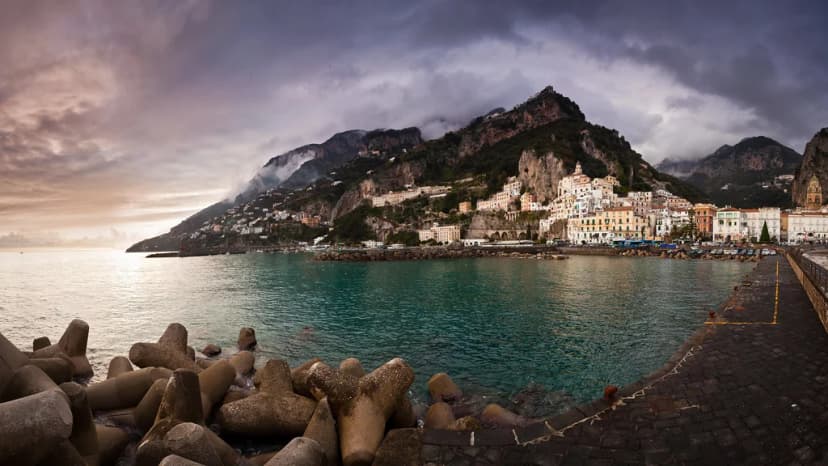
Catania offers a unique coastline where golden sands meet dark volcanic rocks shaped by Etna's ancient eruptions. This Catania beach guide helps you navigate the diverse swimming spots along the Ionian Sea, from the urban lidos a short bus ride from Piazza del Duomo to the dramatic Cyclopean Isles further up the coast.
Visitors can enjoy everything from family-friendly lidos to rugged, natural coves. Exploring the shore pairs beautifully with a Catania walking tour around the historic Baroque centre. The city provides easy access to both sandy stretches and crystal-clear rocky waters, all reachable by public transport for €1.50–€3 per journey in 2026.
What Are the Best Beaches Near Catania?
The best beaches near Catania in 2026 are La Playa (3 km sandy lido strip, €12–18 sunbed, 15 min by AMT bus for €1.50), San Giovanni Li Cuti (free volcanic platforms, 1.5 km from centre), Lido di Plaia (organised clubs, €12–22/day), Aci Castello (free volcanic platforms, ~10 km north, €2 by train), and Aci Trezza (Cyclopean Isles boat tours at €15/person, ~15 km north).
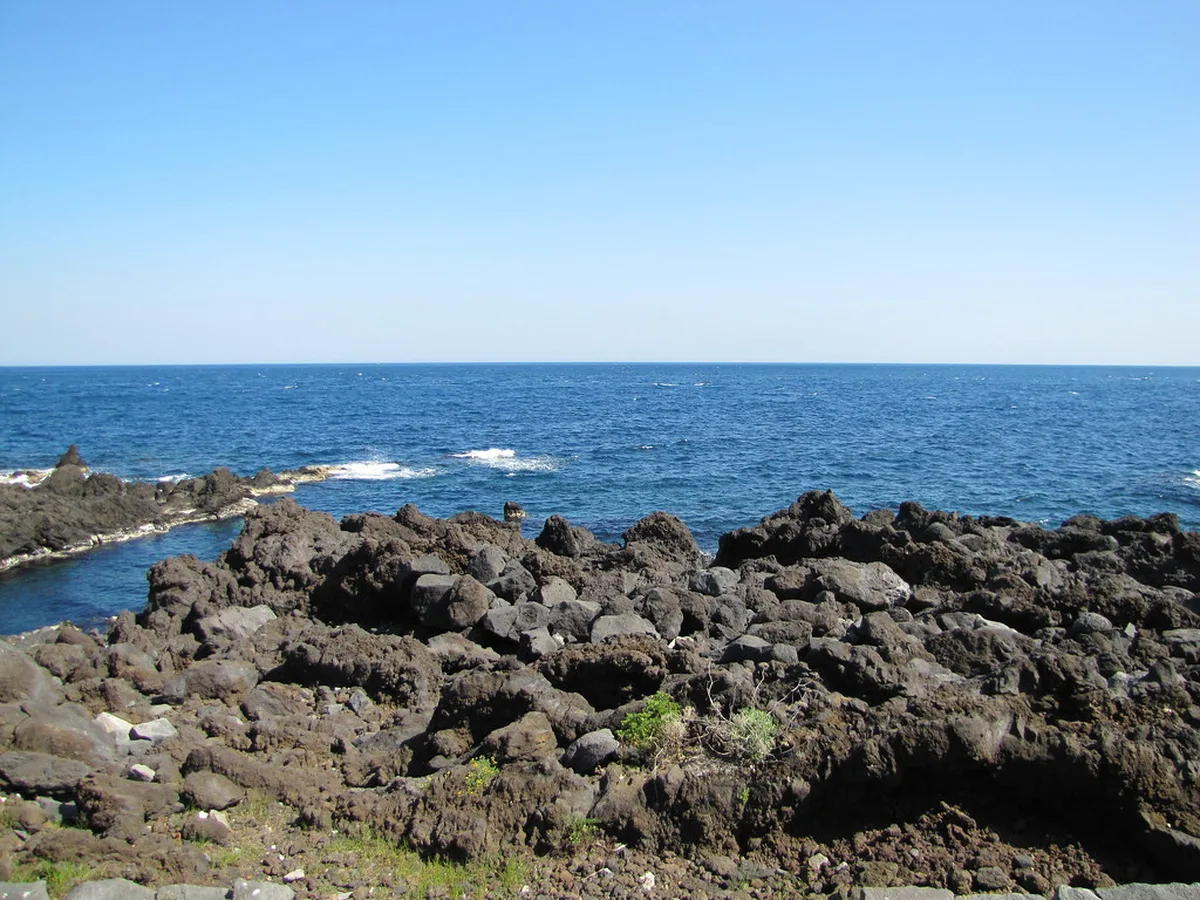
Catania's coastline in 2026 spans golden sand lidos, jet-black volcanic rock platforms, and turquoise coves just 15 minutes north by train. Whether you want a sunbed set for €12–18 at a lido or a free volcanic perch at San Giovanni Li Cuti, there is a beach here for every budget and style.
The city sits on the Ionian Sea, giving it warm, clear water from late May through early October. Rocky beaches like San Giovanni Li Cuti and Aci Trezza consistently test cleaner than the sandy south-coast stretches in the regional monitoring reports published in 2026.
For those planning a wider Sicilian beach holiday, southern Italy's best beaches extend well beyond Catania, and the Sicily travel guide covers the best coastal cities and towns across the island for a fuller picture.
La Playa: The Sandy Heart of Catania
La Playa is Catania's best-known sandy beach, running for roughly 3 km south of the harbour along the Via Leucatia coastal road. In 2026 it is the go-to destination for families, weekend sun-seekers, and visitors who prefer traditional sand over volcanic rock. The strip combines private lidos with free public sections, so every budget is catered for.
Private lidos dominate La Playa's organised stretch. In 2026, entry fees for a full sunbed set — sun lounger, umbrella, and shower access — typically run €12–18 per person per day. The lower end of that range reflects mid-week or early-season bookings in May and June. July and August peak pricing edges toward €18–22 at the more popular clubs. Most lidos open from around 8:30 AM and stay open until sunset, roughly 8 PM in high summer. Several clubs now offer online pre-booking through their own apps, which is useful for weekends when walk-in spots sell out before 10 AM.
Public areas — known locally as spiaggia libera — exist between the private clubs for those who prefer a free experience. These spots can become very crowded during July and August, so arriving before 9 AM is wise. You will need to bring your own shade since no umbrellas or facilities are provided. Families appreciate La Playa because the water remains shallow for several metres from shore, making it safe for children to play. Many lidos also run restaurants serving fresh seafood and cold drinks, so a full day's visit is easy to manage without leaving the beach.
Getting to La Playa without a car is straightforward. Bus line D (AMT Catania) departs from the central station on Via Stesicoro and reaches the beach in about 15 minutes. A single-journey ticket costs €1.50 in 2026, or you can buy a 90-minute validity pass for the same price that allows one transfer. The first bus typically leaves around 6:30 AM and services run until around 10 PM. If you are driving, the nearest free parking is on Via Cristoforo Colombo, though it fills fast on sunny weekends — check the parking in Catania guide for paid zone alternatives nearby.
Lidos at La Playa typically provide changing rooms, showers, and toilets for paying guests. Public sections have limited facilities, so plan your outfit accordingly and carry some cash — many small beach bars only accept cash for purchases under €10. Water shoes are not essential on the sandy areas, though they are strongly recommended if you wander toward the rocky edges of the beach.
San Giovanni Li Cuti: Volcanic Rock Swimming
San Giovanni Li Cuti provides a stark contrast to the sandy southern coast. This small fishing village features a beach made entirely of black volcanic rocks and dark ash, just 1.5 km west of Piazza del Duomo — a 20-minute walk along the waterfront promenade or a quick €4 taxi ride. The dark landscape produces stunning photos against the deep Ionian blue, and the water here is notably clearer than the sandy La Playa thanks to the absence of seabed sediment.
The local authority installs wooden decking platforms over the rocks each summer season, typically from late May through September. In 2026 access to the public platforms remains free. These raised decks make sunbathing practical on terrain that would otherwise be uncomfortable, and each platform includes metal ladders that make entering and exiting the sea much easier. Swimmers should know that the water depth increases sharply within a few metres of the platform edge, so confident swimmers are better suited to this spot than non-swimmers or very young children.
A handful of bars and small restaurants line the narrow harbour road beside the swimming area. You can grab a lemon granita for around €2–3 or a fresh arancino for €2 between swims. In the evenings the area transforms into a local gathering point, with residents arriving after work for an informal swim and a drink. The atmosphere feels authentic and unpretentious compared to the commercialised lidos to the south, and the absence of loud music makes it popular with travellers who prefer a calmer setting.
After dark, the promenade around San Giovanni Li Cuti connects naturally to the city's nightlife scene a short walk inland. If you plan an evening here, check out the Catania nightlife guide for the best bars and late-night spots nearby. The village's proximity to the centre means it is also easy to combine with a morning at the fish market or a visit to the Cathedral before heading to the water in the afternoon. There is no car park directly at the site, so arriving on foot or by bus is the most practical option.
Water shoes are strongly recommended at San Giovanni Li Cuti. The volcanic rock can be extremely sharp, and the dark stone absorbs heat quickly, reaching uncomfortable surface temperatures by midday in July and August. A padded mat or thick towel is also useful for lying down comfortably. For snorkelling, the rocky substrate supports a rich variety of marine life including sea urchins, octopus, and small bream, making this one of the most rewarding snorkel spots within walking distance of any major Sicilian city.
Aci Castello and Aci Trezza: Beyond City Limits
Just 10–15 km north of Catania's centre, the coastal towns of Aci Castello and Aci Trezza offer some of the most dramatic seascapes in Sicily. Both are popular destinations for day trips; see the full day trips from Catania guide for combined itineraries covering these and other nearby spots.
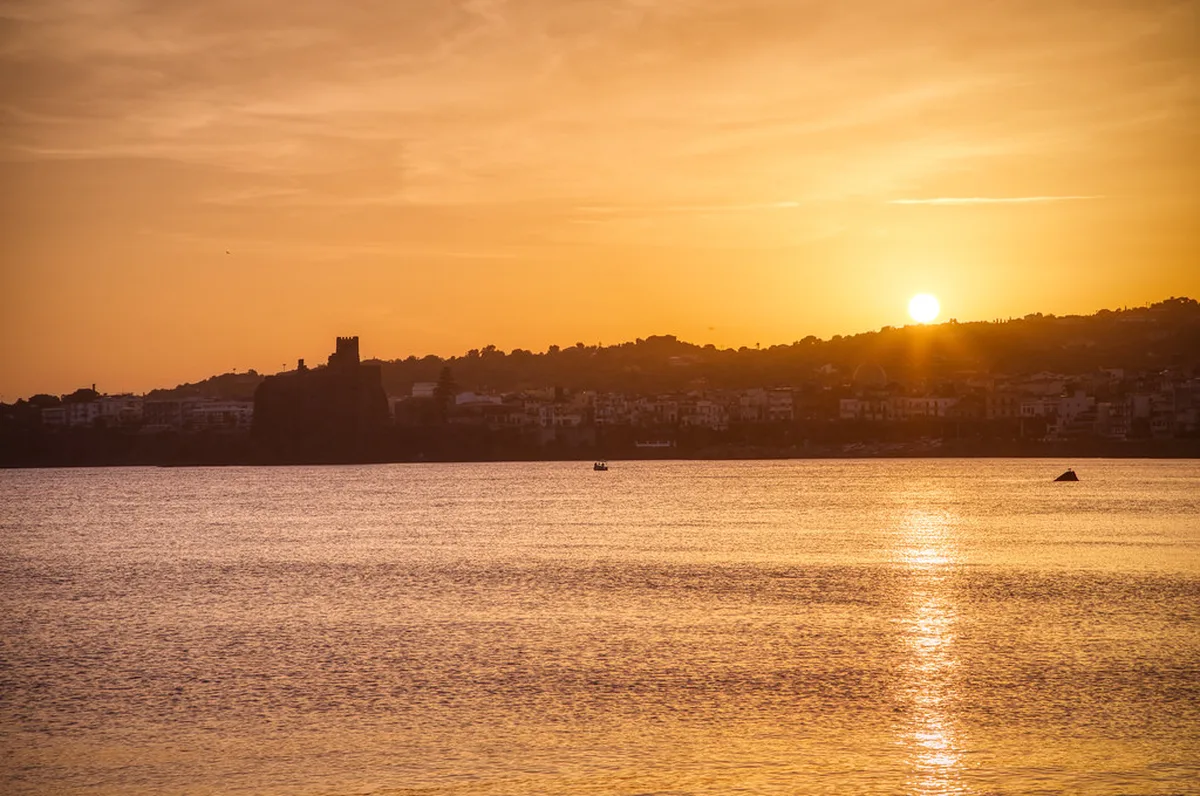
Aci Castello is famous for its Norman castle, built directly onto a black volcanic cliff that drops into the sea. The castle grounds are open to visitors daily in 2026 with a €3 entry fee. Below the castle walls, a series of flat volcanic platforms serve as a free, informal swimming area where locals spread out towels and jump into the clear water below. The views back toward Catania with the looming bulk of Mount Etna in the background are among the most photographed in eastern Sicily.
Aci Trezza is the gateway to the Isole Ciclopi (Cyclopean Isles), a cluster of volcanic sea stacks that rise dramatically from the Ionian. According to Homer's Odyssey, these are the rocks hurled by the blinded Cyclops Polyphemus at Odysseus's escaping ships. In 2026 the most popular way to experience them is by guided boat tour, which departs from the small harbour in Aci Trezza. Shared boat tours cost approximately €15 per person for a 45–60 minute circuit around the stacks, including time to swim in the channels between the rocks. Private boat hire is also available from around €80 for the vessel for up to 6 people. The marine area around the Isole Ciclopi is a protected reserve (Area Marina Protetta), which means fishing is restricted and the water clarity is exceptional — visibility often exceeds 10 metres.
Snorkelling and diving are the headline activities at Aci Trezza. The rocky seabed around the stacks supports sea fans, moray eels, octopus, and schools of bream. Local dive shops in the harbour offer single guided dives from around €45 including equipment hire. The water temperature reaches a comfortable 24–26 °C in July and August. Non-divers can explore the shallows with a mask and fins; the boat tour operators often pause at suitable snorkel points as part of their circuit.
Getting to both towns without a car is easy. The Ferrovia Circumetnea suburban rail line and AMT bus routes serve Aci Castello and Aci Trezza from Catania's central station. The journey takes around 20 minutes and costs €1.50–€2 one way. Weekend services are slightly less frequent, so check the AMT schedule before you go. Parking in Aci Trezza itself is limited on summer weekends, making the train or bus the smarter choice from late June through August.
- Aci Castello Beach Area
- Type: Volcanic platforms
- Best for: Scenic swimming and castle visits
- Distance from Catania: ~10 km north
- Cost: Free platform access; €3 castle entry (2026)
- Aci Trezza — Isole Ciclopi
- Type: Pebbles, rocks, and open sea
- Best for: Snorkelling, boat tours
- Distance from Catania: ~15 km north
- Boat tour cost: ~€15/person shared; ~€80 private hire (2026)
Lido di Plaia: Catania's Urban Beach Destination
Lido di Plaia is the collective name for the dense cluster of private beach clubs that make up Catania's most organised and commercially developed coastal strip. Located immediately south of the city port, it sits roughly 4 km from Piazza del Duomo and is the first sandy beach destination most visitors encounter when heading south from the city centre. Unlike the more natural spots further north, Lido di Plaia is built for convenience: showers, lockers, restaurants, cocktail bars, beach volleyball, and children's play areas are all standard features across most clubs here in 2026.
Sunbed sets at Lido di Plaia clubs in 2026 typically cost €12–18 per person per day in June and September, rising to €18–22 during the July–August peak. Many clubs offer a morning half-day rate (entry before noon, leave by 2 PM) for around €8–10, which suits visitors on a tighter schedule. A handful of the larger clubs, such as Lido Azzurro and Lido La Perla, have added online reservation systems for 2026, allowing you to book a specific row and umbrella position in advance — useful for families travelling with young children who need a shaded front-row spot near the water's edge.
The beach itself is a wide sandy strip backed by low dunes stabilised with beach grass. The sand is golden-grey, not the pure white of the Caribbean, but it is soft enough for comfortable barefoot walking. The seabed shelves gently, making the first 20–30 metres very safe for families. Beyond that initial shallow zone, the depth increases steadily to around 1.5 metres at the first buoy line (roughly 50 metres from shore). Lifeguards are present at all licensed lidos from 9 AM to 7 PM during the official bathing season (1 June–30 September 2026).
Food at Lido di Plaia ranges from beach-bar basics — arancino €2, granita al limone €2.50, aperol spritz €6 — to full sit-down seafood restaurants within the larger clubs. Several clubs have added wood-fired pizza options for the 2026 season, priced around €9–13 per pizza. You do not need to be a paying lido member to eat at these restaurants, though tables are naturally prioritised for guests. Budget travellers should note that free spiaggia libera sections exist between the private clubs but are marked only with small signs — look for the gaps in the fencing and the absence of coloured umbrellas.
Getting to Lido di Plaia by public transport uses the same AMT bus line D that serves La Playa, since the two areas overlap and the bus runs the full length of the coastal road. The journey from Catania central station takes 15–20 minutes and costs €1.50 for a single ticket. By car, the Via Cristoforo Colombo coastal road runs directly alongside the lido strip; blue-zone paid parking operates at €1/hour on weekdays and weekends throughout summer. Arriving before 9:30 AM gives you the best chance of finding a space without circling.
Snorkelling and Sea Kayaking off Catania: Active Beach Days in 2026
For visitors who want more than passive sunbathing, Catania's volcanic coastline offers outstanding snorkelling and sea kayaking experiences that reveal a different side of the Ionian Sea. The rocky seabeds north of the city are among the richest in eastern Sicily, and guided water-sports tours are easy to book in 2026.
Snorkelling is best from the volcanic rock beaches. At San Giovanni Li Cuti, immediately west of the city centre, the rocky substrate begins within 5 metres of the free public platforms and immediately supports sea urchins, bream, and — with patience — octopus tucked beneath the boulders. Equipment is not available for hire at the site itself, so bring your own mask, fins, and snorkel, or pick up a basic set from one of the sports shops on Via Etnea for around €15–25. The water clarity here regularly exceeds 8 metres in calm conditions, and the shallow entry (1–2 m depth close to the rocks) makes it accessible even for beginners.
Aci Trezza offers the finest snorkelling near Catania. The protected marine reserve (Area Marina Protetta Isole Ciclopi) surrounding the Cyclopean Isles prohibits fishing and restricts boat traffic, producing exceptional water clarity with visibility of 10+ metres in summer. Boat tours that depart from Aci Trezza harbour typically include a 20-minute snorkel stop between the sea stacks as part of the €15 shared circuit. Sea fans, moray eels, and large schools of salema fish are common sightings. Local dive operators also rent snorkel gear for around €8–10 for a half-day if you prefer to stay shallow rather than dive.
Sea kayaking is an increasingly popular activity around the Catania coast in 2026. Several outfitters operating from Aci Castello and Aci Trezza offer guided half-day kayak tours (3–4 hours) that paddle out to sea caves and volcanic rock arches accessible only by water. Prices for guided group tours typically run €35–45 per person including equipment and a guide. Solo kayak hire, without a guide, is available from some operators from around €20–25 for a half-day. No prior experience is necessary for the standard group tours, though basic swimming ability is required.
For visitors planning water-sports activities alongside sightseeing, it is worth pairing a morning kayak session with an afternoon visit to the Catania old town. The Catania old town guide covers the Baroque cathedral, fish market, and best streets to explore — a perfect counterpoint to a morning on the water. A full day starting with a 9 AM kayak from Aci Castello and finishing with an evening stroll through the city's historic streets is one of the best ways to experience both sides of Catanian life.
Conditions are best for snorkelling and kayaking from mid-June through mid-September, when the sea is calm, water temperatures reach 24–26 °C, and winds are light in the mornings. Afternoon sea breezes pick up from around 2 PM, making the morning the preferred window for kayaking in exposed coastal areas. Always check local weather and wave height forecasts on the Sicilian Civil Protection Authority website before booking independent water sports activities.
How to Reach Catania's Best Beaches by Bus and Car in 2026
Getting to Catania's beaches without a car is both practical and affordable in 2026. The AMT city bus network and the Ferrovia Circumetnea regional train cover the main beach zones, and combined fares rarely exceed €3 one way from the city centre. Here is a breakdown of the most useful routes and their 2026 costs.
For the southern sandy beaches (La Playa and Lido di Plaia), take AMT bus line D from Catania Centrale station or Via Stesicoro. Single ticket: €1.50. Journey time: 15–20 minutes. Buses run from approximately 6:30 AM to 10 PM daily in summer, with departures every 12–15 minutes at peak times. The D line terminates near the main entrance to the Lido di Plaia cluster, making it easy to walk between clubs along the coastal road.
For San Giovanni Li Cuti, no bus is needed — it is a 20-minute walk west from Piazza del Duomo along the Lungomare. Alternatively, a city taxi costs €4–6 for the short ride. The walk itself is scenic, passing the Villa Bellini gardens and the port promenade, and is a pleasant option in the cooler morning or evening hours. Bicycles can be rented from several city-centre rental shops for €10–15 per day (2026 average), and the flat coastal road is easy cycling.
For Aci Castello and Aci Trezza, the best public transport option is the AMT bus 534 or the Ferrovia Circumetnea train from Catania Borgo station, about 1 km from the city centre. The train costs €2 one way and takes around 20 minutes to Aci Castello. Bus services run less frequently (every 30–45 minutes in summer), so the train is generally more reliable. The train station in Aci Trezza is a short walk from the harbour where boat tours depart.
Driving to the beaches gives you the most flexibility, particularly if you want to visit multiple spots in a single day. The A18 motorway (Catania–Messina) has exits for both Aci Castello and Aci Trezza, making the drive around 15–20 minutes from the city centre without traffic. For the southern beaches, follow Via Cristoforo Colombo south from the port. Key parking notes for 2026: blue-zone street parking costs €1/hour; free white-zone spots exist on side streets but are scarce on summer weekends. The safest strategy is to arrive before 9 AM or use a paid car park near the city centre and take the bus to the beach.
Rideshare apps and taxis are a viable alternative for small groups. Catania has both local taxi cooperatives (RadioTaxi Catania, +39 095 330966) and Uber-style apps active in 2026. A taxi from Piazza del Duomo to La Playa costs roughly €8–12 depending on traffic. To Aci Trezza expect €15–20. For groups of three or four, a taxi or rideshare to the northern coves can actually work out cheaper than four train tickets when combined with boat tour timings.
Practical Catania Beach Guide Tips for Travelers
Planning your logistics carefully makes the difference between a great beach day and a stressful one. If you choose to drive, the parking in Catania guide covers the best affordable options near all the main beach zones, including paid car parks at €1–2/hour. Most beach areas have designated blue zones requiring a small hourly fee — always carry coins or download the EasyPark app for cashless payment.
Safety is generally good at the main beaches, but stay alert in crowded public areas. Pickpockets occasionally target distracted tourists in the busiest sections of La Playa during peak weekends. Read more about whether Catania is safe for tourists to stay fully informed before your trip. The most effective precaution is simple: never leave valuables unattended while you swim, and use the locker facilities offered by private lidos (€2–3 deposit in 2026) instead of leaving items on your towel.
The Sicilian sun is extremely intense between noon and 4 PM from June through August. UV levels regularly hit the "extreme" category during this window. Always apply a minimum SPF 50 sunscreen, reapplying every 90 minutes after swimming. A wide-brimmed hat, polarised sunglasses, and a UV-protective rash vest are all worthwhile investments if you plan multiple beach days. Dehydration is a common problem for visitors arriving from cooler northern climates — aim for at least 2 litres of water per day and seek shade during the midday hours.
Most private lidos provide changing rooms, showers (€0.50–€1 coin-operated at some clubs), and toilets for paying guests. Free public beaches typically lack these facilities entirely. If you are using a free section of La Playa, the nearest public toilets are at the lido entrances, where staff sometimes allow non-guests to use the facilities for a small fee of €1. Carrying a small amount of cash is essential — many small beach bars and the free-section food carts only accept cash for purchases under €10.
One logistical tip many visitors overlook: bring a waterproof bag or dry bag for your phone and documents when using the volcanic rock beaches. Waves can catch you off guard at San Giovanni Li Cuti and Aci Trezza, particularly in the afternoon when the Ionian sea breeze picks up. A cheap €5 waterproof phone case bought at a Catania tabacchi shop is excellent insurance.
Avoiding Common Beach Mistakes in Catania
Many visitors mistakenly assume that every beach in Sicily is made of soft sand. Catania actually features more volcanic rock and pebble coastline than traditional sandy shores, so choosing the wrong spot without researching the terrain can lead to a disappointing day — especially if you forgot suitable footwear. Always check whether a beach is sandy (La Playa, Lido di Plaia) or rocky (San Giovanni Li Cuti, Aci Castello) before you pack your bag.
Another common error is underestimating the distance between the city centre and the sandy lidos. La Playa looks deceptively close on a tourist map, but the walk covers nearly 4 km along a road exposed to full sun with limited shade. Attempting this on foot in July heat wearing flip-flops and carrying a beach bag is a miserable experience that drains you before the day even starts. Always use the bus line D or take a taxi — you will arrive fresh rather than exhausted.
Ignoring the local siesta hours is another frequent mistake. Some smaller shops, pharmacies, and beach-side cafés near the free sections of La Playa still observe a riposo closure from roughly 1:00–4:00 PM. If you need sunscreen, snacks, or water shoes, buy them before 1 PM to avoid finding shuttered storefronts. The larger private lidos stay open throughout the afternoon and sell most essentials, but at a premium price — €8 for a 200 ml bottle of sunscreen at a lido kiosk versus €4 at a supermarket. Stock up at a Lidl or Eurospin before heading to the coast.
Finally, avoid the most popular spots — especially La Playa's free sections and San Giovanni Li Cuti's platforms — on Sunday afternoons from mid-June through August. This is peak time for local families making their weekly trip to the coast, and the crowds can make the experience uncomfortable. Saturday mornings or Tuesday through Thursday visits are significantly quieter. If your itinerary is fixed on a Sunday, arrive before 9 AM to secure a decent position, or pay for a lido spot and pre-book online where available.
Frequently Asked Questions
Are there free beaches in Catania?
Yes, Catania has several free public beaches called spiaggia libera. You can find free sections at La Playa between the private lidos — look for gaps in the fencing with no coloured umbrellas. San Giovanni Li Cuti also offers free access to its volcanic rock platforms, which the city installs each summer at no charge. Aci Castello's waterfront volcanic platforms are free too. These public sections have no facilities, so bring your own shade, water, and a padded mat for comfort on the rocks.
Is the water clean at Catania beaches?
The water is generally clean and safe for swimming throughout the summer season. Rocky areas like San Giovanni Li Cuti and Aci Trezza consistently test cleaner than the sandy southern stretches in regional quality monitoring reports, because there is no sediment runoff from the seabed. Local authorities monitor water quality regularly; always look for the Blue Flag certification at lidos for the highest verified standard. Avoid swimming near the port entrance at La Playa, where boat traffic reduces clarity.
Can I reach the beach from the city centre without a car?
Yes, all of Catania's main beaches are reachable without a car. AMT bus line D runs from Catania Centrale station to La Playa and Lido di Plaia in 15–20 minutes for €1.50 (2026 fare). San Giovanni Li Cuti is a 20-minute walk from Piazza del Duomo along the promenade, or a €4–6 taxi ride. For Aci Castello and Aci Trezza, take the Ferrovia Circumetnea train from Catania Borgo station — €2 each way, roughly 20 minutes — or bus 534 from the city centre.
What should I bring to a volcanic rock beach?
Water shoes are the most important item for volcanic rock beaches like San Giovanni Li Cuti and Aci Castello. The rocks are sharp, irregular, and become painfully hot underfoot by midday. You should also bring a thick padded mat or folded beach towel to lie on, since the uneven surface is uncomfortable without cushioning. A snorkel mask is well worth packing — the rock substrate supports rich marine life including sea urchins, octopus, and bream. Finally, bring a waterproof bag for your phone; afternoon waves at these exposed sites can splash unexpectedly.
How much do boat tours to Isole Ciclopi from Aci Trezza cost in 2026?
In 2026, shared guided boat tours around the Isole Ciclopi (Cyclopean Isles) from Aci Trezza harbour cost approximately €15 per person and last 45–60 minutes, with stops for swimming in the channels between the volcanic sea stacks. Private boat hire for groups of up to 6 is available from around €80 for the whole vessel, making it cost-effective for families or groups of four or more. Tours operate from late May through September; book at the harbour kiosks on the day or via local activity platforms. The marine area is a protected reserve, and the water clarity is exceptional — visibility often exceeds 10 metres.
What is the best time of year to visit Catania's beaches?
The best months for beach visits in Catania are June, September, and early October. June offers warm sea temperatures (around 22–23 °C), long days, and significantly smaller crowds than the July–August peak. September is arguably the finest beach month: the sea reaches its warmest point of the year (25–26 °C), the oppressive peak-summer heat moderates to a pleasant 28–30 °C air temperature, and the lidos extend their season through the end of the month. July and August are the busiest and hottest months — La Playa's free sections fill by 9 AM on weekends, and temperatures regularly exceed 35 °C. If you must visit in peak summer, weekday mornings before 10 AM offer the most pleasant experience.
Is snorkelling or sea kayaking possible near Catania?
Yes, both are available and highly recommended. Snorkelling is best at San Giovanni Li Cuti (1.5 km from the centre, free access, water clarity up to 8 m) and at the Isole Ciclopi marine reserve near Aci Trezza (10+ m visibility, included in most €15 boat tours). Bring your own gear for San Giovanni Li Cuti; Aci Trezza operators rent snorkel sets from around €8–10. Sea kayaking tours operate from Aci Castello and Aci Trezza — guided half-day group sessions cost €35–45 per person including equipment. Conditions are best June through mid-September, with mornings preferred before afternoon sea breezes pick up.
Are Catania's beaches suitable for families with young children?
La Playa and Lido di Plaia are the most family-friendly beaches near Catania. Both offer gentle sandy entry, shallow water for the first 20–30 metres, lifeguards from 9 AM–7 PM during the official season (1 June–30 September 2026), and lidos with children's play areas, restaurants, and changing rooms. Sunbed sets cost €12–18 per person per day. Volcanic rock beaches like San Giovanni Li Cuti and Aci Castello suit older children who can handle uneven terrain and sharper water entries — water shoes are essential. The Aci Trezza boat tours are also suitable for families with children aged 6 and above in calm conditions.
Catania provides a fascinating mix of coastal experiences for every type of traveller in 2026. Whether you prefer the organised comfort of a Lido di Plaia sunbed set at €12–18, the dramatic volcanic platforms at San Giovanni Li Cuti, a €15 boat tour around the Cyclopean Isles from Aci Trezza, or an active morning of sea kayaking and snorkelling from Aci Castello, this coastline delivers something genuinely special.
Remember to plan for the heat and use public transport for the best experience — bus line D to the sandy south or the Ferrovia Circumetnea train north to Aci Trezza are both fast, cheap, and reliable. For a complete Catania experience, combine your beach days with an exploration of the city's remarkable historic core via the Catania old town guide. Enjoy the stunning Ionian Sea and the unique volcanic beauty of this extraordinary Sicilian city.