The Ultimate Catania Old Town Guide: History and Culture in 2026
Catania's old town is a UNESCO-listed Baroque district built on volcanic lava, anchored by the iconic Elephant Fountain in Piazza del Duomo. Entry to the cathedral costs €3, the Roman Theater €6, and the fish market La Pescheria is free every morning.
Getting around Catania old town takes roughly 20 to 30 minutes on foot between the main landmarks. Most museums and churches open between 9:00 AM and 5:00 PM in 2026, with afternoon closures from 1:00 PM to 4:00 PM at smaller sites.
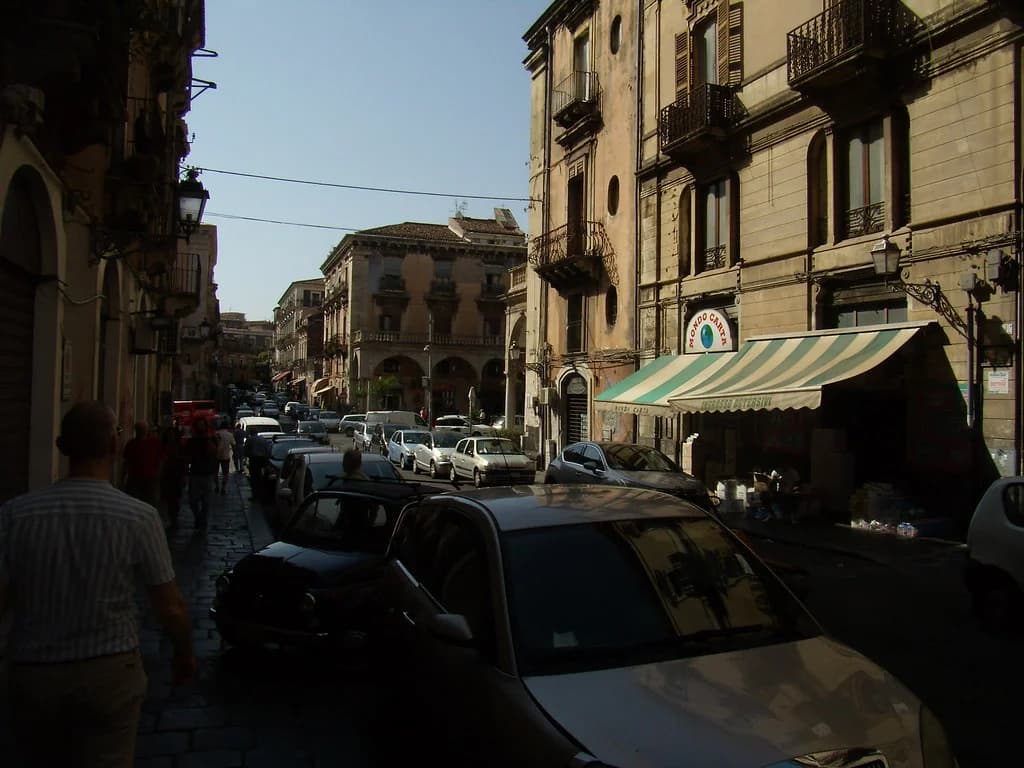
Catania sits at the foot of Mount Etna on the eastern coast of Italy. The historic center features a unique landscape shaped by volcanic eruptions and earthquakes. Black lava stone defines many of the grand buildings and narrow alleys. This guide helps you navigate the rich history of this resilient port city.
Visitors often feel an immediate energy when walking through the ancient streets. The city blends gritty Mediterranean charm with elegant Baroque masterpieces. You will discover layers of history from Roman times to the present day. Check out our guide on Catania walking tours for a structured route through the highlights.
Exploring the old town requires a pair of comfortable walking shoes. Many of the top attractions are within a short distance of each other. Local life unfolds in the squares and markets every morning. Prepare for a sensory journey through one of Italy's most vibrant destinations.
Exploring Piazza del Duomo and the Elephant Fountain
Piazza del Duomo serves as the beating heart of the city center. This square features stunning Baroque architecture made from dark volcanic rock. You will find the iconic Elephant Fountain standing proudly in the middle. The elephant is the ancient symbol of Catania, representing the city's resilience and strength through centuries of earthquakes and eruptions.
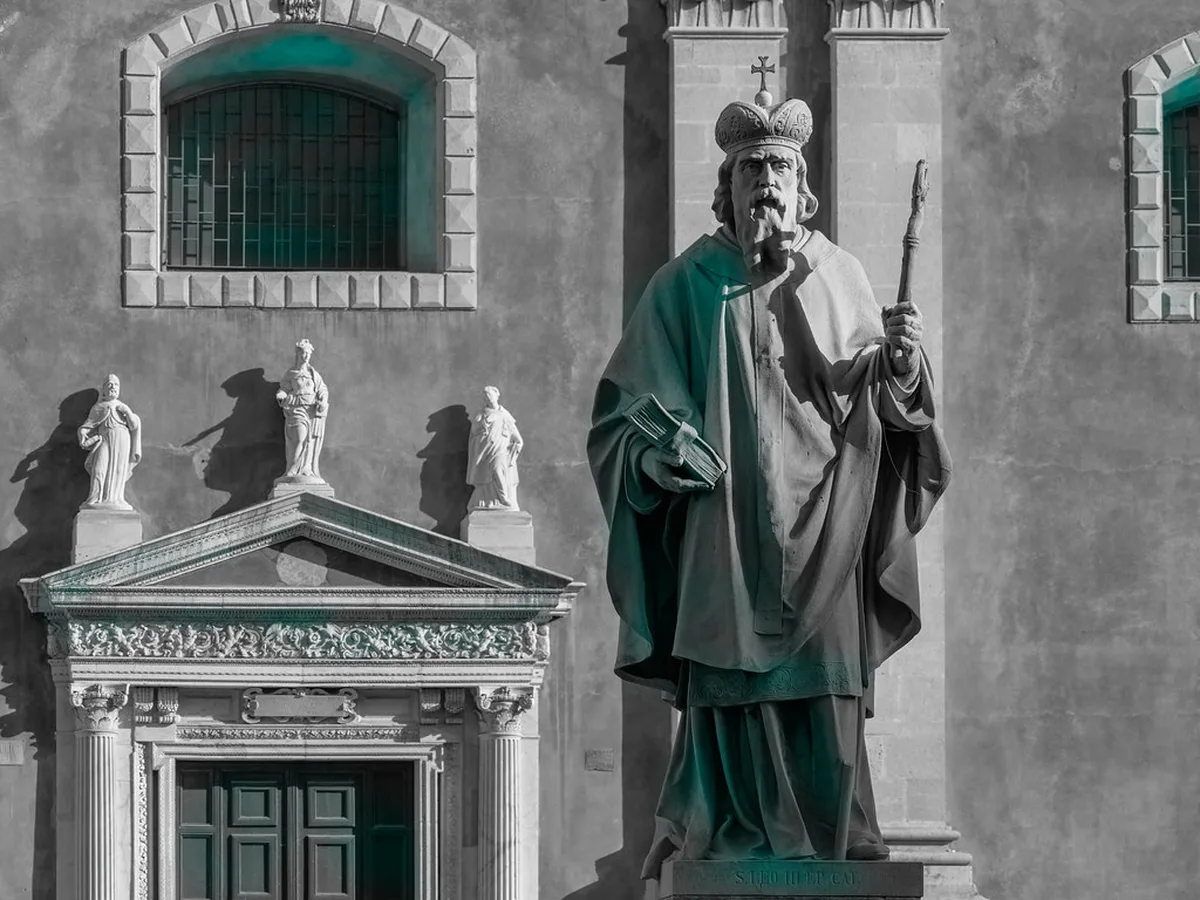
The Cathedral of Saint Agatha dominates the eastern side of the square. In 2026, entry to the cathedral nave costs €3 for adults, with free access during morning mass at 8:00 AM. The cathedral is open Monday to Saturday from 7:30 AM to 12:00 PM and again from 4:00 PM to 7:00 PM. Sunday hours run from 8:00 AM to 1:00 PM. The ornate interior houses the tomb of composer Vincenzo Bellini, a native son of Catania, which draws music lovers from across Europe.
Most travelers arrive at the piazza early to beat the midday heat and crowds. The square was redesigned by architect Giovanni Battista Vaccarini after the catastrophic 1693 earthquake. He used a combination of white Syracusan limestone and dark Etnean lava stone to create the dramatic visual contrast you see today. The result is one of the finest Baroque squares in all of southern Italy.
Beneath the square lies a hidden world of ancient Roman history. The Achillean Baths offer a glimpse into the city's pre-earthquake past. Access is available through a small entrance near the cathedral steps, and admission in 2026 costs €5 for adults and €3 for students and seniors. Guided tours run every 45 minutes and last approximately 30 minutes. The baths date back to the 2nd century AD and were only rediscovered during 20th-century restoration work. Combine a visit with time at the cathedral for a full morning in the piazza. A guided Catania walking tour provides deep context for these landmarks and usually departs from the piazza at 10:00 AM daily.
The surrounding buildings showcase the late Baroque style of the Val di Noto, the wider UNESCO World Heritage zone that encompasses eight Sicilian towns rebuilt after the 1693 earthquake. Notice the contrast between the white limestone and the dark lava stone throughout the square. This visual duality is a signature element of Catanian architecture and sets the city apart from every other Baroque destination in Europe. At sunset, the facades glow orange against the dark stone, making the piazza a spectacular spot for photography between 6:30 PM and 8:00 PM in summer 2026.
Catania Cathedral and the Baroque Piazza: Full Visitor Guide
The Cathedral of Saint Agatha is the spiritual and architectural centerpiece of Catanian life. Built and rebuilt multiple times following eruptions and earthquakes, the current Baroque facade dates to the early 18th century and is considered one of Vaccarini's finest achievements. In 2026 the standard entry fee to access the cathedral's main nave and museum area is €3, while the rooftop terrace, which offers sweeping views over the rooftops toward Etna, costs an additional €4. The combined ticket is €6 and is well worth purchasing for the panoramic experience alone.
Inside, the cathedral holds remarkable treasures from across its long history. The Chapel of Saint Agatha contains the saint's relics in an elaborate silver reliquary, which is paraded through the streets every February during the Feast of Saint Agatha, one of the largest religious festivals in Italy. The side aisles feature ancient Roman columns incorporated directly into the structure, a testament to the layers of civilizations that built this city. Audio guides are available at the ticket desk for €3 and cover the full history in English, Italian, French, and German.
The Elephant Fountain at the center of the piazza was erected in 1736 and is made of black lava stone with an Egyptian obelisk balanced on the elephant's back. The obelisk dates from Roman times and carries hieroglyphics that have never been fully decoded. The fountain stands only about three meters tall but commands a disproportionate presence in the square. It is the oldest and most beloved public monument in Catania, and locals regard it with genuine civic pride.
Via Etnea begins at the northern end of the piazza and stretches approximately two kilometers toward the foothills of Etna. This pedestrian-friendly spine is the city's main shopping and strolling street. In 2026 it is lined with international and local boutiques, gelaterias, and historic cafes. The most famous of these is Caffe del Duomo on the piazza itself, where a granita with brioche costs around €4 and represents the quintessential Sicilian breakfast. The street itself is free to walk and serves as the central artery connecting most of the old town's major landmarks. Allow at least 45 minutes to stroll the full length without rushing.
The wider piazza is also the starting point for exploring the surrounding area. The Palazzo del Municipio (City Hall) and the Palazzo dei Chierici frame the south and east sides of the square respectively. Both were designed by Vaccarini and completed between 1733 and 1742. You can enter the courtyard of the Palazzo dei Chierici for free during business hours to admire the interior architecture. Directly beneath this palace lies the entrance to La Pescheria, Catania's ancient fish market, making the piazza a natural transition point between the Baroque monuments above and the chaotic street life below.
The Sensory Chaos of La Pescheria Fish Market
La Pescheria is more than just a place to buy fresh seafood. This historic fish market offers a raw look at Sicilian daily life and has operated on the same site since the Arab-Norman period, roughly the 10th to 12th centuries. Vendors shout their prices over the sound of rushing water and flapping fish in a daily performance that feels unchanged by time. Entry is completely free. Visit before 10:00 AM to see the market at its most energetic, as most vendors begin packing up by 1:00 PM. The market operates Monday through Saturday, with the largest selection available on Tuesday, Thursday, and Saturday mornings from 7:00 AM onward.
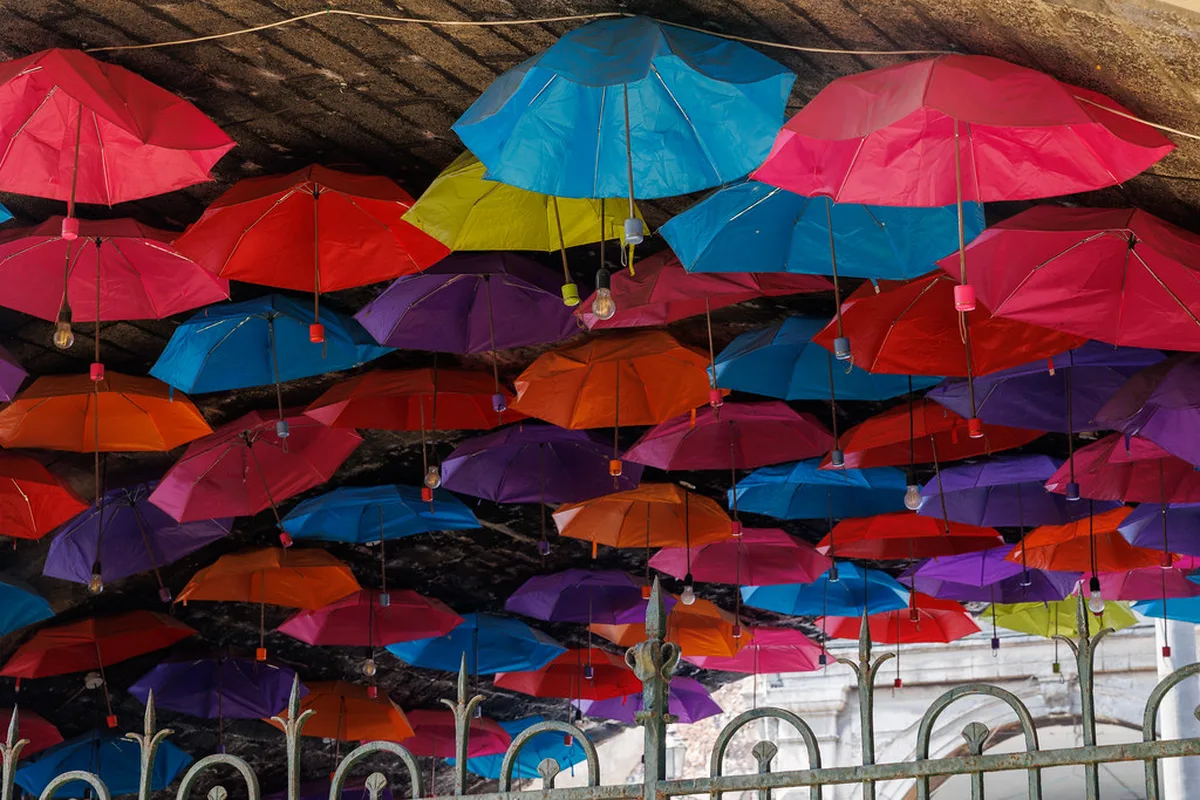
The market spills out from the tunnel beneath the Palazzo dei Chierici on Via Pardo, just behind Piazza del Duomo. You can find everything from giant swordfish and tuna to tiny local clams, sea urchins, and the Sicilian speciality of cuttlefish. The ground is often wet, so wear shoes with good grip. Small restaurants and trattorie nearby serve the freshest catch of the morning; a plate of spaghetti alle vongole at the surrounding eateries typically costs between €10 and €16 in 2026, and a full seafood lunch with wine runs €25 to €35 per person.
The Arab-Norman heritage of the market is visible in its location and structure. Arab traders who settled in Sicily from the 9th century transformed Catania's waterfront economy and introduced the tradition of covered market halls built over running water channels. The narrow alleys surrounding the stalls retain the irregular, organic layout typical of Arab urban planning. This historic layer beneath the Baroque surface is what makes La Pescheria more than a tourist attraction — it is a living connection to a multicultural past that shaped Sicilian cuisine and culture.
Beyond fish, the market features stalls of colorful seasonal fruits and vegetables, many grown on the fertile volcanic slopes of Etna. Local cheeses including ricotta salata and caciocavallo, as well as cured meats such as salami and capocollo, are available for €4 to €8 per 200-gram portion. Prices are very reasonable for those looking to assemble a picnic. Always carry small cash denominations as many vendors do not accept cards.
Photographers will find endless subjects among the animated sellers and buyers. The light in the early morning hours is particularly striking as it filters through the tunnel entrance onto the wet market floor. Respect the workers by asking before taking close-up portraits of people. The atmosphere remains authentic despite the increasing number of tourists, partly because most visitors arrive too late to see the real action. It is a must-see stop for any comprehensive Catania old town guide, and one of the most photographed market scenes in all of Sicily.
Baroque Splendor Along Via Etnea and Via Crociferi
Via Etnea stretches for approximately two kilometers toward the base of the volcano and is the commercial and social spine of Catania's old town. This pedestrianized street serves as the main artery for shopping and the traditional evening stroll known as the passeggiata, which begins around 6:00 PM daily. On clear days, the smoking crater of Etna provides a dramatic northern backdrop to the entire length of the street. Locals and visitors alike gather here from late afternoon, creating one of Sicily's most convivial public spaces. The street is lined with historic confectionery shops, gelaterias, and international brands side by side, with a gelateria granita costing roughly €3 to €4.
Parallel to the main drag lies the quieter and more elegant Via Crociferi, one of the best-preserved Baroque streets in southern Italy. This street is famous for its high concentration of monastic churches and aristocratic palaces, all built in the early 18th century following the 1693 earthquake. The San Benedetto Arch spanning the street at its southern end creates a beautiful gateway into this historic area and is one of the most photographed spots in the city. The Church of San Benedetto at the far end of the arch is open to visitors Tuesday through Sunday from 9:00 AM to 1:00 PM, with a suggested donation of €2.
Several of the churches and palaces along Via Crociferi belong to the UNESCO World Heritage designation for the Val di Noto late Baroque cities, granted in 2002. The Church of San Francesco Borgia and the Collegio dei Gesuiti are both open to the public during morning hours and free of charge. Walking the full length of Via Crociferi takes around 15 minutes at a relaxed pace, though lingering to photograph the ornate doorways and balconies easily extends the visit to an hour. The baroque street lighting installed in 2024 makes the street exceptionally atmospheric after dark.
Evening time brings a change in pace to the surrounding side streets. Bars and cafes open their doors to a younger, lively crowd from around 9:00 PM. The area near Piazza Bellini is the social hub for students and locals on weeknights. Wine by the glass at bars in this neighborhood runs €4 to €7, and Sicilian street food from mobile stalls costs €2 to €5. Consult our Catania nightlife guide for the best evening spots across the different districts.
Take a break at one of the historic kiosks on Via Etnea for a refreshing local drink. Order a 'seltz limone e sale', a simple mixture of sparkling water, fresh lemon juice, and a pinch of salt, which costs about €1.50 and is the perfect way to recharge during a long day of sightseeing. The kiosks, known as chioschi, are a unique feature of Catanian street culture and have been a fixture on the main streets since the 19th century. They also serve fresh almond milk, tamarind juice, and granita during summer months at comparable prices.
Roman Heritage and Ancient Theaters
Catania hides its Roman history behind unassuming facades in the old town. The Roman Theater and the adjacent Odeon are tucked away on Via Vittorio Emanuele II, accessed through a building that gives little hint of the scale of the ruins within. The theater once held over seven thousand spectators in its prime during the 2nd century AD and is among the largest Roman theaters in Sicily. In 2026 the combined ticket for the Roman Theater and Odeon costs €6 for adults, €3 for students aged 18 to 25 with valid ID, and free for EU citizens under 18. Opening hours are Tuesday through Sunday from 9:00 AM to 5:00 PM, with the last admission at 4:30 PM. Monday is closed.
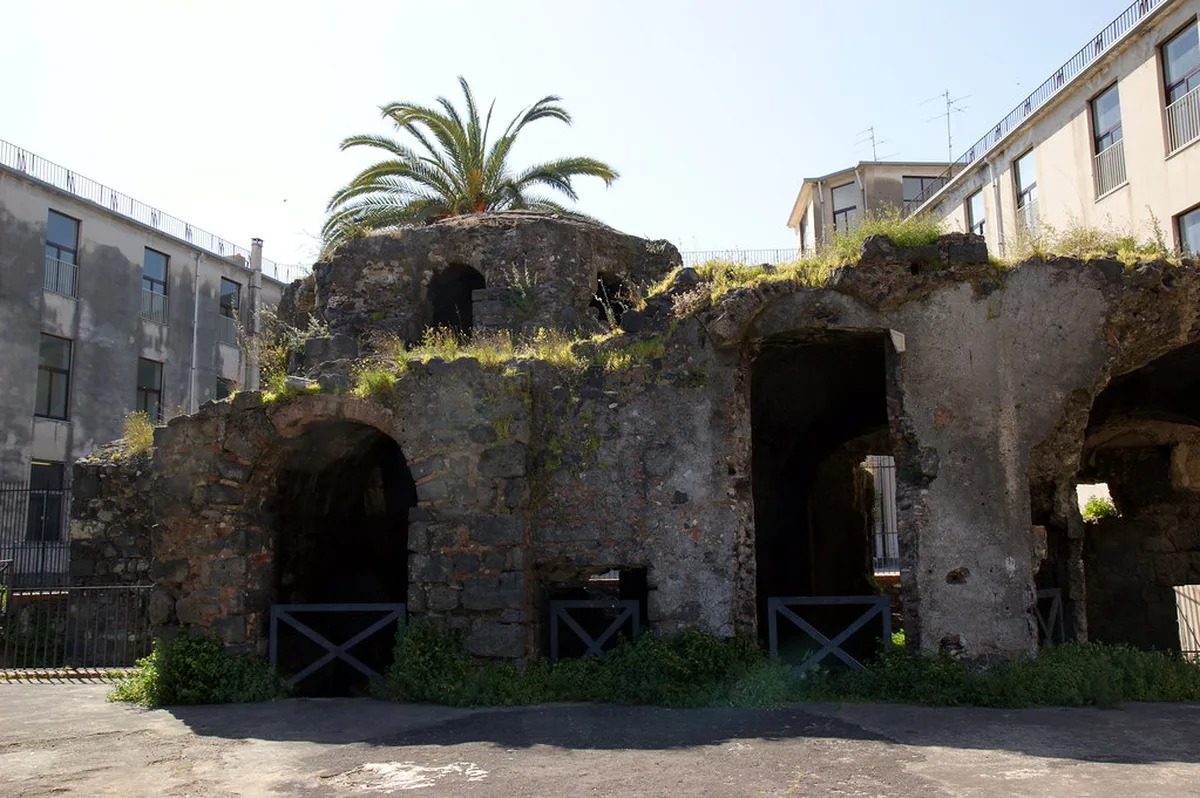
Walking through the stone corridors feels like stepping back two thousand years. The builders used dark lava stone harvested directly from Etna for the seating tiers and structural walls, giving the theater a dramatically different appearance from the pale limestone theaters of mainland Italy. Part of the theater is still partially submerged beneath an underground stream, which you can see through a glass floor panel installed during the 2019 restoration. The adjacent Odeon, a smaller roofed theater used for musical performances, is better preserved and gives a clearer picture of how these spaces would have functioned in antiquity. Allow 45 to 60 minutes for a thorough visit to both structures.
Nearby, the Roman Amphitheater sits partially exposed in Piazza Stesicoro, roughly 500 meters north of the Roman Theater along Via Etnea. Most of the amphitheater structure remains buried beneath the modern city streets, but the excavated section reveals massive arches of dark lava stone that are visible from street level for free at any time. Archaeological evidence suggests the amphitheater could have held up to 16,000 spectators, which would make it one of the largest in the Roman world. It serves as a powerful reminder of the city's immense importance during antiquity as a major Roman provincial capital.
- Top Ancient Sites in the Old Town
- Site: Roman Theater and Odeon
- Best for: History lovers, architecture
- Where: Via Vittorio Emanuele II
- Cost: €6 adults, €3 students, free under 18 (EU)
- Hours: Tue–Sun 9:00 AM – 5:00 PM
- Hidden Underground Exploration Spots
- Site: Achillean Baths
- Best for: Unique underground views
- Where: Piazza del Duomo area
- Cost: €5 adults, €3 concessions
- Hours: Daily 10:00 AM – 4:00 PM (guided tours every 45 min)
- Free Roman Ruins
- Site: Roman Amphitheater
- Best for: Quick stop, free sightseeing
- Where: Piazza Stesicoro
- Cost: Free (exterior only)
- Hours: Always accessible from street level
Catania Street Food and Local Cuisine: What to Eat in 2026
Catania has one of the richest street food traditions in Sicily, shaped by centuries of Arab, Norman, Spanish, and Greek influence. The historic center is the best place to experience this culinary culture in its most authentic form. Most vendors operate from fixed kiosks or push carts near the main squares and around La Pescheria, keeping prices extremely accessible — the majority of street snacks cost between €1.50 and €4 in 2026.
The arancino (or arancina in the Catanese dialect) is the undisputed king of Sicilian street food. These golden, deep-fried risotto balls come filled with ragù and peas (al ragù, €2 to €3), with butter and béchamel (al burro, €2 to €3), or with spinach and cheese. The best in the old town are served fresh from the fryer at Savia, a historic pasticceria on Via Etnea, open Monday through Saturday from 7:30 AM to 9:00 PM. A single arancino there costs €2.50. Arrive before noon for the widest selection. The crunchy breadcrumb crust and steaming interior make it a meal in itself.
Granita con brioche is the essential Catanian breakfast and mid-afternoon pick-me-up. Unlike the ice-cream granita found elsewhere in Italy, the Catanese version is intensely flavored and almost liquid — more like a slushie than a sorbet. Flavors include almond (mandorla), pistachio, strawberry, mulberry, and coffee. A granita served with a warm brioche bun costs €3.50 to €5 at most cafes on and around Piazza del Duomo. Caffè Prestipino on Via Etnea, open daily from 6:30 AM, is regarded by locals as the best in the city for almond and pistachio varieties.
Stigghiola is one of the more adventurous options: skewered and grilled lamb or goat intestines seasoned with parsley and onion, sold by street vendors for around €3 to €4 per skewer. It is a deeply local specialty and best experienced near the market area on weekday mornings when the charcoal grills are set up alongside the fish stalls. For the less adventurous, cartoccio di calamari (fried squid in a paper cone, €4 to €5) is universally popular and available from fryers near La Pescheria from 11:00 AM onward.
The area around Piazza Università, roughly 300 meters south of Piazza del Duomo along Via Vittorio Emanuele II, is lined with affordable trattorie and osterie serving full meals. A typical Sicilian lunch of pasta alla Norma (rigatoni with fried aubergine, tomato, basil, and salted ricotta, a dish invented in Catania) costs €9 to €12. A full two-course lunch with wine at a sit-down restaurant runs €18 to €28 per person. The dish is named after the opera Norma by Catanian composer Vincenzo Bellini and appears on virtually every menu in the city. Order it here rather than in tourist-facing restaurants further afield, where quality and portion size can vary significantly.
Pistachio from Bronte — a small town 40 kilometers northwest of Catania on the slopes of Etna — is the pride of the local food scene. You will find pistacchio di Bronte DOP incorporated into everything from gelato and cannoli cream to pesto and pastries throughout the old town. A small artisan gelato cone with pistachio from a quality gelateria costs €3 to €4 in 2026. Look for shops that display the green DOP certification label, which guarantees the pistachio is authentic Bronte-origin rather than cheaper Turkish or Iranian substitutes. For a deeper exploration of the region's food and wine culture, our day trips from Catania guide covers excursions to Bronte, Randazzo, and the Etna wine country that pair perfectly with a stay in the old town.
Practical Tips for Navigating Old Town Catania
Driving inside the historic center is difficult due to narrow streets and the ZTL (Limited Traffic Zone) restrictions that apply throughout most of the old town core. Many areas are restricted to residents and authorized vehicles only between 7:00 AM and 8:00 PM on weekdays. Fines for inadvertently entering a ZTL zone can reach €87 to €170 for tourists renting cars in Italy in 2026, and many rental companies pass on additional administrative fees. Review our guide on parking in Catania before you arrive, as it lists the main paid parking areas on the perimeter of the ZTL zone, which charge between €1 and €2 per hour.
Walking is the most efficient way to see the major sights and is entirely feasible even in summer if you start early. The old town is relatively compact and mostly flat between Piazza del Duomo, the fish market, and the Roman Theater — a triangle of roughly 600 meters on each side. Public bus lines AMT serve the center from the main train station (Stazione Centrale) on Piazza Giovanni XXIII, approximately 700 meters southeast of Piazza del Duomo. A single bus ticket costs €1.20 in 2026 and must be purchased at a tabacchi (newsstand) or via the AMT mobile app before boarding. The Catania Metro has one line and is useful for reaching the airport but limited for old town sightseeing.
Safety in the old town is generally good for vigilant travelers. Petty theft and pickpocketing can occur in crowded markets and around the main piazza, particularly during the peak summer months of July and August. Carry only a small amount of cash in a front pocket or money belt, and keep bags zipped and held in front of you in the market. Avoid poorly lit alleys in the area south of Via Vittorio Emanuele late at night if you are alone. Most residents are friendly and willing to help if you need directions. Tourist police (Polizia Turistica) maintain a presence near Piazza del Duomo during peak season.
Plan your visits to churches and museums around the afternoon siesta. Many smaller family-run shops, churches, and local cafes close between 1:00 PM and 4:30 PM daily from Monday through Saturday. This quiet window is ideal for a long Sicilian lunch at a sit-down restaurant. A two-course lunch with wine at a trattoria near the old town costs €18 to €28 per person in 2026. Check official websites and posted signs for current 2026 holiday hours before making firm plans, as opening times can shift around the Feast of Saint Agatha in February and during the Ferragosto national holiday period in August. Public holidays see widespread closures of all but the largest monuments.
Frequently Asked Questions
Is Catania old town safe for tourists to visit?
Yes, the historic center is generally safe for travelers who stay aware of their surroundings. Pickpocketing can occur in crowded markets and around Piazza del Duomo, particularly in summer. Secure your valuables in a front pocket or zipped bag, avoid poorly lit streets south of Via Vittorio Emanuele at night, and you will encounter no significant problems. For more detailed safety advice, read our guide on is Catania safe for tourists before your trip.
How much time do I need to see Catania old town?
One full day is enough to cover the major landmarks: Piazza del Duomo and the Cathedral (morning, 1–2 hours), La Pescheria fish market (early morning, 1 hour), the Roman Theater (1 hour), and Via Crociferi and Via Etnea (afternoon stroll, 1–2 hours). Two days allow a more relaxed pace with time to visit the Achillean Baths, explore side streets, and enjoy a proper Sicilian seafood lunch. The old town is compact — major sites are within a 20-minute walk of each other.
What is the best month to visit Catania?
Spring and fall offer the most comfortable temperatures for walking through the old town. May and September are particularly pleasant, with average highs of 22°C to 26°C and significantly fewer crowds than the peak summer season. July and August bring intense heat above 35°C and the largest tourist numbers. If you visit in February, the Feast of Saint Agatha (February 3–5) is one of the largest religious street festivals in Europe and transforms the entire old town.
Are the Roman ruins in Catania worth visiting?
Yes, the Roman Theater and Odeon are absolutely worth the €6 entry fee. The combination of ancient lava stone construction integrated into the living modern city is unique in Italy — you access the ruins through a working residential building. The adjacent Odeon is well preserved and quieter than the main theater. EU citizens under 18 enter free. Allow 45 to 60 minutes. The amphitheater in Piazza Stesicoro is visible from the street for free and takes only 10 minutes.
How much does it cost to visit Catania Cathedral in 2026?
In 2026 entry to the Cathedral of Saint Agatha costs €3 for the nave and museum areas. The rooftop terrace is an additional €4, or €6 for the combined ticket. Audio guides are available for €3 in English, Italian, French, and German. Morning mass at 8:00 AM is free and open to all visitors. The cathedral is open Monday to Saturday 7:30 AM–12:00 PM and 4:00 PM–7:00 PM, and Sundays 8:00 AM–1:00 PM.
What is La Pescheria and when should I visit?
La Pescheria is Catania's ancient fish market, operating since the Arab-Norman period (10th–12th centuries), located just behind Piazza del Duomo on Via Pardo. Entry is free. It runs Monday through Saturday, opening at around 7:00 AM with the best atmosphere before 10:00 AM. Most stalls pack up by 1:00 PM. The market sells fresh swordfish, tuna, clams, sea urchins, local produce, cheeses, and cured meats. Surrounding restaurants offer seafood lunches from €10 to €35 per person. Arrive early, bring cash, and wear waterproof shoes.
Catania's old town offers a captivating blend of history, culture, and flavor. From the grand Piazza del Duomo to the bustling La Pescheria fish market, there is much to see and do across every corner of the historic center. The city serves as a perfect base for exploring the wider region of Sicily. You can easily plan several day trips from Catania to see Etna, Taormina, or Syracuse.
Embrace the chaotic energy and the beautiful Baroque details of the streets. Every corner reveals a new layer of the city's long and complex story, from its Arab-Norman fish market to its Roman theaters and UNESCO-listed Baroque piazzas. The local hospitality and delicious street food — from granita at €3 to a full seafood lunch at €28 — will make your visit both affordable and memorable.
We hope this Catania old town guide helps you plan an unforgettable journey in 2026. Remember to pack comfortable shoes and a curious spirit for your exploration. Check current opening hours before each visit and arrive at La Pescheria before 10:00 AM for the full experience. Sicily is waiting to share its ancient secrets with you. Safe travels as you discover the volcanic heart of this Mediterranean gem.