Is Catania Safe for Tourists? A Complete 2026 Travel Safety Guide
Catania is safe for tourists in 2026 — violent crime targeting visitors is rare; the main risks are pickpocketing at La Pescheria market and around the central train station. In an emergency call 113 (police) or 118 (ambulance).
The UK FCDO and Italian authorities rate Catania as a normal-precaution destination in 2026. Stay alert in Piazza del Duomo and the market district, avoid San Berillo Vecchio after dark, and use licensed taxis (EUR 8–10 from the station to the historic centre).
Catania, in Italy, is a city of stunning contrasts where ancient history meets a lively, modern urban energy. Many travelers wonder if the city's gritty reputation affects its overall safety for international visitors. While the streets may look unpolished, the city remains a welcoming destination for those who stay mindful. Most visits to this Sicilian gem are entirely trouble-free and filled with incredible culinary experiences.
Understanding the local environment is the best way to ensure a smooth and secure journey. Security in major Sicilian hubs has improved significantly as tourism numbers continue to rise in 2026. Local authorities have increased patrols in high-traffic areas to protect both residents and guests. This guide provides the essential facts you need to navigate the city with total confidence.
Understanding the General Safety Landscape
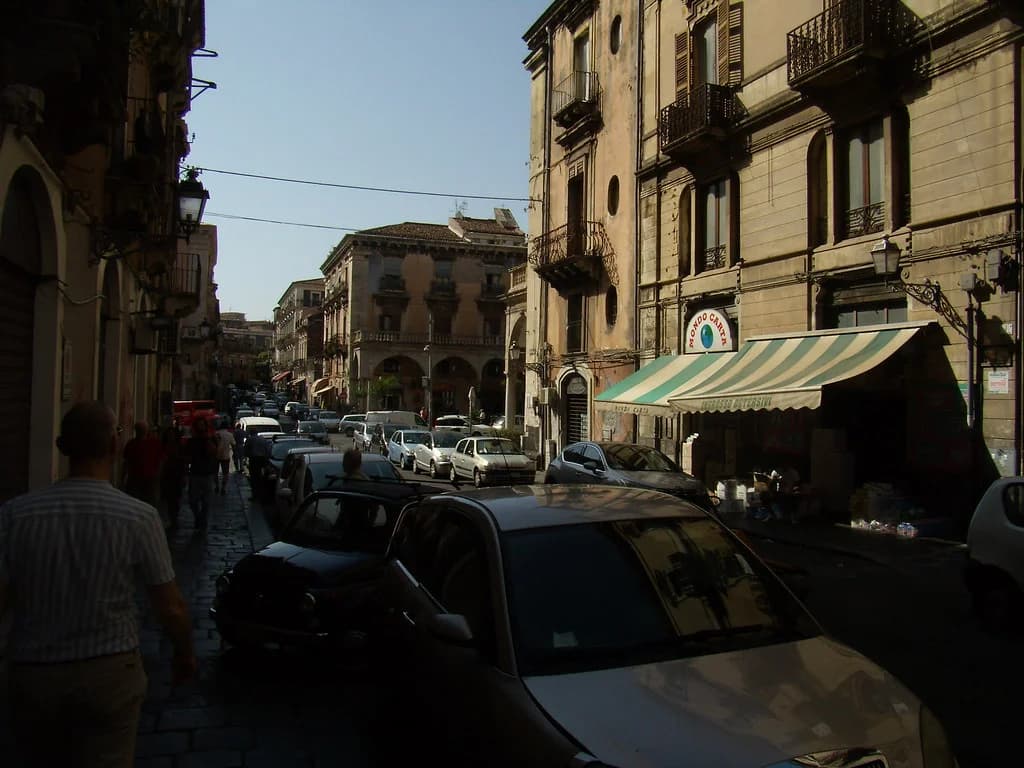
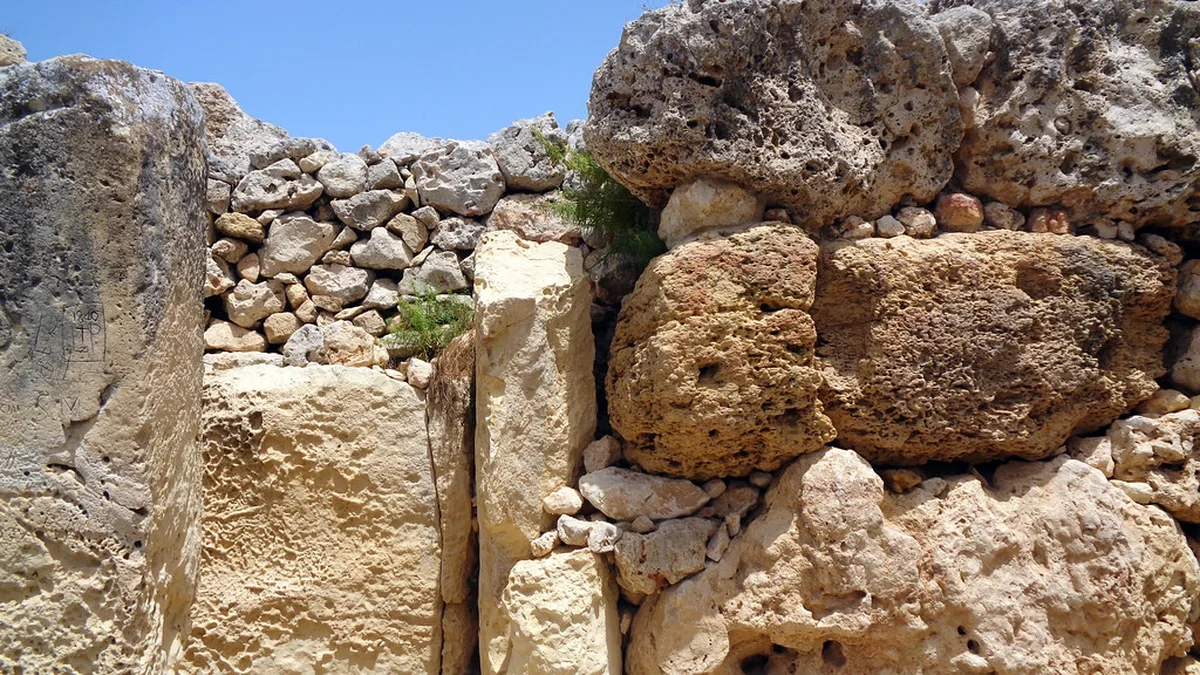
Catania often receives an unfair reputation due to its volcanic stone buildings and weathered facades. These aesthetic features do not reflect the actual crime statistics for the metropolitan area. Most crimes reported by tourists involve minor opportunistic thefts rather than serious physical threats. Staying aware of your surroundings is the most effective defense against these common issues.
Violent crime targeting foreigners is statistically very rare throughout the city center and tourist zones. According to the Italian National Institute of Statistics (ISTAT) 2026 data, Sicily's tourist-area crime rate sits in line with comparable European port cities such as Marseille and Valencia. Local residents are generally protective of the city's image and often help visitors in need. You will likely notice a visible police presence near major landmarks and transport hubs, a policy that Catania's municipality reinforced in 2025 ahead of a projected tourism increase of roughly 11% for 2026.
The current UK Foreign, Commonwealth and Development Office (FCDO) travel advisory for Italy — updated January 2026 — maintains a standard "exercise normal precautions" rating with no specific warnings for Catania or the wider Catania province. The Italian Ministry of Foreign Affairs echoes this assessment, recommending only that visitors guard personal belongings in crowded public spaces. Both advisories flag petty theft at busy markets and on public transport as the primary concern, not violent crime.
Busy markets and public squares are the most likely spots for pickpockets to operate. La Pescheria fish market on weekday mornings draws dense crowds that thieves exploit; keep zipped bags pressed to your front in these environments. Most travelers find the atmosphere more spirited and energetic than dangerous or threatening. Walking through the main thoroughfares during the day feels as secure as any other major Italian city, and the presence of families and students in the streets adds a layer of natural surveillance throughout the day and into the evening.
Catania's city council has also invested in additional CCTV coverage along Via Etnea and around Piazza del Duomo since 2024, with live monitoring linked to the municipal police operations centre. These upgrades are part of a wider Sicilian regional plan to meet EU tourism-safety benchmarks. Common sense remains your most valuable asset while exploring the Catania old town guide during your stay, but the infrastructure supporting your security is better than it has ever been. Key emergency numbers to save before you arrive: 113 (Polizia di Stato), 118 (ambulance), 115 (fire brigade), and 112 (pan-European emergency number that connects to all services).
Safe Areas and Neighborhoods to Avoid
Choosing the right base for your stay is crucial for a stress-free experience in Sicily. The historic center near Piazza del Duomo is generally the safest and most convenient area for tourists. This district stays active late into the night with plenty of light and foot traffic. Following a thorough Catania walking tour itinerary will help you stay within these secure boundaries and discover the best baroque architecture the city has to offer.
Via Etnea, the main pedestrian-friendly shopping boulevard running north from Piazza del Duomo, is one of the safest streets in the entire city. Well-lit, heavily patrolled, and lined with cafes and boutiques, it remains busy until midnight on weekends. The area between Piazza del Duomo and Piazza Stesicoro — roughly a 10-minute walk — is where most visitors spend the majority of their time, and the 2026 municipal safety index rates this corridor as low-risk. Petty pickpocketing still occurs here, but the high foot traffic actually deters opportunistic crime compared with quieter streets nearby.
San Berillo is a neighborhood that requires a specific level of caution after the sun goes down. While it has seen notable revitalization efforts since 2022, including a street-art corridor and several new cocktail bars, some alleys remain poorly lit and isolated. Daytime exploration of its murals is perfectly fine for most curious travelers. Just ensure you return to the main streets once the evening sets in, as the FCDO specifically notes San Berillo Vecchio as an area where enhanced vigilance is advisable after dark. If you feel unsafe at any point, call 113 immediately.
Librino and San Cristoforo are residential suburbs that rarely offer reasons for tourists to visit. Librino in particular is a large post-war housing estate on the city's southwestern edge that has historically recorded higher rates of property crime and inter-gang tensions. San Cristoforo, situated east of the train station, is undergoing slow regeneration but still sees irregular policing after dark. These areas sometimes struggle with higher local crime rates and lack the infrastructure found in the center. Most visitors will never find themselves in these districts unless they take a significant wrong turn; if you do wander in accidentally, simply retrace your route to a main road and hail a licensed taxi.
The area around the central train station can feel slightly sketchy late at night. Transit hubs everywhere tend to attract loiterers and opportunistic individuals seeking easy targets. If you arrive late by train, consider taking a licensed taxi directly to your accommodation rather than attempting to walk. In 2026, the standard metered fare from the station to the Piazza del Duomo area is approximately EUR 8–10 — a worthwhile expense for peace of mind. This small outlay provides assurance and avoids navigating unfamiliar streets with heavy luggage.
- Piazza del Duomo and Via Etnea
- Safety: Very high
- Best for: General sightseeing, dining, shopping
- Atmosphere: Busy and bright until midnight
- Risk: Minor pickpocketing in crowds
- San Berillo District
- Safety: Moderate daytime, low at night
- Risk: High after dark — use caution; dial 113 if threatened
- Note: Stick to main roads; street art worth seeing by day
- Access: 10 min walk from city center
- Librino / San Cristoforo
- Safety: Low for tourists
- Risk: Higher property crime, limited tourist infrastructure
- Tip: No tourist reason to visit; if lost, taxi back to center
- Hours: Avoid at all times unless with a local resident
- Catania Central Station
- Safety: Moderate by day, use caution after midnight
- Risk: Loitering and opportunistic scams
- Tip: Book licensed taxi in advance for late arrivals
- Cost: ~EUR 8–10 to Piazza del Duomo by meter
Catania Neighbourhood Safety Guide 2026
Understanding exactly which parts of Catania suit different types of travellers makes planning much simpler. The city's geography divides naturally into a tourist-friendly core and a number of peripheral residential districts that require more caution. This breakdown covers all the areas you are likely to encounter, rated for 2026 conditions based on FCDO advice, local police data, and recent visitor reports.
Piazza del Duomo and the Baroque Historic Centre form the absolute heart of safe Catania. The entire UNESCO-listed baroque quarter — bounded roughly by Via Garibaldi to the south, Via Etnea to the west, and Piazza Stesicoro to the north — is heavily monitored, well-lit, and crowded with tourists and locals around the clock. Hotel rates here reflect the premium location but the security dividend is real. The risk of serious crime is negligible; the only realistic threat is a skilled pickpocket working a dense crowd near the Fontana dell'Elefante on a busy weekend afternoon. If you do become a victim, call 113 (Polizia di Stato) to file a report — most tourist-facing officers speak basic English.
Via Etnea corridor and Piazza Bellini extend the safe zone northward. This upmarket strip hosts the Teatro Massimo Bellini, the city's main shopping chains, and dozens of reputable restaurants. Carabinieri patrols are visible every evening. This is comfortably the safest walking stretch in the city and an ideal base for first-time visitors.
The Pescheria (fish market) district runs east of the cathedral toward the port. By day it is a colourful, bustling market spectacle that is entirely safe for visitors, though this is the single highest-density pickpocket environment in the city. Wear a crossbody bag fastened at the front, keep your phone in a buttoned pocket, and you will have no problems. After 3 PM when stalls close, the area quietens and is less interesting but still reasonable to walk through. A taxi from this district back to your hotel should cost no more than EUR 5–7 for a short city-centre trip.
The port area (Porto di Catania) has undergone commercial development and is now home to several waterfront restaurants and the ferry terminal. By day it is fine; late at night, stick to the main lit promenade rather than side streets near the commercial docks.
San Berillo Nuovo (the newer part north of Via Umberto) is being gentrified and is increasingly safe in daylight. The original San Berillo Vecchio, closer to the station, is still the most marginal area of central Catania and should be navigated with care after dark. If you feel followed or threatened here, enter any open bar, ask staff to call a taxi, and dial 113 if the situation escalates.
Ognina, the northern coastal district about 3 km from the centre, is a largely residential neighbourhood popular with local families. It is calm, safe, and has a pleasant lava-rock waterfront. Tourists rarely base themselves here but it is a relaxed choice if you find central accommodation fully booked. A taxi from Ognina to Piazza del Duomo typically runs EUR 10–14 depending on time of day.
Across all areas, the 2026 guidance from Italian law enforcement is consistent: street harassment is uncommon, violent crime against tourists is rare, and the biggest preventable risk remains unsecured valuables in dense public spaces. Choosing accommodation in or close to the historic centre eliminates most concerns by keeping you in the well-monitored tourist core throughout your stay.
Essential Safety Tips for Catania Nightlife
The nightlife in Catania is legendary and forms a core part of the local social fabric. Piazza Teatro Massimo and the surrounding streets become the beating heart of the action every Thursday through Sunday, drawing thousands of locals, students, and tourists. While the vibe is festive, the high density of crowds can mask the movements of thieves. Keep your wallet in a front pocket and avoid hanging bags on the back of chairs in bars; this simple habit eliminates most theft risk in nightlife settings. Before heading out, save emergency numbers in your phone: 113 (police), 118 (ambulance), and 115 (fire brigade).
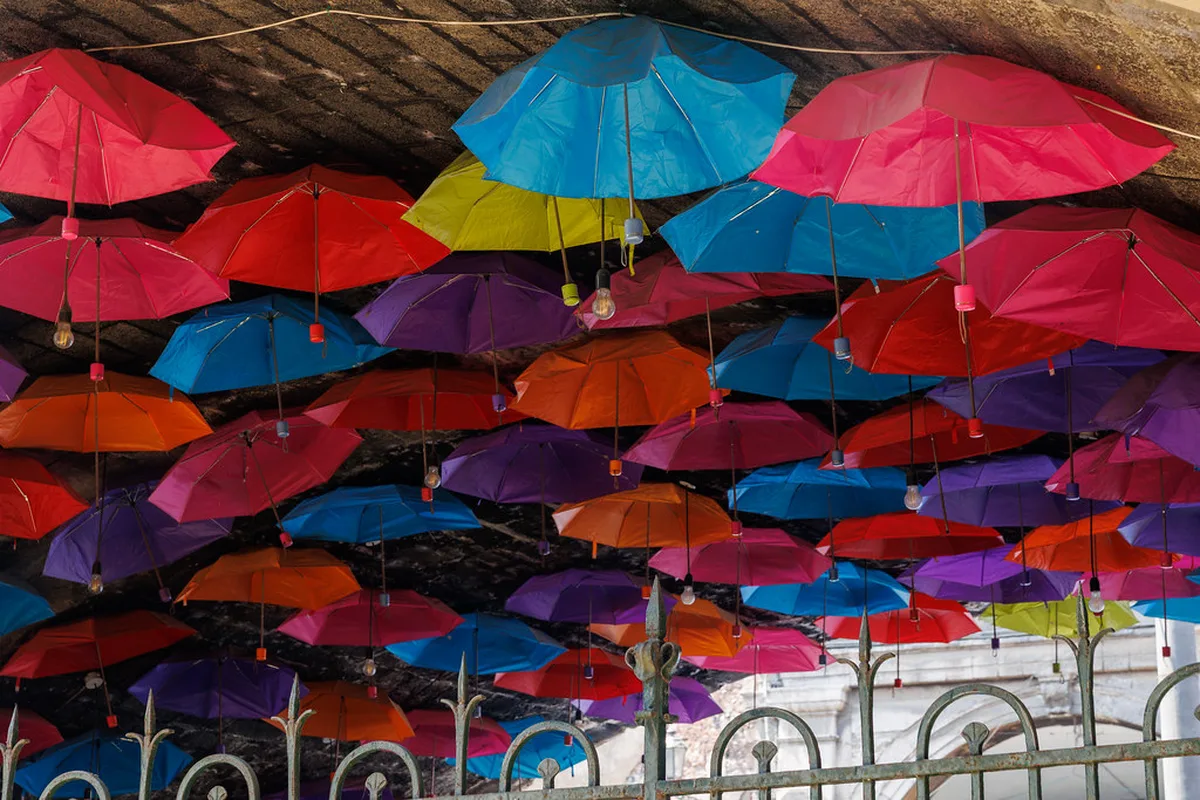
Sicilian culture revolves around late-night socializing, which means streets remain genuinely busy until 3 or 4 AM on weekends. This constant foot traffic actually makes the city center feel safer than many deserted northern European cities where empty streets create vulnerability after midnight. Walking in groups is always recommended if you are venturing away from the main lighted squares into the side streets around the Via del Plebiscito area. Consulting a Catania nightlife guide can help you find the most reputable and well-established venues that maintain safe environments for their guests.
Drink spiking is not a statistically documented issue in Catania, but basic bar safety still applies universally. Never leave your glass unattended while dancing or talking to new acquaintances in crowded clubs. Order your own drinks and watch the bartender pour them whenever possible — a standard precaution in any nightlife setting worldwide. These habits ensure your night remains focused on fun rather than dealing with unwanted consequences. In 2026, most reputable clubs now operate a wristband system so that re-admission after stepping outside is seamless, reducing the need to carry loose cash.
Licensed taxis and ride-hailing services authorised under Italian law are the most reliable ways to get home after a long evening. Avoid accepting rides from unmarked cars or individuals offering cheap transport outside of bars and clubs. In 2026, the Comune di Catania has increased the number of designated taxi ranks near the main nightlife squares, with the rank outside Teatro Bellini operating until 5 AM on weekends. Official taxis have fixed meters and carry municipal licences displayed on the dashboard; a standard late-night trip across the historic centre costs EUR 6–12 depending on distance. Most hotels can call a trusted driver for you if you are unsure where to find a nearby rank.
Alcohol pricing in Catania is generally reasonable by European standards. A craft beer at a Piazza Teatro Massimo bar averages EUR 4–6, while cocktails at higher-end venues run EUR 8–12. Being aware of normal pricing helps you spot establishments that might be inflating bills for tourists. If a venue cannot show you a written price list before you order, that is your cue to find somewhere else. For daytime excursions before your night out, the nearby Catania beach guide covers safe coastal spots a short taxi ride from the nightlife district (EUR 10–15 each way).
Mount Etna Volcano Safety 2026
Mount Etna, visible from virtually every point in Catania, is one of Europe's most active volcanoes and a major draw for visitors to the region. Understanding current volcanic safety procedures is essential before planning an ascent. In 2026, the Istituto Nazionale di Geofisica e Vulcanologia (INGV) Catania operates a continuous real-time monitoring network of seismometers, GPS stations, thermal cameras, and gas sensors across the volcano's flanks. INGV publishes daily bulletin updates at ingv.it that classify Etna's alert level on a four-tier scale (green / yellow / orange / red).
As of early 2026, Etna has been in a state of moderate eruptive activity at its summit craters, consistent with the pattern observed throughout 2024–2025. INGV's current guidance places the summit zone above 2,500 metres under Restricted Access regulations: independent access above this altitude is prohibited without an authorised licensed guide. This rule has been enforced since 2021 and was tightened in response to several unauthorised approach incidents during minor eruptive episodes. Fines for violations start at EUR 250 and can reach EUR 1,000 for repeat offenders detected by park rangers.
Below 2,500 metres, the Etna Nord (Piano Provenzana) and Etna Sud (Rifugio Sapienza) base stations are open to self-guided visitors. The Rifugio Sapienza area at around 1,900 metres is accessible year-round by road and by cable car (Funivia dell'Etna) when conditions permit. The cable car ascends to approximately 2,500 metres and serves as the practical entry point for guided summit excursions. A 2026 guided summit tour from Rifugio Sapienza costs approximately EUR 35–55 per person for a group tour, rising to EUR 120–160 for a private guide. Licensed guides are certified by the Parco dell'Etna authority and carry radio contact with INGV monitoring centres.
Practical volcano safety checklist for 2026 Etna visitors: check the INGV daily bulletin before departing Catania; bring layered clothing as summit temperatures can be 15–20°C cooler than the city even in summer; wear sturdy closed-toe shoes as the lava terrain is sharp and unstable; carry a dust mask or respirator for volcanic gas (SO₂) exposure near active vents; never descend into craters or approach lava flow perimeters without explicit guide instruction; and register your ascent plan with your hotel so someone knows your expected return time. The INGV app (available on iOS and Android) provides live seismic alerts and is a practical tool to have on your phone during any Etna excursion. In a volcano-related emergency, call 115 (fire brigade / civil protection) or 118 (ambulance) immediately.
For visitors staying in Catania, the volcano poses no day-to-day risk to the city itself during normal activity phases. Ashfall occasionally affects lower elevations during major eruption episodes; in such events, INGV issues public warnings via Italian civil protection channels and local authorities distribute free FFP2 masks at civic centres. Following INGV's real-time bulletins and your tour operator's guidance is sufficient to visit Etna safely and with confidence in 2026. Many visitors combine Etna with a stop in the wider day trips from Catania circuit, which covers coastal and inland options at varying distances from the city.
Navigating Catania Traffic and Parking Safely
Driving in Catania can be an overwhelming experience for those accustomed to strict traffic rules. Local drivers often treat lanes and signals as flexible guidelines rather than absolute requirements, a cultural reality that surprises many northern European visitors. Pedestrians should exercise extreme caution even when using marked crosswalks near the city center; make eye contact with drivers before stepping off the kerb and wait for vehicles to fully stop before crossing. Scooters and motorcycles are a particular hazard as they frequently filter through stationary traffic and mount pavements.
Car theft and break-ins are among the most frequent safety complaints from tourists with rental vehicles. Never leave luggage, cameras, handbags, or even empty bags visible on the seats of your car — even an empty carrier bag on a back seat can attract a smash-and-grab. Parking in a monitored paid garage is the safest option; Catania has several multi-storey facilities in the historic centre charging approximately EUR 10–15 per 24 hours. If street parking is unavoidable, choose a well-lit spot on a busy road and remove all visible items from the interior without exception.
Finding legal street spots is difficult and often leads to encounters with 'abusivi' parking helpers — unofficial individuals who guide you into a space and then expect EUR 1–3 to "watch" your vehicle. While this practice is technically illegal under Italian law, a small payment typically prevents any retaliatory damage. For total security, you should read about parking in Catania to find the locations of monitored official garages and avoid ZTL fine traps altogether.
ZTL zones (Zona a Traffico Limitato) are restricted areas that generate automatic fines for unauthorised vehicles. These camera-enforced zones cover most of the historic centre during peak hours — typically 7 AM to 8 PM on weekdays and variable hours on weekends. Fines arrive by post weeks later, often after you have already returned home, and can total EUR 80–200 plus administrative costs. Check with your accommodation whether they can register your rental plate for temporary access, or simply park outside the ZTL boundary and walk in. The majority of the city's main tourist attractions are within a 15-minute walk of the ZTL perimeter.
Public transport inside the city is reasonably safe and efficient. AMT city buses run regularly across all districts and a single ticket costs EUR 1.20. The Circumetnea railway connecting Catania to the towns around Etna's base is a scenic and safe option for day trips. Keep your bag zipped and held to your front on all buses, particularly on busy routes serving the train station and the markets.
Common Tourist Scams and How to Avoid Them
Scammers in Catania often rely on distraction and the natural politeness of visitors. The "bird poop" scam involves someone splashing a liquid on your shoulder and then offering to help clean it. While you are distracted by the mess, an accomplice may attempt to reach into your pockets or bag. Politely decline any help, hold your belongings firmly, and walk away to a safe, well-populated space immediately. Do not stop moving in response to this kind of approach.
Fake friendship bracelets are another common sight near the main tourist landmarks, the steps of Sant'Agata Cathedral, and around the Fontana dell'Elefante. An individual might try to tie a string around your wrist while claiming it is a free gift or a gesture of welcome. Once the knot is secured, they will demand a payment — typically EUR 5–20 — and become quite persistent and physically close. Keep your hands in your pockets when walking through tourist hotspots, or simply say a firm "no grazie" while continuing to walk without slowing your pace.
Restaurant bills can sometimes include unexpected charges that go well beyond the standard "coperto" (cover charge, typically EUR 1.50–3 per person) or bread fee. Always check the menu for prices before ordering, confirm whether wine is priced per glass or per bottle, and verify the final total on your receipt against your mental tally. If something looks incorrect, ask for a clear explanation calmly before paying. Most reputable places near the main cathedral will be honest and transparent, but tourist-facing restaurants around Piazza del Duomo have a higher incidence of inflated bills than local neighbourhood trattorias.
Taxi drivers without meters or those who claim the meter is broken should be firmly avoided. Always agree on a price before the car starts moving if a meter is not in use. In 2026, the official Catania taxi tariff for the airport-to-city-centre journey is posted at EUR 25–30 (fixed rate); the standard city-centre journey costs EUR 7–15 depending on distance and time of day. Knowing these benchmark figures prevents overcharging. Only board taxis that display the official Comune di Catania licence plate sticker — white livery with a roof light and a licence number displayed on the dashboard.
Phone-snatch theft has been reported in 2025–2026 by visitors walking while looking at their phones near the Porta Uzeda and the market area. Be mindful of your phone usage in these zones: put it away while walking through crowds and use it only when stopped with your back to a wall. Similarly, expensive camera equipment displayed openly on a strap is best kept out of sight in a closed bag when not actively shooting.
Safety for Solo Travelers and Families
Solo travelers generally find Catania to be a friendly and accessible city for independent exploration. The compact historic centre means that most major attractions are within walking distance, reducing the need to navigate unfamiliar transport routes alone at night. Key Italian emergency numbers to store on your phone before you go out: 113 (Polizia di Stato), 118 (ambulance), 115 (fire brigade/civil protection), and 112 (pan-European emergency that connects all services in Italian and English). Learning a few basic Italian phrases for asking for help goes a long way, though most younger locals speak decent English and are genuinely happy to assist disoriented visitors.
Solo women may experience some unsolicited attention or catcalling in certain areas, particularly in the streets around the nightlife district late on weekend nights. This behaviour is largely verbal and non-threatening; ignoring comments and moving purposefully toward crowded, well-lit areas is the most effective response. In 2026, Catania's police have increased foot patrols specifically in the Via del Plebiscito and Piazza Teatro Massimo nightlife corridor on Friday and Saturday nights following feedback from tourism associations. If you ever feel genuinely threatened, enter any open bar or restaurant and ask staff to call police (113) or a taxi — Sicilian hospitality code means you will not be turned away.
Families visiting with young children will find the city to be quite welcoming and safe during daylight hours. Many piazzas, including Piazza del Duomo and the pedestrian section of Via Etnea, are effectively car-free during the day, providing open space for children to move around freely while parents rest at a cafe. Be mindful of the uneven lava stone pavements throughout the historic quarter, which can be a genuine tripping hazard for small children and pushchair users. A lightweight, compact buggy handles the cobblestones far better than a large pram; alternatively, a baby carrier eliminates the problem entirely.
Local hospitality — known as "accoglienza" — is a point of cultural pride for many Catanians. Shopkeepers, cafe owners, and market vendors frequently look out for returning visitors and will often alert you if they see someone suspicious nearby. Building even a brief rapport with the staff at your neighbourhood breakfast bar provides an informal local safety network that enhances any stay. These community connections are what make a trip to Sicily genuinely special beyond the guidebook highlights.
Keeping a downloaded offline map (Google Maps or Maps.me both work well) on your phone means you never need to stand in the street staring at a paper map — a behaviour that signals unfamiliarity and makes you a more appealing target for opportunists. Share your daily itinerary with someone at home and check in at the end of each day; this is a sensible solo travel habit in any destination worldwide, not just Catania.
Health and Medical Safety in Catania 2026
Knowing where to get medical help before you need it is one of the most important parts of travel preparation. Catania's main public hospital is the Ospedale Vittorio Emanuele (Via Plebiscito 628), which has a 24-hour emergency department (Pronto Soccorso) and serves the entire metropolitan area. For life-threatening emergencies anywhere in Italy, dial 118 — the national ambulance dispatch number — and an operator will connect you to the nearest Pronto Soccorso. EU citizens with a valid European Health Insurance Card (EHIC or GHIC for UK travellers) receive treatment equivalent to Italian residents at no cost; non-EU visitors should carry comprehensive travel health insurance to cover private treatment or repatriation.
For minor ailments — blisters, sunburn, mild stomach upsets, or prescription refills — Catania's pharmacies (farmacie) are the first port of call. They are recognisable by a green cross sign and are distributed throughout the historic centre. Many pharmacists speak basic English and can recommend over-the-counter treatments without the need for a doctor's appointment. A standard consultation fee at a private GP clinic in Catania runs EUR 50–80, while a pharmacy consultation is free. If your pharmacy is closed, a rotating night-duty roster (farmacia di turno) means at least one pharmacy in each district is open 24 hours — the duty address is posted on every pharmacy door.
Heat and sun exposure are underestimated risks for summer visitors. Catania's position at the foot of an active volcano means temperatures regularly exceed 35°C in July and August, with radiated heat from the lava stone streets intensifying the effect at ground level. Drink at least 2 litres of water per day, avoid outdoor sightseeing between noon and 3 PM in peak summer, and apply high-factor sunscreen even on overcast days. Public drinking fountains ("nasoni") throughout the historic centre provide free cold potable water — use them. Heatstroke symptoms (confusion, no sweating despite heat, rapid pulse) require an immediate call to 118 — do not walk the person in the sun; move them to shade and cool them with water while waiting for the ambulance.
Volcanic ash from Mount Etna can occasionally drift over the city during eruptive episodes. Fine ash particles irritate the eyes and respiratory tract; FFP2 masks (EUR 0.50–1.50 at pharmacies) provide effective protection. Those with asthma or other respiratory conditions should carry a reliever inhaler and monitor INGV alerts before outdoor activities. If you need emergency fire or civil protection services during an ash event, call 115. Catania's civil protection authority (Protezione Civile) issues multilingual SMS alerts to phones registered with Italian SIM cards during major natural events.
Food safety in Catania is generally excellent — the city's fish market culture means seafood is extraordinarily fresh, and Italian food hygiene regulations are among the strictest in the EU. The one caution is raw seafood dishes such as ricci di mare (sea urchin) or raw clams at beachside stalls; these are safe at reputable restaurants but riskier from unlicensed vendors. Tap water throughout the city meets EU standards and is safe to drink; bottled still water costs EUR 0.50–1.00 at supermarkets if you prefer it. Travellers with severe food allergies should carry an Italian allergy card (available at pharmacies) listing their allergens — Italian law requires restaurants to disclose allergen information, but having a written card simplifies communication.
Frequently Asked Questions
Is Catania safe for solo female travelers?
Catania, in Italy, is generally safe for solo women in 2026. The main tourist areas around Piazza del Duomo, Via Etnea, and the nightlife district are well-patrolled and busy until late. Unwanted verbal attention occasionally occurs near nightlife venues late on weekends but is rarely threatening; moving purposefully toward a crowded bar or restaurant and asking staff for assistance ends most situations quickly. Avoid walking alone in the San Berillo Vecchio area or near the port after midnight. Licensed taxis are inexpensive (EUR 6–12 for city-centre trips) and the safest way home after an evening out. If you feel threatened at any point, call 113 (police) immediately — the UK FCDO 2026 Italy advisory raises no specific concerns for solo female travel in Catania beyond standard urban precautions.
What are the emergency numbers in Catania?
In Catania and throughout Italy, the key emergency numbers in 2026 are: 113 (Polizia di Stato — police), 118 (ambulance / medical emergency), 115 (fire brigade and civil protection), and 112 (pan-European emergency number that routes to all services and works in English). Save all four before you leave your accommodation each day. For non-urgent police matters such as filing a theft report (denuncia for insurance purposes), visit the central Carabinieri station on Via Etnea or the Questura at Piazza Santa Nicolella in person during business hours. These tourist-facing stations have English-speaking staff.
Can I drink the tap water in Catania?
Yes, tap water in Catania is safe to drink in 2026 and meets EU drinking water standards. Many locals prefer bottled water for taste reasons, but public drinking fountains ("nasoni") throughout the historic centre provide free, cold, potable water. Carrying a reusable bottle saves money (bottled water costs EUR 0.50–1.00 in supermarkets versus EUR 2–4 in restaurants) and reduces plastic waste. If you are staying in older apartment accommodation, it is worth asking whether the building's internal plumbing has been recently maintained, as old pipes occasionally affect flavour even when the supply itself is clean.
What should I do if I get pickpocketed in Catania?
If you are a victim of theft in Catania, go to the nearest Carabinieri or Polizia di Stato station to file a formal complaint known as a "denuncia". This report is required by most travel insurers to process any claim. The central Carabinieri station is on Via Etnea; the Questura (main police headquarters) is at Piazza Santa Nicolella. You can also call 113 to report the theft by phone before attending in person. Officers in these tourist-facing stations speak sufficient English to take your statement. Before your trip, store digital copies of your passport, bank cards, and travel insurance policy in a secure cloud folder so you can access them if your wallet is stolen. Cancel any stolen cards immediately via your bank's app — most banks can freeze a card within minutes.
Is it safe to walk in Catania at night?
Walking in Catania's main tourist zones — Via Etnea, Piazza del Duomo, and the nightlife quarter around Piazza Teatro Massimo — is very safe at night in 2026. These areas remain crowded with locals and visitors until 2–3 AM on weekends, providing natural surveillance and a lively atmosphere. The Carabinieri run regular evening foot patrols along Via Etnea. Avoid smaller, unlit side streets near the port and the train station after midnight. If you are heading somewhere beyond the main lit corridors, take a licensed taxi (EUR 6–12 for most city-centre destinations) rather than navigating unfamiliar back streets alone. If you feel unsafe at any point, dial 113 for police or enter the nearest open bar for help.
Is Mount Etna safe to visit in 2026?
Yes, Mount Etna is safe to visit in 2026 when you follow current INGV guidance. The lower flanks up to approximately 2,500 metres elevation are open to self-guided visitors year-round. Above 2,500 metres — the summit crater zone — access is restricted to excursions led by a licensed Parco dell'Etna guide. Check the INGV daily bulletin (ingv.it) before departure; if the alert level rises to orange or red, all ascents are suspended by park authorities. Guided summit tours cost EUR 35–55 per person for groups and are the safest and most informative way to experience the volcano. Wear layered clothing and sturdy closed-toe shoes regardless of the season, as summit conditions can change rapidly. In a volcanic emergency, call 115 (civil protection) or 118 (ambulance).
What are the safest neighbourhoods to stay in Catania?
The safest neighbourhoods for tourists in Catania in 2026 are the baroque historic centre around Piazza del Duomo and the Via Etnea corridor stretching north toward Piazza Stesicoro. Both areas are heavily monitored by municipal police and Carabinieri, well-lit around the clock, and densely populated with both locals and visitors. Accommodation here places you within walking distance of all major attractions with minimal need for late-night transport. The Ognina coastal district (about 3 km north of the centre) is a quieter, safe residential alternative if central hotels are fully booked — a taxi from Ognina to Piazza del Duomo costs EUR 10–14. Avoid basing yourself near the central train station or in the San Berillo Vecchio area, as these carry higher overnight risk for solo travellers.
Catania, in Italy, is a vibrant and safe city that rewards travelers who explore with an open mind and basic awareness. While petty crime exists — particularly pickpocketing in crowded markets and around the central station — it is easily managed with the precautions outlined in this guide. Most visitors leave the city with fond memories of its extraordinary baroque architecture, volcanic landscapes, and exceptionally welcoming people. The 2026 FCDO and Italian government assessments both confirm that Catania merits only standard travel precautions, placing it firmly in the category of safe Mediterranean destinations.
Staying in the historic centre, using licensed taxis for late-night journeys, and keeping valuables secured in the dense market and nightlife areas will prevent the vast majority of travel headaches. Sicily is a region that has invested heavily in tourism infrastructure and genuinely values the safety of its international guests. Prepare by researching the specific neighbourhoods and local customs covered above, check INGV bulletins before any Etna excursion, and carry your emergency numbers: 113 (police), 118 (ambulance), 115 (fire brigade), 112 (European emergency). Enjoy your 2026 Sicilian adventure knowing you are well-equipped to navigate the city with confidence.