The Ultimate Catania Nightlife Guide for 2026 Travelers
In 2026, Catania's best nightlife runs along the Via Gemmellaro and Via Landolina bar strip in the old town, where cocktails cost €5–9 and the aperitivo hour (7–10 PM) delivers free snacks with every drink order. Clubs near La Playa beach open from June to September, charging €10–20 entry that typically includes one drink.
The city's late-night street food scene on Via Plebiscito is open until 3 AM, serving arancini for €2–3, horse meat sandwiches for €2.50–4, and grilled sausages for under €5 — all cash-only and best visited after midnight when the crowds thin slightly.
Catania wakes up with a different energy when the sun sets over the volcanic peaks of Mount Etna. The city transforms into a vibrant hub where ancient baroque architecture meets a modern, pulsing social scene. Visitors often find everything from quiet, sophisticated wine bars to loud and energetic street parties. This 2026 guide explores the best spots for an unforgettable Sicilian night in the heart of the Mediterranean.
Finding the right place to start your evening is essential for experiencing the local culture properly. You should consider exploring the Catania old town before the bars begin to fill. Most locals do not head out for drinks until well after the traditional dinner hour has passed. Planning your route through the historic streets will help you maximize your time in this lively city.
Social Hubs: Piazza Bellini and the Old Town
Piazza Bellini serves as the beating heart of the city for anyone looking for a classic evening out. The area surrounding the grand Teatro Massimo Bellini fills with people every weekend as the lights go up. Most bars here offer extensive outdoor seating where you can enjoy a very affordable Spritz or local beer. In 2026, expect to pay around €5–7 for a standard cocktail or Aperol Spritz in this lively public square, making it one of the most budget-friendly nightlife spots in Sicily.

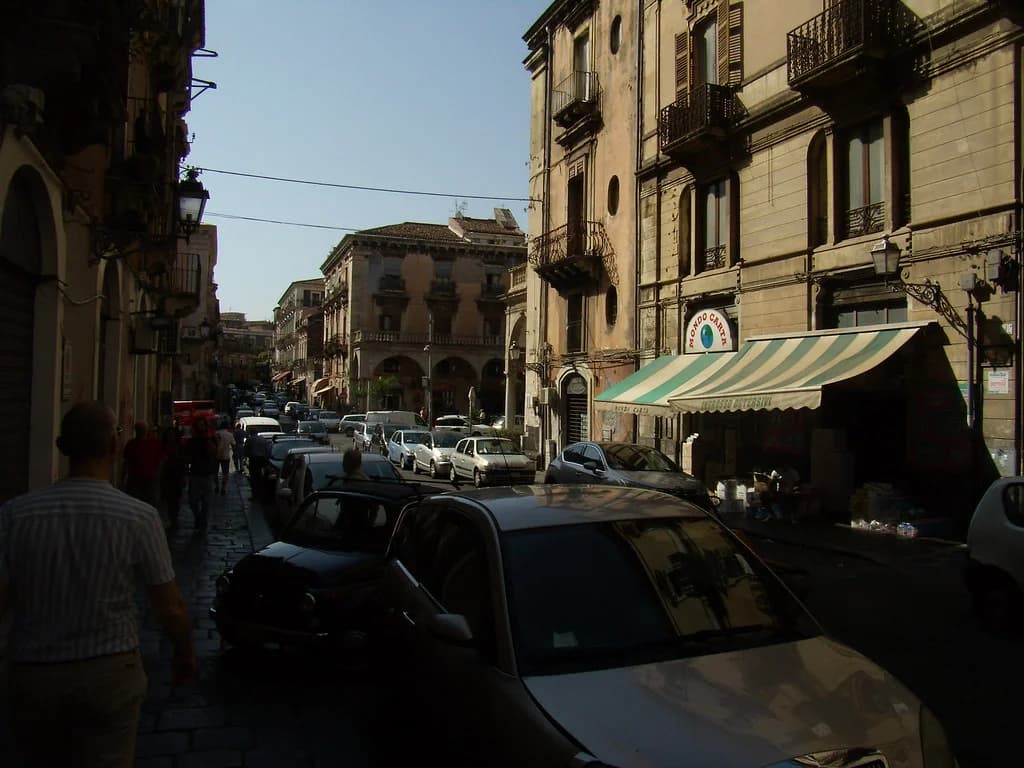
Walking through the narrow alleys of the old town reveals hidden gems tucked away in volcanic basalt stone buildings. Many of these small venues specialize in Sicilian wines — particularly those made from Nerello Mascalese and Etna Bianco grapes — alongside light snacks that represent the authentic flavors of the region. Standout bars like Ciclope Craft Beer and Stratosferica Cocktail Bar have built loyal followings among both residents and savvy travelers. The atmosphere remains casual yet energetic, making it easy to hop from one establishment to the next without feeling rushed or pressured.
Crowds typically peak around midnight when the music from various bars begins to blend into a single festive soundtrack. If you prefer a quieter experience, arriving around 9:00 PM allows you to find a prime seat for people-watching and to absorb the atmosphere before the main rush begins. The square is mostly pedestrianized, which creates a safe and relaxed environment for large groups to gather and socialize. Local students, young professionals, and international travelers all mingle here until the early hours of the morning, creating a democratic social energy that feels genuinely Sicilian.
On weekday evenings the crowd is largely made up of university students and twenty-something locals, with a more mixed demographic arriving on Fridays and Saturdays. Several bars around the square run live music on weekends — typically traditional Sicilian folk guitar or modern jazz — starting around 10:30 PM at no extra charge beyond your drink. A standard beer from local breweries such as Zia Fermenta runs around €4–5 for a 0.4 litre pour, while a house wine by the glass is usually €4–6 depending on the vintage and DOC classification. If you want table service rather than standing at the bar, budget a small tip of around €1–2 per round as a courtesy to the staff.
The historic lanterns along the square cast a warm golden glow that makes even a simple aperitivo feel like a special occasion. Note that some of the most popular bar counters become physically crowded after 11 PM, so securing a table while they are still available is strongly recommended. Keep an eye on your belongings in the densest weekend crowds to ensure a stress-free and enjoyable night in one of Catania's most iconic public spaces.
Aperitivo Culture: Via Gemmellaro and Via Landolina Bar Strip
The twin streets of Via Gemmellaro and Via Landolina form the backbone of Catania's beloved aperitivo scene — a pre-dinner ritual that is practically sacred to locals. Between 7:00 PM and 10:00 PM each evening, the bars lining both streets offer the classic Sicilian aperitivo deal: buy a drink and receive a free spread of snacks. These snacks are not mere crisps and peanuts; they typically include arancini bites, bruschetta with local tomato, marinated olives, cured meats from the Etna foothills, and small portions of pasta. In 2026, a standard Aperol or Campari Spritz costs €5–8, while a local Etna Rosso wine by the glass sits at €5–7.
Via Gemmellaro has quickly become the most fashionable street for evening drinks in recent years. This narrow lane is located just a short walk from the famous La Pescheria fish market and the main shopping avenues. Small, stylish bars with creative interiors line the street, offering everything from craft gin infused with Sicilian blood orange to local Etna craft beers brewed in small batches. It is the perfect place to start your night with a high-quality aperitivo while watching Catania's most stylish residents file past on their way to dinner. Particular highlights include Alé Cocktail Bar, known for its creative seasonal menus, and Scirocco, which focuses on natural Sicilian wines paired with outstanding antipasto boards.
Via Landolina runs parallel and draws a slightly younger crowd that leans toward craft beer and live acoustic music in the narrow outdoor seating zones. Several bars here open their internal courtyards in the summer months, creating semi-hidden garden drinking spots that feel worlds away from the busy street. Prices here are slightly higher than in Piazza Bellini, reflecting the more curated menus and artisanal drink selections. A craft beer from a microbrewery will usually cost €5–7 for a 0.4 litre glass, and a cocktail built with premium spirits runs €8–12 in the trendiest establishments.
The vibe across the whole strip is more sophisticated and less chaotic than the main tourist squares. You will find a mix of young professionals, food enthusiasts, and curious visitors all enjoying the creative small plates served with every drink. Most establishments focus on seasonal ingredients sourced directly from the nearby Ballarò-style markets to ensure maximum freshness and a genuine farm-to-glass experience. The aperitivo tradition here is a great window into how contemporary Catanians blend pleasure, food culture, and social connection in the same unhurried evening ritual.
Seating can be difficult to find on Friday and Saturday nights because of the high demand from residents returning from work. Arriving before 7:30 PM is the smartest strategy if you want to secure a table at the most popular wine spots without having to stand for the entire visit. This is also the best time to chat with the bartenders, who are usually knowledgeable about local DOC wines and happy to offer tasting suggestions tailored to your preferences.
Craft Cocktails and Late-Night Bars in the Old Town
Beyond the aperitivo hour, the old town's late-night bar scene runs until 2:00–3:00 AM on weekends and provides some of the finest cocktail craftsmanship in southern Italy. Many of the bartenders working in this part of Catania have trained in Milan or Rome and returned home to bring a metropolitan sensibility to their local craft. Venues like Retronouveau and Haus offer meticulously constructed cocktails using house-made infusions and locally sourced botanicals, with most drinks priced between €8–12. The interiors tend toward moody, low-lit spaces decorated with vintage Sicilian photography and local ceramics.

For those who prefer wine, Enoteca Siciliana Etna near Via Etnea stocks over 300 labels from across the island, with a particular focus on volcanic-soil DOC wines from the Etna appellation. A glass of Etna Rosso from a premium producer runs €7–10, while a carefully selected half-bottle can be shared at the bar table for €18–25. The knowledgeable staff can guide you through the differences between north-slope and south-slope Etna Bianco, making this venue both a bar and an informal wine education experience.
Craft beer has also taken root in Catania, with taps pouring local producers such as Birrificio dell'Etna and Trecapre alongside international imports. A 0.5 litre pour of an Etna-brewed IPA or amber ale runs €5–7 in most dedicated craft beer bars. These venues tend to stay open later than the wine-focused spots and often host quiz nights or live DJ sets from Thursday through Saturday. The crowd here is international and mixed-age, making them an excellent option for solo travelers who want to meet other visitors in a relaxed setting.
- Key Late-Night Bar Options in the Old Town
- Retronouveau — Craft cocktails €9–12, open until 2:30 AM, near Via Etnea
- Haus Bar — Botanical cocktails €8–11, live DJ Fridays, open until 3:00 AM
- Enoteca Siciliana Etna — Etna DOC wines €7–10/glass, closes at 1:00 AM
- Ciclope Craft Beer — Local drafts €5–7, open until 2:00 AM weekends
Summer Beats at Catania Beach Clubs
During the warmer months from June through September, the nightlife scene shifts decisively away from the city center toward the sandy shores of La Playa (Playa beach). Beach clubs that spend the daylight hours as relaxing sunbathing spots transform into massive outdoor dance floors as the moon rises over the Ionian Sea. These venues host internationally recognized DJs, themed party nights, and foam parties that often last until the first light of dawn breaks over the horizon. Check the Catania beach guide for specific details on the best seaside locations and how to reach them by public transport.
In 2026, entry fees for the main beach clubs typically range from €10–20 on standard nights and up to €25–30 for headliner events and themed parties. This entry price usually includes one complimentary drink — most commonly a beer or a basic well cocktail — though premium options like bottled spirits and VIP table packages are available for those seeking a more exclusive experience. Music styles vary widely: commercial house and techno dominate the larger venues, while smaller beach bars adjacent to the main clubs lean toward Latin rhythms, reggaeton, and traditional Italian pop that tends to draw an older crowd. The dress code is generally casual but stylish, and security staff do enforce a no-flipflops rule at most of the higher-end beach clubs after 10 PM.
The leading beach club venues in 2026 include Lido Azzurro, which hosts weekly "Catania After Dark" events on Friday and Saturday nights, and Playa Beach Club, which has a dedicated 400-person outdoor dance floor and a cocktail bar serving drinks priced at €7–10. Both venues are located along the Via Villaggio Delfino coastal road, approximately 3.5 kilometres south of the city centre and a short taxi ride costing €8–12 depending on the hour and demand. Uber is not available in Catania, so pre-booking a local taxi via the Chiama Taxi Catania app is strongly recommended, especially for the return journey when demand spikes after 3:00 AM.
Transportation to the beach area at night can be a genuine challenge without a private vehicle or pre-booked taxi. A handful of shuttle services operate during peak summer season, departing from Piazza della Repubblica around 10:30 PM and returning at 4:00 AM, with tickets priced at €5–8 return per person. However, these services fill up quickly on weekends, so booking in advance via the venue's social media page is advisable. If you plan to drink, arrange your return journey before you arrive — being stranded on the coastal road at 4:00 AM with no phone battery and no transport option is an unfortunately common experience for unprepared visitors.
San Berillo: Catania's Reclaimed Artsy District
San Berillo was once a neglected and somewhat derelict neighborhood but has been reborn over the past decade as a genuine center for art, alternative culture, and unconventional nightlife. This district features a dense network of colorful murals by both local and international street artists, set against narrow streets filled with creative energy and unique bar concepts that resist easy categorization. San Berillo offers a compelling contrast to the more polished and tourist-facing venues found on the main thoroughfares of the city center. Many travelers overlook this area entirely, but it provides one of the most authentic and memorable nightlife experiences available in Catania in 2026.
The bars here often occupy small, historic houses — many dating back to the early twentieth century — with hidden courtyards and unexpected back rooms that create an intimate and cozy atmosphere very different from the busier squares. You can find eclectic drink menus featuring botanical cocktails made with foraged Sicilian herbs, natural wines with low sulfite profiles, and rare spirits from small Sicilian producers that you genuinely will not see anywhere else in the city. In 2026, prices remain very reasonable by any standard, with most drinks costing between €5–8 in these artistic settings, making the neighborhood an accessible choice for budget-conscious travelers who still want quality.
The local community in San Berillo is very welcoming and openly proud of the neighborhood's recent cultural transformation from a no-go zone into a creative hub. On warm evenings, art openings, pop-up markets, and spontaneous acoustic music sessions spill out of the bars and into the streets, creating a festival atmosphere that feels entirely unplanned and organic. Visiting San Berillo is best done on foot to fully appreciate the layers of street art and the quirky architectural details that hide around every corner. The area sits between the main train station and the historic center, making it easy to access from most accommodation in the city.
While the neighborhood has improved significantly in terms of safety and infrastructure, it still retains a raw and authentically edgy character that appeals strongly to adventurous night owls, backpackers, and travelers who prefer experience over polish. The streets are generally well-lit on the main routes but darker on some of the smaller lanes, so bringing a charged phone with maps downloaded offline is sensible. This neighborhood stands as a testament to the ability of Catania's residents to reinvent a difficult history through art, community, and a genuine love of good drinks shared in good company.
Live Music and Jazz Bars in Catania
Catania has a genuine and thriving live music scene that extends well beyond the background acoustic guitar sets found in tourist-facing bars. The city has produced internationally recognized classical composers — most famously Vincenzo Bellini — and that musical heritage runs deep in the local culture. In 2026, a small but committed cluster of live music venues operates nightly in the old town and the surrounding districts, offering everything from traditional Sicilian folk sessions and jazz quartets to blues, funk, and indie rock performed by locally acclaimed bands. Entry to most live music venues ranges from free to €8–12 on ticketed nights, making it a genuinely affordable alternative to the standard bar-and-club circuit.
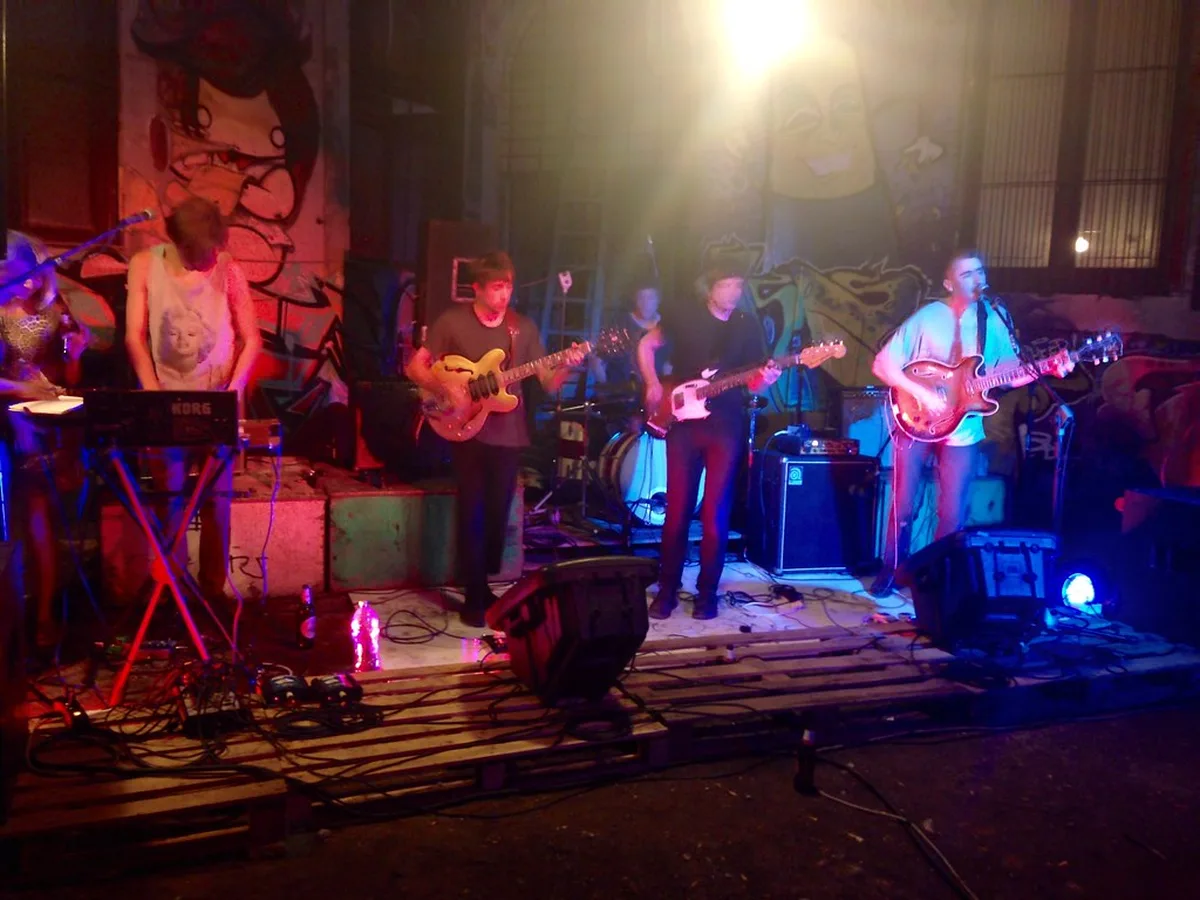
Jazz Café Etnea, located on Via Etnea near Piazza Stesicoro, is the most established jazz venue in the city. It hosts a resident quartet every Thursday from 9:30 PM and invites guest ensembles every Friday and Saturday from 10:00 PM. Entrance is free on Thursday nights; weekend shows cost €8–10 including a welcome drink. The interior is intimate — around 60 covers — with low ceilings and warm amber lighting that create an atmosphere reminiscent of a classic New York Village basement club. The bar menu includes local Etna DOC wines at €6–8 per glass, craft beers at €5–6, and a selection of aged Sicilian amari at €5–7 per shot. Reservations via the venue's Instagram page are strongly recommended for Friday and Saturday shows, as the small space sells out consistently from October through May.
For a rawer, more unpredictable live music experience, Cantina della Musica on Via Plebiscito hosts open-mic nights every Tuesday and Thursday from 9:00 PM where local musicians take 20-minute sets covering jazz, blues, and soul. Entry is always free; the expected social contract is simply to buy a drink. A house wine costs €4–5 and the rotating tap beer selection runs €4–6 per pint. The atmosphere is relaxed and conversational, with the crowd made up primarily of university students, musicians, and curious visitors. On weekend nights the venue transitions to curated DJ sets featuring deep house and Nu-jazz, running until 2:30 AM with no cover charge before midnight.
The Catania walking tour route passes directly by several of these music venues during the daytime, allowing you to scout locations before returning in the evening. Smaller venue listings are typically posted on flyers at record stores along Via Etnea or on community boards inside independent cafés. The live music circuit in Catania is deliberately low-key and community-driven, which means the quality is remarkably consistent even if the marketing is minimal. For travelers who prioritize authentic cultural experience over polished commercial nightlife, this scene represents the most rewarding after-dark option in the city.
On the broader cultural calendar, the Teatro Massimo Bellini — one of the most beautiful opera houses in southern Italy — stages evening performances from October through June, with tickets ranging from €15–80 depending on seating tier and production. Attending an opera or classical concert at Bellini is a dramatically different kind of night out but one that perfectly encapsulates the city's deep-rooted artistic identity. The dress code is smart-casual to formal and the box office opens from 10:00 AM to 7:00 PM. Booking via the official website at least a week in advance is essential for weekend productions, which sell out well ahead of the performance date.
Late-Night Street Food Traditions
No nightlife adventure in Catania is complete without participating in the city's deeply rooted late-night street food tradition, which has sustained revelers and night workers for generations. The city is famous for its 'Arrusti e Mangia' culture — translated roughly as 'grill it and eat it' — a philosophy that prizes immediacy, flavor, and communal eating over formal dining conventions. Via Plebiscito is the legendary destination for this experience, where smoky charcoal grills and gas-fired fryers line the sidewalks until long after midnight every weekend. In 2026, you can enjoy a generous horse meat sandwich (cavallo sandwich) for €2.50–4, a pork or veal sausage with bread for €3–5, and a mixed meat plate for €6–9 depending on the vendor and portion size.
Arancini — the beloved Sicilian fried rice balls — are available from dedicated fryers stationed throughout the area, and they represent some of the best value eating in all of Sicily. A single arancino costs €2–3 in 2026 depending on filling; the classic ragù and the creamy burro (butter and ham) varieties are the most popular. Several vendors also offer a XXL arancino weighing almost 400 grams for around €4–5, which is more than enough for a satisfying post-midnight meal after a long evening of dancing and socializing. These fried rice balls are a staple of the Sicilian diet and provide perfect fuel for extending a long night into the early hours without the crash that comes from heavier eating.
If you prefer something lighter, several bakeries and bars in the area serve fresh sfincione (Sicilian flatbread pizza with tomato, onion, and local cheese) for €1.50–2.50 per slice, as well as granita con brioche for €3–4 — a surprisingly refreshing late-night option that locals eat even in winter. Many residents gather around these food stalls not just to eat but to share stories, debate football results, and enjoy a final social moment before heading home. The atmosphere is loud, friendly, slightly chaotic, and deeply rooted in the daily life of the city's working-class residents, who have kept this culinary tradition alive despite the encroachment of faster, corporate food options.
Street food vendors in the Via Plebiscito area are generally very busy during the weekend peak hours between 1:00 AM and 3:00 AM, when the post-club crowd merges with workers finishing late shifts. You might have to wait five to ten minutes for your order, but the quality of food and the theater of watching it being prepared is genuinely worth the wait. Almost all vendors here are cash-only — ATMs are available on Via Etnea and near Piazza Stesicoro but can have queues after midnight — so ensure you carry small denomination notes when you head out for the evening. This dining experience offers a true taste of Catania that no restaurant, however acclaimed, can fully replicate.
Practical Tips for Navigating Catania at Night
Staying safe while exploring the city after dark is a top priority for most international visitors, and Catania's central nightlife districts are generally well-suited to an enjoyable evening with sensible precautions. Most central areas including Piazza Bellini, Via Gemmellaro, Via Landolina, and the surrounding old town streets are well-lit and consistently crowded throughout the evening, which helps maintain a secure environment. For a comprehensive safety overview, see our guide on is Catania safe for tourists, which covers which neighborhoods to avoid and how to handle common petty crime risks. Generally, sticking to the main squares and well-populated streets is the single most effective way to ensure a pleasant and stress-free evening.
Parking in the city center becomes extremely difficult on Saturday nights when the nightlife is at its most intense and demand for spaces far exceeds supply. If you are driving, consider using the dedicated lots near the port or the central train station, which typically charge €1.50–3 per hour depending on zone. Our dedicated guide on parking in Catania provides several useful locations for leaving your vehicle safely overnight and the associated costs in 2026. Walking is almost always the most efficient way to move between the various bars and clubs within the old town, as many key venues are clustered within a ten-minute walking radius of each other.
Taxis in Catania in 2026 operate on metered rates, with a typical central-to-central journey costing €5–9 and a central-to-beach-club ride running €10–15 late at night due to distance surcharges. There is no Uber service in the city, but the Chiama Taxi Catania app allows you to pre-book and track rides reliably. The city's metropolitan rail (Ferrovia Circumetnea) and limited night bus services do not run late enough to be useful for clubbers, so budget for taxis or plan with a group to share costs. Scooter and e-bike rentals are available in the daytime but not practical for late-night travel.
Local bars in the old town do not typically enforce a strict dress code, but Sicilians take genuine pride in their appearance and smart-casual attire will help you feel more comfortable and be treated more warmly in the trendier venues on Via Gemmellaro and Via Landolina. Remember that the 'movida' starts genuinely late by northern European standards: bars begin to fill only around 10:00 PM, dinner is routinely eaten at 9:30–10:00 PM, and clubs do not see meaningful crowds before 1:00 AM. Do not be surprised if you arrive at a venue at 9:30 PM and find yourself essentially alone — patience and a relaxed attitude about timing will unlock the unique and deeply enjoyable rhythm of Catania's evening culture.
Frequently Asked Questions
What is the best area for nightlife in Catania?
The area around Piazza Bellini is the primary hub for nightlife in Catania in 2026, with a high concentration of bars and social spaces within easy walking distance of the historic center. Cocktails here run €5–7 and the square is pedestrianized, making it easy and safe to move between venues. For a more sophisticated vibe, the Via Gemmellaro and Via Landolina bar strip — just a five-minute walk from the square — offers craft cocktails at €8–12 and a strong aperitivo culture with free snacks between 7:00–10:00 PM. For summer clubbing, the beach clubs at La Playa are the standout choice with entry costing €10–20.
Are bars in Catania expensive?
Catania is generally very affordable compared to other major Italian cities like Milan or Rome. In 2026, a standard Aperol Spritz or house cocktail in a central square costs €5–7. Craft bars on Via Gemmellaro and Via Landolina charge €8–12 for specialty cocktails and €5–7 for a craft beer. Etna DOC wine by the glass runs €5–10 depending on the producer and venue. Street food remains the most budget-friendly late-night option, with arancini at €2–3 and sandwiches at €2.50–5.
What time does nightlife start in Catania?
Nightlife in Catania follows the late southern Italian schedule. The aperitivo hour runs from 7:00–10:00 PM on Via Gemmellaro and Via Landolina. Bars around Piazza Bellini begin filling around 10:00–10:30 PM. Clubs do not see meaningful crowds until after 1:00 AM, and peak energy inside most venues runs from 1:30–4:00 AM. Street food stalls on Via Plebiscito are busiest between 1:00–3:00 AM. If you arrive before 10:00 PM expecting a crowd, you will find most venues nearly empty.
Is it safe to walk in Catania at night?
Walking in the central historic districts including Piazza Bellini, Via Etnea, and Via Gemmellaro is generally safe in 2026 due to large crowds and well-lit streets throughout the evening. You should stay in populated areas and avoid poorly lit side streets in unfamiliar parts of the city, particularly the outskirts of the train station area late at night. Keep personal belongings secure — particularly phones and wallets — and be aware of your surroundings in dense crowds. The vast majority of visitors enjoy Catania after dark without any significant issues.
How do I get from Catania's city center to the beach clubs at La Playa?
La Playa beach clubs are approximately 3.5 kilometres south of the historic center along the Via Villaggio Delfino coastal road. In 2026, the most reliable option is a metered taxi costing €10–15 one-way depending on late-night surcharges; pre-book via the Chiama Taxi Catania app. Some beach clubs operate a free or low-cost shuttle bus (€5–8 return) departing from Piazza della Repubblica around 10:30 PM and returning at 4:00 AM — check the venue's social media pages to confirm availability before your visit. Uber is not available in Catania.
What is the Catania aperitivo and where is the best place to experience it?
The Catania aperitivo is a pre-dinner ritual (typically 7:00–10:00 PM) where buying a drink at participating bars earns you a free spread of Sicilian snacks — arancini bites, bruschetta, marinated olives, cured meats, and small pasta portions. In 2026, a Spritz or glass of Etna wine costs €5–8 at most aperitivo bars. The best concentration of venues is along Via Gemmellaro and Via Landolina in the old town. Arriving by 7:30 PM on weekdays ensures you get a table; weekend evenings fill quickly by 8:00 PM.
Does Catania have live music and jazz bars?
Yes — Catania has a well-established live music scene rooted in the city's long classical heritage. Jazz Café Etnea on Via Etnea hosts a resident jazz quartet every Thursday (free entry) and guest ensembles Friday–Saturday (€8–10 including one drink). Cantina della Musica on Via Plebiscito runs free open-mic nights Tuesday and Thursday from 9:00 PM, with house wine at €4–5. For classical music and opera, the Teatro Massimo Bellini stages productions October through June with tickets from €15–80. Most live music venues in the old town serve Etna DOC wines at €6–8 and craft beers at €5–6 per glass.
Catania offers a diverse and energetic nightlife scene in 2026 that caters to every type of traveler. From the historic charm of Piazza Bellini and the aperitivo culture of Via Gemmellaro to the summer beach clubs at La Playa and the raw authenticity of San Berillo, there is always something rewarding to discover after dark. Participating in the local street food traditions on Via Plebiscito will give you the deepest connection to the city's culture and the rhythms of everyday Sicilian life. We hope this Catania nightlife guide helps you plan an incredible evening in this historic and endlessly vital Mediterranean city.
After enjoying the city's evening energy, you might want to explore the surrounding region. Consider booking some day trips from Catania to see more of Sicily's extraordinary natural beauty, from the slopes of Mount Etna to the ancient ruins of Agrigento. The island has much more to offer beyond its vibrant urban centers and late-night parties. Enjoy your journey through the flavors and sounds of this unique Mediterranean destination.