Discover the Best Day Trips From Catania for Your Sicily Trip
Day trips from Catania in 2026 include Mount Etna (40 km, €4 bus + €35 cable car), Taormina (50 km, 50 min by train, under €6), Syracuse (60 km, 75 min by bus, €6.50 return), and the Riviera dei Ciclopi (15 km, 20 min, €1.40 by AMT bus).
Getting around on day trips from Catania: AST regional buses and Trenitalia trains cover most Sicily destinations for under €10 return; renting a car for around €35–50/day unlocks inland sites like Villa Romana del Casale and Agrigento's Valley of the Temples that have limited public transport links.
Catania serves as an ideal base for travelers exploring the diverse landscapes of eastern Sicily. The city sits perfectly between the deep blue Ionian Sea and the towering peak of Mount Etna. Most major regional attractions are reachable within two hours by train, bus, or rental car. Planning a few activities in the Catania old town helps you balance city life with these exciting excursions.
Eastern Sicily offers a unique blend of ancient history, volcanic wonders, and luxury seaside resorts. Visitors can wander through Roman ruins in the morning and enjoy mountain air by the afternoon. The local transport network connects the city to famous spots like Taormina and Syracuse quite efficiently. Using the city as a hub allows for a deep dive into Sicilian culture without moving hotels constantly.
Each destination listed in this guide provides a distinct atmosphere and set of activities. Some trips focus on outdoor adventure while others highlight architectural beauty and culinary traditions. Travelers should consider the season and weather when choosing their specific daily itineraries. A well-planned schedule ensures you see the best of the island during your 2026 Mediterranean holiday.
Mount Etna from Catania: The Ultimate Volcano Day Trip
Mount Etna is Europe's tallest and most active volcano, rising to 3,357 metres above sea level just 40 kilometres north of Catania city centre. It dominates the entire eastern Sicilian skyline and is visible from virtually every rooftop terrace in the city. In 2026 it remains fully accessible from Catania using a combination of public buses and cable car, with no private car required. The volcano earned UNESCO World Heritage status in 2013 and attracts over 3 million visitors annually, making early arrival essential.
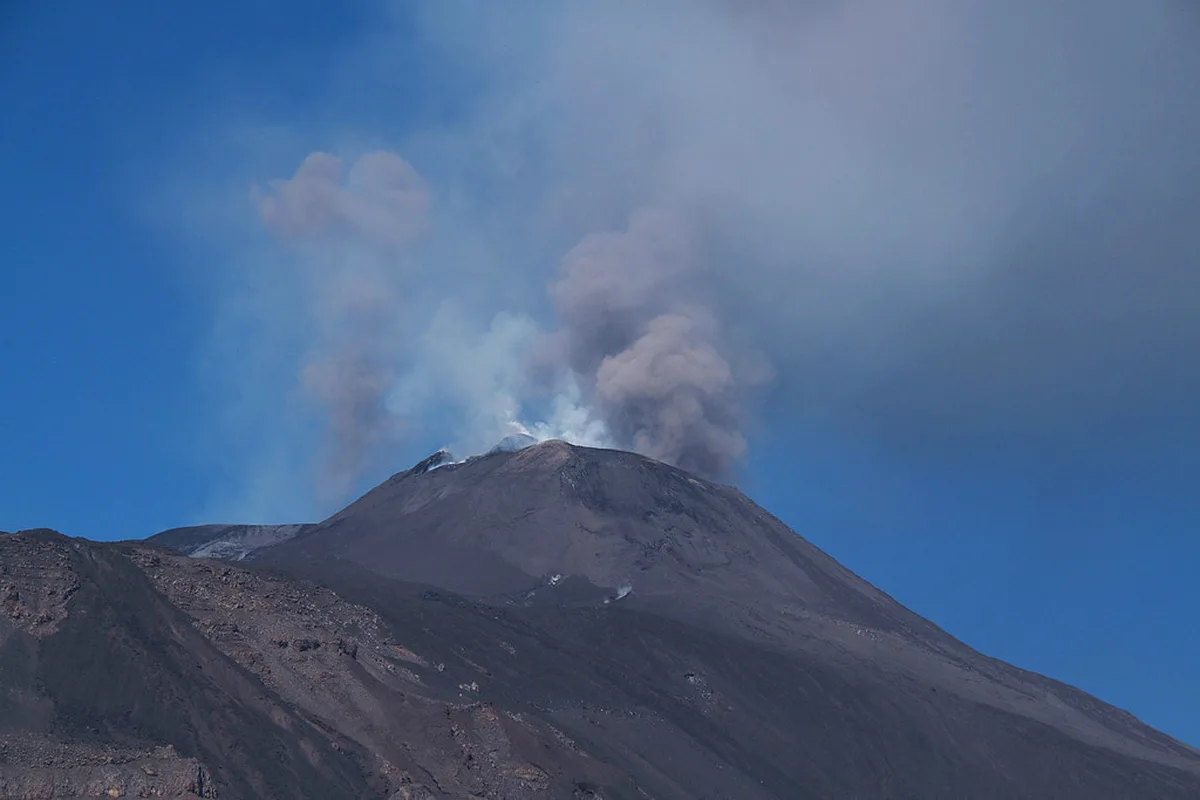
The cheapest and most popular route is the AST bus from Catania's Piazza Paolo Borsellino. In 2026 the return fare is €4 per person, with daily morning departures at approximately 8:15 AM during the summer season. The bus climbs to Rifugio Sapienza at 1,923 metres on the southern flank, taking around 90 minutes from the city. From the refuge, the Funivia Etna Sud cable car ascends to the 2,500-metre mark; a return ticket costs €35 in 2026. The cable car journey takes about 15 minutes and delivers you into a dramatically barren volcanic landscape of black lava and red cinders.
From the top cable car station, licensed guides lead small crater hike groups up to the summit craters at 2,900–3,000 metres. Guided hike fees run €30–50 per person in 2026 and include a helmet and a certified volcanologist escort — both mandatory above 2,500 metres. The full guided crater experience lasts around 3–4 hours. Always check INGV (National Institute of Geophysics and Volcanology) eruption bulletins before departure; the summit can be closed with one hour's notice if volcanic activity increases. The best season for summit visits is June through October when snow and ice have cleared and the cable car operates at full capacity.
An excellent lower-budget alternative is the Ferrovia Circumetnea narrow-gauge train, which loops entirely around the base of the volcano through lava-stone villages and terraced vineyards. The full scenic loop departs from Catania Borgo station and costs approximately €14 return in 2026. The circuit covers 110 km, passes through Randazzo, Bronte (famous for pistachios), and Adrano, and takes around 3.5 hours at a leisurely pace. It is the best way to experience rural Etna without altitude or physical exertion. Pack layers regardless of season — temperatures at 2,500 metres run 10–15°C cooler than in Catania — and wear sturdy, closed-toe shoes as the lava terrain is extremely uneven. Check the Sicily travel guide for broader regional context before planning your Etna day.
Discovering the Charm of Taormina and Castelmola
Taormina sits perched on a steep cliff 200 metres above the Ionian Sea, approximately 50 kilometres north of Catania along the A18 motorway. Regional Trenitalia trains from Catania Centrale reach Taormina-Giardini station in about 50 minutes, with departures roughly every hour throughout the day. A local Interbus shuttle (€2 per trip) or the funivia cable car (€3.50 each way) then carries visitors from the coastal station up to the main Porta Messina gate. The train fare from Catania is usually under €6 in 2026, making this one of the most cost-effective day trips available.
The ancient Greek Theatre — Teatro Antico di Taormina — remains the most photographed site in town, framing a breathtaking backdrop of both the Ionian coast and Mount Etna. Entry fees for the theatre are approximately €13 for adults and €7 for EU citizens aged 18–25 during the 2026 peak season. Walking the full length of the Corso Umberto reveals luxury boutiques, hand-painted ceramic shops, and charming cafes serving granita di caffè with brioche. Arrive before 10:00 AM to enjoy the narrow medieval streets before the largest tour groups and cruise ship visitors begin arriving by mid-morning.
Castelmola is a smaller hilltop village located 5 kilometres above Taormina at 550 metres elevation. Local orange-coloured buses run between the two towns roughly every hour for around €2 per ride. The sweeping views from the Piazza Sant'Antonio across the cape to Mount Etna are widely considered among the finest panoramas in all of Sicily. Try the local almond wine at Turrisi Bar — the village's most famous institution — for a uniquely bitter-sweet taste of this ancient hilltop community that dates to Norman times.
Isola Bella is the small island and nature reserve located directly beneath the Taormina cliffs at sea level. Visitors can walk across a narrow sandbar to reach the island at low tide between May and September. The bay water is crystal clear — visibility often exceeding 10 metres — and perfect for a refreshing swim after a full morning of sightseeing. Pack water shoes because the beach and the approach consist of small rounded pebbles rather than sand, and sunscreen as the limestone cliffs reflect considerable UV intensity in summer.
Historical Wonders of Syracuse and Ortigia Island
Syracuse is approximately 60 kilometres south of Catania and offers one of the deepest dives into ancient Greek and Roman history available anywhere in Sicily. The island of Ortigia serves as the 2,700-year-old historical heart of the city, connected to the mainland by two short bridges. Walking through the narrow baroque alleys leads to the stunning Piazza del Duomo and its Norman cathedral built directly over a 5th-century BC Greek temple — visible Doric columns are still embedded in the outer walls. This entire area is pedestrianised and perfect for a slow afternoon of photography and exploration before the evening passeggiata begins.
Neapolis Archaeological Park sits on the mainland side and houses a massive 5th-century BC Greek Theatre still used for performances today, alongside a 2nd-century AD Roman Amphitheatre. The Ear of Dionysius — Orecchio di Dionisio — is a 23-metre-high limestone cave quarry renowned for extraordinary acoustic properties that carry even a whisper to the far end. Standard entry tickets cost €13.50 for adults and €7 for EU residents aged 18–25 in 2026, covering all major ruins within the park. Most travellers spend at least two to three hours exploring these ancient structures before crossing to the island for lunch.
The local Mercato di Ortigia market stretches along Via Trento e Trieste and is a sensory delight filled with fresh swordfish, sea urchin, wild herbs, and Sicilian ricotta. Stop at Caseificio Borderi on Via Savoia for a world-famous sandwich made with scamorza, capocollo, and sun-dried tomatoes — typically costing €5–7 per sandwich. Prices for a full sit-down lunch in Ortigia range from €12 to €20 per person at trattorie away from the main piazza. The market typically closes by 1:00 PM so plan your visit firmly in the morning hours.
Trains and Interbus coaches run frequently between Catania and Syracuse throughout the day, with journey times of 70–80 minutes. The Interbus coach station in Syracuse is conveniently located near the entrance to Neapolis Park. Return bus fares are around €6.50 in 2026, while trains cost a similar €7 return. Evening light on the honey-coloured stone buildings of Ortigia at golden hour is particularly beautiful and worth timing your return departure around sunset.
Coastal Magic Along the Riviera dei Ciclopi
The Cyclops Coast stretches just 15 kilometres north of Catania, making it the closest and most accessible getaway for those seeking a quick seafront escape from the city. Aci Castello features a dramatic 12th-century Norman castle built directly onto a massive volcanic basalt promontory jutting into the Ionian Sea. The castle museum is open daily from 9:00 AM and costs €3 for a standard adult entry in 2026, with free admission every first Sunday of the month. From the top of the battlements you can see the entire coastline stretching north to Taormina and south back to the Catania harbour.
Aci Trezza is a charming working fishing village located just 2 kilometres from Aci Castello, reachable in under 10 minutes on foot along the coastal promenade. The legendary basalt stacks — the Faraglioni dei Ciclopi — rise sharply 40 metres from the sea, the mythical rocks thrown by the blinded Cyclops Polyphemus at the fleeing Ulysses according to Homer's Odyssey. These sea stacks form a protected nature reserve and create a striking natural backdrop for the small fishing harbour. Check our Catania beach guide to find the best rocky lido spots and swimming access points along this coastline.
Local bus number 534 (AMT city bus) connects Catania city centre directly to Aci Castello and Aci Trezza in roughly 20–25 minutes. Tickets cost €1.40 per single journey and can be purchased at tobacconists, local kiosks, or via the AMT mobile app. This route is ideal for a half-day trip and runs frequently throughout the morning and afternoon if you have limited time in your schedule. Many Catania locals visit this coastal strip in the evening for fresh seafood dinners — arancini, maccheroni al nero di seppia, and grilled swordfish — by the water.
Boating tours depart from the Aci Trezza harbour pier for those wanting a closer look at the legendary basalt stacks from sea level. Short excursion trips around Lachea Island nature reserve usually cost between €12 and €20 per person in 2026 depending on boat size and trip duration. Snorkelling gear can be rented from waterfront kiosks for around €8 per set. Swimming in the gin-clear water between the volcanic sea stacks is consistently rated among the highlights of any Catania coastal visit. The area maintains a refreshingly local atmosphere compared to the busier beach resorts further north.
Inland Treasures of Piazza Armerina and Enna
Driving inland from Catania reveals a completely different side of Sicily — a vast agricultural heartland of rolling wheat fields, pistachio groves, and hilltop medieval towns that feel untouched by mass tourism. Villa Romana del Casale, a UNESCO World Heritage site near Piazza Armerina, is the primary anchor for this inland day trip and warrants a full half-day of exploration. If you rent a car for this trip, remember to review tips on parking in Catania to secure your vehicle before departure. The drive from Catania takes about 90 minutes via the SS417 highway through rolling hills and vast fields of golden wheat, passing through the Caltagirone ceramics town at the midpoint.
The villa houses some of the most extensive and best-preserved Roman mosaic floors in existence — over 3,500 square metres spread across dozens of rooms and corridors. Famous scenes include the celebrated 'Bikini Girls' mosaic (showing women exercising in two-piece garments, circa 320 AD) and intricate hunting expedition panels featuring lions, elephants, and exotic African animals being transported to Rome. Entry to the archaeological site is approximately €10 for adults in 2026 and includes access to the entire complex including the private owner's apartments. Modern suspended walkways allow for clear overhead views of every floor panel without any risk of damage to the ancient art.
Enna, a further 30 kilometres north of Piazza Armerina, is known as the "belvedere" of Sicily due to its position at 930 metres on a sheer-sided plateau that dominates the entire Sicilian interior. The Castello di Lombardia is one of the largest and best-preserved medieval fortresses on the island, with 20 of its original 26 towers still standing. Climbing the Pisan Tower on a clear day provides a panoramic view that stretches across 80 kilometres to Mount Etna in the east. The quiet town centre offers a highly authentic Sicilian atmosphere completely removed from the coastal tourist circuit, with lunch at a local trattoria averaging just €10–14 per person.
- Villa Romana del Casale
- Type: Ancient Roman Villa
- Best for: History and art lovers
- Where: Piazza Armerina town
- Cost: €10 per adult (2026)
- Castello di Lombardia
- Type: Medieval Fortress
- Best for: Panoramic views
- Where: Enna hilltop
- Cost: Free to enter
- Duomo di Enna
- Type: Historic Cathedral
- Best for: Baroque architecture
- Where: Enna center
- Cost: Small donation
Noto: The Baroque Jewel of Southern Sicily
Noto lies approximately 85 kilometres south-west of Catania and is widely regarded as the finest example of Sicilian Baroque architecture in existence. The entire historic centre was rebuilt in a single unified style after the catastrophic earthquake of 1693 destroyed the original medieval town, earning it UNESCO World Heritage status in 2002 alongside six other Val di Noto baroque cities. Direct Interbus coaches connect Catania with Noto in around 90 minutes, with return fares of approximately €8 in 2026. Most coaches drop passengers at the Piazza Marconi terminus, a short walk from the honey-gold limestone cathedral that dominates the skyline.
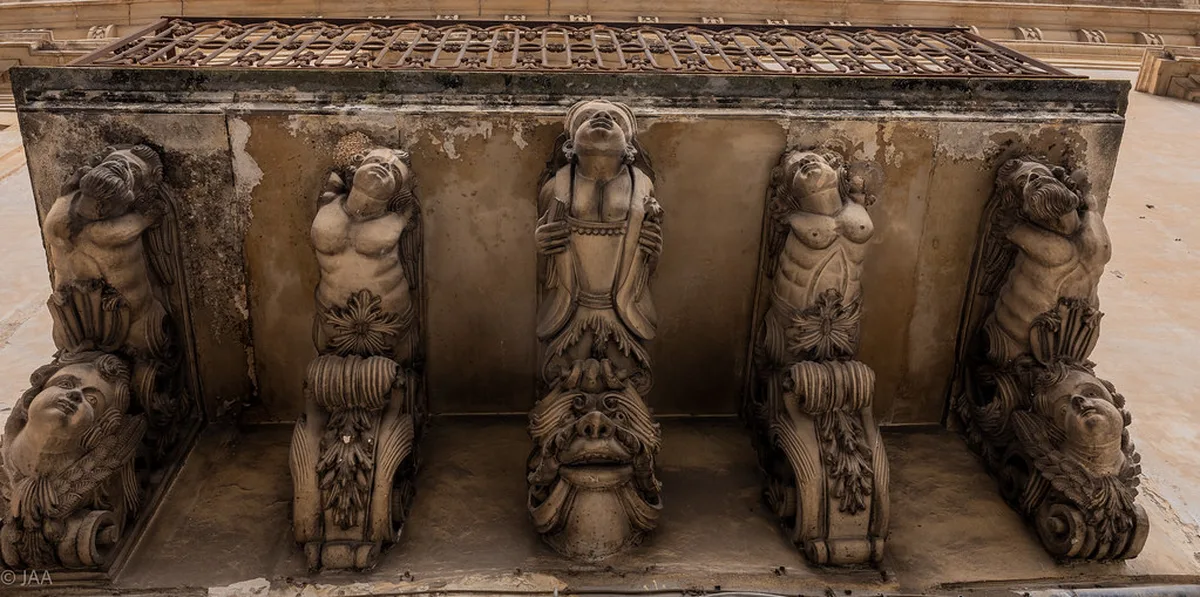
The Cattedrale di San Nicolò is Noto's centrepiece — a massive 18th-century cathedral whose sweeping staircase and twin bell towers define the town's most photographed view. Entry to the cathedral is free, though access to the interior rooftop terrace costs €3 and rewards visitors with panoramic views across the baroque roofline and towards the Iblean hills. The main corso — Corso Vittorio Emanuele — is entirely pedestrianised and lined with lavishly ornate palaces including Palazzo Ducezio and Palazzo Villadorata, whose wrought-iron balconies feature carved figures of horses, griffins, and cherubs unique to Noto's master carvers.
Noto is equally celebrated for its food culture. The town is home to the famous Caffè Sicilia on Corso Vittorio Emanuele, run by fourth-generation pastry master Corrado Assenza, whose almond granita and jasmine granita are considered benchmark Sicilian desserts by leading food critics worldwide. Expect to pay €3–5 for a granita with brioche. Street food stalls along the corso offer arancine (rice balls with meat or spinach-and-ricotta fillings) for €2–3 each throughout the day. A full trattoria lunch with two courses and local Nero d'Avola wine typically runs €15–22 per person at restaurants just off the main street.
The Infiorata di Noto, held every year in May, transforms Via Nicolaci into a 100-metre floral carpet of intricate designs composed entirely of fresh flowers — one of the most spectacular seasonal events in all of southern Italy. Outside of May, the town maintains an unhurried local atmosphere that feels a world apart from the busier coastal resorts. Combine Noto with a stop in Palazzolo Acreide on the return journey, a smaller baroque hill town with a well-preserved Greek theatre that is rarely crowded. You can also pair this trip with a visit to the Catania nightlife scene upon returning, which starts late in the Sicilian tradition.
Frequently Asked Questions
What is the best way to travel on day trips from Catania?
Trains and regional buses are the most reliable options for coastal cities like Syracuse and Taormina, with return fares typically under €10. For inland sites like Villa Romana del Casale or Mount Etna's upper slopes, renting a car for €35–50 per day in 2026 offers more flexibility and saves significant time. AST regional buses are the budget choice for Etna at €4 return.
Can you visit Mount Etna and Taormina in one day?
It is possible to combine Mount Etna and Taormina in a single day if you have a private car or join a guided tour covering both sites. The AST bus to Etna departs Catania at 8:15 AM and returns by early afternoon, leaving time to catch a train to Taormina (50 min, under €6). Most independent travellers prefer dedicating a full day to each location to fully enjoy the crater hike and the Greek Theatre without rushing.
Is Syracuse worth a day trip from Catania?
Yes, Syracuse is absolutely worth a full day trip from Catania. The Neapolis Archaeological Park, with its 5th-century BC Greek Theatre and the famous Ear of Dionysius cave, costs €13.50 for adults in 2026. The baroque island of Ortigia, connected by bridge, adds a second distinct half-day of wandering medieval alleys, visiting the market, and dining on fresh Sicilian seafood. The journey takes 70–80 minutes by Interbus (€6.50 return) or Trenitalia (€7 return).
How do you get from Catania to Mount Etna?
The AST public bus from Catania's Piazza Paolo Borsellino departs daily at approximately 8:15 AM and costs €4 return to Rifugio Sapienza (1,923 m) on the southern side of the volcano, taking 90 minutes. From there the Etna Sud cable car (€35 return in 2026) ascends to 2,500 metres in 15 minutes. Alternatively, the Ferrovia Circumetnea train from Catania Borgo loops the entire volcano base through pistachio villages for €14 return over 3.5 hours.
What is the best day trip from Catania?
Mount Etna is the single most iconic day trip from Catania, accessible via AST bus (€4 return) and cable car (€35 return). For history lovers, Syracuse with its Greek theatre in Neapolis Park (€13.50 entry) and Ortigia island is the top alternative. Taormina is the best choice for a scenic clifftop town combining a Greek theatre, clear Ionian beaches, and luxury shopping in just 50 minutes by train for under €6. Noto is the top pick for baroque architecture enthusiasts, reachable in 90 minutes by Interbus for €8 return.
Is it safe to visit Mount Etna in 2026?
Yes, visiting Mount Etna is safe in 2026 when you follow official protocols. Always check the INGV (National Institute of Geophysics and Volcanology) daily bulletin before departure. Summit zones above 2,500 metres require a licensed guide and helmet, costing €30–50 per person. The cable car and guided access routes are closed automatically when volcanic activity increases — full refunds are issued if closure happens on the day of your visit.
How far is Noto from Catania and how do you get there?
Noto is approximately 85 kilometres south-west of Catania and takes around 90 minutes to reach by Interbus coach, with a return fare of approximately €8 in 2026. Coaches depart from Catania's Piazza Paolo Borsellino bus terminal and drop passengers at Piazza Marconi in Noto, a short walk from the baroque cathedral and the pedestrianised Corso Vittorio Emanuele. A rental car is also an option at €35–50 per day if you want to combine Noto with Ragusa Ibla or Modica on the same trip.
Catania is a fantastic gateway to the diverse attractions of eastern Sicily. From volcanic peaks to ancient ruins and baroque hilltowns, the variety of day trips ensures every traveller finds something special regardless of their interests or budget. Planning your transport in advance — particularly for Mount Etna and the inland sites — will help you maximise your time at each destination. A guided Catania walking tour is a great way to orient yourself before heading out on day trips.
Safety is always a priority when travelling through busy transit hubs and new cities. Many visitors often ask is Catania safe for tourists during their stay. The city is generally safe if you stick to main areas and keep a close eye on your belongings at busy markets and on public transport. Enjoy the incredible history and natural beauty that makes this part of Italy so consistently rewarding for travellers in 2026.