Ultimate Sicily Travel Guide: Best Cities and Towns for 2026
Sicily is Italy's largest island, covering 25,711 km² in the Mediterranean Sea, where car rental from Catania or Palermo airports averages €30–50/day and a single bus ticket costs €1.80 in 2026.
Palermo, Catania, Taormina, and Syracuse anchor the four main visitor circuits; budget €1,400–2,100 per couple for a full 7-day road trip including accommodation, transport, and entry fees across Sicily's top cities.
Planning a trip here involves more than just picking a beach resort. You should consider how the island's unique history has shaped its various urban centers. Each city offers a distinct personality that caters to different travel styles.
Expect a sensory explosion of flavors and sights in every town you visit. Local markets overflow with fresh produce while ancient ruins stand against the blue sea. Budgeting enough time for transit is essential due to the island's surprising size. Let us explore the top urban highlights that make this island truly special.
Palermo: The Vibrant Capital of Culture and Flavor
Palermo serves as the energetic heart of the island and demands your full attention. The city is famous for its chaotic yet charming street markets like Ballarò and Vucciria. You can buy fresh arancine for about three euros from local street vendors. These markets provide a raw look at daily life in the Sicilian capital, and no visit here is complete without losing yourself in the labyrinthine alleyways of the historic Capo district.
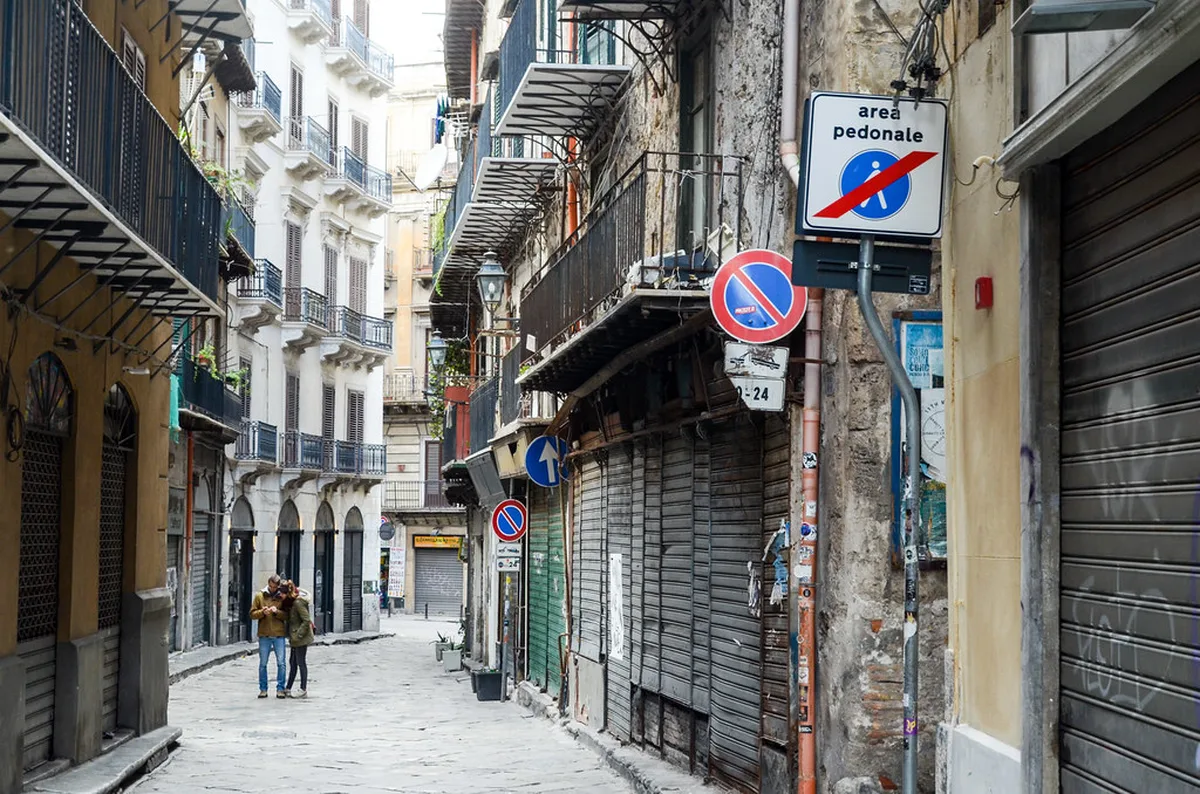
The architecture here reflects a fascinating blend of Arab, Norman, and Baroque influences that reflects centuries of conquering empires. Visit the Norman Palace to see the stunning gold mosaics inside the Palatine Chapel — widely considered one of the finest examples of Byzantine art in all of Europe. Entry tickets for the palace complex cost €16 for adults in 2026, with students and under-18s entering at a reduced rate of €10. Plan for at least two hours to explore the entire site properly, including the royal apartments and the cathedral treasury.
The Cattedrale di Palermo is a five-minute walk from the Norman Palace and charges no entry fee to the nave, though the rooftop terrace and treasury museum cost an additional €5. Culture enthusiasts should book a tour of the Teatro Massimo, Italy's largest opera house, which sits at the top of Via Maqueda. Guided tours run daily from 09:30 to 17:30 and cost €9 per person, offering a glimpse into the grand interior and royal boxes immortalised in The Godfather Part III. Evening walks through the Quattro Canti intersection reveal the city's baroque grandeur under soft lights, and the Piazza Pretoria — nicknamed the Piazza of Shame for its Renaissance fountain of nude figures — is free to visit at all hours.
Getting around Palermo is straightforward using the city's AMAT bus network; a single ticket costs €1.80 in 2026 and is valid for 90 minutes. For day trips to Monreale (12 km southwest, 30 minutes by bus 389) or the clifftop town of Erice (100 km west, 90 minutes by car), Palermo makes an excellent anchor. Those planning to explore multiple Palermo sights on foot will find our detailed Palermo 3-day itinerary a practical day-by-day planner. If a day outing is on your agenda, the day trips from Palermo guide covers Cefalù, Monreale, and the Valley of the Temples.
- Palermo Street Food Tour Essentials
- Cost: €30–50 per person (2026 prices)
- Duration: 3 hours
- Best time: Late morning (09:00–12:00)
- Must try: Panelle, stigghiola, sfincione
- Norman Palace Visitor Information
- Price: €16 adults / €10 reduced (2026)
- Location: Piazza Indipendenza 1
- Closed: Tuesday mornings
- Highlight: Palatine Chapel gold mosaics
- Teatro Massimo
- Guided tour: €9 per person
- Hours: 09:30–17:30 daily
- Booking: recommended online to skip queues
Taormina: Coastal Elegance and Ancient Wonders
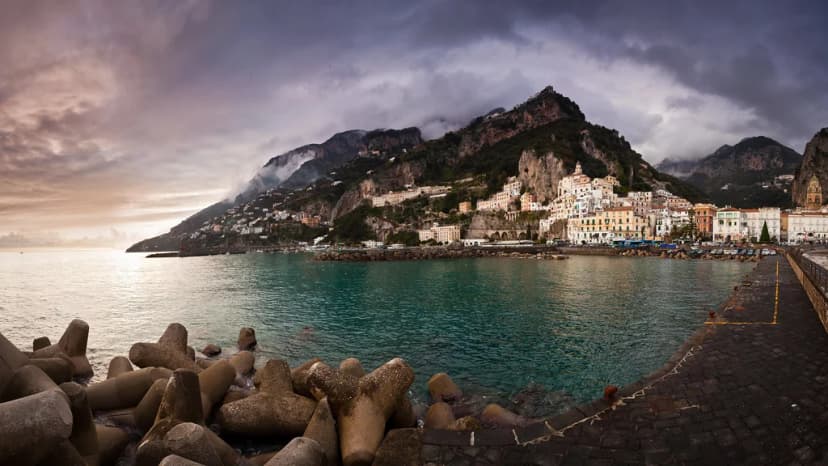
Perched high on a cliff at 200 metres above sea level, Taormina offers the most famous views in all of Sicily. The Ancient Greek Theater — Teatro Antico di Taormina — remains the town's crown jewel and hosts live concerts and opera performances from June through August. In 2026, admission to the archaeological site costs €13 for adults and €7 for EU citizens aged 18–25. Mount Etna, visible on clear days just 55 km to the southwest, provides a volcanic backdrop for every photograph taken from the theater's topmost rows.
Luxury boutiques, ceramic shops, and high-end cafes line the Corso Umberto, the town's main pedestrian thoroughfare stretching 480 metres from Porta Messina to Porta Catania. The walking street feels more polished and exclusive than the gritty bustle of Palermo, and a glass of Nero d'Avola wine at one of its wine bars costs €6–9. Budget travelers should consider staying in the nearby seaside town of Giardini Naxos, just 5 km downhill, where three-star hotel rooms average €80–100/night compared to €150–250/night in Taormina itself. A bus (AST line) connects the two towns every 30–40 minutes and costs €1.90.
Descending to the coast is easy via the local cable car (funivia) running between Taormina and the Mazzarò beach area, a descent of roughly 235 metres. A round-trip ticket costs €4 in 2026 and saves you a 20-minute steep walk. Once at the bottom, you can walk across the sandbar to Isola Bella, a tiny island classified as a nature reserve where snorkelling over clear shallow water costs nothing. Mazzarò beach sunbeds at the lido clubs rent for €25–35/day, while the free public beach is a short walk south.
Evening time in Taormina centres around the Piazza IX Aprile and its panoramic terrace overlooking the coast and Etna. Locals and tourists alike gather here for the traditional passaggiata as the sun sets. Grab a lemon granita from Bar San Giorgio for around €3.50 — a refreshing local treat made with real Sicilian lemons. The town remains lively with outdoor dining well into midnight during the peak summer months of July and August, when daytime temperatures typically exceed 30°C.
Catania: Gateway to Etna and Baroque Splendour
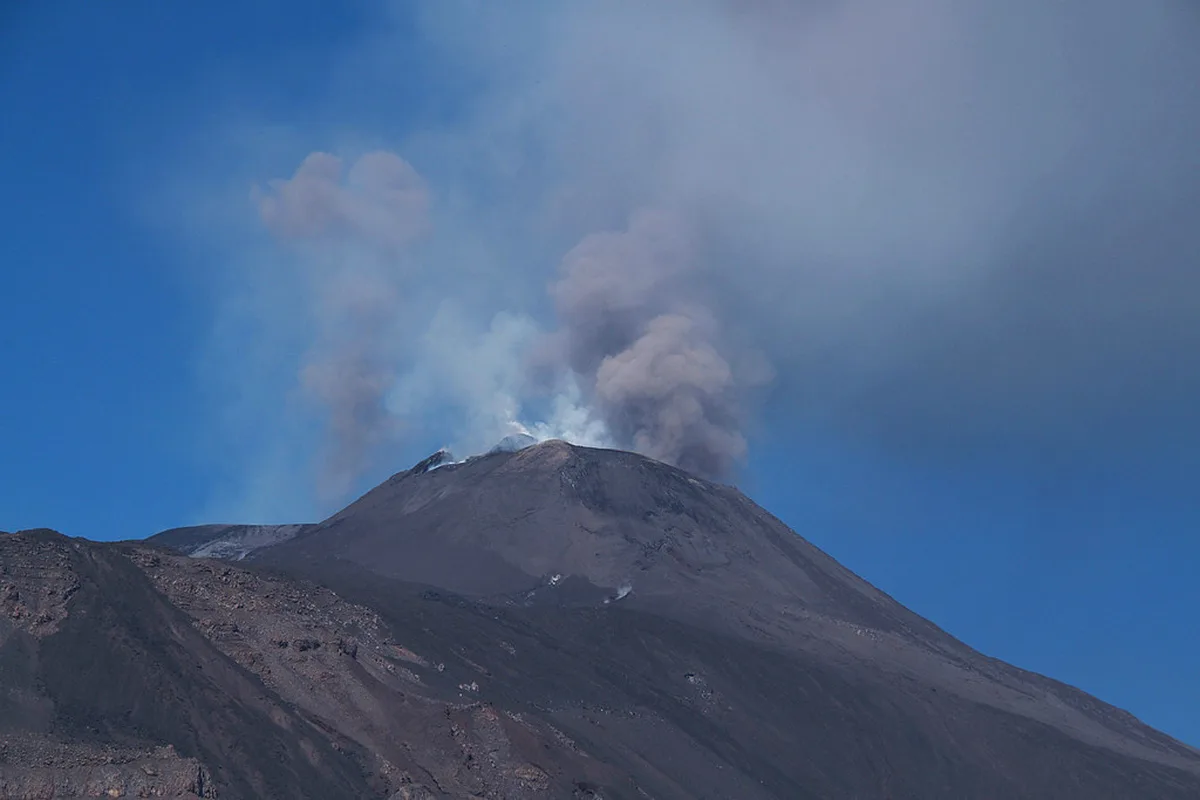
Catania is Sicily's second-largest city, rebuilt entirely in black lava stone after the devastating 1693 earthquake and subsequently declared a UNESCO World Heritage Site alongside seven other Baroque towns in the Val di Noto. The city sits just 30 km south of the Etna summit, making it the practical launchpad for volcano excursions. Fontanarossa Airport, 7 km from the city centre, is Sicily's main international hub, served by Ryanair, easyJet, and Wizz Air with direct flights from most northern European cities in 2026.
The historic core radiates out from Piazza del Duomo, anchored by the Fontana dell'Elefante — a lava-stone elephant fountain that has served as the city's symbol since 1736. The Cattedrale di Sant'Agata flanking the square charges no admission, and the fish market (La Pescheria) in Via Pardo behind it operates Tuesday through Saturday mornings and is entirely free to explore. Fresh swordfish costs €12–18/kg at the market stalls, and arancini from the market fryers are among the best in eastern Sicily at €2–3 each.
A guided Etna summit trek in 2026 involves taking the Funivia dell'Etna cable car (€35 return from the base at Nicolosi, 17 km from Catania) to 2,500 m, then renting boots and a guide (€25–40 additional) to reach the crater rim at 3,330 m. The summit excursion takes a full day; allow 5–7 hours including travel from Catania. For those with less time, the Piano Provenzana area on Etna's north flank (accessible by 4×4 jeep from Linguaglossa, 45 km from Catania) offers shorter two-hour hikes through lava fields with crater views at €40 all-inclusive. Visitors planning a longer stay in the east should consult our Catania walking tour guide for a self-guided half-day route through the baroque centre, and the day trips from Catania guide for reaching Taormina, Syracuse, and Etna efficiently.
Getting to Taormina from Catania is simple: Circumetnea trains take 1 hour 10 minutes (€4.40) or Interbus coaches cover the route in 1 hour 40 minutes (€4.90). The journey south to Syracuse takes 1 hour 20 minutes by Trenitalia Intercity (€10–15). Catania is also the natural base for visiting the Aci Castello seafront fortress (12 km north, 20 minutes by local bus 534) and the baroque town of Noto (60 km south, 1 hour 10 minutes by bus).
Syracuse and Ortigia: A Journey Through History
Syracuse was once the most powerful city in the ancient Greek world — at its peak larger than Athens — and retains that majestic scale today. Start your visit at the Neapolis Archaeological Park to see the Ear of Dionysius, a limestone cave with extraordinary acoustic properties that amplify even a whisper. The Greek Theater nearby, carved directly into the rocky hillside, seats 15,000 and still hosts classical drama performances every May and June. Combined tickets for the Neapolis Park cost €16 per adult in 2026, with the Greek drama season adding a separate ticket of €30–50 depending on the production.
Most visitors prefer staying on Ortigia, the small island that forms the city's historic centre and is connected to the mainland by two short bridges. Narrow alleys lead to hidden courtyards and sun-drenched squares overlooking the Mediterranean. This peninsula — just 900 metres long and 600 metres wide — can be walked end to end in under twenty minutes, yet rewards several hours of wandering. Accommodation on Ortigia ranges from €70/night for a B&B room to €180/night for a boutique hotel with harbour views in the 2026 summer season.
The Duomo di Siracusa is a structural marvel built directly around the columns of a 5th-century BC Greek temple to Athena, making it one of the world's oldest continuously used religious buildings. It sits on Piazza del Duomo, a pedestrianised limestone square that glows amber during the golden hour. Entrance to the cathedral costs €5 and requires modest clothing — shoulders and knees covered — for all visitors. Caffè Minerva on the square serves breakfast cornetti and espresso for €2.50, and the view of the baroque façade from an outdoor table is one of the finest in Sicily.
Seafood lovers must visit the Ortigia market (Mercato di Ortigia) on Via Trento, open Tuesday through Saturday mornings, for a lunch of fresh oysters (€1–2 each) and sea urchins served on half-shell. Local vendors provide small samples to attract hungry tourists, and the scent of the sea and grilled fish hangs over the entire market. Try Caseificio Borderi at Via Gargallo 16 for a massive sandwich of local ricotta salata and caciocavallo for under €8. Syracuse is 57 km south of Catania (1 hour 20 minutes by train, €10–15 Trenitalia), making it comfortably doable as a full-day trip from the east coast.
Cefalù: Sandy Beaches and Norman Architecture
Cefalù offers a quintessential Sicilian experience with its perfect blend of beach relaxation and medieval history, set 70 km east of Palermo along the A20 motorway (approximately 55 minutes by car). The town beach is easily accessible from the old quarter and features 300 metres of fine golden sand with calm, shallow waters. Sunbed rentals at the private lido beach clubs like Lido Poseidon and Lido Cefalù range from €20 to €40 per person per day in 2026, including a parasol and sun lounger. Families consistently favour this location for its safe swimming conditions, nearby amenities, and the absence of boat traffic close to shore.
Dominating the skyline is the massive calcareous rock formation known as La Rocca, rising 278 metres directly above the old town. A hiking trail to the summit takes 45 to 60 minutes at a moderate pace and rewards climbers with sweeping coastal panoramas stretching east toward the Aeolian Islands on clear days. The path is accessed through a gate at Via dei Saraceni and costs €5 to enter. Ancient ruins of a pre-Hellenic temple traditionally dedicated to the goddess Diana occupy the windswept plateau near the summit, and the fortification walls of the medieval Saracen castle still partially stand.
The Norman Cathedral (Duomo di Cefalù) dominates the Piazza del Duomo in the centre of town and is among the finest examples of Arab-Norman architecture in the world, begun in 1131 by Roger II of Sicily. Its interior features Byzantine gold mosaics depicting Christ Pantocrator in the apse — considered by art historians to be among the finest medieval mosaics in existence. Entry costs €5 per person in 2026. The cathedral square becomes a social hub for locals and tourists every evening around 19:00, and the surrounding streets are lined with restaurants serving fresh pasta with sea urchin (ricci di mare) for €14–18 per plate.
Wander through the medieval stone streets behind the cathedral to find the Lavatoio Medievale, an ancient communal washhouse carved into the rock fed by natural spring water, which remains free to visit and provides a cool refuge from the summer heat. Boutique shops along Via Vittorio Emanuele sell hand-painted Caltagirone ceramics and hand-embroidered linen that make for authentic, locally produced souvenirs. Cefalù is easily reached from Palermo by Trenitalia regional train: the journey takes 45–55 minutes and costs €5.90 one way, with trains running approximately every hour throughout the day.
Agrigento: Gateway to the Valley of the Temples
Agrigento sits on a ridge in southwestern Sicily, 130 km south of Palermo and 2 hours 15 minutes by car, and is home to the Valle dei Templi — one of the best-preserved Greek archaeological complexes outside of Greece itself. The UNESCO World Heritage Site (designated 1997) spans 1,300 hectares along a limestone ridge overlooking the Mediterranean, where seven ancient Doric temples dating from the 5th century BC still stand in various states of completion. The Temple of Concordia, built around 430 BC, is the most photogenic and structurally intact, its honey-coloured columns rising against the blue sea in a view that has inspired painters and photographers for centuries.
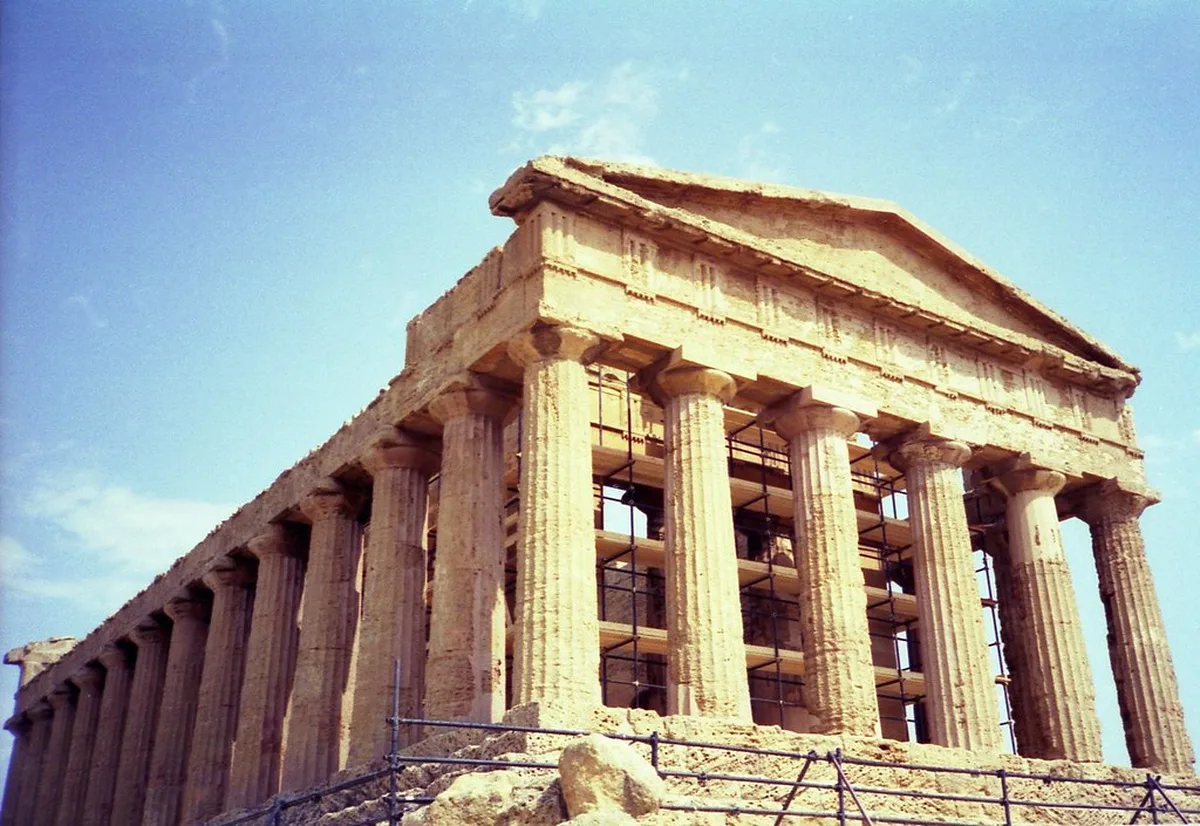
Entry to the Valley of the Temples in 2026 costs €12 per adult for a daytime visit, rising to €15 for the evening illumination tour available on Friday and Saturday evenings from April through October — a dramatically lit experience that transforms the ancient ruins into something almost theatrical. The Museo Regionale Archeologico Pietro Griffo, which houses finds from the site including a reconstructed telamon (giant stone figure) from the Temple of Olympian Zeus, is included in the combined ticket at €15 total. Allow four hours minimum to walk the Via Sacra between the temples, visit the museum, and explore the Garden of Kolymbetra (€4 additional), a lush almond and citrus grove in the valley floor maintained by the Italian environment fund FAI.
The modern city of Agrigento above the temples is less polished than the coastal resort towns, but its historic centre — the Via Atenea — offers genuinely good trattorias at local prices. A three-course lunch with wine costs €18–25 per person at casual restaurants here, significantly less than in Taormina or Cefalù. Hotel and B&B options near the Valley cost €70–100/night for a comfortable room in 2026. The drive south to Selinunte (another Greek archaeological park, 70 km west of Agrigento, 1 hour by car) rounds out a fuller day trip for those with a rental car; entry to Selinunte costs €8 per adult. Bus connections from Agrigento to Palermo (€9.30, 2.5 hours, SAIS Trasporti) and to Catania (€11.30, 3.5 hours) make it accessible without a car, though the Valley itself requires a taxi or organised tour from the Agrigento station (€15–20 each way).
Agrigento's position makes it a natural pivot point for the western circuit of any Sicilian road trip. Nearby Scala dei Turchi — a brilliant white marl cliff 25 km northwest of Agrigento near Realmonte — is one of Sicily's most striking natural landmarks, where smooth terraced white rock descends directly into turquoise water. Visiting the cliff itself is free, though the car park charges €5. A short walk to the adjacent Lido Rossello beach requires no fee and offers excellent swimming from June through September with clear, sheltered water averaging 24–26°C in peak summer.
Strategic Planning: Choosing Your Sicilian Base
Choosing where to stay depends heavily on your interests, budget, and how you plan to move around the island. The east coast, anchored by Catania (Fontanarossa Airport), is better for travelers wanting to see Mount Etna, Taormina, and Syracuse within a tight schedule. The west coast, centred on Palermo (Falcone-Borsellino Airport, 35 km northwest of the city, 45 minutes by airport bus at €6.90), suits those prioritising street food culture, Norman architecture, and the Valley of the Temples at Agrigento. Driving between Palermo and Catania takes approximately 2 hours 45 minutes via the A19 motorway — a route that passes through the mountainous Madonie and Nebrodi interior.
Public transportation is viable but requires patience and planning, particularly outside the main corridors. Trenitalia trains connect Palermo, Catania, Messina, and Syracuse effectively, with Intercity fares in the €10–15 range for cross-island journeys. Regional buses operated by companies like Interbus, SAIS, and FlixBus are often more direct for town-to-town travel than trains, especially for reaching Agrigento (2.5 hours from Palermo, €9.30 by bus), Ragusa (2 hours from Catania, €7.50), and Marsala (1.5 hours from Trapani, €5). Renting a car from one of the major agencies at Catania or Palermo airports — Hertz, Europcar, and Sixt all operate there — costs €30–50/day for a compact in 2026. Be aware that parking in historic town centres can be tricky; most old towns have ZTL restricted zones, so book accommodation with parking included or use peripheral paid car parks (€1–2/hour).
One common mistake is attempting to see the entire island in just one week. Sicily spans roughly 280 km from west to east and contains enough cultural and natural attractions to fill three weeks comfortably. Focus on one specific coast or region per stay to avoid spending the majority of your vacation behind the wheel. First-time visitors doing seven days should choose either the western circuit (Palermo–Agrigento–Marsala–Trapani) or the eastern circuit (Catania–Etna–Taormina–Syracuse–Noto) rather than both. Repeat visitors or those with ten-plus days can attempt the full island loop described in the road trip itinerary section below.
Sicily in 7 Days: The Perfect Road Trip Itinerary
A seven-day road trip looping from west to east is widely considered the most balanced way to see the highlights of Sicily in a single trip. The route connects the island's five anchor destinations — Palermo, Agrigento, Ragusa, Catania, and Taormina — covering roughly 580 km of driving in total. Pick up your rental car at Palermo Falcone-Borsellino Airport; rates for a compact manual in 2026 average €30–50/day from the airport desks, and full insurance (CDW + theft protection) adds roughly €12–18/day. Fuel costs approximately €1.78/litre for petrol (benzina) and €1.65/litre for diesel as of early 2026. Most of Sicily's main routes are toll-free — the A18 Messina–Catania and A19 Palermo–Catania motorways have no tolls as of 2026, though the stretch of A29 near Mazara del Vallo carries a small toll.
Days 1–2: Palermo (Base: City Centre)
Spend your first two days immersed in Palermo's markets, Norman monuments, and street food. On Day 1, cover the Norman Palace (€16), Palatine Chapel, and Cattedrale di Palermo, then lose the afternoon in the Ballarò market. On Day 2, take Bus 389 to Monreale (12 km southwest, 30 minutes, €2.40 return) to see the cathedral's extraordinary 6,000 m² of gold mosaics — arguably the greatest Norman artistic achievement in the world — before returning to Palermo for an evening passaggiata around Piazza Politeama. Hotel rates in central Palermo for a comfortable three-star room range from €85–130/night in 2026. Driving time from Palermo to the Day 3 base at Agrigento: 2 hours 15 minutes (130 km) via the SS121 or A19/SS640.
Day 3: Agrigento — Valley of the Temples
The Valley of the Temples (Valle dei Templi) outside Agrigento is one of the best-preserved Greek archaeological sites outside Greece itself and a UNESCO World Heritage Site since 1997. The complex covers 1,300 hectares along a ridge south of the modern city. Entry in 2026 costs €12 per adult (day visit), rising to €15 for the evening illumination tour offered Friday and Saturday from April to October. The Temple of Concordia (430 BC) is the most photogenic of the seven temples and remains structurally complete. Allow four hours minimum to walk the Via Sacra between the temples and visit the Museo Regionale Archeologico (included in the combined ticket at €15 total). Agrigento town has limited hotel options; the best value is staying in a B&B near the valley at €70–100/night. Driving time to Day 4 base at Ragusa Ibla: 1 hour 40 minutes (95 km) via SS115 coastal route.
Day 4: Ragusa Ibla — Baroque Perfection
Ragusa Ibla is the lower, older half of the divided city of Ragusa and one of the eight UNESCO Baroque towns of the Val di Noto. Its honey-coloured limestone churches and palazzi tumble down a hillside above a deep gorge — a scene so cinematic it doubled as the fictional Vigàta in the Inspector Montalbano TV series. The Duomo di San Giorgio (free entry, donations welcomed) at the top of Via del Duomo is the architectural centrepiece, its ornate 1775 façade one of the finest examples of Sicilian Baroque. Spend the day wandering the lanes, visiting the Giardino Ibleo public garden (free, panoramic views), and dining at one of the trattorias that serve Ragusano DOP cheese dishes for €12–18. Hotels and agriturismos in Ragusa average €90–120/night. Driving time to Catania for Day 5: 1 hour 30 minutes (100 km) via SP61 and A19.
Day 5: Catania and Mount Etna
Use Catania as your base for an Etna excursion. An early start is essential: drive the 17 km from Catania to Nicolosi and take the Funivia dell'Etna cable car (€35 return, departs from 2,000 m station) to 2,500 m elevation, then hike with a licensed guide (€25–40 additional) to the 3,000 m Observatory craters. Allow the full day — roughly 5 to 6 hours on the mountain plus travel time. In the evening, explore Catania's baroque centre: the fish market at La Pescheria (closes by 13:00), Piazza del Duomo and its elephant fountain, and the pedestrian Via Etnea for dinner. Three-star hotels in Catania centre average €85–120/night. Driving time to Taormina for Days 6–7: 50 km (45 minutes) north on the A18.
Days 6–7: Taormina (Base: Giardini Naxos)
Arrive in Taormina on Day 6 and spend the morning at the Ancient Greek Theater (€13 adults, open 09:00–19:00). After lunch on the Corso Umberto, take the cable car (€4 return) down to Mazzarò beach for an afternoon swim at Isola Bella nature reserve. On Day 7, make a morning visit to Naxos Ruins (Giardini Naxos, 5 km south, €6 admission), then drive the scenic Taormina–Castelmola road (3 km uphill, 10 minutes) for sweeping Etna and coast views from Castelmola village. The return drive to Palermo via the A18 and A20 takes approximately 3 hours (260 km) — or drop the car at Catania Airport for a one-way rental surcharge of €35–60, depending on the provider.
Budget summary (7 days, 2 people): Car rental €280–420 total; fuel for 580 km approximately €55–70; main site admissions €100–130 combined; three-star accommodation €600–900; food and drink €400–600. Total per couple: approximately €1,400–2,100 excluding flights.
Frequently Asked Questions
What is the best month to visit Sicily for good weather?
May and September offer the best balance of warm temperatures and manageable crowds. Expect daytime highs around 24–26°C during these months, ideal for both sightseeing and swimming. July and August are hotter (32–35°C) and busier, particularly on the north coast near Cefalù and Taormina. October remains pleasant at 20–22°C with noticeably fewer tourists and lower accommodation prices across Palermo, Catania, and the coastal towns.
Is it easy to travel around Sicily without a car?
Traveling without a car is practical between the four main cities — Palermo, Catania, Messina, and Syracuse — using Trenitalia trains (€10–15 cross-island) and Interbus or SAIS coaches. However, reaching the Valley of the Temples at Agrigento, the Baroque towns of Ragusa and Noto, rural wineries, or remote beaches requires either a rental car or joining an organised day-tour. Day tours from Catania to Etna cost €40–80 per person in 2026. Budget 30–60 minutes extra for any bus connection compared to driving the same route.
How many days do you need in Sicily?
Seven days is the minimum recommended for a meaningful Sicily experience covering both the west (Palermo, Agrigento) and east (Catania, Taormina, Syracuse) coasts. A ten-day trip allows one relaxed day per destination without rushed driving. If you have only 3–5 days, choose one coast: spend a long weekend in Palermo and Cefalù, or base yourself in Catania and day-trip to Taormina, Etna, and Syracuse. Two weeks is ideal for adding the Baroque Val di Noto towns, the Aeolian Islands ferry, and the western tip around Marsala and the salt flats.
Which city in Sicily has the best beaches?
Cefalù and San Vito Lo Capo in the northwest are widely considered to have the best accessible sandy beaches, with San Vito Lo Capo's 1.5 km crescent of white sand regularly ranking among Italy's top beaches. Taormina offers beautiful pebble coves and the protected nature reserve at Isola Bella. Southern Sicily features long stretches of golden sand near Marina di Ragusa and Sampieri. The Aeolian Islands — reachable by hydrofoil from Milazzo (45 minutes, €24 one way) — offer volcanic black-sand beaches at Stromboli and thermal pools on Vulcano.
What is the best base for exploring Sicily?
Catania is the best single base for first-time visitors: it has Sicily's main international airport, sits within 50 km of Etna and Taormina, and is 1 hour 20 minutes from Syracuse by train (€10–15). Palermo is the better base for the west coast — it has excellent flights from northern Europe, easy access to Cefalù (45 minutes by train at €5.90) and Agrigento (2.5 hours by bus at €9.30). If you want coastal charm over city convenience, base yourself in Taormina for the east or Cefalù for the north coast, both of which are smaller, quieter, and closer to beaches.
How much does a week in Sicily cost in 2026?
A couple doing a 7-day Sicily road trip in 2026 should budget approximately €1,400–2,100 total excluding flights. This breaks down as: car rental €280–420 (€30–50/day compact), fuel €55–70 (580 km circuit), main site admissions €100–130 (Temples, Etna cable car, Taormina theater), three-star accommodation €600–900 (€85–130/night per room), and food and drink €400–600. Solo budget travelers staying in hostels (€25–40/night in Catania or Palermo) and eating street food (arancini at €2–3, panelle at €1.50) can complete the same circuit for around €600–800 per person.
Sicily offers an unparalleled travel experience that rewards those who take their time. From the chaotic markets of Palermo to the refined baroque streets of Ragusa and Agrigento's ancient Greek temples, every town carries centuries of layered history. Choosing the right base and a sensible driving circuit will ensure you see the best of what this island has to offer in 2026 without spending half your holiday in traffic. For further planning, the Palermo nightlife guide and Catania nightlife guide cover evening options across the two main cities.
Remember to pack comfortable walking shoes for the many cobblestone streets and hilly trails, and carry cash — many smaller restaurants and market vendors do not accept cards. Embrace the local pace of life, follow the passaggiata in the evening, and allow yourself to be drawn into impromptu conversations over arancini and espresso. The island's warmth and hospitality will likely bring you back for many future visits. Safe travels as you explore the best cities and towns across this Mediterranean gem.