How to Spend 3 Days in Palermo: The Perfect 2026 Itinerary
Palermo in 3 days costs roughly €80–120 per person per day (meals, transport, entry fees) and covers the Palazzo dei Normanni, Palermo Cathedral, Ballarò Market, Mondello Beach, Teatro Massimo, and the Kalsa district without feeling rushed.
The best time to visit Palermo is April to June or September to October 2026, when daytime temperatures stay between 20–27 °C, crowds are manageable, and every major attraction is open with full hours.
Palermo is a city where history and chaos blend into something truly beautiful. This Mediterranean gem offers a unique mix of Norman architecture, gritty street markets, and stunning coastal views. Following a structured Palermo 3-day itinerary ensures you see the golden cathedrals without missing the local street food.
Three days provide enough time to soak in the atmosphere of the historic center while leaving room for a beach escape. You will encounter layers of different cultures at every turn in this Sicilian capital. Prepare for a sensory journey through one of Italy's most vibrant and complex cities.
Day 1: Royal Palaces and Ancient Markets
Start your adventure at the Palazzo dei Normanni, the oldest royal residence in Europe and the crown jewel of any Palermo 3-day itinerary. Entry tickets in 2026 cost €19 for the full palace and Palatine Chapel tour; the chapel alone is €12 if you are pressed for time. The palace opens at 8:15 AM Monday to Saturday and at 9:00 AM on Sundays, and closes at 5:00 PM (last entry 4:00 PM). Arriving at opening time helps you avoid the largest tour groups. The Palatine Chapel inside features some of the most breathtaking gold Byzantine mosaics in the world, covering more than 6,340 square metres of walls and ceilings.
Walk roughly 500 metres northeast along Corso Vittorio Emanuele to reach the Palermo Cathedral, a monument that uniquely fuses Norman, Gothic, Baroque, and Arab-Norman architecture. While the main nave is free to enter, the roof climb costs €7 and is open 9:00 AM–6:30 PM daily. This vantage point offers the best panoramic views of the entire historic center and the mountains beyond. The royal tombs inside the cathedral are included in the main nave visit and hold the remains of Emperor Frederick II, King Roger II, and other Sicilian royals — a history lesson that few sights in Italy can match.
Explore the vibrant stalls of the Capo Market for an authentic late-morning experience. Mercato del Capo runs from 7:00 AM to around 2:00 PM daily (closed Sundays). Sample local snacks like panelle (chickpea fritters, €2) or arancine (fried rice balls, €2.50–€3) directly from the vendors. The market covers Via Carini and the surrounding lanes; the easiest entry point is from Via Sant'Agostino. Wandering these narrow alleys is one of the essential things to do in Palermo and a perfect way to spend an hour before lunch.
Spend your afternoon wandering the side streets near the Quattro Canti intersection, the historic crossroads where Via Maqueda meets Corso Vittorio Emanuele. These quiet corners often reveal hidden Baroque fountains, small local craft shops, and courtyard churches. The four ornate facades of the intersection represent the four seasons and the Spanish viceroys of Sicily — photography is best in the morning light when the sun hits all four facades. Stop for a cold granita at one of the nearby bars; a large granita with brioche costs around €3.50–€4.50 at any neighbourhood café in 2026. Round out your afternoon with a stroll through Piazza Pretoria, home to the famous Fontana Pretoria (the "Fountain of Shame"), a 16th-century masterpiece featuring dozens of nude mythological figures that scandalized the city's clergy for centuries. The square is free to enter and photogenic at any hour. Nearby, peek into the Chiesa di Santa Caterina (entry €3, open 10:00 AM–4:00 PM) for its jaw-dropping Baroque marble interior, one of the most ornate in all of Sicily.
- Palazzo dei Normanni Visit
- Type: Historic Palace
- Best for: Royal history and Byzantine mosaics
- Where: Piazza Indipendenza, 1
- Hours: Mon–Sat 8:15 AM–5:00 PM, Sun 9:00 AM–1:00 PM
- Cost: €19 full ticket / €12 chapel only
- Palermo Cathedral Exploration
- Type: Religious Landmark
- Best for: Architecture and royal tombs
- Where: Corso Vittorio Emanuele
- Hours: Mon–Sat 7:00 AM–7:00 PM, Sun 8:00 AM–1:00 PM & 4:00–7:00 PM
- Cost: Free nave / €7 roof climb
- Capo Market Lunch
- Type: Street Market
- Best for: Local street food
- Where: Via Carini / Via Sant'Agostino
- Hours: Mon–Sat 7:00 AM–2:00 PM
- Cost: €5–10 for a satisfying snack lunch
Day 2: Baroque Art and Beach Escapes
Spend your second morning navigating the narrow alleys of the Ballarò Market, the oldest and most atmospheric market in Palermo. Open Monday to Saturday from 7:00 AM to around 2:00 PM, the market sprawls across the Albergheria quarter and spills into Piazza del Carmine. This market feels more raw and energetic than any other in the city center; locals buy their daily fresh produce, fish, meat, and vegetables here before the midday heat sets in. You can hear the traditional shouts — called "abbanniate" — of vendors competing for attention, a vocal tradition passed down through generations. Budget €5–8 for a full street-food breakfast of sfincione (thick Palermitan pizza, €2), arancine (€2.50), and a fresh orange juice (€1.50).
Visit the Church of the Martorana (Santa Maria dell'Ammiraglio) to see stunning 12th-century Byzantine mosaics that rival those of the Palatine Chapel. Entry in 2026 costs €2 per person and the church is open Monday to Saturday 9:30 AM–1:00 PM and 3:30 PM–5:30 PM. The intricate gold details shine brightest when the morning sun hits the high windows around 10:00 AM. Immediately next door, the San Cataldo church (entry free) offers a striking contrast with its three red Arab-Norman domes visible from Piazza Bellini. Both churches sit on the same small square and can be visited within an hour. Combined, these two buildings encapsulate Palermo's cultural crossroads: Byzantine devotion fused with Islamic-influenced architecture, created by Norman kings who patronised all three traditions simultaneously.
Take the 806 bus from the city center (departing from Piazza Sturzo, stop C) to reach the shores of Mondello Beach, located 11 km north of the historic center. A single AMAT bus ticket costs €1.80 in 2026; a return trip is €3.60. The journey takes approximately 30–35 minutes. Alternatively, a taxi from the city center runs €15–18. For a full overview of the best lidos and sun-lounger rental costs (€10–15 per sunbed per day), read our Palermo beach guide. The turquoise water and white sand crescent, framed by Monte Pellegrino, make this the perfect spot for a relaxing afternoon swim. Mondello is managed by private lidos like Lido Comunale and Acqua Luna; entry to a sunbed area runs €10–15 with an umbrella included, while free public beach strips lie at each end of the crescent — arrive before 10:00 AM to claim a good spot on the public section.
Enjoy a sunset dinner near the Mondello pier to taste some of the freshest Sicilian seafood on the island. Waterfront restaurants typically charge €14–28 for a main course of grilled branzino or swordfish in 2026. Antipasti plates with local caponata and fresh ricotta cost around €8–12. Booking a table by phone or Google Maps reservation is strongly advised during June through August when the resort fills up with Palermitan families and international tourists. Watching the lights of Monte Pellegrino reflect on the calm evening water is one of those simple Sicilian pleasures that stays with you long after the trip ends. If you prefer to stay in town, the Osteria dei Vespri on Piazza Croce dei Vespri in the Kalsa district offers a refined but reasonably priced Sicilian seafood menu — expect €35–55 per person with wine. It is one of the most celebrated restaurants in central Palermo and well worth booking two to three days in advance.
Day 3: The Artistic Soul of Kalsa
Begin your final day at the Teatro Massimo on Piazza Verdi, Italy's largest opera house and one of the finest examples of neoclassical architecture in Europe. Guided tours in 2026 run every 30 minutes from 9:30 AM to 5:30 PM Tuesday to Sunday and cost €10 per person (concessions €7 for students and seniors). The hour-long tour covers the grand foyer, the royal box, and the main stage. Movie fans will instantly recognise the grand staircase from the climax of The Godfather Part III. The acoustics in the Royal Box are legendary — the theatre hosts an opera season running from January through June each year, and tickets for evening performances range from €25–90.
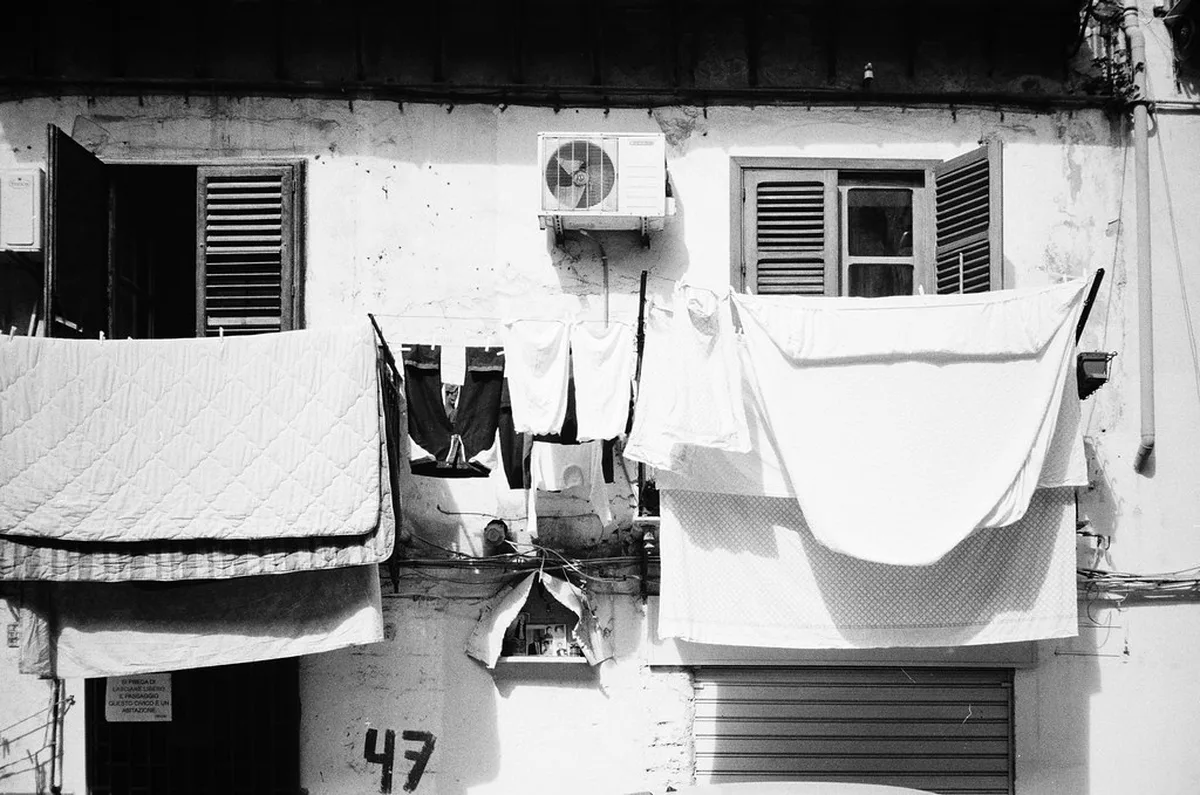
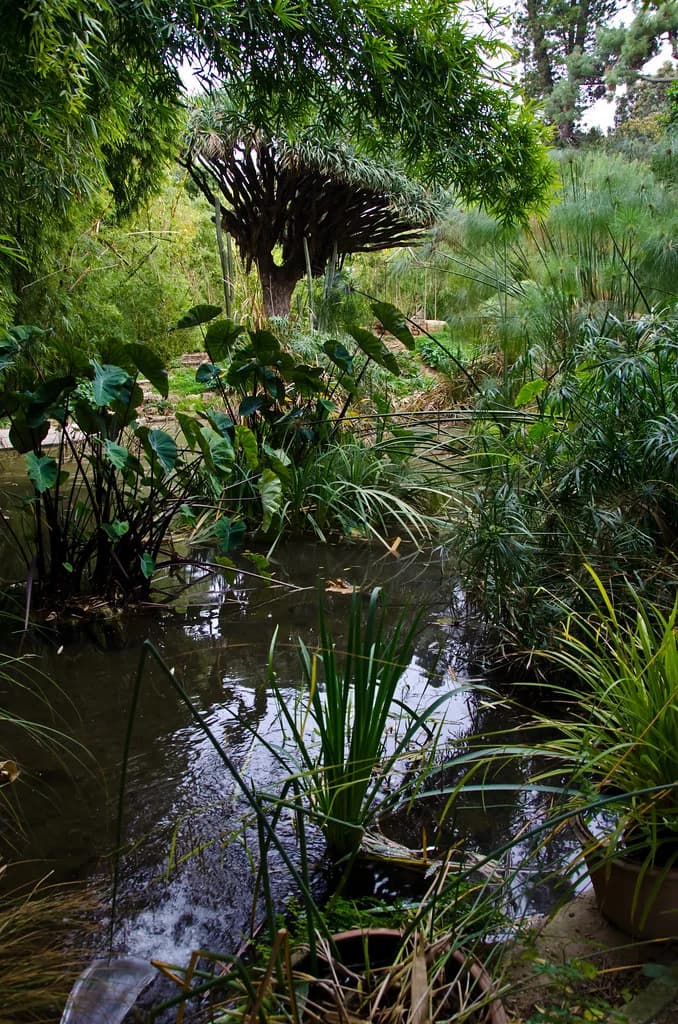
Head into the Kalsa district, the old Arab quarter of Palermo that occupies the southeastern corner of the historic center, about a 10-minute walk from Teatro Massimo. This neighbourhood once served as the walled city within a city and still retains a distinct, slightly melancholy atmosphere of crumbling palazzos, fragrant jasmine, and impromptu football games in cobbled squares. Street art here transforms ancient stone walls into vivid murals — some commissioned, others spontaneous. Our Palermo old town guide highlights the best mural locations and the hidden garden of Villa Giulia (free entry, open 8:00 AM–8:00 PM), a neoclassical public park perfect for a midday rest. Inside Villa Giulia you'll find a botanical garden adjacent to the Orto Botanico di Palermo (entry €6, open Mon–Fri 9:00 AM–6:00 PM, Sat–Sun 9:00 AM–1:00 PM), one of Italy's oldest botanical gardens founded in 1789 and home to over 12,000 plant species.
Stop by the Oratory of Saint Lawrence (Oratorio di San Lorenzo), just off Via dell'Università, to view the extraordinary stucco work by Giacomo Serpotta, completed between 1699 and 1706. Entry in 2026 costs €5 and includes access to two nearby oratories — the Oratory of San Domenico and the Oratory of Santa Zita — making it exceptional value for art lovers. These small private chapels hold some of the most refined and emotionally expressive Baroque art in all of Sicily. The white plaster figures of angels, putti, and allegorical women seem to dance along the walls in the soft afternoon light filtering through high windows.
End your three days in Palermo with a lively evening in the Vucciria district, a five-minute walk from the Kalsa quarter toward the port. Nightlife here centres around Piazza Caracciolo, where music, street food, and cold beers flow until well past midnight every night of the week. Expect to spend €10–15 on drinks and snacks at the outdoor stalls. Explore our Palermo nightlife guide to find the best local bars, wine bars, and late-night spots for 2026. The Taverna del Vucciria on Via Dei Cassari stays open until 2:00 AM and serves generous plates of mixed antipasti and local wines starting at €8. This area perfectly captures the rebellious, energetic, and warmly social spirit of modern Palermo — a fitting send-off for three extraordinary days in Sicily.
Mastering the Local Food Scene
Sicilian cuisine is a major highlight of any Palermo 3-day itinerary, and the city's street-food culture is arguably the richest in all of Italy. Start your day with a refreshing granita and a soft, cloud-like brioche at a neighbourhood bar. This traditional Sicilian breakfast usually costs €3–5 in most local cafés away from tourist zones. Flavours like almond, lemon, pistachio, and coffee are the most popular choices — in summer, a lemon granita on a hot morning is practically a religious experience.
Visit a local pasticceria — Pasticceria Cappello on Via Colonna Rotta or Pasticceria Oscar on Via Principe di Belmonte are both excellent — to try a fresh cannolo filled with sheep's milk ricotta. In 2026, a standard-sized cannolo costs €2.50–€4 depending on size and toppings. Authentic shops fill the shells only when you order to keep the pastry crunchy and avoid sogginess. The garnish of candied Sicilian orange peel or crushed Bronte pistachios adds a perfect aromatic finish to one of Italy's most iconic desserts.
Try "pani câ meusa" if you want to eat like a true Palermitan. This spleen-and-lung sandwich is a local staple found at specialist street stalls, most famously at the Nino il Ballerino stall near the Vucciria market. Prices in 2026 range from €3.50 for a basic version to €5 for the "maritata" style, served with fresh caciocavallo cheese and a squeeze of lemon. The sandwich offers a uniquely savoury, mineral-rich flavour that defines the city's culinary heritage. It is not for the faint of heart, but those who try it rarely forget it.
Beyond the street food circuit, Palermo's sit-down restaurants offer extraordinary value compared to northern Italian cities. A full three-course dinner with wine at a trattoria in the historic center typically costs €25–40 per person in 2026. Local seafood specialities worth ordering include pasta con le sarde (pasta with fresh sardines, pine nuts, raisins, and wild fennel, €9–13) and involtini di pesce spada (swordfish rolls stuffed with breadcrumbs and herbs, €12–16). For casual dining, any restaurant on Piazza Marina or Via Alloro in the Kalsa district offers reliable quality at honest prices. Trattoria il Maestro del Brodo on Via Pannieri specialises in slow-cooked broths and braised meats; a full meal there runs €20–30 per person and it remains one of the most authentic lunch spots in the entire historic center.
Palermo by Neighbourhood: Choosing Where to Stay
Choosing the right neighbourhood as your Palermo base can significantly shape your experience of the city. The historic center breaks naturally into distinct quarters, each with its own personality, price range, and proximity to the attractions featured in this 3-day itinerary. Understanding these zones before you book accommodation saves time, money, and unnecessary stress during your visit in 2026.
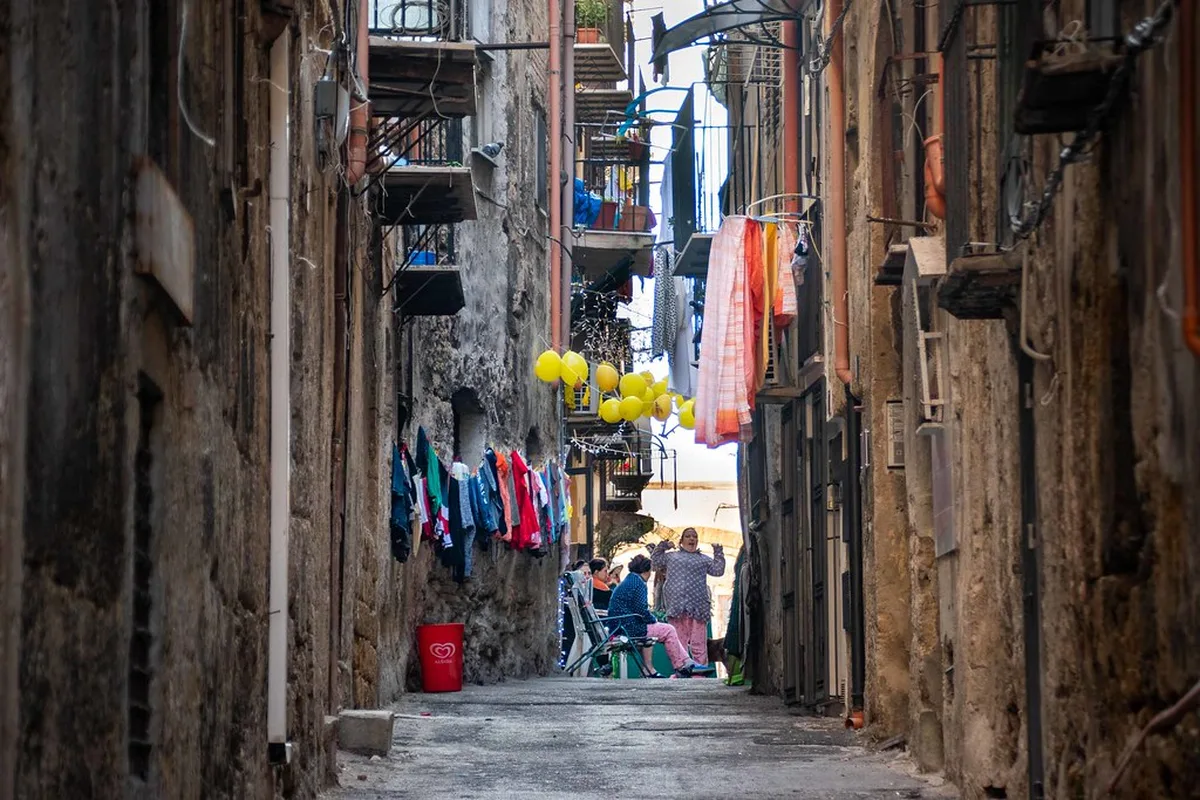
The area around Quattro Canti and Via Maqueda — sometimes called the Cassaro or old Arab-Norman core — is the most central option. Boutique hotels and B&Bs here typically charge €80–130 per night for a double room, and you can walk to the Palazzo dei Normanni (500 m), Palermo Cathedral (200 m), and the Ballarò Market (400 m) in minutes. The main drawback is street noise: Via Maqueda is pedestrianised and lively until midnight, and nearby Piazza Pretoria sees nighttime foot traffic year-round. Ask for a rear-facing room if you are a light sleeper.
The Kalsa district sits roughly 800 metres southeast of Quattro Canti and offers a quieter, more residential atmosphere. Hotels and aparthotels in Kalsa — such as Butera 28 on Via Butera or the palazzo-style Massimo Palermo Hotel — range from €70–120 per night. The neighbourhood's cobbled streets are calmer after 10:00 PM than the Cassaro, and Villa Giulia park provides a green morning-walk option. The trade-off is a slightly longer walk (10–15 minutes) to the Teatro Massimo and the Capo and Ballarò markets on the western side of the historic center.
The Politeama area, centred on Piazza Ruggero Settimo and the Teatro Politeama Garibaldi, is Palermo's more modern and upscale commercial neighbourhood. This zone is popular with business travellers and is home to several four-star hotels at €120–180 per night. The Teatro Massimo is a 10-minute walk east, and the best shopping streets — Via Libertà and Via della Libertà — run directly north from the piazza. It is slightly less atmospheric than the historic core but noticeably cleaner and quieter. Families with young children often prefer this neighbourhood for its wider pavements and fewer ZTL complications when arriving by car.
For budget travellers, the Ballarò quarter itself — in the Albergheria district between the Palazzo dei Normanni and the old port — has a growing number of well-reviewed guesthouses charging €40–65 per night. The area was historically rough around the edges but has improved significantly since 2022, with new street lighting and increased community tourism projects. Read our is Palermo safe for tourists guide for up-to-date neighbourhood safety notes before booking in this zone.
Day Trip to Monreale: The Golden Cathedral Above Palermo
If your 3-day schedule has any flexibility — or if you are extending your visit by even a half-day — the town of Monreale is the single most rewarding excursion you can make from Palermo. Perched 310 metres above sea level in the Conca d'Oro valley, Monreale sits just 8 km southwest of Palermo's historic center. The journey by AMAT bus 389 from Piazza Indipendenza takes 30–40 minutes and costs €1.60 each way in 2026. Alternatively, a taxi from central Palermo costs approximately €15 one-way, or €25–30 for a return trip with a short wait. For a broader look at half-day and full-day options from the city, our day trips from Palermo guide covers Cefalù, Agrigento, and Erice in detail alongside Monreale.
The Monreale Cathedral (Duomo di Monreale) is a UNESCO World Heritage Site and, for many visitors, a stronger emotional experience than even the Palatine Chapel. Built between 1174 and 1185 under the Norman King William II, the cathedral's interior is covered in 6,340 square metres of gold Byzantine mosaics — the largest mosaic cycle in the world — depicting biblical scenes from the Old and New Testament in luminous, extraordinary detail. Entry to the main cathedral costs €5 in 2026 (open daily 8:30 AM–12:30 PM and 2:30 PM–5:00 PM). The roof terrace, offering sweeping panoramic views over the Conca d'Oro valley and the Gulf of Palermo, costs an additional €3 and is open during the same hours.
The Benedictine Cloister adjacent to the cathedral is equally unmissable. Its 228 twin marble columns — each carved with unique decorations including hunting scenes, biblical figures, and geometric patterns — represent one of the finest examples of Norman craftsmanship anywhere in Europe. Cloister entry costs €6 in 2026. Allow 3–4 hours total for a relaxed visit to the cathedral, roof, and cloister. Monreale's main piazza is lined with cafés and souvenir shops selling Sicilian ceramics; a coffee and pastry here costs €2–4. The town itself is worth a short wander — Via Arcivescovado leads past small family-run shops selling hand-painted tiles and local products.
The best time to visit Monreale is in the morning, both to avoid the midday heat and to see the gold mosaics lit by natural light streaming through the cathedral's high windows. Avoid visiting on Monday mornings when the cloister occasionally closes for maintenance. Combining Monreale with your Day 1 is feasible if you leave Palermo by 8:00 AM and return by noon, giving you the afternoon for the Quattro Canti and Capo Market. Alternatively, treat it as a standalone half-day excursion on Day 3 before an evening at Vucciria.
Practical Tips for Your Palermo Stay
Understanding local safety helps you navigate the city with total confidence. Most central areas remain busy and well-lit throughout the evening and night for visitors. Read our guide on is Palermo safe for tourists for specific neighbourhood advice and the streets to be most aware of around the Ballarò and Vucciria markets after dark. Keeping your phone and wallet secure in crowded market lanes is always a smart move — a money belt or a front-zip bag is practical in high-density spaces. The city is generally welcoming and tourism-savvy, and most incidents are opportunistic petty theft rather than anything more serious.
Driving within the city center can be stressful due to the extensive Zona a Traffico Limitato (ZTL) system that prohibits private vehicles in most of the historic core between 7:00 AM and 8:00 PM daily. Finding a secure parking spot outside the ZTL is easier if you review our parking in Palermo guide before your arrival. Automated cameras record ZTL infractions and fines of €80–165 can land weeks after you return home. Public transport — the AMAT bus network (single ticket €1.80, 90-minute pass €2.50, day pass €4.50 in 2026) or walking — is almost always faster for navigating the historic core and far less stressful.
Consider a day trip to Monreale if you have extra time on Day 1 or Day 3 — the golden cathedral is one of Sicily's greatest treasures and just 8 km away (bus €1.60, taxi €15). For more options beyond Monreale — Cefalù (70 km east, €6 by train, 50 min), Agrigento Valley of the Temples (130 km south, best by hire car), or Erice (100 km west, €8 by bus) — check our full guide on day trips from Palermo. Each offers a genuinely different side of Sicily within a comfortable half-day or full-day round trip from the city.
Currency and payments: Palermo is increasingly card-friendly in 2026, but many street-food vendors and market stalls are cash-only. Carry €20–30 in small notes and coins when visiting the markets. ATMs (Bancomat) are widely available in the historic center; avoid currency exchange kiosks at the airport. Tipping is not expected in restaurants but rounding up a bill or leaving €1–2 per person at the end of a good meal is appreciated. If you are planning to visit Sicily more broadly, our Sicily travel guide covers Catania, Siracusa, and Taormina alongside Palermo to help you build the perfect island itinerary.
Frequently Asked Questions
Is 3 days enough time to see Palermo?
Yes, three days is the ideal amount of time to explore Palermo's core highlights. In that time you can visit the Palazzo dei Normanni (€19 full ticket) and Palatine Chapel, walk the Palermo Cathedral (free nave, €7 roof climb), explore three major street markets — Capo, Ballarò, and Vucciria — enjoy a half-day at Mondello Beach (AMAT bus €1.80 each way), and tour the Teatro Massimo (€10 per person, tours every 30 minutes from 9:30 AM) and Kalsa district. If you add a half-day trip to Monreale (8 km away, bus €1.60 each way, cathedral entry €5), three full days is the minimum you need to do it comfortably without feeling rushed.
What is the best way to get around Palermo?
Walking is the best way to see the historic center because all major attractions cluster within a 2 km radius. For longer journeys — Mondello Beach or Monreale — use the AMAT bus network. In 2026 a single AMAT ticket costs €1.80 and is valid for 90 minutes; a full-day pass is €4.50. Taxis are readily available at stands near Piazza Politeama and Stazione Centrale; agree on a fixed price before departure or ensure the meter is running. Avoid driving in the historic ZTL zone (7:00 AM–8:00 PM daily) as cameras enforce fines of €80–165 automatically. A bicycle or e-scooter rental (€10–15 per half day) is a fun option for cycling the seafront promenade along Via Francesco Crispi toward the old port.
When is the best time to visit Palermo for a 3-day trip?
Late spring and early autumn offer the best balance of warm weather and manageable crowds. April to June and September to October 2026 are ideal — daytime temperatures run 20–27 °C, every attraction is open with full hours, and Mondello Beach is swimmable without summer-peak crowds. July and August can be very hot (35–38 °C), accommodation prices rise 30–50%, and queues at the Palazzo dei Normanni and Teatro Massimo are significantly longer. December to February is mild (12–16 °C) and very quiet, with lower hotel prices, but some beach facilities close entirely. Easter week (Settimana Santa) in March or April brings spectacular religious processions through the historic center — worth planning around if you enjoy cultural events.
Do I need to book tickets for attractions in advance?
Booking ahead is highly recommended for the Teatro Massimo (€10, tours run every 30 minutes from 9:30 AM, capacity is limited) and the Palazzo dei Normanni (€19, online booking saves queue time). Both can be booked at their official websites or via the CoopCulture platform. The Monreale Cathedral (€5) and adjacent Benedictine Cloister (€6) do not currently offer timed-entry tickets and can be visited on arrival. Most churches, oratories, and markets can be visited without prior reservation, though arriving before 10:00 AM at the Palatine Chapel gives you the best light and fewest crowds. In July and August, pre-book all paid attractions at least 48 hours in advance.
How much does a 3-day trip to Palermo cost in 2026?
A comfortable mid-range 3-day trip to Palermo in 2026 costs approximately €80–120 per person per day, excluding accommodation. Budget breakdown per day: attraction entries €20–35 (Palazzo dei Normanni €19, Teatro Massimo €10, oratories €5 for three chapels combined, Martorana church €2); meals €25–40 (street food lunch €5–10 including arancine at €2.50 and panelle at €2, sit-down dinner €20–35); transport €5–8 (AMAT bus day pass €4.50, taxi short rides €8–12). Accommodation ranges from €40–65/night for a Ballarò quarter guesthouse to €100–160/night for a mid-range boutique in the Cassaro. Street-food-only days can cut daily costs to €50–60 per person.
Is Monreale worth visiting as a day trip from Palermo?
Absolutely. Monreale's UNESCO-listed cathedral contains the largest gold Byzantine mosaic cycle in the world (6,340 sq m) and takes under an hour to reach from central Palermo by AMAT bus 389 from Piazza Indipendenza (€1.60 one-way) or taxi (€15 one-way). Entry to the main cathedral costs €5; the roof terrace adds €3; the adjacent Benedictine Cloister costs €6 for 228 uniquely carved marble columns. The round trip, including 3–4 hours at the site, fits comfortably into a half-day and is one of the highest-value excursions in all of Sicily. Morning visits are best: the gold mosaics glow most intensely in natural morning light, and tour groups arrive in force after 10:30 AM.
What should I eat in Palermo that I cannot find elsewhere in Italy?
Palermo has several street foods that are genuinely unique to the city and Sicily. "Pani câ meusa" — a spleen-and-lung sandwich sold at stalls near the Vucciria market for €3.50–€5 — is the most distinctively Palermitan dish in the world. Sfincione, a thick, spongy pizza topped with tomato, onion, caciocavallo cheese, and breadcrumbs (€2 per slice at Ballarò Market stalls), bears no resemblance to mainland Italian pizza. Stigghiola — grilled intestines wrapped around spring onions and seasoned with lemon, sold from charcoal carts for €3–4 — is another market staple. For something sweet, a fresh cannolo from Pasticceria Cappello on Via Colonna Rotta (€2.50–€4) or a pistachio granita with brioche from a neighbourhood café (€3–5) will be among the most memorable bites of your entire Italian trip.
A Palermo 3-day itinerary offers a perfect introduction to the soul of Sicily. From the golden mosaics of the Palatine Chapel to the smoky stalls of ancient markets, the city never fails to impress visitors in 2026 just as it has for centuries. You will leave with a deep appreciation for the island's complex history — Norman, Arab, Byzantine, Baroque — and its extraordinary food culture.
Planning your logistics ahead of time helps you avoid common travel stresses like ZTL fines and sold-out tour slots. Focus on the historic center for your base to maximise walkability, and pre-book the Palazzo dei Normanni and Teatro Massimo online to skip morning queues. Each corner of Palermo tells a story that has been centuries in the making.
Whether you are lounging on Mondello beach, marvelling at gold mosaics in Monreale, or sampling arancine at Ballarò market at 8:00 AM, the city provides endless inspiration. Embrace the local pace of life and enjoy the vibrant, generous energy of the streets. Your three days in the Sicilian capital will very likely become the highlight of your entire Italian journey.