Explore the Top Day Trips From Palermo for Your Next Visit in 2026
The easiest day trip from Palermo by train is Cefalù: a direct Trenitalia regional service costs €7 each way, takes one hour, and combines a Norman cathedral with a sandy public beach.
For ancient ruins, Agrigento's Valle dei Templi is 130 km southwest — the SAIS Autolinee coach costs €13–15 return and the UNESCO archaeological park opens daily at 08:30.
Palermo sits near Late Baroque Sicily UNESCO sites and within 130 km of some of Sicily's most significant archaeological sites, medieval hill towns, and protected coastal nature reserves. You can reach a UNESCO-listed cathedral, a Doric Greek temple, and a pristine seven-kilometre hiking trail all within a single day trip from the city centre. Every destination listed here is accessible without a private vehicle, though renting a car unlocks the most flexible itineraries and allows you to combine multiple destinations in a single day.
Many travellers find that planning a few carefully chosen excursions transforms a city break into a comprehensive Sicilian experience. Before heading out to the countryside, exploring the Palermo old town on your first evening helps you orientate and gives you a benchmark for the Arab-Norman architecture you will see repeated across the island's hilltop towns and cathedral cities.
Cefalù: The Ultimate Coastal Escape
Cefalù offers a beautiful blend of medieval history and sparkling Mediterranean waters just one hour away from Palermo Centrale station. The direct Trenitalia regional train departs roughly every hour and costs €7 each way in 2026 — a return journey therefore totals €14. You should visit the iconic Norman cathedral before heading to the sandy shore for a refreshing swim in the clear blue water that stretches the length of the lungomare.
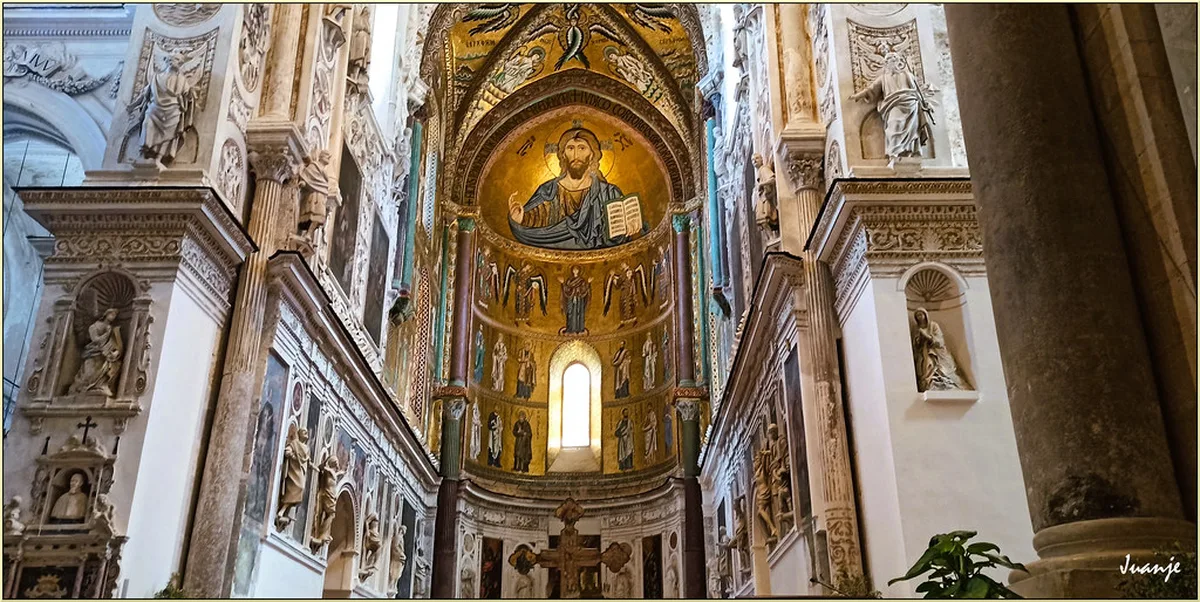
Finding a spot on the public beach is much easier if you arrive before ten in the morning, especially during July and August when Italian holidaymakers fill the shoreline. The cathedral, founded by Roger II in 1131, is free to enter on weekdays between 08:00 and 12:00 and again from 15:30 to 19:00, and charges €3 at weekends; the cloisters require a separate €5 ticket. The narrow streets of the old town feature charming shops selling local ceramics and traditional Sicilian lace, and you can pick up handmade goods for €5–20 depending on the item.
Active travellers often hike up La Rocca to see the ruins of the ancient Temple of Diana, which dates to the fourth century BC and sits roughly 270 metres above sea level. This steep climb takes about forty-five minutes but provides the best panoramic views of the entire coastline and the dramatic headland. Make sure to wear sturdy shoes and carry at least one litre of water for the rocky and exposed path, as there are no vendors at the summit and the track becomes slippery in wet weather.
For lunch, a fresh seafood plate at a waterfront restaurant along the lungomare costs roughly €20–30 per person including a carafe of local white wine. The Ristorante al Gabbiano and Da Nino are two long-established waterfront spots popular with locals. The arancini sold at street kiosks near the station are a cheaper option at €2–3 each and make excellent snacks for the train journey back. Plan to spend at least six hours in Cefalù to see both the beach and the old town without feeling rushed.
- Cefalù Coastal Town and Beach
- Type: Seaside escape
- Best for: Beach lovers
- Distance: 70 km / 1 hour by train
- Cost: €7 train one way, beach free
- Monreale Cathedral and Golden Mosaics
- Type: Artistic landmark
- Best for: History buffs
- Distance: 10 km / 45 minutes by bus
- Cost: €4 bus, cathedral €3 entry
- Segesta Temple and Ancient Ruins
- Type: Archaeological site
- Best for: Ancient history
- Distance: 80 km / 1 hour by car
- Cost: €6 temple entry, €6 theatre entry
- Zingaro Nature Reserve Coastal Hike
- Type: Nature park
- Best for: Active hikers
- Distance: 55 km / 90 minutes by bus + walking
- Cost: €5 entry
Monreale and the Golden Mosaics
Monreale sits just nine kilometres outside Palermo and features one of the most impressive Norman cathedrals in all of Europe. The interior glows with over six thousand square metres of intricate gold mosaics depicting scenes from the Old and New Testaments — a total of 130 scenes rendered in tessellated gold tile that took craftsmen from Byzantium more than a decade to complete. Bus 389 departs from Piazza Indipendenza roughly every thirty minutes and takes about forty-five minutes to reach the hilltop town; a single ticket costs €1.80, and the return journey uses the same ticket type purchased on board or at tabacchi shops near the stop.
The Duomo di Monreale interior is free to enter Monday to Saturday from 08:30 to 12:30 and again from 14:30 to 17:00, though a €3 fee applies outside those core hours and on Sundays. The cloister next to the cathedral charges a separate entry fee of €6 in 2026, which grants access to over two hundred unique marble columns, each decorated with colourful stones, inlaid glass, and delicate foliate carvings — no two columns are identical. A combined cathedral-and-cloister ticket saves nothing on the standard entry pricing, so purchase separately at each gate.
The town of Monreale itself offers quiet alleys lined with small bakeries selling traditional almond cookies, marzipan fruit, and cassata for €2–5 per portion. You can find a peaceful café terrace overlooking the sweeping view of the Conca d'Oro valley far below, where orange and lemon groves extend toward the sea on clear days. A light lunch at a trattoria in the main Piazza Vittorio Emanuele costs around €15–20 per person for pasta and a glass of local Alcamo white wine.
The entire visit to Monreale can be comfortably completed in three to four hours, making it the ideal half-day excursion or a morning warm-up before an afternoon in the city. Given the short distance and cheap bus fare, this is the most cost-effective day trip available from Palermo, with total spend well under €20 if you bring your own lunch. The site is open year-round and is significantly less crowded in October and November when the summer tour groups have departed and the light in the mosaics takes on a particularly dramatic quality in the lower afternoon sun.
Ancient History in Segesta and Erice
The unfinished Doric temple at Segesta stands about 80 kilometres from Palermo and serves as a powerful testament to Sicily's deep Greek roots, dating to approximately 420 BC. Admission to the archaeological park costs €6 for the temple precinct and an additional €6 if you want to enter the hilltop theatre, which still hosts summer performances between July and September. The site opens daily at 09:00 and closes at sunset; a small shuttle bus within the park costs €1.50 return and saves a steep twenty-minute uphill walk on a hot day.
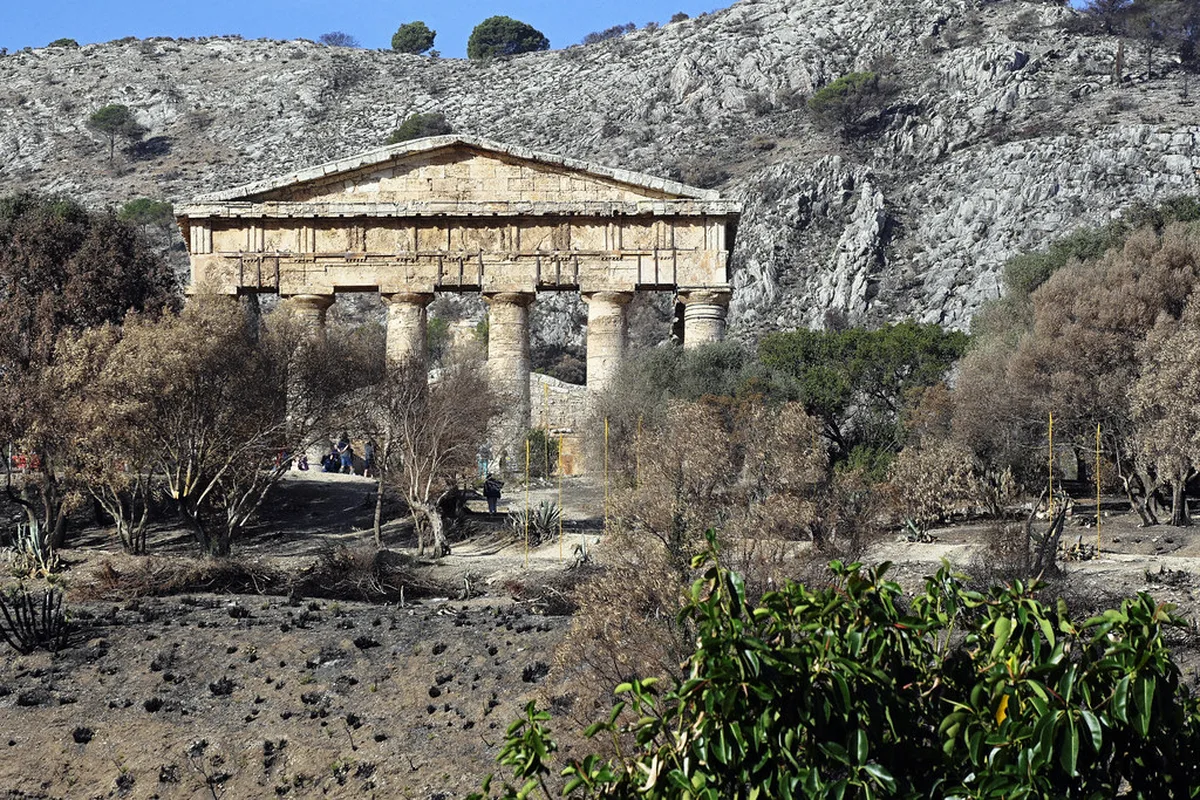
To reach Segesta without a car, take the daily Autoservizi Tarantola coach from Palermo's Piazza Lolli station — the single fare is approximately €4.50 and the journey takes just under an hour. Return coaches to Palermo depart at set times in the afternoon, so confirm the schedule before you board the morning service or risk a very long wait at the rural site with no shade or shelter. A combined temple-and-theatre ticket purchased at the gate costs €10 in 2026, saving €2 over buying each separately.
After exploring the ruins at Segesta, drive or take a connecting bus another forty minutes northeast to reach the misty medieval town of Erice, perched at 751 metres above sea level on Monte Erice overlooking Trapani. The easiest approach from Palermo is to take the Trenitalia train from Palermo Centrale to Trapani (€5.50, 1 hour 10 minutes, roughly hourly) and then the Funivia dell'Erice cable car from Trapani city centre, which costs €9 return in 2026 and rises 400 vertical metres in seven minutes with spectacular views over the salt pans and the Egadi Islands.
Erice itself is free to enter and wander — the stone-paved streets lead past the fourteenth-century Venus Castle (€3 entry, open 09:00–19:00), the medieval churches of San Martino and San Giuliano, and dozens of ceramic and pastry shops clustered around Piazza Umberto I. This hilltop village is justifiably famous for its genovesi pastries filled with cream or lemon curd, available at the Pasticceria Maria Grammatico for around €2 each — the shop opens from 09:00 and sells out by mid-afternoon on busy days. The mountain air is noticeably cooler than the coastal heat, so bring a light layer even in summer when temperatures can be 5–8°C lower than at sea level.
Nature and Adventure at Zingaro Reserve
Hikers will love the rugged trails and hidden coves found within the stunning Riserva Naturale dello Zingaro, Sicily's first protected nature reserve established in 1981. The principal seven-kilometre coastal path connects the southern entrance near Scopello to the northern entrance near San Vito Lo Capo, passing five pristine coves with crystal-clear water ranging from turquoise to deep cobalt. Entry to the park costs €5 per adult in 2026, payable at either entrance gate, and children under twelve enter free of charge.
To reach the reserve by public transport, take the AST bus from Palermo's Piazza Lolli to Castellammare del Golfo (€4.50 one way, 1 hour 20 minutes) and then a local taxi or summer shuttle (€5–7 per person) to the Scopello entrance. Total one-way transport costs approximately €10, making a return journey around €20 before park entry. The summer shuttle service only runs June through September; outside those months a car or taxi from Castellammare is necessary and costs approximately €15 each way.
The reserve remains entirely wild and lacks any commercial facilities inside its boundaries — there are no cafes, no beach umbrella rentals, and no fresh water sources along the trail. Pack at least two litres of water per person, high-factor suncream, a hat, and energy-rich snacks for the sunny five-to-seven hour trek from entrance to entrance. The park officially closes sections when fire-risk conditions are extreme in July and August, so always check the official Riserva Zingaro website or the Sicilian regional environment department before travelling.
The first cove, Cala dell'Uzzo, is only a twenty-minute walk from the southern entrance for those who want a shorter outing combined with a swim. Cala Marinella and Cala Mazzo di Sciacca are the most photogenic coves along the northern section, each offering deep sheltered water ideal for snorkelling over the rocky seabed. Strong northerly winds can make the exposed headland sections uncomfortable even in good visibility, and the trail closes temporarily when conditions become unsafe — always carry a fully charged phone with the reserve's emergency number saved. For an alternative coastal day closer to the city, the Palermo beach guide covers accessible options within thirty minutes of the centre.
The Salt Pans of Marsala and Trapani
The western coast of Sicily between Trapani and Marsala features a remarkable landscape of shallow salt pans where traditional harvesting methods unchanged for centuries are still practised today. Dozens of restored windmills line the Via del Sale, casting long reflections in the mineral-rich water at golden hour and creating one of Sicily's most iconic photographic scenes. A guided tour of the Museo del Sale at Nubia costs €5 per adult in 2026, runs Tuesday to Sunday from 09:30 to 18:30, and provides a detailed explanation of the evaporation, raking, and packaging process that produces roughly forty thousand tonnes of Sicilian sea salt each year.
To reach the salt pans by public transport, take the Trenitalia train from Palermo Centrale to Trapani (€5.50 one way, 1 hour 10 minutes) and then a local bus or taxi (€5–10) toward the Stagnone lagoon. The total journey costs approximately €11–16 one way. Alternatively, the salt pans are most efficiently visited as part of the Erice day trip described above, since Trapani serves as the gateway to both destinations and the flat salt flats lie on the road south toward Marsala.
Boat tours to the small island of Mozia (San Pantaleo) depart every thirty minutes from the docks near the Stagnone lagoon and cost €5 return including the crossing. This compact island holds substantial Phoenician ruins from the eighth century BC and a museum housing the extraordinary fourth-century BC marble statue known as the Young Man of Mozia, considered one of the finest examples of Greek sculptural influence in the western Mediterranean. You can walk the island's perimeter path in about ninety minutes at a relaxed pace and the museum opens daily from 09:00 to 13:00 and 14:00 to 18:00, though afternoon hours are sometimes reduced in winter.
Visiting this entire western coastal area is best done with a rental car to move freely between the salt pans, Mozia, Marsala itself, and the scenic viewpoints along the lagoon edge. General safety guidance for the area mirrors the advice in the Palermo safety guide — keep valuables out of sight when parking in rural or isolated areas along the coast, and use well-lit car parks in Marsala town rather than roadside lay-bys at dusk. The evening passeggiata along Marsala's main Corso Vittorio Emanuele is a pleasant way to end a long day before the drive back north.
Agrigento and the Valley of the Temples
The Valle dei Templi at Agrigento ranks among the finest surviving collections of ancient Greek architecture anywhere in the world outside Greece itself, and a day trip from Palermo in 2026 costs surprisingly little for the scale of what you see. The UNESCO World Heritage Site covers three square kilometres and contains seven Doric temples built between 510 and 430 BC, of which the Temple of Concordia — preserved almost intact — is considered among the best-preserved Greek temples on earth. Combined entry to the eastern and western archaeological zones costs €14 per adult; a combined ticket including the Museo Regionale Archeologico Pietro Griffo costs €18 and is strongly recommended for context on the artefacts you will encounter in the park.
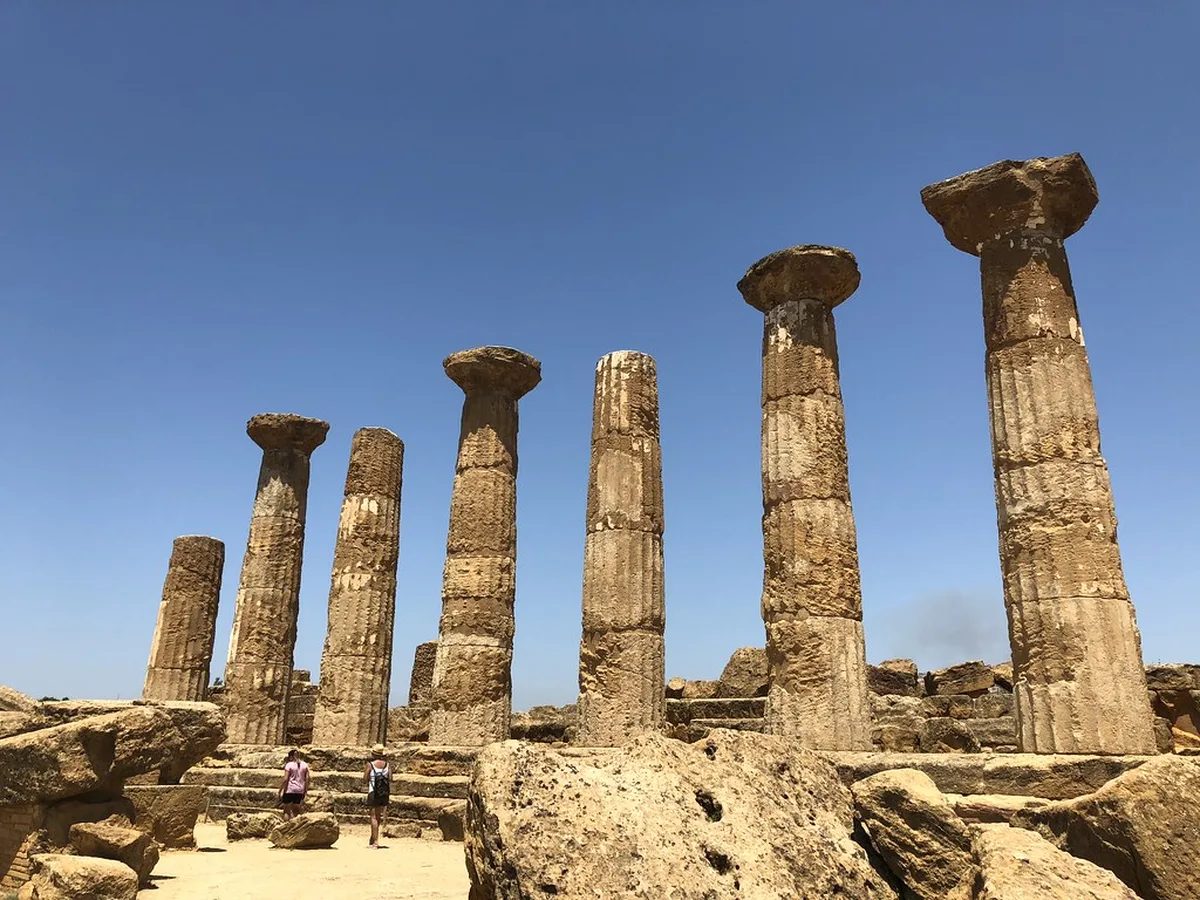
The most practical way to reach Agrigento without a car is the direct regional SAIS Autolinee bus from Palermo's Via Paolo Balsamo bus terminal, which runs approximately every 90 minutes and costs €13 single or €13–15 for a same-day return. The journey takes around two hours each way, so you need to leave Palermo by 07:30 at the latest to get a full day at the site before buses back to Palermo stop running in the early evening. Buy your return ticket on arrival at Agrigento bus station to confirm seat availability on the afternoon service.
Arriving at sunrise is the single most recommended experience at the Valley of the Temples: the park opens at 08:30 (gates sometimes open at 08:00 in summer), and in the first hour you will have the main temples largely to yourself before coach tours arrive around 10:00. The golden morning light falling on the honey-coloured sandstone of the Temple of Concordia and the nearby Temple of Juno Lacinia creates extraordinarily beautiful photography conditions. By midday the exposed plateau can reach 35°C in July, so carrying two litres of water, a hat, and suncream of at least SPF 30 is essential for a safe and comfortable visit.
The modern town of Agrigento above the temples has a charming medieval quarter around Via Atenea worth exploring before or after the archaeological park. A trattoria lunch near the main pedestrian strip costs €18–25 per person for a full Sicilian meal with local wine. Osteria Concordia and Trattoria dei Templi are reliable choices within easy walking distance of the park entrance. Note that the SAIS bus back to Palermo fills up quickly on busy summer days, so go to the bus station and reserve or purchase your return ticket on arrival rather than assuming seats will be available when you finish touring.
Practical Tips for Planning Your Day Trips
Renting a car provides the most flexibility for visiting remote ruins and quiet mountain villages, and 2026 rates at Palermo's Falcone-Borsellino Airport start at roughly €25–35 per day for a compact vehicle from well-known international agencies such as Hertz, Europcar, and Sicily by Car. However, navigating city traffic requires patience and good awareness of the parking situation in Palermo to avoid expensive fines in the ZTL restricted zones. Many central areas are off-limits to non-resident vehicles between 08:00 and 20:00, and automated cameras enforce these zones with fines typically ranging from €80 to €150 if triggered.
Trains and buses work well for coastal towns like Cefalù and for Agrigento, but offer less freedom for rural stops and the Zingaro Reserve. You should check the latest Trenitalia and AST/SAIS bus schedules on official transport websites before heading to the station, as timetables change seasonally and rural services can be infrequent on Sundays and public holidays. Consider booking a private guided tour from operators on Via Maqueda in Palermo if you want to combine multiple sites in one day and skip the complexity of coordinating public transport at remote locations.
Travellers usually find that two to three excursions provide a well-balanced overview of the island during a Palermo 3-day itinerary. This strategy prevents burnout while ensuring you see the most significant landmarks at a comfortable pace. Always carry at least €20 cash for small entry fees, shuttle buses, and snacks in the smaller mountain towns and archaeological sites, as many rural ticket offices and shuttle buses do not accept card payments at the gate.
Booking accommodation centrally in Palermo — within walking distance of Palermo Centrale train station and the main bus terminals on Via Balsamo — saves considerable time each morning when departing early for distant sites like Agrigento or Segesta. A central hotel position also eliminates the need for urban driving in rush-hour traffic. For multi-day visitors, a combination of one bus trip (Agrigento), one train trip (Cefalù), and one car-rental day (Segesta plus Erice or Zingaro) covers the full range of western Sicily's major attractions efficiently and at a reasonable cost.
Combining Day Trips with Sicilian Cuisine
One of the overlooked pleasures of day-tripping from Palermo is experiencing the distinct regional food traditions that each destination carries. Rather than rushing back to the city for dinner, planning your return around a meal in the day-trip destination adds genuine depth to the experience and is almost always more affordable than equivalent quality dining in Palermo's tourist centre. Every site covered in this guide has at least one excellent local option at a fraction of the price you would pay near the cathedral in the city.
In Cefalù, the waterfront restaurants along Lungomare G. Giardina serve the catch of the day — grilled orata (sea bream) costs approximately €16–22 per plate, and the house spaghetti alle vongole (clams, white wine, parsley) is rarely priced above €14. Pair it with a carafe of local Catarratto white wine from the Alcamo DOC zone for around €6. The Ristorante Il Covo del Pirata on Via Porpora offers excellent value compared to the main square options and seats guests on a small terrace overlooking the rocks.
Agrigento's medieval quarter on Via Atenea has a cluster of trattorias serving traditional inland Sicilian dishes — lamb ragù with pasta, broad bean soup (maccu di fave), and roasted vegetables with caciocavallo cheese. A full three-course meal with wine at Trattoria Concordia costs approximately €20–25 per person. In Marsala, the wine is the main event: the fortified Marsala DOC produced at the historic Florio and Pellegrino wineries costs €5–8 per glass at the enoteca next to Piazza della Repubblica, and cellar tours run Tuesday to Saturday between 09:00 and 17:00 for €10 per adult including a tasting of four wines.
For a more structured food experience, several Palermo-based food tour companies run dedicated day excursions to the Marsala wine country or the Ragusano cheese producers in the southeastern hills. These guided tours typically cost €65–90 per person including transport, tastings, and a guided cellar visit, and can be booked through operators on Palermo's Via Vittorio Emanuele. Even on independent day trips, picking up a bag of sea salt from the Museo del Sale gift shop (€3–5 per 500 g) or a bottle of Nero d'Avola from a roadside cantina (€5–10 per bottle) makes for an edible souvenir that carries far more meaning than a mass-produced ceramic trinket.
Checking the Sicily travel guide before you plan your route is worthwhile — it maps out the island's distinct culinary zones and helps you match food experiences to geographic areas as you move between archaeological sites, beach towns, and hilltop villages across western Sicily in 2026.
Frequently Asked Questions
What is the easiest day trip from Palermo by train?
Cefalù is the easiest day trip from Palermo by train in 2026. Direct Trenitalia regional trains depart Palermo Centrale roughly every hour, take about one hour, and cost €7 each way — €14 return. The town combines a magnificent Norman cathedral (free entry weekdays 08:00–12:00 and 15:30–19:00, €3 on Sundays), a sandy public beach, and a medieval old town in one relaxed and affordable day out.
Can I visit multiple sites in one day trip from Palermo?
Yes, you can combine multiple sites in one day if you have a rental car, available from €25–35 per day at Palermo Airport. The most popular combination in 2026 is Segesta (€6 temple, €6 theatre) plus Erice (free entry, cable car €9 return from Trapani) — both lie in the same western direction from Palermo and the driving time between them is about 40 minutes. By public transport, combining two sites in a single day is significantly harder because rural buses run infrequently and return times are fixed.
Is a car necessary for day trips from Palermo?
A car is not necessary for Cefalù (Trenitalia train, €7 each way), Monreale (Bus 389 from Piazza Indipendenza, €1.80), or Agrigento (SAIS Autolinee coach, €13–15 return). However, reaching the Zingaro Nature Reserve independently or visiting the Marsala salt pans and Mozia island on the same day is significantly easier with your own vehicle. Renting a compact car from Palermo Airport for one day costs approximately €25–35 in 2026 and opens up every destination in this guide.
What should I pack for a day trip to the Zingaro Nature Reserve?
Pack at least two litres of water per person, sturdy hiking shoes, a swimsuit, a hat, and high-factor suncream (SPF 30 minimum) for the Zingaro Nature Reserve. There are no shops, cafes, or fresh water sources inside the reserve, so self-sufficiency is essential. The park entry fee is €5 per adult in 2026 (children under 12 free), and the full seven-kilometre coastal trail between the Scopello and San Vito Lo Capo entrances takes four to six hours at a relaxed pace with swimming stops.
How do I get to the Valley of the Temples from Palermo by bus?
Take the SAIS Autolinee coach from Palermo's Via Paolo Balsamo terminal to Agrigento. Buses run approximately every 90 minutes, the journey takes about two hours, and a return ticket costs €13–15 in 2026. Leave Palermo by 07:30 to arrive before the coach-tour groups and experience the temples in the cooler morning light. Entry to the combined eastern and western archaeological zones costs €14 per adult; a combined ticket including the Museo Regionale Archeologico Pietro Griffo is €18 and provides important context for the artefacts on display in the park.
What is the best time of year to do day trips from Palermo?
April, May, September, and October offer the best conditions for day trips from Palermo in 2026. Temperatures are comfortable (18–26°C), crowds are significantly smaller than in July and August, and all major sites including the Valle dei Templi, Zingaro Reserve, and Erice cable car are fully open. Summer visits are possible but require very early starts — aim to reach exposed archaeological sites like Agrigento or Segesta before 09:30 to avoid extreme midday heat exceeding 35°C and peak coach-tour congestion at the entrances.
How much does a typical day trip from Palermo cost in total?
Total costs vary by destination. A Monreale half-day by Bus 389 costs under €12 including transport (€1.80 each way), cathedral entry (€3 on Sundays), and cloister (€6). Cefalù by train costs roughly €30–40 including transport (€14 return), optional La Rocca climb (free), and lunch at a waterfront restaurant (€20–30). Agrigento is the most expensive at approximately €50–60 including bus return (€15), site entry (€18 with museum), and lunch in the medieval quarter (€20–25). A car-rental day to combine Segesta and Erice costs approximately €55–80 including fuel, tolls, entry fees, and a genovesi pastry at Pasticceria Maria Grammatico in Erice.
Exploring the areas around Palermo reveals the incredible diversity of Sicily's history and natural landscapes, from Phoenician trading posts to Doric Greek temples and Norman cathedral gold mosaics. From the sparkling medieval streets of Cefalù to the wild coastal trails of Zingaro and the monumental architecture of Agrigento's Valle dei Templi, every excursion offers a perspective that city-bound sightseeing simply cannot replicate. Taking time to leave the Palermo city centre will make your Sicilian holiday in 2026 considerably more memorable and rewarding.
Start planning your favourite excursions early to make the most of your time on the island. Whether you prefer ancient temples, sandy beaches, hilltop medieval villages, or regional wine and food experiences, the area surrounding the Sicilian capital has a compelling option within two hours by public transport. Enjoy the outstanding scenery, the delicious local food, and the genuine warmth of welcome as you discover the remarkable heart of western Sicily in 2026.