Is Palermo Safe for Tourists? A Complete 2026 Travel Guide
Palermo is safe for tourists in 2026: the historic Kalsa and Via Maqueda corridor stay well-policed, Mondello beach is family-friendly, and a coffee at Antico Caffè Spinnato on Piazza Ruggero Settimo costs just €1.50.
Petty theft at Ballarò market — Sicily's busiest street market near Piazza del Carmine — is the primary risk; keep bags zipped and you will have no trouble exploring this remarkable Sicilian capital.
Many travelers wonder about safety when planning a trip to the historic heart of Sicily.
Palermo often carries a complex reputation from past decades that no longer reflects modern reality.
The city is generally as safe as other major European urban centers for most visitors in 2026.
Understanding local nuances helps you navigate the streets with confidence and ease.
Safety Landscape: Is Palermo Safe for Tourists?
Palermo is safe for tourists in 2026. The UK Foreign Office and Italian Ministry of Tourism both rate Sicily at the standard European travel advisory level with no specific tourist-safety warnings. Violent crime against visitors is rare. The safest neighbourhoods for sightseeing are the Historic Centre around Via Maqueda, the seaside suburb of Mondello, and the Kalsa quarter near the Palazzo Abatellis. The key precaution is guarding your belongings closely at the crowded Ballarò and Vucciria markets. Follow those basics and you will enjoy a trouble-free visit.
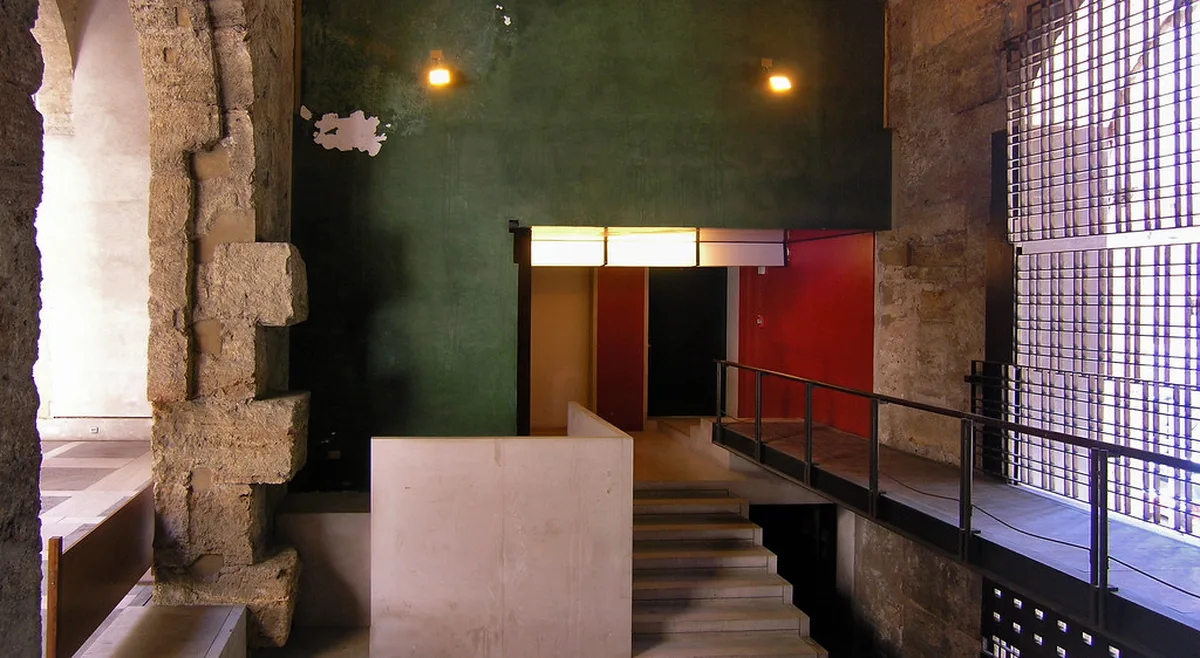
Violent crime against tourists remains extremely rare in this Mediterranean capital. Most visitors find the locals welcoming and the atmosphere lively throughout the day. Standard urban caution ensures a smooth experience while exploring the city's many landmarks, from the Norman Palace (Palazzo dei Normanni, open Monday–Saturday 08:15–17:40, €12 entry) to the golden mosaics of the Cappella Palatina inside.
Petty theft like pickpocketing is the most common concern in crowded tourist areas. Markets such as Ballarò and Vucciria require extra attention to your personal belongings. Keeping your bag in front of you reduces the risk of opportunistic theft significantly. Local authorities frequently patrol these high-traffic zones to deter potential thieves, especially during peak tourist season from April through October.
The historical association with organized crime rarely affects the daily experience of a typical traveler. Modern Palermo has transformed significantly, focusing heavily on tourism and cultural preservation. Visible police presence in the main squares and shopping districts provides an added layer of security. In 2026 the city has expanded its dedicated tourist police (Polizia di Stato) patrols in the historic centre, particularly around the Quattro Canti and Ballarò market, giving visitors an additional point of contact for assistance. Officers stationed near the Quattro Canti intersection speak basic English and are accustomed to assisting international visitors with directions and lost-property reports.
For a broader picture of Sicily's safety landscape and how Palermo compares to the island's other major cities, see our Sicily travel guide and our dedicated comparison of Is Catania safe for tourists?
Palermo Safety by Neighbourhood
Not all areas of Palermo carry the same risk level. Knowing which neighbourhoods are relaxed and which demand extra vigilance lets you plan your time more confidently.
- Ballarò Market (Albergheria quarter): This is Palermo's busiest street market and the area where pickpocketing is reported most frequently. The market runs daily from roughly 07:00 to 14:00, Monday to Saturday. Go early in the morning when it is less crowded, keep your phone in your front pocket, and use a crossbody bag with a zip. A bag of fresh produce — tomatoes, olives, capers — costs €2–€4. The market itself is safe for shopping; just stay alert in the densest crowd sections around the Via Porta di Castro entrance.
- Vucciria Market: By day Vucciria is a lively food market around Piazza San Domenico, operating roughly 07:00–13:00 — low risk for pickpockets and very tourist-friendly. A grilled stigghiola (lamb intestines) or a panino con la milza (spleen sandwich) at one of the historic stalls costs €3–€5. By night it transforms into Palermo's street-drinking hub. The late-night scene is generally good-natured but can become rowdy after midnight; solo travelers should keep to the lit central section.
- Historic Centre (Via Maqueda / Via Roma / Quattro Canti): The tourist core is well policed and safe at all hours. High foot traffic, restaurant terraces, and CCTV on main streets make this the lowest-risk zone for visitors. A sit-down lunch at Osteria Mangia & Bevi on Via Maqueda costs around €12–€18 per person. Risk level: Low.
- Kalsa Quarter: This UNESCO-listed historic neighbourhood around the Palazzo Abatellis and the Piazza Magione is one of Palermo's most atmospheric and safest districts. It is quieter than Via Maqueda but equally well patrolled. The Galleria Regionale della Sicilia (Palazzo Abatellis) charges €6 entry and is open Tuesday to Saturday 09:00–18:30. Risk level: Low.
- Mondello Beach: Palermo's premier seaside suburb is extremely safe for families and solo travelers alike. During summer evenings the promenade stays busy until midnight. A sunbed and umbrella rental at one of the private beach clubs along Viale Regina Elena costs approximately €15–€25 per day. Petty theft from unattended bags on the beach is the only minor concern. Risk level: Very Low.
- Around Stazione Centrale (Central Train Station): The blocks immediately surrounding the central station can feel run-down, particularly late at night. Street harassment and opportunistic soliciting are more common here than in the tourist centre. Avoid lingering outside the station after 22:00; take a taxi directly to your accommodation. Official taxis from the dedicated rank outside the station charge a fixed rate of €15 to the historic centre. Risk level: Moderate (at night).
- Via Libertà / Politeama: The upscale modern commercial district north of the historic centre. Excellent restaurants, well-lit streets, and a low crime rate make this one of the safest areas for an evening stroll. A gelato at Gelateria Ilardo near Foro Italico costs €2.50–€4. Risk level: Very Low.
Bottom line: Stay in the Historic Centre, Kalsa, Mondello, or Via Libertà for the safest experience. Exercise extra vigilance at Ballarò market and the area around the central train station after dark.
Practical Safety Tips for Every Traveler
Using official taxis instead of unmarked cars ensures you pay fair rates and arrive safely. Always look for the white vehicles at designated taxi ranks located near major landmarks such as Piazza Politeama and the Teatro Massimo. The standard meter-start fare is €3.50 during the day (€5 at night and on Sundays), with a typical cross-city journey costing €8–€15. Ride-hailing apps including Uber and FREE NOW operate in Palermo as well, providing an upfront price and a record of your journey.
Carrying small amounts of cash helps you manage transactions in local markets without flashing large bills. Most shops and restaurants in the city center accept Visa and Mastercard for purchases above €10. A typical street-food lunch at Ballarò — arancina (rice ball, €2.50), panino con la milza (€3), and a glass of fresh-squeezed orange juice (€1.50) — adds up to around €7 and is best paid in cash. Keep your passport and backup cards in your hotel safe; a printed photocopy of your ID is accepted for most day-to-day purposes.
Learning a few basic Italian phrases can help you communicate more effectively with locals during an emergency. Most younger residents speak some English, especially in tourist-facing roles. This small gesture often leads to better service and helpful local advice, particularly at family-run trattorias off the main tourist drag where menus may only be in Italian.
Emergency contacts for Palermo in 2026: The single European emergency number is 112 (police, ambulance, fire — free from any phone). For non-urgent police matters you can contact the Questura di Palermo on +39 091 210 111, open 24 hours. Tourist police offices (Polizia di Stato tourist helpdesks) operate at Piazza della Vittoria and near the central train station during peak tourist season (April–October), typically 09:00–19:00. The nearest A&E department to the historic centre is the Ospedale Villa Sofia on Viale Strasburgo, reachable in around 10 minutes by taxi (approximately €8).
Travel insurance is strongly recommended for all visitors. A comprehensive single-trip European policy covering medical expenses up to €1,000,000, personal liability, and baggage loss typically costs €30–€60 for a one-week stay. Check that your policy includes coverage for theft from your person, as standard policies sometimes exclude this unless you can prove force was used.
Nightlife and Solo Travel Security
Palermo boasts high energy after the sun sets, especially in the popular social hubs of the Vucciria quarter and the streets around Piazza Sant'Anna. Exploring the evening scene is generally safe if you stay within the main pedestrian zones. Our Palermo nightlife guide highlights the best venues for a secure evening out, from craft cocktail bars charging €8–€12 per drink to live-music pizzerias where a margherita pizza and a beer comes to around €14.
Solo travelers should remain aware of their surroundings when walking through narrow side streets at night. Sticking to the nightlife crowds ensures you are never truly alone in the dark. The Aperol Spritz hour (around 18:00–20:00) at bars along Via Principe di Belmonte — a partly pedestrianized street dotted with outdoor tables — is particularly popular with international visitors and a relaxed way to meet other travelers. Drinks cost €5–€8 during happy hour.
Solo female travelers consistently report feeling comfortable in Palermo's tourist zones, particularly the Historic Centre and Mondello. The city ranks in the mid-range for solo female safety among southern Italian cities. Unwanted verbal attention from strangers is more common here than in northern Italy, but a direct, confident refusal is almost always respected immediately. Joining a small group evening food tour — operators such as Streaty offer tours from €35 per person departing at 18:30 — is a practical option if you prefer an extra layer of confidence while sampling the street food scene.
Public transport after dark is generally safe on the main AMT bus routes (night buses, prefix N, run until approximately 01:00 on weekends). A single journey costs €1.80. For late-night returns from Mondello to the city centre, the dedicated summer bus service runs every 30 minutes until 02:00 in July and August. Taxis are always available outside the main nightlife venues and are the safest option after 01:00.
Driving in the city requires patience and a firm understanding of local traffic patterns. Restricted traffic zones (ZTL) cover the entire historic centre and are enforced by automatic cameras 24 hours a day. Fines for unauthorized ZTL entry start at €87 and are frequently sent to rental car companies who then charge the driver. Review our guide on parking in Palermo to find the nearest legal garages, where rates average €1.50–€2.50 per hour.
Avoiding Common Tourist Scams
Street performers or vendors near the Quattro Canti and the Teatro Massimo may occasionally approach you with free gifts like braided bracelets or flowers. Accepting these items almost always leads to an aggressive demand for a donation of €5–€20. A firm refusal while continuing to walk is the most effective response. Maintaining a confident pace discourages persistent solicitors from following you.
Restaurant menus without prices can sometimes lead to an unexpectedly high bill, a practice known locally as the "tourist menu" trap. Always ask for a printed menu — in Italian, il menù con i prezzi — or confirm the cost of unlisted daily specials before ordering. Authentic trattorias clearly display their prices both outside and inside. A three-course menù del giorno (set lunch menu) including water and a house wine at a reputable local trattoria costs €12–€18; if a place quotes you significantly more without explanation, choose somewhere else.
Be cautious of overly friendly strangers who offer unsolicited help at ATMs or ticket machines at the Stazione Centrale. These individuals may attempt to observe your PIN or distract you during a transaction. Use machines located inside bank lobbies during business hours for the highest level of security. Cover the keypad when entering your PIN. Daily ATM withdrawal limits of €250–€500 are standard at Italian banks; if you need more cash, arrange this with your home bank before you travel.
Unofficial "parking attendants" — sometimes called parcheggiatori abusivi — operate near popular attractions and may demand €1–€2 for watching your car in areas that are either free or regulated by official blue-zone meters. These individuals have no legal authority. Pay only official meters (which take coins or credit cards and display a clear tariff) and report aggressive behaviour to the local Polizia Municipale on +39 091 740 9111.
Transport Safety in Palermo: Buses, Taxis, and Scooters
Getting around Palermo safely starts with understanding the city's transport options. The public bus network run by AMT Palermo covers most tourist areas reliably. A single ticket (valid 90 minutes, unlimited transfers) costs €1.80 and can be purchased at tobacconists (tabacchi), some bars, and AMT ticket machines at major stops. Day passes cost €4.30 and are excellent value if you are making four or more journeys. Always validate your ticket in the yellow machine aboard the bus immediately after boarding; plain-clothes inspectors operate across all routes and fines for unvalidated tickets start at €50.
Official white taxis in Palermo operate on a metered rate starting at €3.50 (daytime, Monday to Saturday) or €5 (nights, Sundays, and public holidays). Key fixed fares you should know: Stazione Centrale to Mondello beach is around €25–€30, Stazione Centrale to Palermo Airport (Falcone-Borsellino) is a fixed €35–€40. Always ask for a receipt (lo scontrino); reputable drivers issue these automatically. Refuse any driver who does not use the meter or agree on a fixed fare in advance.
Car hire is practical for day trips to Monreale (10 km southwest, entry to the Cathedral free, cloister €3) or the Valley of the Temples in Agrigento (150 km, approximately €15–€25 each way in fuel for a compact car). However, driving within Palermo's city centre is strongly discouraged for first-time visitors due to the extensive ZTL zone and aggressive local driving culture. If you hire a car for day trips, park it at your hotel or in a secure garage (Garage Quattro Canti, Via Cavour, charges €18 per 24 hours) for the duration of your stay in the city.
Scooter and e-bike hire is widely available near the waterfront and around Piazza Politeama, with rental rates starting at €30–€50 per day for a 50 cc scooter. Helmets are legally required and reputable rental shops provide them. Avoid riding on the chaotic Via Roma and Via Maqueda corridors during the morning and evening rush hours (08:00–09:30 and 17:00–19:00). The coastal road to Mondello and the hilltop route to Monreale are significantly calmer and offer spectacular scenery.
For a complete look at getting around Sicily beyond the city, our day trips from Palermo guide covers transport options to Cefalù, Agrigento, Trapani, and Segesta, with current train and bus timetable information.
Frequently Asked Questions
Is Palermo safe for solo female travelers?
Yes, Palermo is generally safe for solo female travelers who follow standard urban safety precautions. Stick to well-lit main streets such as Via Maqueda and Via Roma after dark, and stay in busy areas like Piazza Politeama and the Kalsa quarter. Most women find the city welcoming and easy to navigate alone. Unwanted verbal attention can occur — particularly in the Albergheria quarter near Ballarò — but a direct, confident refusal is almost always respected immediately. Joining an evening food tour (operators like Streaty offer tours from €35) is a practical confidence booster for first-time solo visitors.
Can I walk around Palermo at night?
Walking around the historic centre — particularly the Via Maqueda and Via Roma corridor, Piazza Sant'Anna, and the streets around the Teatro Massimo — is safe at night due to high foot traffic, restaurant lighting, and police patrols. The Vucciria quarter near Piazza San Domenico stays lively until 01:00 or later on weekends and is generally safe in the main square. Avoid poorly lit alleyways in the Albergheria quarter and the blocks immediately around Stazione Centrale after 22:00, where foot traffic drops sharply and the risk of opportunistic soliciting rises. When in doubt, take an official taxi (meter start €3.50) rather than walking unknown side streets alone after midnight.
Is the tap water safe to drink in Palermo?
The tap water in Palermo is officially safe to drink and meets European Union health standards set by Directive 98/83/EC. However, many locals and visitors prefer the taste of bottled mineral water for daily consumption, as Palermo's tap water can have a slightly chlorinated aftertaste in summer. You can find a 1.5-litre bottle of still water (acqua naturale) at any supermarket or corner shop for €0.40–€0.80, making it an inexpensive alternative.
Are day trips from Palermo safe to take?
Yes, day trips from Palermo are very safe for tourists travelling by public or private transport. The regional train to Cefalù (approximately 45 minutes, €5 one way) and the Autoservizi Tarantola bus to Agrigento (approximately 2 hours, €9 one way) are both reliable and well-used by locals and visitors alike. Travelling in daylight hours and keeping your belongings secure on the train applies the same standard precautions as in the city itself. For a full overview of options and practicalities, see our day trips from Palermo guide.
Is Palermo safer than Naples?
Palermo and Naples are broadly comparable in safety for tourists, though many visitors report feeling slightly more at ease in Palermo. Both cities have higher petty-theft rates than northern Italian cities but low rates of violence against tourists. Naples carries a more intense reputation — partly due to denser scooter traffic and a busier port waterfront — while Palermo's tourist core around Via Maqueda and the Kalsa quarter is generally calmer and easier to navigate on foot. In 2026 both cities maintain dedicated tourist police patrols in their historic centres. For more detail on Naples, see our guide to Is Naples safe for tourists?
What areas should I avoid in Palermo?
No area of Palermo is a complete no-go zone for tourists, but three areas warrant extra caution: (1) Ballarò market in the Albergheria quarter — crowded conditions between Via Porta di Castro and Via Ballarò make it the city's primary pickpocket hotspot, particularly between 09:00–12:00 when crowds peak; (2) the blocks immediately around Stazione Centrale after dark, where low foot traffic and street soliciting increase the risk of minor incidents; (3) poorly lit side streets in the Capo market area north of the Cathedral at night. In all these locations, the solution is standard urban vigilance — crossbody bag, no visible valuables, keep moving — rather than complete avoidance.
How do I get from Palermo Airport to the city safely?
The safest and most cost-effective option is the Trinacria Express train, which runs from Palermo Airport (Falcone-Borsellino) to Stazione Centrale in approximately 50 minutes and costs €5.90 one way. Trains run roughly every 30–60 minutes from 05:00 to 23:00. Alternatively, official white taxis charge a fixed airport-to-city rate of €35–€40; always confirm this fixed fare before getting in. Avoid unofficial taxi touts who approach arrivals in the terminal — these unlicensed drivers frequently overcharge. Pre-booked private transfers are also available from approximately €40–€55 for a saloon car and offer a meet-and-greet service at the arrivals hall.
Palermo is a vibrant and culturally rich city that rewards those who visit with an open mind.
By following basic urban safety rules — keeping bags secure at Ballarò, sticking to well-lit streets after dark, and using official taxis — you can enjoy everything this Sicilian gem has to offer in 2026.
Prepare for your journey by staying informed and browsing our Palermo old town guide for the best streets, churches, and hidden courtyards to explore safely.