Naples Restaurants: Where to Find the Best Places to Eat in 2026
The top Naples pizza restaurants in 2026 are Gino Sorbillo (Via dei Tribunali 32, from €5), Da Michele (Via Cesare Sersale 1, €5–6), and Starita a Materdei (Via Materdei 27, from €6). All use wood-fired ovens and AVPN-certified dough.
A full dinner in Naples costs €12–25 per person at a trattoria, €5–12 for pizza at a local pizzeria, and €2–5 for street food. The coperto (cover charge) adds €1.50–3 per person at sit-down restaurants.
Naples is a paradise for food lovers looking for authentic Italian flavors. You will find incredible dishes around every corner of this historic city. From world-famous pizza to fresh seafood, the local culinary scene is truly diverse. Many visitors find that eating is one of the best things to do in Naples.
Neapolitan cuisine relies on simple ingredients that pack a powerful punch. Local chefs prioritize seasonal produce and traditional cooking methods from past generations. You can expect vibrant markets and bustling kitchens throughout the busy city center. Planning your meals is essential to experiencing the true heart of the region.
This guide explores the finest dining options available for your upcoming trip. We will cover everything from legendary pizzerias to hidden street food stalls and the best waterfront spots. Get ready to discover why this city remains a global culinary destination in 2026. Prepare your appetite for an unforgettable journey through the streets of southern Italy.
Iconic Pizza Spots: Naples Restaurants Best Places to Eat
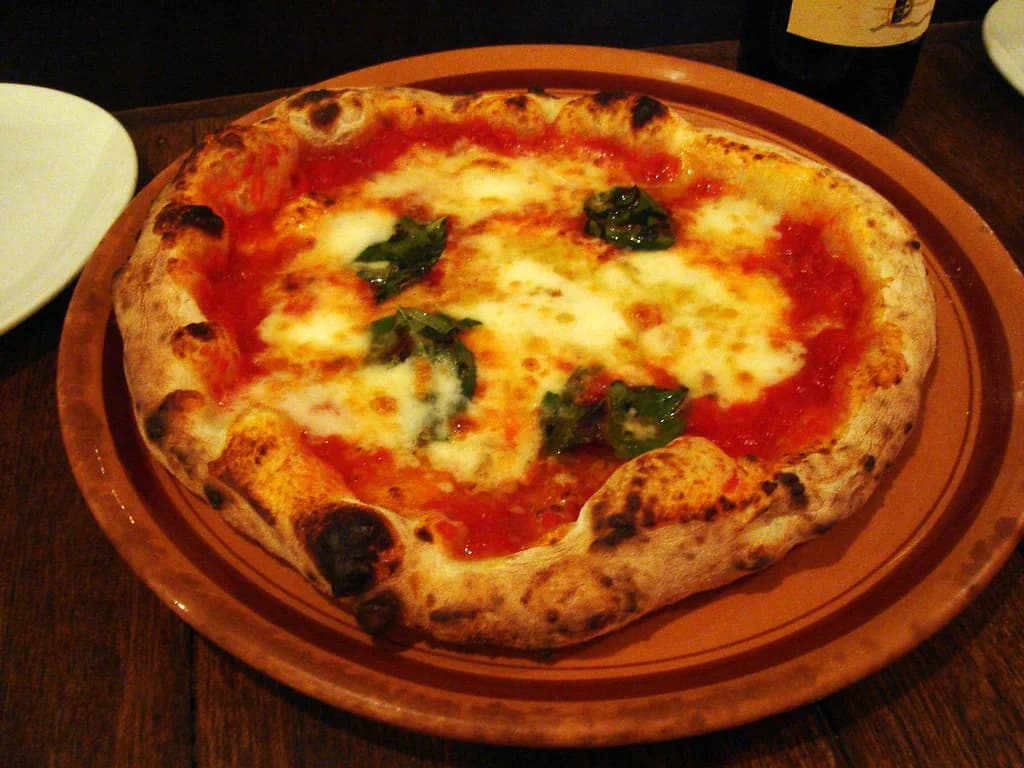
Pizza is the heart of Neapolitan culture and requires specific traditional techniques passed down over generations. Local chefs use wood-fired ovens reaching 450–500°C to create the perfect charred crust in under 90 seconds. In 2026, expect to pay €5–8 for a classic Margherita at an authentic local pizzeria. These simple, high-quality ingredients — San Marzano DOP tomatoes, Fior di Latte or buffalo mozzarella, fresh basil — create a flavour profile that is genuinely hard to match anywhere else in Italy.
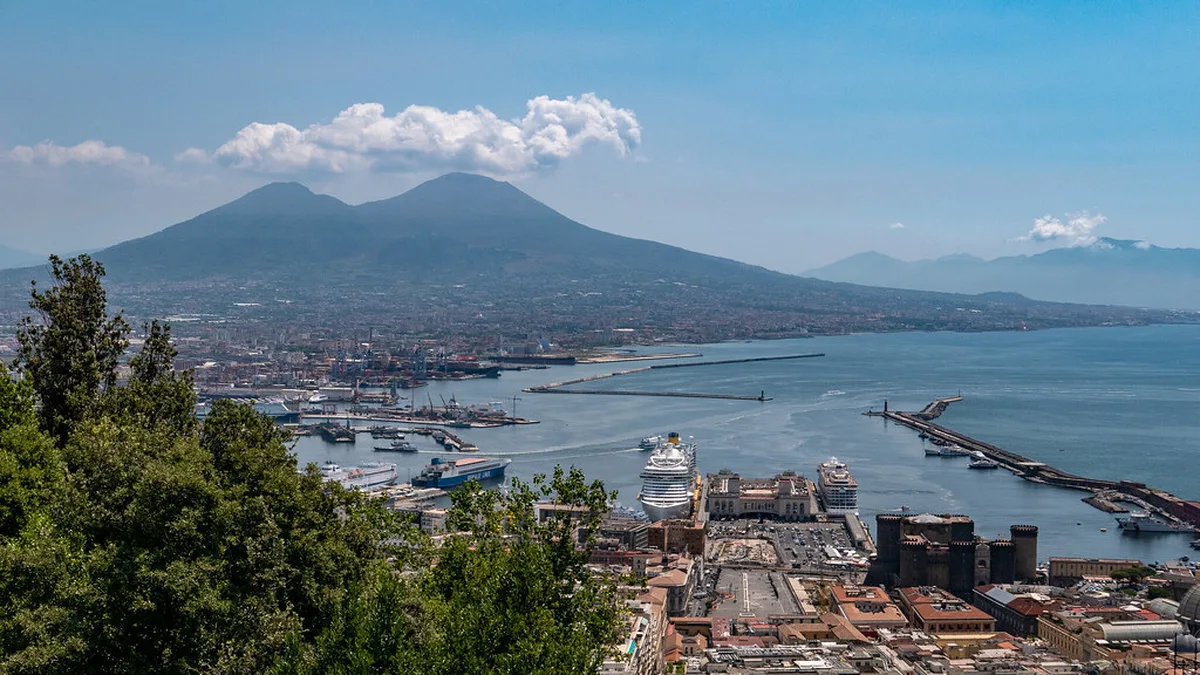
Gino Sorbillo at Via dei Tribunali 32 remains one of the most celebrated names on the Naples pizza circuit. The queue can stretch around the block by midday, so arrive before 11:45 AM or after 2:30 PM to minimize waiting. A Margherita here costs €5, a Marinara €4.50, and the seasonal specials top out around €9. The restaurant closes on Sundays; hours are Monday to Saturday 12:00–15:30 and 19:00–23:00.
L'Antica Pizzeria da Michele at Via Cesare Sersale 1 is arguably the most legendary address in all of Neapolitan pizza history. The menu is famously short — Margherita (€5) and Marinara (€4.50) — and nothing else. They do not take reservations; a paper number system operates from the door. Opening hours in 2026 are Monday to Saturday 11:00–23:00. Despite the simplicity, the quality of the dough and the ratio of toppings to base is exceptional.
Starita a Materdei at Via Materdei 27 in the Materdei district is the specialist for fried pizza. Pizza fritta here costs €3.50–5 depending on filling, while the classic wood-fired pies start at €6. The restaurant opened in 1901 and the family still runs it today. Hours are Tuesday to Sunday 12:00–15:00 and 19:00–23:00. The Materdei neighbourhood itself is one of the most authentic residential areas in the city, far removed from the tourist corridor of Via Toledo.
Look for the AVPN (Associazione Verace Pizza Napoletana) seal displayed at the entrance of any pizzeria. This certification guarantees the establishment follows strict authentic standards for dough hydration, oven temperature, and ingredient sourcing. Many smaller shops in the Spanish Quarter also carry this seal and offer pizza from €5–7 with a fraction of the queue. You might discover your personal favourite slice in a tiny alleyway far from the main tourist routes.
- Gino Sorbillo on Via dei Tribunali
- Type: Traditional Pizzeria
- Best for: Authentic Margherita
- Where: Historic Center
- Cost: €5–9
- Hours: Mon–Sat 12:00–15:30, 19:00–23:00
- L'Antica Pizzeria da Michele
- Type: Historic Pizza Shop
- Best for: Simple Menu — Margherita & Marinara only
- Where: Near Central Station
- Cost: €4.50–5
- Hours: Mon–Sat 11:00–23:00
- Starita a Materdei
- Type: Local Favorite
- Best for: Fried Pizza and Wood-Fired Classics
- Where: Materdei District
- Cost: €3.50–7
- Hours: Tue–Sun 12:00–15:00, 19:00–23:00
Traditional Trattorias for Authentic Neapolitan Flavors
Trattorias offer a cozy, no-frills atmosphere where you can taste hearty home-cooked meals at prices that are still honest in 2026. A full three-course meal — antipasto, primo, secondo — at a family-run trattoria will typically cost €18–28 per person including a glass of house wine. Pasta alla Genovese is the local favourite you must order: a rich, slow-cooked sauce of caramelised white onions and beef that has been simmering for four to six hours. It bears no resemblance to the basil-heavy Genoese pesto and is entirely unique to the Neapolitan kitchen.
Tandem Ragù at Via Sedile di Porto 51 is the undisputed specialist for slow-cooked Neapolitan ragù. The kitchen serves a short menu focused on three or four pasta shapes — rigatoni, ziti spezzati, and gnocchi — each paired with a sauce that has cooked overnight. Pasta dishes cost €10–14, and portions are generous enough to substitute for two courses. The restaurant is open Tuesday to Sunday for lunch (12:30–15:00) and dinner (19:30–22:30); booking online is strongly recommended for Friday and Saturday evenings.
Trattoria da Nennella in the Spanish Quarter at Vico Lungo Teatro Nuovo 103 is the most energetic dining experience in the city. Waiters shout the daily specials, customers sing along to old Neapolitan songs, and the noise level is genuinely joyful. A two-course lunch with wine costs around €12–15 per person, making it extraordinary value for money. Hours are Monday to Saturday 12:00–15:00 for lunch and 19:00–22:30 for dinner. No reservations are taken, so arrive fifteen minutes before opening to join the queue.
Fresh seafood is a trattoria staple because of the city's direct access to the Tyrrhenian Sea. Spaghetti alle vongole (with clams, €10–13) and linguine al cartoccio (mixed seafood in parchment, €14–16) are the dishes to order. The best seafood-focused trattorias cluster around Pozzuoli — a short metro ride from the historic center — where the catch arrives at the dock each morning. Seasonal catches ensure the menu stays fresh throughout the year, with ricci (sea urchin) at peak quality from November to March.
Many trattorias close for a few hours in the afternoon between lunch and dinner. Check operating times before you walk across the city, as hours can shift by 30–60 minutes seasonally. Booking a table is highly recommended for weekend evenings in popular neighbourhoods like Chiaia and the Spanish Quarter. Locals eat dinner later than visitors from northern Europe — the kitchen typically reaches its busiest point between 21:00 and 22:30, so an 8 PM booking will often get you a quiet table followed by the lively atmosphere once it fills up. Pair your dinner plans with our Naples 3-day itinerary to map the best restaurants into your daily route.
- Tandem Ragù in the Center
- Type: Pasta Specialist
- Best for: Slow-cooked Ragù and Genovese
- Where: Via Sedile di Porto 51
- Cost: €10–14 per pasta dish
- Hours: Tue–Sun 12:30–15:00, 19:30–22:30
- Trattoria da Nennella
- Type: High-Energy Dining
- Best for: Pasta e Patate, daily specials
- Where: Spanish Quarter
- Cost: €12–15 for two courses with wine
- Hours: Mon–Sat 12:00–15:00, 19:00–22:30
Street Food Gems for Quick and Tasty Bites
Street food is an essential part of the daily routine for many Neapolitan locals, not just tourists. The city's street food culture is centred on the principle that great ingredients need minimal preparation. A cuoppo — a paper cone filled with lightly fried seafood including calamari, shrimp, and small whole fish — costs €4–6 at a good friggitoria. These snacks are best eaten walking through the historic center while admiring the UNESCO-listed streetscape around you.
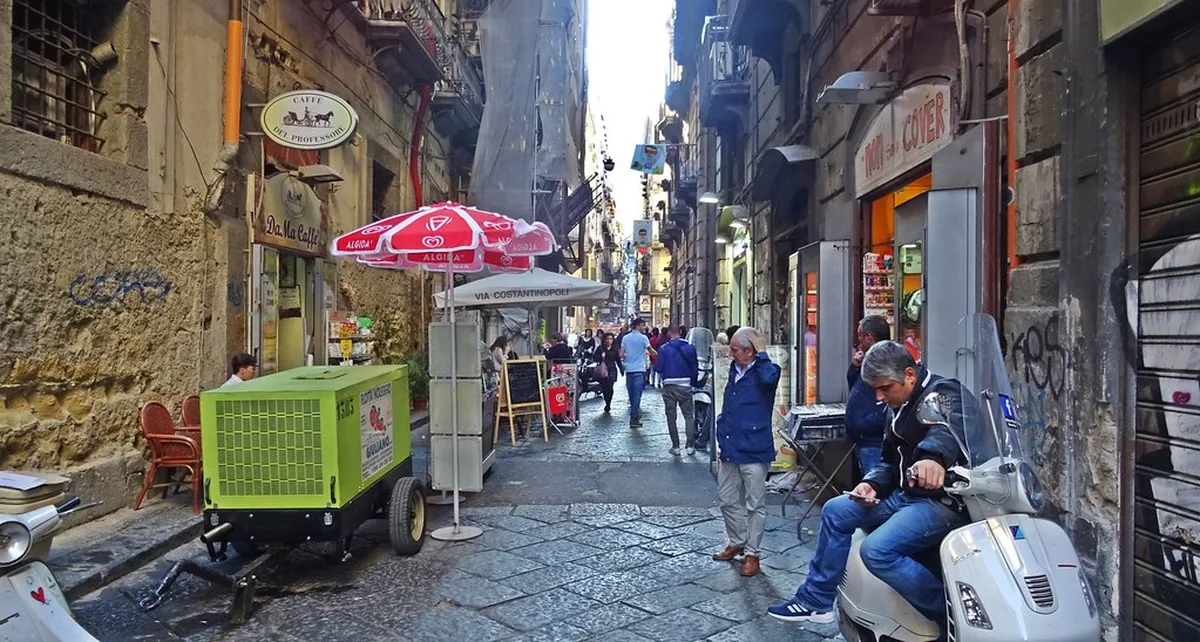
Pizza fritta is the original fast food of Naples and predates the baked version in many respects. At Antica Pizza Fritta da Esterina on Via dei Tribunali, a classic half-moon pizza fritta stuffed with ricotta, cicoli (pork crackling), and provola cheese costs €2.50. Larger filled versions with salami and mozzarella run €3–4. The stall opens at 9:00 AM and sells out by early afternoon on busy days, so go before noon. This is genuinely one of the most satisfying €2.50 meals you will find in any European city in 2026.
Sfogliatella is the most famous pastry you must try while exploring the city. The sfogliatella riccia — made from dozens of thin, crispy, overlapping pastry layers filled with semolina cream, ricotta, and candied peel — costs €1.50–2.50 at most bakeries. Sfogliatella Attanasio near the central station at Vico Ferrovia 2 is the benchmark address, open Monday to Saturday 06:30–19:30. The frolla version uses a softer shortcrust shell and is slightly cheaper. Pair your pastry with a Neapolitan espresso (€1 at the bar, standing) for the definitive morning experience.
The Pignasecca market on Via Pignasecca — a 10-minute walk from Piazza del Gesù Nuovo — is the best street food market in the city for a quick, diverse lunch. Vendors sell arancini (fried rice balls with ragù, €2–3), frittatina di pasta (fried pasta cake with béchamel, €2), and polpette (meatballs in sauce, €1.50–2 each). The market runs Monday to Saturday 07:00–14:00 and the busiest, freshest stretch is between 10:00 and 13:00. Budget €6–10 for a satisfying tasting lunch across three or four stalls.
Taralli are crunchy, savory biscuits flavoured with black pepper and toasted almonds and they cost €1.50–3 per bag from a local bakery. Locals eat them with a cold Peroni or a glass of Falanghina white wine while relaxing along the Lungomare seafront. Pick up a bag from one of the specialty bakeries in the Chiaia neighbourhood to keep in your day bag as a walking snack. If you are planning excursions outside the city, our Naples to Amalfi Coast day trip guide includes the best roadside food stops along the scenic SS163 coastal route.
- Antica Pizza Fritta da Esterina
- Type: Fried Pizza Stall
- Best for: Classic Pizza Fritta
- Where: Via dei Tribunali
- Cost: €2.50–4
- Hours: Daily 09:00–14:00 (sells out early)
- Sfogliatella Attanasio near Station
- Type: Traditional Bakery
- Best for: Fresh Sfogliatella Riccia
- Where: Vico Ferrovia 2
- Cost: €1.50–2.50
- Hours: Mon–Sat 06:30–19:30
- Pignasecca Market
- Type: Street Food Market
- Best for: Arancini, Frittatina, Polpette
- Where: Via Pignasecca
- Cost: €1.50–3 per item
- Hours: Mon–Sat 07:00–14:00
Waterfront Dining with Stunning Mediterranean Views
The Lungomare district stretches along the seafront from Castel dell'Ovo to Mergellina and offers some of the most atmospheric dining in the city. Restaurants here command a premium over the historic center — expect main courses of €18–35 for seafood, and set tasting menus from €55 per person at the more upscale addresses. The view of Mount Vesuvius across the bay at golden hour is worth every cent of the extra cost. Booking a window or terrace table 48–72 hours ahead is strongly recommended from April through October when outdoor seating fills up fast.
Palazzo Petrucci in Posillipo operates out of a stunning 18th-century villa at Via Posillipo 16. It holds a Michelin star and a reputation for creative reinterpretations of Neapolitan classics — think sea bass in lemon leaf, spaghetti with sea urchin and bottarga, and baba al rum made to the original recipe. A three-course à la carte dinner runs approximately €85–110 per person before wine. Reservations are essential; the restaurant is open Tuesday to Sunday for dinner (19:30–22:30) and Friday to Sunday for lunch (13:00–15:00).
Zi Teresa at Borgo Marinari occupies a prime spot in the small harbour beside Castel dell'Ovo, with outdoor tables directly above the water. It is a classic seafood restaurant rather than fine dining — a mixed antipasto of raw shellfish costs €16, linguine alle cozze (mussels, €13), grilled branzino (sea bass) with capers and olive oil around €22. The setting is remarkably romantic for the price. Open daily 12:00–15:30 and 19:00–23:00. This is the perfect dinner destination after a walk along the castle walls, or an excellent stop on any Naples nightlife guide evening route.
Posillipo itself is a hilltop residential neighbourhood to the west of the centre, accessible by a 20-minute taxi ride or by the Cumana railway line. Several trattorias here serve lunch to local families, with full meals from €20–28 per person in an atmosphere completely removed from the tourist circuit. The neighbourhood also hosts a Sunday market that sells fresh fish directly from boats moored at the small pier. This area is further close to some of the Naples best beaches for an easy post-meal stroll down to the waterline.
Borgo Marinari is a small harbour right at the foot of Castel dell'Ovo, with four or five restaurants whose tables extend over the water on wooden platforms. The sound of waves lapping against moored boats, the reflection of the castle in the water, and the steady stream of pleasure craft give the whole area an almost cinematic quality. Arrive before 20:00 for the best walk-in availability, and always check your bill for the coperto charge (typically €2–3 per person) which is standard at all waterfront establishments.
- Palazzo Petrucci in Posillipo
- Type: Fine Dining (Michelin Star)
- Best for: Creative Neapolitan tasting menu
- Where: Via Posillipo 16
- Cost: €85–110 per person (dinner)
- Hours: Tue–Sun 19:30–22:30; Fri–Sun also 13:00–15:00
- Zi Teresa at Borgo Marinari
- Type: Classic Seafood
- Best for: Harbour views, fresh shellfish
- Where: Borgo Marinari (beside Castel dell'Ovo)
- Cost: €13–22 per main
- Hours: Daily 12:00–15:30, 19:00–23:00
Naples Street Food and Pizza Guide 2026: Pizza Fritta, Cuoppo, and the Best Spots
The best Neapolitan pizza spots for 2026 combine the legendary pizzerias listed above with a thriving new generation of artisan addresses. Understanding the full price landscape helps you plan your food budget accurately. A Margherita pizza at a top-rated local pizzeria costs €5–8. Adding a starter (bruschetta, €3–4), a house wine carafe (€6–8 per 500ml), and a dessert (pastiera €3–4) brings a complete pizza dinner to around €17–25 per person — still excellent value compared to comparable dining in Rome or Milan.
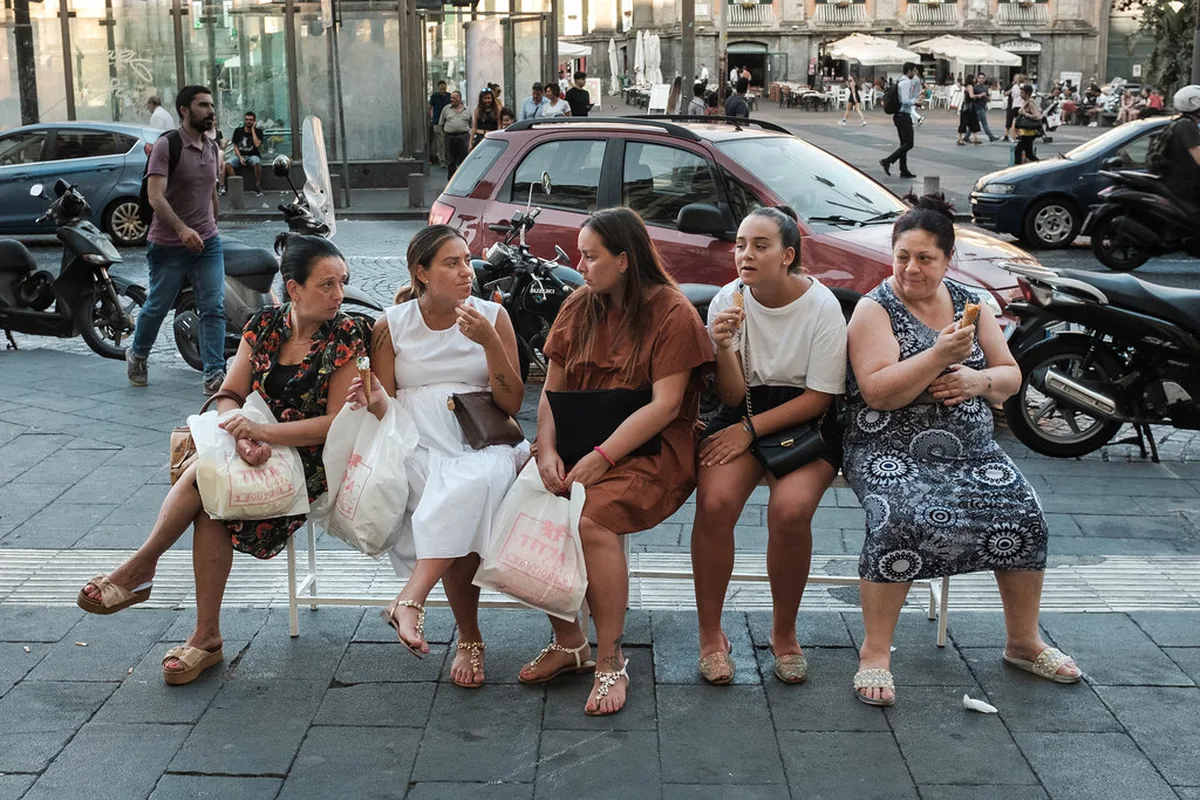
50 Kalò at Piazza Sannazaro 201 in the Mergellina neighbourhood is consistently rated among the top five pizzerias in the world in independent guides. Chef Ciro Salvo's dough ferments for 36 hours, producing a pizza that is light, easily digestible, and slightly more complex in flavour than the pure minimalist style of Da Michele. A Margherita costs €7, a Marinara €6, and specialty pizzas with local ingredients like provolone del Monaco or friarielli (Neapolitan broccoli rabe) range €9–12. The restaurant is open daily 12:00–15:30 and 19:00–23:30; online bookings are available and recommended.
Pizza fritta occupies a category of its own in the street food hierarchy. The key addresses in 2026 are: Esterina Sorbillo (daughter of the Sorbillo dynasty) at Piazza Trieste e Trento near the Royal Palace (€2.50–3.50 per pizza fritta, daily 09:00–19:00); Friggitoria Vomero at Via Cimarosa 44 in the affluent Vomero district (€2–3, open from 10:00); and the traditional frying stations along Via Pignasecca during market hours. Pizza fritta is street food at its most honest — high quality, extremely cheap, and sold hot from the pan.
The cuoppo di pesce (fried fish cone) deserves more attention than it typically receives in travel guides. The best versions are made at friggitorie — specialist frying shops — that operate from late morning. Friggitoria Fiorenzano at Piazza Montesanto 1 is considered the benchmark, open Monday to Saturday 09:30–14:30. A small cuoppo costs €3.50, a large €5. The contents vary daily but typically include seppia (cuttlefish), alici (anchovies), gamberi (small shrimp), and sometimes moscardini (baby octopus). Eat immediately while everything is still crisp from the oil.
Sfogliatella and other pastry street food round out the morning food walk. Beyond Attanasio near the station, Pasticceria Mennella at Via Giuseppe Piazzi 24 in Chiaia is the most refined producer in the city, with sfogliatelle at €2.50 and a seasonal range of cream-filled pastries. Zeppole di San Giuseppe — choux pastry rings filled with pastry cream and black cherry, traditionally eaten on 19 March — appear in bakeries across the city from late February and cost €2–3. The Spaccanapoli street, which bisects the historic centre from east to west, concentrates most of the best street food vendors into a single navigable route.
- 50 Kalò at Mergellina
- Type: Artisan Pizzeria
- Best for: Long-ferment Neapolitan pizza, specialty toppings
- Where: Piazza Sannazaro 201
- Cost: €6–12 per pizza
- Hours: Daily 12:00–15:30, 19:00–23:30
- Friggitoria Fiorenzano
- Type: Traditional Frying Shop
- Best for: Cuoppo di Pesce (fried fish cone)
- Where: Piazza Montesanto 1
- Cost: €3.50–5
- Hours: Mon–Sat 09:30–14:30
- Esterina Sorbillo Pizza Fritta
- Type: Street Food Stall
- Best for: Pizza Fritta, quick bite
- Where: Piazza Trieste e Trento
- Cost: €2.50–3.50
- Hours: Daily 09:00–19:00
Campanian Wines and Local Drinks to Try in Naples
Naples sits at the heart of Campania, one of Italy's most underrated wine regions, and the local wine list at any good trattoria is worth exploring beyond the generic house wine. Falanghina del Sannio is the flagship white grape of the region — crisp, mineral-driven, and faintly floral, it pairs beautifully with fried seafood, pizza, and raw shellfish. A glass at a wine bar in the Chiaia neighbourhood costs €4–6, while a bottle at a mid-range restaurant runs €18–28. Look specifically for producers from the Campi Flegrei DOC zone, where volcanic soils add a distinctive saline character to the grape.
Greco di Tufo DOCG is the most prestigious Campanian white and is produced from ancient Greek grape varieties that have been cultivated on the volcanic hills northeast of Naples since antiquity. It is fuller-bodied than Falanghina, with stone fruit aromas and a lingering minerality that makes it ideal alongside grilled branzino or linguine al cartoccio. At Enoteca Belledonne in the Chiaia district at Via Belledonne a Chiaia 18 — open Monday to Saturday 17:00–23:30 — you can taste a 100ml pour for €3.50–5 alongside a small plate of local cheeses (provola affumicata, €6–8 for a sharing board). This wine bar is genuinely popular with local professionals rather than tourists and represents one of the most authentic evening stops in the city.
Aglianico is the dominant red grape of Campania and forms the backbone of Taurasi DOCG, the region's most serious red wine. Made from grapes grown on volcanic hillside terraces at 400–700 metres altitude east of Naples, Taurasi requires a minimum of three years of ageing before release, producing an intensely structured wine with notes of dark cherry, tar, leather, and dried herbs. At fine dining restaurants in Naples, a Taurasi from a top producer like Feudi di San Gregorio or Mastroberardino will cost €35–60 per bottle on the wine list. By the glass, expect €8–12 at a specialist enoteca. It is a natural partner to slow-cooked ragù, braised lamb, and aged cheeses.
Limoncello is the essential Neapolitan digestivo and the correct way to finish any meal in the city. Authentic versions are made from Sorrento peninsula lemons — large, thick-skinned, intensely aromatic IGP-certified fruit — steeped in pure alcohol for several weeks and then diluted with sugar syrup. The result should be served ice-cold (stored in the freezer) in a chilled ceramic or glass vessel. At restaurants, a post-dinner shot costs €2–3. Limoncello di Capri at Via Roma 79 in Naples produces one of the finest commercial versions available, and their shop also stocks Cremoncello (cream-based variant), Nocillo (walnut liqueur, €4 per shot), and limoncello-based chocolate truffles at €1.50 each. The Campania region also produces Strega, a herbal liqueur from Benevento flavoured with over 70 herbs and spices, served at €3–4 per shot at most traditional bars.
Neapolitan coffee culture is inseparable from the dining experience and deserves its own paragraph. An espresso at a standing bar costs exactly €1 in most of the historic centre — this is one of the last Italian cities where the municipal government has informally maintained downward pressure on espresso prices. Caffè sospeso (suspended coffee) is a Neapolitan tradition where customers prepay a coffee for a stranger in need, displayed on a chalkboard behind the bar. Gran Caffè Gambrinus at Piazza Trieste e Trento 1, open daily 07:00–23:00, has been serving coffee since 1860 and charges €1.50 at the bar (the terrace seating adds a service premium of €3–5). The espresso here is the benchmark for the city — short, dark, intensely aromatic, with a thick crema and zero bitterness. Order a cornetto ripieno (filled croissant, €1.50) alongside for the quintessential Neapolitan breakfast.
- Enoteca Belledonne (Chiaia)
- Type: Wine Bar
- Best for: Campanian whites by the glass — Falanghina, Greco di Tufo
- Where: Via Belledonne a Chiaia 18
- Cost: €3.50–6 per glass; cheese board €6–8
- Hours: Mon–Sat 17:00–23:30
- Gran Caffè Gambrinus
- Type: Historic Coffee House
- Best for: Espresso, cornetto, people-watching
- Where: Piazza Trieste e Trento 1
- Cost: €1–1.50 at bar
- Hours: Daily 07:00–23:00
- Limoncello di Capri Shop
- Type: Liqueur Specialist
- Best for: Authentic Sorrento-lemon limoncello and digestivi
- Where: Via Roma 79, Naples
- Cost: €2–4 per tasting shot
Smart Dining Tips to Avoid Common Tourist Mistakes
Many tourists make the mistake of ordering a latte during or after their dinner meal. Italians in Naples typically drink a short, dark espresso after food rather than a milky coffee — a cappuccino after noon is a reliable signal to a waiter that you are a tourist. Ordering tap water is also unusual here; most places will bring bottled still or sparkling mineral water (€1.50–2.50 per litre), and it may arrive automatically once you sit down. These small cultural details help you blend in and often result in warmer service from staff who appreciate the respect for local custom.
Tipping is not mandatory in Naples and is culturally very different from North America. Italians at trattorias typically round up the bill or leave €1–2 on the table for excellent service. For a group of four at a waterfront restaurant after a €100 meal, leaving €5–8 is generous and appropriate. Most locals do not tip at street food stalls or cafés. Always check if a service charge or coperto has already been included in your final total before leaving extra cash on the table.
Avoid restaurants that have large laminated picture menus displayed outside on the sidewalk with photos of each dish. These are almost always geared toward tourists and typically charge 30–50% more than the local equivalent. The strongest signal of a genuine local restaurant is a handwritten or minimal printed menu, no pictures, and at least half the patrons speaking Italian. Smaller menus of 8–12 items indicate that the kitchen focuses on a limited range of fresh, seasonal ingredients rather than frozen stock.
Bread is often placed on the table even if you did not ask for it. This is usually included in the coperto charge — €1.50–3 per person — which covers the table setting, bread, and service overhead. You will see this fee listed at the bottom of the printed menu before you order. Understanding these costs prevents surprises when the bill arrives. The coperto is standard and legal; refusing to pay it after accepting the table is considered poor form. If you are on a tight budget, ask about the coperto before sitting down and some casual trattorias will waive it for you.
The best time to eat lunch is between 12:30 and 13:30 when the kitchen is at peak freshness. Evening dining before 20:00 is considered an early bird schedule by Neapolitan standards, but it guarantees quieter service and better attention from your waiter. Pair your restaurant itinerary with a Naples city pass if you plan to combine sightseeing and dining on the same day, as several passes include discounts at partner restaurants. For excursions that combine food with scenery, our guide to day trips from Naples includes Pompeii wine estates and Amalfi Coast restaurants accessible in a single day. If you are curious about safety in the neighbourhoods where many of the best restaurants are located, our is Naples safe for tourists guide covers the Spanish Quarter, Materdei, and Pignasecca area in detail.
Frequently Asked Questions
What are the best Naples restaurants for traditional pizza in 2026?
The best spots for traditional Neapolitan pizza in 2026 are Gino Sorbillo (Via dei Tribunali 32, Margherita €5), L'Antica Pizzeria da Michele (Via Cesare Sersale 1, Margherita €5), Starita a Materdei (Via Materdei 27, from €6), and 50 Kalò (Piazza Sannazaro 201, Mergellina, from €7). All four use wood-fired ovens and AVPN-certified dough. Sorbillo and 50 Kalò take bookings online; Da Michele and Starita are walk-in only. Arriving before noon or after 14:30 is the best way to avoid queuing.
How much does a meal cost in Naples restaurants in 2026?
In 2026, a classic pizza costs €5–8 at a local Neapolitan pizzeria. A full dinner at a trattoria — pasta, secondo, house wine — ranges from €18–28 per person. Street food like pizza fritta costs €2.50–4, a cuoppo di pesce (fried fish cone) €3.50–5, and a sfogliatella pastry €1.50–2.50. Fine dining at Michelin-starred Palazzo Petrucci in Posillipo costs €85–110 per person for a tasting menu. All sit-down restaurants add a coperto cover charge of €1.50–3 per person.
Do I need to make reservations for restaurants in Naples?
Reservations are strongly recommended for popular trattorias like Tandem Ragù (Via Sedile di Porto 51) and upscale waterfront restaurants like Palazzo Petrucci (Via Posillipo 16), especially Thursday through Saturday evenings from April to October. Famous pizzerias like Da Michele and Starita do not take bookings and use a walk-in number system. Arriving at least 15 minutes before opening is the most reliable strategy to secure a table without a long wait. Booking via restaurant websites or Google reservations is available at most mid-range and upscale Naples dining spots.
What is the typical dinner time in Naples?
Locals in Naples eat dinner considerably later than visitors from northern Europe or North America. Most restaurants open for evening service around 19:30, but the dining room fills up between 20:30 and 22:00 when the local crowd arrives. If you book a 19:30 table you will often have quiet, attentive service before the room gets busy. Lunch runs from 12:30 to 15:00, followed by an afternoon closure until 19:00–19:30. Many trattorias are closed on Sundays or Mondays, so always check hours before you walk across the city.
What is the best street food to try in Naples in 2026?
The five essential Naples street foods in 2026 are: pizza fritta (fried pizza, €2.50–4 at Esterina Sorbillo on Piazza Trieste e Trento or Starita a Materdei on Via Materdei 27), cuoppo di pesce (fried fish cone, €3.50–5 at Friggitoria Fiorenzano on Piazza Montesanto 1), sfogliatella riccia (flaky pastry with ricotta cream, €1.50–2.50 at Attanasio on Vico Ferrovia 2), frittatina di pasta (fried pasta cake with béchamel, €2 at Pignasecca market), and arancini di riso (fried rice balls with ragù, €2–3). All are best eaten immediately after purchase. The Spaccanapoli street and Pignasecca market area on Via Pignasecca offer the highest density of quality street food vendors within walking distance.
Are there good vegetarian and vegan dining options in Naples?
Naples is more vegetarian-friendly than its meat-and-seafood reputation suggests. Pizza Margherita and Marinara are naturally vegetarian. Pasta e patate (pasta with potato and provola), spaghetti al pomodoro with San Marzano DOP tomatoes, and melanzane alla parmigiana (aubergine parmigiana) are traditional Neapolitan dishes that are entirely meat-free, available at most trattorias for €8–12 per portion. Dedicated vegetarian restaurants include Fantasia Gelati on Via Toledo and several spots around the Vomero district. For vegan options, ask for pizza without mozzarella (marinara style) and specify senza latticini (dairy-free); most kitchens will accommodate without difficulty.
What local wines should I try in Naples and how much do they cost?
Campania produces some of Italy's most distinctive wines. Order Falanghina del Sannio (€4–6 per glass) with seafood and pizza, Greco di Tufo DOCG (€5–8 per glass) with grilled fish, and Taurasi DOCG — Campania's most prestigious red — with slow-cooked ragù or lamb. Taurasi by the glass costs €8–12 at a specialist enoteca; a bottle at a restaurant runs €35–60. Enoteca Belledonne at Via Belledonne a Chiaia 18 in the Chiaia neighbourhood (open Mon–Sat 17:00–23:30) is the best wine bar in the city for tasting these varieties alongside a local cheese board for €6–8. Finish any meal with limoncello (€2–3 per shot), made from IGP-certified Sorrento lemons.
What is a coperto and how much should I expect to pay in Naples?
A coperto is a cover charge applied at virtually all sit-down restaurants in Naples. It covers the table setting, bread, and service overhead, and typically costs €1.50–3 per person. It is listed on the printed menu before you order. The coperto is legal and standard — you cannot refuse it after accepting the table. Street food stalls, takeaway pizzerias like Da Michele, and market vendors do not charge a coperto. If you are on a very tight budget, ask informally before sitting whether the coperto applies; some casual trattorias will waive it for solo diners or at off-peak hours.
Naples offers a culinary adventure that is both deeply traditional and genuinely exciting for food-focused travellers in 2026. You can find everything from world-class pizza at €5 to Michelin-starred seafood by the sparkling bay. Exploring the diverse food scene is one of the most rewarding highlights of any trip to southern Italy. Every meal provides a direct connection to local culture, history, and the extraordinary produce of the Campania region.
Remember to step away from the tourist traps and seek out local favourites in the Spanish Quarter, Materdei, and Mergellina. Trying new flavours like fried pizza at €2.50 or a sfogliatella warm from the oven at €1.50–2.50 will genuinely enrich your travel experience. Keep this guide at hand as you navigate the busy streets and hidden alleyways of the historic centre. Your taste buds will thank you for choosing the most authentic dining spots over the convenient but forgettable tourist options.
We hope this guide helps you find the perfect meal during your 2026 visit to Naples. Safe travels and enjoy every bite of the incredible Neapolitan cuisine. Naples is waiting to serve you its very best flavours, from the simplest pizza fritta on a street corner to a candlelit dinner beside the Castel dell'Ovo.