Exploring Naples: A Perfect 3-Day Itinerary for 2026
Three days in Naples covers Da Michele pizza (€6–8), the National Archaeological Museum (€20), Castel Sant'Elmo (€5), and Pompeii via Circumvesuviana train for €2.50 each way.
Napoli Sotterranea underground tour costs €15 in 2026, Sansevero Chapel (Veiled Christ) is €9, and the Certosa di San Martino monastery museum entry is €6.
Naples is a city of layers, where ancient history meets vibrant street life in every narrow alleyway. Following a Naples 3-day itinerary allows you to see the city's authentic soul immediately. This 2026 guide helps you navigate the bustling chaos and find the hidden treasures of southern Italy.
Visitors often find the historic center overwhelming at first, but the energy becomes infectious after a few hours. You will discover stunning churches, world-class museums, and the most famous pizza on the planet. Prepare for a sensory journey that combines gritty urban charm with breathtaking coastal vistas.
Planning your route in advance ensures you maximize your time in this dense metropolitan area. Our curated plan balances major landmarks with local spots that many tourists often overlook. Get ready to experience the best of Naples through a carefully crafted three-day adventure.
Day 1: Historic Center and Underground Wonders
Starting your journey in the UNESCO-listed Centro Storico provides an immediate immersion into Neapolitan culture. The area is a labyrinth of shops, churches, and workshops that have operated for centuries. Begin at the Duomo di Napoli on Via Duomo by 9:00 AM — entry is free and the Blood of San Gennaro reliquary is typically accessible in the side chapel before the main crowds arrive. The cathedral's interior, rebuilt in Gothic-Angevin style in the 14th century, houses a baptistery dating to the 4th century, making it one of the oldest Christian structures in the Western world.

Walking down Spaccanapoli, the straight Roman road that literally splits the old city in two, reveals the true pulse of Naples. This narrow thoroughfare is lined with artisanal shops selling traditional presepi (nativity scenes) and local crafts. Stop at a stand-up espresso bar along Via San Biagio dei Librai — a coffee costs €1.00–1.20 in 2026. Many travelers find this the best place to find unique souvenirs while watching street vendors and local schoolchildren share the same chaotic stage.
By 10:00 AM, head to L'Antica Pizzeria da Michele on Via Cesare Sersale 1 for a legendary pizza. Queue from 10:00 AM to beat the worst of the wait — a Margherita or Marinara runs just €6–8 in 2026. The place does not take bookings; a numbered ticket system controls entry, so arrive early or expect a 30-to-60-minute wait during lunch peak hours.
Descending into the earth at Napoli Sotterranea (entry €15 in 2026, book online at napolisotterranea.org) offers a fascinating look at the city's Greek and Roman foundations. The guided tour lasts approximately 80 minutes and descends 40 metres below street level. These tunnels served as aqueducts for over two millennia and as air-raid shelters during World War II, a dual history you can feel in the cool, dimly lit chambers. Tours depart at 10:00 AM, 12:00 PM, 2:00 PM, and 4:00 PM; the noon slot books out fastest online.
Afternoons are perfect for visiting the Cappella Sansevero on Via Francesco De Sanctis — home to the Veiled Christ marble sculpture (entry €9 in 2026). This statue is renowned for its incredible detail: the translucent marble veil over the face took sculptor Giuseppe Sanmartino two years to complete in 1753. Book tickets online to guarantee entry, especially from March to October when queues can stretch 45 minutes.
For dinner, Trattoria da Nennella in the Quartieri Spagnoli serves classic Neapolitan comfort dishes — pasta e fagioli, ragù, and fried eggplant — for €10–14 per person in 2026. The communal tables and raucous atmosphere are as memorable as the food itself.
- Naples Cathedral (Duomo di Napoli)
- Time: 9:00 AM
- Cost: Free entry
- Highlight: San Gennaro vials, 4th-century baptistery, ornate Gothic interior
- Location: Via Duomo, Centro Storico
- Da Michele Pizza
- Time: 10:00–10:30 AM (arrive early)
- Cost: €6–8 per pizza (2026)
- Must-do: Margherita or Marinara only — the entire menu
- Address: Via Cesare Sersale 1
- Spaccanapoli and Centro Storico Walk
- Time: Mid-morning
- Vibe: High energy, artisan shops, street food
- Must-see: Via San Biagio dei Librai, fried pizza from a street stall
- Napoli Sotterranea
- Time: 12:00 PM or 2:00 PM tour slot
- Cost: €15 (2026) — book online at napolisotterranea.org
- Duration: ~80 minutes
- Cappella Sansevero (Veiled Christ)
- Time: 3:00–4:30 PM
- Cost: €9 — book online
- Highlight: Sanmartino's translucent marble veil masterpiece
Day 2: Panoramic Views and Artistic Masterpieces
The second day of your itinerary focuses on the higher elevations of the city and its rich artistic heritage. Start your morning at the National Archaeological Museum (MANN) on Piazza Museo Nazionale by 9:00 AM — entry is €20 in 2026. The museum houses the Farnese collection of Roman sculpture and the single largest collection of Pompeii treasures outside the excavation site itself, including the celebrated Alexander Mosaic and the Secret Cabinet of erotic art, which requires separate registration at the ticket desk. Allow a minimum of two hours; the Farnese Hercules alone is worth the walk through the gallery's grand ground-floor halls.
After MANN, use our Naples funicular guide to navigate the Chiaia or Centrale lines up to the Vomero district. A single ticket costs €1.30 in 2026 and covers a 90-minute window across metro, bus, and funicular lines. The Centrale funicular departs from a station directly off Via Toledo and rises steeply through the hillside in just four minutes — one of the most dramatic short rides in any European city.
Castel Sant'Elmo provides the most comprehensive 360-degree view of the city, Mount Vesuvius, and the bay. Entry is €5 in 2026; the fortress is open Wednesday to Monday, 8:30 AM to 7:30 PM (last entry 6:30 PM). The star-shaped Angevin fortification, cut directly from the tufa rock in the 14th century, is a quiet escape from the noise of the streets below. Photography enthusiasts should visit between 11:00 AM and 1:00 PM for soft light on the volcanic landscape, or around 4:00 PM for warm golden tones on Vesuvius.
Adjacent to the castle, the Certosa di San Martino is a former Carthusian monastery converted into a museum of Neapolitan art and history. Entry is €6 in 2026; open the same hours as Castel Sant'Elmo. The museum holds an exceptional collection of historic presepi (Baroque nativity scenes), 19th-century Neapolitan paintings, and carriages from the Bourbon court. The cloisters — designed by Cosimo Fanzago in the 17th century — are among the finest examples of Neapolitan Baroque architecture and well worth the ticket price alone.
Evening is the ideal time to explore the Quartieri Spagnoli (Spanish Quarters), known for narrow grids, hanging laundry, and iconic street murals of Diego Maradona on Via Emanuele De Deo. This neighborhood has transformed into a lively spot for aperitivo bars and small trattorias. Walk down to Via Toledo and the glass-vaulted Galleria Umberto I before dinner — aperitivo at a bar on Via Toledo runs €5–8 in 2026 including a snack plate. For dinner, try Osteria da Carmela near the Museo Nazionale for fresh pasta dishes around €12–16 per person.
- National Archaeological Museum (MANN)
- Time: 9:00 AM opening
- Cost: €20 (2026)
- Highlights: Farnese Hercules, Alexander Mosaic, Secret Cabinet, Pompeii artifacts
- Tip: Buy tickets at the door or online — rarely sells out midweek
- Funicular to Vomero
- Cost: €1.30 single ride (2026), valid 90 minutes
- Lines: Centrale (from Via Toledo) or Chiaia (from Via Parco Margherita)
- Castel Sant'Elmo
- Time: 11:30 AM–1:00 PM
- Cost: €5 (2026)
- Hours: Wed–Mon 8:30 AM–7:30 PM
- Best for: Panoramic views of Vesuvius and the bay
- Certosa di San Martino
- Time: After Castel Sant'Elmo
- Cost: €6 (2026)
- Highlight: Baroque cloisters, historic presepi, Bourbon royal carriages
- Quartieri Spagnoli + Galleria Umberto I
- Time: Evening
- Aperitivo: €5–8 including snacks along Via Toledo
- Vibe: Maradona murals, aperitivo bars, lively street life
Day 3: Coastal Beauty and Ancient History
Your final day offers a choice between the serene coastline or a trip back in time to Pompeii. Many travelers choose to take one of the popular day trips from Naples to see the ruins. The Circumvesuviana train makes this excursion affordable and relatively straightforward for independent explorers — and it remains the single most popular day trip from the city in 2026. For a royal experience, consider visiting the Reggia di Caserta, a stunning Bourbon palace just a short train ride away.

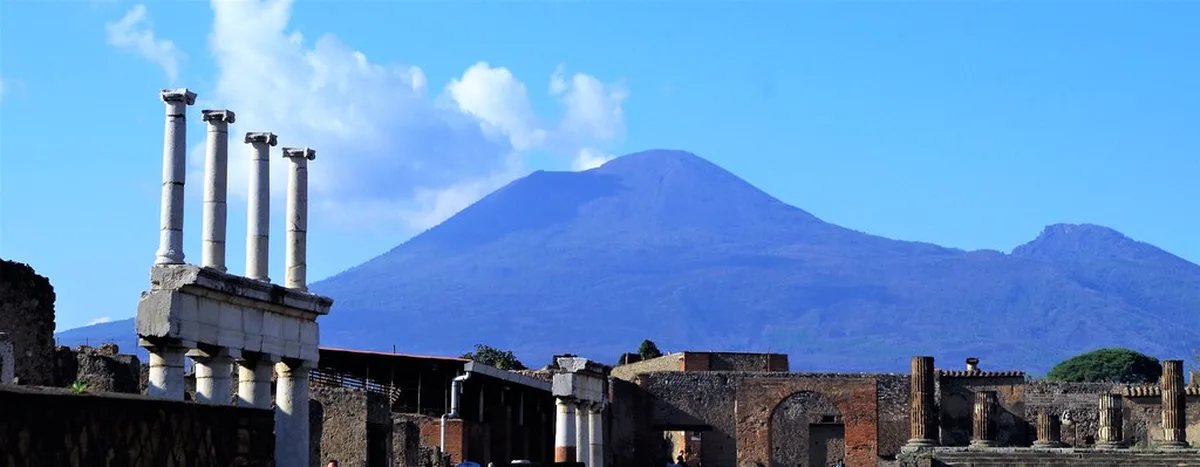
Catch the Circumvesuviana train from Piazza Garibaldi station (lower level beneath Naples Centrale) as early as possible — trains run frequently from around 6:00 AM. The journey to Pompei Scavi – Villa dei Misteri station takes approximately 35 minutes and costs €2.50 each way in 2026. Buy tickets at the dedicated Circumvesuviana ticket windows (separate from Trenitalia) or via the EAV app before boarding. Pompeii entry is €16 per adult in 2026; book your timed-entry slot online at pompeii-sites.it to skip the ticket queue, especially from April to October when waits can reach 45 minutes.
Plan to spend at least 3–4 hours inside the ruins. Highlights include the Forum, the Villa of the Mysteries (frescoes depicting Dionysian initiation rites), the amphitheater (the oldest surviving Roman amphitheater still intact), and the haunting plaster casts of victims in the Garden of the Fugitives. Bring water and sun protection — there is very little shade across the vast excavation site. The on-site cafeteria near the Forum charges elevated prices (€5–7 for a panino); pack snacks or eat a full breakfast in Naples before departure.
If you prefer to stay in the city on your last day, walk along the Lungomare instead — a pedestrianized waterfront stretching over three kilometres with views of Capri floating on the horizon. You will pass local fishermen, joggers, and grand hotels including the Grand Hotel Vesuvio (Via Partenope 45) that define Naples's elegant side. The walk from Castel dell'Ovo to the Mergellina seafront takes roughly 40 minutes at a leisurely pace.
Castel dell'Ovo sits on a small island — the Megaride — connected to the mainland by a short bridge. Entry is free in 2026, making it an excellent budget-friendly stop for panoramic sea views. Conclude your trip with a sunset at the harbor and a final seafood dinner near the water at Ristorante Zi' Teresa (Borgo Marinari) — spaghetti alle vongole using the day's catch costs around €14–16 and is the classic choice alongside a carafe of local Falanghina white wine (€8–10).
- Circumvesuviana to Pompeii
- Depart: 8:00–8:30 AM from Piazza Garibaldi (Circumvesuviana lower level)
- Train cost: €2.50 each way (2026)
- Journey: 35 minutes — direction Sorrento or Sarno, alight at Pompei Scavi
- Pompeii entry: €16 adult (book timed slot at pompeii-sites.it)
- Time on site: 3–4 hours minimum
- Castel dell'Ovo (afternoon, if returning early)
- Cost: Free entry
- Best for: Sea views, Borgo Marinari neighborhood, photography
- Lungomare Sunset Walk
- Time: Late afternoon / early evening
- Route: Castel dell'Ovo to Mergellina (~40 minutes)
- Highlights: Views of Capri, Vesuvius silhouette, fishing boats
- Dinner at Borgo Marinari
- Spaghetti alle vongole: €14–16 per plate (2026)
- Falanghina carafe: €8–10
Naples to Pompeii: Essential Day Trip Info
Direct answer: Take the Circumvesuviana train from Piazza Garibaldi (Naples Centrale lower level) to Pompei Scavi – Villa dei Misteri station. The fare is €2.50 each way in 2026 and the journey takes 35 minutes. Trains run every 30 minutes throughout the day from approximately 6:00 AM to 10:30 PM.
The Circumvesuviana is a regional rail line operated by EAV that also serves Herculaneum (Ercolano Scavi stop, 15 minutes from Naples, €1.50 each way). If you are torn between Pompeii and Herculaneum, note that Herculaneum is smaller, better preserved, and significantly less crowded — a strong choice if you have only a half-day or find Pompeii's scale overwhelming. Herculaneum entry is also €16 in 2026, and the site takes roughly 2–3 hours to explore thoroughly.
Key logistics for a Pompeii day trip in 2026:
- Train: Circumvesuviana from Piazza Garibaldi, direction Sorrento or Sarno — alight at Pompei Scavi – Villa dei Misteri (not the FS Pompeii stop)
- Cost: €2.50 each way; buy at the Circumvesuviana ticket windows (separate from Trenitalia) or via the EAV app
- Pompeii entry: €16 adult — book a timed-entry slot at pompeii-sites.it; EU citizens under 18 enter free; reduced rate (€2) applies to EU citizens aged 18–25
- Time needed: 3–4 hours for a thorough visit; allow a full morning if you plan to see the Villa of the Mysteries and the amphitheater
- What to bring: Water (buy a bottle before entering the site), sun hat and sunscreen (very little shade), comfortable closed-toe shoes (uneven ancient cobblestones throughout)
- Avoid: Peak midday heat in summer (July–August); aim to enter by 9:00 AM and leave by 1:00 PM
- Cafeteria: On-site café charges €5–7 for a panino; eat a substantial breakfast in Naples before departure
An audio guide rental at the Pompeii entrance costs €8 in 2026 and is worth the investment — the site has minimal on-site interpretation signage. A guided group tour booked in advance typically runs €15–20 per person and provides academic context for the plaster casts and fresco programs that individual visitors often struggle to interpret.
For those considering the Naples to Amalfi Coast day trip as an alternative on Day 3, the SITA bus from Salerno or the ferry from Molo Beverello (€20–26 each way in 2026) provide excellent options when the weather is good and sea conditions are calm.
Planning Your Naples 3-Day Itinerary Logistics
Understanding the local logistics is key to a stress-free visit to southern Italy. While the city is generally safe, you should always check is Naples safe for tourists for the latest neighborhood advice and practical precautions. Keeping your belongings secure in crowded areas like the central station, Spaccanapoli, and the Circumvesuviana platforms is a standard precaution that most experienced travelers follow.
Driving in the city center is notoriously difficult and often strongly discouraged for first-time visitors. If you arrive by car, reading up on parking in Naples beforehand will save you significant frustration. Most travelers find that using the metro, buses, and funiculars is much faster and considerably cheaper — a single ANM ticket covers 90 minutes of travel across all modes for €1.30 in 2026, and a 24-hour pass is available for €4.50.
Purchasing a Campania ArteCard can provide excellent value for museum entries and public transport. The 3-day Naples card (€35 in 2026) covers unlimited public transport plus free entry to the first two museums and 50% off subsequent sites. It typically pays for itself if you visit MANN (€20) and Castel Sant'Elmo (€5) on the same day. Cards are sold at the airport, Piazza Garibaldi, and at major museum ticket offices.
Staying centrally near the port or the historic center allows for easy walking access to most Day 1 sites. Hotels in the Chiaia district (around Piazza dei Martiri) offer a more upscale experience — expect €120–200 per room per night in 2026 peak season. Budget-conscious travelers find good value in B&Bs around Piazza Bellini at €60–90 per night, within walking distance of Spaccanapoli and MANN. Always book your accommodation several months in advance to secure the best rates during the busy spring and summer season.
Savoring the Best Neapolitan Food and Pizza
No visit is complete without indulging in the culinary traditions that define this region. Pizza Margherita was born here — the legend holds that pizzaiolo Raffaele Esposito created it for Queen Margherita of Savoy in 1889. The strict local standards, upheld by the AVPN (Associazione Verace Pizza Napoletana), ensure high quality at certified establishments. A full pizza at an AVPN-certified spot typically costs €6–10 in 2026.
For the most iconic experience, L'Antica Pizzeria da Michele (Via Cesare Sersale 1) serves only Margherita and Marinara — €6–8 in 2026. Queue from 10:00 AM and expect to wait 30–60 minutes on busy days. Pizzeria Sorbillo on Via dei Tribunali is a strong alternative with a slightly wider menu and similar queue dynamics. Concettina ai Tre Santi in the Sanità neighborhood offers a more modern take on Neapolitan pizza with higher-quality toppings; expect to pay €10–14 per pizza and to book in advance.
Pastries like the sfogliatella (shell-shaped pastry with ricotta) or babà al rum are essential morning treats for locals. You can find these at Pasticceria Attanasio near Piazza Garibaldi for €1.50–2.50 each, or at Gran Caffè Gambrinus on Via Chiaia for a more elegant setting (€3–4 per pastry). Pairing your pastry with a strong Neapolitan espresso (€1.00–1.20 at a stand-up bar in 2026) is the traditional way to start the day.
Fried street food, known as cuoppo, is a popular snack for people on the move. These paper cones are filled with fried seafood, vegetables, or small dough balls called zeppole. A cuoppo di mare (seafood) typically costs €5–7 in 2026 at stalls near Via Spaccanapoli or the markets around Porta Nolana. It is an affordable and delicious way to sample diverse flavors while exploring the historic center.
Evening meals often feature fresh seafood caught daily from the nearby Tyrrhenian Sea. Spaghetti alle vongole (clams) and linguine ai frutti di mare are local favorites that showcase the simplicity of Italian coastal cooking. For the freshest seafood in 2026, the Borgo Marinari waterfront near Castel dell'Ovo concentrates several reliable trattorias where a full seafood dinner costs €25–40 per person including house wine. Always ask for the pesce del giorno (fish of the day) to ensure you are getting the freshest ingredients available. For more options, browse our guide to naples restaurants: best places to eat.
Naples Nightlife and Evening Entertainment
Naples after dark is a different city entirely — louder, more spontaneous, and deeply social in ways that even Rome and Milan cannot match. The evenings typically begin late by northern European standards: dinner rarely starts before 8:00 PM and aperitivo bars in the Quartieri Spagnoli and Chiaia fill up from 7:00 PM onward. A spritz or Aperol at a sidewalk table costs €5–7 in 2026, usually served with chips and olives.
The Piazza Bellini area in the historic center is the undisputed hub of student nightlife. Surrounded by ancient Greek city walls on three sides, the square is lined with bars and small venues that spill onto the cobblestones from Thursday through Saturday. Libreria Berisio (Via Port'Alba 30) holds book-and-wine evenings; nearby Caffè Intramoenia is a meeting point for the city's intellectual crowd. Cocktails at these bars range from €6–10 in 2026.
The Chiaia district, stretching from Piazza dei Martiri down toward the Lungomare, offers a more polished evening scene. Enoteca Belledonne on Vico Belledonne a Chiaia serves an extraordinary selection of Campanian wines — a glass of Aglianico del Taburno or Greco di Tufo costs €5–9 — paired with local charcuterie boards for €12–18. This street, just one block long, is lined with wine bars and restaurants that attract a mix of locals and hotel guests from the nearby luxury properties.
For live music, Bourbon Street Music Club on Via Bellini hosts jazz and blues acts most Friday and Saturday nights. Entry is free; drinks start at €7 in 2026. The club opens from 9:30 PM and regular sets begin around 10:30 PM. The Neapolitan jazz tradition — rooted in the city's long history of Bourbon court music — produces some of the most distinctive ensemble playing in southern Italy.
Theater and opera form another dimension of Naples's evening culture. The Teatro San Carlo (Via San Carlo 98) is the oldest continuously operating opera house in the world, founded in 1737 — twelve years before La Scala in Milan. Ticket prices vary from €30 for side seats to €200 for prime orchestra stalls in 2026. The building itself is worth seeing even if opera is not your interest — the gilded horseshoe auditorium is a UNESCO-recognized heritage interior. Check the official schedule at teatrosancarlo.it and book at least three weeks ahead for Saturday evening performances. For a full overview of what to do after dark, see our Naples nightlife guide.
Late-night eating is a distinctly Neapolitan custom. Many pizzerias remain open until midnight or 1:00 AM, and the after-midnight cuoppo stands near Piazza Garibaldi serve fried food to crowds returning from clubs and theaters well past 2:00 AM. Taxis are the safest late-night option; expect to pay €10–15 for a ride within the city center after midnight.
Frequently Asked Questions
Is 3 days enough to see Naples?
Yes, three days is enough to see the main highlights of Naples. Day 1 covers the historic center including the Duomo (free), Napoli Sotterranea (€15), and Cappella Sansevero (€9). Day 2 focuses on the National Archaeological Museum (€20) and the Vomero hilltop — Castel Sant'Elmo (€5) and Certosa di San Martino (€6). Day 3 is ideal for a Pompeii day trip via the Circumvesuviana train (€2.50 each way, €16 entry). Budget approximately €45–60 per day for admissions and transport in 2026.
What is the best way to get around Naples?
Walking is best for the historic center (Centro Storico), while the metro and funiculars connect outlying districts efficiently. A single ANM ticket costs €1.30 in 2026 and covers 90 minutes of travel across metro, bus, and funicular lines. A 24-hour unlimited pass costs €4.50. Avoid driving — city-center traffic is chaotic and parking is expensive. Use the Centrale funicular (from Via Toledo) to reach Vomero, and the metro Line 1 (Linea 1) for the airport and Piazza Garibaldi.
When is the best time to visit Naples?
Spring and autumn are the best times to visit Naples. April to June offers temperatures of 18–25°C ideal for walking with fewer cruise-ship crowds than summer. September and October are equally pleasant and the sea remains warm enough for swimming. July and August bring extreme heat (35°C+), packed tourist sites, and elevated hotel prices. Winter (November–February) is mild at 10–15°C but some coastal services reduce frequency. For a 2026 visit, aim for late April or early October for the best balance of weather, crowds, and hotel rates.
Do I need to book pizza restaurants in Naples in advance?
The most famous pizzerias — Da Michele (Via Cesare Sersale 1) and Sorbillo (Via dei Tribunali 32) — do not accept reservations and use a numbered ticket system. Expect to wait 30–60 minutes during peak lunch hours (12:30–2:30 PM) and dinner (7:30–9:30 PM). Arriving before 10:30 AM at Da Michele or before 7:00 PM for dinner at Sorbillo can cut wait times significantly. Concettina ai Tre Santi in the Sanità neighborhood does accept bookings and is worth reserving 3–5 days ahead for weekend evenings.
How do I get from Naples to Pompeii?
Take the Circumvesuviana regional train from Piazza Garibaldi (Naples Centrale lower level) in the direction of Sorrento and alight at Pompei Scavi – Villa dei Misteri — do not confuse this with the regular FS rail stop called "Pompeii." The fare is €2.50 each way in 2026 and the journey takes approximately 35 minutes. Buy tickets at the dedicated Circumvesuviana ticket windows or via the EAV app; Trenitalia tickets are not valid on this line. Trains depart roughly every 30 minutes from around 6:00 AM.
What is the entry fee for Pompeii in 2026?
Pompeii entry is €16 per adult in 2026. Booking a timed-entry slot online at pompeii-sites.it is strongly recommended — it bypasses the ticket queue, which can reach 45 minutes during peak season (April–October). EU citizens under 18 enter free; EU citizens aged 18–25 pay a reduced rate of €2. An audio guide rental costs €8 at the entrance. Plan for at least 3–4 hours on site; the Villa of the Mysteries alone takes 30–40 minutes to explore properly.
Is the Campania ArteCard worth it for a 3-day Naples visit?
Yes, the Campania ArteCard 3-day Naples card (€35 in 2026) is worth it if you visit at least two major museums. The card covers unlimited public transport for three days plus free entry to your first two participating museums — if you choose MANN (€20) and Castel Sant'Elmo (€5), you already recover €25 of the card's value. Additional museum entries receive a 50% discount. The card is sold at the airport arrivals hall, Piazza Garibaldi metro station, and major museum ticket offices. It does not cover the Circumvesuviana train to Pompeii or the Cappella Sansevero.
What are the best beaches near Naples?
The closest beach areas to Naples are Pozzuoli and Bagnoli (reachable by metro Line 2 in 20 minutes) for casual city swimming. For higher-quality water and scenery, the islands of Procida (ferry €12–14 each way, 35 minutes from Molo Beverello) and Ischia (ferry €18–22, 80 minutes) are easily done as half-day trips. Sorrento's Marina Grande is accessible via the Circumvesuviana train (€3.30 each way, 65 minutes). For a comprehensive overview of options near the city, see our Naples best beaches guide.
Naples is a city that rewards those who embrace its chaotic energy and rich history. A well-planned 2026 itinerary ensures you see the best sites while leaving room for spontaneous discoveries. From the depths of Napoli Sotterranea (€15) to the panoramic heights of Castel Sant'Elmo (€5), and from a legendary Da Michele Margherita (€6–8) to an evening aperitivo in the Quartieri Spagnoli, the city offers endless variety across every budget.
We hope this guide helps you create lasting memories in one of Italy's most vibrant destinations. Safe travels as you explore the streets, flavors, and views of beautiful Naples. Enjoy every slice of pizza and every historic corner during your three-day escape to southern Italy in 2026.