How to Plan the Perfect Naples to Amalfi Coast Day Trip
The fastest way from Naples to the Amalfi Coast in 2026 is by Alilauro hydrofoil from Molo Beverello — 75 minutes to Positano, one-way tickets from €28.
A Naples to Amalfi Coast day trip costs €60–€120 per person in 2026, covering the Circumvesuviana train (€4.20), ferry connections (€10–€28), museum entries, and lunch.
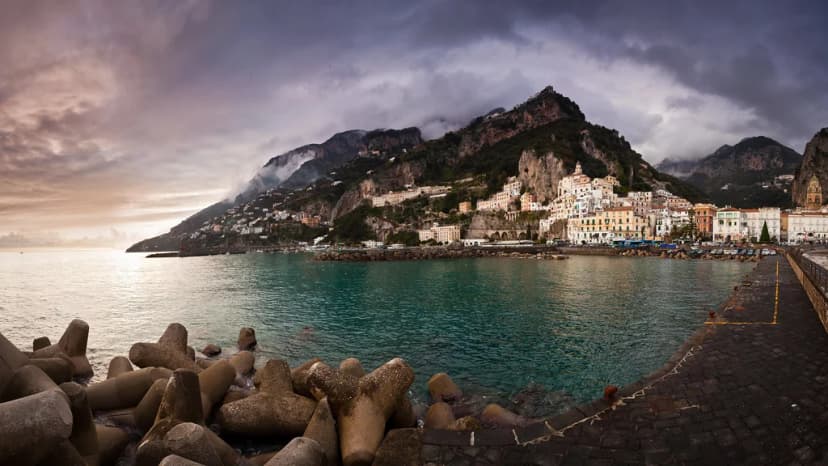
Dreaming of dramatic cliffs and turquoise waters starts with a simple journey from the bustling streets of Naples. This Naples to Amalfi Coast day trip guide helps you navigate the logistics of Italy's most famous shoreline. Most travelers find that one well-planned day offers enough time to see the primary highlights of the region.
Planning a visit to this UNESCO World Heritage site requires balancing transit times with sightseeing goals. You should decide whether to focus on the glamorous beaches or the historic architecture found in the coastal villages. Early departures are essential to avoid the heavy crowds that typically arrive by mid-morning. With the right plan, you can cover two or three towns, enjoy fresh seafood, and still catch a comfortable evening train back to Naples.
Best Ways to Travel from Naples to the Coast
Ferries offer the fastest and most relaxing way to reach the coast during the peak summer months. Boats depart from Molo Beverello harbor and typically arrive in Positano within 70 to 80 minutes. Expect to pay around €28 for a one-way ticket on high-speed hydrofoil services in 2026. Booking your ferry tickets online at least two days in advance ensures you get your preferred departure time. Alilauro and NLG operate the main hydrofoil routes; departures begin around 9:00 AM in high season. For regional travel context, Italy's official travel guides provide complete transport and accommodation information.
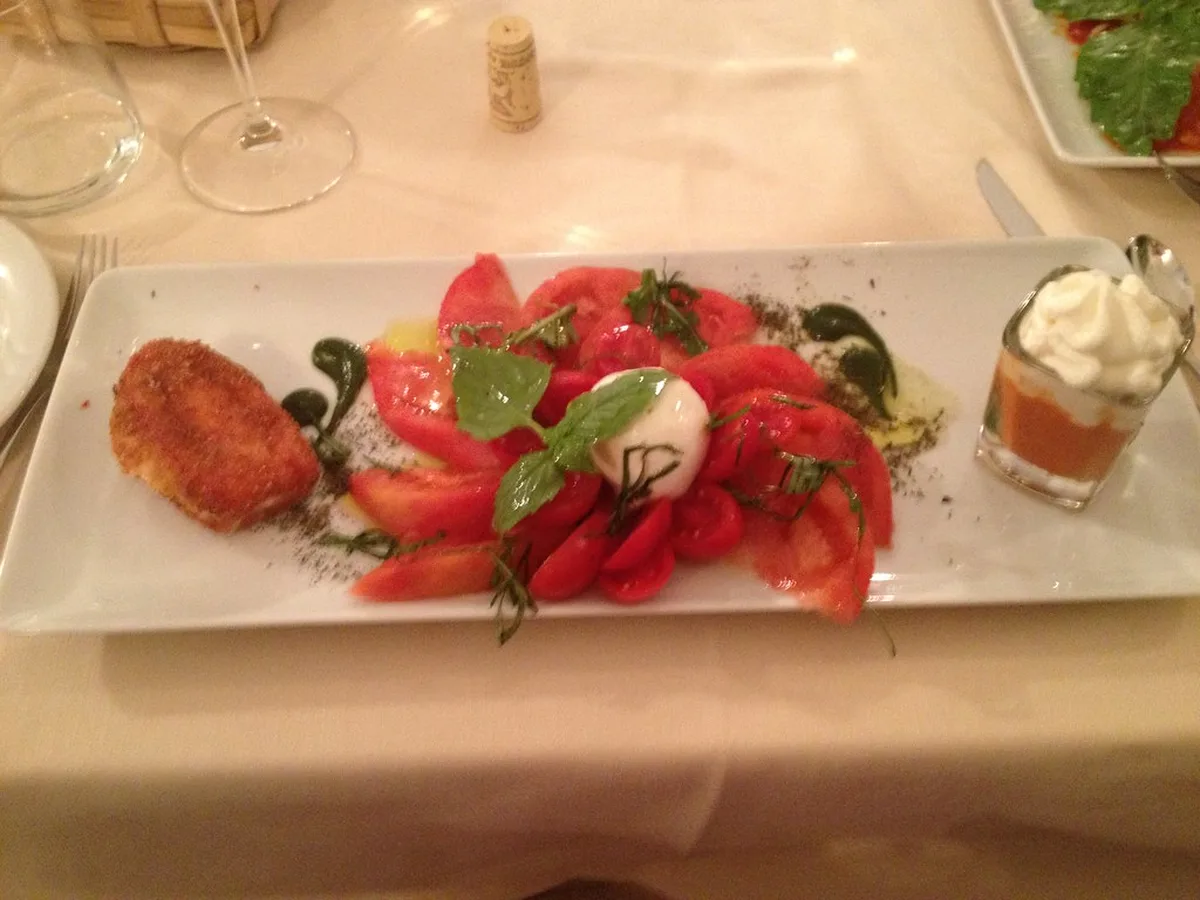
The journey begins at the Napoli Centrale train station for those choosing the more affordable rail option. Take the Circumvesuviana regional train toward Sorrento, a journey of approximately one hour and five minutes. Tickets for this service cost €4.20 one-way in 2026 and are available at the station ticket windows or automatic machines. From Sorrento you can board a SITA bus or a ferry onward to Positano and Amalfi. Travelers should arrive at least twenty minutes early to secure a seat during the busy morning rush hour, as carriages fill quickly between 8 and 10 AM.
Private drivers provide the most comfortable experience for families or groups traveling together from Naples. A dedicated car service allows you to stop for photos at famous viewpoints along the winding SS163 coastal road without worrying about parking. Daily rates for a private van generally range from €250 to €400 depending on the number of passengers and agreed stops. This option works best for groups of four or more where the cost per person becomes competitive. Confirm the driver's license and vehicle insurance before booking any informal service.
Renting a car is technically possible but comes with significant parking challenges in the small towns. Garage fees in Positano can exceed €10 per hour during the height of the tourist season, and spaces run out by 9 AM. Narrow single-lane stretches on the SS163 and heavy tour-bus traffic make driving genuinely stressful for those unfamiliar with Italian coastal roads. Most experts strongly suggest leaving the driving to professionals so you can enjoy the views and arrive relaxed. For drivers who do want to self-drive, consulting a parking guide for Naples beforehand can help you plan the logistics of leaving your vehicle in the city.
- High-Speed Ferry from Molo Beverello
- Time: 75 minutes to Positano
- Cost: €28 one-way (2026)
- Best for: Speed and scenic entry
- Access: Near Naples port, Molo Beverello
- Circumvesuviana Train to Sorrento + Onward Ferry
- Time: 65 min train + 25 min ferry
- Cost: €4.20 train + €10 ferry (2026)
- Best for: Budget travelers
- Access: Napoli Centrale station
- SITA Bus Salerno–Amalfi
- Time: 75 minutes from Salerno
- Cost: €2.50 one-way (2026)
- Best for: Budget, approaching from south
- Access: Salerno bus terminal
- Private Transfer Service
- Time: 90 minutes door to door
- Cost: €300–€400 per vehicle
- Best for: Groups, maximum comfort
- Access: Hotel pickup anywhere in Naples
Organised Tour vs Independent Travel: Which Is Better for the Amalfi Coast?
Choosing between an organised tour and going independently is one of the most important decisions you will make before this day trip. Both options work well depending on your travel style, budget, and how much flexibility you want on the day.
Organised Tours from Naples (~€40–€80 per person)
Guided day tours from Naples typically depart from Piazza Municipio or major hotels between 8:00 and 9:00 AM. In 2026 you can expect to pay between €40 and €80 per person for a full-day group tour that includes return transport, a guide, and pre-arranged stops at Positano, Amalfi, and sometimes Ravello. The price usually covers the minibus or ferry and entry to one or two attractions. Afternoon departure back to Naples is typically around 5:00–6:00 PM.
The main advantages are convenience and certainty. You do not need to worry about bus connections, ferry timetables, or navigating the notoriously confusing SITA bus stops. A local guide explains the history of each town, recommends the best restaurants, and handles all logistics. This option is best for first-time visitors, solo travelers who want social company, families with young children, and anyone arriving in Naples for just one night with no preparation time.
The downside is a fixed itinerary. You cannot linger longer in Positano if you fall in love with it, and group sizes of 15–25 people can feel crowded at popular viewpoints. Read reviews carefully and choose tours with a maximum group size of 12 for a more personal experience. Some premium small-group tours priced at €70–€80 include a wine tasting at a cliffside winery or a cooking class in Amalfi, which adds significant value for food-focused travelers.
Independent Travel (~€15–€40 per person)
Going independently using public transport is the most affordable option and gives you complete freedom over timing. The most common independent route in 2026 is the Circumvesuviana train from Naples to Sorrento (€4.20), followed by a SITA bus from Sorrento to Positano and Amalfi (€2.50 per leg), or a ferry between towns (€10–€14). Total transport cost for the day typically comes in at €15–€30 if you use buses, or €25–€45 if you mix ferries.
The main advantage is flexibility. You set your own pace, spend more time in the towns you love, and can add or drop stops on the fly. Independent travel also makes it easier to find quieter corners away from tour groups. This option suits experienced travelers, couples who want privacy, and anyone with prior experience navigating Italian public transport.
The key challenge is crowds on public buses, especially from July to August when SITA buses on the SS163 run at full capacity and you may have to wait for the next one. Ferries are less crowded but more expensive. Check the SITA bus schedule at sitasudtrasporti.it before you go — the timetable changes seasonally and some early-morning departures are limited.
Booking Tips for Summer 2026
If you book a tour, reserve at least 2–3 weeks in advance for July and August slots, as popular tours sell out within days of opening. For independent travel, book your outbound hydrofoil ferry from Naples at least 48 hours ahead. The return ferry from Positano or Amalfi is slightly less critical to pre-book but worth doing for peak weekends. Traveling on a Tuesday, Wednesday, or Thursday consistently delivers the best experience — weekends in July can see the coastal road at a near standstill.
Must-Visit Towns for a One-Day Itinerary
Positano serves as the most iconic stop for any visitor exploring the region for the first time. The steep hillsides are covered in pastel houses that look stunning from the Spiaggia Grande beach area. Exploring these narrow alleys requires sturdy walking shoes due to the hundreds of stone stairs connecting the different levels of town. Many boutiques here sell local linen clothing and handmade leather sandals that make for excellent souvenirs, with custom sandals from craftsmen on Via dei Mulini starting at around €50. Plan at least 90 minutes in Positano to walk from the upper road down to the beach and back.
The town of Amalfi provides a rich historical experience centered around its magnificent ninth-century cathedral. Visitors often spend an hour admiring the Arabic-Norman architecture of the Duomo di Amalfi, also known as the Cathedral of Saint Andrew, in the main square. Entry to the cathedral itself costs €3 in 2026. Walking through the nearby Paper Museum (Museo della Carta) on Via delle Cartiere offers a unique look at the traditional papermaking industry that once powered the town's economy, with tickets at €5. The museum is open daily from 10:00 AM to 6:30 PM in the summer season. The town's narrow lanes behind the main square hide excellent local trattorias serving cheaper and more authentic meals than the waterfront restaurants.
Ravello sits high above the sea and offers a peaceful escape from the busier waterfront locations. Villa Cimbrone features the famous Terrace of Infinity which provides the most expansive views of the coastline in any direction. Entrance fees for the villa gardens are approximately €10 per person in 2026 and are worth every cent on a clear day. Villa Rufolo, another of Ravello's highlights and the inspiration for Richard Wagner's opera Parsifal, charges €7 for garden entry and is open from 9:00 AM to sunset. A quick taxi ride from Amalfi to Ravello takes about twenty minutes on the winding uphill road and costs around €20 for a standard cab.
Ravello is best included if you are on an independent itinerary or a private tour with flexible timing. Prioritizing two towns is the best strategy for a day trip to avoid feeling rushed or exhausted. Most visitors choose to combine Positano and Amalfi because they are easily connected by frequent ferry services costing around €10 per leg. Starting in the furthest town and working your way back toward Naples helps manage your return schedule efficiently. Keep a close eye on the final ferry departure times — last boats from Positano to Naples typically leave around 5:30–6:00 PM in high season. For a fuller itinerary covering Ravello and more, check our Amalfi Coast complete itinerary guide.
Top Beaches to Visit on Your Day Trip
Finding the best beaches in southern Italy often leads travelers to the pebbly shores of Positano. Spiaggia Grande is the main hub for sunbathing and offers several private lidos with comfortable lounge chairs and umbrella service. Renting a sunbed and umbrella for the day typically costs between €30 and €50 at the popular clubs such as Beach Club La Scogliera and Fornillo Lido along the front. Public areas are technically available but they fill up completely by 10 AM during the summer months, so arrive early or go straight to a private lido. The water at Spiaggia Grande is remarkably clear and well suited to snorkeling in the shallower zones near the rocks.
Atrani offers a smaller and more local beach experience just a short five-minute walk from the town center of Amalfi through a narrow pedestrian tunnel. The beach is sheltered by the town's dramatic arches and provides a calmer atmosphere for swimming away from the tour-group crowds. Families often prefer this spot because the water is shallower and the beach is managed by a small cooperative that keeps it clean. There is no entrance fee for the public section, though chairs and umbrellas are available for around €15 per set from the local operator. Atrani is also home to the 10th-century Church of Santa Maria Maddalena, which is worth a brief stop before heading down to the water.
Marina Grande in Amalfi serves as the primary arrival point for ferries and features a wide pebble and sand beach with a relaxed atmosphere. This location is convenient for those who want a quick swim before catching their return boat to Naples. Several seaside restaurants here serve fresh seafood pasta and grilled catch of the day that you can enjoy with a view of the incoming ferries. Prices for a full lunch at these waterfront spots average €25–€35 per person, which is higher than eateries further inland but includes the ambiance.
Pack a lightweight microfibre towel and water shoes to handle the rocky pebble terrain found at most Amalfi Coast beaches. Many hidden coves are only accessible by small shuttle boats that depart from the main piers roughly every hour during high season. These boat rides usually cost about €5 to €10 per person and lead to genuinely secluded swimming spots away from the crowds. Always check the weather forecast the morning of your trip, as ferries and beach clubs may suspend service during periods of high surf or strong winds. The Naples beaches guide covers additional options closer to the city for days when the Amalfi Coast is not feasible.
Local Insights for Navigating the Coast Road
The SITA bus system is the most common transport mistake made by first-time visitors approaching the coast from Sorrento or Salerno. Buses are frequently overcrowded in summer and passengers often have to stand for the entire sixty-to-seventy-five-minute journey on the winding SS163. In 2026 the standard SITA bus fare from Salerno to Amalfi remains €2.50 one-way, making it the cheapest option by far. However, traffic on the narrow coastal road can cause delays of over two hours during the peak afternoon periods from mid-July through August. Choosing the ferry instead of the bus between towns provides a much more predictable and comfortable travel schedule for the key stops.
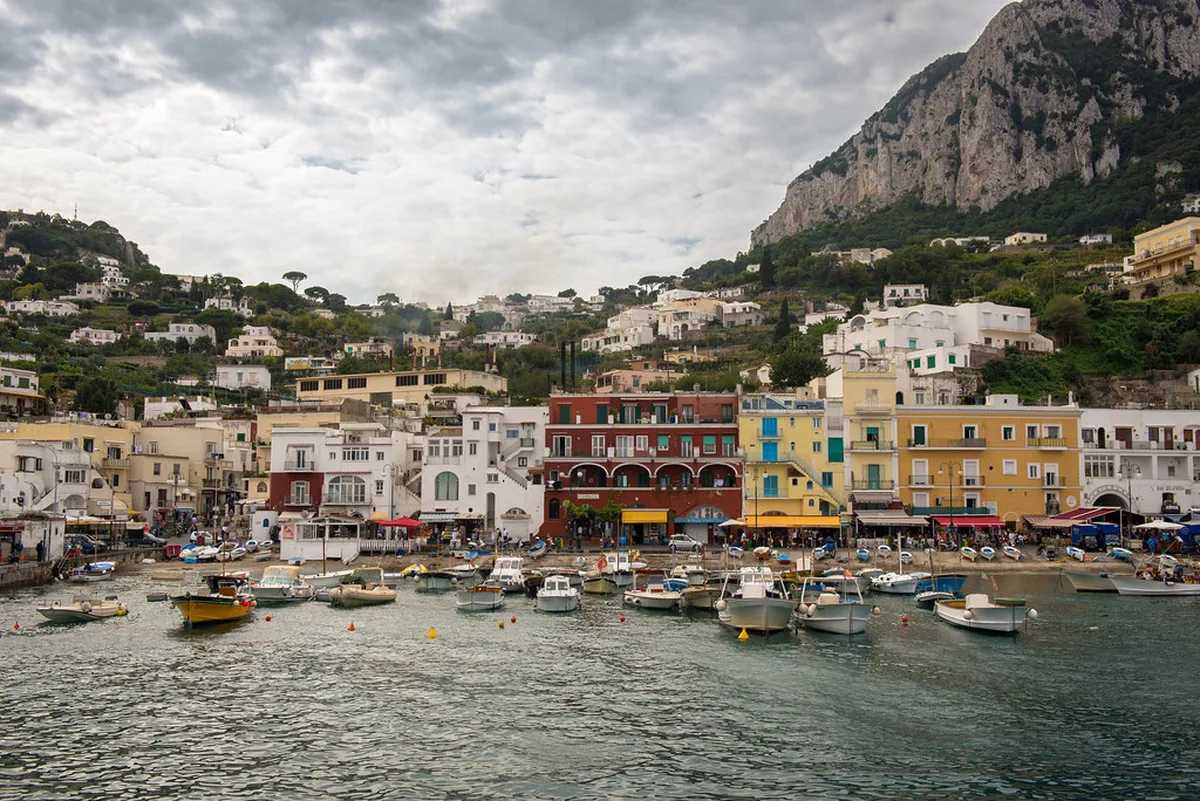
Dining in the main squares often results in paying a premium for the view rather than the quality of the food. Walking just two streets away from the harbor in Amalfi or up the stairs in Positano reveals smaller trattorias with more authentic local flavors and prices 30–40% lower. Look for places that serve Scialatielli ai Frutti di Mare — a short thick pasta with mixed seafood that is the signature dish of the coast. Expect to pay €12–€16 per dish at inland trattorias versus €18–€25 at waterfront spots. Reservations are highly recommended for any restaurant with a terrace view during the lunch rush between noon and 2:00 PM.
Hydration is crucial when navigating the thousands of stairs that connect the different levels of each town. Public water fountains provide cold drinking water for free and are located in most major squares and near the ferry piers. Carrying a reusable bottle helps you save money and reduces plastic waste in this UNESCO-protected environment. Stop at a local stand for a granita di limone made from the famous oversized Amalfi lemons, typically sold for €2.50–€3.50 from street stalls near the cathedral.
The return journey to Naples can become stressful if you leave it until the very last ferry departure. Plan to catch a boat or train that leaves at least two hours before any firm evening commitment. Evening views of the coast from the water at dusk are genuinely spectacular as the lights begin to twinkle on the hillsides. If you are staying one more night in Naples, also consider our day trips from Naples guide for Pompeii, Herculaneum, and Capri options the following day.
Food and Drink on the Amalfi Coast: Where to Eat and What to Order
The Amalfi Coast has one of the most distinctive regional food cultures in all of southern Italy, and a day trip gives you just enough time to experience its highlights if you eat like a local rather than a tourist. The signature product of the entire coastline is the sfusato amalfitano — a large, gnarled lemon with a thick fragrant rind that forms the basis of dishes and drinks you will find nowhere else in the world. Everything from the limoncello to the pasta sauces and pastries draws on this remarkable citrus, and tasting it fresh from a roadside stall is one of the authentic pleasures of the day.
In Positano, the trattoria Da Vincenzo on Via Pasitea has been family-run for decades and serves a classic pasta al pomodoro with San Marzano tomatoes grown in the volcanic soil of the Campania region for around €11. The frittura di paranza — a platter of mixed fried small fish from the local fleet — costs about €14 and pairs perfectly with chilled local white wine from the Tramonti DOC zone inland. Avoid eating on the actual beachfront unless you are prepared to pay a 40–60% markup on identical dishes available one or two streets uphill.
In Amalfi town, the historic Pasticceria Pansa on Piazza Duomo has been operating since 1830 and is the best place to try the traditional pasta di mandorle almond pastries and delizie al limone cream cakes, priced at €2.50–€4 each. For a full sit-down lunch, Trattoria Il Mulino on Via delle Cartiere sits beside the old paper mill and charges €13–€18 for main courses in a cool, shaded courtyard away from the main piazza crowds. The restaurant opens for lunch from noon to 3:00 PM and closes on Tuesdays.
Budget-conscious travelers should note that a standing lunch of fresh arancini, a slice of pizza, and a granita di limone from the bars and street stalls around the Amalfi waterfront can be assembled for €8–€12 per person. This leaves more of the day's budget for transport upgrades like the hydrofoil, a private boat excursion, or an afternoon gelato at La Scimmia in the alleyways behind the main square. For a broader sense of where to eat across the region on a multi-day stay, the Naples restaurants guide covers the city's best dining options before or after your coastal day trip.
Always carry some cash as a number of smaller establishments — particularly beach chair operators, street food stalls, and family-run trattorias — do not accept card payments. ATMs are available in both Positano and Amalfi town but queues form during peak hours. Withdrawing cash at Napoli Centrale before departure is the simplest way to avoid a delay mid-trip when you are hungry and in a hurry.
Frequently Asked Questions
Is a day trip to the Amalfi Coast from Naples worth it?
Yes, a day trip to the Amalfi Coast from Naples is absolutely worth it in 2026. The coastline delivers some of the most visually dramatic scenery in all of Europe, and two towns — Positano and Amalfi — can be covered comfortably in a single day if you depart Naples by 8:30 AM. The key is choosing the Alilauro hydrofoil ferry (€28 one-way from Molo Beverello) over buses for inter-town travel to avoid coastal road congestion. Even on a tight schedule the combination of cliff-top views, historic Duomo di Amalfi, and fresh Scialatielli pasta makes this a highlight of any southern Italy trip.
What is the best way to get to the Amalfi Coast from Naples?
The best way to get to the Amalfi Coast from Naples depends on your budget. For speed and comfort, take the high-speed hydrofoil from Molo Beverello directly to Positano (75 minutes, €28 one-way in 2026). For the most affordable option, take the Circumvesuviana train from Napoli Centrale to Sorrento (€4.20, 65 minutes) and then catch a SITA bus or ferry onward. For groups, a private transfer (€300–€400 per vehicle) offers door-to-door convenience with stops along the scenic SS163 coastal road.
How much does a Naples to Amalfi Coast day trip cost?
A budget-friendly day trip in 2026 costs between €60 and €100 per person covering transport and food. Taking the Circumvesuviana train (€4.20) then a SITA bus (€2.50 each way) keeps transport under €15. Add a ferry between Positano and Amalfi (€10), entry to the Museo della Carta in Amalfi (€5), and lunch at an inland trattoria (€15–€25) and you reach €50–€65 total. The Alilauro hydrofoil direct from Naples (€28 each way) raises the budget to €90–€120 per person for the day.
Is one day enough to see the Amalfi Coast from Naples?
One day is enough to visit two major towns like Positano and Amalfi if you start early and use the ferry system. You will see the main highlights — Spiaggia Grande beach, the Duomo di Amalfi, the Museo della Carta — but will not have time for long hikes or multiple museums. Departing Naples by 8:30 AM gives you roughly seven hours on the coast before the last comfortable ferry back. A second day allows you to add Ravello's Villa Cimbrone and explore the towns more slowly.
What is the best month for an Amalfi Coast day trip?
May and September offer the best balance of pleasant weather and manageable crowd sizes for day travelers from Naples. July and August are extremely hot and the SS163 coastal road can see delays of two hours or more. Spring flowers make the cliffside gardens of Villa Rufolo and Villa Cimbrone in Ravello particularly beautiful during May. October is increasingly popular as a shoulder-season choice — crowds drop sharply but ferries still run and temperatures remain warm enough for swimming at Spiaggia Grande in Positano.
Should I take the bus or the ferry from Sorrento to Positano?
The ferry is significantly better than the bus for the Sorrento–Positano leg because it avoids heavy traffic on the narrow SS163 coastal road. You also get incredible views of the colorful houses and terraced lemon groves from the water, which you miss entirely on the bus. Ferry tickets cost around €14–€18 one-way in 2026, compared to €2.50 for the SITA bus, but they save you up to 90 minutes in summer traffic and deposit you right at the beach rather than the hilltop road.
Can I visit the Amalfi Coast without a car in 2026?
Yes, the Amalfi Coast is fully accessible without a car in 2026 and in many ways is easier to visit without one. The combination of the Circumvesuviana train from Napoli Centrale to Sorrento (€4.20), SITA buses along the coastal road (€2.50 per leg), and ferry services between Positano, Amalfi, and Salerno (€10–€18 per leg) connects all the main towns efficiently. Driving on the SS163 is stressful and parking in Positano costs €10 or more per hour during summer, so public transport and ferries are genuinely the superior option for most visitors.
What should I pack for a day trip to the Amalfi Coast?
Pack light but include essentials: comfortable walking shoes with grip for Positano's steep stone stairs, a microfibre towel and water shoes for the pebble beaches, sunscreen, a reusable water bottle (free refills at public fountains near the Duomo di Amalfi), and a small amount of cash (€30–€50) for stalls, smaller trattorias, and beach chair operators who do not accept cards. A light layer for the hydrofoil journey is useful in the early morning. Leave heavy luggage at your Naples hotel or at the left-luggage facility at Napoli Centrale (€6 per item per day).
Visiting the Amalfi Coast from Naples is a highlight of any Italian vacation when planned with care. Prioritizing the ferry between towns and selecting two main stops — Positano and Amalfi — ensures a relaxed and memorable experience within a single day. The stunning views, fresh limoncello made from sfusato amalfitano lemons, and world-class seafood pasta make every logistical effort worthwhile for 2026 travelers. For ideas on how to build a longer stay around this day trip, the Naples 3-day itinerary and the Naples safety guide are useful companions for planning your full southern Italy visit.
Remember to book your transport early, especially for the peak July–August period when ferries and tours fill weeks in advance. Wear comfortable shoes for the steep village streets and bring cash for smaller trattorias and beach operators that do not accept cards. This magical coastline continues to captivate visitors with its unique blend of natural drama and living history — enjoy every moment of your journey through one of the most beautiful destinations in the entire Mediterranean.