Amalfi Coast Travel Guide: Your Complete Itinerary for 2026
SITA bus tickets cost €2.50 per ride along the Amalfi Coast in 2026; ferry crossings between Positano and Amalfi run €8–10, while Villa Cimbrone gardens in Ravello charge €10 entry.
Base yourself in Sorrento from €80/night for budget flexibility, or book Positano's Hotel Poseidon from €150/night for clifftop atmosphere and direct beach access.
From the vertical streets of Positano to the quiet gardens of Ravello, the variety of experiences is truly endless. Prepare for a journey filled with incredible food, rich culture, and some of the world's most famous views.
Quick answer: The Amalfi Coast is best visited May–June or September–October. Use the SITA bus (€2.50/ride) or ferry (€6–15 between towns) to get around without a car. Base yourself in Sorrento for budget flexibility or Positano for atmosphere.
Planning Your Arrival and Transportation
Naples International Airport (NAP) serves as the primary gateway for most international travelers heading to the Amalfi Coast. Italy has excellent public transport infrastructure along its coastlines, and the Alibus shuttle runs every 30 minutes to Naples Centrale train station and costs €5 per person — a significant saving over taxis, which charge a fixed €23 for the same journey. The Alibus journey takes roughly 20 minutes depending on traffic.
High-speed Frecciarossa and Italo trains connect Naples Centrale to Salerno in just 35 minutes for around €10–16 per ticket in 2026. From Salerno, you can catch the SITA bus or a ferry directly onto the coast. Alternatively, the Circumvesuviana commuter line runs from Naples Centrale to Sorrento every 30 minutes for €4.30, taking about 65 minutes and offering scenic views of the Vesuvian countryside on the way.
Private transfers offer the most comfort but cost significantly more than public transportation options. Expect to pay between €120 and €180 for a one-way trip from Naples Airport to a hotel in Positano, or €90–130 to reach Sorrento. Some hotels arrange shared transfer shuttles for €35–45 per person, which is a practical middle ground for pairs or small families.
Driving yourself is generally discouraged due to the extremely narrow roads and very limited parking availability along the SS163 coastal highway. Local buses and ferries are much more efficient for navigating the tight curves of the coastline. If you plan to drive to or from Naples, our guide to parking in Naples covers garages and drop-off points near the ferry terminal at Molo Beverello, where ferries to Positano and Capri depart. Budget around €25–35 per day for secure covered parking in Naples before switching to public transport for the coastal leg.
Regardless of which transport mode you choose, book your accommodation well ahead of your journey. The coast has limited total room capacity, and properties in Positano, Amalfi, and Ravello sell out weeks or even months in advance during peak season. Getting your lodging locked in first makes your transport planning far simpler.
How to Get Around the Amalfi Coast
Transport is the single most important planning decision you will make for this trip. The coast has no inland bypass road, so every vehicle shares the same narrow SS163 highway carved into the clifftop. Understanding your options in 2026 will save you hours of frustration and unexpected costs.
SITA Bus — Cheapest and Most Frequent
The SITA regional bus network is the backbone of public transport on the Amalfi Coast. A single ride costs just €2.50 in 2026, and a day pass covering unlimited travel runs around €7.60. Buses run roughly every 30–60 minutes between Sorrento, Positano, Amalfi, and Salerno depending on the season. The journey from Sorrento to Positano takes about 50 minutes and from Positano to Amalfi approximately 40 minutes. Buses can get extremely crowded in July and August — plan to board early or travel outside peak hours (before 9 AM or after 4 PM). Buy tickets from tabacchi shops or newsstands before boarding; on-bus purchases are not always available and cost slightly more.
Ferry — Scenic and Direct
Ferries are the most enjoyable way to move between towns in 2026, offering spectacular cliff views impossible from the road. Ticket prices depend on the route:
- Positano to Amalfi: €8–10
- Amalfi to Salerno: €8
- Positano to Capri: €20–22
- Sorrento to Positano: €12–15
- Amalfi to Positano: €8–10
Ferry services typically run April through October. Timetables vary significantly by operator (TravelMar, MetroDel Mare, NLG), so check schedules at each town's ferry dock on the day. Rough seas occasionally cancel afternoon services — build flexibility into your plan. Tickets can be purchased at the dock kiosks 30 minutes before departure; high-season routes often sell out, so arrive early.
Private Transfer and Taxis
A licensed private transfer from Sorrento to Positano costs €60–90 depending on the vehicle type. Shared shuttle services reduce this to around €25–35 per person. Taxis on the coast use fixed zone rates: Positano to Amalfi is approximately €80. Always confirm the price before getting in. Private transfers are worth the cost for airport arrivals with heavy luggage or groups of four or more splitting the fee.
Car Rental — Understand the Pitfalls First
Renting a car sounds appealing but carries serious practical problems on the Amalfi Coast. The SS163 road is often only wide enough for one vehicle at a time, requiring constant reversing to let oncoming traffic pass. Parking in Positano at Parcheggio Internazionale costs €5–7 per hour at the limited clifftop car parks, and spots disappear by mid-morning from June through August. If you do rent a car, drop it in Sorrento and use public transport for the coast itself. Sorrento has more accessible and affordable parking garages, such as Parcheggio Correale, starting from €15 per day.
Recommended strategy: Train or private transfer to Sorrento, then SITA bus or ferry between coastal towns for the duration of your stay. This setup is both cheaper and less stressful than any car-based approach.
The Amalfi Coast Complete Itinerary by Town
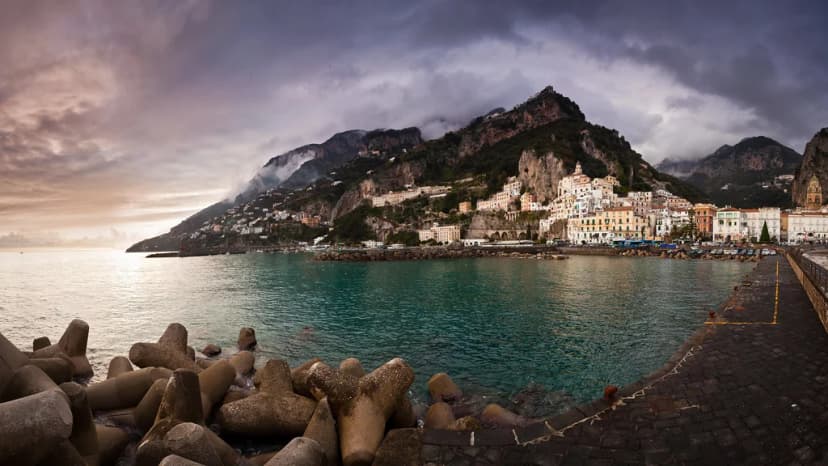
Positano is famous for its colorful houses stacked vertically on steep hillsides overlooking the Mediterranean Sea. Walking the narrow alley of Via dei Mulini reveals boutique shops, ceramics stores, and charming cafes at every turn. The town beach, Spiaggia Grande, stays busy from late morning until the sun sets over the horizon. Consider visiting before 9 AM to secure a sunbed for around €30 per day at one of the private beach clubs lining the shore — La Scogliera and Buca di Bacco are two of the most popular and well-maintained options.
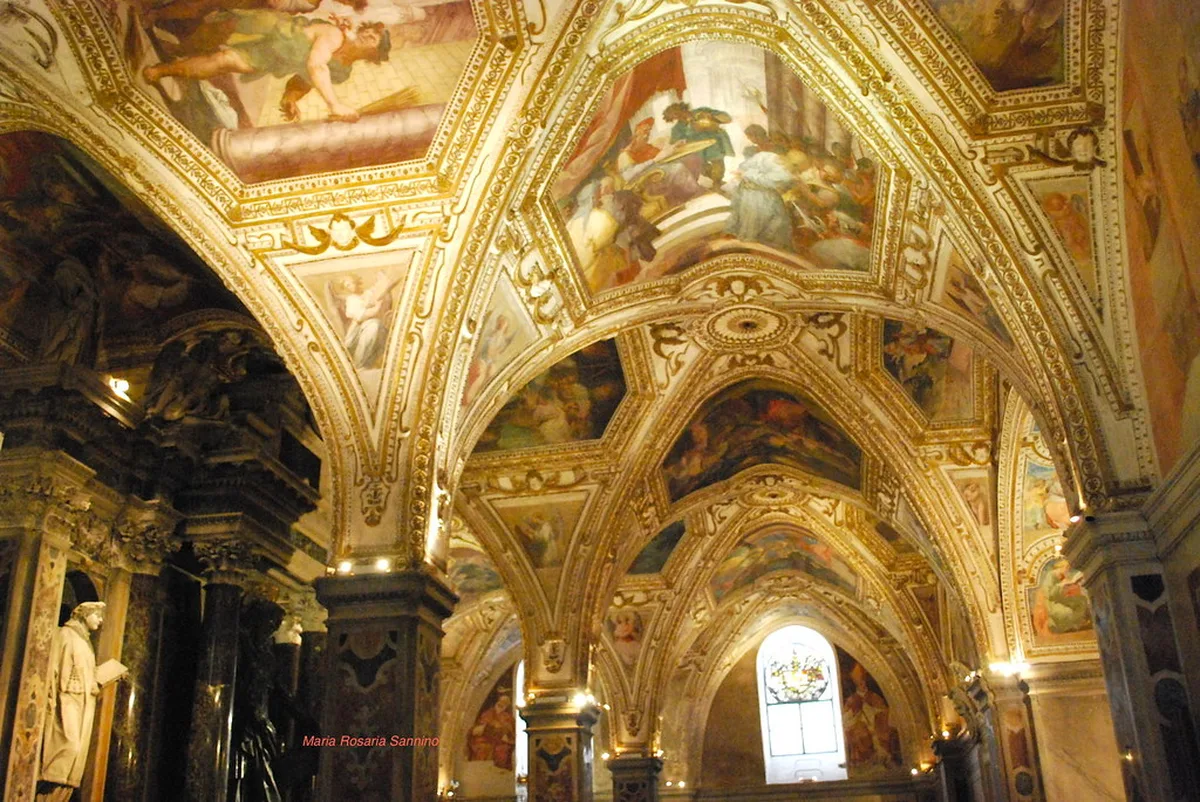
Amalfi itself once served as a powerful maritime republic and now hosts the magnificent Cattedrale di Sant'Andrea in its main piazza. Entry to the cathedral's cloister costs €3 and opens daily from 9 AM to 6 PM in high season. The Piazza del Duomo provides a perfect spot for people-watching with a cold drink in the afternoon; a caffe at Bar Francese here costs around €2.50, while freshly squeezed lemon granita at the stalls nearby runs €4–5.
Praiano is a quieter alternative to Positano sitting just 8 km east along the coast. It offers similar dramatic cliff scenery with far fewer crowds and noticeably cheaper accommodation rates. A double room in Praiano at Tramonto d'Oro hotel can cost 30–40% less than an equivalent room in Positano during peak summer — expect to pay €90–120 per night versus €150–200 in Positano. The village's small beach, Marina di Praia, is accessible by a short staircase and remains far less crowded than Spiaggia Grande.
For a full day trip from the coast, Naples is an excellent choice — our Naples to Amalfi Coast day trip guide covers the reverse journey in detail if you are basing yourself in the city and want to explore the coastline as a single-day excursion. A combined visit to the coast and a Naples stop pairs especially well with our Naples 3-day itinerary, which outlines the city's top sites and restaurants at every budget level.
- Positano Village Center
- Type: Vertical town
- Best for: Shopping, beaches, atmosphere
- Where: Western Coast
- Cost: High (hotel from €150/night, beach club €30/day)
- Amalfi Historic District
- Type: Cultural hub
- Best for: History, cathedral (€3), day trips
- Where: Central Coast
- Cost: Moderate (hotel from €90/night)
- Praiano Sunset Spots
- Type: Quiet village
- Best for: Views, tranquility, budget travel
- Where: Between Positano and Amalfi
- Cost: Moderate (hotel from €70/night)
Ravello and the Hidden Gems of the Coast
Many travelers make the mistake of staying only on the water's edge during their entire visit. Ravello sits high above the sea at around 350 metres elevation and offers the most peaceful atmosphere on the entire coast.
Villa Cimbrone features the famous Belvedere of Infinity (Terrazza dell'Infinito), a terrace lined with marble busts overlooking the Gulf of Salerno below. Entry fees cost €10 per person to explore the sprawling and well-maintained gardens, which are open daily from 9 AM until sunset. The walk up from Amalfi town takes about 40–50 minutes along a well-signed path through lemon groves and terraced farmland — wear comfortable shoes and bring water, especially in summer heat. It is one of the most rewarding climbs on the entire coastline for anyone with a moderate fitness level. The adjacent Villa Rufolo, also in Ravello, charges €7 entry and hosts the internationally acclaimed Ravello Festival concerts from June through August, with ticket prices starting at €25.
Atrani is the smallest municipality in Italy and remains largely untouched by mass tourism today. It sits just a five-minute walk from Amalfi town along the coastal path but feels worlds away from the crowded main squares. The tiny piazza here has a handful of local cafes, including Bar Risacca, where you can eat a full pasta lunch with a drink for under €15 — a significant saving compared to Positano's restaurant prices, which easily run €25–40 per main course at seafront tables.
Furore is another underrated stop, famous for its dramatic fjord-like inlet and a small pebble beach wedged between towering cliffs. Visiting early morning — before 8:30 AM — gives you the narrow cove almost entirely to yourself before the day-trippers arrive by ferry and bus. The hamlet above the fjord features brightly painted murals covering the walls of every building, earning it the name "the village that doesn't exist" because it has no real central square or traditional town layout. Access by SITA bus costs the standard €2.50 single fare from Amalfi or Positano.
For broader southern Italy context, the beaches around Salerno and beyond the coast reward travelers who have extra time after the main itinerary. Our guide to the best beaches in southern Italy highlights stretches of coastline that are far less visited and considerably more affordable than the Amalfi headlands.
Best Time to Visit and Seasonal Logistics
May and September provide the best balance of warm weather and manageable tourist crowds for most visitors. During these months, the ferry schedules are frequent, running every 60–90 minutes between major towns, and the hiking trails are generally accessible and not dangerously hot. Sea temperatures in May hover around 18–20°C — warm enough for a dip for most swimmers, and comfortable for clifftop walks throughout the day.
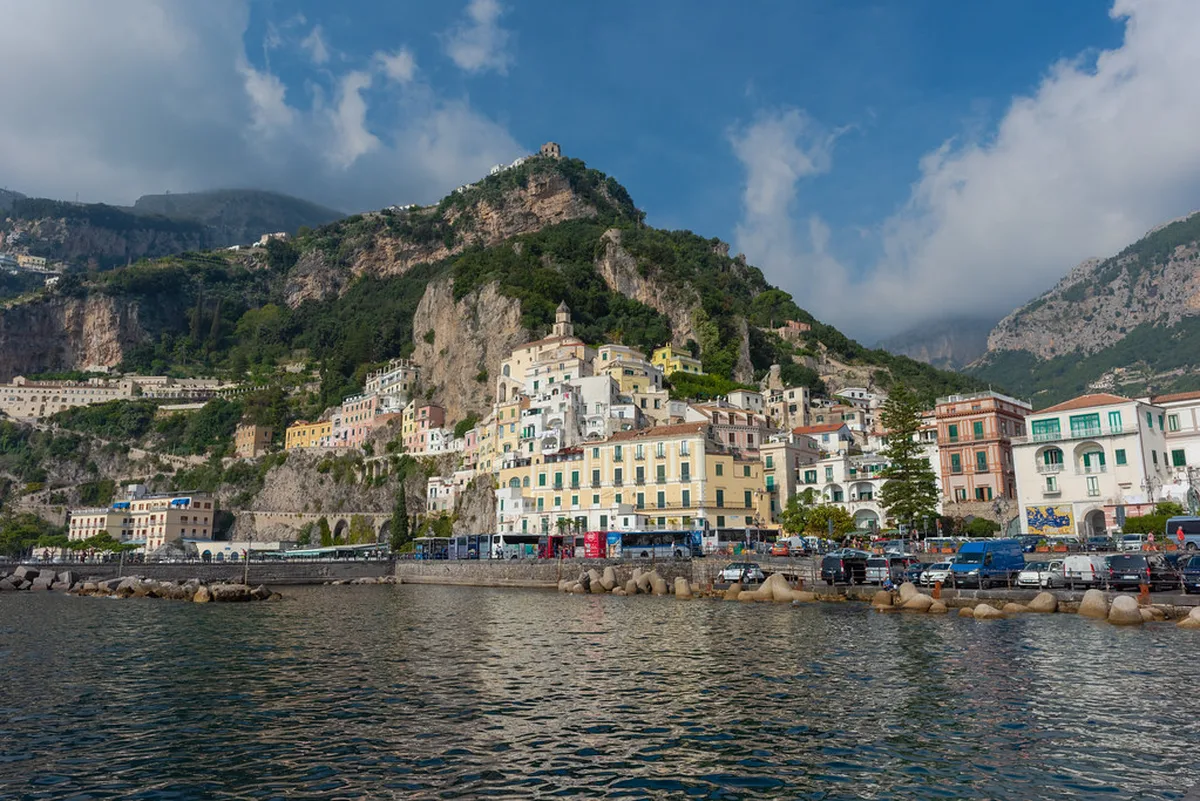
June is excellent for shoulder-season pricing while the sea is warm enough for swimming at a pleasant 22–24°C. You will pay roughly 15–20% less for accommodation compared to July and August rates, and queues at popular viewpoints such as Villa Cimbrone or the Duomo di Amalfi are noticeably shorter in the first two weeks of June.
Summer months like July and August bring intense heat, often reaching 33–36°C by early afternoon, and very crowded public transportation systems. If you visit then, book your accommodation at least six months in advance to secure a room at a reasonable rate. SITA buses run at standing-room capacity through peak summer, and popular ferry routes such as Positano to Capri sell out an hour before departure. Budget an extra 20–30% on all services during these two months.
October is an increasingly popular month as the crowds thin quickly after the first week and temperatures remain mild, around 22–26°C, comfortable for walking. Some beach clubs close by mid-October, but the towns themselves are fully operational through the end of the month. Hotel rates in October are typically 25–35% lower than August peaks, and you will find same-day availability at restaurants that were fully booked weeks out in summer.
Winter offers a quiet experience, though many hotels and restaurants close for the season starting in November. Some travelers prefer this solitude despite the limited ferry services and cooler sea air. January through March is the most affordable time to visit, with hotel rates dropping by as much as 50% compared to peak season. Bear in mind that a number of hillside paths can be slippery after winter rains, and always check trail conditions before heading up to Ravello or along the Sentiero degli Dei.
Essential Dining and Local Flavors
Seafood dominates the local menus, with fresh catches arriving at the docks every single morning. Scialatielli ai frutti di mare — a short, thick pasta native to the Amalfi Coast tossed with mussels, clams, squid, and prawns — is a must-try dish that defines the flavors of the region. In Amalfi town, Trattoria Il Mulino on Via delle Cartiere serves this dish for around €16 and is regarded as one of the most authentic spots for traditional local cooking.
Lemons grown on the slopes of the Lattari Mountains flavor everything from pasta sauce to refreshing local liqueurs. The Sfusato Amalfitano lemon variety is protected by IGP status and far sweeter than standard supermarket lemons. A small glass of chilled limoncello typically costs around €3 to €5 at most local bars along the waterfront, while a bottle to take home from the Antichi Sapori di Positano shop costs €12–18 depending on size.
Budget-conscious travelers should look for "tavola calda" spots for affordable and quick lunch options. These local eateries serve high-quality food at a fraction of the price found in formal restaurants overlooking the water. In Amalfi town, the area behind Via Lorenzo d'Amalfi has several small tavola calda spots where a full pasta course plus a drink costs €12–16 — far better value than the €25–35 you will pay at a waterfront table on Piazza del Duomo. Pastificio Donna Rosa in Minori, just 3 km east of Amalfi by ferry (€4), is frequently cited by locals as producing the finest homemade pasta on the entire coast.
Always make dinner reservations at least a day in advance if you want a table with a sea view at a top restaurant. Popular spots in Positano such as La Sponda at Hotel Le Sirenuse (tasting menu from €140 per person) and Il San Pietro di Positano (dinner from €80 per person) fill up quickly, especially during the peak summer months. Mid-range options without sea views, such as Da Adolfo accessible only by free shuttle boat in Positano, offer grilled fish mains for €18–24 and represent some of the best value-for-quality dining on the coast.
Hiking Trails and Outdoor Activities on the Amalfi Coast
The Amalfi Coast is one of Italy's finest hiking destinations, yet many visitors spend the entire trip on buses and ferries without ever venturing onto the clifftop paths. The trail network above the SS163 coastal road connects ancient villages, working lemon terraces, and panoramic viewpoints that no road can reach, giving hikers a completely different perspective on the landscape.
The Sentiero degli Dei (Path of the Gods) is the most famous and rewarding walk on the coast. The route runs approximately 7.8 km one-way between Bomerano (near Agerola) and Nocelle above Positano, taking 3–4 hours at a comfortable pace. The highest point reaches around 600 metres above sea level, and on clear days you can see Capri, the Sorrento Peninsula, and as far as Vesuvius. The trail is largely unsupported — bring 1.5 litres of water per person and wear proper footwear. Access from Positano to Nocelle by shuttle taxi costs around €5–8 per person. There is no entry fee for the trail itself.
The Valle delle Ferriere nature reserve above Amalfi town is an accessible alternative for visitors with less experience. The relatively flat valley floor trail takes 2–3 hours return and passes ancient paper mills (cartiere), freshwater streams, and a rare grove of endemic Woodwardia ferns. Access is free; the trailhead sits at the northern end of Via Lorenzo d'Amalfi, a 10-minute walk from the Duomo. The valley is cooler than the coast by 4–6°C in summer, making it one of the best midday escapes from July heat.
For water-based activities, numerous outfitters in Positano and Amalfi rent kayaks and stand-up paddleboards starting from €20 per hour. Guided sea-kayaking excursions from Positano to the sea caves at Grotta dello Smeraldo take around 3 hours and cost €60–75 per person including equipment and guide. Snorkelling trips from Marina di Furore, where the fjord walls drop steeply into clear water, can be arranged locally for €25–35 per person for a two-hour session.
Rock climbing has grown steadily on the Amalfi Coast, with the limestone cliffs above Positano offering sport routes graded 5a to 7c. A guided half-day session with equipment rental through local outfitter Amalfi Outdoor costs €75–90 per person and is suitable for beginners as well as experienced climbers. The morning light on the south-facing walls is best before noon, so early starts are recommended year-round.
Boat hire gives independent travellers the freedom to explore hidden sea caves and beaches inaccessible by land. Small motorboats (capacity 6–8 people) rent from Positano harbour for €120–180 per half-day, plus €30–50 for fuel depending on how far you travel. Operating a motorboat requires a valid boating licence in Italy — if you do not hold one, a skippered boat with a local captain costs €200–280 per half-day but gives you far more information about the coast's less-visited inlets.
For a complement to an active day on the coast, a visit to the soothing springs at Terme di Stabiae in nearby Castellammare di Stabia offers thermal pools, saunas, and massage treatments starting at €25 for a basic day pass. Castellammare is 20 minutes by train from Sorrento, making it an easy add-on before or after your coastal hiking days.
Frequently Asked Questions
How many days do I need for an Amalfi Coast travel guide complete itinerary?
Most travelers find that five to seven days is the ideal duration in 2026. This allows you to visit the major towns like Positano and Amalfi while still having time for a day trip to Capri (ferry from Positano, €20–22 one-way) or Ravello (€10 garden entry). Three days is the practical minimum if you are connecting the coast to a broader Italy itinerary. With three days, prioritize Positano on day one, Amalfi and Atrani on day two, and Ravello on day three.
Is the Amalfi Coast very expensive for tourists?
The coast is one of the more expensive regions in Italy, especially for accommodation and private transport. In 2026, hotels in Positano start from around €150 per night at mid-range properties, while Amalfi town has options from €90 per night. Budget travelers can save significantly by staying in Praiano (from €70/night) or basing themselves in Sorrento (from €80/night) and day-tripping. Using the SITA bus (€2.50 per ride) instead of taxis and eating at local trattorias away from the main waterfront squares — budget €12–16 for a full lunch — keeps daily costs manageable.
Should I stay in Positano or Sorrento?
Positano gives you the quintessential Amalfi Coast atmosphere — cliffside views, dramatic scenery, and immediate access to the coast's best photo spots. However, it is significantly more expensive (hotel from €150/night) and the terrain is very steep, with hundreds of steps to reach most hotels. Sorrento is a larger, flatter town with more affordable accommodation (from €80/night), better transport links — direct Circumvesuviana trains to Naples every 30 minutes for €4.30 — and a wider choice of restaurants. Staying in Sorrento and day-tripping to the coast is the most budget-friendly strategy in 2026. Staying in Positano is worth it if atmosphere and convenience to the water is your top priority.
Can you do the Amalfi Coast without a car?
Yes — and for most visitors, going car-free is actually the better choice. The SITA bus (€2.50 per ride, €7.60 day pass) connects all major towns along the coast and runs every 30–60 minutes from spring through autumn. Ferries (€8–15 between towns) operated by TravelMar and NLG are a scenic and practical alternative. Private transfers cover airport and hotel runs efficiently. The narrow SS163 coastal road makes driving stressful and parking scarce at €5–7 per hour in Positano, so public transport is both cheaper and less frustrating in 2026.
Can I drive a car on the Amalfi Coast?
Driving is possible but often stressful due to heavy traffic and extremely narrow roads with sharp bends and blind corners along the SS163. Parking in Positano at Parcheggio Internazionale costs €5–7 per hour and is very limited, with spots gone by mid-morning in peak season. Most visitors who rent a car drop it in Sorrento at garages like Parcheggio Correale (from €15/day) and switch to the bus or ferry for the coast. If you must drive, avoid the SS163 between 10 AM and 6 PM from June through August — traffic regularly grinds to a standstill, and some sections require buses and cars to reverse for several minutes to let each other pass.
What is the best hike on the Amalfi Coast?
The Sentiero degli Dei (Path of the Gods) is the most celebrated hike on the Amalfi Coast, running 7.8 km between Bomerano and Nocelle at elevations up to 600 metres. The trail is free to walk, takes 3–4 hours one-way, and delivers panoramic views of Capri, Positano, and the entire Gulf of Salerno on clear days. Access the trailhead by SITA bus to Agerola (€2.50 from Amalfi). A shorter and more accessible alternative is the Valle delle Ferriere reserve above Amalfi town — a free 2–3 hour return walk through lemon groves and ancient paper mills, best done in the morning before the midday heat sets in.
Should I visit Puglia or the Amalfi Coast?
The Amalfi Coast offers dramatic vertical clifftop scenery, glamorous beach clubs, and concentrated highlights in a compact area. Our Puglia travel guide highlights flatter landscapes, unique trulli houses, and a more relaxed, authentic southern Italy experience at significantly lower prices — hotel rooms in Lecce and Matera start from €50/night versus €90+ on the Amalfi Coast. Choose Amalfi for iconic Mediterranean views and a classic Italian Riviera experience. Choose Puglia for a more rustic, uncrowded, and budget-friendly journey in 2026.
The Amalfi Coast remains one of the most beautiful destinations in the world for a reason. Following this Amalfi Coast travel guide complete itinerary for 2026 ensures you see the highlights — from Positano's Spiaggia Grande to Ravello's Belvedere of Infinity — while avoiding the most common travel mistakes around transport and timing.
Whether you are lounging on a sunbed at a Positano beach club (€30/day), hiking the Sentiero degli Dei for free above the clouds, or riding the SITA bus for €2.50 between whitewashed villages, the memories will last a lifetime. Take your time to enjoy the slow pace of life and the incredible Mediterranean scenery around every corner.
Start planning your Italian escape today to secure the best accommodation rates and most authentic experiences the coastline has to offer. The dramatic cliffs and sparkling blue waters are waiting to welcome you.