Discover the Best Day Trips From Naples in 2026
The easiest day trip from Naples is Pompeii — Circumvesuviana train (€3.20 one way, 25 min) to Pompeii Scavi station, entry €18.
Naples sits within 50 km of Pompeii, Herculaneum, Vesuvius, Caserta Royal Palace, Amalfi Coast, Capri, and Ischia — all reachable by public transport under €25.
Naples serves as a perfect base for exploring the rich history and stunning coastlines of Southern Italy. You can easily reach ancient ruins, volcanic peaks, and glamorous islands within an hour of the city center. Many travelers start their journey by following a Naples 3-day itinerary to see the local landmarks first. Adding regional excursions allows you to experience the full diversity of the beautiful Campania region.
The local transport network connects the city to world-famous sites like Pompeii and the Amalfi Coast. Regional trains and ferries offer affordable ways to see these iconic destinations without needing a rental car. Planning ahead helps you maximize your time and avoid the common pitfalls of busy Italian transit hubs. This guide provides everything you need to know for a seamless day of exploration outside the city walls.
Exploring Ancient Pompeii and Herculaneum
The ruins of Pompeii sit just twenty-five minutes away from the city by regional train. Most visitors take the Circumvesuviana line from the lower level of the Garibaldi central station. In 2026, a one-way ticket to Pompeii Scavi station costs €3.20. Entry to the Pompeii archaeological park costs €18 for adults, and the combined Pompeii and Herculaneum ticket is available at €26, offering excellent value if you plan to visit both sites on consecutive days. Check the Naples to Amalfi Coast day trip guide to compare coastal options alongside these inland ruins.
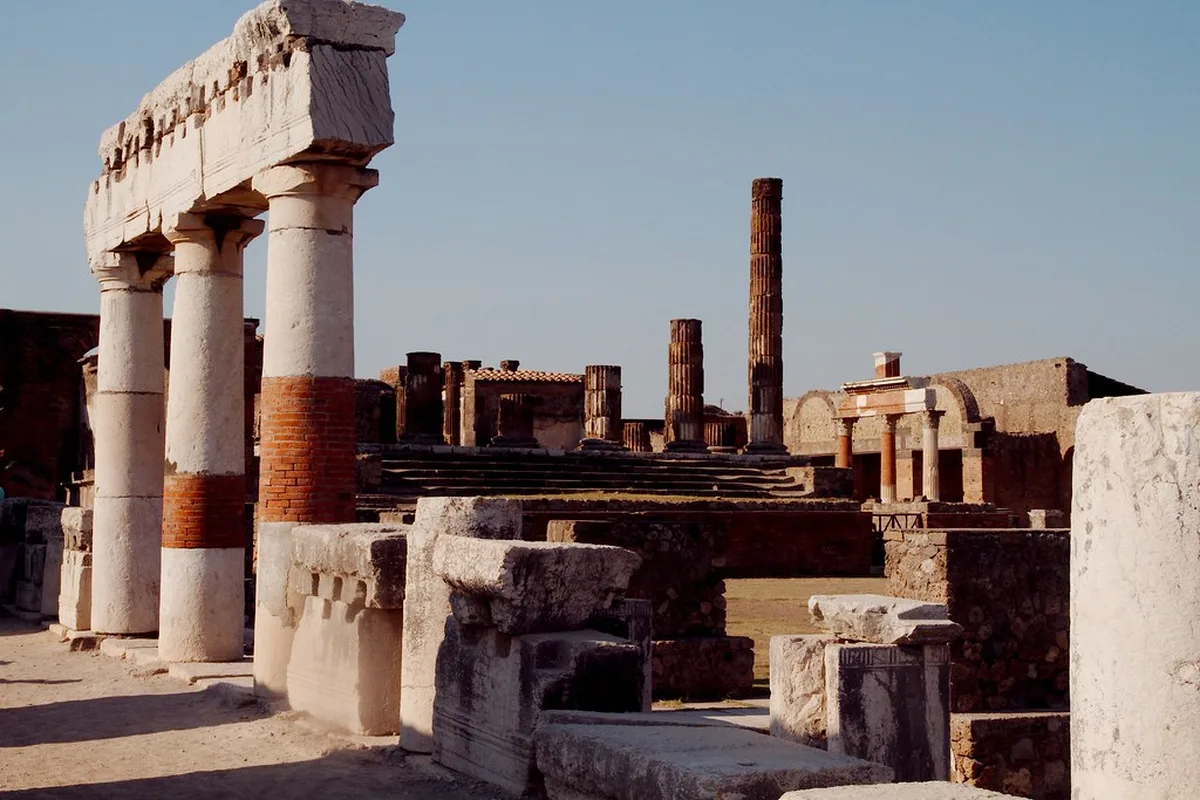
Herculaneum offers a smaller but much better-preserved look at Roman life than its larger neighbor. The Circumvesuviana stops at Ercolano Scavi station, just a short walk from the park entrance, and the fare is €2.80 one way from Naples. Entry to Herculaneum costs €15 for adults in 2026. Mosaics and carbonized wooden structures remain remarkably intact within this compact archaeological park. Walking through these ancient streets feels more intimate because the site attracts fewer large tour groups, making it an excellent choice for visitors who want a calmer, less crowded experience of the ancient Roman world. Travelers often prefer this site during the hot summer months due to the increased shade and shorter walking distances compared to Pompeii.
Arriving before the gates open at nine in the morning helps you beat the intense midday heat and the surge of tour groups that arrive after ten. Vast archaeological sites like Pompeii require sturdy walking shoes, sunscreen, and a refillable water bottle — there are water fountains at both sites but very limited shade. You should also consider hiring a certified guide at the entrance for deeper historical context; official licensed guides charge approximately €15 per person for a two-hour group tour. Official guides help you find hidden gems like the Villa of Mysteries that many solo tourists miss entirely. The Villa of Mysteries features remarkably preserved frescoes depicting a Dionysian cult ritual and is located a five-minute walk outside the main park perimeter, near the Porta di Ercolano exit.
Both sites offer luggage storage facilities for those traveling between different cities in the region. Security rules prohibit large backpacks inside the ruins to protect the fragile ancient walls. Expect to spend at least four hours exploring Pompeii to see the main highlights properly; the Forum, the Lupanare, the Amphitheatre, and the Garden of the Fugitives are all must-see stops. Herculaneum can be seen thoroughly in about two to three hours depending on your pace, making it feasible to combine both sites in a single ambitious day trip if you start early in the morning. Audio guides are available at both entrances for €8 and are well worth the investment for solo travelers who want detailed context at each stop along the route.
Herculaneum: The Uncrowded Alternative to Pompeii
While Pompeii attracts millions of visitors every year, Herculaneum remains one of the best-kept secrets of Southern Italy. This smaller Roman town was buried by the same eruption of Mount Vesuvius in 79 AD but was covered by a dense pyroclastic surge rather than volcanic ash. The result is extraordinary: wooden furniture, carbonized food, painted walls, and intact upper-floor structures that simply do not exist at Pompeii. In 2026, entry to the Herculaneum archaeological park costs €15 for adults, compared to €18 for Pompeii.
Getting to Herculaneum from Naples is straightforward and inexpensive. Take the Circumvesuviana line from Garibaldi station and alight at Ercolano Scavi — the journey takes approximately 20 minutes and costs €2.80 one way. From the station, walk downhill for about five minutes to reach the excavation entrance on Via IV Novembre. This short walk passes through the modern town of Ercolano, where you will find cafes, bakeries, and small shops ideal for picking up a quick breakfast before the gates open at nine in the morning.
The park itself is compact enough to explore fully in two to three hours, yet rich enough to occupy a serious history enthusiast for an entire day. Highlights include the House of the Bicentenary with its probable early Christian symbol, the Samnite House with its elegant atrium, the House of Neptune and Amphitrite with its stunning mosaic nymphaeum, and the ancient beachfront where over 300 skeletons were discovered sheltering in boat chambers — a haunting and deeply moving sight. The skeletal remains are partly visible and provide a viscerally immediate connection to the human tragedy of the eruption.
Both Herculaneum and Pompeii share UNESCO World Heritage Site designation, placing them in the same tier of global cultural significance. Yet Herculaneum receives a fraction of the visitor numbers, meaning you can walk its narrow Roman streets in relative peace even during the height of the summer season. A combined single-day visit is achievable: spend the morning at Herculaneum, take the Circumvesuviana one stop further to Pompeii Scavi after lunch, and explore the Forum district and Amphitheatre before closing time at five in the afternoon. Plan for a total transport cost of under €7 for this combined itinerary.
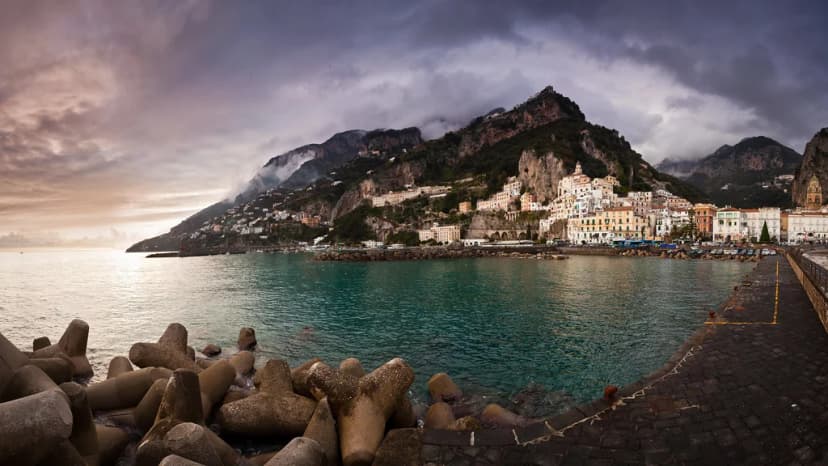
Coastal Magic in Sorrento and the Amalfi Coast
Sorrento acts as the primary gateway for those looking to explore the famous Amalfi Coast. Frequent Circumvesuviana trains connect Naples Garibaldi station to Sorrento in approximately 65 minutes, with tickets costing €4.40 one way in 2026. Seasonal hydrofoils also run directly from Molo Beverello in Naples to Sorrento and cost around €14 one way during summer. Use the Naples funicular and cable car guide to reach the ferry terminals from hilltop hotels with ease.
Bus rides along the winding coastal roads offer some of the most breathtaking views in the world. Sita buses depart regularly from the Sorrento central bus terminal and stop at Positano, Amalfi, and Ravello. Single-trip Sita bus tickets cost €1.80 to €2.80 depending on the distance traveled in 2026; purchase them at local tobacco shops before boarding because inspectors travel these routes regularly. Sitting on the right side of the bus when heading south from Sorrento toward Positano provides the best uninterrupted views of the Tyrrhenian Sea. Arriving in Sorrento before nine in the morning gives you a head start before the day-tripper crowds fill the buses from mid-morning onward.
Positano is famous for its colorful houses that seem to stack vertically up the steep mountain cliffs. Walking the narrow alleys requires a good level of fitness due to the hundreds of stone steps connecting the upper village with the beaches below. The main beach, Spiaggia Grande, charges a sun-lounger and umbrella rental of approximately €20 per set during peak season; the smaller Fornillo beach nearby is free. Many visitors enjoy a cold lemon sorbet while resting at the beach at the bottom of the town, where several gelaterie offer Amalfi lemon varieties that are grown locally. Ferries between coastal towns cost between €8 and €15 one way depending on route, offering a cooler and more scenic alternative to the crowded summer buses.
Amalfi town features a stunning cathedral with a dramatic staircase that dominates the central piazza. The Duomo di Sant'Andrea has a small entry fee of €3 for the crypt and museum area. History lovers should visit the Paper Museum (Museo della Carta) to learn about the town's ancient tradition of handmade paper; entry costs €5 and includes a short demonstration. Ravello sits higher up the mountain via a short local bus ride from Amalfi for €1.30, and offers peaceful villa gardens with panoramic views of the entire coastline. Villa Rufolo charges €7 entry and hosts the famous Ravello Festival with outdoor concerts in summer. Plan for a long day if you intend to visit more than two coastal towns in one trip — an early six-thirty departure from Naples gives you maximum daylight on the coast. For a dedicated guide to the whole route, see the Amalfi Coast complete travel guide.
Climbing the Mighty Mount Vesuvius
Hiking to the crater of Mount Vesuvius provides a unique perspective on the entire Bay of Naples. Shuttle buses (the EAV Vesuvio bus) run regularly from the Pompeii Scavi train station to the main park entrance at 1,000 metres elevation, with return tickets costing €12 in 2026. The drive up the volcano takes about twenty minutes and passes through interesting lava fields from the last major eruption in 1944. If you are driving yourself, check the parking in Naples guide before renting a car, as the crater road has limited paid parking at approximately €5 per vehicle.
Entry to the Gran Cono summit path costs €15 for adults in 2026, payable at the park gate near the shuttle drop-off point. The ticket includes access to the crater rim trail and the small visitor centre. Online reservations via the official park website are strongly recommended during June through September, when daily visitor quotas can fill several days in advance. Mobile signal is very weak on the mountain above 1,200 metres, so download your digital tickets to your phone's offline wallet before leaving the city to avoid any complications at the gate.
The trail from the parking area to the crater rim takes about thirty to forty minutes of steady walking on a well-maintained gravel path. Total elevation gain from the gate to the rim is approximately 180 metres. Most travelers find the path manageable, but the loose gravel surface can be slippery on the descent, particularly when wet. Bring a light jacket because temperatures at the summit are typically five to eight degrees Celsius cooler than in Naples below, even on clear summer days. Dusty conditions on the trail mean you should avoid wearing white clothing or open-toed sandals; lightweight trail shoes or sturdy sneakers are the minimum appropriate footwear.
Checking the weather forecast is essential before you depart because clouds can roll in quickly and obscure the panoramic bay views entirely, even when conditions look perfect at sea level in Naples. The Gran Cono path allows you to walk along the edge of the deep volcanic crater, peering down into the steaming vent. Steam emissions and colorful mineral deposits of sulfur, yellow and rust-red in hue, remind visitors that the volcano is still classified as active and is carefully monitored by the Osservatorio Vesuviano. Photography enthusiasts will find the best light for bay views during the morning hours between eight and ten, before afternoon haze typically builds over the water. Local geological guides stationed near the summit charge approximately €10 per person for a thirty-minute narrated walk around the crater rim, which is well worth the cost for context about the 79 AD eruption and the ongoing geological monitoring program.
Island Escapes to Capri and Ischia
High-speed hydrofoils depart from Molo Beverello and reach the island of Capri in approximately 50 minutes. In 2026, a one-way ticket costs €20 with operators such as Caremar or SNAV; round-trip booking is advisable and typically costs €38 to €42. Slower conventional ferries from Porta di Massa take about 80 minutes and cost around €14 one way, making them useful for travelers on a tighter budget who do not mind the longer crossing. Book ferry tickets online through the operator websites at least 48 hours in advance during July and August, when peak-season demand fills popular morning departures quickly.
Capri is world-renowned for its rugged limestone landscape, upscale boutiques in the Piazzetta, and the famous Blue Grotto sea cave. Small boats take visitors inside the Blue Grotto to witness the glowing blue water phenomenon; the boat fare costs €15 in 2026, and the separate grotto entry ticket costs €8 — budget approximately €23 total. The grotto is accessible only in calm sea conditions and is typically closed in the afternoon, so aim to visit before noon. Taking the chairlift from Anacapri to the summit of Mount Solaro (€11 one way, €14 return) provides the highest vantage point on the island at 589 metres. Walking the Path of the Forts between Capri town and Anacapri offers a quieter experience away from the crowded luxury shopping streets and costs nothing beyond comfortable walking shoes.
Ischia offers a more relaxed atmosphere compared to the high-energy vibe found on Capri. The island is famous for its natural thermal spas and the impressive Aragonese Castle (entry €12). Direct hydrofoils from Naples Molo Beverello take about 50 minutes and cost €20 one way in 2026; slower ferries take approximately 90 minutes and cost €12. Spending a day at Poseidon Gardens thermal park (entry €38 on weekdays, €48 on weekends in 2026) allows you to enjoy twenty different thermal pools of varying temperatures near the beach at Sant'Angelo.
Procida is the smallest island in the bay and features charming, brightly painted fisherman houses that made it famous as the backdrop of the film Il Postino. This island is perfect for travelers who want to experience an authentic Italian coastal community with minimal tourist infrastructure. Hydrofoils from Naples to Procida run in about 35 minutes and cost €16 one way. Most of the main sites can be reached easily on foot from the ferry arrival point at Marina Grande. Lunch at the Marina di Corricella provides a peaceful setting with fresh seafood caught that morning; expect to pay around €25 to €35 per person for a full meal with wine at the waterfront restaurants that line the colorful harbor. For those looking to extend their beach exploration further south, the best beaches in Southern Italy guide covers the full coastal range reachable from Naples.
The Grandeur of Caserta Royal Palace
The Royal Palace of Caserta — the Reggia di Caserta — is one of Europe's largest and most impressive royal residences, often compared in scale and grandeur to the Palace of Versailles in France. Commissioned by King Charles VII of Bourbon in 1752, this UNESCO World Heritage Site sits approximately 30 kilometres north of Naples and is reachable in about 40 minutes by regional train. Trenitalia regional trains depart from Naples Centrale approximately every 30 minutes and cost €3.80 one way in 2026 — making this one of the most affordable grand palace visits in all of Europe. The palace entrance is directly across the main square from the train station, so navigation is effortless upon arrival.
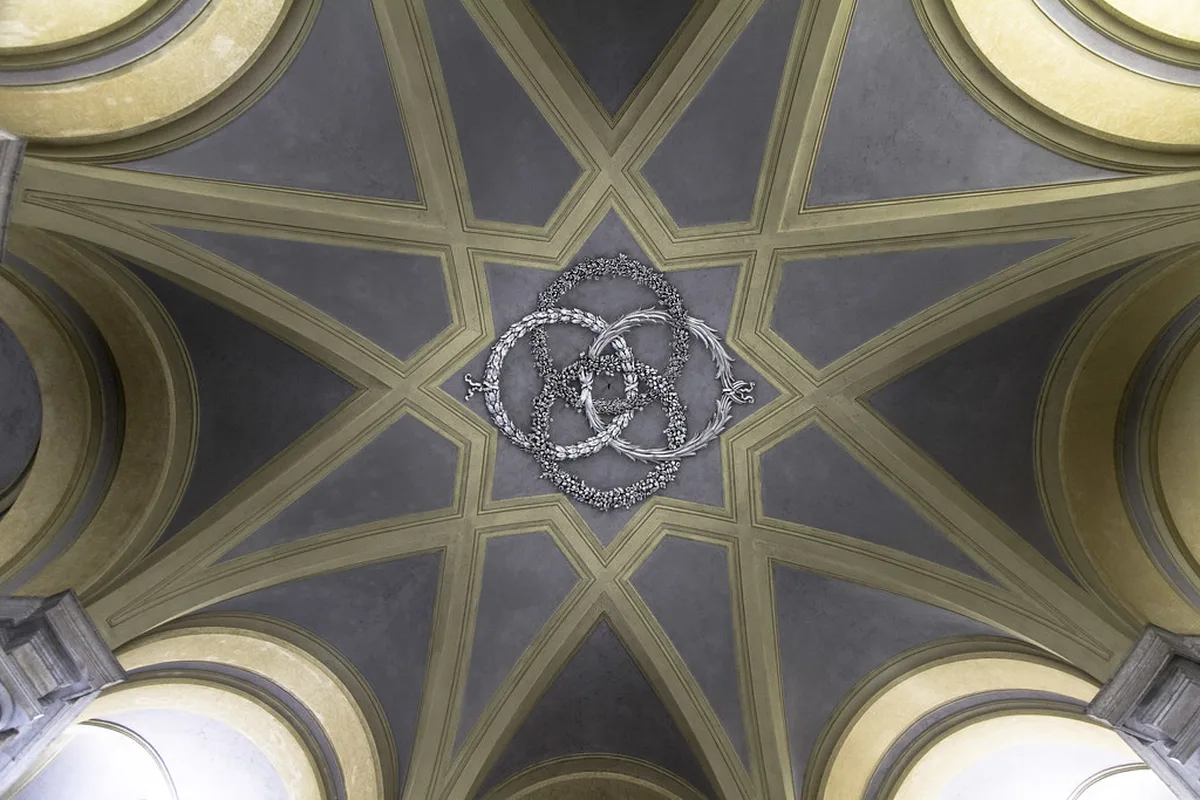
Entry to the royal apartments and the formal Italian gardens costs €16 for adults in 2026; a combined ticket that also includes the English Garden costs €22 and is the recommended option for visitors with a full day. The palace itself contains 1,200 rooms, the famous grand staircase that featured in Star Wars Episode I, the Palatine Royal Chapel with its gilded Baroque interior, and the royal apartments furnished with extraordinary eighteenth-century pieces. Audio guides are available in multiple languages for €5 and provide excellent context about the Bourbon dynasty that ruled the Kingdom of Naples for over a century.
Exploring the extensive formal gardens and the cascade waterfall requires at least half a day of walking. The grand park stretches for three kilometres in a straight line from the palace to the Great Cascade waterfall at the far end, with a series of progressively dramatic fountains punctuating the route. Renting a bicycle near the entrance costs approximately €6 per hour and allows you to cover the long park pathways comfortably without rushing. Shuttle buses also operate between the palace and the Great Cascade for €3 return, making the full-length gardens accessible even for visitors who prefer not to walk the entire six-kilometre round trip.
The English Garden, tucked to one side of the main axis, features romantic ruins, hidden artificial lakes, and exotic plants assembled from across the globe, including specimens from the Americas and Asia collected during the eighteenth century. Local restaurants and cafes in the square near the palace entrance serve excellent buffalo mozzarella produced in the Caserta province, which is the geographic heartland of authentic Mozzarella di Bufala Campana DOP — a regional delicacy that should not be missed while in the area. Note that the palace and gardens are typically closed on Tuesdays, so plan your itinerary accordingly. Summer evening openings are sometimes available from June through September, offering a magical experience watching the fountains illuminated after sunset; check the official Reggia di Caserta website for the seasonal programme and advance ticket requirements.
Expert Logistics and Avoiding Common Mistakes
Navigating the different levels of the Naples central station can be confusing for first-time visitors. Always allow fifteen extra minutes to find your platform when using the underground Circumvesuviana lines, which depart from a separate lower level accessed by escalators near the southwestern corner of the main station hall. Consult the is Naples safe for tourists guide to feel more confident when returning late in the evening, particularly when walking between the station exits and your hotel. Stick to the main station exits and use official white taxi stands marked with the Naples municipality logo for a safer journey back.
You must validate your paper train tickets in the small yellow stamping machines before boarding any regional train. Failure to stamp your ticket can result in a fine of €54 from the onboard ticket inspectors, who patrol the Circumvesuviana and regional Trenitalia lines routinely. Purchasing a Naples City Pass can save you money on both transport and museum entry fees if you plan to visit multiple sites over several days. The standard City Pass covers unlimited Circumvesuviana journeys and discounted entry to Pompeii, Herculaneum, and the National Archaeological Museum.
Ignore the unofficial guides who wait outside the train stations offering special tours or fast-track entry — these individuals are not licensed and their claimed advantages are misleading. Buy your tickets only from official windows, the verified websites of the archaeological parks, or from the self-service machines inside the park entrances. Keeping a small amount of cash in denominations of €5 and €10 is very useful for buying bus tickets at local tobacco shops (tabacchi), paying for locker storage at archaeological sites, and settling small purchases in coastal towns where card terminals can be unreliable. Many small businesses in Positano, Amalfi, and Ravello still prefer cash for transactions under €10.
If you plan to enjoy the Naples nightlife on your return evening, check the final train times carefully before you depart for your day trip. The last Circumvesuviana train from Pompeii Scavi to Naples runs around 10:00 PM, and the last regional Trenitalia from Sorrento runs at approximately 9:30 PM — arriving even five minutes late can strand you and require an expensive taxi ride costing €80 or more back to the city center. Group tours can be a great option if you want to see multiple sites in a single day with transport already arranged; private drivers offer the most flexibility but typically charge €150 to €250 for a full-day regional excursion from Naples.
- Top Regional Transport Options
- Type: Circumvesuviana Train
- Best for: Pompeii, Herculaneum, and Sorrento
- Where: Garibaldi Lower Level
- Cost: €2.80 to €4.40 one way in 2026
- Fastest Island Ferry Services
- Type: High-Speed Hydrofoil
- Best for: Capri, Ischia, and Procida
- Where: Molo Beverello Port
- Cost: €16 to €20 one way in 2026
- Mainland Regional Rail
- Type: Trenitalia Regional
- Best for: Caserta Palace
- Where: Naples Centrale Main Level
- Cost: €3.80 one way in 2026
Food and Dining on Naples Day Trips: What to Eat and Where
One dimension that many day-trip guides overlook is the remarkable regional food culture that shifts noticeably as you travel away from Naples itself. Each destination reachable by train or ferry in 2026 has its own distinct culinary identity, and knowing what to order — and where — can transform a sightseeing excursion into a genuine gastronomic journey through Campania.
In Pompeii town (not the ruins, but the modern settlement surrounding them), Bar Sgambati near the train station serves freshly baked cornetti from 7:30 AM for €1.20 each — an excellent way to fuel up before entering the archaeological site. For a sit-down lunch after your Pompeii visit, Ristorante President on Piazza Schettino is famous for its antipasto bufala mozzarella platters (€14) and wood-fired Neapolitan pizza margherita (€9). The restaurant earned a Michelin recommendation for its creative interpretation of traditional Campanian cuisine and draws a clientele of Italian food travelers as well as tourists.
On the Amalfi Coast, the local specialty is anything made with sfusato amalfitano lemons — the elongated, intensely fragrant lemon variety grown on steep coastal terraces that is protected by IGP status. In Amalfi town, Bar Tari on Via Lorenzo d'Amalfi sells freshly squeezed lemon granita for €3.50, while the nearby Pasticceria Pansa has been serving delizia al limone — a sponge cake soaked in lemon cream — since 1830 for €4.50 per slice. In Ravello, the terrace restaurant at Villa Maria charges approximately €18 to €24 for a main course but provides panoramic bay views that justify every cent of the premium pricing.
On Capri, resist the tourist-trap restaurants immediately adjacent to the Piazzetta, which charge €20 to €30 for a simple pasta. Instead, walk five minutes uphill toward Tragara to find trattorie where a plate of scialatielli ai frutti di mare (fresh pasta with mixed seafood) costs €16 to €18. At the Blue Grotto jetty area, the small snack bar sells panini and cold drinks for €4 to €6, making it a practical refueling point after your boat excursion. On Ischia, the fishing village of Sant'Angelo has excellent seafood restaurants along the waterfront where a full lunch of grilled catch-of-the-day with local white wine costs approximately €28 per person.
Caserta rewards hungry visitors with the buffalo mozzarella capital of Italy sitting right on its doorstep. The town of Aversa, just fifteen minutes from Caserta by local bus (€1.30), is ringed by buffalo farms producing some of the finest DOP-certified mozzarella in the country. At the Reggia di Caserta, the small cafe inside the palace grounds serves mozzarella bruschetta for €6 — a genuine taste of the local terroir without requiring a detour. For a proper sit-down lunch near the palace, Il Corridoio on Via Acquaviva offers a three-course lunch menu including local pasta, mozzarella antipasto, and dessert for €22 per person, making it one of the best-value meals in the entire region. Planning your meal stops in advance and arriving early at popular restaurants prevents the frustration of finding kitchens closed between 3:00 PM and 7:00 PM, as midday closures remain common across small-town Campania in 2026.
Frequently Asked Questions
What is the easiest day trip from Naples?
The easiest day trip from Naples in 2026 is Pompeii. Take the Circumvesuviana train from Naples Garibaldi station to Pompeii Scavi — the journey takes 25 minutes and costs €3.20 one way. The main park entrance is directly across from the station exit, requiring no additional transport. Entry to the archaeological site costs €18 for adults. Gates open at 9:00 AM and the site closes at 7:00 PM (last entry 5:30 PM) from April to October. Bring water, sunscreen, and sturdy shoes for the uneven ancient stone streets.
Can you visit the Amalfi Coast in one day from Naples?
Yes, the Amalfi Coast is achievable as a day trip from Naples in 2026. Take the Circumvesuviana train to Sorrento (€4.40, 65 min), then a Sita bus along the SS163 coastal road to Positano (€2.30, 45 min) or Amalfi (€4.20, 100 min). For the best experience, focus on one or two towns rather than trying to cover the whole coast in a single day. Depart Naples by 7:30 AM and return on the last train from Sorrento at approximately 9:30 PM. The entire day costs approximately €20 to €35 in transport depending on stops.
Is a car necessary for day trips from Naples?
A car is not necessary for day trips from Naples and is often actively inconvenient. The Amalfi Coast road is extremely narrow with severe congestion from June through September, and parking is scarce and expensive — up to €5 per hour in coastal villages. Pompeii, Herculaneum, Caserta, and Sorrento are all directly served by train. Capri and the other bay islands are car-free. The regional train and ferry networks are efficient, affordable, and far easier for tourists than driving, particularly on mountain coastal roads unfamiliar to visitors.
How much do day trips from Naples typically cost?
In 2026, budget approximately €30 to €70 per person for a full day trip from Naples including transport, entry fees, and a casual lunch. A day at Pompeii costs around €25 to €35 (train €3.20 each way, entry €18, lunch €8). A Capri island day runs €55 to €80 (ferry €38 return, Blue Grotto €23, chairlift €14, lunch €20). The Amalfi Coast by bus costs €20 to €40 depending on how many towns you visit. Caserta is the most affordable day trip at under €30 total including the €3.80 train return and €16 palace entry.
Is Herculaneum worth visiting compared to Pompeii?
Herculaneum is absolutely worth visiting and many archaeologists consider it superior to Pompeii for the extraordinary preservation of its organic materials — wooden furniture, food remains, painted walls, and upper-floor structures that do not exist at Pompeii. Entry costs €15 in 2026, €3 less than Pompeii. The site is much smaller (explorable in 2 to 3 hours) and receives far fewer visitors, meaning you can examine mosaics and frescoes up close without crowds. Take the Circumvesuviana to Ercolano Scavi (€2.80, 20 min from Naples). Both Pompeii and Herculaneum hold UNESCO World Heritage Site designation.
How do you get to Caserta Royal Palace from Naples and how much does entry cost?
Take a Trenitalia regional train from Naples Centrale directly to Caserta station — the journey takes approximately 40 minutes and costs €3.80 one way in 2026. The Reggia di Caserta palace entrance is visible directly across the main square from the station exit. Adult entry to the royal apartments and formal Italian gardens costs €16; a combined ticket including the English Garden costs €22. The palace is closed on Tuesdays. Budget at least 4 to 5 hours to explore the 1,200-room palace interior and the 3-kilometre garden axis leading to the Great Cascade waterfall.
What is the best time of year to take day trips from Naples?
The best months for day trips from Naples are April, May, September, and October. Spring and autumn offer mild temperatures between 18°C and 24°C, manageable crowds, and full ferry and bus timetables. Summer (June through August) is hot — often above 32°C at Pompeii and Vesuvius — and extremely crowded on Capri and the Amalfi Coast; ferries to Capri from Molo Beverello sell out days in advance. Winter (December through February) is quiet and cheap — Circumvesuviana trains to Pompeii cost the same €3.20 and the ruins are almost deserted — but some ferry services to Procida are reduced, and the Amalfi Coast bus frequency drops significantly.
Can you visit Mount Vesuvius and Pompeii on the same day?
Yes, combining Mount Vesuvius and Pompeii in a single day is achievable with an early start. Take the Circumvesuviana to Pompeii Scavi (€3.20, 25 min from Naples) and board the EAV Vesuvio shuttle bus to the crater entrance at 1,000 metres (€12 return). Allow 2 hours total for the Vesuvius visit including the 30–40 minute crater hike (entry €15). Return to Pompeii Scavi by early afternoon and enter the archaeological park (€18) for a 3-hour highlights visit covering the Forum, the Amphitheatre, and the Villa of Mysteries. Total cost for both sites is approximately €52 including transport. Depart Naples by 7:00 AM to make this itinerary comfortable.
Naples provides an incredible gateway to some of the most famous historical and natural sites in Italy. Using the regional train and ferry systems makes these world-class destinations accessible to every traveler at very reasonable cost in 2026. Careful planning and early departures will help you avoid the crowds and enjoy a more relaxed experience at iconic sites from Pompeii to Capri. Southern Italy offers endless beauty that is waiting for you to discover just beyond the city limits.
Whether you prefer ancient ruins or stunning sea views, there is a perfect day trip for everyone departing from Naples. Remember to validate your tickets, keep small cash on hand, and stay hydrated during your adventures in the Campania sun. Start organizing your 2026 itinerary today to secure the best prices for ferry crossings and entry tickets to the major sites. Your journey through the heart of Campania will surely be the highlight of your Italian vacation.