The Ultimate Naples Best Beaches Guide for Travelers 2026
Bagno Elena in Posillipo is Naples's easiest beach from the center — bus 140 from Piazza Vittoria, 20 minutes, sun lounger sets from €15 weekdays in 2026.
Procida ferries depart Molo Beverello hourly for €20 return, reaching Chiaiolella beach in 40 minutes — the least crowded major island option in the Bay of Naples.
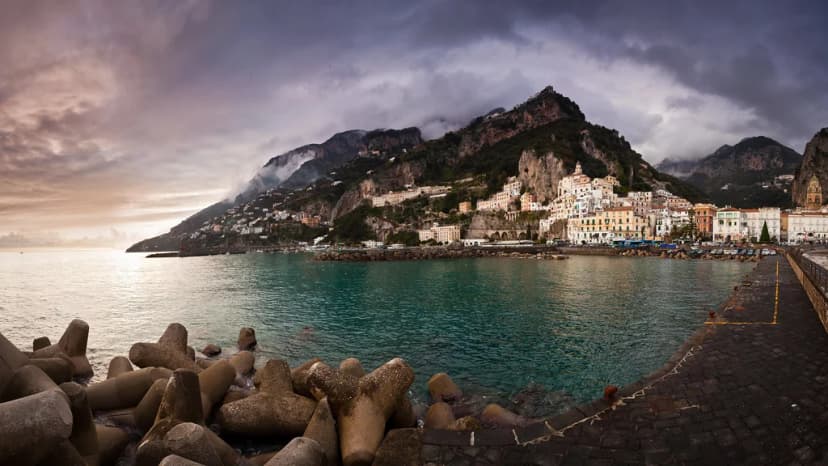
Naples offers a dramatic coastline where urban energy meets the deep blue Tyrrhenian Sea. While the city is famous for its historic streets, the surrounding waters provide a refreshing escape for every traveler. You can find everything from volcanic sands to ancient Roman ruins submerged just offshore, and in 2026 beach clubs across the region have upgraded facilities and standardised pricing makes budgeting easier. Exploring Reggia di Caserta and Museo di Capodimonte enriches your understanding of the region's cultural heritage.
Finding the right spot requires a bit of local knowledge and planning. Some beaches are tucked away behind steep cliffs, while others sit conveniently near the bustling city center. This guide helps you navigate the diverse coastal landscape of the Campania region with ease, covering distances from Naples, transport costs, and 2026 entry prices throughout.
Whether you seek a luxury beach club or a rugged natural cove, the options are plentiful. Most visitors find that combining a city tour with a coastal dip offers the perfect balance. Use this resource to discover where the locals go to soak up the Mediterranean sun.
Top Coastal Spots in the Posillipo District
The Posillipo district is home to some of the most iconic views in the city, sitting roughly 4 km west of Piazza del Plebiscito and accessible in about 20 minutes on bus 140 from Piazza Vittoria. Kayaking through the Gaiola Underwater Park allows you to see submerged Roman villas through the clear water. Entry to this protected marine area is free, but you must book a slot online at parcosommerso.it at least 48 hours in advance. Kayak rentals from the park operator cost €12 per hour in 2026, and guided snorkel tours leave twice daily at 10:00 and 14:00.
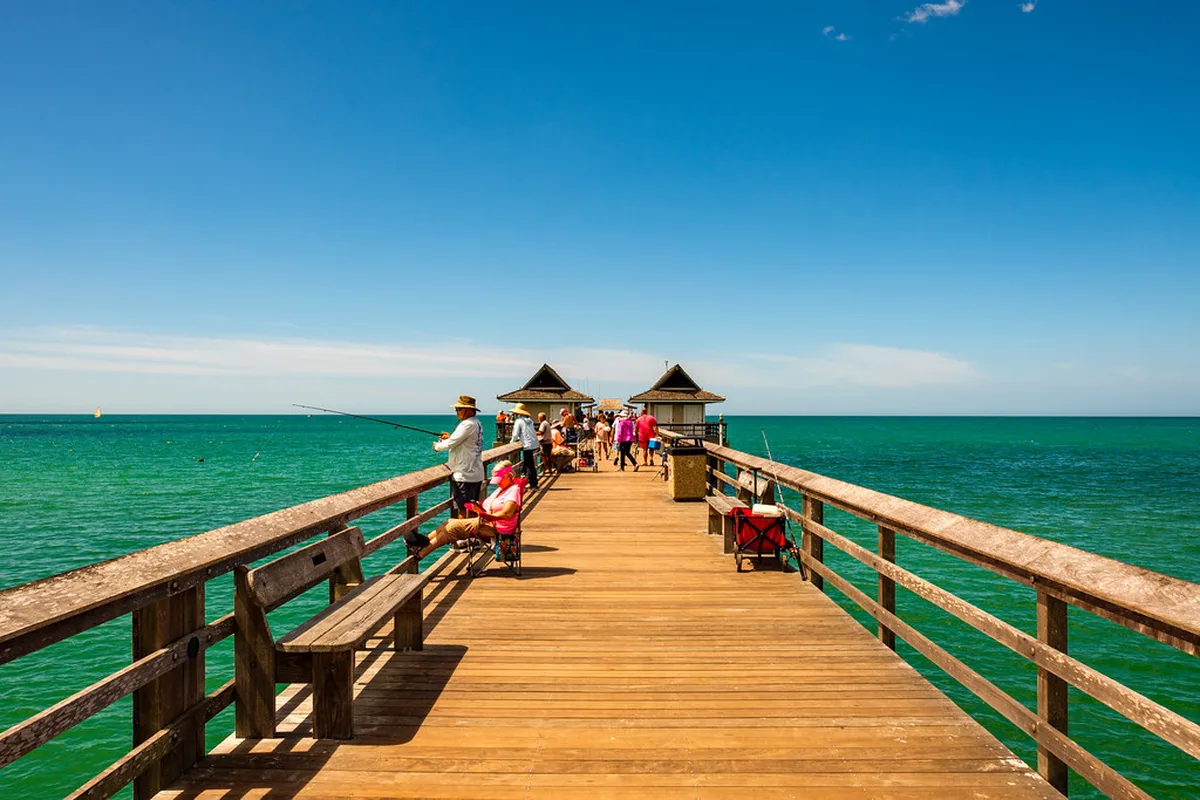
Bagno Elena offers a classic Neapolitan experience with its historic wooden pier and sandy shoreline. This private lido charges €15 for a basic sun lounger and umbrella set during weekdays, rising to €20 on weekends and bank holidays. Families appreciate the shallow entry and the lifeguard service on duty from June to September. The club also offers a changing room and freshwater shower included in the daily fee, and a seafront café where a plate of fried seafood runs €14 in 2026.
Marechiaro is located about 1 km north of Gaiola and provides a more rugged atmosphere with its famous rocky platforms and small fishing harbor. Locals often jump from the rocks into the deep, refreshing water near the Scoglione area. A small boat shuttle from the harbor costs €5 return and deposits you directly at the best swimming rocks. The surrounding fish restaurants are excellent for a long lunch — a full seafood meal here averages €30–€40 per person including house wine.
Walking down the scenic Discesa Gaiola offers breathtaking views of the coastline and the distant islands. Be prepared for a steep climb back up the hill after your day in the sun; sturdy footwear is recommended as the stone steps can be uneven. The area is at its best in June and September when visitor numbers are lower and parking along Via Posillipo (€1 per hour) is easier to find. Many travelers rate this area a highlight of their Naples 3-day itinerary.
Discesa Coroglio, a short walk south of Gaiola, gives access to a stretch of volcanic sand that locals call Spiaggia di Coroglio. This free public beach fills up quickly on summer weekends, so arriving before 09:00 secures you a decent spot. Portable shade is allowed, and a bar truck at the top of the steps sells cold drinks and panini from €3. The combination of free access and dramatic cliff scenery makes Posillipo one of the most rewarding coastal areas in the city for visitors who prefer authenticity over amenity.
- Gaiola Underwater Park
- Type: Marine protected area
- Best for: Snorkeling and history
- Where: Discesa Gaiola, 4 km from city center
- Cost: Free entry; kayak rental €12/hr in 2026
- Bagno Elena Club
- Type: Private beach club
- Best for: Families and comfort
- Where: Via Posillipo
- Cost: €15 weekday / €20 weekend (sun lounger set) in 2026
Best Island Beaches Near Naples for Day Trips
Taking a ferry from the city ports opens up a world of pristine island shorelines within 30 to 80 minutes of Naples. All major ferries depart from Molo Beverello or the adjacent Calata di Massa terminal, both within walking distance of the central train station.
Ischia is the largest island in the bay and features wide stretches of warm, volcanic sand warmed by geothermal activity below the seabed. Maronti Beach is a top choice, stretching for nearly three kilometers along the southern coast. Sun lounger sets at Maronti beach clubs cost €20–€25 per day in 2026, and the shallow volcanic shallows attract families with young children. Hydrofoil tickets from Molo Beverello to Ischia cost €24 each way in 2026; slower ferries run at €14 each way but take approximately 90 minutes.
Procida offers a more intimate and colourful setting for those who prefer a quieter pace. The ferry from Molo Beverello to Procida costs €20 return in 2026, and the journey takes 40 minutes on the standard hydrofoil. The beach at Chiaiolella provides shallow waters and a stunning view of the neighboring island of Vivara, a nature reserve that can be reached on foot via a narrow causeway. Lido Chiaiolella charges €12 for a basic lounger set, making it noticeably cheaper than Capri or Ischia equivalents. Pozzo Vecchio, on the north of the island, is a crescent-shaped bay made famous by the film Il Postino and remains far less crowded than equivalent Capri spots.
Capri is famous for its dramatic limestone cliffs and exclusive pebble coves like Marina Piccola. While the beaches here are small, the water clarity is arguably the best in the entire region. Marina Piccola beach club rates start at €30 for a lounger set in 2026. The Blue Grotto boat tour costs €18 per person for the rowing boat entry fee alone, on top of the €24.80 return hydrofoil from Naples. Expect to pay higher prices for everything on this glamorous island — a beach-side lunch typically runs €50 per person.
Planning your transit is a vital part of any day trips from Naples itinerary involving the islands. Booking return hydrofoil tickets online via Caremar or Alilauro before departure saves time and avoids the busy queue at the terminal kiosk. On peak summer days (July–August), return sailings from Capri and Ischia sell out by early afternoon, so book the 17:00 or 18:00 hydrofoil at the start of the day. Buying a combined ferry + bus day pass for Ischia (€32 in 2026) is the most economical way to explore multiple beaches in a single visit.
Exploring the Phlegraean Fields and Bacoli
West of the city lies the Phlegraean Fields (Campi Flegrei), an area rich in volcanic history sitting approximately 15–20 km from Naples city center. Miseno and Miliscola are the primary destinations for those seeking long, sandy stretches that stretch for over two kilometres. These beaches are particularly popular with local residents who flock here on summer weekends, yet they remain largely unknown to foreign visitors — making them a genuine alternative to the crowded Posillipo clubs.
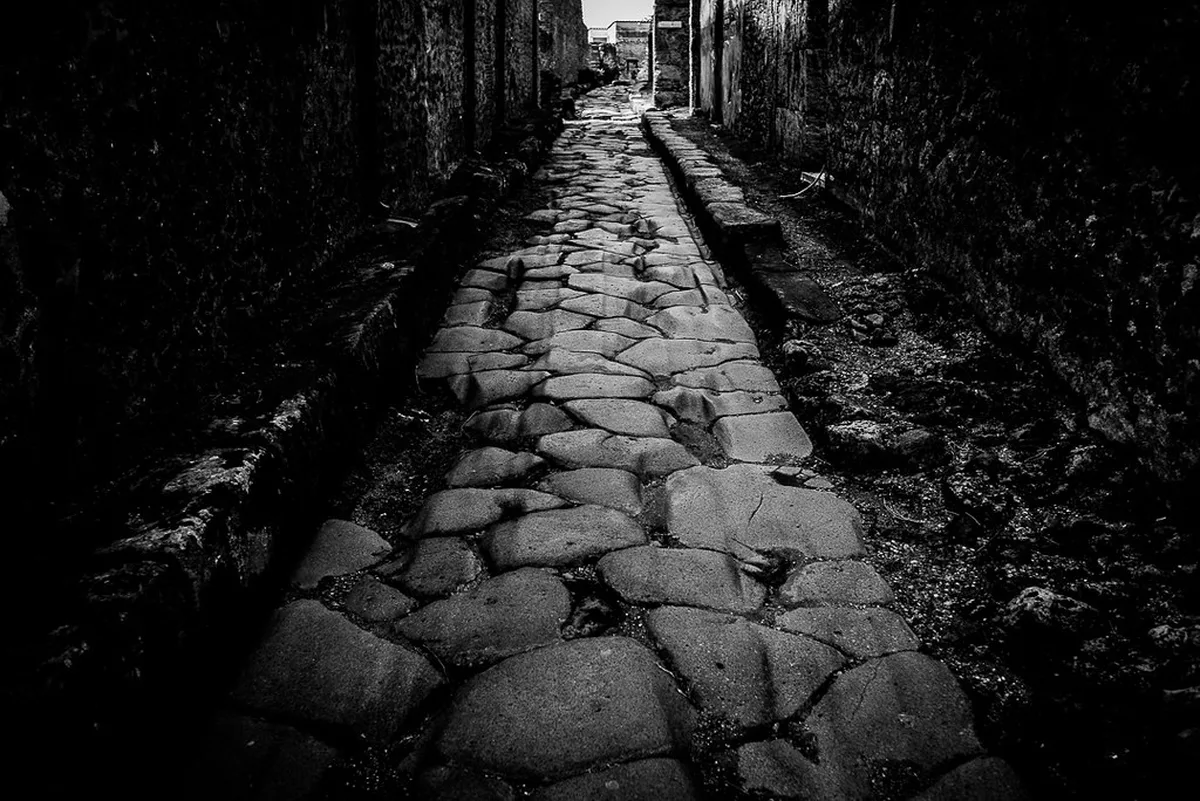
Lago Patria, a coastal lagoon just north of Bacoli at roughly 20 km from the city, offers entirely free public beach access along several kilometres of sandy shore. The water is calm and shallow throughout the summer months, making it an ideal spot for travelers with young children or those who enjoy long, uninterrupted walks in the surf. Local vendors set up parasol and sun bed rentals at €8–€10 per set in high season, considerably cheaper than equivalent city clubs. Several seafront trattorias here serve a full lunch for €15–€20 per head, and the atmosphere is relaxed and genuinely local.
The water in Bacoli proper is generally clean and stays shallow for a long distance from the shore. Many beach clubs here transform into lively bars from 19:00 onwards as the sun begins to set over the sea, with DJs and aperitivo drinks packages available at around €12 per person.
Reaching this area is easy via the Cumana railway line, which departs from Montesanto station in the city center every 20 minutes. A single ticket costs €1.80 in 2026, making it one of the most affordable day trips available anywhere on the Neapolitan coast. Alight at Torregaveta (the end of the line), then take the local EAV bus towards Miseno or walk 15 minutes to the beach. The total door-to-door journey from central Naples takes around 55 minutes.
The sunset views from Miliscola are some of the most beautiful in the Campania region. You can see the silhouettes of Procida and Ischia clearly against the orange evening sky, and in June the sun sets almost directly behind the islands, creating a spectacular photo opportunity. The Spiaggia di Miliscola is free public sand immediately adjacent to the archaeological excavations at ancient Baiae — combining a swim with a visit to the submerged Roman city ruins (accessible by glass-bottomed boat tour for €10 in 2026) makes for an exceptionally varied day out. Arriving by 09:30 on summer weekends secures a good spot before the local crowds arrive.
The Sorrento Peninsula and Amalfi Coast Access
The Sorrento Peninsula offers a different coastal experience with its high cliffs and deep blue inlets, beginning approximately 50 km south of Naples. Bagni della Regina Giovanna is a natural swimming pool located within the ruins of a Roman villa just 3 km east of Sorrento town center. Accessing this hidden gem requires a twenty-minute hike down a well-marked coastal trail from the SS145 road, and entry is entirely free of charge. The turquoise water here is typically calmer than open sea beaches and the rocky ledges provide natural shade in the afternoon.
Traveling further south brings you to the world-famous pebble beaches of the Amalfi Coast. Positano and Amalfi offer stunning vertical landscapes that provide a unique backdrop for your swim. At Positano, Spiaggia Grande beach club sets (two sunbeds and umbrella) cost €35–€50 per day in 2026. These areas are best visited by ferry from Naples to avoid the heavy traffic on the narrow coastal roads — a summer ferry from Naples to Positano via Alilauro costs €28 each way in 2026 and takes around 65 minutes. For a full coastal itinerary, our Amalfi Coast travel guide covers every town and beach stop in detail.
Furore Fjord is another spectacular location featuring a tiny beach tucked under a massive stone bridge at the bottom of a gorge. This spot is highly photogenic but can be quite crowded during the peak afternoon hours. Arriving before 10:00 allows you to enjoy the natural beauty before the tour boats arrive. Access is via a steep staircase of around 400 steps with no fee charged. Bringing solid footwear and plenty of water is essential as facilities are minimal and the only nearby café is at the top of the gorge.
Marina di Praia, a small fishing cove between Positano and Praiano, is one of the best-kept secrets on the Amalfi Coast. A single pebble beach ringed by cliff-side restaurants and a boat hire operator, it charges €20 for a sun bed set and €60 per hour for a small motorboat rental in 2026, letting you explore the neighbouring sea caves independently. The village restaurant Il Pirata serves freshly caught fish at honest prices (€25–€35 for a full meal) compared to the tourist mark-up in Positano. Reaching Marina di Praia is easiest by ferry from Amalfi town (€8 one-way, 10 minutes).
The Circumvesuviana train from Naples Garibaldi to Sorrento runs every 30 minutes, costs €4.50 one-way in 2026, and takes 65 minutes — the most economical base for exploring the peninsula's beaches. From Sorrento, local ferries connect to Positano (€18 one-way) and Amalfi (€22 one-way), providing a comfortable, traffic-free way to hop between coves. Many visitors combine Bagni della Regina Giovanna in the morning with an afternoon ferry hop to a beach further along the coast.
Procida Island Beaches — The Hidden Gem of the Bay
Procida remains the most underrated island in the Bay of Naples despite its designation as Italian Capital of Culture in 2022, which brought the island significant global attention. Sitting just 12 nautical miles from Naples, it is reached in 40 minutes by hydrofoil from Molo Beverello at a return fare of €20 in 2026 — less than half the cost of a return trip to Capri. Ferries run approximately every 60–90 minutes throughout the day, with the last hydrofoil back to Naples departing at 19:30 in peak season.
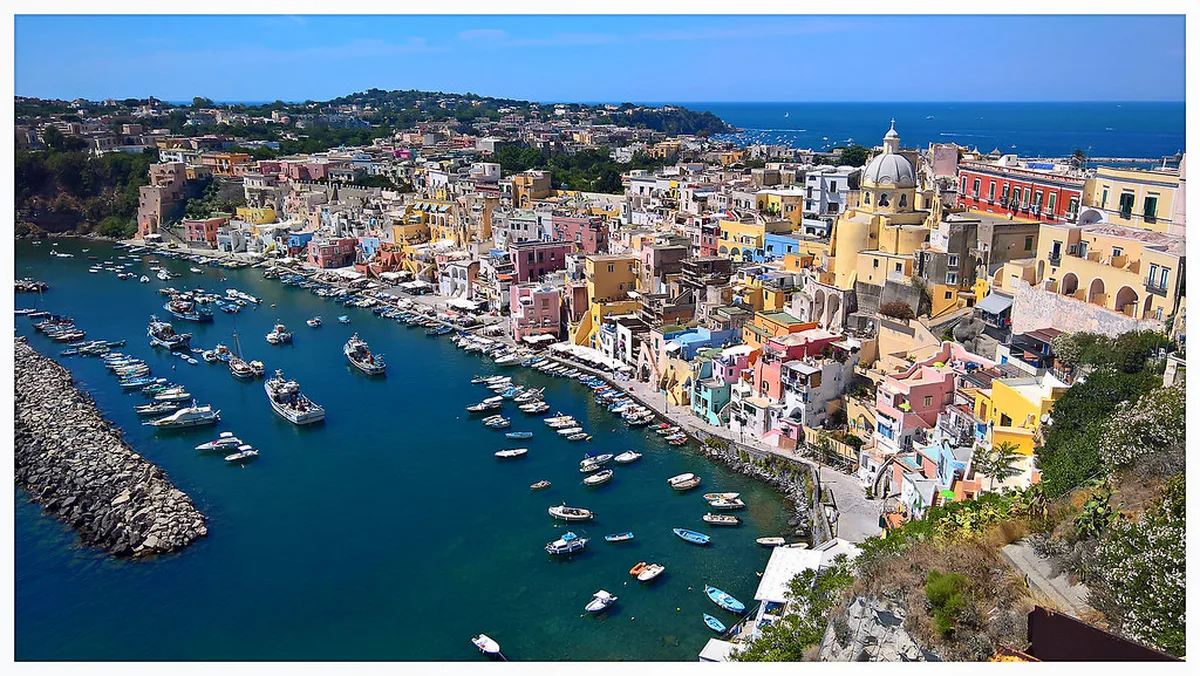
Chiaiolella is Procida's most popular beach, located on the south-western side of the island a short walk from the ferry dock at the same bay. The beach is a crescent of fine sand and pebble with calm, shallow water ideal for families. Lido Chiaiolella offers sun lounger sets at €12 per day in 2026, and free public sand is available at either end of the bay. The adjacent Via Marina di Chiaiolella is lined with seafood restaurants serving lunch for €18–€25 per person — notably cheaper than equivalent options on Capri or Ischia.
Pozzo Vecchio, on the north-east side of the island, is the beach featured in the 1994 film Il Postino and remains largely crowd-free even in peak July. The dark volcanic sand and brightly painted fishermen's houses behind the shore create one of the most photographed scenes in southern Italy. There is no beach club here — just free public sand, clear water, and a single beach bar selling cold drinks and sandwiches from around €5. Swimming conditions are generally calm as the bay is naturally sheltered from prevailing south-westerly winds.
Spiaggia del Postino (also called Lingua beach) is a tiny cove at the northern tip of the island accessible via a 15-minute walk from the main town of Corricella. The effort rewards you with exceptional privacy even in August, and snorkelling over the rocky seabed reveals sea urchins, octopus, and schools of bream. Bringing snorkel gear is recommended as no rental is available at this location. The combination of extraordinary quiet, dramatic cliff scenery, and authentic Neapolitan island life makes Procida the single best beach day trip from Naples in 2026 for travellers who have already visited Capri.
Getting around Procida once on the island is easy: renting a scooter costs €30 per day from operators near the main ferry terminal, and the island is small enough to circumnavigate in under 30 minutes. An electric bike option is available at €20 per day, suitable for the relatively flat terrain around the southern beaches. Alternatively, the island's single bus line runs every 20–30 minutes between the main port (Marina Grande) and Chiaiolella for €1.20 per journey in 2026.
Beach Clubs vs Free Beaches: What to Expect and How to Budget
One of the most common questions from first-time visitors to the Naples coast concerns the difference between paying for a private beach club (stabilimento balneare) and using the free public stretches (spiaggia libera) that sit alongside them. Understanding the trade-offs helps you plan a comfortable day without overspending.
Private beach clubs around Naples in 2026 typically charge €10–€25 for a standard package consisting of two sun loungers and a parasol. Premium clubs in the Posillipo district — such as Bagno Elena and Lido Triton — price their full-day sets at €18–€25, while the more relaxed lidos along the Phlegraean coast at Bacoli and Miliscola charge €8–€14. Club facilities generally include guarded parking or a manned entrance gate, clean changing rooms with hot showers, and a bar or snack counter. Most clubs open at 08:30 and close when the last guests leave in the early evening, usually by 19:00. On Ischia, Maronti beach clubs run a courtesy shuttle boat from the main pier for €3 return, saving the steep 15-minute cliff-path descent with beach bags in tow.
Free public beaches are officially guaranteed by Italian law along all coastlines, but the practical experience varies considerably. At Gaiola in Posillipo, the free rocky entry points are well-maintained and monitored by the marine park authority. At Spiaggia di Coroglio, the free section is wide and sandy but lacks toilets; the nearest public facilities are a 10-minute walk back up the road. On Procida, the free stretches at Pozzo Vecchio and Chiaiolella (at either end of the bay, outside the paid lido area) are genuinely good — clean, uncrowded before 11:00, and with a beach bar nearby that charges standard prices (cold water €2, aperol spritz €6).
For families travelling with young children, the convenience of a private club — reserved sunbeds, clean showers, a lifeguard on duty from 10:00–18:00 — usually justifies the cost. For solo travelers or couples on a tight budget, the free sections deliver excellent value; bring your own water from a supermarket (€0.50 for 1.5 litres vs €2.50–€3 at beach bars) and a dry bag for valuables. A useful compromise is to arrive at a private club for just the morning hours: many Neapolitan stabilimenti offer a half-day rate from midday onwards at 40–50% off the full-day price, typically €8–€12 per person, giving you access to showers and secure storage while saving money.
Booking ahead is advisable for popular clubs on weekends and Italian public holidays (particularly 2 June, 15 August, and 1 November). Bagno Elena and several Posillipo clubs now offer online reservation via their websites and Google Business profiles, with no booking fee. Arriving without a reservation on a Sunday in July risks finding every lounger occupied by 10:30 — in which case the adjacent free areas fill fast as well. Planning around a Tuesday or Wednesday visit cuts entry prices at most clubs by 10–15% versus the weekend rate and guarantees availability.
Practical Tips for Your Naples Beach Day
Understanding the difference between public and private beaches is crucial for a successful trip. Public beaches (spiaggia libera) are free but often lack amenities like toilets or showers. Private stabilimenti provide these comforts along with security for your belongings and typically charge €10–€25 for a two-sunbed and umbrella set in 2026, depending on proximity to the city center and the quality of facilities on offer.
The peak season runs from mid-June to early September. Outside these dates — particularly in May, early June, and September — beaches are noticeably quieter, water temperatures remain warm (22–26°C), and beach club prices often drop by 20–30%. September is widely considered the best month to visit for a balance of warm sea, manageable crowds, and lower costs across transport and accommodation.
Safety is an important consideration when visiting crowded public areas near the city center. Always keep a close eye on your bags and avoid bringing unnecessary valuables to the shoreline. Read our guide on is Naples safe for tourists for a full overview of precautions that apply to beach areas as well as the historic center.
Hydration and sun protection are essential as the Mediterranean sun can be very intense during July and August, with UV Index readings regularly reaching 9–10 (very high). Most beach clubs sell bottled water at €2–€3 per 500 ml — noticeably higher than supermarket prices of €0.30–€0.50. Bringing a 1.5-litre bottle from a city supermarket can save €10 or more over a full day for a family of four. Apply SPF 50 sunscreen and reapply after swimming, particularly between 12:00 and 15:00 when direct sun is strongest.
Boat rental is an excellent way to access secluded coves around Posillipo and the Phlegraean coast that are inaccessible by foot. Small motorboat rentals at Posillipo and Bacoli start at €80 per half-day in 2026 for a self-drive vessel that accommodates four people, making it cost-effective when shared. Sea kayak hourly rentals average €12–€15 across most beaches in the region. If you want to combine your beach day with a meal out, our guide to Naples restaurants and best places to eat covers the top seafood spots close to each coastal area.
Checking the daily weather and sea conditions is a smart move before heading to the coast. Strong winds (libeccio from the south-west) can occasionally make the rocky areas in Posillipo or Capri unsafe for swimming. Local news sites and the Meteo Mare Italy app provide real-time updates on water quality, Beaufort wind scale readings, and wave heights for each bay. If the forecast shows winds above Beaufort 4, opt for the sheltered lagoon beaches at Bacoli or Chiaiolella on Procida instead.
Frequently Asked Questions
Which beach is the easiest to reach from Naples city center?
Bagno Elena in the Posillipo district is the most accessible sandy beach from the center, located about 4 km from Piazza del Plebiscito. Take bus 140 from Piazza Vittoria for a 20-minute ride. In 2026, a sun lounger and umbrella set costs €15 on weekdays and €20 on weekends, with full amenities including showers, changing rooms, and a seafront café included in the entrance fee.
Are there any free beaches in Naples?
Yes, there are several free public beaches in and around Naples. The Gaiola Underwater Park is free to enter (reservation required at parcosommerso.it, no cost). Portions of Marechiaro's rocky shoreline are free public access. On the Phlegraean coast, Lago Patria near Bacoli and Spiaggia di Miliscola near Baia are both free public beaches with no entry charge. Pozzo Vecchio on Procida island is also free, accessible after paying the €20 return hydrofoil ferry from Molo Beverello. Spiaggia di Coroglio in Posillipo is another free volcanic sand beach requiring no reservation.
Is the water clean enough for swimming in Naples?
Swimming is generally safe and clean in the Posillipo, Bacoli, Procida, and island areas. You should avoid swimming near the commercial port or the main city promenade (Lungomare) for health reasons. Always look for the Bandiera Blu (Blue Flag) signs indicating high water quality standards — in 2026, Procida's Chiaiolella beach and several Bacoli lidos hold this certification. The Gaiola Underwater Park water quality is monitored daily by the park authority and results are posted at the entrance booth each morning.
How much does it cost to go to the beach in Naples in 2026?
Costs vary widely depending on beach type. Free public beaches (spiaggia libera) cost nothing beyond travel. Private beach clubs (stabilimenti) charge €10–€25 for a two-sunbed and umbrella set in 2026 — Bagno Elena in Posillipo charges €15–€20, while Maronti on Ischia charges €20–€25. Island day trips add ferry costs: €20 return to Procida, €48+ return to Capri (hydrofoil). Budget roughly €40–€60 per person for a comfortable island beach day including transport, a beach club set, and lunch at a local trattoria.
Which is better for a day trip from Naples — Procida or Capri?
Procida is better value and less crowded. The return hydrofoil from Molo Beverello costs €20 to Procida versus €24.80+ each way to Capri in 2026. Procida's Chiaiolella beach charges €12 for a lounger set compared to €30+ at Marina Piccola on Capri. Capri delivers more dramatic scenery and clearer water, but the island is extremely busy in July and August. First-time visitors often prefer Capri for the iconic scenery; repeat visitors consistently prefer Procida for the authentic, uncrowded atmosphere and lower overall spend.
What is the best month to visit Naples beaches?
September is the best month to visit Naples beaches in 2026. Sea temperatures peak at 25–26°C, crowds are noticeably smaller than in July–August, and many beach clubs reduce their prices by 20–30% after the Italian summer holiday period ends on 20 August. Late May and early June are also excellent — water is warm (22–23°C), beach clubs have just opened for the season, and the full summer surcharges have not yet been applied. Avoid the first two weeks of August (Ferragosto period) when both beaches and transport are at maximum capacity.
What is the difference between a beach club and a free beach in Naples?
Private beach clubs (stabilimenti balneari) in Naples charge €10–€25 per day in 2026 for two reserved sun loungers and a parasol, and include amenities such as clean changing rooms, hot showers, a lifeguard on duty (10:00–18:00), and a bar or snack counter. Free public beaches (spiaggia libera) are legally guaranteed by Italian law and cost nothing beyond transport, but typically offer no toilets, no showers, and no security for belongings. Many Naples beaches have both: a paid lido section in the center and free public sand at either end. Many clubs also offer a half-day rate (arriving at midday) at roughly 40–50% off the full-day price, giving budget-conscious visitors access to showers and lounger storage for €8–€12.
How do I get to the Phlegraean Fields beaches from Naples?
Take the Cumana railway line from Montesanto station in central Naples toward Torregaveta. Trains run every 20 minutes and a single ticket costs €1.80 in 2026. The full journey to Torregaveta (end of the line) takes about 45 minutes. From there, take the local EAV bus toward Miseno for Spiaggia di Miliscola, or walk 15 minutes to the beach at Bacoli. The total door-to-door journey from central Naples to the Miliscola free beach is approximately 55–60 minutes — one of the cheapest beach day trips in the region at under €4 round-trip by rail.
Exploring the coastline is an essential part of any trip to this vibrant Italian city in 2026. From the ancient ruins of Gaiola to the wide sands of Ischia and the colourful harbours of Procida, the variety is truly impressive. Each location offers a unique perspective on the natural beauty of the Campania region, whether you are swimming in volcanic shallows, snorkelling over Roman ruins, or watching the sun set from a clifftop bar.
Planning ahead for transport and bookings will ensure your beach day is relaxing and enjoyable. Book hydrofoil tickets online the day before to avoid queues, pack your own water and snacks from a city supermarket to cut costs, and aim for late June or September for the best balance of warmth and tranquillity. Whether you prefer a luxury club or a wild rocky cove, Naples has a spot for every budget and travel style in 2026.
The memories of swimming in these historic waters will likely be a highlight of your journey. Take the time to visit at least one island — ideally Procida if you want value and quiet, or Capri if you want drama and prestige. Combined with a half-day exploring the Posillipo coastline on foot, this balanced approach reveals the true coastal heart of Naples and its surrounding wonders.