The Ultimate Verona Funicular and Cable Car Guide (2026)
The Funicolare di Castel San Pietro departs from Via Santo Stefano and costs €2 one-way or €3.20 return in 2026, reaching the panoramic castle terrace in 90 seconds.
Operating daily from 10:00 AM to 11:00 PM in summer (June–September), the funicular is managed by ATM Verona — tickets are sold on-site, at nearby tabaccherie, or via the ATM Verona app with no advance booking required.
Verona offers one of the most romantic skylines in all of Italy from the heights of Castel San Pietro. Finding the best way to reach this viewpoint is essential for any traveler exploring the city's historic center. This comprehensive verona funicular and cable car guide explains everything you need to know about this iconic mechanical lift. While many locals refer to it as the funicular, tourists often search for it as the Verona cable car. This short but scenic ride transports you from the banks of the Adige River to a stunning terrace in under two minutes. You will save your legs from a steep climb while enjoying a bird's-eye view of the terracotta rooftops below. Modern travelers appreciate the efficiency and accessibility this transport system provides during a busy sightseeing day. Understanding the logistics of tickets, hours, and nearby attractions will help you maximize your time in this UNESCO World Heritage city. Let us dive into the details of making the most of your ascent.
The Funicolare di Castel San Pietro History
The history of this transport system dates back to the early 20th century when the city sought to connect the riverbank with the fortress. Construction originally began in 1939 to serve students and residents living near the hilltop. It operated for several years before closing due to economic shifts and technical requirements. After decades of silence, the city undertook a massive restoration project to bring the system back to life for modern tourists. The new version opened in 2017 with sleek glass cabins and updated safety features. Today, it serves as a vital link between the Verona old town highlights and the historic hills.
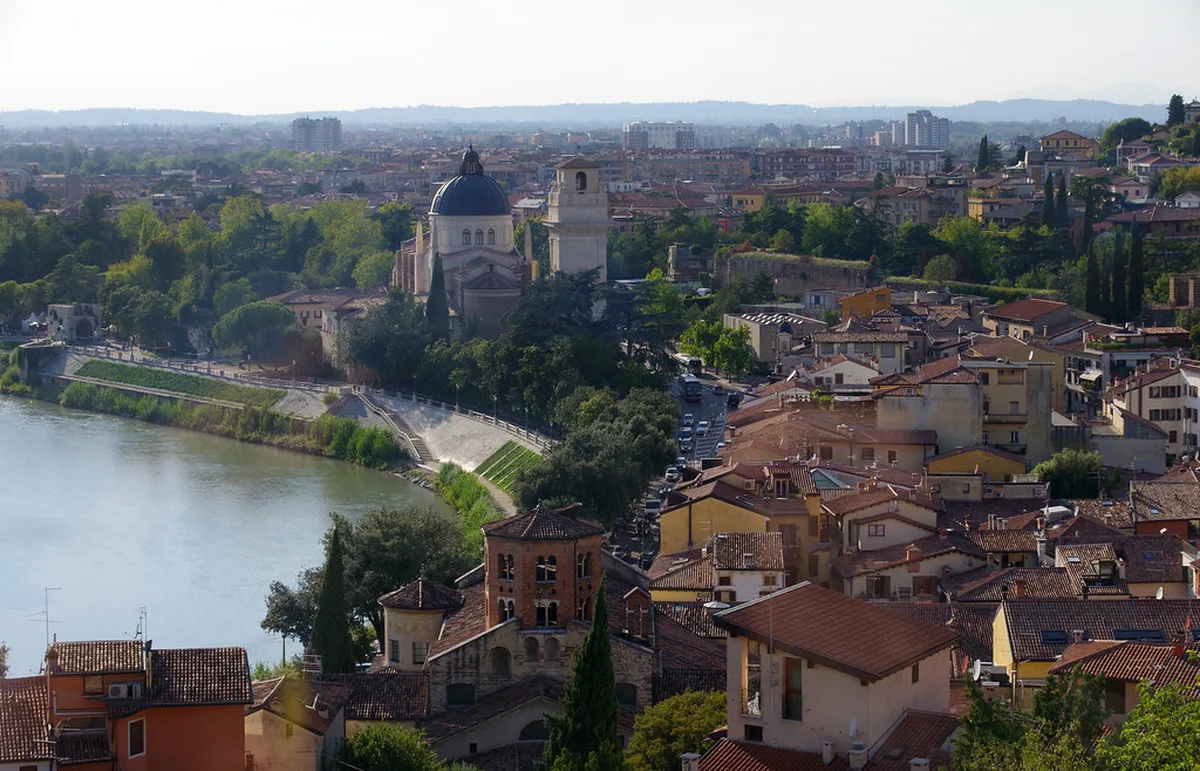
Technically, the system is an inclined elevator rather than a traditional aerial cable car suspended on wires. It runs on a fixed track that follows the natural slope of the hill behind the Roman Theater. This design ensures a smooth and stable ride even during breezy afternoons in the Adige valley. The cabins are designed with large panoramic windows to provide unobstructed views of the city as you ascend. You can spot the Arena, the Lamberti Tower, and the winding river within seconds of leaving the base station. This brief journey offers a unique perspective that you simply cannot get from street level.
The restoration project that produced the current funicular cost the municipality approximately €3.5 million and took three years to complete between 2014 and 2017. Engineers had to reinforce the original tunnel bored into the hillside while installing a fully automated cable-drive mechanism that meets modern EU safety standards. The new system can carry up to 25 passengers per cabin and dispatches cars every 15 minutes during off-peak periods and on demand during busy summer weekends. Since reopening, the Funicolare di Castel San Pietro has become one of Verona's most photographed experiences, not merely a transport option. Local heritage groups argue it is as much a monument as the Roman Theater that sits at its base, and seasonal ridership has grown by an average of 18 percent year-on-year since 2018. In 2026, the funicular remains operated by ATM Verona, the same public transport authority that runs the city bus network, which means an ATM Verona day pass (€3.50) covers unlimited funicular rides along with all bus routes — excellent value for visitors planning multiple trips up the hill in a single day.
Practical Guide to Tickets and Hours (2026 Prices)
Navigating the ticketing process is straightforward if you know what to expect at the base station on Via Santo Stefano. In 2026, a one-way ticket costs €2 per adult, while a return (round-trip) ticket is €3.20 — saving you €0.80 compared to buying two single fares. Reduced fares apply for seniors over 65 and children aged 6–14, who pay €1.50 one-way or €2.40 return. Children under 6 ride free. One-way tickets suit those who want to ride up and walk back down the stone steps while absorbing the neighborhood atmosphere on the descent. This choice allows you to experience the mechanical lift without committing to the full round-trip fare. Most visitors find the small price well worth the time saved during a packed day.
Operating hours in 2026 run from 10:00 AM to 11:00 PM daily between June and September. In shoulder season (April–May and October), the funicular closes at 10:00 PM. Winter hours (November–March) see the last cabin depart at 9:00 PM. The system closes entirely on Christmas Day and for two weeks in January for annual maintenance — always verify dates on the official funicolarediverona.it website before planning your trip. The ATM Verona bus network also connects the lower town to Castel San Pietro via bus route 73; a single ATM bus fare is €1.50 in 2026 and is valid for 90 minutes on any ATM route including the funicular.
You can purchase tickets in three ways: at the automated machines inside the lower station (card and cash accepted), at tabaccherie (tobacco shops) near Ponte Pietra, or via the ATM Verona app on your smartphone. App purchases let you scan a QR code at the turnstile, eliminating the need to queue at peak times. Weekend afternoons from 4:00 PM to 7:00 PM are consistently the busiest window; arriving before 3:30 PM or after 7:30 PM avoids the main rush. If you are driving to the area, consider reading about parking in Verona to find a spot near the river. The base station is tucked away in a quiet street just across the Ponte Pietra bridge, roughly a seven-minute walk from Piazza delle Erbe.
Riding the Funicular vs. Walking the Stairs
Deciding between the funicular and the stairs depends largely on your physical fitness and available time. The mechanical ride takes less than two minutes and requires zero physical exertion from the passenger. This is the ideal choice for families with young children or anyone with mobility challenges. In contrast, the stone staircase consists of over 200 steps that wind through historic residential alleyways. Walking up can take anywhere from ten to twenty minutes depending on your pace and how often you stop for photos. The path is beautiful but can be quite taxing during the heat of a mid-July afternoon.
Many savvy travelers choose a hybrid approach by taking the funicular up and walking down the steps. This allows you to see the hidden gardens and ancient walls that line the pedestrian path without the heavy breathing. You will pass by the entrance to the Roman Theater, which is another must-see site in the area. The stairs offer several small landings where you can stop to take photos without the glare of the cabin glass. If you have a full Verona 3-day itinerary, using the lift for the ascent saves valuable energy for the rest of the day. You can then use that extra stamina to explore the extensive grounds of the castle at the top.
From a pure time-efficiency perspective, the funicular wins decisively for travelers on a tight schedule. The 90-second ride versus a 10–15 minute stair climb translates into genuine savings when your itinerary includes the Arena, Juliet's House, and Piazza delle Erbe in the same afternoon. That said, the staircase experience has tangible advantages for photography enthusiasts. Several open windows in the stairwell frames have no fence or glass between you and the city below, producing images that the cabin's tinted panels simply cannot replicate. The staircase is also entirely free and open 24 hours, making it the default option whenever the funicular is undergoing maintenance. The comparison below captures the key trade-offs in 2026:
- Funicular Ride Experience
- Duration: 90 seconds
- Effort: None
- View: Panoramic glass cabin
- One-way cost: €2.00 | Return: €3.20
- Accessibility: Full wheelchair and stroller access
- Pedestrian Staircase Route
- Duration: 10–15 minutes
- Effort: Moderate (200+ steps)
- View: Intimate alleys and open stair windows
- Cost: Free
- Accessibility: Steps only, no lift alternative on staircase path
What to See at Castel San Pietro Summit
Once you exit the upper station, you are immediately greeted by the wide panoramic terrace of Castel San Pietro. This spot provides the definitive view of Verona, featuring the river's horseshoe bend and the many church spires. Photographers often flock here to capture the city during the golden hour before the sun dips below the horizon. The castle itself is an Austrian fortress built in the mid-19th century on the site of a former Roman temple. While the interior of the main barracks is often closed to the public, the exterior architecture is impressive to behold. You can walk around the perimeter to find different angles of the surrounding hills and fortifications.
A small bar and restaurant sit adjacent to the terrace, offering a place to rest with a drink. Sitting outside with a spritz (around €4–€6 depending on the season) while watching the city lights flicker on is a quintessential Veronese experience. Prices at the summit bar are slightly higher than in Piazza delle Erbe, but the view justifies the extra cost. Look for the small paths that lead further up the hill behind the main castle structure for a quieter experience. These wooded areas are popular with local joggers and offer a peaceful escape from the crowded terrace. You might even find a secluded bench to enjoy a quiet moment away from other tourists.
Beyond the main terrace, a secondary viewpoint at the far north-east corner of the castle wall is known locally as the Balcone del Castello and is frequented almost exclusively by Veronese residents. It offers a slightly different sightline that frames the Ponte Pietra bridge as the central subject rather than the Arena — a composition that many travel photographers prefer for its intimacy. In 2026, the castle gardens are open without entry charge from 7:00 AM to 8:00 PM (closing at 7:00 PM in winter), so there is no cost to linger for as long as you like after your funicular ride. The military barracks section occasionally hosts temporary art exhibitions; check the municipal culture website for the current programme before you visit. The summit also has public toilets near the bar terrace — an important practical detail for families spending extended time at the top. If you are considering further exploration of northern Italy's elevated viewpoints, the Bergamo funicular and cable car guide covers a similarly stunning hilltop experience in the Lombardy region worth combining with a Verona visit.
Walking Alternatives to the Funicular
For visitors who prefer to travel on foot or find the funicular temporarily closed, Verona offers several well-established walking routes to the Castel San Pietro terrace. Each route has its own character, ranging from a steep historic staircase to a shaded riverside path with multiple photographic viewpoints. Understanding the options in advance lets you choose the route that best matches your fitness level, available time, and the kind of scenery you want to see.
The most direct pedestrian route begins on Via Castel San Pietro, a narrow lane that runs up the hillside from the base of the Roman Theater. The path here consists of approximately 200 broad stone steps arranged in a series of ascending terraces. The climb takes about 10 minutes at a comfortable pace and is free of charge. What makes this route special is the quality of the views during the ascent rather than only at the summit. Around halfway up, at roughly step 100, the staircase opens onto a small landing where the rooftops of Veronetta district fill the frame below you without any glass or railing obscuring the shot. Many travel photographers consider this mid-climb vantage point superior to anything at the top. The steps are well maintained and lit by low-level path lights after dark, making an evening ascent entirely practical.
A more gradual alternative is the Via Fontana route starting from the Ponte Pietra bridge. From the north end of the bridge, follow the riverside path along Lungadige Rubele for roughly 400 metres until you reach the foot of the Via Fontana lane. The entire approach from the bridge to the castle entrance covers approximately 1 km and takes 15 minutes at a relaxed walking pace. The route is substantially shaded by mature plane trees along the riverbank section and passes two small public gardens with benches. Stopping points along the way include a medieval water fountain dated to the 15th century and a series of information panels about the Venetian fortification walls that link the hillside to the city below. This is the recommended route for anyone with young children in a buggy, as the gradient is far more manageable than the staircase and the path surface is smooth tarmac for most of its length.
Before beginning either walking route, consider visiting the Roman Theater at the base of the hill. Entry in 2026 costs €6 per adult, which includes access to the Archaeological Museum housed inside the former convent above the stage area. The museum displays Roman-era artefacts excavated from the Verona province, including mosaics, bronze figurines, and funerary monuments. The theater itself, carved into the hillside in the 1st century BC, retains its original semi-circular cavea and offers an atmospheric context for understanding why the hilltop above was so strategically important to the Romans, the Venetians, and later the Austrians. Combining a Roman Theater visit (allow 45 minutes) with the staircase ascent and a funicular descent creates a highly efficient 2-hour half-day loop that costs just €8 in total — €6 for the theater and €2 for the funicular return ride down.
The combined walking-up, funicular-down strategy is particularly effective for photography. The staircase mid-climb landing gives you the best overhead shot of the city's roofscape in the late morning light when the sun is still low enough to cast shadows across the terracotta tiles. After spending time at the summit, the 90-second funicular descent offers a dramatic compressed view of the city rushing toward you through the glass — a very different visual experience from the static staircase shots. Many visitors report that this two-directional approach yields a far greater variety of images than using the funicular both ways or walking both ways. It also means you spend your limited energy wisely, saving your legs for whatever comes next in your itinerary.
Combining the Funicular with Verona Itineraries
The funicular station is perfectly positioned to be included in a wider tour of the city's northern district. You can easily visit the Roman Theater and the Archaeological Museum before or after your ride. These sites are located right at the foot of the hill and share the same historical atmosphere. After descending, a short walk across the ancient Ponte Pietra bridge brings you back into the heart of the historic center. This route is one of the most popular things to do in Verona for first-time visitors. It connects the medieval charm of the streets with the grand scale of the hilltop views.
If you are planning your day, aim to arrive at the funicular about thirty minutes before sunset. This timing allows you to secure a spot on the terrace wall before the largest crowds arrive. Watching the sky turn purple over the Adige River is a memory that stays with most travelers forever. Consider pairing this visit with a late dinner in the nearby Veronetta district, where trattorie such as Osteria del Bugiardo on Corso Portoni Borsari offer excellent local cuisine from around €20–€30 per head for a full meal with wine. This neighborhood across the river is known for its authentic osterias and lively student population. It offers a nice contrast to the more commercialized areas around the Arena and Piazza Bra.
For those building a multi-day schedule, the northern riverside loop — Ponte Pietra → Roman Theater → funicular ascent → Castel San Pietro terrace → staircase descent → Veronetta dinner — can comfortably fill a half-day between 3:00 PM and 8:00 PM. This timing captures the best afternoon light on the way up and the sunset panorama from the terrace. Budget approximately €9 per person for this complete loop: €6 for the Roman Theater, €2 for the funicular one-way down, and €1 for an ATM bus back to the city center if needed. If you are planning broader exploration of the region, day trips from Verona to Lake Garda, Mantua, or Vicenza can be efficiently combined with a morning funicular visit since most day-trip departures leave from Verona Porta Nuova station in the late morning. After a full day of sightseeing, the Verona nightlife guide covers the best aperitivo bars and evening venues in the city center, several of which are within easy walking distance of the Ponte Pietra.
Local Insights for a Better Experience
One common mistake travelers make is visiting the funicular during the middle of a hot summer day. The terrace offers very little shade, and the heat reflecting off the stone can be intense between noon and 3:00 PM in July and August. Aim for an early morning visit if you want to enjoy the view in cooler, quieter conditions — the 10:00 AM opening slot on weekday mornings is rarely crowded. Another local tip involves the ticket machines, which can sometimes have long queues during peak hours. You can buy tickets at nearby tobacco shops on Via Garibaldi or use the ATM Verona app to skip the line entirely. This small shortcut can save you twenty minutes of waiting during the busy weekend afternoon rush, particularly in July and August when summer tourist volumes peak.
If the main terrace feels too crowded, look for the side path that leads toward the Don Calabria institute. This walkway offers similar views but is rarely visited by the large tour groups that stay near the funicular exit. It provides a more intimate setting for taking photos or simply soaking in the Italian atmosphere. Keep an eye on the weather forecast as low clouds or fog can completely obscure the city from the summit. On clear days, you can see as far as the foothills of the Lessinia plateau and on exceptional days the snowy peaks of the Alps to the north. Check the visibility from the riverbank before you commit to buying a ticket for the ascent.
Timing your visit to avoid the overlap with organized tour groups is easier than it sounds. Most guided city tours arrive at the funicular between 10:30 AM and noon and again between 2:00 PM and 4:00 PM. Visiting at 5:00 PM on a weekday gives you a near-empty terrace with excellent soft light for photography. Note that the ticket machines accept Visa, Mastercard, and Maestro contactless as well as euro coins and notes — you do not need exact change. For budget travelers, the combination of the free staircase ascent and a €2 one-way funicular descent represents the most cost-effective way to experience the hill. Pair it with an overview of Verona's neighborhoods to plan a route that keeps you in the quieter streets rather than the main tourist corridors.
Funicular Photography Tips and Best Shots in 2026
The Funicolare di Castel San Pietro and its surrounding terrace are among the most photogenic locations in all of northern Italy. Getting the best shots, however, requires a little planning beyond simply showing up with a smartphone. Light, timing, position, and knowing which vantage points to prioritize are all factors that separate a memorable image from a generic postcard shot. In 2026, the terrace and castle walls are free to access after your funicular ride (garden opening hours 7:00 AM–8:00 PM), so you have no time pressure from an entry booth once you are at the top.
For the classic panoramic shot of Verona's rooftops with the Adige River sweeping through the middle of the frame, position yourself at the central section of the main terrace wall, roughly 10 metres to the right of the funicular upper station exit. At this point the Arena di Verona is visible in the far left of the frame, and the Ponte Pietra bridge anchors the right side. The ideal shooting window is between 5:30 PM and 7:00 PM in late spring and summer, when the sun is low enough to paint the terracotta tiles in warm amber light without casting the church towers into shadow. On overcast days, a polarizing filter or the Vivid mode on your phone's camera can help lift the contrast in the tiles and make the river look a deeper blue-green.
Inside the funicular cabin itself, you can capture a dramatic compressed cityscape during the descent. Keep your lens close to the glass and angle it downward to minimize reflections from the interior lighting. Using the portrait mode or a shallow depth of field setting blurs the glass frame and makes the city below appear to float. The descent lasts only 90 seconds, so have your settings ready before the cabin begins to move. The best position is the front of the cabin on the city-facing side — this gives you a head-on view of the Roman Theater's cavea and the rooftops of the Veronetta district rushing toward you.
The mid-staircase landing at approximately step 100 on the Via Castel San Pietro route deserves special mention for photography. At this point the staircase opens to the left and a gap in the wall frames the rooftops of the historic center without any railing, glass, or fencing between you and the skyline. Wide-angle shots from this landing at around 8:00 AM on a clear morning, before the rooftop solar panels catch direct glare, produce a tighter, more intimate composition than the sweeping vista at the top. Many travel photographers rate this as the single best vantage point in Verona for a mid-range image that captures the layered texture of the city's medieval and Renaissance architecture in one frame. This viewpoint costs nothing — you are simply on the public staircase — making it one of the great free photography spots in Italy. The secondary Balcone del Castello viewpoint at the north-east corner of the castle wall, mentioned in the summit section above, is equally rewarding for evening blue-hour shots (around 30 minutes after sunset) when the city lights are reflected on the river surface and the sky still holds a deep indigo gradient.
For visitors planning to compare this experience with other funicular systems in Italy, the Naples funicular and cable car guide covers four separate lines across the city, each with distinct views over the Bay of Naples — a useful reference if your itinerary extends further south. Verona's single funicular line is simpler in scope but arguably offers a more concentrated and intimate urban panorama in return.
Frequently Asked Questions
Is the Verona funicular wheelchair accessible?
Yes, the Funicolare di Castel San Pietro is fully accessible for wheelchair users and those with strollers. Both the lower station on Via Santo Stefano and the upper station at the castle terrace feature level boarding platforms and modern elevators. The terrace at Castel San Pietro is paved and navigable by wheelchair, though some of the secondary garden paths are unpaved gravel. The stone staircase route is not accessible — the funicular is the only accessible way to reach the summit in 2026.
How long does the funicular ride take?
The actual journey on the Funicolare di Castel San Pietro takes approximately 90 seconds from bottom to top. It is a very short ride designed for efficiency rather than a long sightseeing tour. Most visitors spend 30 to 60 minutes at the summit exploring the views, the castle grounds, and the terrace bar. Budget around 2 hours total if you plan to combine the funicular with a visit to the Roman Theater at the base, which costs €6 per adult in 2026.
Can I bring my dog on the Verona funicular?
Small dogs are generally allowed on the funicular if they are held or kept in a carrier bag. Larger dogs may be required to wear a muzzle and remain on a short lead throughout the 90-second ride. It is always best to check with the ATM Verona staff at the Via Santo Stefano ticket office for the latest pet policy, as rules can be updated seasonally. The castle terrace gardens at the top are dog-friendly and open from 7:00 AM to 8:00 PM in summer.
Where is the best place to park near the funicular?
Parking directly at the base station on Via Santo Stefano is very difficult because the streets are narrow and restricted to residents. The nearest public parking lots in 2026 are along the Lungadige riverbanks near Piazza Isolo (approximately €2–€3 per hour) and the Arsenale car park off Via Lungadige Rubele. Expect a five to ten-minute walk from either area to the funicular entrance. For a full guide to central Verona parking options, costs, and ZTL restrictions, see the dedicated parking in Verona page.
How much does the Verona funicular cost in 2026?
In 2026, a one-way funicular ticket costs €2 per adult and a return (round-trip) ticket is €3.20. Reduced fares for seniors (65+) and children aged 6–14 are €1.50 one-way and €2.40 return. Children under 6 travel free. An ATM Verona day travel pass costs €3.50 and covers unlimited funicular rides plus all city bus routes, including route 73 to Castel San Pietro — the best value option if you plan more than one ascent in a single day.
What is the free walking alternative to the Verona funicular?
The free alternative is the stone staircase on Via Castel San Pietro, which climbs approximately 200 steps from the base of the Roman Theater to the castle terrace. The ascent takes around 10 minutes at a steady pace and is open 24 hours at no cost. A second, more gradual option is the Via Fontana route from Ponte Pietra — a 1 km walk taking about 15 minutes along a shaded riverside path. Both routes offer viewpoints that the glass-enclosed funicular cabin cannot match, particularly the mid-staircase landing around step 100 where the roofscape of the Veronetta district unfolds below without obstruction.
What are the best times to visit the Castel San Pietro terrace for photography?
The golden hour window between 5:30 PM and 7:00 PM in late spring and summer produces the warmest light on Verona's terracotta rooftops and is widely considered the best time for photography from the Castel San Pietro terrace. Early morning visits at 10:00 AM (when the funicular opens) offer cool, crowd-free conditions. Weekday evenings around 5:00 PM are consistently the least crowded period. Avoid midday visits between noon and 3:00 PM in July and August due to intense heat and harsh overhead light that washes out colour in wide-angle city shots.
Is the funicular included in any Verona city pass or discount card?
The Funicolare di Castel San Pietro is not directly included in any dedicated Verona tourist pass as of 2026, but the ATM Verona day travel pass (€3.50) covers unlimited funicular rides and is the most cost-effective bundled option available. The Verona Card, which covers museum entry to sites such as the Arena, Juliet's House, and the Roman Theater (€6 adult entry included), does not cover the funicular. Purchase your funicular ticket separately at the Via Santo Stefano station machines, nearby tabaccherie, or via the ATM Verona app.
The Verona funicular remains one of the most rewarding experiences for visitors looking to see the city from a new perspective. Whether you choose to ride both ways, walk up the free staircase and funicular down, or tackle the shaded Via Fontana route, the view from Castel San Pietro in 2026 is as unforgettable as ever. At €2 one-way or €3.20 return, it is one of the best-value sightseeing experiences in northern Italy. By following the tips in this verona funicular and cable car guide, you can avoid the crowds and plan a smooth visit. Remember to bring your camera and time your trip for the best lighting conditions. Verona is a city built on layers of history, and there is no better place to see them all at once.