7 Incredible Day Trips From Siena for Your 2026 Tuscany Trip
Siena sits at the heart of Tuscany, placing San Gimignano (€7 bus), Monteriggioni (€3 bus), and Chianti wine estates (€15–€30 tastings) within 90 minutes of Piazza Gramsci.
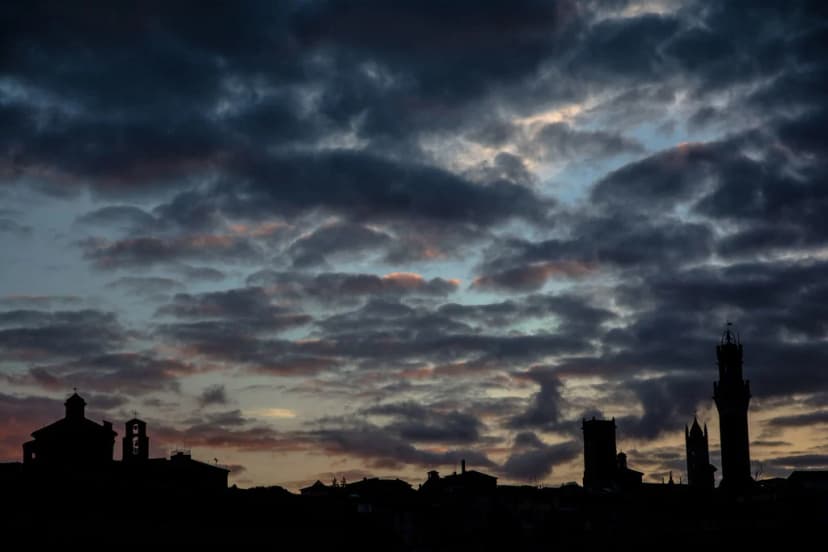
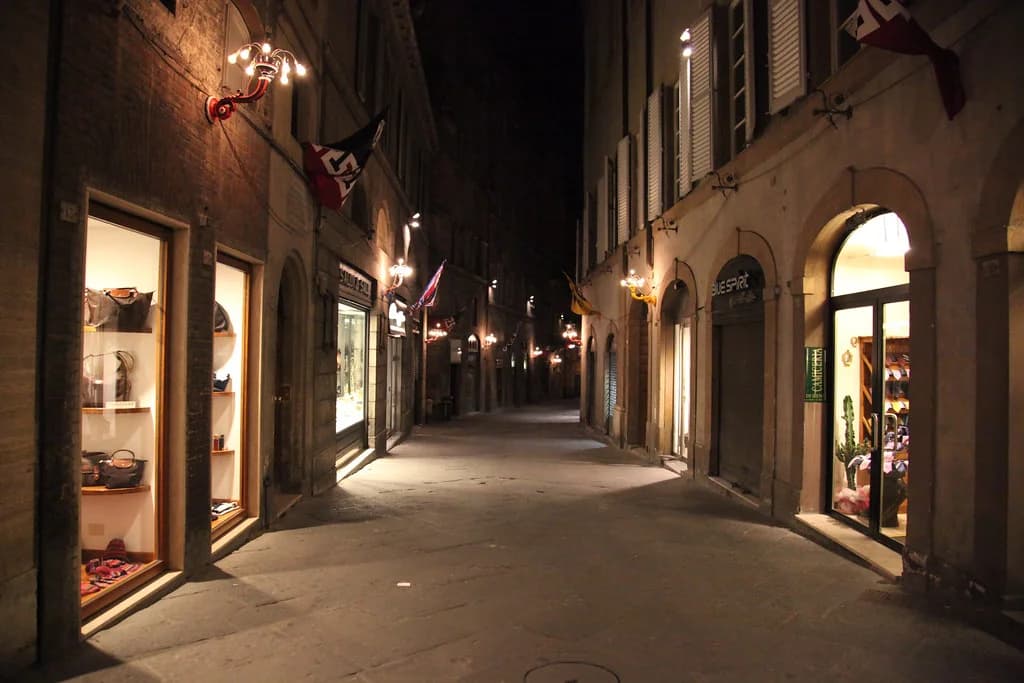
Explore Siena's old town to orientate yourself — the Piazza del Campo and medieval streets set the scene before you venture into the wider Tuscan countryside.
San Gimignano: The Medieval Manhattan
San Gimignano remains one of the most popular day trips from Siena — and for good reason. The town is famous for its fourteen surviving stone towers that once numbered 72, a skyline that earned it the nickname "the Medieval Manhattan." Walking through the Porta San Giovanni gate feels like stepping directly into the fourteenth century, with narrow stone lanes opening onto sun-drenched piazzas filled with local artisans selling saffron, Vernaccia wine, and world-famous gelato.
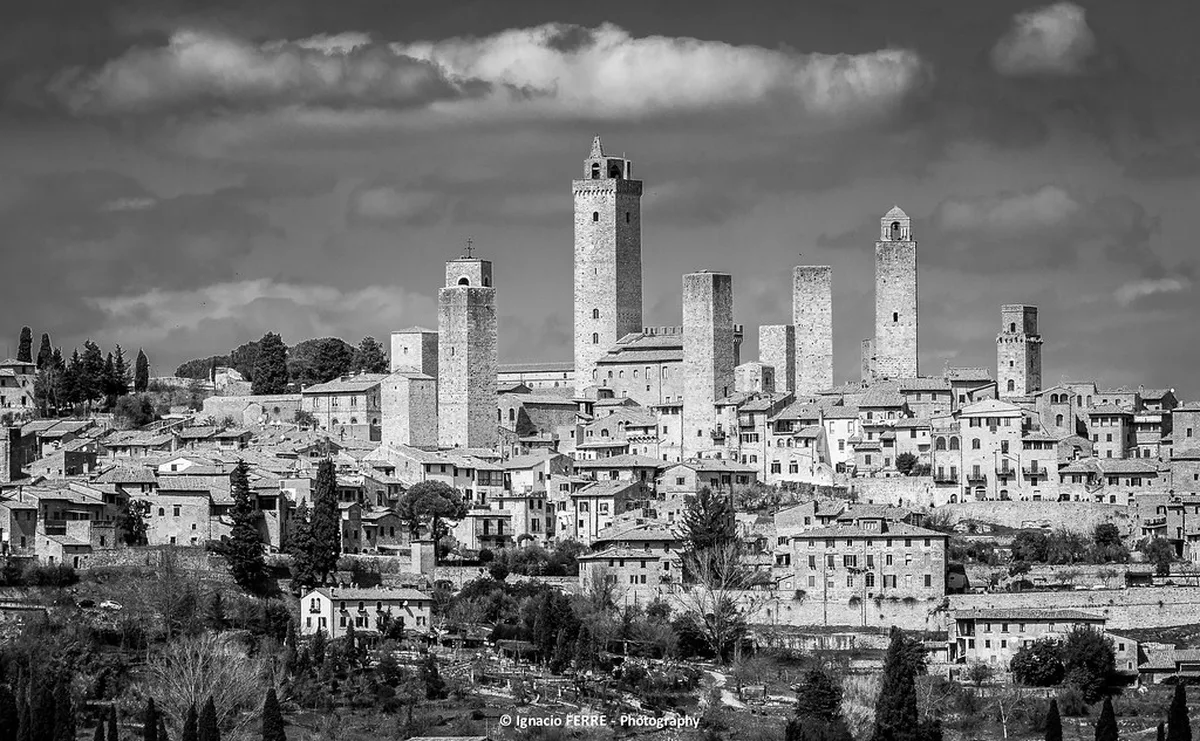
The route takes you through Poggibonsi, where a quick bus change leads into the hilltop town. Give yourself at least four hours to explore the Piazza della Cisterna, climb the Torre Grossa for panoramic views at 54 metres above the rooftops, and browse the Vernaccia di San Gimignano wine bars along Via San Giovanni. In 2026, entrance to the Civic Museum and Torre Grossa combined costs €9 per adult. The Gelateria Dondoli on Piazza della Cisterna — twice winner of the World Gelato Championship — charges €3 for a cone; arrive early before queues form. The town gets crowded from late morning in summer, so aim to arrive by 9 AM to beat the first tour coaches.
The Romanesque Collegiate Church (Duomo) on Piazza del Duomo features fourteenth-century frescoes that rival any in Tuscany — entry costs €6 in 2026 and is worth every cent. The church opens Monday to Saturday from 10:00 to 17:00 and Sunday from 12:30 to 17:30. Outside the walls, a short walk leads to Sant'Agostino church, which contains a celebrated cycle of Benozzo Gozzoli frescoes and is free to enter. The combination of towers, wine, world-class gelato, and medieval frescoes makes San Gimignano the single most well-rounded day trip from Siena for first-time visitors to Tuscany.
- Medieval Towers of San Gimignano
- Travel time: 1 hour 15 min by bus (Bus 130 from Piazza Gramsci, change at Poggibonsi)
- Best for: History lovers, photography, first-time visitors
- Torre Grossa + Civic Museum: €9 adult (2026)
- Collegiate Church entry: €6 adult
- Bus ticket: ~€7 each way
- Opening hours: Civic Museum 10:00–19:30 (Apr–Oct), 11:00–17:30 (Nov–Mar)
Pienza and the Stunning Val d'Orcia
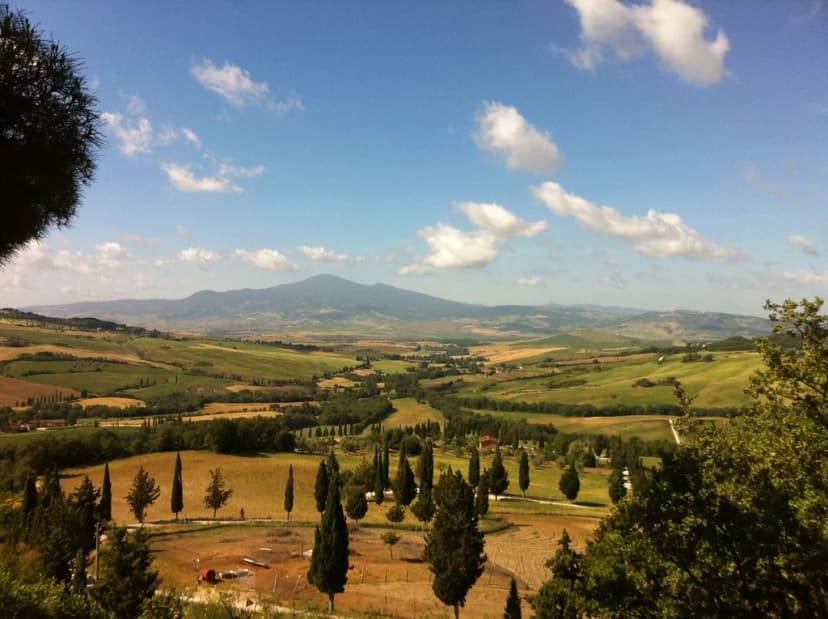
Driving south from Siena along the SR2 leads you into the breathtaking Val d'Orcia, a UNESCO World Heritage landscape of rolling golden hills and cypress-lined roads that look painted by a Renaissance master. Pienza was designed as an ideal Renaissance town by Pope Pius II in the fifteenth century, and its compact historic centre is one of the most perfectly preserved in all of Italy. The streets are filled with the rich scent of aging Pecorino cheese, and nearly every small shop offers free tastings to passing visitors — the stagionato (aged) variety sells for around €3–€5 per 100 grams.
The viewpoint at Via dell'Amore offers an iconic sweep over the Val d'Orcia — one of the most photographed spots in Tuscany, especially at golden hour in late afternoon. Pienza's Cathedral (Duomo) and the Palazzo Piccolomini, the former papal residence, are the two main paid attractions: Palazzo Piccolomini entry costs €7 in 2026, open Tuesday to Sunday from 10:00 to 18:00 (closed Monday). The cathedral itself is free to enter.
Pienza pairs effortlessly with nearby Montepulciano: the two towns are only 15 kilometres apart, making a combined day trip very practical. Start in Montepulciano in the morning to explore its Vino Nobile wine cellars along Via di Gracciano nel Corso — tasting flights start from €15 per person at Cantina Contucci, open daily 09:30 to 12:30 and 14:30 to 18:30. Then arrive in Pienza by early afternoon to enjoy the sunset views. Parking is available just outside the historic walls at Parcheggio Pubblico for €1.50 per hour. Budget roughly €50 per person for a self-guided day including lunch, tastings, and one paid attraction.
- Renaissance Beauty in Pienza
- Distance: 50 km south of Siena (approx 50 min by car)
- Famous for: Pecorino cheese, Val d'Orcia views
- Palazzo Piccolomini: €7 adult, Tue–Sun 10:00–18:00
- Best transport: Rental car (€40–€60/day)
- Parking: ~€1.50/hr outside historic walls
- Combine with: Montepulciano (15 min away, tastings from €15)
Chianti Wine Region Exploration
The Chianti Classico wine region begins just a few kilometres north of the Siena city walls. The SR222, known as the Chiantigiana, winds through some of the most beautiful vineyard scenery in Italy, passing the hilltop villages of Castellina in Chianti, Radda in Chianti, and Greve in Chianti. Look for the Black Rooster (Gallo Nero) symbol on bottles and estate gates — it guarantees authentic Chianti Classico DOCG production, regulated since 1932.
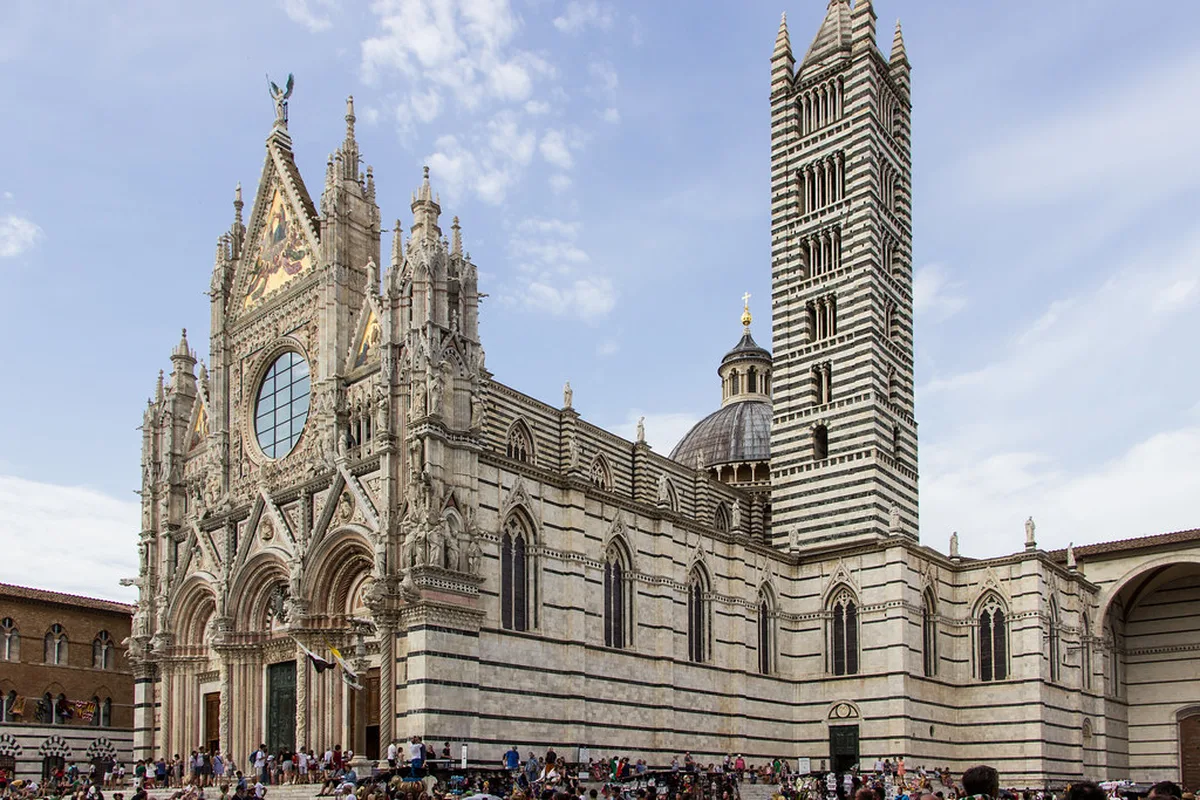
Wine tastings at estate cellars typically run €15–€30 per person in 2026 and often include a guided tour of the aging barrels and fermentation tanks. Badia a Coltibuono, a restored Benedictine monastery between Gaiole and Radda, opens its cellar for tastings from €20 per person, Monday to Saturday 10:00 to 18:00 in the season from April to October. Castello di Brolio — the historic home of Baron Ricasoli, who effectively invented modern Chianti — offers tours and tastings starting at €25, with stunning castle views included. Reservations at both estates are strongly recommended in high season.
Many estates also offer food pairings with local cold cuts, aged Pecorino, and bruschetta rubbed with new-season olive oil. The drive from Siena to Greve in Chianti takes around 40 minutes via the SR222. If you prefer not to drive, organised Chianti wine tour minibuses depart from Siena's Piazza Gramsci daily and cost around €75–€90 per person including two or three cellar tastings. Small villages along the route — particularly Panzano in Chianti with its famous butcher Dario Cecchini — offer perfect spots for a long, unhurried Tuscan lunch. Budget €25–€40 per head at a trattoria for a full sit-down meal.
- Wine Tasting in Chianti Classico
- Route: SR222 Chiantigiana road north of Siena
- Key stops: Castellina, Radda, Greve, Panzano in Chianti
- Badia a Coltibuono tastings: from €20, Mon–Sat 10:00–18:00
- Castello di Brolio tastings: from €25 (includes castle tour)
- Drive time: 40 min to Greve in Chianti
- Guided tour option: ~€75–€90 per person including tastings
Volterra: Etruscan History and Alabaster
Volterra offers a moodier, more ancient atmosphere than its neighbours. Set on a dramatic ridge at 550 metres above sea level, the town was a major Etruscan city-state centuries before Rome rose to power. The Etruscan Museum (Museo Etrusco Guarnacci) on Via Don Minzoni holds one of Italy's finest collections of Etruscan funerary urns — over 600 pieces carved from alabaster and terracotta — with adult entry costing €10 in 2026. The museum opens Tuesday to Sunday from 09:00 to 19:00 between April and October, and from 10:00 to 16:30 in winter.
The remarkably well-preserved Roman Theatre, discovered by archaeologists only in the 1950s, sits just outside the medieval walls near the Porta Fiorentina gate. It is free to view from the elevated public overlook on Viale Francesco Ferrucci, though guided access inside costs €5. The theatre dates from the first century BC and seated around 2,000 spectators; the original stage backdrop (scaenae frons) survives to nearly its full original height — extraordinary by any standard.
Volterra's other defining craft is alabaster. Local artisans have carved the soft white stone into lamps, sculptures, and jewellery for centuries, and you can watch craftspeople at work in small ateliers along Via Porta all'Arco and Piazza dei Priori. Finished pieces range from €8 for small decorative items to over €200 for large sculptural works — prices found nowhere else in Tuscany. The drive from Siena takes around 1 hour 15 minutes. There is no direct bus — the Autolinee Toscane connection requires a change at Colle di Val d'Elsa, adding significant time — so a rental car is strongly recommended. Visit on a weekday to enjoy the Etruscan Museum and Roman Theatre with far fewer tourists than the more famous hill towns attract.
- Ancient History in Volterra
- Drive time: 1 hour 15 min from Siena
- Etruscan Museum (Museo Guarnacci): €10 adult, Tue–Sun 09:00–19:00 (Apr–Oct)
- Roman Theatre overlook: free; guided interior access €5
- Alabaster crafts: from €8 along Via Porta all'Arco
- Best transport: Rental car (no direct bus from Siena)
- Tip: Weekdays are significantly less crowded
Monteriggioni: Tuscany's Best-Preserved Medieval Fortress
Monteriggioni is one of the most extraordinary short escapes from Siena — and it is remarkably easy to reach. The Sienese built this perfectly circular walled village on a hilltop in the thirteenth century as a frontier fortress against Florence, and the fourteen towers that ring its walls are so striking that Dante mentioned them in the Divine Comedy, comparing them to giants rising from the plain. Walking the perimeter of the walls takes only about 20 minutes, but the sense of medieval atmosphere is completely intact and deeply satisfying.
Inside the walls you will find a quiet piazza flanked by a Romanesque church, several good restaurants serving traditional Sienese dishes, and a small but fascinating museum dedicated to medieval and Renaissance arms and armour. The Museo d'Arte Medioevale e Moderna (medieval arms museum) entry costs €4 in 2026 and is open daily from 09:00 to 13:00 and 14:00 to 18:00 between March and November. The fortress is rarely as crowded as San Gimignano, making it ideal for photography at any hour of the day.
Reach Monteriggioni in around 20 minutes on bus 130 toward San Gimignano from Piazza Gramsci — get off at the Monteriggioni Scuola stop. The bus runs roughly every hour on weekdays and every two hours on Saturdays; Sunday services are very limited. Tickets cost around €3 each way from the underground ticket office at Piazza Gramsci or from the driver. You can combine Monteriggioni and San Gimignano in a single day by continuing on the same bus line after your visit here — just make sure to check the afternoon connection times before you leave Siena. A half-day here is extremely good value: bus ticket around €3 each way, museum €4, and lunch from €15 at a trattoria inside the walls.
- Monteriggioni Essentials
- Travel time: 20 min from Siena (Bus 130, Piazza Gramsci, Monteriggioni Scuola stop)
- Bus ticket: ~€3 each way
- Medieval Arms Museum: €4, daily 09:00–13:00 and 14:00–18:00 (Mar–Nov)
- Best for: Medieval history, quiet atmosphere, photography
- Combine with: San Gimignano (same bus 130 line, continue north)
Florence: Art and Architecture Within Easy Reach
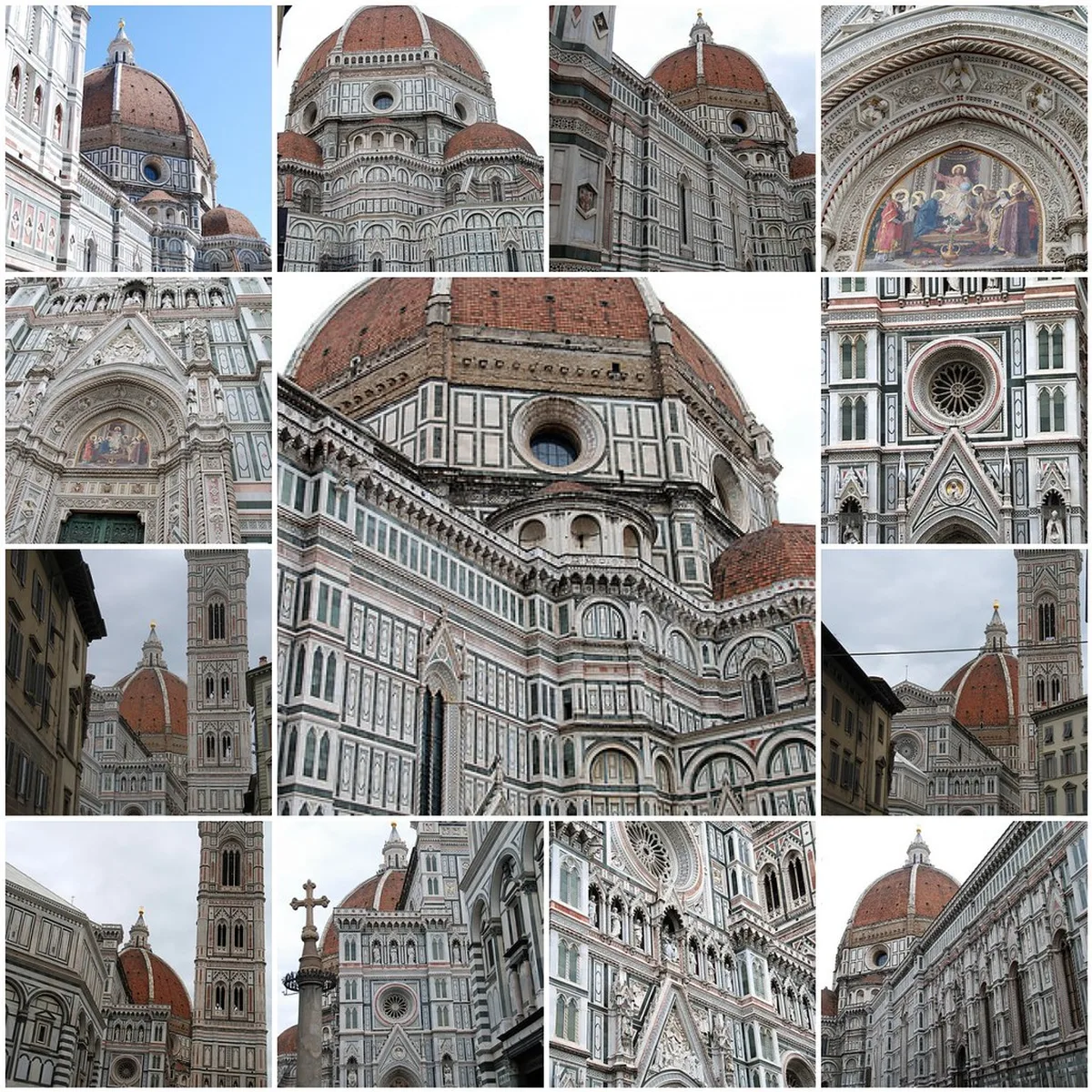
Florence is only 70 kilometres from Siena and ranks as one of the most rewarding day trips you can make from the city. Many travellers use Siena as a quieter, more affordable base and commute into Florence for the day — avoiding Florence's higher hotel prices while still seeing the Uffizi Gallery, the Accademia (home of Michelangelo's David), and the Duomo up close. In 2026, the Uffizi admission costs €26 for adults and advance booking is essential — same-day entry is rarely available in high season between May and September.
Frequent Autolinee Toscane rapida buses connect Siena's Piazza Gramsci directly to Florence's Autostazione bus station in around 1 hour 15 minutes, with tickets costing approximately €9 each way. Buses depart roughly every 30 minutes on weekdays from 06:00 onwards, making it easy to arrive in Florence by 08:30 — before queues form outside major museums. Trains from Siena via Empoli reach Florence in around 1 hour 30 minutes but require a change at Empoli; the bus is generally faster, cheaper, and more convenient for this route.
The Accademia Gallery, where Michelangelo's David stands in its original setting, costs €16 for adults in 2026 and also requires advance booking. The Florence Cathedral (Santa Maria del Fiore) is free to enter but the dome climb (Brunelleschi's cupola) costs €20 and must be booked online. For a more relaxed visit, the Piazzale Michelangelo viewpoint is completely free and offers the best panorama of the entire city and the Arno valley — reachable by a steep 20-minute walk from the south bank. Plan to be at the bus station by 08:00 to arrive in Florence before the main crowds, and allow at least six hours in the city to cover the essentials without feeling rushed.
- Florence Day Trip Essentials
- Travel time: 1 hour 15 min by rapida bus from Piazza Gramsci
- Bus ticket: ~€9 each way (Autolinee Toscane, every 30 min from 06:00)
- Uffizi Gallery: €26 adult — book well in advance (2026)
- Accademia (Michelangelo's David): €16 adult — advance booking required
- Brunelleschi's Dome climb: €20 adult — online booking mandatory
- Piazzale Michelangelo: free, 20-min walk from Ponte Vecchio
Logistics for Day Trips From Siena
Planning your transportation is the most important part of any excursion from Siena. Buses operated by Autolinee Toscane are often more convenient than trains for reaching small hilltop towns, since Siena's train station sits at the bottom of a long hill and has limited regional connections. The main bus hub is Piazza Gramsci, where an underground ticket office opens from 06:30 to 20:00 on weekdays and sells single tickets, multi-day passes, and timetable information. Always buy your ticket before boarding — inspectors are active on popular tourist routes and issue fines of €50 for ticketless travel.
Renting a car unlocks the most flexibility for reaching rural wineries, the Val d'Orcia, and off-the-beaten-path villages. Several car hire companies operate near Siena's train station and in the city centre — Hertz and Europcar both have desks in the lower town — with daily rates starting from around €40 in 2026 for a compact vehicle. If you plan to drive into any historic town centre, be aware of ZTL (Zona a Traffico Limitato) restricted traffic zones — entering without a permit triggers an automatic fine of €80–€160 that arrives by post weeks later. Always park outside the historic walls and walk in. See our guide to parking in Siena for full details on ZTL zones, approved car parks, and overnight rates. The largest parking areas near the old town are the Parcheggio Il Campo (€2/hr) and Parcheggio Santa Caterina (€1.50/hr), both within easy walking distance of the historic centre.
- Transportation and Practical Tips
- Bus Hub: Piazza Gramsci (underground office open 06:30–20:00)
- No-ticket fine: €50 if caught without a valid bus ticket
- Car Rental: from ~€40/day (Hertz and Europcar near train station)
- ZTL Fine: €80–€160 for entering restricted zones without permit
- Nearest car parks: Parcheggio Il Campo €2/hr, Parcheggio Santa Caterina €1.50/hr
- Best bus days: Weekdays — Sunday services are very reduced
Bagno Vignoni: Tuscany's Most Unusual Thermal Village
Bagno Vignoni is one of the most visually striking and least-visited surprises within day-trip range of Siena. Unlike any other village in Tuscany, its central piazza is not a traditional square but a large Renaissance pool of naturally hot thermal water, fed by underground volcanic springs that have drawn bathers since Etruscan and Roman times. The pool — built in the fifteenth century under the patronage of the Medici family — sits at the heart of the village and is one of the most photographed scenes in all of Tuscany, particularly in the early morning when steam rises gently from the 52°C water.
Swimming in the historic Renaissance pool itself is no longer permitted (it was restricted to protect the medieval stonework), but the thermal water flows downstream into the free outdoor soaking pools at Parco dei Mulini, carved into the volcanic rock at the base of the village. These pools are open year-round and completely free, making Bagno Vignoni one of the most affordable thermal experiences in Tuscany. For a more spa-like experience, Hotel Posta Marcucci operates a private thermal pool complex (€20–€30 day entrance in 2026, open to non-guests) with warm mineral water at 35–37°C, poolside sun loungers, and changing rooms.
Bagno Vignoni sits in the Val d'Orcia, approximately 55 kilometres south of Siena and about 10 kilometres from Pienza, making it an ideal addition to any Val d'Orcia day trip by car. The drive from Siena takes around 50 minutes on the SR2. There is no convenient direct bus service, so a rental car is strongly recommended. The village has just a handful of restaurants — Osteria del Leone (open for lunch from 12:30, pasta dishes from €12) and the terrace café at the Hotel Le Terme are the most reliable options. Visit early on a weekday morning for the most magical experience: the steam, the medieval stonework, and the silence create an atmosphere unlike anywhere else in Tuscany. This is an ideal pairing with Pienza, adding thermal springs and volcanic geology to the classic Val d'Orcia cheese-and-views itinerary.
- Bagno Vignoni Essentials
- Distance: ~55 km south of Siena (50 min by car on SR2)
- Free thermal pools: Parco dei Mulini (open year-round, no charge)
- Hotel Posta Marcucci day entry: €20–€30 (2026, open to non-guests)
- Best transport: Rental car (no direct bus from Siena)
- Combine with: Pienza (10 km away) and Montepulciano (25 km away)
- Best time: Early weekday morning for steam and silence
Quick fact: In 2026, the Autolinee Toscane rapida bus from Siena to Florence runs roughly every 30 minutes on weekdays and costs €9 one-way — making it one of the cheapest and fastest ways to link two UNESCO World Heritage cities in Italy.
Quick fact: Monteriggioni's perfectly circular medieval walls and 14 towers are so well preserved that Dante Alighieri compared them to giants in his 1320 Divine Comedy — making this 20-minute, €3 bus ride from Siena one of Tuscany's most literary day trips.
Quick fact: Chianti Classico DOCG estates open to visitors in 2026 typically charge €15–€30 for a guided tasting of three to five wines, often paired with local Pecorino and bruschetta — an affordable introduction to Tuscany's most famous wine region from the doorstep of Siena.
Frequently Asked Questions
How do I get from Siena to San Gimignano by bus?
Take bus 130 from Piazza Gramsci in Siena toward San Gimignano. The journey takes about 1 hour 15 minutes and requires a change in Poggibonsi. Tickets cost around €7 each way in 2026, purchased from the underground ticket office at Piazza Gramsci (open 06:30–20:00) or from a tabacchi before boarding. Buses run approximately every one to two hours; check the Autolinee Toscane website or app for live timetables.
Is a car necessary for day trips from Siena?
A car is not strictly necessary for San Gimignano, Monteriggioni, or Florence, all of which are reachable by Autolinee Toscane bus from Piazza Gramsci. However, reaching the Val d'Orcia (Pienza, Bagno Vignoni, Montepulciano), rural Chianti wine estates, and Volterra is far easier with a rental car. Public transport to rural areas is infrequent, especially on weekends when some routes run only two to three times per day. Rental cars in Siena start at around €40 per day in 2026 from companies such as Hertz and Europcar near the train station.
Can I visit Montepulciano and Pienza in one day?
Yes, easily by car. The two towns are only 15 kilometres apart and well suited for a combined day trip. Start early in Montepulciano to explore the Vino Nobile wine cellars along Via di Gracciano nel Corso — tastings at Cantina Contucci start from €15 — before the crowds arrive, then move to Pienza by early afternoon. The sunset views from Via dell'Amore over the Val d'Orcia are at their best around 17:00–18:30 in spring and summer 2026.
How far is Florence from Siena and how long does the journey take?
Florence is approximately 70 kilometres north of Siena. The fastest and most convenient option is the Autolinee Toscane rapida bus from Piazza Gramsci, which reaches Florence's Autostazione bus station in about 1 hour 15 minutes for roughly €9 each way in 2026. Buses depart every 30 minutes on weekdays from 06:00. Trains via Empoli take around 1 hour 30 minutes and require a connection, making the bus the better choice for this route.
What is the closest and easiest day trip from Siena?
Monteriggioni is the closest and easiest day trip from Siena. The medieval walled village is just 20 minutes away on bus 130 from Piazza Gramsci, with a ticket costing around €3 each way. The fortress walls, quiet piazza, and medieval arms museum (€4 entry, open 09:00–18:00 daily Mar–Nov) can all be seen in a relaxed half-day. Monteriggioni also pairs well with San Gimignano on the same bus 130 line, allowing you to visit both in a single day trip.
What is the best time of year for day trips from Siena?
Spring (April–June) and early autumn (September–October) offer the best conditions for day trips from Siena in 2026. Temperatures are mild at 16–22°C, the Tuscan countryside shows its most scenic colours, and towns like San Gimignano and Pienza are far less crowded than in July and August. For Chianti wine estates, September brings harvest season with special open-cellar events. Winter day trips to Florence and Volterra are quiet and good value, though some rural wineries and restaurants close Monday to Thursday from November to March.
Are there free thermal pools near Siena for a day trip?
Yes. Bagno Vignoni in the Val d'Orcia, about 55 kilometres south of Siena, has free outdoor thermal soaking pools at Parco dei Mulini — naturally heated volcanic spring water carved into the rock at the base of the village. The pools are open year-round at no charge. For a more spa-like experience, Hotel Posta Marcucci operates a private thermal pool complex with day access for €20–€30 in 2026, open to non-guests. A rental car is required for this trip as there is no direct bus service from Siena.
Choosing Siena as your Tuscany base opens up an extraordinary range of day trips — from the medieval towers of San Gimignano and the renaissance perfection of Pienza, to the wine cellars of Chianti and the art galleries of Florence. If you are spending multiple days, combine a Siena walking tour on your first morning to understand the city's layout and history before heading into the wider region. For those driving into the old town, our guide to parking in Siena covers every car park, ZTL zone, and overnight rate. Travellers who enjoy medieval history should also consider extending their Tuscany trip to nearby Perugia — see our Perugia old town guide for the best sites across the border in Umbria. Every direction from Siena's city gates leads somewhere worth discovering.