The Ultimate Perugia Old Town Guide for Travelers in 2026
Perugia's medieval hilltop old town is free to explore; entry to the Rocca Paolina underground city is free, the Minimetrò costs €1.50, the Galleria Nazionale dell'Umbria charges €12, and the Pozzo Etrusco costs €3.
Visit in May or September when temperatures stay below 25 °C; book at least three months ahead for Eurochocolate (17–26 October) and Umbria Jazz (10–19 July) when hotels rise 40–60% above the standard €80–€120 nightly rate.
Perugia sits high on a hill in the heart of the Umbria region.
This ancient city offers a perfect blend of Etruscan roots and medieval charm.
Our Perugia old town guide helps you navigate the steep alleys and grand piazzas.
Prepare to discover hidden gems and stunning views around every corner of this historic capital in 2026.
The Heart of Perugia: Piazza IV Novembre
Piazza IV Novembre serves as the social and historical center of the old town. You will find the stunning Fontana Maggiore at its very center. This 13th-century fountain features intricate carvings of mythical creatures and zodiac signs. It remains one of the finest examples of medieval sculpture in all of Italy, and admission to view it up close from street level is completely free. The town tourism office and nearby Rocca Paolina provide essential orientation for any visit.
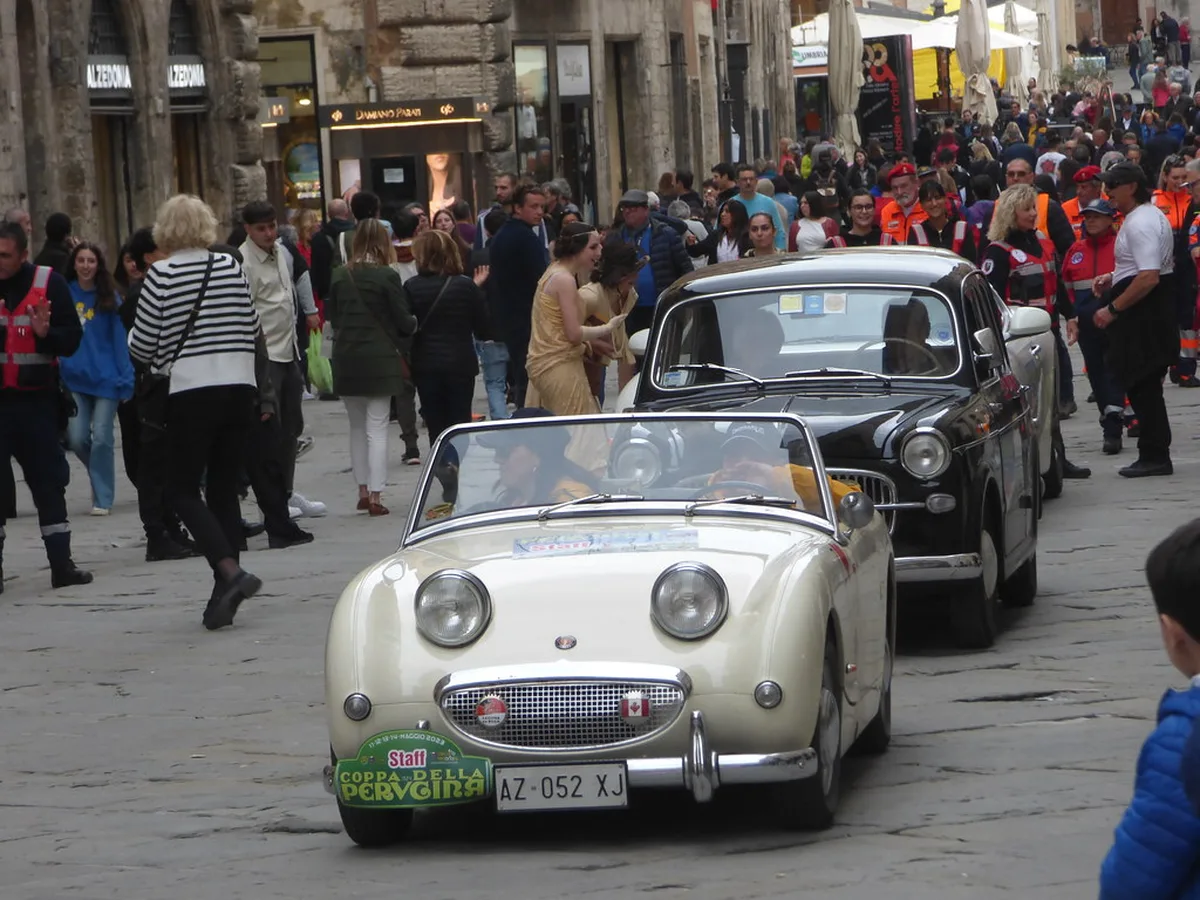
The Cathedral of San Lorenzo overlooks the square with its unfinished pink and white marble facade. Step inside to see the beautiful stained glass and the historic Holy Ring relic. Entry to the main cathedral is free, though the Museo della Cattedrale charges €4 for adults in 2026. Most visitors spend about thirty minutes exploring the quiet and cool interior, and another fifteen in the attached cloister.
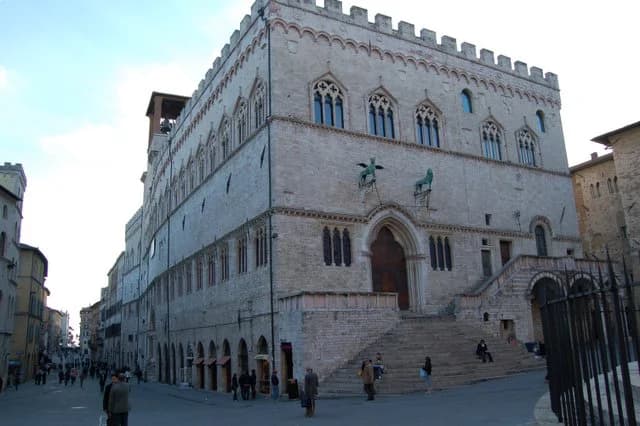
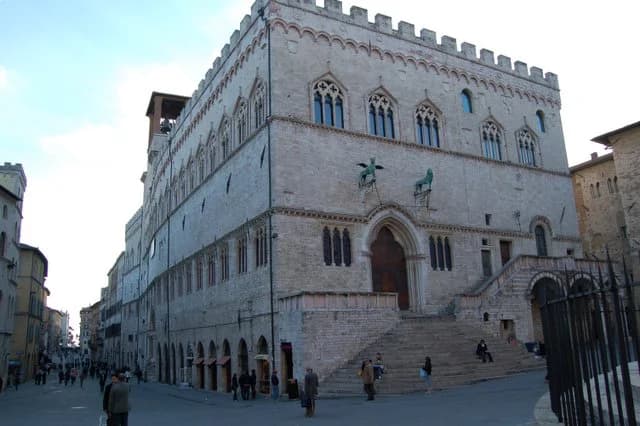
Palazzo dei Priori houses the town hall and the Galleria Nazionale dell'Umbria. The Gothic architecture of this building looks imposing against the skyline. You can admire the bronze griffin and lion statues above the main entrance — these symbols represent the power and pride of the Perugian people. In 2026 the Galleria Nazionale charges €12 per adult (reduced €9 for under-26 EU nationals), and the collection includes major works by Perugino, Duccio, and Piero della Francesca across forty rooms. Allow at least ninety minutes to do the permanent collection justice; the gallery is open Tuesday to Sunday, 08:30–19:30, with last entry at 19:00. The ground-floor Sala dei Notari is free to enter and hosts temporary exhibitions on rotation throughout 2026.
Local life revolves around the steps of the cathedral during the evening hours. Students and travelers gather here to enjoy the atmosphere and street music. Grab a gelato from Gelateria dei Priori on Via dei Priori — expect to pay around €2.50 for a single scoop — and soak in the historic surroundings. This square is the best place to start any walking tour of the city center, and it sits roughly 450 metres east of the Arco Etrusco, a gentle fifteen-minute stroll along Via della Gabbia and Via Ulisse Rocchi. The piazza becomes particularly lively on Thursday evenings from late April, when a free outdoor cinema series runs until early October.
The square is also the departure point for the official Perugia City Walking Tour, which departs at 10:00 and 15:00 daily from April to October. The guided tour costs €15 per adult and lasts approximately two hours. Booking through the tourist office at Loggia dei Lanari (Piazza IV Novembre 3) is recommended as group sizes are capped at twenty people. For a self-guided alternative, the Perugia walking tour guide covers every major landmark on a detailed foot route you can follow at your own pace.
Walking the Ancient Medieval Aqueduct
Many tourists miss the Via dell'Acquedotto, which is a former water system turned into a scenic walkway. This path connects the higher parts of the city to the university district below. Walking along the narrow elevated bridge provides a unique perspective of the medieval houses stacked tightly on the hillside. It is a steep but rewarding stroll for photography lovers seeking a genuinely different angle on an Italian hilltop town.
Avoid this route if you have mobility issues, as the stairs at each end are narrow and often uneven. The full walk takes about fifteen to twenty minutes and costs nothing to access at any time of day. Mornings between 08:00 and 09:30 offer the best light for capturing the colorful buildings lining the path, with warm sun hitting the eastern facades before the narrow corridor falls into shadow. You can find the upper entrance hidden near Piazza Fortebraccio, approximately 200 metres north of the Arco Etrusco.
The aqueduct once carried water from Mount Pacciano — about 5 km northeast of the city — all the way to the Fontana Maggiore in the main square. Engineers converted it into a pedestrian street in the mid-19th century. Today, it serves as a vital shortcut for locals and students commuting to the nearby Università degli Studi di Perugia campus. Walking here feels like stepping back into a simpler era of urban design, and the route is entirely free with no gates or entry restrictions.
Look down into the small gardens and courtyards as you cross the elevated sections. These private spaces offer a glimpse into daily life within the old town walls. You will see terracotta pots of rosemary and lemon trees wedged between centuries-old stonework. The path eventually leads you toward the University for Foreigners (Università per Stranieri), founded in 1925 and one of the oldest Italian language institutes in the world. This area is great for finding local bookshops, independent coffee bars, and the occasional pop-up art exhibition in the university's open courtyards.
The stretch directly above the old tannery district — identifiable by the low arched windows cut into the aqueduct wall — offers the most dramatic views. Bring a wide-angle lens if you have one; the tight frame of medieval rooftops below is one of the most-photographed scenes in all of Umbria. The path is well-lit after dark and popular with evening joggers, but the uneven stone surface makes flat-soled shoes a poor choice at any hour.
Perugia's Rocca Paolina and Underground City
The Rocca Paolina is one of the most extraordinary underground spaces in Italy, and the fact that it is entirely free to enter makes it one of the best-value experiences in Umbria. Pope Paul III commissioned the fortress in the 1540s as a symbol of papal dominance over the rebellious Perugian nobility. The design was entrusted to Antonio da Sangallo the Younger, one of the leading military architects of the Renaissance, who demolished an entire medieval quarter to lay the foundations — a deliberate act of political erasure as much as an engineering project.
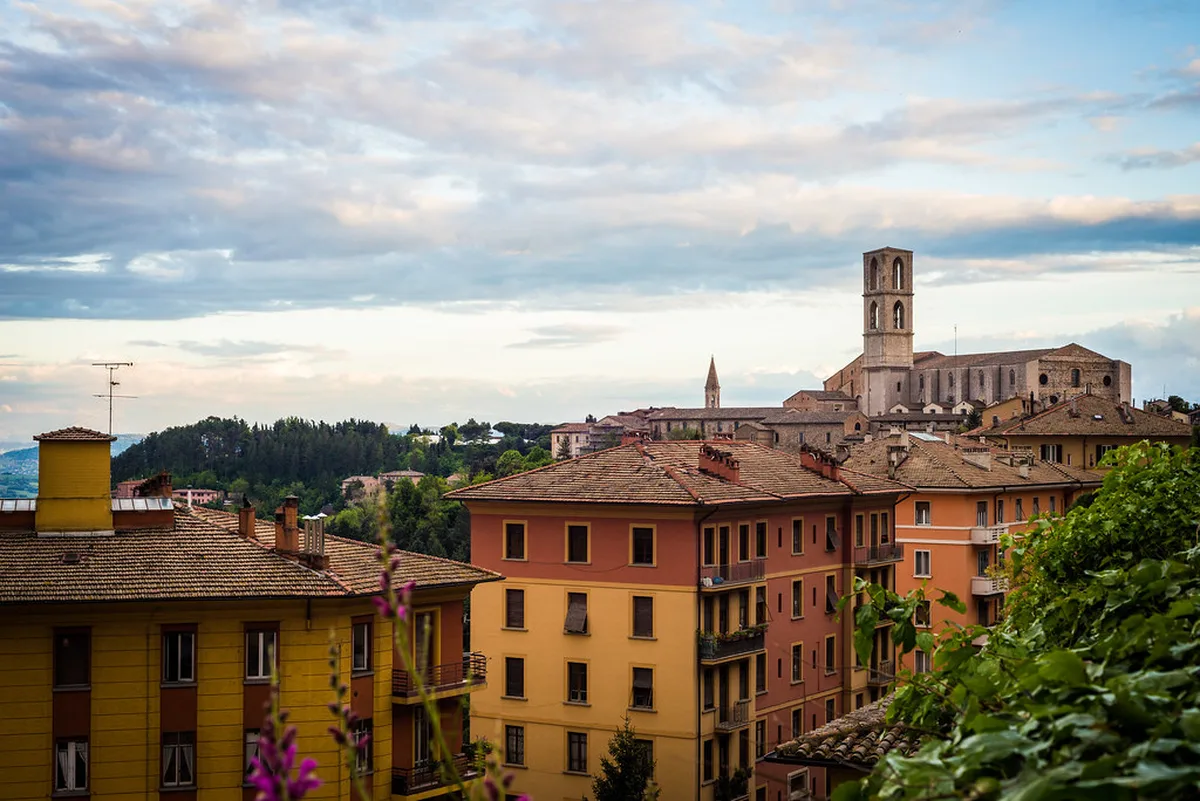
What Sangallo built underground was not merely a foundation but a complete buried city. The medieval Via Bagliona, the street that once ran through the heart of the wealthy Baglioni family's neighborhood, was sealed beneath the new fortress and preserved almost intact. Today visitors walk along that same medieval street, passing the ghostly facades of 14th and 15th-century buildings — doorways, windows, coat-of-arms carvings, and merchant inscriptions — all frozen in the darkness exactly as they were when the rubble poured in. The atmosphere is extraordinary: cool at around 14 °C even in July, dimly lit by suspended lamps, and near-silent compared to the busy streets above.
Access is simplest from the free public escalator system that connects Piazza Italia (upper town) with Piazza dei Partigiani (lower town and bus terminal), running 07:00–23:00 every day of the year. The escalators pass directly through the heart of the Rocca's vaulted chambers, so even travelers just commuting between the parking areas and the old town center walk through the underground city automatically. Dedicated entry points for deeper exploration are signposted from both piazzas; the full circuit takes thirty to forty-five minutes at a comfortable pace and is stroller and wheelchair accessible via the escalators.
Before descending, stop at Arco Etrusco on Piazza Fortebraccio — this is the best-preserved Etruscan gateway in central Italy, dating to the 3rd century BC and still carrying traffic and pedestrians through its original stone arch after more than 2,300 years. The Roman-era inscription "Augusta Perusia" was added later and is visible on the upper trabeation. The arch itself is free to see and is situated roughly 350 metres north of Piazza IV Novembre, making it a natural waypoint between the aqueduct walk and the underground city. No separate ticket is required; it is simply part of the urban fabric of the old town.
The Rocca's interior chambers also serve as a rotating gallery for contemporary art installations and the atmospheric backdrop for Eurochocolate, Italy's largest chocolate festival, held every October. During Eurochocolate — which in 2026 runs 17–26 October — the underground passageways fill with artisan chocolate stalls and tasting events, creating a memorable sensory contrast between the dark medieval stone and the warmth and smell of the chocolate makers. Entry to the festival street market in the underground is free; some tasting events require a small ticket of €3–€5 purchased on site.
Hidden Etruscan Treasures and City Gates
The Pozzo Etrusco (Etruscan Well) is a marvel of ancient engineering located on Piazza Danti, roughly 80 metres northeast of the Fontana Maggiore. This deep cistern dates back to the 3rd century BC and was engineered to supply clean water to a city of tens of thousands of inhabitants long before Roman aqueducts arrived. You can descend into the well on a modern spiral walkway and look up at the perfectly fitted Etruscan stonework forming the walls. In 2026 the entry fee is €3 per adult (children under 6 free), and the site is open Monday to Saturday 10:00–13:30 and 14:30–17:30, Sunday 10:00–13:30. The descent is around 35 metres; the viewing platform at the bottom lets you see the double-opening construction that allowed two buckets to be raised simultaneously.
Arco Etrusco on Piazza Fortebraccio is the most architecturally impressive of the ancient gates still standing today. This massive travertine arch has guarded the northern entrance for over two thousand years, and the smooth ashlar blocks weigh several tonnes each. Modern vehicles pass directly under it along a road that has been in continuous use since antiquity. Stand at the base to truly appreciate the scale of these ancient blocks — the keystone alone is over a metre wide. Alongside the arch, the 15th-century loggia of the Università per Stranieri forms a handsome contrast of eras.
The Palazzo dei Priori also contains the Sala del Collegio della Mercanzia (Merchants' Guild Hall), decorated with extraordinary 15th-century carved walnut paneling covering every surface from floor to ceiling. Admission in 2026 is €8 for the combined Palazzo dei Priori civic rooms ticket, which includes the Sala dei Notari and the Sala del Collegio del Cambio. Opening hours are Tuesday to Sunday 09:00–13:00 and 14:30–17:30, closed Monday. The Collegio del Cambio — the money changers' guild room — features frescoes by Perugino himself, painted between 1498 and 1500, regarded as among his finest surviving work outside Rome.
Panoramic viewpoints are scattered along the edges of the old town walls. Carducci Gardens (Giardini Carducci) offer some of the best views over the Umbrian valley below, looking south and east across a patchwork of olive groves and cypress lines stretching to the horizon. On clear days — most common from late September through November — you can see the distant dome of the Basilica di Santa Maria degli Angeli below Assisi, approximately 25 km away. Entry to the gardens is free and they are open daily from 07:00 until dusk. Walking the perimeter of the walls from the gardens back to Piazza IV Novembre is approximately 1.2 km and reveals Roman additions built directly on top of the older Etruscan foundations — the color shift from pale Etruscan travertine to darker Roman limestone is visible in several sections of the outer wall along Via Marzia.
Food and Drink in the Perugia Old Town
Umbrian cuisine is among the most honest and ingredient-driven in all of Italy, and Perugia's old town is the best place in the region to experience it. The local kitchen relies on cured meats, legumes, freshwater fish from Lake Trasimeno, black truffle from Norcia, and two-hundred-year-old pressed olive oil from the surrounding hillside groves. Budget around €25–€35 per person for a full trattoria dinner including house wine and bread cover (coperto, typically €2–€3).
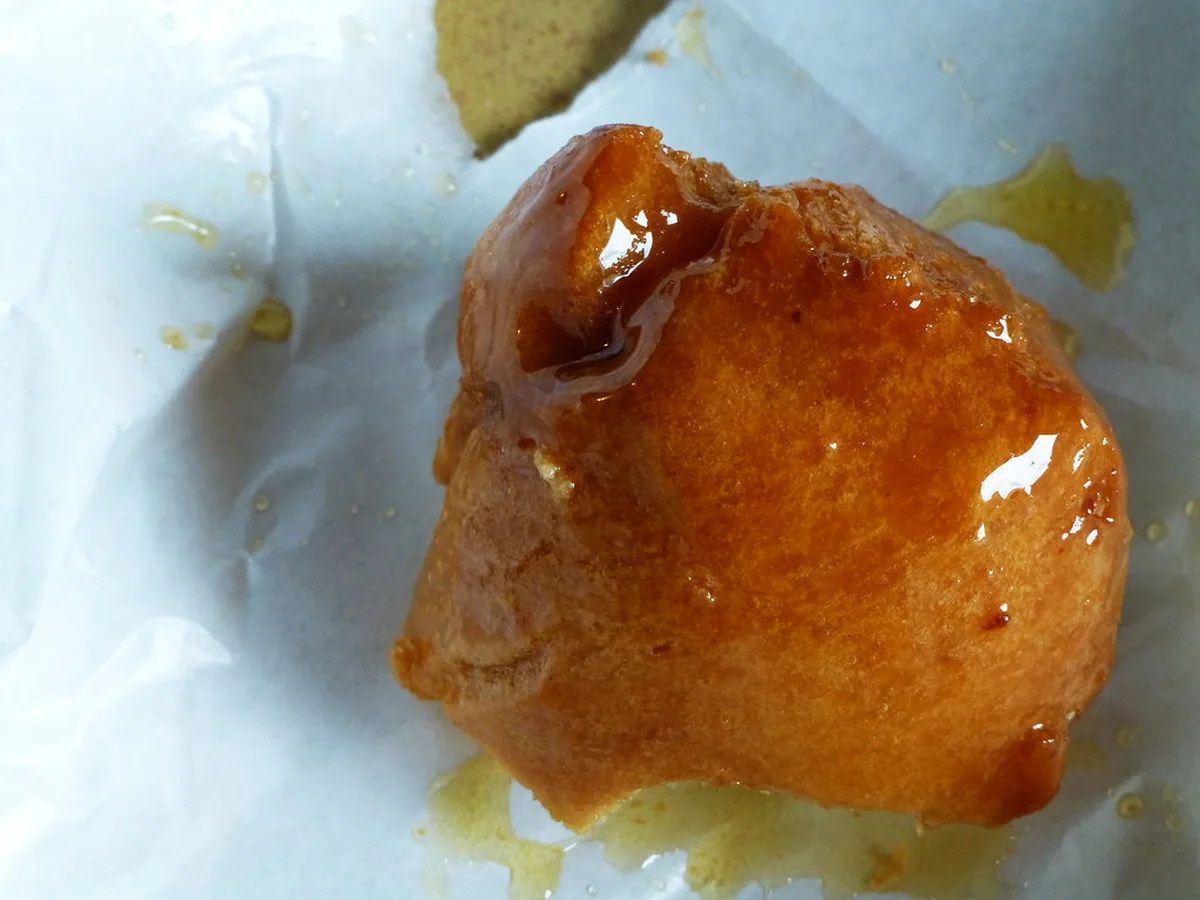
Sandri Pasticceria at Corso Vannucci 32 is the oldest pastry shop in the city, trading since 1860 under the original hand-painted ceiling. A morning coffee with a slice of torta al testo — a flatbread stuffed with local salumi — costs about €3.50 and is as local an experience as anything in the Galleria Nazionale. The display counter also stocks homemade chocolates, a nod to Perugia's status as Italy's chocolate capital and home of Perugina, the company that invented the Baci chocolate in 1922. A box of six artisan Baci from the Perugina flagship store on Via Oberdan costs €12–€14 in 2026 and makes a compact, lightweight souvenir.
For a full lunch, Ristorante dal Mi'Cocco on Corso Garibaldi 12 is a cash-only trattoria beloved by students and budget-conscious visitors alike. A fixed-price lunch of two courses plus water runs €12 per person — one of the lowest set-price meals you will find in any major Umbrian city. The menu rotates daily and always features at least one dish built around seasonal wild mushrooms or truffle shavings. Reservations are not accepted; arrive before 12:45 to avoid the queue.
Wine lovers should seek out La Taverna at Via delle Streghe 8, open for dinner from 19:30 Tuesday to Sunday. The cellar stocks over 800 labels with a strong focus on Sagrantino di Montefalco, the full-bodied red grown exclusively in the hills south of Perugia. A glass costs €5–€9; a bottle of a well-regarded producer such as Arnaldo Caprai or Colpetrone runs €30–€55. The kitchen closes at 22:30 and reservations are strongly recommended Friday through Sunday.
Street food is modest but satisfying. Look for torciglione — a traditional almond paste cake shaped like a coiled serpent — sold in bakeries along Via dei Priori for around €2 per slice. During Eurochocolate (17–26 October 2026), temporary stalls along Corso Vannucci and Piazza IV Novembre sell everything from liquid chocolate shots (€2) to hand-carved chocolate sculptures. If you are visiting the old town on a Saturday morning, the weekly Mercato di Via Pellini runs from 08:00 to 13:30 and offers seasonal vegetables, local cheese, and dried porcini at prices far below what tourist-facing delis charge.
Practical Tips for Your Perugia Visit
Parking near the historic center is notoriously difficult and expensive. The most practical solution in 2026 is to use the large Pian di Massiano car park at the southern end of the city, which costs €1 per hour or €8 for a full day. From there, the Minimetrò automated people-mover whisks you up to Piazza dei Minatori in under ten minutes. A single Minimetrò ticket is €1.50 and is valid for 70 minutes, covering transfers to city buses within that window. The system runs every 3–4 minutes from 07:00 to 21:30 Monday to Saturday and 08:30–20:30 on Sundays and public holidays. Alternatively, Piazzale Europa and Piazzale Partigiani both have paid street parking at €0.80 per hour and direct escalator access into the Rocca Paolina.
Wear comfortable walking shoes with good grip for the slippery cobblestone streets. Perugia is a vertical city — the elevation difference between the bus terminal at Piazza Partigiani (320 m above sea level) and the top of the old town near Piazza IV Novembre (494 m) is 174 metres. Expect many stairs and inclines. If you need a break, the Corso Vannucci — the broad pedestrian spine of the old town — offers plenty of benches and historic cafes. Sandri Pasticceria at Corso Vannucci 32, open since 1860, is the best place for a mid-morning coffee and a slice of torta al testo (about €3.50 with coffee).
Lunch hours in Umbria are strictly observed between 12:30 and 14:30. Many smaller shops and attractions close for two hours in the afternoon. Plan museum visits for the morning to avoid missing the cut-off; most Perugia museums close at 13:30 for lunch and reopen at 14:30 or 15:00. Most restaurants require a reservation for dinner on Friday and Saturday nights; budget around €25–€35 per person for a full trattoria meal including house wine.
Visiting in 2026 allows you to experience the city during its vibrant seasonal festivals. Eurochocolate in October (17–26 October) and Umbria Jazz in July (10–19 July) are the most popular events. Expect higher hotel prices — often 40–60% above the typical nightly rate of €80–€120 for a three-star hotel in the center — and larger crowds during those specific weeks. Booking accommodation several months in advance is strongly recommended. Outside festival weeks, the city is quiet enough that same-day bookings are usually possible at well-rated guesthouses such as Residenza d'Arte and Etruscan Corner B&B, both within walking distance of Piazza IV Novembre.
For day trips from Perugia to Assisi (25 km, 30 min by regional train, €3.20 single), Spello (35 km, 40 min by train, €3.80), and Orvieto (83 km, 1 hr 20 min, €8.50), trains depart from Perugia Fontivegge station, reachable from the Minimetrò in fifteen minutes. See our dedicated guide to day trips from Perugia for full route details and what to see at each destination. If you are exploring other parts of Italy, Siena makes a particularly rewarding day trip from the wider Umbria region — the Siena old town guide covers the main piazzas and museums with comparable depth to this one.
- Minimetrò Transit System
- Type: Automated people-mover
- Best for: Avoiding steep hill climbs
- Where: Pian di Massiano → Piazza dei Minatori
- Cost: €1.50 per ride (2026)
- Hours: Mon–Sat 07:00–21:30, Sun 08:30–20:30
- Galleria Nazionale dell'Umbria
- Type: National art museum
- Best for: Renaissance and medieval painting
- Where: Palazzo dei Priori, Corso Vannucci 19
- Cost: €12 adult, €9 under-26 EU (2026)
- Hours: Tue–Sun 08:30–19:30
- Pozzo Etrusco (Etruscan Well)
- Type: Archaeological site
- Best for: History and engineering buffs
- Where: Piazza Danti 18
- Cost: €3 adult (2026)
- Hours: Mon–Sat 10:00–17:30, Sun 10:00–13:30
- Palazzo dei Priori Civic Rooms
- Type: Historic civic palace
- Best for: Perugino frescoes and guild halls
- Where: Corso Vannucci 19
- Cost: €8 combined ticket (2026)
- Hours: Tue–Sun 09:00–17:30
- Carducci Gardens Viewpoint
- Type: Public park
- Best for: Sunset panoramas over Umbria
- Where: End of Corso Vannucci, via Viale Indipendenza
- Cost: Free
- Rocca Paolina Underground City
- Type: Underground archaeological site
- Best for: Medieval street atmosphere, free access
- Where: Escalator access from Piazza Italia or Piazza Partigiani
- Cost: Free
- Hours: 07:00–23:00 daily (escalators)
Frequently Asked Questions
Is the Perugia old town walkable for seniors?
The old town is very steep and features many stairs. However, Perugia provides several free public escalators through the Rocca Paolina underground complex and the Minimetrò automated train (€1.50) running from the Pian di Massiano parking area to the city center. Seniors should use these modern aids to enjoy the historic center without excessive climbing. Wear sturdy, non-slip shoes for the uneven cobblestones, and plan major sites — Galleria Nazionale, Pozzo Etrusco, Cathedral of San Lorenzo — within a compact 400-metre radius of Piazza IV Novembre to minimize elevation change.
How much time should I spend in Perugia?
One full day is enough to see the major landmarks in the old town: Piazza IV Novembre, the Galleria Nazionale dell'Umbria (€12, 90 min), the Rocca Paolina underground city (free, 40 min), and Carducci Gardens for sunset. If you want to visit all museums and enjoy long trattoria lunches, two days are better — allocate the second day for the Pozzo Etrusco (€3), the Palazzo dei Priori civic rooms (€8), and the Medieval Aqueduct walk. Two days also allows time for an evening passeggiata along Corso Vannucci, which is at its liveliest from 18:00 to 20:00.
When is the best month to visit Perugia?
May and September offer the most pleasant weather for walking the hilly streets, with daytime highs of 20–25 °C and minimal rain. Summer (June–August) can be very hot — temperatures above 32 °C make the steep climbs exhausting — though the underground Rocca Paolina stays at a cool 14 °C year-round. Spring brings blooming gardens and fewer crowds at the main historical sites. If you enjoy festivals, October is excellent: Eurochocolate 2026 runs 17–26 October, turning the Corso Vannucci and the underground city into a vibrant open-air market.
How much does it cost to visit Perugia's main attractions in 2026?
In 2026, the main paid sites cost: Galleria Nazionale dell'Umbria €12 (reduced €9 for under-26 EU nationals), Pozzo Etrusco €3, Palazzo dei Priori civic rooms including Collegio del Cambio frescoes €8, and Museo della Cattedrale €4. The Rocca Paolina underground city is entirely free and open daily. The Minimetrò costs €1.50 per journey. Carducci Gardens and the Medieval Aqueduct walk are both free. A realistic day budget for paid sites plus transport is €25–€30 per person, not including meals.
What is the Rocca Paolina underground city and how do I get inside?
The Rocca Paolina underground city is a 16th-century papal fortress built by architect Antonio da Sangallo the Younger on the orders of Pope Paul III. Beneath it lies Via Bagliona, a fully preserved medieval street with intact house facades sealed underground since the 1540s. Entry is completely free. The easiest access is via the public escalator connecting Piazza Italia (upper town) to Piazza dei Partigiani (lower town), which runs directly through the vaulted chambers daily from 07:00 to 23:00. Dedicated walking entrances are signposted from both piazzas. The full underground circuit takes 30–45 minutes.
Is Perugia a good base for day trips in Umbria in 2026?
Yes — Perugia is one of the best bases for Umbria day trips. Assisi is 25 km away and reachable by regional train in 30 minutes (€3.20 single). Spello takes 40 minutes by train (€3.80). Orvieto is 83 km, about 1 hour 20 minutes by train (€8.50 single). Spoleto and Todi are accessible by bus in under 90 minutes. All trains depart from Perugia Fontivegge station, reachable from the old town via the Minimetrò in 15 minutes. Perugia's central location makes it possible to visit two smaller towns in a single day.
What local food should I try in Perugia's old town?
In Perugia's old town, try torta al testo (a flatbread stuffed with salumi, about €3.50 at Sandri Pasticceria on Corso Vannucci 32), torciglione almond cake (€2 per slice from bakeries on Via dei Priori), and Sagrantino di Montefalco red wine (€5–€9 per glass at La Taverna, Via delle Streghe 8). For a full lunch on a budget, the fixed-price two-course meal at Ristorante dal Mi'Cocco on Corso Garibaldi 12 costs €12 per person. Perugina Baci chocolates from the flagship store on Via Oberdan run €12–€14 for a box of six artisan pieces.
Perugia offers a rich tapestry of history and culture in a compact space.
From underground fortresses to sky-high views, the city never fails to impress visitors.
Use this Perugia old town guide to make the most of your time in the Umbrian capital in 2026.
Your journey through these ancient streets — from the Etruscan gates to the frescoed guild halls — will surely be a highlight of your Italian trip.