Discover the Best Siena Walking Tour Route and Local Tips for 2026
Siena's Piazza del Campo, Torre del Mangia (€15), and Duomo (€8) are the unmissable walking tour highlights — budget half a day and start before 9 AM to beat the crowds.
SANturismo Siena runs tip-based free walking tours departing Piazza del Campo at 10:00 and 11:30 daily, covering the Campo, Duomo exterior, and Contrada symbols in roughly two hours.
Walking through the narrow streets of Siena feels like stepping back into the Middle Ages. You will see towering brick palaces and hidden courtyards around every corner of the historic center. This UNESCO World Heritage site offers some of the best preserved medieval architecture in all of Italy. The Allegory of Good and Bad Government frescoes remain the city's intellectual masterpiece. Planning a comprehensive Siena walking tour allows you to experience the city's rich history at your own pace. The local trattoria culture ensures authentic dining at every turn.
The city is famous for its unique shell-shaped central square and its magnificent black-and-white striped cathedral. Many travelers find that exploring on foot is the only way to truly appreciate the intricate details of the local neighborhoods. Each district or Contrada has its own distinct identity and proud traditions that date back centuries. Our 2026 guide will help you navigate the steep hills and winding alleys while uncovering the most significant landmarks, with up-to-date entry fees and timing advice.
Essential Sights on Your Siena Walking Tour
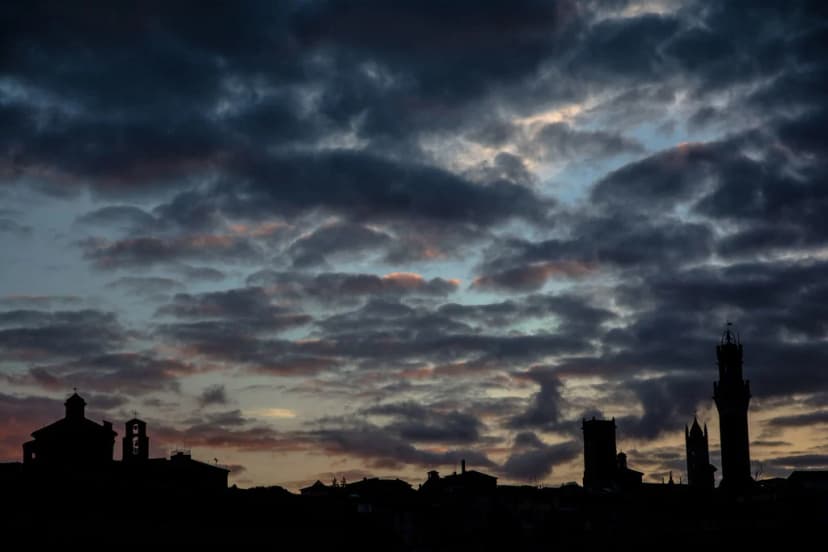
No visit to this Tuscan jewel is complete without spending time in the iconic Piazza del Campo. This central square serves as the heart of civic life and hosts the world-famous Palio horse race twice a year, in July and August. You can admire the Palazzo Pubblico and its slender Torre del Mangia bell tower which dominates the skyline from every angle of the city. Visitors often sit on the sloping brick pavement — divided into nine segments representing the medieval Council of Nine — to soak in the atmosphere of this historic gathering place. The square is roughly 333 metres in perimeter and it takes about ten minutes to walk its full boundary at a leisurely pace.
The Duomo di Siena stands as a masterpiece of Italian Gothic design just a short walk uphill from the Campo along Via del Capitano and Piazza del Duomo. Its facade features intricate carvings and colorful mosaics that sparkle under the bright Italian sun. Inside you will find a stunning floor made of 56 inlaid marble panels depicting biblical scenes, though many panels remain covered by protective flooring except during the annual Apertura exhibition (late August to late October). In 2026 the standard Duomo entry fee is €8, which includes access to the Cripta. Tickets are available at the ticket office on Piazza Jacopo della Quercia or online through the official Opa Si website. Visit the Siena old town guide for a detailed breakdown of every monument in the cathedral district.
The Palazzo Pubblico houses the Civic Museum where you can view legendary frescoes by Ambrogio Lorenzetti and Simone Martini. These paintings represent the effects of good and bad government on the city and surrounding countryside, and they remain among the most important secular medieval artworks in Europe. In 2026 entry to the Civic Museum costs €10. Climbing the Torre del Mangia next door provides a bird's-eye view of the entire city and the rolling hills of Tuscany — the tower entrance fee is €15 in 2026. The climb involves 503 steps and takes roughly 15 to 20 minutes each way, but the panoramic vista at the top makes the physical effort absolutely worthwhile.
Medieval fountains like the Fonte Gaia in the main square demonstrate the city's ancient engineering prowess. Water was a precious resource in this hilltop town and the underground Bottini tunnel system — stretching over 25 kilometres — remains a marvel of medieval hydraulic engineering today. Local legends say the tunnels supplied water to every major neighborhood fountain across the city. Take a moment to admire the sculptural reproductions on the Fonte Gaia while resting between stops on your route, and note that the originals by Jacopo della Quercia are preserved inside the Santa Maria della Scala museum nearby. The Museo di Santa Maria della Scala charges €9 for a standard adult ticket in 2026 and is open daily from 10:00 to 19:00. The building itself was once a working medieval hospital and pilgrims' hospice, making the interior a fascinating complement to the cathedral complex directly opposite.
Planning Your Route Through the Historic Center
A successful walking route usually begins at the northern entrance near the Basilica of San Domenico on Piazza San Domenico. This hilltop church offers a fantastic initial view of the Cathedral sitting proudly on the opposite ridge across the valley — the distance between them is roughly 500 metres as the crow flies but about a 12-minute walk via Via della Sapienza and Via di Città. The downhill stretch from San Domenico passes the Fontebranda fountain before climbing back up through Vicolo di San Pietro toward the Cathedral district. Following the natural flow of the terrain helps save your energy for the steeper sections later in the day.
The historic center is divided into three main sections known as Terzi or thirds — Città, Camollia, and San Martino. Each area offers a different perspective on Sienese life from grand palaces to humble artisan workshops. Wandering into the Terzo di San Martino reveals quiet residential corners along Via di Salicotto and Via del Porrione that many tourists often overlook entirely.
The main thoroughfare of Banchi di Sopra is lined with elegant shops and historic banking institutions, running from Piazza Matteotti in the north down to Piazza del Campo at its southern end, a distance of about 400 metres. This street follows the ancient Via Francigena which was a major pilgrimage route to Rome from northern Europe. You will notice the architecture changing from stern medieval fortresses to more ornate Renaissance facades as you move from the outer neighborhoods toward the historic core. Keep your eyes upward to spot the iron rings embedded in building walls at horse-tethering height, remnants of a time when every household kept animals on the street. Allow at least 30 minutes on this street alone to browse the medieval palaces and peek into the Loggia della Mercanzia at the corner near the Campo junction.
- The Medieval Heart Route
- Start: San Domenico Basilica (Piazza San Domenico)
- Via Fontebranda descent — 5 minutes, moderate downhill
- Midpoint: Piazza del Campo — 20 minutes from start
- Via del Capitano uphill to Piazza del Duomo — 8 minutes
- End: Porta Romana (Via Roma) — allow 2.5 hours total including site visits
- The Cathedral Heights Path
- Start: Piazza Tolomei (Via Banchi di Sopra)
- Via del Capitano to Piazza del Duomo — 10 minutes
- Midpoint: Duomo facade and Battistero di San Giovanni (entry €6 in 2026) — 30 minutes
- End: Santa Maria della Scala museum complex (Via del Capitano) — allow 90 minutes total
If you only have a half-day, combine route one and route two by starting at San Domenico, descending through Fontebranda, crossing the Campo, and then climbing to the Duomo via Via del Capitano. This triangular circuit covers the three most iconic viewpoints in Siena in approximately two and a half hours of brisk walking. Budget an extra €29 if you add Torre del Mangia (€15) and the Civic Museum (€10) plus a coffee stop at one of the Campo-facing bars, where an espresso typically costs €1.50 at the counter in 2026.
Practical Tips for Navigating Siena's Hills
Many first-time visitors are surprised by the steepness of the streets throughout the historic center. Siena was built on three converging ridges which means you will constantly be walking either up or down, with elevation changes of up to 60 metres between the lowest points near Fontebranda and the Cathedral plateau. Wearing sturdy walking shoes with good grip is absolutely essential for safely navigating the polished travertine and brick pavements. Avoid high heels or thin sandals as the medieval surfaces can be uneven and dangerously slippery when wet after rain.
Smart travelers utilize the public escalators known as Risalite to reach the top of the city effortlessly. One of the most useful sets connects the car parks near Fontebranda (Via Fontanella) up to the Cathedral area in about three minutes, saving you from a lung-busting 40-metre climb on foot. A second escalator system links the Stadio Artemio Franchi parking lot on the western edge to the central Piazza Matteotti area. These modern systems are free to use and save visitors from a very strenuous uphill walk of 10 to 15 minutes. See the parking in Siena guide to find the best entry points near these escalators and compare car park costs.
Driving into the center is strictly prohibited for non-residents due to the ZTL or zona a traffico limitato. Cameras monitor every entrance gate — Porta Camollia, Porta San Marco, Porta Romana, and several others — and fines for accidental entry typically run between €80 and €150 for first offences. Park your vehicle in one of the designated Il Campo or Santa Caterina car parks outside the city walls before starting your walk. The Il Campo car park charges approximately €2.50 per hour in 2026. The walk from Porta Camollia to Piazza del Campo along Banchi di Sopra takes approximately 15 minutes at a normal pace.
Hydration is important during the summer months when the Tuscan sun reflects intensely off the pale brick and stone buildings. Public water fountains provide cold and safe drinking water throughout the various neighborhoods. Locals call these fountains 'nasoni' and they are a great way to save money on bottled water during a long walking day. Carry a reusable 750 ml bottle and fill it up whenever you spot a stone basin with a metal spout. The main Fonte Gaia in the Campo is decorative and non-potable, but smaller drinking fountains in Via di Città and near San Domenico run constantly with fresh water throughout the day. If you need to grab a quick lunch mid-route, the area around Piazza del Mercato behind the Palazzo Pubblico has several affordable osterie where a bowl of pici pasta with cacio e pepe costs around €10–€13 in 2026.
Free Walking Tours in Siena 2026
Several operators offer tip-based free walking tours that are a brilliant option for budget travelers who still want expert local commentary. SANturismo Siena is the most established provider, running morning tours that meet at the fountain in the center of Piazza del Campo, near the Fonte Gaia reproduction. Tours typically depart at 10:00 and 11:30 on most days from spring through autumn, though schedules vary by season so confirm on their website or at the tourist information office on Piazza del Campo before your visit. No booking is required — simply show up and look for the guide holding a sign near the piazza's central basin.
A standard SANturismo free tour lasts approximately two hours and covers the key landmarks of the historic center at a relaxed pace. The route typically starts at the Campo itself, where guides explain the nine segments of the brick pavement, the significance of the Palio, and the role of the Palazzo Pubblico in Sienese civic life. From there the group moves uphill via Via del Capitano to the Piazza del Duomo, where guides discuss the Duomo's facade, the unfinished Facciatone wall of the abandoned Duomo Nuovo expansion project, and the relationship between the cathedral and the Hospital of Santa Maria della Scala across the square. The tour also passes through one or two Contrada neighborhoods, where guides point out the distinctive animal symbols — the Wave (Onda), the Eagle (Aquila), the Tower (Torre) — painted on district fountains and carved into building facades.
For a more structured paid experience, several licensed English-speaking guides offer private walking tours in 2026 priced between €80 and €150 for up to two hours for a private group of up to six people. These tours are bookable through platforms like Viator, GetYourGuide, or directly via the Siena tourist association (Comune di Siena website). Private tours allow you to tailor the route, skip queues with pre-booked tickets, and spend more time in the sites that interest you most — ideal for visitors with specific interests such as the Contrada system, medieval frescoes, or Sienese Gothic art.
Small group guided tours are also available for those who prefer company without the full private cost. Group walking tours in 2026 are typically priced between €20 and €35 per person and depart at fixed times from Piazza del Campo or the main tourist office. These include expert commentary and often entry to the Palazzo Pubblico Civic Museum. When comparing options, note that free tours cover exterior landmarks and general history, while paid tours tend to include queue-skipping and interior museum access. For most first-time visitors, a free tour in the morning followed by self-guided interior visits in the afternoon is the most cost-efficient combination available in 2026.
Best Times and Costs for Your 2026 Visit
In 2026 the key entry fees for Siena's main monuments are as follows: the Duomo (Cattedrale di Santa Maria Assunta) costs €8, the Museo dell'Opera del Duomo costs €8, the Battistero di San Giovanni costs €6, the Palazzo Pubblico Civic Museum costs €10, and the Torre del Mangia tower climb costs €15. The Opa Si Pass bundles the Duomo, Battistero, Cripta, Museo dell'Opera, and Facciatone viewpoint together for around €15–€20 depending on the season — a significant saving over individual tickets if you plan to visit three or more of these sites. Book the Opa Si Pass online in advance at operaduomo.siena.it to avoid queue delays, especially during peak summer months when waits at the ticket office can exceed 40 minutes.
The best time to start your walk is early in the morning before the day-trip crowds arrive. Most large tour buses and groups reach the city center by eleven in the morning and remain until around four in the afternoon. If you begin at eight or nine you can enjoy the quiet, soft-lit streets ideal for photography before the piazza fills with visitors. Evening walks are also magical — after 7 PM the Campo becomes a social gathering space for locals rather than tourists, and the brick buildings take on a warm amber glow under the streetlights that makes for excellent photographs.
Winter visits offer a much quieter experience with noticeably shorter queues, but some smaller museums may operate on reduced hours from November through February. Spring (April–May) and autumn (September–October) provide the most comfortable walking temperatures, typically 15–22°C, which is ideal for covering long distances through the hilly center. See the day trips from Siena guide for planning a wider regional itinerary that pairs a Siena walking tour with nearby highlights such as San Gimignano and Montepulciano. Always verify the current opening times on the official operaduomo.siena.it and comune.siena.it websites as they change for local religious holidays and special exhibitions throughout the year.
Hidden Gems Beyond the Main Piazza
Venturing away from the Duomo leads you to the impressive Fontebranda fountain at the base of the hill, accessed by descending the steep Via di Fontanella or Vicolo di Tone from near the Cathedral district — the walk down takes about 10 minutes. This massive three-arched brick structure dating from 1193 was once the primary water source for the city's thriving wool and tanning industries located in the valley below the Terzo di Città. The surrounding valley along Via di Fontebranda is much greener and quieter than the bustling upper sections of the town, with a small stream channel running beside the old tanning workshops. It is a perfect spot for a peaceful 15-minute break before the climb back up to the medieval maze above.
The Oratorio di San Bernardino on Piazza San Francesco is a small museum that houses some of the city's finest Renaissance paintings, including 15th-century frescoes by Sodoma, Beccafumi, and Girolamo del Pacchia. Many tourists miss this site because it sits slightly to the north of the most popular walking paths, near the church of San Francesco just off Via dei Rossi. The quiet atmosphere allows you to appreciate the art without the pressure of large crowds, and the combined ticket for the upper and lower oratory is typically under €5 in 2026. The oratorio is open daily from 10:30 to 13:30 and 15:00 to 17:30.
Each Contrada has its own street fountain and a small museum dedicated to its Palio history and neighborhood pride. Walking through the streets of the Oca (Goose) district around Via dei Termini, or the Tartuca (Tortoise) district near Via Tommaso Pendola, reveals unique animal symbols carved into walls and painted on ceramic plaques at every corner. Look for bronze plaques set into the pavement or colorful banners hung from windows that mark the territory boundaries of each traditional district. Respectful visitors are sometimes welcomed to peek into the local Contrada social clubs (circoli) during the festival season in the weeks surrounding the July and August Palio races, particularly if accompanied by a knowledgeable local guide.
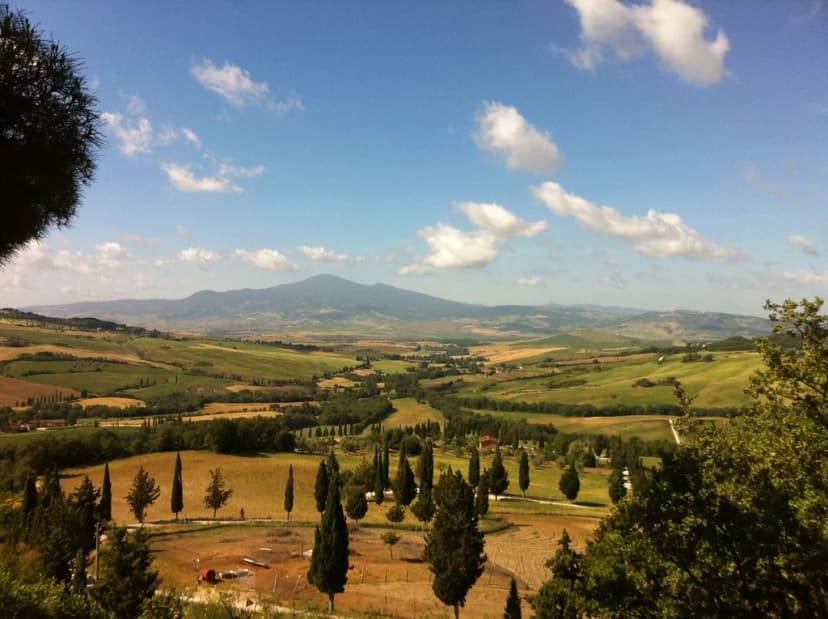
The fortress of Santa Barbara — Fortezza Medicea — on Viale Maccari offers a wide open grassy space for a relaxing walk along the ancient Medici-built ramparts, and entry to the grounds is free. This area is popular with local joggers and families in the early evenings. From the northern edge of the fortress walls you can see the vineyards and cypress-lined roads stretching out toward the Chianti Classico region to the north and the Crete Senesi clay hills to the south. The fortress also hosts the Enoteca Italiana wine bar in its vaulted cellar, where you can sample Brunello di Montalcino and Chianti Classico by the glass from around €6. It serves as a relaxing final stop that gives you a completely different perspective on the city from its exterior walls before you head to dinner.
Siena Walking Tour: Food and Coffee Stops to Plan Along the Route
No walking tour of Siena is truly complete without sampling the local food culture. The city has a distinct culinary identity shaped by its medieval and agricultural roots, and the best way to experience it is by pausing at the right spots between monuments. Panforte di Siena — a dense, spiced cake made with honey, almonds, and candied citrus — is the city's most celebrated confection. You can buy a whole panforte starting from around €8 at Pasticceria Nannini on Via Banchi di Sopra, one of the oldest pastry shops in the historic center, open Monday to Saturday from 07:30 to 20:30 and Sunday from 09:00 to 20:00. Pick up a slice of Ricciarelli (soft almond biscuits dusted with icing sugar) for about €1.20 each to fuel the next section of your walk.
Coffee in Siena follows traditional Italian convention: you stand at the bar, order an espresso (€1.20–€1.50), and drink it quickly. Sitting at a table outdoors on the Campo raises prices considerably — a cappuccino at a table in the square can cost €4–€6 in peak season. If you want the ambiance without the surcharge, order at the interior bar first, pay, then take your cup outside to enjoy the piazza view while standing. Caffè Il Palio on Piazza del Campo and Bar Pansani on Via di Città are two reliable stops along the main walking route.
For a proper sit-down lunch, the streets around Piazza del Mercato on the southern side of the Palazzo Pubblico offer calmer options at local prices. Osteria Nonna Gina on Piazza del Mercato serves a two-course lunch menu including pici al ragù and a glass of Chianti for around €16–€20 per person. The Mercato area itself hosts a morning food market on Wednesdays from approximately 08:00 to 13:30 where you can buy local cheeses, cured meats, and seasonal vegetables direct from producers in the surrounding Sienese countryside. Pecorino di Pienza — a firm sheep's milk cheese from nearby Pienza — is available for around €3–€4 per 100 g at stalls inside the market, making it a perfect picnic addition.
Gelato is an essential mid-walk energy boost, and Siena has several excellent gelaterie hidden among the tourist traps. Gelateria Brivido on Via dei Pellegrini, a short detour from the Duomo, is consistently recommended by locals for its handmade flavors. A two-scoop cone costs €3.00 in 2026. If you are walking the route through the Terzo di Camollia, look for Gelateria Artigianale Il Campo near Piazza Salimbeni, where seasonal fruit sorbets change weekly depending on what arrives from local farms. A dedicated food-and-walk approach — stopping at bakeries, coffee bars, and osterie in sequence — can make a full day in Siena feel distinctly Sienese rather than purely touristic.
Frequently Asked Questions
How long does a Siena walking tour usually take?
A basic tour of the main highlights — Piazza del Campo, the Duomo exterior, and the Torre del Mangia viewpoint — takes about three to four hours at a relaxed pace. If you plan to enter the Cathedral (€8), the Torre del Mangia (€15), and the Palazzo Pubblico Civic Museum (€10), you should allow a full day of six to seven hours. Many visitors prefer a slower pace to enjoy a long lunch near Piazza del Mercato and linger in the quieter backstreets of the Contrada neighborhoods before the evening stroll.
How long does it take to walk across Siena's historic center?
Walking across Siena's historic center from Porta Camollia in the north to Porta Romana in the south takes about 30 to 35 minutes without stopping. The total walkable area of the ZTL historic center is roughly 1.5 kilometres end to end. Most visitors cover the main triangle of Campo, Duomo, and San Domenico in 2 to 2.5 hours of walking time, not counting time spent inside museums or sitting for a coffee at one of the bar-cafes along Via di Città.
Are there free walking tours in Siena in 2026?
Yes. SANturismo Siena runs tip-based free walking tours that meet at Piazza del Campo near the central Fonte Gaia fountain. Tours last approximately two hours and cover the Campo, Duomo exterior, Palazzo Pubblico, and Contrada symbols. No booking is required — arrive a few minutes before the advertised departure at 10:00 or 11:30 on most days from spring through autumn. You tip your guide what you feel the tour was worth at the end. Paid small-group tours are also available for €20–€35 per person if you prefer guaranteed entry to museums.
Is Siena accessible for travelers with mobility issues?
The steep hills and cobblestones can be challenging for some travelers. However, the city has installed several free public escalators (Risalite) connecting the main car parks near Fontebranda and Stadio Artemio Franchi to the upper historic center, which significantly reduce the need to climb steep gradients on foot. Wheelchair users should note that the Campo itself has a smooth brick surface but surrounding streets can be uneven. The Piazza del Campo, Palazzo Pubblico ground floor, and parts of the Duomo nave are accessible, but the Torre del Mangia climb (503 steps) is not suitable for mobility-impaired visitors.
What should I wear for a walking tour in Siena?
Comfortable walking shoes with good support and grip are the most important item to bring, given the steep and sometimes slippery medieval pavements. Dress modestly if you plan to enter the Duomo, Battistero di San Giovanni, or other religious sites — shoulders and knees must be covered to meet entry requirements in 2026. Disposable paper shawls are available at the Duomo entrance for around €1.50 if needed. In summer months, carry sunscreen and a full water bottle as the Tuscan sun is intense between 11:00 and 15:00.
Can I see Siena in one day on foot?
Yes, the historic center is compact enough to explore the major landmarks in a single full day. Starting at 8:00 or 9:00 AM gives you time to visit the Campo, Duomo (€8), Torre del Mangia (€15), and the Museo dell'Opera del Duomo (€8) before the busiest crowds arrive mid-morning. Take a lunch break around 13:00 near Piazza del Mercato, then finish the afternoon with the Palazzo Pubblico Civic Museum (€10) and an evening stroll through the Contrada streets. The Opa Si Pass (€15–€20) bundles several Duomo-complex entries for better value if you plan to visit four or more sites in the same day.
What is the Opa Si Pass and is it worth buying in 2026?
The Opa Si Pass is a combined entry ticket sold by the Opera della Metropolitana di Siena that covers the Duomo (€8), Battistero di San Giovanni (€6), Cripta, Museo dell'Opera del Duomo (€8), and the Facciatone viewpoint. The pass costs approximately €15–€20 in 2026 depending on the season, compared to over €28 if you buy each ticket separately. It is worth buying if you plan to visit three or more of the included sites. Book in advance at operaduomo.siena.it to skip the ticket queue, which can reach 40 minutes during peak summer weekends.
Where should I park when visiting Siena for a walking tour?
Private cars are banned from Siena's ZTL historic center. The nearest official car parks are the Il Campo multi-storey (approx. €2.50/hour) near the western city walls and the Santa Caterina car park, both connected to the center via free escalators (Risalite). The Fontebranda car park off Via Fontanella feeds directly into the escalator system that reaches the Cathedral plateau in about three minutes, making it the most convenient option for a Duomo-first itinerary. Avoid driving through any of the monitored city gates — Porta Camollia, Porta Romana, Porta San Marco — or you risk a fine of €80–€150.
Exploring Siena on foot in 2026 is a rewarding experience that reveals the soul of this ancient Tuscan city at a human pace. From the grand scale of the Duomo (€8) to the quiet charm of the Contrada backstreets and the panoramic rewards of Torre del Mangia (€15), there is always something new to discover around the next corner. Using a logical route, taking advantage of free walking tours at Piazza del Campo, and following up-to-date entry fee information will ensure your visit is both comfortable and memorable. If you want to extend your trip beyond the city walls, the day trips from Siena page covers the best nearby destinations reachable in under an hour. For a deeper dive into the medieval neighborhoods, our Siena old town guide covers every Contrada, the historic city gates, and the best local restaurants by neighborhood.