The Ultimate Matera Walking Tour Guide for 2026
A self-guided Matera walking tour through both Sassi districts takes 3–4 hours, covers roughly 4 km, and costs €15–20 in entry fees if you visit Casa Noha, Madonna de Idris, and the Palombaro Lungo cistern.
Cave churches charge €3–5 per adult in 2026; the Palombaro Lungo cistern costs €3; Casa Noha costs €5; and the five-site Sassi combined ticket costs around €12, valid for two days.
Matera is a city of stone that feels like a living museum. History is carved into the cliffs that support the ancient buildings of the Basilicata region. Visitors often feel like they have stepped back thousands of years into the past. Exploring these districts on foot allows you to see the intricate details that cars cannot reach.
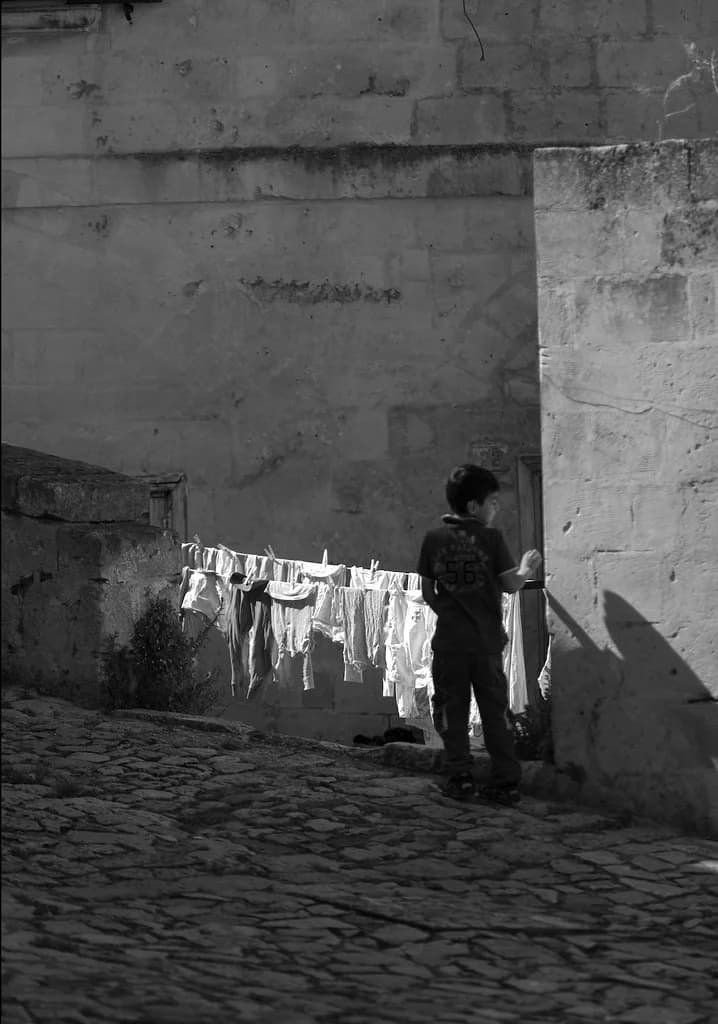
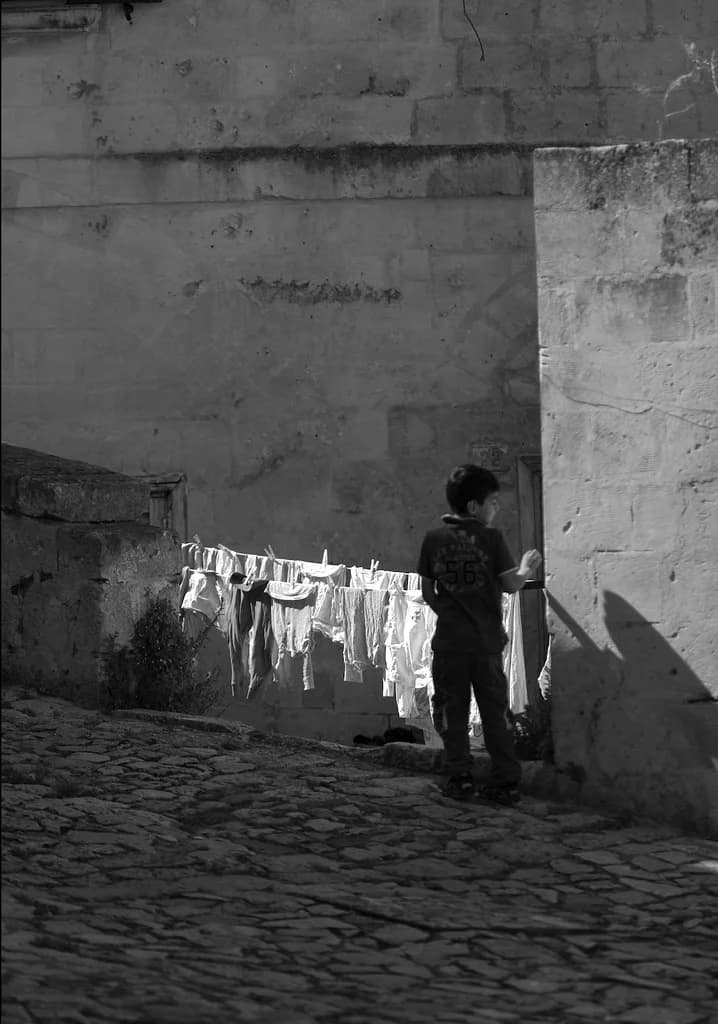
The city is famous for its cave dwellings which were inhabited until the middle of the twentieth century. Walking through the narrow alleys reveals the resilience and creativity of the local people. A self-guided Matera walking tour is the best way to soak in the atmosphere at your own pace. For a deeper look at the surrounding neighbourhood, the Matera old town guide covers the historic centre in detail.
Planning your route ahead of time helps you avoid getting lost in the maze of stairs. The limestone paths can be confusing even for the most experienced travelers. Understanding the layout of the two main districts is essential for a successful visit. This guide provides everything you need to navigate the city safely and efficiently in 2026.
The Magic of the Sassi Districts
The Sassi districts represent one of the oldest continuously inhabited settlements in the entire world. Walking through these areas feels like wandering through a prehistoric landscape that has been carefully preserved. Every stone tells a story of poverty, transformation, and eventual cultural triumph. Italy's treasures of stone stretch far beyond Rome and Florence, reaching deep into the Basilicata region. Most tours begin at the top of the canyon — at the viewpoint along Via Bruno Buozzi — to provide a panoramic view of the entire valley before descending into its core.
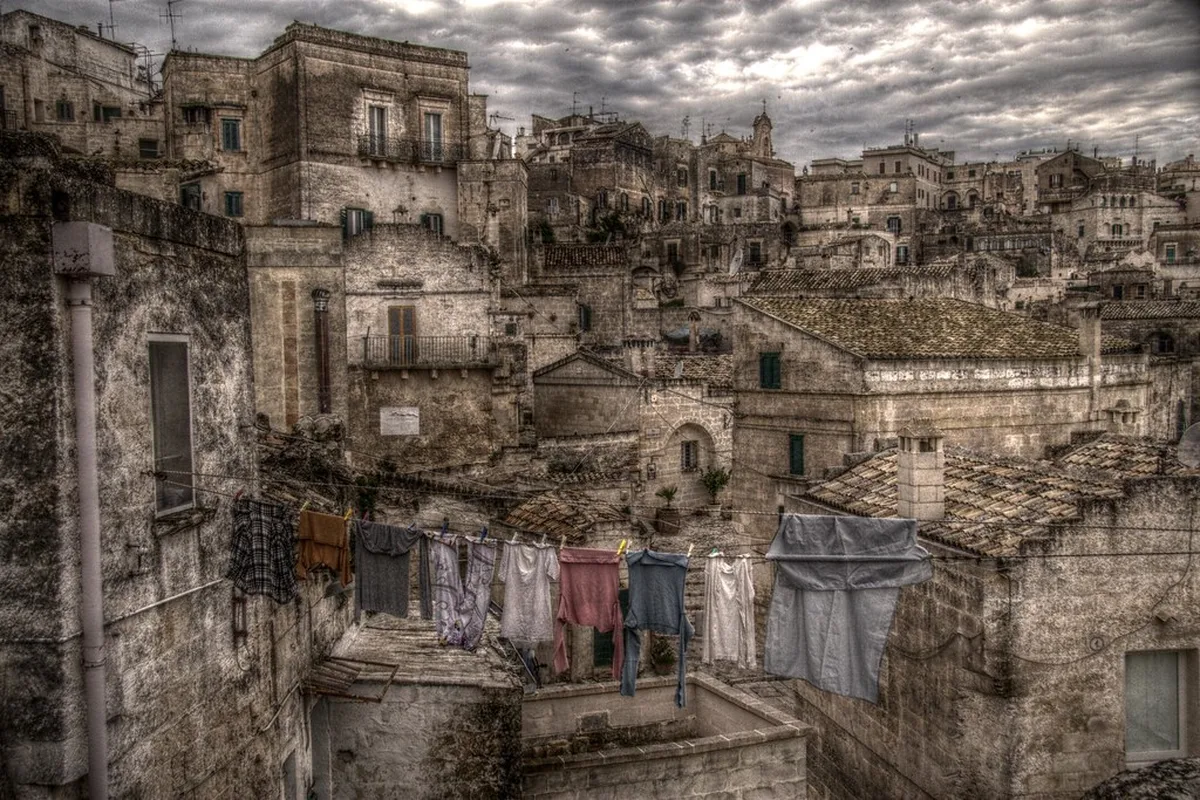
The limestone cliffs provide a natural foundation for the homes that stack on top of each other. Roofs of some houses often serve as the streets or foundations for the buildings above them. This vertical architecture creates a fascinating puzzle for anyone exploring on foot. You should expect to climb hundreds of steps during a standard three-hour excursion. The total elevation change across both Sassi districts is approximately 80 metres from canyon floor to cathedral level.
Local authorities have worked hard to turn these once-neglected caves into luxury hotels and cozy cafes. Modern amenities now exist inside spaces that were once used for basic survival. The contrast between the ancient stone and modern hospitality is truly unique to Matera in 2026. Several cave hotels along Via Fiorentini in Sasso Barisano now charge upwards of €150 per night, yet retain their rough-hewn tuff walls and vaulted ceilings.
Evening walks offer a different perspective as the city lights up like a nativity scene. The golden hour provides the best lighting for photographers looking to capture the textures of the stone. Many travelers prefer the cooler temperatures of the late afternoon for their walking adventures. Shadows stretch across the canyon walls and create a dramatic backdrop for your journey. The walk along Via Madonna delle Virtù, which runs along the canyon rim, is particularly atmospheric at dusk and is entirely free to walk.
Early mornings between 07:00 and 09:00 are the least crowded time to explore the lower reaches of the Sassi. Most tour groups arrive after 10:00, so independent walkers who start early enjoy near-empty alleys and dramatically lit stone facades. A coffee at one of the small bars near Piazza San Francesco d'Assisi costs around €1.20 and makes an ideal starting fuel stop before the descent.
Top Landmarks for Your Matera Walking Tour
A comprehensive Matera walking tour must include a visit to the most iconic rock churches. These religious sites were carved directly into the soft volcanic tuff centuries ago. Faded Byzantine frescoes still decorate the walls and offer a glimpse into art styles that date back to the ninth century. In 2026, entry fees for cave churches range from €3 to €5 per person depending on the site. The Madonna de Idris complex charges €3 for adults, while the combined ticket for Santa Lucia alle Malve and Santa Barbara costs €5.
The underground cistern system is another engineering marvel that visitors should not miss. Water management was crucial for survival in this arid landscape for thousands of years. Walking through the Palombaro Lungo beneath Piazza Vittorio Veneto reveals the massive scale of these subterranean reservoirs — the main chamber stretches 15 metres high. Guided tours of the cisterns are available Tuesday through Sunday from 10:00 to 19:00, last approximately 30 minutes, and cost €3 per person in 2026. Book at least a day ahead in July and August when spots fill by noon.
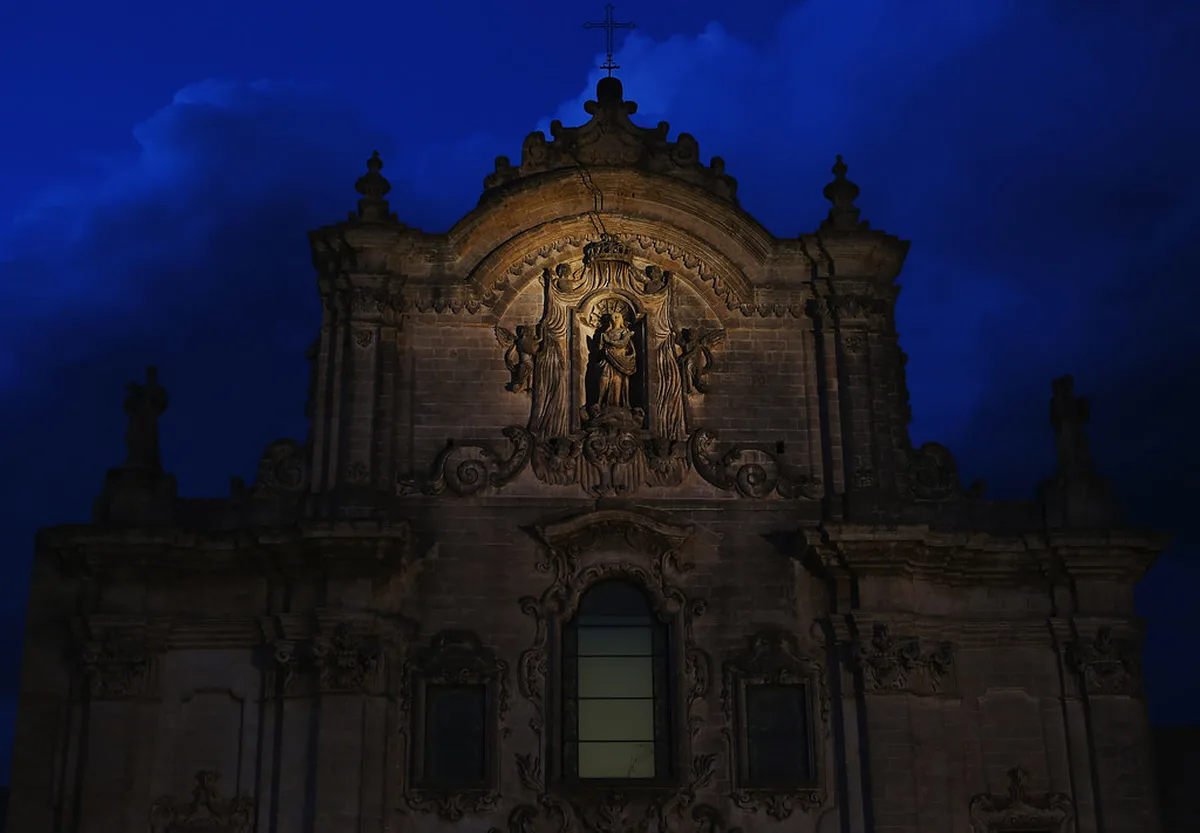
The Matera Cathedral stands at the highest point of the city between the two Sassi districts, approximately 400 metres above sea level. Its thirteenth-century Romanesque facade provides a stark contrast to the rugged cave dwellings below. Entry to the cathedral itself is free, though a €2 donation is suggested. The square in front of the cathedral, Piano di Castello, offers one of the most famous views in all of Italy looking out over the Gravina gorge.
Walking through the Casa Noha, which sits on Via D'Addozio in Sasso Barisano, provides a richly produced multimedia introduction to the history of the Sassi. Entry costs €5 in 2026 and the 30-minute film experience is available in English with screenings roughly every hour. Most visitors find it useful to visit Casa Noha first before exploring the Sassi on foot, as it gives essential context about why the caves were abandoned in 1952 and how they were transformed into a UNESCO World Heritage Site.
The MUSMA (Museum of Contemporary Sculpture) occupies the Palazzo Pomarici cave complex on Via San Giacomo and charges €5 admission in 2026. It is open Tuesday to Sunday from 10:00 to 14:00 and 16:00 to 20:00 during summer. The museum blends contemporary Italian sculpture with the raw cave architecture in a way that is unusual even by European standards. Allow at least 45 minutes to walk through the full collection properly.
- The Rock Church of Madonna de Idris
- Type: Cave church
- Best for: Frescoes + canyon view
- Where: Monterrone cliff, Sasso Caveoso
- Cost: €3 (2026)
- Hours: 09:00–19:00 daily
- Casa Noha
- Type: Multimedia museum
- Best for: Historical context
- Where: Via D'Addozio, Sasso Barisano
- Cost: €5 (2026)
- Hours: 10:00–19:00 daily
- The Palombaro Lungo Giant Cistern
- Type: Underground water reservoir
- Best for: Engineering history
- Where: Piazza Vittorio Veneto
- Cost: €3 (2026)
- Hours: 10:00–19:00, Tue–Sun
- MUSMA Sculpture Museum
- Type: Contemporary art in caves
- Best for: Art + architecture
- Where: Palazzo Pomarici, Via San Giacomo
- Cost: €5 (2026)
- Hours: 10:00–20:00, Tue–Sun (summer)
Cave Church Walking Route: Madonna de Idris, San Pietro Caveoso, and Santa Lucia alle Malve
The cave church circuit is the most rewarding walking route for first-time visitors to Matera and can be completed in around 90 minutes at a relaxed pace. The three main churches — Madonna de Idris, San Pietro Caveoso, and Santa Lucia alle Malve — form a natural loop through the lower section of Sasso Caveoso and are within 600 metres of each other. This route involves a descent of approximately 60 metres from Piazza San Pietro Caveoso to the canyon bottom, so wear shoes with solid grip.
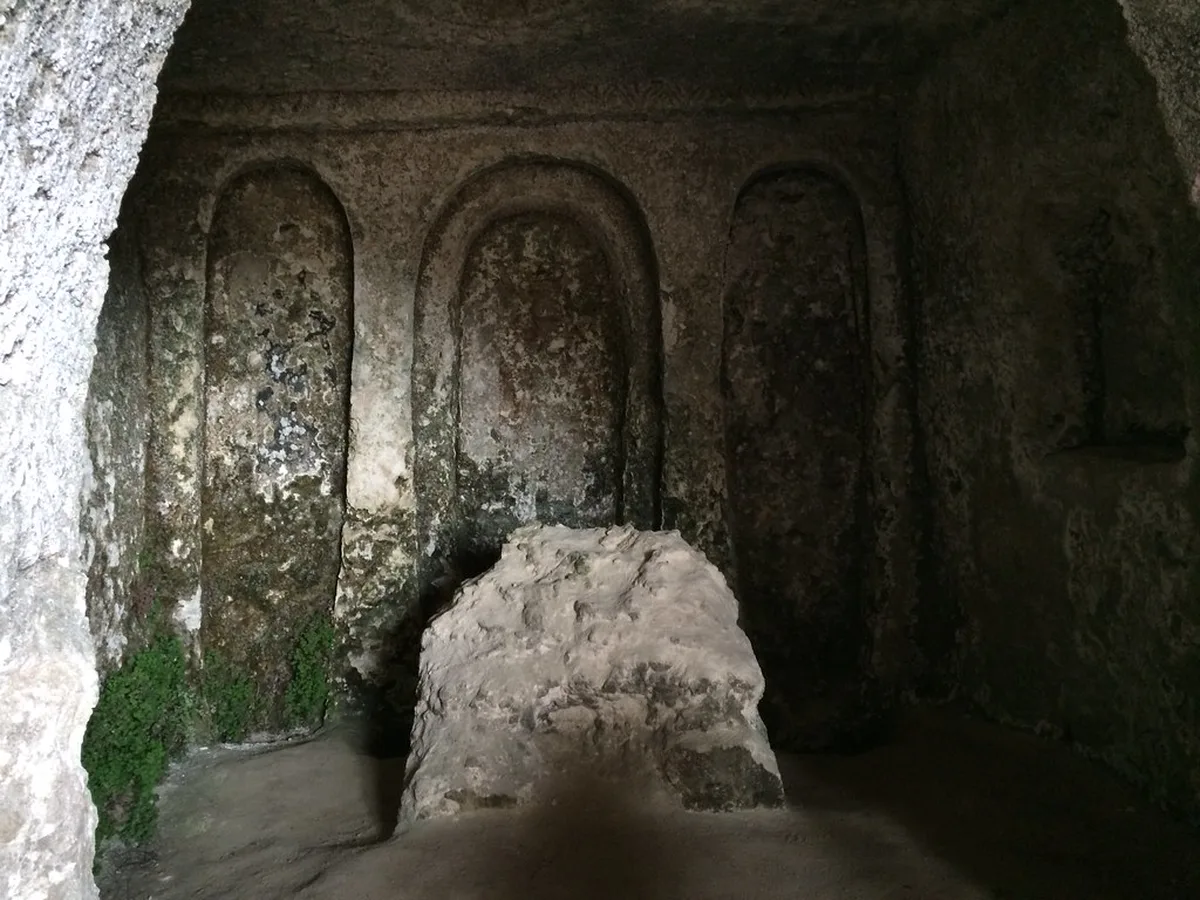
Start at Madonna de Idris, perched dramatically on the Monterrone rock pinnacle that rises from the canyon floor. The exterior is immediately recognisable from postcards of Matera. Inside, the main apse contains 12th to 17th-century Byzantine frescoes depicting scenes from the life of Christ and the Virgin. Entry costs €3 per adult in 2026. The church is open daily from 09:00 to 19:00. From the entrance you can take the external staircase that wraps around the pinnacle for a 360-degree view of the gorge — this is completely free and one of the best viewpoints in the Sassi.
From Madonna de Idris, follow the stone path downhill for about 150 metres to reach San Pietro Caveoso, the only church in Matera with a free-standing baroque facade. The church dates to 1200 AD and was rebuilt in the seventeenth century. Entry to the church interior is free, though a €1 suggested donation box sits near the door. The piazza in front — Piazza San Pietro Caveoso — is one of the most photographed spots in the city, with cave dwellings stacked up the cliff behind it and the twin rock churches visible on the hillside above. Rest here if you need water; there is a public drinking fountain on the east side of the piazza.
From Piazza San Pietro Caveoso, walk west along Via Bruno Buozzi for about 300 metres to reach Santa Lucia alle Malve, the oldest cave church in Matera with origins dating to the eighth century. It is notable for being the first Benedictine convent in Basilicata. The interior contains a series of 12th-century frescoes that are far better preserved than those in many other Matera churches, partly because the space was sealed and unused for centuries. Entry costs €3.50 per adult in 2026. Opening hours are 09:30 to 18:30 daily. Adjacent to Santa Lucia is the small church of Santa Barbara, and a combined ticket for both costs €5, saving €2 compared to individual entry.
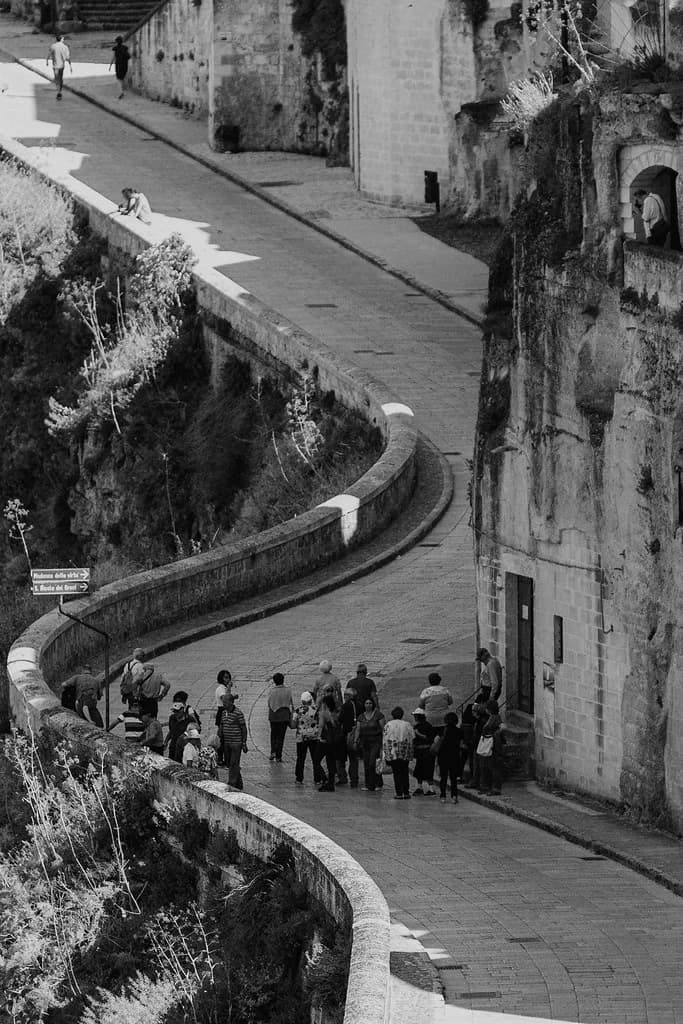
After Santa Lucia, climb the stepped path back up Via Madonna delle Virtù — a switchback street of rough stone that rises about 40 metres back to the upper level of Sasso Caveoso. The walk takes around 10 minutes at a steady pace. From the top, the path connects back to Piazza Vittorio Veneto in about 15 minutes, where you can visit the Palombaro Lungo cistern if you have not done so yet. The full loop from Piazza Vittorio Veneto down through the cave churches and back covers approximately 2.5 km and 300 steps.
Comparing Sasso Barisano and Sasso Caveoso
The Sasso Barisano is generally considered the more developed and renovated part of the city. It contains many of the larger hotels, restaurants, and shops that cater to tourists. Walking paths here are often slightly wider and easier to navigate for casual strollers. This district faces the northwest and receives beautiful warm light during the morning hours. Via Fiorentini is the main artery through Sasso Barisano and a logical spine for your exploration — it runs approximately 500 metres from north to south and connects the upper piazzas to the lower cave quarters.
The Sasso Caveoso retains a more rugged and authentic feel compared to its neighbour. Many of the caves in this area remain in their more natural, unrenovated state, particularly in the lower sections near the canyon floor. Exploring this district feels like a deeper dive into the ancient history of the region. The terrain here is often steeper and requires more physical effort to explore fully. The descent from Piazza San Pietro Caveoso to the Gravina riverbed path drops about 80 metres over roughly 500 metres of walking distance.
Choosing between the two depends on your physical ability and your interest in history. Most visitors find that a full day allows enough time to see both districts comfortably. A popular strategy is to start at Piazza Vittorio Veneto, walk down into Sasso Barisano first via Via Fiorentini, cross over to Sasso Caveoso at the base of the Monterrone pinnacle, complete the cave church loop, and then climb back up Via Madonna delle Virtù to finish near the Cathedral. This circular route of approximately 4 km takes 3 to 4 hours including site visits.
Local guides often emphasise the social and economic differences that once existed between these two neighbourhoods. Sasso Barisano was traditionally home to slightly wealthier artisans and merchants, while Sasso Caveoso housed agricultural labourers and shepherds. The width of the paths, the size of the cave openings, and the quality of the stone masonry still reflect this distinction today. Understanding these nuances adds a layer of depth to your Matera walking tour experience. Reflecting on these stories makes the physical walk much more meaningful for independent travellers who prefer context over a simple sightseeing checklist.
In 2026, several cave dwellings in Sasso Barisano have been converted into boutique wine bars serving wines from the Aglianico del Vulture DOC zone, the leading wine region of Basilicata. A glass of Aglianico typically costs €4–6. These are excellent rest stops between the upper piazzas and the lower churches, and the cave interiors stay naturally cool even in July and August when surface temperatures regularly exceed 35°C.
Matera Sassi Viewpoints Walking Guide
Matera rewards those who seek out its best vantage points, and several of the finest are completely free. Understanding where the main viewpoints are — and when the light hits them best — can transform a good walk into an exceptional one. The three standout spots for panoramic views are the Belvedere di Murgia Timone, the Via Bruno Buozzi viewpoint platform, and the belvedere above Piazza Vittorio Veneto.
Belvedere di Murgia Timone sits across the Gravina gorge from the Sassi, on the opposite side of the canyon, and is the single best viewpoint in the entire area. Entry is completely free. To reach it, cross the pedestrian Gravina bridge (Ponte di Vaglia), which starts near the bottom of Via Madonna delle Virtù, and walk approximately 800 metres along a gravel path through the Parco della Murgia Materana. The walk from Piazza Vittorio Veneto takes about 35 minutes on foot. From this vantage point you see the full panorama of both Sassi districts stacked against the canyon wall — this is the classic postcard perspective that most photos of Matera use. The best light for photography is in the early morning (before 09:00) when the eastern sun hits the stone faces directly, and again in the evening from about 18:30 when the city turns gold.
Via Bruno Buozzi viewpoint is a paved terrace that runs along the canyon rim on the south edge of the historic centre, roughly 200 metres west of Piazza San Pietro Caveoso. It is free to access at all times and gives an elevated look down into Sasso Caveoso and across to Madonna de Idris on its pinnacle. This is the most accessible major viewpoint — it is only a 5-minute walk from Piazza San Pietro Caveoso and requires no descent or climbing. Several benches make it a good rest point mid-walk. In 2026, the path has been extended westward for another 150 metres, connecting Via Bruno Buozzi to the lower path toward Santa Lucia alle Malve.
Piano di Castello, the square in front of the Cathedral, offers the third great panoramic perspective. From here you look north-east over Sasso Barisano, with the rooftops of cave homes cascading down to the gorge and the Murgia plateau visible in the distance. This viewpoint is especially striking at sunset when the warm light rakes across the stone at low angles. The Cathedral terrace area is open at all times, and since the Cathedral itself charges no entry fee, this is one of the most rewarding free stops on the entire walk.
For those wanting a longer, more immersive viewpoint experience, the full loop around the canyon rim — from Piano di Castello, along Via Madonna delle Virtù, across the Gravina bridge to Murgia Timone, and back — covers around 6 km and takes about 2 hours at a relaxed pace. The path is well-marked with yellow waypoints managed by the Parco della Murgia Materana authority. Bring at least 1.5 litres of water as there are no fountains on the Murgia side of the gorge.
Food and Rest Stops on Your Matera Walking Tour
Knowing where to pause for food and drinks is as important as knowing the route itself when you plan a half-day walk through Matera's Sassi. The stone city absorbs and radiates heat, and the uneven terrain drains energy quickly. Fortunately, the historic districts are threaded with small cafes, bakeries, and wine bars that cater to walkers, many of them housed inside the same cave architecture you have come to explore. Building two or three deliberate rest stops into your itinerary turns a tiring march into a genuinely enjoyable journey.
Start your morning at Caffè Tripoli on Piazza Vittorio Veneto, the main square at the top of the Sassi. A standard espresso costs €1.20 and a freshly baked cornetto (Italian croissant) is typically €1.50. Arrive before 09:00 and you can claim a table outside before the tour groups fill the square. From here you have an easy downhill walk into Sasso Barisano, so the cafe serves as both a fuel stop and a natural orientation point at the start of your descent.
Midway through the walk, near Piazza San Pietro Caveoso, look for Osteria Il Terrazzino on Vico San Giuseppe. It opens at 12:00 for lunch and serves a two-course set menu for €14 per person that usually includes local pasta dishes such as strascinati with cruschi peppers and a main of lamb or pork. The terrace overhangs the canyon and gives you a live view of the cave dwellings while you eat. If you arrive before noon, a counter inside sells focaccia di Matera by the slice for €2.50 — the local bread is denser and chewier than typical Italian focaccia and is ideal as a mid-morning snack.
For an afternoon break with a drink, the cave wine bars along Via Fiorentini in Sasso Barisano are the best option between 14:00 and 17:00. Cantina Rondinella at Via Fiorentini 76 pours Aglianico del Vulture wines by the glass from €4 and has a small charcuterie board (tagliere) for €9 featuring local pecorino, salami, and cruschi pepper chips. The natural cave temperature inside stays around 16°C year-round, making it the most welcome cool refuge after a hot afternoon of climbing.
For a sweet finish before leaving the Sassi, stop at Forno a Legna Panificio Forte near Via del Corso for biscotti di Matera — hard almond biscuits glazed with egg and baked in a wood-fired oven. A bag of six costs €4 and they travel well. Local gelato shops on Via Ridola charge €2.50 for a single scoop and €3.50 for a double in 2026. The pistachio and fig flavours are made with local ingredients and are worth trying as a final reward after completing the cave church circuit.
If you are planning a longer trip in the region, the Puglia travel guide covering Lecce, Bari, and Matera has recommendations for multi-day itineraries that combine Matera with the Adriatic coast towns. Many visitors pair a Matera day with day trips from Bari, which is around 65 km to the northeast and accessible by direct train for approximately €5 in 2026.
Practical Tips for Navigating the Old City
Footwear is the most important consideration for anyone planning a walk through the Sassi. The limestone steps can become incredibly slippery even when they appear to be dry, particularly after light rain or in early morning when moisture settles on the polished stone. Sneakers with good rubber grip or low-cut hiking shoes are highly recommended for all visitors. Avoid wearing flip-flops or high heels as the uneven ground causes injuries every week during the tourist season.
Parking near the old town can be a significant challenge during the peak summer months of July and August. Most of the historical centre is a restricted traffic zone (ZTL) where outsiders cannot drive without risking automatic fines of €80–160. The parking in Matera guide covers the main peripheral lots and shuttle bus options in detail. The most convenient paid lot is Parcheggio Via Spine Bianche, about 800 metres from Piazza Vittorio Veneto, which costs €1.50 per hour in 2026.
Hydration is vital because the stone city reflects heat and surface temperatures regularly hit 38–40°C in summer. Public drinking fountains are scattered through the districts but can be hard to spot; look for small stone basins with brass taps near Via Fiorentini in Sasso Barisano and near Piazza San Pietro Caveoso in Sasso Caveoso. Carry a 1-litre reusable water bottle and refill it whenever you see a fountain. Planning your walk for the early morning between 07:00 and 10:00 helps you avoid the strongest midday sun.
The Sassi combined ticket (Biglietto Integrato) is the best way to save money if you plan to visit multiple sites. In 2026, the standard combined ticket covering Madonna de Idris, the Casa Grotta di Vico Solitario, Santa Lucia alle Malve, and the Palombaro Lungo costs approximately €12 per adult and is valid for two full days. Buy it at the first site you visit. Many individual church ticket offices accept this pass, and purchasing it saves around €4 compared to individual admissions. Children under 12 generally enter for free at all state-managed sites.
Digital mapping apps work well in the Sassi, but download an offline map before you arrive because mobile data can be patchy in the lower canyon areas. The official Matera tourist office at Via del Corso 15 provides free printed maps and is open Monday to Saturday from 09:00 to 18:00. Staff speak English and can mark the best walking route for your available time. If you have only two hours, they typically recommend the core loop: Casa Noha → Sasso Barisano descent → Piazza San Pietro Caveoso → Madonna de Idris → Via Bruno Buozzi viewpoint → Cathedral, covering around 2 km. Visitors travelling onward to the coast may also find the best beaches in southern Italy guide useful for planning the next stage of their trip from Basilicata.
Frequently Asked Questions
How long does a Matera walking tour usually take?
A standard guided walk through the Sassi typically lasts between two and three hours and covers the main landmarks in both Sasso Barisano and Sasso Caveoso. If you explore on your own in 2026, plan for at least four hours to account for the many stairways, photo stops, and entry queues at the cave churches. Adding the Murgia Timone viewpoint across the gorge extends the total to around five to six hours.
Is Matera difficult to walk for people with mobility issues?
Matera is quite challenging due to thousands of uneven stone steps and steep inclines throughout the Sassi. There are limited accessible routes near the main squares, but the heart of the Sasso Caveoso is not suitable for wheelchairs. Visitors with limited mobility should consider hiring a specialised tour that uses electric vehicles, which can access parts of Sasso Barisano along Via Fiorentini. The Piano di Castello viewpoint near the Cathedral is flat and fully accessible, offering a good panorama without any steps.
What should I wear for a walking tour in the Sassi?
Comfortable shoes with excellent rubber traction are the single most important item. The limestone paths are polished smooth by centuries of foot traffic and become dangerously slippery after rain. Avoid smooth leather soles entirely. Wear breathable, moisture-wicking clothing and a sun hat to protect yourself from the intense Mediterranean heat that reflects off the white stone. In summer, temperatures inside the Sassi can feel 5–8°C hotter than open areas due to the radiant heat from the rock walls.
Are there public restrooms available in the Sassi districts?
Public restrooms are available but sparse in the lower parts of the districts. You will find facilities near Piazza Vittorio Veneto, the Cathedral square (Piano di Castello), and near the entrance to the cave church cluster around Piazza San Pietro Caveoso. Most cafes will allow customers to use their restrooms if you purchase a small item — a coffee costs €1.20–1.50 and is a fair exchange for the facilities. Plan toilet stops at major piazzas rather than deep in the lower Sassi.
How much does it cost to visit the cave churches in Matera in 2026?
Individual cave church entry fees in Matera in 2026 range from €3 to €5 per adult. Madonna de Idris costs €3. Santa Lucia alle Malve costs €3.50 individually or €5 combined with Santa Barbara. The Palombaro Lungo cistern costs €3. Casa Noha costs €5. The Sassi combined ticket covering four major sites costs approximately €12 and represents the best value if you plan to visit more than two attractions. Children under 12 enter free at all state-managed sites.
What is the best free viewpoint in Matera?
The Belvedere di Murgia Timone, located across the Gravina gorge from the Sassi, is the best free viewpoint in Matera. Admission is free at any time of day. Reach it by crossing the pedestrian Gravina bridge at the bottom of Via Madonna delle Virtù and walking 800 metres through the Parco della Murgia Materana — about 35 minutes on foot from Piazza Vittorio Veneto. The best light falls on the Sassi before 09:00 and again from about 18:30. The Via Bruno Buozzi terrace along the canyon rim above Sasso Caveoso is a closer, easier free alternative that is only 5 minutes from Piazza San Pietro Caveoso.
Where can I eat near the Sassi without going far from the walking route?
Several good options are within metres of the main walking path. Caffè Tripoli on Piazza Vittorio Veneto serves espresso for €1.20 and cornetti for €1.50 before 09:00. Osteria Il Terrazzino on Vico San Giuseppe opens at noon with a two-course set menu for €14 per person, including views over the canyon. Cantina Rondinella on Via Fiorentini 76 pours Aglianico del Vulture wine by the glass from €4. A slice of focaccia from street bakeries near Piazza San Pietro Caveoso costs €2.50 and makes an ideal mid-walk snack.
Is a guided tour or a self-guided walk better for first-time visitors to Matera?
Both options work well, but they suit different types of travelers. A guided walking tour — typically costing €15–25 per person for a two-hour session in 2026 — provides historical context that is hard to absorb from a map alone, particularly inside the cave churches where the guide can point out specific frescoes and explain the social history of the Sassi. Self-guided walks offer more flexibility: you can spend extra time at the sites you find most interesting, take photos without rushing, and rest at cafes whenever you like. A good compromise is to start with the Casa Noha multimedia experience (€5), which provides 30 minutes of background context, and then explore the Sassi independently using this guide as your route reference.
Matera is a destination that rewards those who are willing to explore it on foot in 2026. The physical effort of climbing the limestone stairs is balanced by incredible views at every turn and the feeling of walking through layers of human history that stretch back millennia. Every traveler leaves with a deeper appreciation for the resilience of the communities who built and inhabit this city. Your Matera walking tour will likely be the highlight of your trip to southern Italy.
Take your time and allow yourself to get a little bit lost in the alleys. The best discoveries often happen when you step off the main tourist paths and follow a staircase just to see where it leads. Remember to respect the local residents who still call these ancient caves their home. Matera is a fragile treasure that deserves care and attention during every visit. If you are building a longer southern Italy itinerary, the Lecce walking tour and the Bari old town guide are natural companions to a Matera day, forming a three-city loop through the best of Puglia and Basilicata.