Discover the Best of Trieste Old Town: A Complete 2026 Guide
Trieste old town spans roughly 2 km² around Piazza Unità d'Italia, with all major sights reachable on foot in under 20 minutes. Entry to the Roman Theatre is free; Castello di San Giusto costs €5 in 2026.
The city's coffee culture uses its own vocabulary: order a "capo in B" (glass macchiato) or "nero in B" (glass espresso) for €1.80–€3 at historic cafés dating to 1839.
Trieste sits on the edge of the Adriatic Sea where Italian and Austrian cultures blend perfectly. This city offers a unique atmosphere that differs from the typical tourist hubs in Italy. Visitors often feel like they have stepped back into the days of the grand Austro-Hungarian Empire. Our comprehensive Trieste old town guide helps you navigate these historic and winding streets.
The city center features grand neoclassical buildings that face the deep blue water of the Gulf. Walking through the old town reveals layers of history from Roman ruins to medieval churches. Local life moves at a slower pace here compared to the busy streets of Rome or Milan. You will find plenty of quiet corners to enjoy a glass of local wine or a strong espresso.
Planning a visit requires understanding the layout of the various historic districts and hills. Most major attractions sit within walking distance of the central waterfront plaza. This guide covers the best sights, local food secrets, and practical travel tips for your 2026 journey.
Piazza Unità d'Italia Highlights
Piazza Unità d'Italia serves as the grand entrance to the city for those arriving by sea. It is widely known as the largest seafront square in Europe and features stunning architecture on all four sides. The surrounding buildings showcase the wealth and power of the city during the 19th century. You can spend an hour just admiring the intricate details on the Government Palace and Town Hall, both free to view from outside.
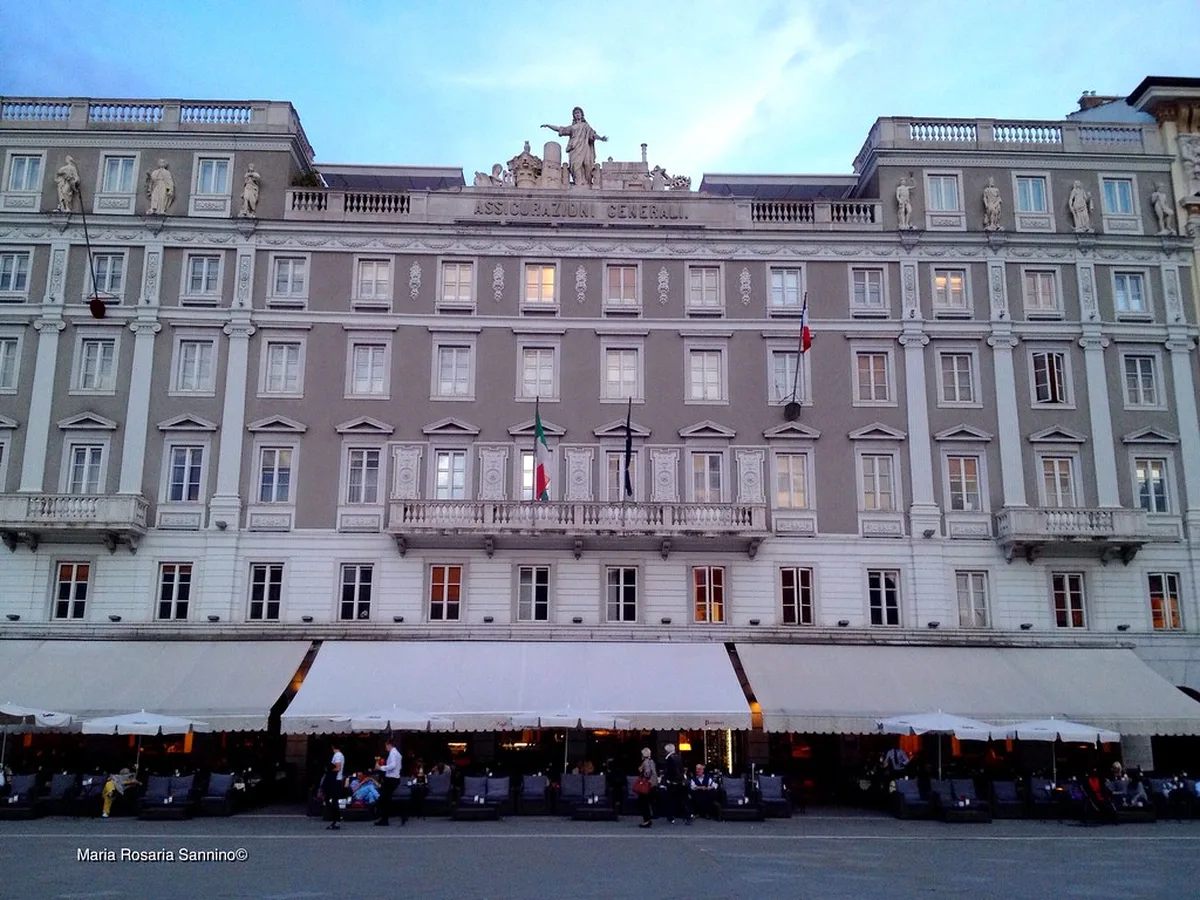
Caffè degli Specchi sits right on the square and has served locals since 1839. In 2026 an espresso at the terrace tables costs €3, reflecting the premium location — but the Adriatic view and heritage interior more than justify it. Ordering a coffee here allows you to soak in the view of the Adriatic just steps away. The outdoor seating area provides the best vantage point for watching the sunset over the pier. The café opens daily from 08:00 to 23:00 and accepts card payments.
Just across the street from the square lies the Molo Audace, a long stone pier extending 246 metres into the Gulf of Trieste. Locals love to walk to the very end of this pier during the early evening as part of the traditional passeggiata. It offers a panoramic view of the entire city skyline and the surrounding green Karst hills. The breeze here can be quite strong, so bring a light jacket even in the summer months.
The Palazzo del Lloyd Triestino, now the regional headquarters, stands on the northern edge of the square and is open for guided tours on weekend mornings at 10:00 for a €4 fee. The adjacent Fountain of the Four Continents, built in 1751, is a baroque centrepiece that rewards a close inspection of its carved sea-gods and allegorical figures. The square is pedestrianised and wheelchair-accessible, with two public lifts at the eastern corners. Allow at least 90 minutes here before moving on to the Roman Quarter, especially if you plan to have coffee and walk the pier. The Government Palace façade is illuminated nightly from dusk until midnight, making an evening walk around the piazza a memorable experience even without entering any building.
For visitors arriving by train, the Trieste Centrale railway station is only a 10-minute walk north along the waterfront promenade, making the piazza a natural first stop. The tourist information kiosk inside the station provides free printed maps with the square and all old-town landmarks marked. A free public toilet is located in the kiosk on the eastern edge of the square, which is a useful note for families with children.
Exploring the Historic Roman Quarter
The Roman Theatre stands at the base of the San Giusto hill as a reminder of ancient Tergeste. This structure dates back to the first century and once held thousands of spectators for gladiatorial games and civic ceremonies. You can view the ruins for free from the sidewalk on Via del Teatro Romano any time of day. The preservation of the stone tiers and stage area is remarkably clear for its age, and information panels in English and Italian provide historical context.
Walking further into the Cavana district leads you into the heart of the medieval old town. Narrow pedestrian alleys — many just three or four metres wide — are filled with antique shops, small bookstores, and local art galleries. The Arco di Riccardo is a hidden Roman gate tucked between residential buildings in this area, dating from the first century BC. Legend says the gate is named after Richard the Lionheart who passed through the city on his return from the Third Crusade in 1192.
The vibe in Cavana is much more intimate than the grand plazas near the water. Many small bars serve local Aperol spritzes (€3.50 in 2026) and small plates called cicchetti — bite-sized snacks priced at €1.50–€2.50 each — during the evening aperitivo hour from 18:00 to 20:00. This area is perfect for a slow afternoon stroll away from the main traffic noise and makes for a refreshing contrast to the formal grandeur of Piazza Unità.
The Museo Revoltella, housed in a palatial 19th-century building on Via Armando Diaz, is the city's modern art museum and one of the finest in the region. Entry in 2026 costs €7 for adults, €4 for students and over-65s, and the museum is open Tuesday to Sunday from 10:00 to 19:00 (closed Monday). The permanent collection spans Symbolism, Divisionism, and post-war Italian abstraction, with rotating temporary exhibitions on the upper floors. The rooftop terrace offers a striking view over the old town roofscape. Plan 90 minutes minimum for a thorough visit.
The Lapidario Tergestino, an outdoor lapidary museum tucked into the hillside behind the Roman Theatre on Via della Cattedrale, displays Roman inscriptions, marble fragments, and architectural reliefs recovered from Tergeste and is entirely free to enter and open daily from 09:00 to 18:00. It is often bypassed by visitors in a hurry but is genuinely fascinating for those who appreciate ancient epigraphy. The combination of the Roman Theatre, the Arco di Riccardo, and the Lapidario makes a coherent one-hour circuit of Roman Trieste that costs nothing at all. For ideas on where to head after exploring the old town, the day trips from Trieste guide covers the Karst plateau, Miramare, and the coastal village of Muggia — all within 30 km.
Climbing San Giusto Hill for Views
The San Giusto hill represents the historic soul of the city and offers the best panoramic views over the Adriatic. You can reach the top by climbing the steep stone stairs starting near the Roman Theatre on Via della Cattedrale. The walk takes about fifteen minutes at a comfortable pace and requires a moderate level of physical fitness. Alternatively, the number 24 bus runs regularly from the city centre to the hilltop terminus and costs €1.45 per journey in 2026.
The Cathedral of San Giusto features beautiful Byzantine-style mosaics from the 12th and 13th centuries that are among the best-preserved in northern Italy. Its facade includes a stunning rose window made of white Karst stone, and the bell tower offers a view over the entire gulf for a €2 entry fee. Entrance to the main church nave is free, and the cathedral is open daily from 08:00 to 12:00 and 15:00 to 19:00. The quiet interior provides a cool escape from the summer heat during the afternoon hours.
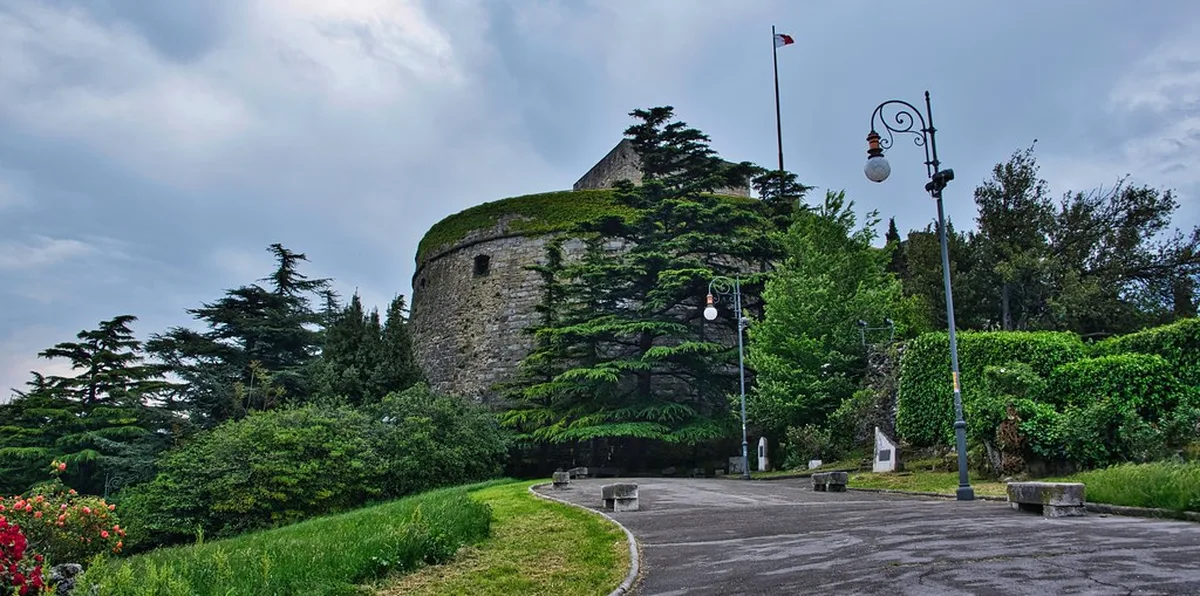
The Castello di San Giusto sits adjacent to the cathedral and serves as a local history museum containing medieval armour, Venetian art, and Bronze Age artefacts. In 2026 the castle admission fee is €5 for adults and €3 for children aged 6–14. Walking along the castle's Venetian walls provides a 360-degree view of the port, the Karst plateau, and on clear days the distant Slovenian coast. Opening hours are Tuesday to Sunday 10:00 to 19:00 from April through October, and 10:00 to 17:00 from November through March.
The courtyard hosts open-air concerts and cultural events during the warmer months of June through August, with tickets typically €8–€15. Plan to spend at least two hours here to see the armory collection, the Roman forum remains excavated beneath the piazza, and the small epigraphic museum attached to the cathedral. From the hilltop you can also see Miramare Castle, perched on a rocky promontory about 7 km north of the city centre; entry there costs €8 in 2026 and is well worth the 20-minute bus ride on line 36.
The hilltop piazza itself is a quiet, car-free space with wooden benches where locals eat lunch. A small kiosk near the castle entrance sells water, coffee in take-away cups (€2), and local postcards. If you visit on the last Sunday of the month, a small antiques and collectibles market sets up along the castle walls from 09:00 to 14:00 and entry to browse is free. The combination of the cathedral, the castle museum, and the walls circuit makes for a full morning, and the hilltop location means you can watch cargo ships and cruise liners move through the gulf below.
Tasting Traditional Trieste Coffee
Coffee is more than just a drink in this city; it is a long-standing cultural tradition rooted in centuries of Adriatic trade. Trieste has been a major Mediterranean coffee port since the 18th century under Austrian rule, and for a long period it was the primary coffee gateway for the entire Habsburg Empire. You will notice that the local vocabulary for ordering coffee is entirely different from the rest of Italy, which can trip up first-time visitors.
If you want a simple espresso in a cup, ask for a 'capo'. If you want it in a small glass, ask for a 'capo in B' (the B standing for bicchiere). A 'nero in B' is a plain espresso served in a glass. A 'deca' is a decaffeinated espresso. Locals believe the glass preserves the temperature and the crema better than ceramic, and most historic cafés have kept this tradition unchanged for over a century. Memorising these four terms will earn you appreciative nods from baristas across the old town.
Famous writers like James Joyce, who lived in Trieste from 1904 to 1915, and Italo Svevo spent many hours writing in these coffee houses. You can find statues of these authors scattered throughout the old town streets today. The cafés often serve traditional Austrian pastries like Sachertorte (€4–€5 per slice in 2026) alongside Italian cornetti and local gubana nut pastries. This fusion of flavours is a hallmark of the unique Trieste dining experience that you will not find elsewhere in Italy.
The role of coffee in the local economy is still significant today. The illycaffè company, one of the world's most recognised specialty coffee roasters, was founded in Trieste in 1933 and still has its global headquarters here at Via Flavia 110. Visitors can take a paid guided tour of the roasting facility (€12 per person in 2026, booked in advance via the illycaffè website) on selected Friday mornings at 10:00. The tour includes a cupping session where you compare single-origin beans and learn how the blend is assembled. Even without a factory tour, the illycaffè flagship café on Piazza della Borsa sells limited-edition coffee products and serves a flawless capo in B for €2 at the bar.
Trieste Coffee Culture: The Caffè Universale and Historic Cafés
Trieste's coffee culture is inseparable from its identity as a former imperial trading city. The city pioneered the European coffee trade and retains a living café culture that has changed little in 150 years. To experience it properly, you need to visit at least three of the historic establishments and order using the correct local terminology.
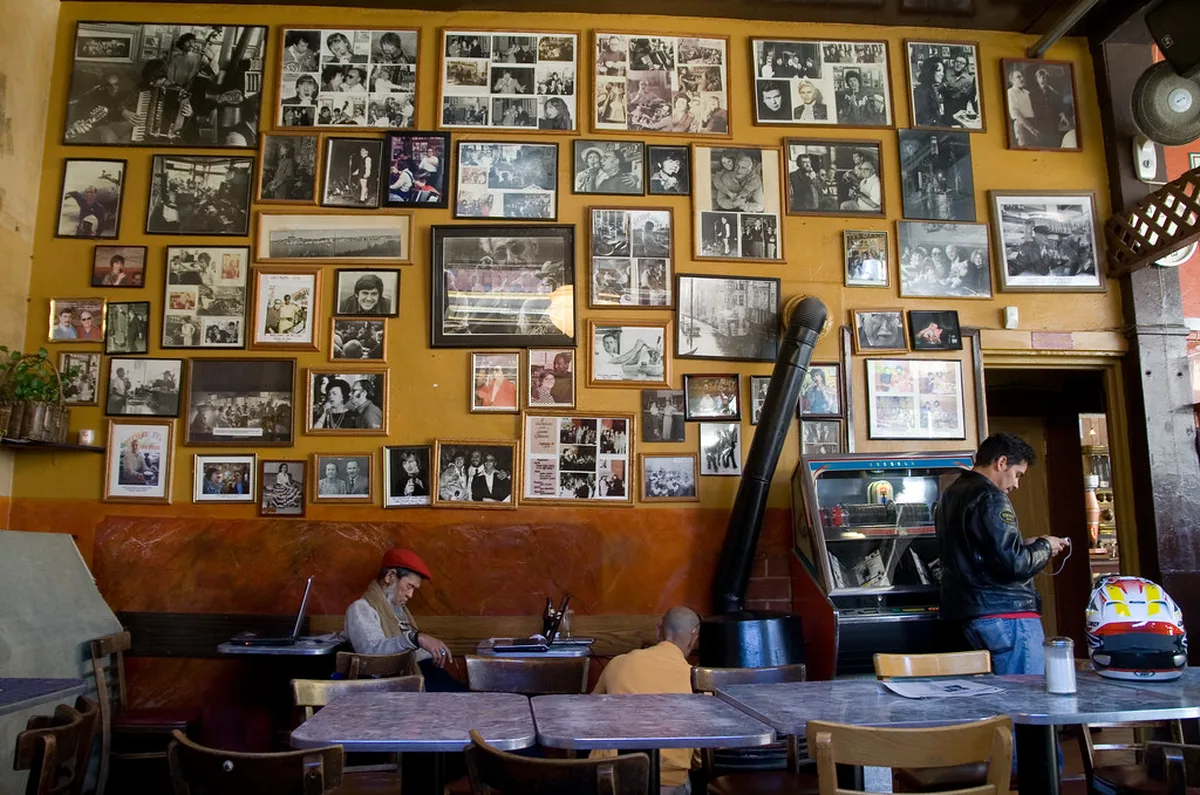
Caffè San Marco at Via Cesare Battisti 18 is arguably the most beautiful café in the city and one of the most atmospheric in all of Italy. It opened in 1914, survived damage in the First World War, and was restored to its original Art Nouveau interior complete with gold leaf mirrors, dark wood panelling, and green velvet banquettes. In 2026 a capo (espresso macchiato) costs €1.80 at the bar. The café opens Monday to Saturday from 07:30 to 21:00 and Sunday from 09:00 to 21:00. Caffè San Marco doubled for decades as an unofficial literary salon — James Joyce is said to have corrected proofs of Ulysses at a corner table here.
Caffè degli Specchi on Piazza Unità d'Italia is the most visible historic café and the one most associated with the grand civic life of the 19th century. Its mirrored interior gives it its name (the café of mirrors). A terrace espresso here costs €3 in 2026, a premium over the bar price that buys you one of the finest outdoor seats in Europe. Open daily 08:00 to 23:00, it serves full breakfast, lunch, and dinner as well as the full range of local coffee drinks.
Caffè Tommaseo at Via Battisti 2 is the oldest surviving café in Trieste, tracing its founding to 1830. The interior is quieter and more understated than Caffè San Marco, with cream walls, polished marble tables, and a loyal clientele of older Triestini. In 2026 an espresso costs €1.90 at the bar. The café is open Tuesday to Sunday 07:30 to 22:00 and is closed on Mondays. It serves a particularly good Sachertorte at €4.50 per slice. The pastry case near the entrance also offers Triestine presnitz (a spiral pastry of walnuts and dried fruit, €3) that makes an ideal breakfast alongside a capo in B.
For the full coffee vocabulary: a 'nero' is an espresso in a cup; a 'nero in B' is an espresso in a glass; a 'capo' is an espresso macchiato in a cup; a 'capo in B' is a macchiato in a glass; a 'deca' is a decaf; and a 'goccia' is a drop of milk added to a nero. Ordering in Venetian-influenced dialect rather than standard Italian is appreciated and will invariably spark a friendly conversation with the barista. All three cafés accept card payments and have English-speaking staff during peak hours.
Trieste Beaches and Lido Bathing: Where to Swim Near the Old Town
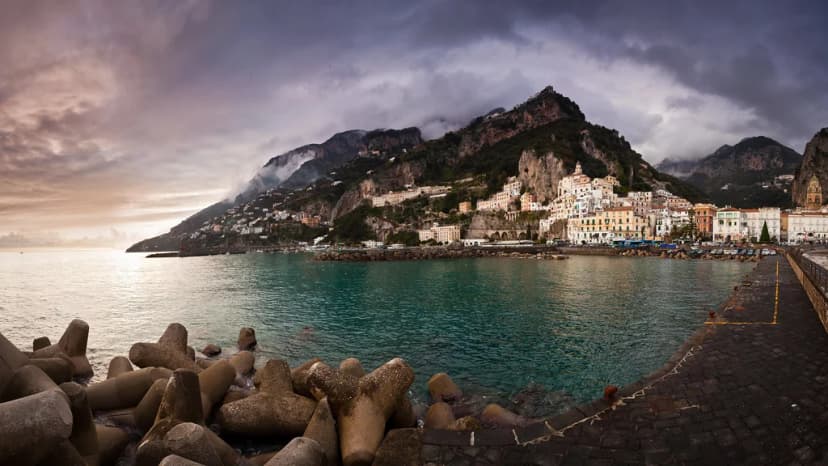
Trieste may not be famous for its beaches in the same way as the Amalfi Coast or Sicily, but the city has a long tradition of seaside bathing that is deeply woven into local life. The Adriatic coastline immediately north and south of the old town offers a range of options from private lidos with sun-loungers to wild rocky coves accessible only on foot. Understanding where to swim and what each spot costs in 2026 makes a significant difference to your experience.
The Bagno di Trieste, the city's oldest surviving bathing establishment, sits on the northern edge of the old town waterfront near Via Miramare and has been in operation since the 1870s. In 2026 a daily entry fee of €8 per adult covers access to the pool, changing rooms, and a reserved sea platform. Sun-loungers are available to hire for €5 extra per day. The lido is open daily from 08:00 to 19:00 between mid-May and mid-September. The water quality here is consistently rated excellent (Blue Flag standard) and the depth at the platform edge makes it suitable for swimming at all levels.
The Lido di Barcola is the most popular free public beach in the city, stretching along the coastal promenade approximately 3 km north of the city centre. It is reached by bus lines 6 and 36 (€1.45 per journey) and is packed with local families on summer weekends. The beach is mostly composed of flat limestone rocks and concrete platforms rather than sand, so water shoes are recommended. The promenade restaurants and kiosks serve grilled fish dishes averaging €12–€18 per main course and cold Spritz for €3.50 throughout the day. Arrive before 09:00 on weekends to secure a good spot before the locals claim the best flat rocks.
For a more secluded swimming experience, the Sistiana Bay, approximately 15 km northwest of Trieste, offers a sandy cove inside a natural limestone amphitheatre. Bus line 51 runs from Piazza Oberdan (€2.20 in 2026, journey time approximately 35 minutes). The cove has two private lidos at the base of the cliff — Lido Sistiana charges €10 for entry and a basic sun-lounger — as well as a public access strip at the western end that is free. The water is noticeably clearer than in the city itself and the cliffs provide shade in the early afternoon. For a full overview of swimming options along this stretch of coast, the Trieste beach guide covers all lidos, accessibility details, and transport connections in one place.
The Val Rosandra nature reserve, 10 km east of the old town near the Slovenian border, also has a small river pool where local climbers and hikers cool off after the trails. It is free to access, reached by bus 42 (€1.45) to the village of Bagnoli della Rosandra, and requires a 20-minute walk through the gorge. The water is cold (typically 14–16°C even in summer) but the setting — a narrow limestone gorge with Roman aqueduct remains overhead — is extraordinary. Swimming in the river pool is permitted outside designated hiking months; check the park authority website before visiting.
Essential Logistics for Old Town Visits
The city is famous for the Bora, a powerful katabatic wind descending from the Karst plateau that can exceed 100 km/h in severe episodes. In some parts of the old town, you will see metal chains installed along the walls and on lamp-posts. These chains help pedestrians stay steady when the wind gusts become particularly strong in Via Belpoggio and the exposed streets near the waterfront. Always check the weather forecast for Bora warnings before planning a long outdoor walking tour; the local forecasting service at meteo.fvg.it publishes Bora advisories.
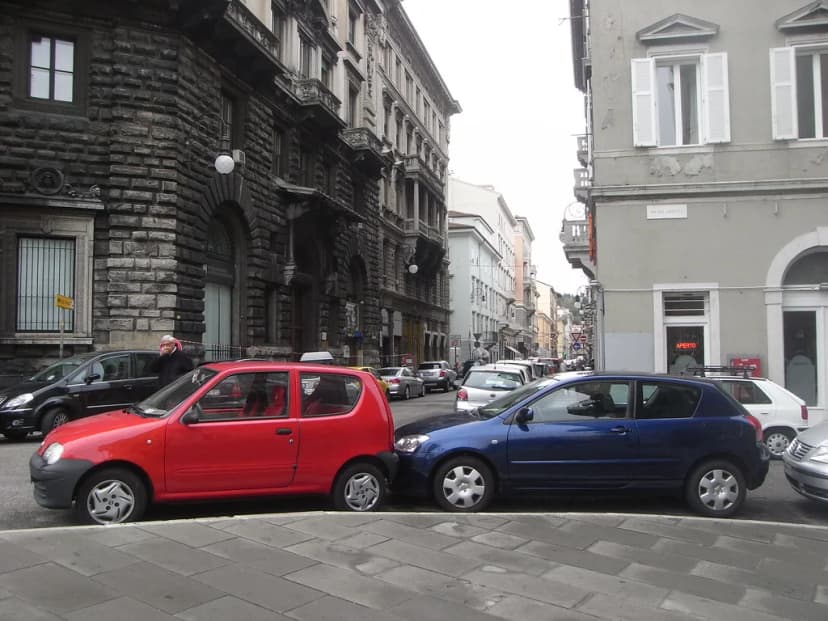
Driving in the old town is difficult due to many pedestrian zones and narrow one-way streets. Most visitors find it much easier to leave their vehicle in a dedicated parking structure. In 2026 the Parking Porto Vecchio garage near the old port charges €1.50 per hour and €12 for a full day, while the Parking Piazza della Libertà charges €1.80 per hour. Review our guide on parking in Trieste to find the best locations and current rates for your stay.
The best time to visit the old town is during spring (April to May) or early autumn (September to October). Temperatures in 2026 are expected to be mild during these months for comfortable walking, typically 15–22°C. Summer can be quite humid with temperatures reaching 32°C, while winter brings the coldest days and the strongest Bora episodes, often in January and February. Most museums and historic sites maintain standard hours from 10:00 to 19:00 in high season; verify individual sites as winter hours can be shortened to 10:00 to 17:00.
Public transport is reliable and cheap. Bus tickets cost €1.45 per journey purchased from tabacchi shops or €1.60 if bought on board. The tram of Opicina, a historic tramway climbing from Piazza Oberdan to the Karst plateau, was under restoration in 2025 and is expected to resume service in mid-2026; check the Trieste Trasporti website for updates before visiting. A single ATC day pass covering all buses costs €4.50 in 2026 and is excellent value for those planning to visit both the hilltop sights and the waterfront.
For travellers considering side trips, the Verona old town guide provides a useful comparison of another Adriatic-facing Italian historic centre, while the Italy travel hub covers inter-city rail connections and regional itinerary planning. Both resources help you build a broader northeast Italy circuit around your Trieste visit.
- Top tips for your walking tour
- Shoes: Comfortable sneakers or low-heeled walking shoes for cobblestones
- Water: Public drinking fountains available at Piazza Unità and near the castle
- Maps: Download offline maps via Google Maps or Maps.me before arrival
- Timing: Early morning starts (before 09:00) beat tour groups at key sites
- Navigating the local weather
- Wind: Watch for Bora advisories at meteo.fvg.it
- Sun: Wear high SPF even in spring — the Adriatic reflection intensifies UV
- Rain: Carry a compact umbrella; showers come quickly off the Gulf
- Layers: Essential for evenings even in July due to sea breezes
Frequently Asked Questions
Is Trieste old town walkable for seniors?
The lower old town near the waterfront, including Piazza Unità d'Italia, the Roman Theatre, and the Cavana district, is very flat and fully wheelchair-accessible. However, reaching the San Giusto district requires climbing steep hills or stone stairs with no handrails on some stretches. Seniors should consider taking the number 24 bus (€1.45 in 2026) to reach the hilltop castle and cathedral comfortably without the climb. Many streets throughout the old town are paved with historic Karst limestone that can be uneven, so non-slip footwear is advisable regardless of fitness level.
How many days do I need for the old town?
One full day is enough to see the major highlights: Piazza Unità d'Italia, the Roman Theatre, the Arco di Riccardo, and the Castello di San Giusto (€5 in 2026), finishing with coffee at Caffè San Marco or Caffè degli Specchi. Two days allow for a more relaxed pace with time for the Museo Revoltella (€7 in 2026), lunch in the Cavana district, and an evening aperitivo. If you plan to explore the surrounding area, Miramare Castle (€8) and the Karst plateau are excellent half-day additions from the city centre.
What is the best way to order coffee in Trieste?
To order like a local in Trieste, use the city's unique coffee vocabulary rather than standard Italian. Ask for a 'nero' for a plain espresso or a 'capo' for a macchiato. Adding 'in B' (short for bicchiere, meaning glass) to either order means you want it served in a small glass rather than a ceramic cup. A 'deca' is a decaffeinated espresso. In 2026, espresso at the bar costs €1.80 at Caffè San Marco and €1.90 at Caffè Tommaseo. This local system is a point of civic pride and locals genuinely appreciate visitors who make the effort to use it correctly.
How much does it cost to visit the main attractions in Trieste old town in 2026?
Most of Trieste's outdoor attractions are free. The Roman Theatre and the Arco di Riccardo can be seen at no charge from the street. Entrance fees for paid sites in 2026 are: Castello di San Giusto €5 (adults), €3 (children 6–14); Museo Revoltella €7 (adults), €4 (students/seniors); Cathedral bell tower €2. The nearby Miramare Castle, located 7 km from the city centre, costs €8 for adults. The Piazza Unità d'Italia, Molo Audace pier, and the Cavana district are all free to explore. Budget roughly €20–€25 per adult for a comprehensive day covering all paid attractions.
What is the Bora wind and how does it affect visiting Trieste?
The Bora is a cold, dry katabatic wind that descends from the Karst plateau northeast of Trieste and funnels through the city streets. It most commonly strikes between November and March and can reach speeds exceeding 100 km/h in severe episodes, making walking difficult and occasionally dangerous on exposed streets near the waterfront. During Bora warnings, the municipality installs metal chains along exposed walls for pedestrians to hold. Check meteo.fvg.it before outdoor excursions. In spring and autumn, the Bora is typically mild to moderate and adds a pleasant freshness to the air. Most indoor attractions remain open normally during Bora events.
Is Miramare Castle worth visiting from Trieste old town in 2026?
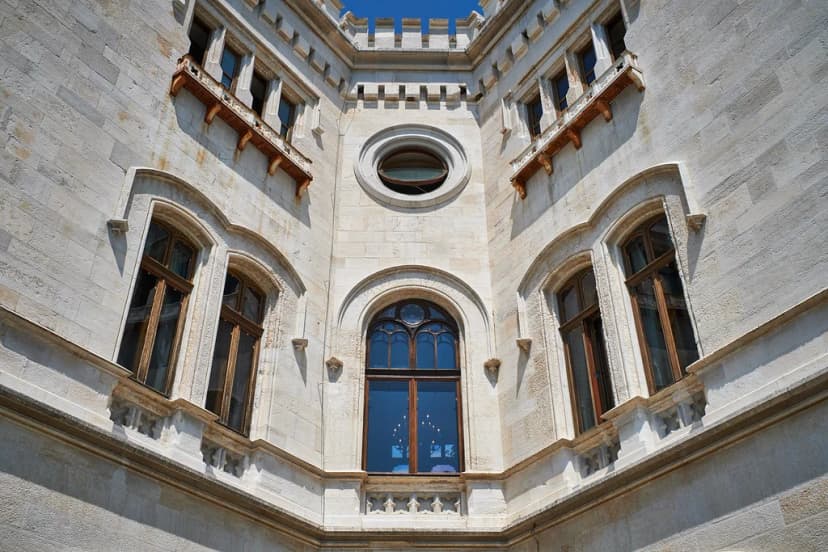
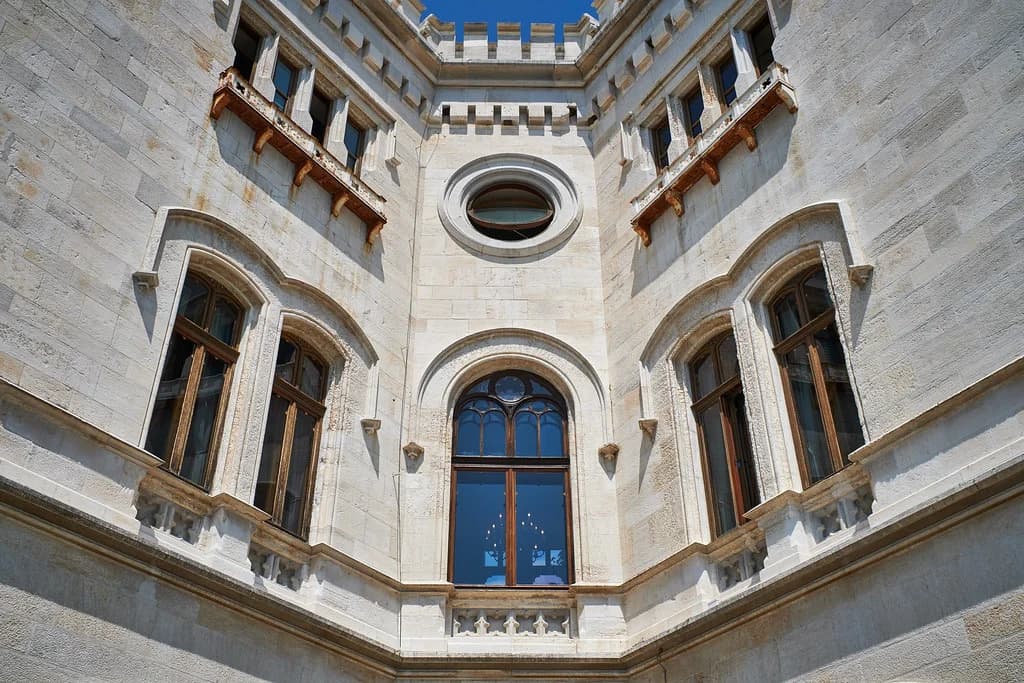
Yes, Miramare Castle is one of the most rewarding half-day trips from Trieste old town and is fully accessible by public transport. Built between 1856 and 1860 for Archduke Maximilian of Austria, the castle sits on a rocky promontory above the Gulf of Trieste approximately 7 km north of Piazza Unità. Bus line 36 departs from the city centre every 20–30 minutes and costs €1.45. Entry in 2026 is €8 for adults, €4 for EU citizens aged 18–25, and free for under-18s. The marine park surrounding the castle offers snorkelling and guided kayak tours (€15–€20 per person) from May through September. Allow 2–3 hours for the castle interior and gardens.
Where can I swim near Trieste old town in 2026?
The closest paid bathing option is the Bagno di Trieste lido on Via Miramare, open mid-May to mid-September with a €8 entry fee per adult in 2026; sun-lounger hire costs €5 extra. The free Lido di Barcola, about 3 km north of the city on rocky platforms along the coastal promenade, is reached by bus lines 6 or 36 for €1.45. For clearer water and a sandy beach, Sistiana Bay (15 km northwest, bus 51, €2.20) offers both private lido access (€10 entry) and a free public section. All three options are suitable for families, though Barcola and Sistiana require water shoes on rocky sections.
Trieste offers a fascinating look into a side of Italy that many travellers overlook. The combination of Roman history, Austro-Hungarian elegance, and a living café culture creates a truly memorable destination for 2026. You will find that the old town is filled with surprises around every narrow corner, from first-century Roman arches to Art Nouveau café interiors unchanged since 1914. Take your time to enjoy the coffee at €1.80–€3 per cup and the sea views during your visit.
Walking through these streets is the best way to feel the pulse of the city. From the grand Piazza Unità to the hilltop Castello di San Giusto (€5), there is something for every type of traveller and every budget. We hope this guide helps you make the most of your time in this Adriatic gem. Enjoy your journey through one of the most unique historic centres in Europe.