The Ultimate Trieste Beach Guide for Your Adriatic Trip
The best free beach in Trieste in 2026 is Barcola promenade — free entry, metal ladders into clear water, bus lines 6 and 36 from the city centre for €1.45 a ride, open dawn to dusk all summer.
The closest private lido to Trieste city centre is Ausonia — €4 entry fee in 2026, sunbed sets from €10 to €20, 600 metres north of Piazza Unità along the waterfront.
Trieste sits on the edge of the Adriatic Sea and offers a unique mix of urban life and coastal relaxation. This Trieste beach guide helps you navigate the rocky shores and pebbled bays found along the Gulf of Trieste. Local swimmers value direct access to the refreshing water right from the city center. You will find a blend of historic traditions and modern beach clubs across the coastline. Pair your beach days with sights from our Trieste old town guide for a well-rounded visit.
Planning a visit requires understanding the local preference for rocky platforms over sandy stretches. Most swimming areas provide ladders for easy entry into the deep blue sea. The clear water remains a major draw for both residents and international travelers during the summer. Discovering these spots allows you to experience the city like a true local.
Barcola: The Iconic City Promenade
Barcola serves as the primary social hub for locals during the warm summer months. This long stretch of pine-shaded pavement connects the city center directly to the Miramare Castle area, covering roughly three kilometres of uninterrupted coastline. Residents often sunbathe on the stone blocks right next to the coastal road, arriving before 9 AM to claim the best spots in July and August. This classic stretch showcases the city's informal and vibrant swimming culture, and entry is entirely free for anyone who walks in.
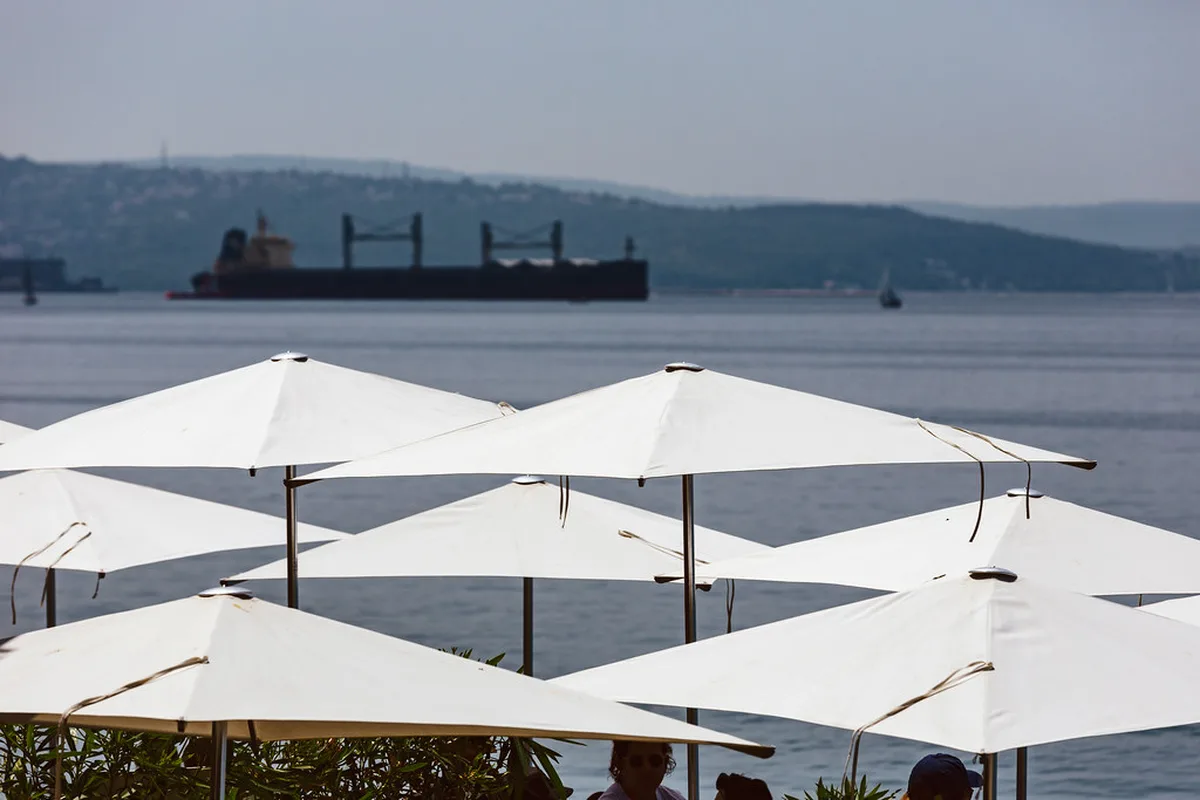
Access to the water is free and simple via numerous metal ladders fixed to the rocks along the entire promenade. These steps lead swimmers directly into water that is two to four metres deep almost immediately off the platform. Many people bring folding chairs, towels, and small coolers to claim their spot on the concrete from mid-morning. It is a fantastic place to people-watch while enjoying the constant sea breeze and watching local children practise their diving jumps.
The Topolini are ten semi-circular terraces spaced along the promenade that offer more space for sunbathing and competitive diving from raised platforms. Each terrace has free public showers and changing rooms maintained by the municipality and open throughout the swimming season from June to September. Families often prefer these areas because they provide a bit more structure than the open rocks, with shallow wading steps for young children at two of the ten terraces. Finding a good spot here in July or August requires arriving before 8:30 AM on weekends and public holidays.
Ausonia is the historic private lido directly at the Barcola end of the promenade. In 2026 the entry fee is €4 per person, and sunbed sets — one lounger plus umbrella — cost between €10 and €20 depending on the row and time of day. The lido also has a café, showers, and lockers. Parking along Barcola can be quite difficult during peak weekends, and spaces are often gone by 9 AM. Bus lines 6 and 36 run every 10–15 minutes from the main train station to the Barcola waterfront; a single ticket costs €1.45 and is valid for 75 minutes, letting you hop back into the city centre without paying again. You can also consult our guide to parking in Trieste for paid garage alternatives near the waterfront.
- Barcola Waterfront Highlights
- Type: Rocky promenade with Topolini terraces
- Access: Free public entry; Ausonia lido €4
- Sunbed sets (Ausonia): €10–20
- Bus: Lines 6 and 36, €1.45 per ticket
- Facilities: Free showers, changing rooms, drinking fountains
- Best for: Social atmosphere, families, budget swimmers
La Lanterna: A Historic Tradition
La Lanterna, locally known as El Pedocin, holds a special place in regional and European history. This beach remains the only one in Europe that still officially separates men and women with a permanent wall dividing the pebble shore into two distinct sections. The tradition dates to 1903 under Habsburg rule, and the practice has been maintained without interruption ever since. Families often split up at the entrance booth and reunite later for lunch at one of the trattorias along the Rive waterfront nearby.
Entrance fees in 2026 are kept intentionally low and affordable at around €1.50 per person per day. The facility includes clean changing rooms overhauled in the 2024 renovation, basic showers with both cold and warm water, and a small beachside café selling coffee, cold drinks, and snacks from around 7:30 AM. The beach opens at 7:00 AM and the last admission is typically 90 minutes before sunset. Most visitors strongly appreciate the quiet atmosphere compared to the noise at Barcola, and the protective wall also means the water is exceptionally calm even when a light Bora wind is blowing.
The beach is located close to the historic lighthouse at the north end of the old port, roughly a fifteen-minute walk from Piazza Unità d'Italia. You can combine a visit here with a morning stroll through the historic districts, as the main sights are no more than a 10-minute walk away. From the Rive waterfront in front of Piazza Unità, the walk takes you past working fishing boats and historic warehouses and is a pleasant route at any time of day. Buses 4 and 8 also stop on Via Costalunga, a two-minute walk from the entrance gate.
Rules at El Pedocin are strictly and politely enforced by staff at the entrance to maintain the traditional environment. Men are not permitted on the women's side under any circumstances, and the policy applies to all ages including young boys above around 12. The pebble beach itself is relatively small — perhaps 60 metres wide on each side — but the water quality is consistently excellent thanks to the sheltered position away from the main port shipping lanes. Planning a visit here provides a genuinely unique cultural experience that cannot be replicated anywhere else in Italy or Europe. After your swim, explore the broader neighbourhood using our Trieste old town guide to find the best cafés and baroque piazzas nearby.
Sistiana Bay: Scenic Coastal Escape
Sistiana Bay offers a more natural and dramatic setting compared to the urban promenades of the city, sitting about 14 km northwest of Trieste along the Karst coast. It features pale-white pebble beaches framed by dramatic limestone cliffs that rise steeply from the shoreline and a blanket of lush green Mediterranean scrub above. This area is particularly well suited to families who prefer shallower entry points for younger children, as the bay's protected geometry keeps wave action minimal even in moderate winds. The water clarity here consistently ranks among the best in the Gulf of Trieste, with visibility commonly reaching six to eight metres on calm days.
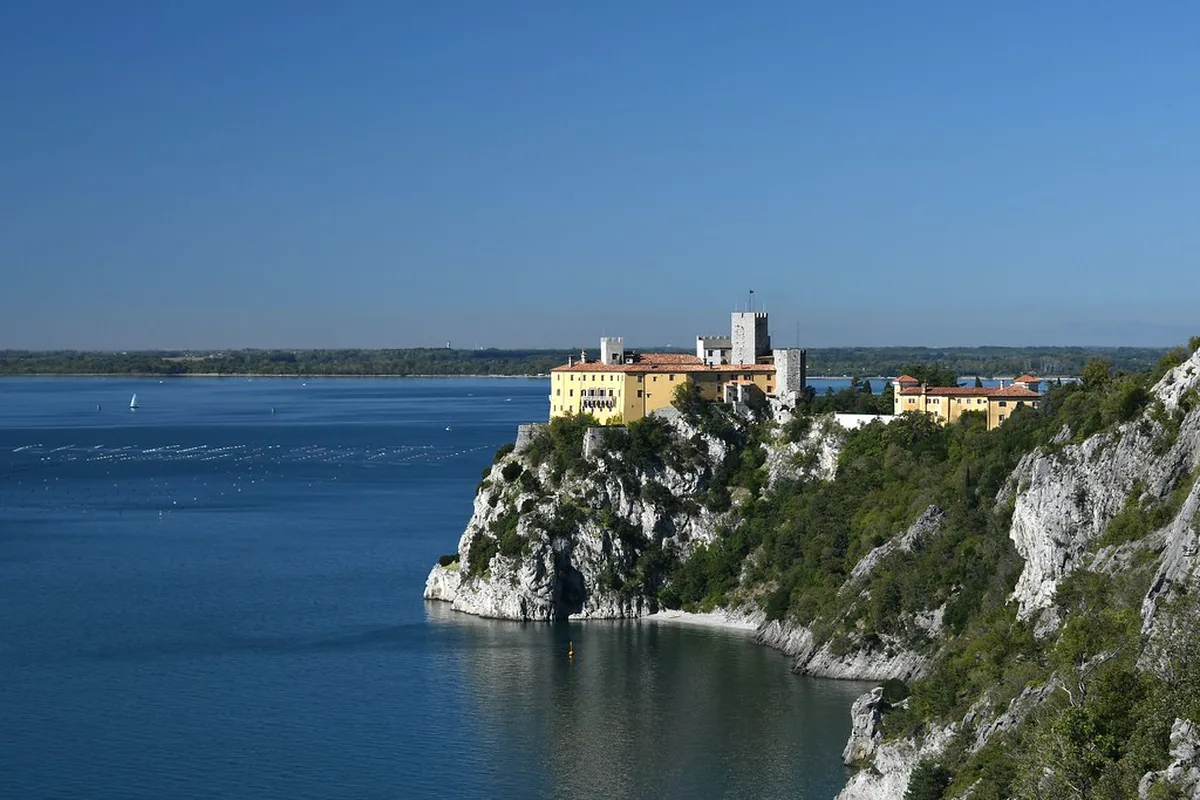
In 2026 you should expect to pay between €15 and €25 for a full day at one of the private beach clubs operating along the bay, which includes a sunbed and umbrella. Public sections of the beach are signposted and are free to use, but they fill up very quickly on sunny weekends, so arriving before 9:30 AM is strongly advised if you want a spot close to the water. The water temperature reaches a comfortable 24–26 °C in July and August. Snorkelling along the rocky edges of the bay reveals sea bream, damselfish, and starfish, and you can rent basic snorkel equipment from two of the beach clubs for around €8 per half-day.
Getting to Sistiana by public transport is straightforward. Bus line 51 departs from Trieste's main bus terminal (Autostazione) every 30 minutes during summer and the journey takes about 25 minutes; a single ticket is €1.45. If you have a car, the drive along the SS14 coastal road takes approximately 20 minutes and there is a paid car park above the bay for €2–3 per hour. The Rilke Trail, a 2-km clifftop footpath, connects Sistiana to the village of Duino through pine woods and offers spectacular panoramic views of the Adriatic that are worth the 40-minute walk each way. For more excursions in the region, see our day trips from Trieste guide.
Portopiccolo is a luxury marina development located immediately adjacent to the main Sistiana beach area, completed and expanded between 2020 and 2023. It offers premium beach clubs with heated infinity pools, sun terraces, and gourmet restaurants with full sea views. Day-use prices at Portopiccolo run from €40 to €80 per person depending on the facility and season, which is significantly above the public beach option. Choosing between the public shore and the resort will depend on your budget and how much you value amenities like sun terraces, poolside service, and a quieter, more structured environment away from the weekend crowds at the main bay.
Muggia and the Gulf of Trieste Beaches
Muggia sits roughly 10 km south of Trieste across the bay and rewards visitors with a string of unspoilt beaches, a handsome Venetian old town, and a noticeably slower pace of life than the city itself. The town was under Venetian rule for centuries, and the legacy is visible in the colourful painted facades lining the harbour, the lion-topped campanile, and the narrow calle that wind up from the waterfront. Combining a morning swim with an afternoon wander through the old town makes Muggia one of the best half-day itineraries you can plan from Trieste in summer 2026.
The easiest way to reach Muggia from Trieste in 2026 is bus line 20, which departs from Piazza Oberdan every 20–30 minutes throughout the day. A single ticket costs €1.45 and the journey takes approximately 30 minutes, passing through the industrial port zone before climbing into the hills above the bay. From June to September, a seasonal passenger boat service operates between the Trieste ferry terminal (Molo IV) and Muggia harbour, with departures roughly every 90 minutes; a return ticket costs €3 and the crossing takes about 20 minutes each way. The boat is the more scenic option and makes the trip feel like a genuine mini-cruise across the Gulf of Trieste.
Lido di Muggia is the main bathing area on the northern edge of town, a pebble beach with free public access along the Lungomare Venezia esplanade. Sunbed and umbrella sets are available from the concession stand for €10–15 per day, and the facility has changing rooms, showers, and a seasonal bar open from 8 AM to 7 PM. The water is calm and sheltered from northerly winds, making it a reliable choice even when Barcola is choppy, and the shallow pebble entry is comfortable for families with young children.
Punta Sottile is a rocky headland at the southern tip of the Muggia peninsula, about 1.5 km from the town centre on foot along a signposted coastal path. The swimming here is from flat limestone rocks and is recommended specifically for snorkellers — the rocky seabed shelters a dense population of octopus, sea urchins, and various wrasse species, and visibility is often over eight metres in calm conditions. There are no facilities at Punta Sottile so bring your own water and shoes you don't mind getting wet on the approach path. The walk from Muggia old town takes around 20 minutes through low Mediterranean scrub with open views across to Trieste's waterfront cranes.
A recommended half-day itinerary: take the 9:00 AM bus from Piazza Oberdan, walk the Lungomare Venezia and swim at Lido di Muggia from 9:45 to 11:30, then walk to Punta Sottile for an hour of snorkelling, returning via the old town for a 1 PM seafood lunch at one of the trattorias on the harbour square. Take the 14:30 return boat from Muggia harbour back to Trieste, arriving at Molo IV by 14:50 — total cost for transport roughly €4.45 return including bus out and boat back.
Snorkelling and Water Sports at Trieste Beaches
Trieste's rocky shoreline makes it one of the best destinations in north-east Italy for snorkelling and light water sports. Unlike sandy-bottomed resorts where turbidity can reduce visibility, the limestone seabed around Barcola, Sistiana, and Muggia stays clear for most of the summer, with underwater visibility regularly reaching six to ten metres in calm weather. The rocky terrain supports thriving marine life including schools of bream, grey mullet, sea bass lurking under rock overhangs, and dense colonies of sea urchins along the shallower ledges.
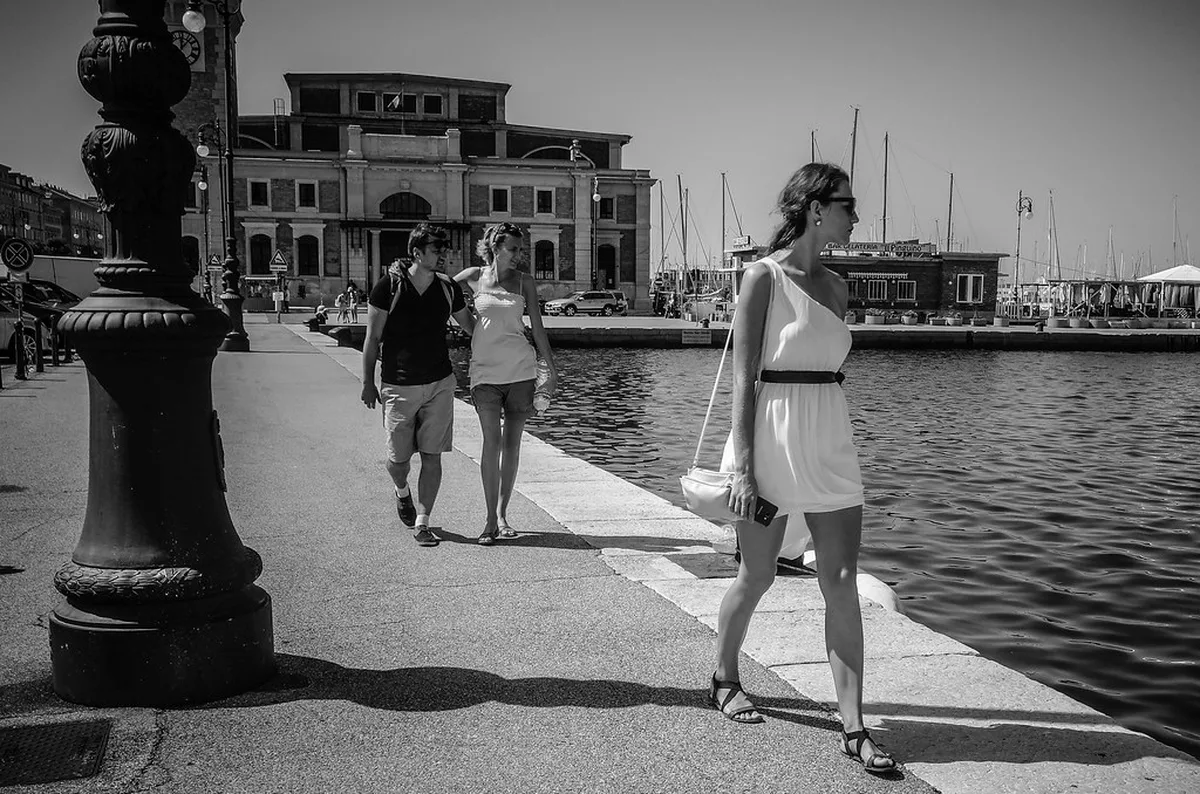
For beginners, the Topolini terraces at Barcola offer the gentlest introduction to snorkelling on the Gulf of Trieste. The water immediately below the metal ladders is around two metres deep and sheltered enough that even a light Bora wind does not significantly disrupt visibility. Bring your own mask and snorkel — a basic set from Sport 2000 on Via Giulia costs €15–25 — as there are no rental outlets directly at Barcola. Most experienced local snorkellers bring a small mesh bag to collect rubbish from the seabed, a community practice that helps maintain the water quality the area is known for.
Sistiana Bay is the top spot in the region for more adventurous snorkelling. Two of the private beach clubs — Laguna Blu and Baia di Sistiana — rent full snorkel sets for €8 per half-day or €14 for a full day including flippers and a mesh bag. The rocky walls at the eastern end of the bay drop to around four metres and shelter sea bream, damselfish, and occasional sightings of octopus under the ledges. Guided snorkel tours run on Saturday and Sunday mornings in July and August from the Baia di Sistiana club, departing at 9:30 AM; these cost €22 per person including equipment and a safety briefing, and groups are capped at eight participants for a relaxed pace.
Kayaking is growing in popularity along the Trieste coast and provides an excellent way to access coves and rock faces that are difficult to reach on foot. Trieste Kayak, based at the Sacchetta marina near the city centre, rents single kayaks for €12 per hour or €40 for a full day, and tandem kayaks for €18 per hour. A popular route from the rental point follows the coast south to Muggia, a roughly three-hour paddle each way with calm water most mornings before the Bora picks up in the afternoon. Stand-up paddleboards (SUP) are available from the same outlet for €10 per hour, making Barcola promenade ideal for flat-water SUP paddling on windless mornings. Always check the Bora wind forecast before launching any watercraft — wind speeds above 20 km/h make open-water paddling inadvisable for recreational users.
Scuba diving is available through the Trieste Diving Club (Centro Sub Triestino), which operates from a base near Molo IV and organises guided dives along the Karst coast from May to October. A single guided dive with equipment rental costs €55–70 depending on depth and duration. The dive sites off Sistiana and Duino offer wall dives to 20 metres with good coral coverage and fish density. For visitors who want to complement their beach and water sports activities with a broader exploration of the region, our day trips from Trieste guide covers inland Karst caves, the Lipica stud farm, and the Slovenian border towns that make excellent half-day excursions between beach days.
Practical Tips for Trieste Beaches
Most swimming spots in Trieste consist of rocks or concrete rather than soft sand, which surprises first-time visitors expecting a conventional beach. Pack a pair of sturdy water shoes to protect your feet from sharp limestone and the slippery algae on metal ladders at Barcola and the Topolini. These shoes are inexpensive — €5–10 at any sports shop on Corso Italia — and make a significant difference when navigating the entry points. Many locals also use neoprene gloves when snorkelling in spring, as the water temperature in May can still be around 16–17 °C before the summer warm-up.
Sun protection is vital because the Adriatic sun is intense from late May through early September, and the concrete and limestone surfaces reflect additional UV radiation upward onto your face and neck. Use a sunscreen of SPF 50 or higher and reapply after every swim. A wide-brimmed hat is worth packing especially for the open promenade sections of Barcola where there is very limited natural shade once you are at water level. Planning your swim for before 10 AM or after 4 PM in July and August keeps you in the most comfortable temperature range and also means the best spots are less crowded.
Check the local weather forecast for the Bora wind before heading to any beach. The Bora is a cold, dry, north-easterly wind that can arrive quickly and build to 60–80 km/h gusts within an hour, making the sea extremely choppy and dangerous for swimming. The local weather service and the free Arpa FVG app provide reliable Bora forecasts specific to Trieste. If the wind speed exceeds 30 km/h, the promenade at Barcola is unpleasant and the ladders become genuinely hazardous; Sistiana Bay is a better option in moderate Bora conditions because the cliffs provide partial shelter. On full Bora days, explore the city's indoor attractions instead — Trieste's covered market, the Museo Revoltella, and the coffee houses of the old town all make excellent alternatives. See our parking in Trieste guide if you are driving to any of these inland alternatives.
Hydration is essential when spending several hours under the summer sun, particularly on the exposed concrete of the Barcola promenade. Most Topolini terraces and public beach areas have free drinking fountains maintained by the city, and the water is clean and cold. Carry a reusable bottle to refill throughout the day. Local supermarkets — there is a Lidl and an Eurospin within 500 metres of the Barcola bus stop — are ideal for picking up snacks, water, and picnic supplies before heading to the shore, keeping costs well below those at the beach-side kiosks. If you are planning a longer coastal trip through north-east Italy, the beaches around Lecce on the Adriatic's opposite shore offer a very different sandy-beach contrast — see our Lecce beach guide for comparison.
Frequently Asked Questions
Are there any sandy beaches in Trieste?
Most beaches in Trieste are rocky or consist of concrete platforms and pebbles rather than sand. For true sandy shores you need to travel about 40 km west to Grado or 60 km west to Lignano Sabbiadoro, both reachable by bus or car in under an hour. Both towns have wide sandy beaches with full facilities including sunbed hire and lifeguards throughout the summer season.
Is the water in Trieste clean for swimming?
The water quality in the Gulf of Trieste is generally very high and classified as Excellent by ARPA FVG, the regional environmental protection agency, which monitors all designated bathing areas throughout the season. You will often see fish and enjoy clear visibility of six metres or more near the rocky areas of Barcola and Sistiana. The main exception is immediately after heavy rainfall, when storm drains can temporarily affect water quality near the city port; local authorities post notices at the beach if swimming is inadvisable.
What is the best time of year for a beach trip to Trieste?
The best time to visit Trieste for swimming is from late June through early September when water temperatures reach 24–26 °C and the weather is reliably sunny. July and August are the peak months with the highest temperatures and the largest crowds, especially at Barcola on weekends. June and September offer a quieter and often more enjoyable experience with pleasant 20–22 °C water and significantly fewer visitors competing for spots on the promenade.
How much does it cost to spend a day at the beach in Trieste in 2026?
A day at Barcola's public promenade is completely free — there is no entrance fee and public showers are also free to use. If you prefer a private lido, Ausonia charges €4 entry in 2026, plus €10–20 for a sunbed and umbrella set. At Sistiana the private beach clubs charge €15–25 for a full-day sunbed set, and at El Pedocin (La Lanterna) the entrance fee is just €1.50 per person. Bus transport to and from the beach costs €1.45 per single journey from the city centre.
How do I get to Muggia from Trieste for a beach day?
Bus line 20 departs from Piazza Oberdan in central Trieste every 20–30 minutes and reaches Muggia in approximately 30 minutes; a single ticket costs €1.45. From June to September you can also take the seasonal passenger boat from Molo IV ferry terminal to Muggia harbour — the crossing takes about 20 minutes and a return ticket costs €3. The boat is the more scenic option and is worth choosing at least one-way if the service is running. Once in Muggia, the Lido di Muggia pebble beach is a five-minute walk from the harbour along Lungomare Venezia.
Is El Pedocin (La Lanterna) beach worth visiting in 2026?
Yes — El Pedocin is one of the most distinctive beach experiences in all of Italy and is well worth a visit. The €1.50 entrance fee in 2026 is among the lowest of any lido in the country. The beach maintains its century-old tradition of separating male and female bathing areas with a permanent wall, a practice in continuous operation since 1903. The water is calm and clean, the atmosphere is quiet and respectful, and the facility — renovated in 2024 — includes warm showers and a small café open from 7:30 AM. It is located about 15 minutes on foot from Piazza Unità, making it easy to combine with a broader city walk.
Can I go snorkelling at Trieste beaches and where should I start?
Trieste's rocky coastline is excellent for snorkelling thanks to clear water and a diverse marine life including sea bream, grey mullet, octopus, and sea urchins. Beginners should start at the Topolini terraces along Barcola promenade, where the water is two metres deep and relatively sheltered — bring your own mask and snorkel (€15–25 at local sports shops). More experienced snorkellers should head to Sistiana Bay, where Laguna Blu and Baia di Sistiana clubs rent full snorkel sets for €8 per half-day and the rocky eastern wall drops to four metres with high fish density. Guided snorkel tours at Sistiana run Saturday and Sunday mornings in July and August for €22 per person.
What should I do if the Bora wind is blowing during my beach visit?
If the Bora wind is blowing at 30 km/h or more, swimming at the open Barcola promenade is inadvisable as waves make the metal ladders hazardous. Move to Sistiana Bay instead, where the limestone cliffs provide partial shelter and conditions are usually calmer than at Barcola. At wind speeds above 50 km/h, avoid all open water. Download the free Arpa FVG app for Trieste-specific Bora forecasts updated every three hours. On a full Bora day, use the time to visit indoor city highlights — the Museo Revoltella art museum (€10 entry), the Caffè degli Specchi on Piazza Unità, or the covered Mercato Coperto off Via Carducci, all of which are within 15 minutes' walk of the waterfront.
Trieste offers a refreshing coastal experience that differs substantially from typical Italian beach resorts. The mix of free historic lidos, rocky promenades, a centuries-old separated-bathing tradition, and the charming beaches of nearby Muggia creates a genuinely unique summer atmosphere on the northern Adriatic. Using this Trieste beach guide helps you find the perfect spot to match your budget and preferences, whether you want the social energy of Barcola, the tranquility of El Pedocin, the natural scenery of Sistiana Bay, a snorkel or kayak adventure, or a cross-bay half-day in Muggia. Enjoy the clear Adriatic waters and the relaxed local lifestyle during your 2026 visit.