The Best Day Trips from Trieste for Every Traveler
Miramare Castle (€8 entry, Bus 6 from Piazza Goldoni, €1.45 fare) is Trieste's top half-day escape — 7 km away, reached in 20 minutes with no car needed.
Postojna Cave (€30.80 adult ticket, bus €6 return) and Piran, Slovenia (bus €3–4 return) both sit under 75 minutes from Trieste Autostazione.
Trieste sits at a unique crossroads between Latin, Slavic, and Germanic cultures. This strategic location makes it a perfect base for exploring three different countries in one week. You can easily reach alpine peaks or crystal-clear Adriatic bays within an hour. Exploring the city first is essential, so check out these things to do in Trieste's old town before heading out on any excursion.
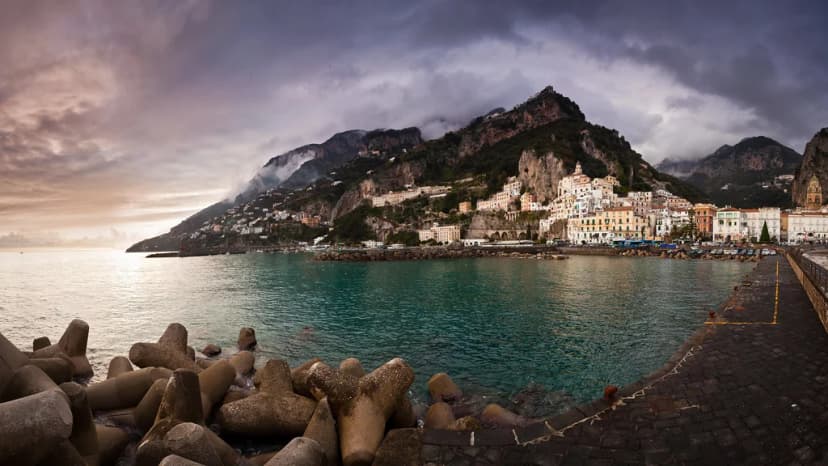
Many travelers overlook this corner of Italy, but the surrounding region offers incredible diversity. The Friuli-Venezia Giulia region provides a mix of Roman history and Austrian elegance. Just across the border, Slovenia beckons with emerald rivers and fairytale castles. Planning your excursions carefully ensures you maximize your time in this fascinating borderland. See the Trieste beach guide for easy half-day options that require no border crossing at all.
Miramare Castle: The White Jewel of the Adriatic
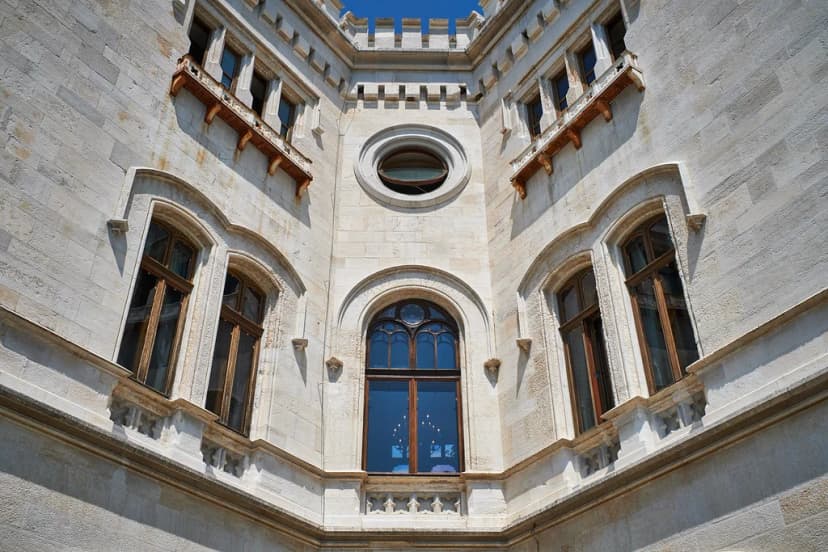
Miramare Castle stands as the most iconic landmark located just outside Trieste's city center, and in 2026 it remains the single most popular half-day excursion from the city. Archduke Ferdinand Maximilian of Habsburg built this white limestone palace between 1856 and 1860, commissioning the Romantic-style design to overlook the Gulf of Trieste. The castle's silhouette against the deep blue Adriatic has become the defining postcard image of the region. Visitors regularly spend three or more hours wandering the 22-hectare botanical park that surrounds the residence and spills down to the rocky shoreline.
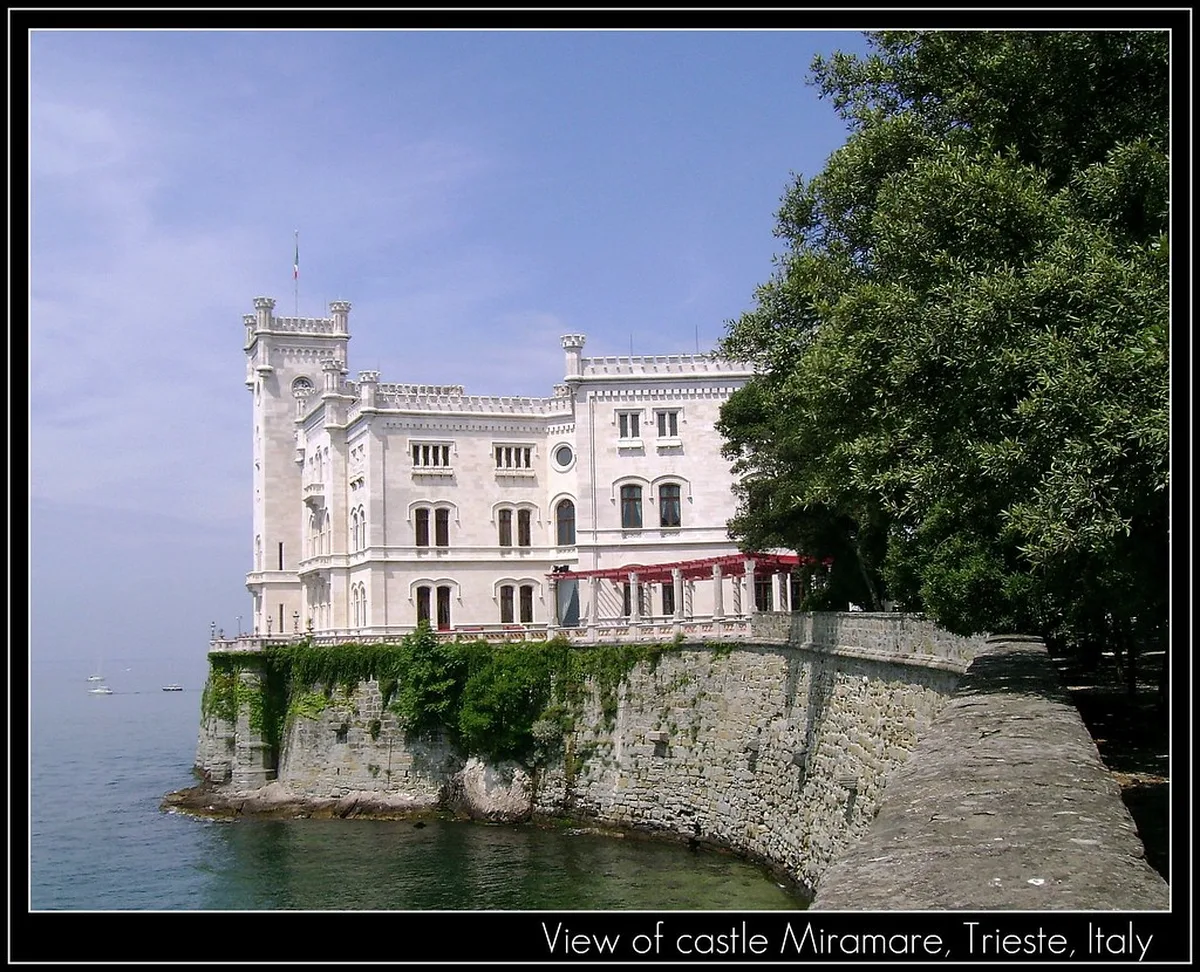
In 2026 the castle interior charges an admission fee of €8 per adult. Children under 18 enter free on EU Culture Sundays (first Sunday of every month). The surrounding park and coastal path remain free to access at all times and make a worthwhile stop even without entering the building. Photography enthusiasts should aim for the late afternoon light, when the setting sun illuminates the white facade and the sea glows copper beneath the towers.
Getting there by public transport is straightforward and inexpensive. Bus 6 departs from Trieste Piazza Goldoni every 15–20 minutes and costs €1.45 per ticket (valid 75 minutes). The journey takes roughly 20 minutes, and the stop at Miramare puts you directly at the main entrance gate. During summer months, the Delfino Verde ferry also runs from the Trieste waterfront to Miramare pier, offering a scenic 25-minute sea approach for approximately €3 one-way. The ferry is especially atmospheric and gives you views of the castle from the water that no bus window can match.
The interior has been restored to its mid-19th-century appearance, with the throne room, the Archduke's study, and the duchess's private quarters all open to visitors. Audio guides in English are included with the ticket price as of 2026, so there is no extra fee. Guided group tours in English depart at 10:00 AM and 2:00 PM on weekdays and must be booked online in advance during July and August. Arriving before 10:00 AM on weekdays allows you to explore the park in quiet before the tour buses arrive from Trieste and Venice.
- Miramare Castle Visit Details (2026)
- Distance: 7 km from Trieste centre
- Bus: Line 6, €1.45, ~20 minutes
- Ferry: Delfino Verde, ~€3, ~25 minutes
- Castle entry: €8 adults, free under 18
- Park access: Free
- Recommended time: 2–3 hours
Postojna Cave and Predjama Castle in Slovenia
Crossing into Slovenia reveals the subterranean wonders of the Postojna Cave system, one of the largest show caves in the world at over 24 kilometres of passages. A small electric train whisks visitors deep into the karst underworld, past curtains of translucent stalactites and through cathedral-like chambers that have been open to tourists since 1819. The cave maintains a constant temperature of 10 degrees Celsius throughout the year regardless of the season, making it a pleasant retreat during the hottest August days or a chilly challenge in winter. Bring a warm layer even on warm days — the temperature drop from outside is sharp and immediate.
In 2026, the standard Postojna Cave tour costs €30.80 per adult and lasts approximately 90 minutes, including roughly 3.5 km on the electric train and 1.7 km on foot. Tickets are timed and must be reserved online in advance during summer; walk-up slots sell out by mid-morning during peak season. The cave is home to the endemic olm (Proteus anguinus), a blind cave salamander that lives up to 100 years, and the dedicated vivarium near the exit gives you a close look at this extraordinary creature at no extra charge.
Just nine kilometres from Postojna sits Predjama Castle, built directly into a 123-metre limestone cliff face. This 800-year-old fortress once served as the hideout of the legendary knight Erazem of Predjama, who reportedly used a secret tunnel network within the cliff to resupply during a long siege in the 1480s. In 2026 entry to Predjama Castle costs €18 per adult. A combined ticket for both Postojna Cave and Predjama Castle is available for €45.60 per adult, saving approximately €3.20 versus buying separately — good value if you have a full day.
Reaching Postojna from Trieste by public bus is easy in 2026. The Flixbus and Arriva cross-border service departs from the Trieste Autostazione (main bus terminal) several times daily and arrives at Postojna in about 60 minutes. The return bus ticket costs approximately €6 per person. If driving, the A1 motorway reduces journey time to 50 minutes from Trieste city centre, but you must purchase a Slovenian digital vignette before entering the highway. In 2026, a weekly vignette costs €16 and can be purchased online at the official e-vignette portal or at any petrol station on the Italian side of the border. Speed cameras monitor motorway compliance continuously, and fines for violations are substantial.
- Postojna Cave + Predjama (2026)
- Distance: ~50 km from Trieste
- Bus: ~€6 return, ~60 minutes
- Postojna Cave entry: €30.80 adults
- Predjama Castle entry: €18 adults
- Combined ticket: €45.60 (saves ~€3.20)
- Slovenian vignette: €16/week if driving
- Cave temperature: 10°C year-round
Piran: A Venetian Gem on the Slovenian Coast
Piran is consistently ranked among the most beautiful towns on the Adriatic and the undisputed jewel of Slovenia's short 47-kilometre coastline. Lying just 45 km from Trieste, it takes under 60 minutes to reach by bus, yet the town feels a world away from the Italian port city. Centuries of Venetian Republic rule left their unmistakable mark on Piran's architecture: terracotta rooftops, Gothic windows, and narrow alleys that twist up from the harbour toward the old defensive walls. Walking the full circuit of the medieval town walls is free of charge and takes about 30 minutes at a leisurely pace, rewarding you with panoramic views across the Gulf of Piran to the Italian coast on a clear day.
The heart of the town is Tartini Square, a beautifully preserved oval piazza named after the 18th-century violin virtuoso and composer Giuseppe Tartini, who was born in Piran. The square is lined with Venetian-style palaces, outdoor cafes, and the late-Gothic Tartini House museum (entry €2). At the far end of the peninsula, the Church of St. George commands the highest point of the old town; climbing its detached bell tower costs €1 and delivers a view that takes in Slovenia, Croatia, and Italy simultaneously on a clear morning.
In 2026, the most affordable way to reach Piran from Trieste is the cross-border bus run jointly by Arriva Slovenia and local operators. Buses depart from the Trieste Autostazione several times daily; the return fare costs approximately €3–4 per person and the journey takes 50–60 minutes. During summer months (June to September), a seasonal ferry service operated by Venezia Lines also connects Trieste harbour directly to Piran pier; the 45-minute boat crossing costs around €20–25 return but offers a spectacular approach to the walled peninsula from the sea. Book ferry tickets at least a day in advance during July and August.
Fresh seafood is the undisputed highlight of any visit to Piran. Restaurant prices along the harbourfront tend to be lower than in Venice but somewhat higher than inland Trieste — expect €12–18 for a main seafood course at a mid-range waterfront restaurant in 2026. The local salt pans at nearby Sečovlje (4 km outside town) produce fleur de sel that you can buy directly from the cooperative for around €3 per bag — an excellent and lightweight souvenir. After lunch, walk north along the coastal promenade to the quiet rocky inlets beyond the town walls, where local families swim from the flat limestone shelves. Entry to the main Piran beach area is free.
- Piran Day Trip (2026)
- Distance: ~45 km from Trieste
- Bus: €3–4 return, ~50–60 minutes
- Summer ferry: ~€20–25 return, ~45 minutes
- Town walls walk: Free
- Bell tower (St. George): €1
- Tartini House museum: €2
Ljubljana: Exploring Europe's Greenest Capital City
Ljubljana is one of the most charming and walkable capital cities in Europe, and its compact size makes it ideal for a day trip from Trieste in 2026. The car-free city centre allows for a relaxed pace along the Ljubljanica River, whose green banks are lined with open-air cafes, flower stalls, and design boutiques. The architect Jože Plečnik transformed much of the city in the early 20th century, and his distinctive stone bridges, covered market arcades, and colonnaded promenades are now recognized as UNESCO World Heritage. Start your morning at the Central Market, where vendors sell local honey, pumpkin seed oil, and artisanal cheeses for prices well below supermarket levels — a jar of Carniolan honey costs around €6–8 from a market stall.
Ljubljana Castle offers the best vantage point for viewing the snow-capped Julian Alps to the north. A modern funicular carries passengers from Krekov Square to the castle gates in under two minutes; the funicular costs €4 return in 2026, and the castle grounds are free to enter. The castle itself charges €16 for a full museum access ticket including the Chapel of St. George frescoes and the Watchtower, but the panoramic terrace at the top of the keep is free and alone worth the funicular ride. Spend your afternoon wandering through the Metelkova alternative culture district or relaxing at a riverside cafe with a glass of crisp Slovenian Rebula white wine (typically €3–5 per glass).
Direct buses run from the Trieste Autostazione to Ljubljana Avtobusna postaja (central bus station) several times daily in 2026. The journey takes approximately 90 minutes and the return ticket costs around €18–22 depending on the operator (Flixbus and Arriva both serve this route). If you drive, the journey takes about 90 minutes via the A1 motorway, though you will need the Slovenian vignette (€16/week). Parking in Ljubljana is best handled at the garages under Congress Square or at the Park+Ride facility at Dolgi Most, which connects to city trams. English is widely spoken in Ljubljana's restaurants, museums, and shops, making it one of the easiest European capitals to navigate without any local language knowledge.
- Ljubljana Day Trip (2026)
- Distance: ~90 km from Trieste
- Bus: €18–22 return, ~90 minutes
- Drive: ~90 minutes via A1
- Funicular (castle): €4 return
- Castle museum ticket: €16
- Castle grounds: Free
Udine and Cividale: Friulian History and Wine
Heading west from Trieste by regional train takes you into the heart of the Friuli-Venezia Giulia region, one of Italy's least-touristed but most rewarding corners. Udine is the cultural capital of Friuli and a day visit reveals an elegant city of Venetian-influenced piazzas, noble palaces, and the kind of slow-paced, authentically Italian atmosphere that has become increasingly hard to find in more popular destinations. The city centres on the Piazza della Libertà, widely regarded as one of the most beautiful Renaissance squares in northern Italy, dominated by the Loggia del Lionello and flanked by the clock tower with its famous mechanical Moors that have struck the hour since 1527.
Udine's Castello sits on a low hill above the old town and houses the Civic Museums complex, which includes works by the baroque master Giambattista Tiepolo. The Oratory of Purity within the museum complex contains stunning ceiling frescoes that Tiepolo painted in just a few weeks in 1759. Entry to the Civic Museums costs €8 in 2026. Regional Trenitalia trains connect Trieste Centrale station to Udine Centrale in approximately 65–75 minutes; a return ticket costs around €9–12 depending on the booking window. Trains run at least hourly throughout the day, making spontaneous day trips very practical.
Cividale del Friuli is a further 20-minute train ride from Udine (€3.50 single) and is one of the most historically significant and undervisited towns in all of Italy. Founded by Julius Caesar as Forum Iulii in 50 BC, it later became the first Lombard duchy in Italy, and its extraordinary Lombard heritage earned it UNESCO World Heritage status in 2011. The Devil's Bridge — a single stone arch spanning the turquoise Natisone River — provides a dramatic entrance to the old town and is free to walk. The Tempietto Longobardo within the National Archaeological Museum of Cividale is the finest surviving example of early medieval Christian art in Italy; the museum entry costs €6 in 2026. Small enotecas along Via Carlo Alberto serve local Friulano, Ribolla Gialla, and Picolit wines by the glass from €2.50, paired with local charcuterie boards. This area is far less crowded than the Slovenian coast or major Italian cities — you can enjoy a genuinely local lunch without a queue or inflated prices.
- Udine & Cividale (2026)
- Distance: Udine ~60 km; Cividale ~75 km from Trieste
- Train to Udine: €9–12 return, ~65–75 minutes
- Train Udine–Cividale: €3.50 single, ~20 minutes
- Udine Civic Museums: €8
- Cividale National Museum: €6
- Devil's Bridge: Free
Trieste Coast and Karst Plateau: Local Half-Day Escapes
Not every day trip from Trieste requires a bus ticket or a border crossing. The limestone Karst plateau that rises immediately behind the city offers dramatic scenery, ancient village life, and some of the finest local food and wine in the entire Friuli-Venezia Giulia region — all within 20 kilometres of the city centre. For travelers who prefer shorter outings, or who want to save money without sacrificing atmosphere, the Karst and the Trieste Riviera are two of the most rewarding options available.
The village of Duino anchors the northern end of the Trieste Riviera, approximately 14 km from the city. Its cliff-top castle — Castello di Duino — sits on a dramatic promontory above the sea and is famous as the place where the German poet Rainer Maria Rilke wrote his Duino Elegies in 1912. In 2026, entry to the castle and its terraced gardens costs €10 per adult. Regional buses (line 51) reach Duino from Trieste in around 30 minutes for €1.45. The scenic cliff path from Duino south to Sistiana — the Rilke Trail — takes approximately 90 minutes on foot and rewards walkers with sweeping Adriatic views and wild herb-scented air above the sea. The path is free, well-marked, and suitable for fit walkers in trainers.
Heading inland from Trieste, the Karst plateau villages of Lipica and Štanjel are worth a combined visit. Lipica (18 km, easily reached by car or taxi in under 30 minutes) is home to the Lipica Stud Farm, the historic breeding ground of the famous Lipizzaner horses. In 2026, guided stable tours cost €12 per adult and include access to the historic stables, the paddocks, and a performance arena. Classical riding performances take place on select Tuesday and Friday mornings at 10:00 AM from April to October; tickets for the performance cost €25 per adult and must be booked online at least 48 hours in advance during peak season.
Štanjel, just across the Slovenian border 22 km from Trieste, is an exceptionally well-preserved medieval village perched on a basalt hilltop above the Karst plain. Entry to the village is free; the restored Ferrari Garden, a rare example of a formal Karst terraced garden, charges €3 in 2026. Local agriturismo restaurants in both Lipica and Štanjel serve the Karst region's iconic prsut (air-cured ham) with local Teran red wine for around €8–12 for a shared charcuterie board. Teran, produced exclusively from Refosco grapes grown on the area's distinctive red Karst soil, is one of the most distinctive wines you will taste anywhere in the broader Trieste region and should not be missed. For planning your parking and transport logistics around these Karst villages, the Trieste parking guide covers where to leave a car at the city edges before heading inland.
- Karst & Coast Half-Days (2026)
- Duino Castle: €10 adults, bus 51 €1.45, ~30 minutes
- Rilke Trail (Duino–Sistiana): Free, ~90 minutes walk
- Lipica Stud Farm tour: €12 adults
- Lipica riding performance: €25 adults (book ahead)
- Štanjel Ferrari Garden: €3
- Karst prsut & Teran board: €8–12 at agriturismo
Essential Logistics for Day Trips from Trieste
Good planning is the difference between a stress-free day excursion and a frustrating scramble at the border. The first practical point is the Slovenian motorway vignette: if you drive to Ljubljana, Postojna, or Piran via the A1 motorway, you must purchase a digital vignette before entering the tolled network. In 2026, a weekly digital vignette costs €16 and can be bought online at the official e-vignette.si portal, at any DarsGo point, or at petrol stations on the Italian side of the border. Cameras monitor the motorway continuously, and fines for travelling without a valid vignette start at €300. If you prefer to avoid the motorway entirely, regional secondary roads are toll-free but add 20–30 minutes to most journeys.
Public transport from Trieste for cross-border trips involves different operators depending on the destination. The main bus terminal — Trieste Autostazione on Piazza della Libertà — serves FlixBus and Arriva routes to Ljubljana, Piran, Postojna, and Koper. Trenitalia regional trains serve Italian destinations including Udine, Cividale, Venice, and Palmanova from Trieste Centrale railway station on Piazza della Repubblica. In 2026, the Trieste Centrale station is undergoing platform renovation works; allow an extra 10 minutes when connecting between trains. Bus tickets for cross-border routes should be booked online at least 24 hours in advance during summer to guarantee a seat, as services fill quickly on Fridays and Sundays.
Always carry your passport when leaving Italy, even within the Schengen Area. Italian and Slovenian border police conduct random spot checks on all transport modes, and the frequency increases during major public events, summer peak weeks, and football match days. A national ID card is technically sufficient for EU citizens, but a passport eliminates any ambiguity. Non-EU travellers should confirm visa requirements for Slovenia before travelling, as the two countries have separate border infrastructure even though both are in Schengen.
Timing your return to Trieste matters too. Last buses from Ljubljana and Piran typically depart between 7:00 PM and 8:30 PM in summer 2026 — check current timetables on the Arriva and FlixBus apps before you leave in the morning, as schedules change seasonally. Returning for dinner in Trieste is highly recommended: the city's restaurants are excellent and significantly cheaper than those in Ljubljana or Venice. Combine your day trip planning with the Trieste parking guide if you are driving in and out of the city. You may also find it useful to compare these options against longer regional itineraries — the Verona 3-day itinerary offers a benchmark for how to structure multi-stop stays in northeastern Italy.
- Transport Summary (2026)
- Slovenian vignette: €16/week (mandatory for motorways)
- Cross-border buses: Autostazione, Piazza della Libertà
- Italian trains: Trenitalia from Trieste Centrale
- Passport: Always carry when crossing the border
- Last bus return (Ljubljana/Piran): ~7:00–8:30 PM (check seasonally)
Frequently Asked Questions
Do I need a passport for day trips from Trieste to Slovenia?
Yes, you should always carry a valid passport or national ID card when travelling from Trieste to Slovenia, even though both Italy and Slovenia are in the Schengen Area. Italian and Slovenian border police conduct random spot checks on all transport modes — buses, trains, and private cars — particularly during summer weekends and major public events. EU citizens can travel with a national identity card, but non-EU citizens must carry a passport and should verify whether their nationality requires a Schengen visa before departure. Keep your documents easily accessible rather than deep in a checked bag to avoid delays at any checkpoint.
What is the best way to get to Ljubljana from Trieste?
The most efficient way to reach Ljubljana from Trieste in 2026 is by direct bus or car. FlixBus and Arriva operate direct services from the Trieste Autostazione to Ljubljana Avtobusna postaja multiple times daily; the journey takes approximately 90 minutes and a return ticket costs €18–22 depending on the operator and booking timing. Driving is equally fast at about 90 minutes via the A1 motorway, but requires a Slovenian digital vignette (€16 per week). Trains are not recommended for a day trip as they require at least one transfer and typically add 45 minutes to the journey time compared to the direct bus.
Can I visit Miramare Castle using public transport?
Yes, Miramare Castle is one of the easiest day trip destinations to reach without a car from Trieste. Bus Line 6 departs from Piazza Goldoni in the city centre every 15–20 minutes, costs €1.45 per ticket, and reaches the castle stop in about 20 minutes. Alternatively, during summer months (June to September), the Delfino Verde ferry service runs from the Trieste waterfront to Miramare pier in approximately 25 minutes for around €3 one-way. In 2026, castle entry costs €8 for adults and the surrounding park is free. The combined bus and castle visit fits comfortably into a morning, leaving you free for the beach or the city in the afternoon.
How much does Postojna Cave cost in 2026 and how do I get there from Trieste?
The Postojna Cave tour costs €30.80 per adult in 2026 and lasts about 90 minutes. Nearby Predjama Castle costs €18 per adult, or you can purchase a combined ticket for both sites at €45.60, saving roughly €3.20. From Trieste, the most affordable option is the cross-border bus from the Trieste Autostazione; the return fare is approximately €6 per person and the journey takes around 60 minutes. If you drive, the trip takes 50 minutes via the A1 motorway, but a Slovenian weekly vignette (€16) is required. Book Postojna Cave tickets online in advance during summer, as timed entry slots sell out by mid-morning.
Is Piran worth visiting as a day trip from Trieste?
Piran is absolutely worth a day trip from Trieste in 2026 and is one of the most rewarding short excursions in the entire region. The town is just 45 km away, with the bus costing only €3–4 return and taking about 50–60 minutes. Highlights include the free medieval town walls walk, Tartini Square, the panoramic bell tower of St. George's Church (€1 entry), and excellent seafood restaurants along the harbour at moderate prices. A summer ferry from Trieste (approximately €20–25 return) offers a spectacular sea approach to the walled peninsula. The whole town is compact and walkable, so a full day comfortably covers all the main sights with time for a long lunch.
What is the cheapest day trip from Trieste in 2026?
The cheapest day trip from Trieste in 2026 is Miramare Castle, which costs just €1.45 each way on Bus Line 6 and €8 for castle entry — a total of under €11 including transport. The grounds and coastal park are free, so if you skip the interior, your entire outing costs under €3. Piran in Slovenia is the next most affordable option at €3–4 return by bus with no mandatory entry fees (the town walls walk and Tartini Square are free). For a day trip that is entirely free, take Bus 6 to Miramare and walk the park and seafront path without entering the castle — it takes two to three hours and costs €2.90 in bus fares.
How do I visit the Karst plateau from Trieste without a car?
The Karst plateau is accessible from Trieste without a car, though options are more limited than for the city centre. Regional buses from Trieste's Autostazione serve Duino (line 51, €1.45, ~30 minutes), where you can begin the free Rilke Trail coastal walk south to Sistiana. For Lipica and inland Karst villages in Slovenia, a taxi or rideshare is the most practical option; the round trip from Trieste to Lipica costs approximately €40–50 by taxi and the Lipica Stud Farm tour runs €12 per adult. Organized guided day tours departing from Trieste city centre also cover the Karst plateau and typically cost €35–55 per person including transport and entrance fees.
Which day trip from Trieste is best for families with young children?
Miramare Castle and Postojna Cave are both excellent family-friendly day trips from Trieste. Miramare Castle is ideal for younger children because the park is free, the journey on Bus Line 6 is just 20 minutes, and there is a small beach cove near the castle pier where kids can paddle. Castle entry for children under 18 is free on the first Sunday of each month. Postojna Cave appeals to older children (typically 6 and above) thanks to the exciting electric train ride through the cave tunnels and the chance to see the rare olm salamander in the vivarium. The cave maintains a constant 10°C, so bring a warm jacket for everyone in the group regardless of the outside temperature.
Trieste offers views of Italy a gateway to some of the most diverse landscapes in Southern Europe. Whether you crave mountain air, coastal breezes, or subterranean wonders, the options radiating from this compact city are nearly endless. Plan your logistics early to ensure a stress-free journey across the Italian and Slovenian borders. Each destination provides a unique look into the complex history of this beautiful region.
Taking these day trips will enrich your understanding of the Adriatic's hidden treasures. The mix of Austrian grandeur, Mediterranean charm, and Slovenian natural beauty creates memories that last a lifetime. Pack your walking shoes and a sense of adventure for your next Italian escape. Trieste remains the perfect starting point for your grand European exploration in 2026. For more regional inspiration, browse the full Italy travel guide to plan your wider itinerary.