Sarajevo Walking Tour Guide
Sarajevo is a city where East meets West in a stunning display of history and resilience. You will find Ottoman markets and Austro-Hungarian architecture standing side by side along the river. A sarajevo walking tour offers the best way to see these diverse cultural layers in one afternoon. This guide helps you navigate the winding streets and historic landmarks of the Bosnian capital.
Many travelers call this city the Jerusalem of Europe because of its religious diversity. You can explore mosques, cathedrals, and synagogues all within a few blocks of the city center. Understanding the Sarajevo Old Town guide is essential for any first-time visitor. Preparation ensures you catch the best stories behind the scarred walls and beautiful fountains.
Must-See Sarajevo Attractions
The heart of any walk begins in Baščaršija, the historic Ottoman bazaar from the 15th century. Walking through these narrow alleys feels like stepping back into a different era. Local craftsmen still hammer copper in Kazandžiluk Street to create traditional coffee sets. This area serves as the perfect starting point for your morning exploration.
In the center of the square stands the Sebilj, a wooden Ottoman-style fountain. Legend says that anyone who drinks from the Sebilj Fountain will eventually return to Sarajevo one day. This iconic landmark is a favorite spot for photographers and groups of pigeons. Check out this Image of Baščaršija Panoramio to see the vibrant square layout.
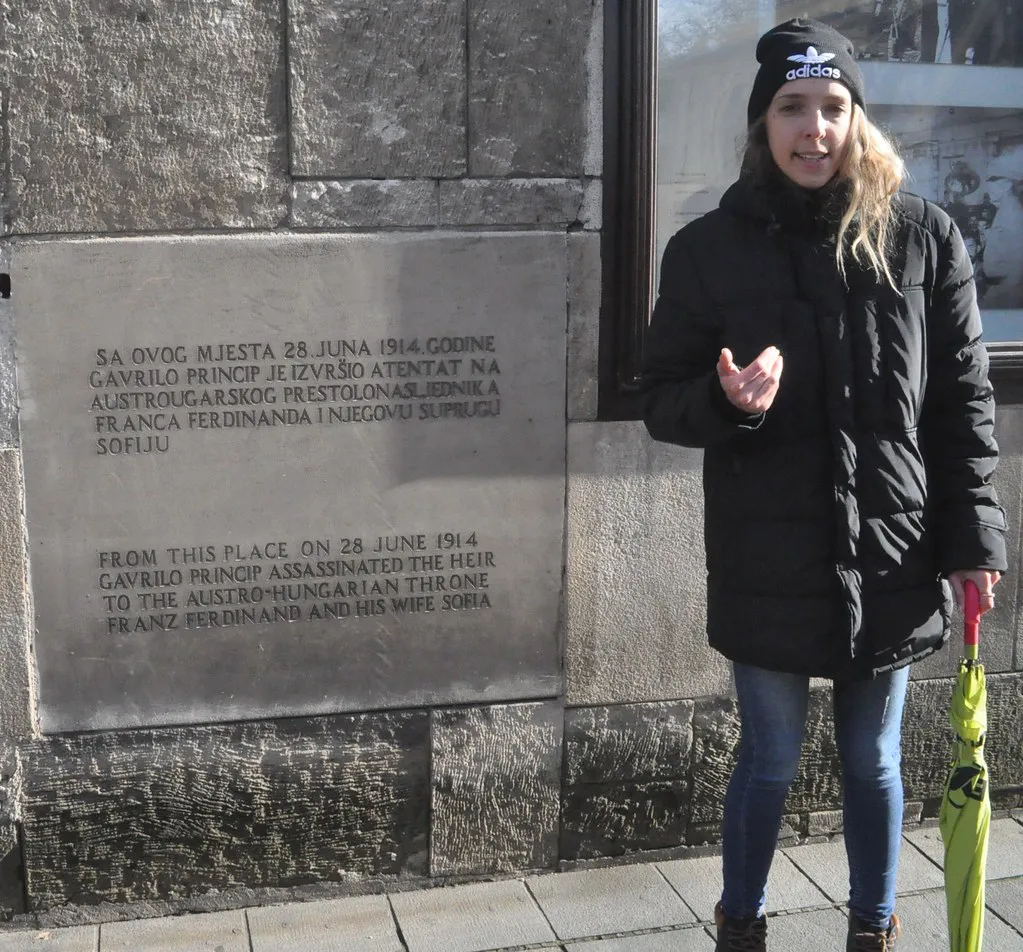
A short walk toward the river leads you to the Latin Bridge Historical Context site. This bridge is famous as the spot where Archduke Franz Ferdinand was assassinated in 1914. That single event triggered the start of World War I and changed global history forever. A small museum on the corner provides more details about that fateful day.
No visit is complete without entering the Gazi Husrev-beg Mosque, built in the 16th century. It remains the most important Islamic structure in the country and a masterpiece of Ottoman design. Visitors should dress modestly and check prayer times before entering the courtyard. You can find many things to do in Sarajevo near this central religious site.
Museums, Art, and Culture in Sarajevo
The Vijećnica, or City Hall, stands as the most beautiful building from the Austro-Hungarian period. Its Moorish Revival style reflects the eclectic tastes of the late 19th century. The building was destroyed during the 1990s siege but has been meticulously restored to its former glory. You can now tour the interior to see the grand stained-glass ceiling and ornate staircases.
Just across the river, you will find the historic Sarajevo Brewery History museum. Founded in 1864, it is one of the oldest industrial plants in Bosnia and Herzegovina. The brewery played a vital role during the war by providing fresh water to local citizens. The attached restaurant offers a great place to rest after a long morning of walking.
While walking, keep an eye out for the Sarajevo Roses on the pavement. These are mortar shell scars filled with red resin to remember those lost during the siege. They serve as poignant reminders of the city's recent past and its incredible survival. Many guides will stop at these markers to explain the local history of resilience.
The Old Orthodox Church is another cultural gem tucked away in the Old Town. It houses one of the most important collections of icons in the Balkans. The quiet courtyard offers a peaceful escape from the busy market streets outside. Exploring these sites helps you understand the Sarajevo nightlife guide context by seeing the city's foundations.
Parks, Gardens, and Outdoor Spots in Sarajevo
For the best views of the valley, hike up to the Yellow Bastion. This fortification offers a panoramic view of the red-roofed houses and minarets below. It is especially popular during sunset when the call to prayer echoes across the hills. The walk up is steep but manageable for most travelers with comfortable shoes.
The Miljacka River provides a natural path for a scenic stroll through the city center. Several historic bridges cross the water, each with its own unique architectural style. Walking along the embankments allows you to see the transition between different historical zones. Many locals use these paths for their daily commute or evening exercise.
If you want to go higher, take the Trebević Cable Car from the edge of the Old Town. In just a few minutes, you will reach the mountain peak for fresh air and forest trails. The abandoned bobsleigh track from the 1984 Olympics is a must-see for urban explorers. Verify if Sarajevo is safe for tourists when exploring remote mountain trails alone.
Family-Friendly and Budget-Friendly Options in Sarajevo
Free walking tours are the most popular budget-friendly way to see the city. These tours operate on a pay-what-you-wish basis, making them accessible to everyone. Most free tours have a group size limit of about 8 people to ensure a quality experience. Booking a spot in advance is highly recommended during the busy summer months.
Families often find the open spaces of the Baščaršija square perfect for children. Kids enjoy feeding the pigeons or watching the coppersmiths work in their shops. Many cafes offer traditional sweets like baklava that are hits with younger travelers. The flat terrain of the Old Town makes it easy for strollers and small children.
Tipping etiquette is an important part of the free tour experience in Bosnia. Guides rely on these tips as their primary income for the service they provide. A fair tip usually ranges from 10 to 20 Euros per person depending on the tour length. Having small bills in the local currency, the Bosnian Mark, is very helpful.
- Tipping Standards for Free Tours
- Solo Traveler: 10 to 20 EUR
- Couple: 25 to 30 EUR
- Small Family: 40 to 50 EUR
- Currency: BAM or Euro accepted
- Budget Snack Options
- Burek: 2 to 4 BAM
- Ćevapi: 7 to 10 BAM
- Turkish Coffee: 3 BAM
- Baklava: 4 BAM
How to Plan a Smooth Sarajevo Walking Tour
Most organized tours depart twice daily to accommodate different travel schedules. The standard start times are usually 10:30 AM and 3:00 PM. Morning tours are great for beating the heat during the summer months. Check the 2026 tour schedules for the latest departure times before you arrive.
The primary meeting point is often near the Meet Bosnia Location on Maps office. You can find this spot easily on Ferhadija Street, the main pedestrian thoroughfare. Look for guides carrying colorful umbrellas or signs with the company name. Arriving 10 minutes early gives you time to check in and meet your group.
Comfortable walking shoes are the most important item to bring for your tour. The cobblestones in the Old Town can be uneven and slippery when wet. Carry a bottle of water and some sunscreen if you are walking in the afternoon. If you are driving to the city, research parking in Sarajevo before you head to the center.
Interactive Sarajevo Tour Map
One of the most famous photo ops is the Meeting of Cultures marker on the ground. This specific spot on Ferhadija Street marks the exact point where two great empires once met. You can see the visual shift from Ottoman cobblestones to the structured Austro-Hungarian pavement style. It is a perfect place to stand with one foot in the East and one in the West.
A typical route takes you from the Sebilj fountain toward the Sacred Heart Cathedral. From there, you can walk past the Markale Market to see the local produce and flowers. The route usually ends near the Eternal Flame, a memorial to the victims of World War II. This path covers about two kilometers and takes roughly two hours to complete.
Self-guided travelers can use apps like GPSmyCity to follow pre-planned walking routes. These apps provide detailed descriptions and historical context for every stop. They allow you to move at your own pace and take breaks whenever you like. Using a digital map helps you find hidden courtyards that large groups might miss.
Comparing Free vs. Private Walking Tours
Free tours are excellent for social travelers who want to meet other people. The guides are often high-energy and focus on the most famous stories of the city. They provide a great general overview for someone visiting for the first time. However, group sizes can sometimes feel large during the peak tourist season.
Private tours offer a more personalized experience tailored to your specific interests. You can ask more questions and spend more time at the sites you find interesting. Private guides can also take you to off-the-beaten-path locations like local workshops. This option is best for families or small groups who prefer a quieter pace.
Deciding between the two depends on your budget and how much depth you want. Free tours are low-risk and fun, while private tours offer professional academic insights. Many visitors start with a free tour and then book a private guide for specific topics. Both options provide a much better experience than walking around without any context.
Practical Logistics: Luggage, Transport, and Timing
Finding a place for your bags is easy with luggage storage near the main station. Several central offices also offer lockers for travelers arriving early for their tour. Storing your luggage allows you to walk freely without being weighed down by heavy bags. Ask your tour operator if they have a secure place to keep items during the walk.
Getting to the city center from the airport is simple with a pre-booked transfer. Taxis are available, but a private shuttle often provides more reliability for a fixed price. You can also use the trolleybus system for a very cheap and local transport experience. Plan your arrival so you have enough time to reach the meeting point without rushing.
Seasonal weather can change the walking experience significantly in Bosnia. August is the busiest month due to the world-famous Sarajevo Film Festival. Winter months bring snow and cold winds, making the cobblestones quite slippery. Consider booking day trips from Sarajevo if you have more than two days in the city.
Frequently Asked Questions
How much should I tip on a free walking tour in Sarajevo?
A standard tip for a free walking tour is between 10 and 20 Euros per person. This amount reflects the quality of the service and local living costs. Most guides prefer payment in the local currency, the Bosnian Mark, but Euros are also widely accepted across the city.
Where do most Sarajevo walking tours start?
Most tours begin in the heart of the Old Town near the Sebilj Fountain or on Ferhadija Street. These central locations are easy to find and close to public transport. You can find more travel tips on our travel blog for navigating the city center.
Are walking tours in Sarajevo safe for solo travelers?
Yes, walking tours are very safe for solo travelers and offer a great way to meet people. The city center is generally safe, though you should always watch for pickpockets in crowded market areas. Joining a group provides an extra layer of security and local knowledge.
How long does a typical Sarajevo walking tour take?
A typical tour lasts between two and three hours depending on the route and group size. This time frame allows you to see the major landmarks without feeling too exhausted. Most routes cover about two kilometers of walking through the pedestrian zones of the city.
Is the Sarajevo War Tunnel included in walking tours?
The War Tunnel is located near the airport and is usually not included in standard city walking tours. You will need to book a separate driving tour or use public transport to visit that site. Most city walks focus on the Ottoman and Austro-Hungarian history in the center.
A sarajevo walking tour is the best way to connect with the soul of this historic city. From the Ottoman bazaar to the scars of the siege, every corner tells a powerful story. Use these tips to plan your visit and experience the unique magic of the Bosnian capital.