Ultimate Sarajevo Nightlife Guide 2026: Where to Drink and Dance
Sarajevo nightlife in 2026 is remarkably affordable and atmospheric — a local beer costs 3–4 KM (€1.50–2), rakija shots start at 2–3 KM (€1–1.50), and cocktails run 8–12 KM (€4–6), making it one of the cheapest and most rewarding nightlife scenes in Europe. The main venues cluster in Baščaršija Old Town and the Centar district.
The best bars in Sarajevo for 2026 include Zlatna Ribica (eccentric goldfish-themed bar near the Eternal Flame, cocktails 8–10 KM / €4–5), Sloga (iconic live-music club, entry 5–8 KM / €2.50–4), and La Cava (wine and jazz bar, wine from 5 KM / €2.50). Clubs open around midnight and peak between 1–2 AM, staying open until 4–5 AM on weekends.
Sarajevo offers a unique blend of Ottoman charm and modern European energy that comes alive after dark. Exploring the city in 2026 reveals a vibrant social scene that caters to both traditional tastes and modern party seekers. You will find cozy tea houses nestled next to bustling craft beer pubs and late-night electronic lounges. The city's evening atmosphere reflects a resilient spirit and a deep appreciation for social connection, making it one of the most welcoming nightlife destinations in the Western Balkans.
The evening atmosphere reflects a resilient spirit and a deep appreciation for social connection. Locals often spend hours sharing drinks and stories in the historic streets of the capital. Whether you want a quiet glass of wine or a high-energy dance floor, this city delivers memorable experiences. Prepare to discover a side of Bosnia and Herzegovina that is both welcoming and electric.
The Unique Vibe of Nightlife in Sarajevo
Socializing in Sarajevo often begins with a slow transition from afternoon coffee to evening cocktails. Many residents gather in the pedestrian zones to enjoy the cool mountain air as the lights flicker on. The transition feels seamless as traditional cafes start playing upbeat music to signal the night has begun. Expect to see a diverse crowd ranging from university students to older professionals enjoying the same spaces.
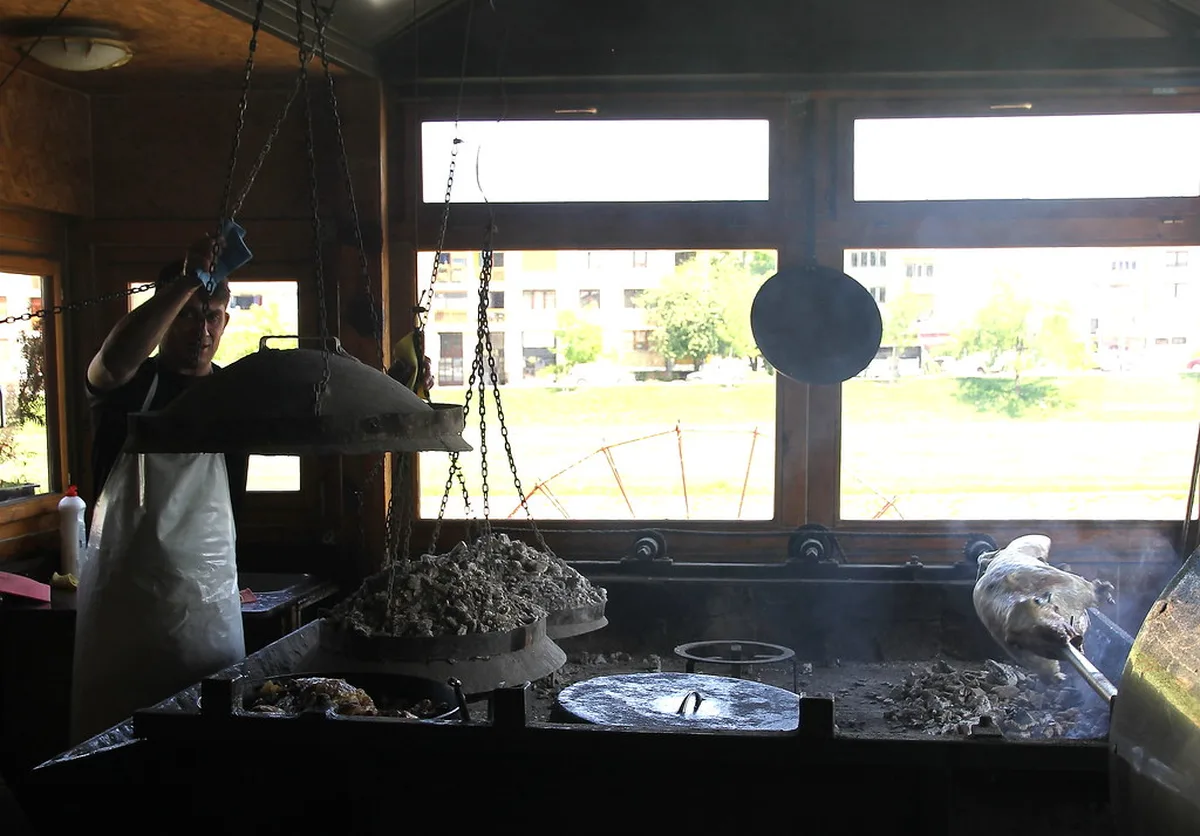
Music plays a central role in defining the atmosphere of different venues across the capital. You might hear the haunting melodies of Sevdalinka folk music drifting from a centuries-old tavern. Nearby, a modern lounge might be pumping out the latest international deep house or techno tracks. This cultural duality ensures that the nightlife scene never feels repetitive or one-dimensional for visitors.
The city is surprisingly affordable compared to other European capitals, making long nights out very accessible. In 2026, a rakija shot — Bosnia's signature fruit brandy — costs just 2–3 KM (€1–1.50) at most bars. A local beer typically costs between 3 and 4 KM (€1.50–2) at popular central bars, while premium cocktails at upscale lounges range from 8 to 12 KM (€4–6). Budget-conscious travelers can enjoy a full night of entertainment without breaking their travel bank.
Hospitality is a hallmark of the local culture, and you will likely feel welcomed wherever you go. Staff members in most bars speak excellent English and are happy to provide local drink recommendations. Do not be surprised if a neighboring table strikes up a conversation about your travels. Building connections is part of the magic that makes the nightlife here so distinctive and warm.
Best Areas for a Night Out in Sarajevo
Baščaršija serves as the atmospheric heart of the city for those seeking a traditional Bosnian experience. The narrow cobblestone streets are packed with shisha bars and small cafes that stay busy until midnight. Consult our Sarajevo old town guide to find the best hidden alleys for a drink before the main evening begins. This area is perfect for a relaxed start to the evening before heading to louder venues.
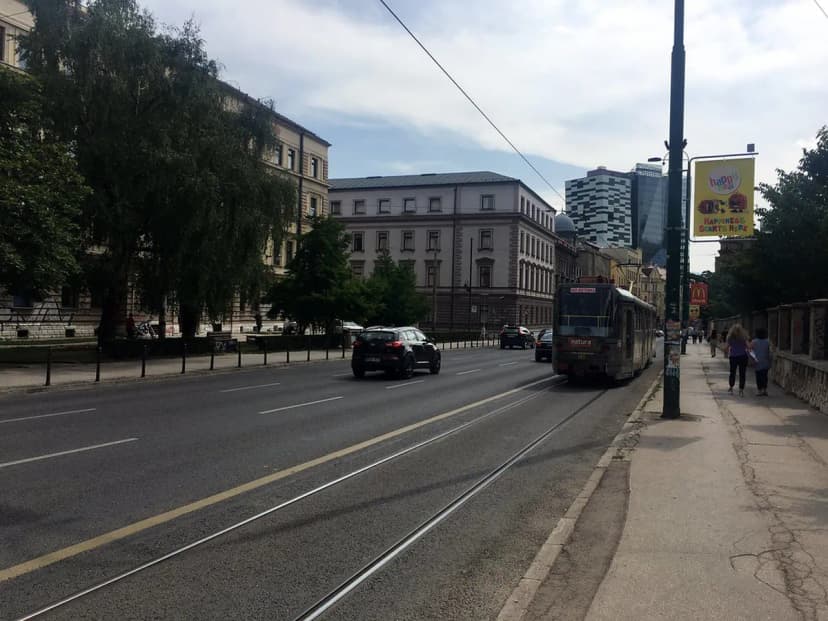
The Centar district offers a more contemporary vibe with larger clubs and trendy cocktail lounges. Ferhadija Street acts as the main artery connecting the old world with modern shopping and dining areas — in the evenings it fills with crowds strolling between bars, making spontaneous venue-hopping easy and enjoyable. You will find several multi-story venues here that offer different music styles on every floor. Walking between these districts is easy and safe, allowing for spontaneous bar hopping throughout the night.
Radićeva Street has emerged as a favorite spot for locals who enjoy alternative and artistic vibes. This area features several pubs with outdoor seating that are ideal for people-watching during summer months. Many venues here host live jazz or acoustic sets on weeknights to attract a creative crowd. The proximity to the Academy of Fine Arts gives this neighborhood a distinctively bohemian feel that draws a younger, creative crowd. Expect to pay around 3–4 KM (€1.50–2) for a beer in this area, slightly less than in the more tourist-heavy Baščaršija.
Skenderija is another notable area, especially for those looking for larger concert venues and underground clubs. It sits slightly further from the main tourist path but offers a more authentic local experience. Prices here are often lower than in the immediate vicinity of the Eternal Flame — expect beers from 3 KM (€1.50) and cocktails from 7 KM (€3.50). Check local event listings for one-off parties or seasonal festivals held in this industrial-chic zone.
Top Bars and Pubs for Craft Beer and Cocktails
Zlatna Ribica — which translates to "goldfish" — is arguably the most famous bar in the city due to its incredible maximalist decor. Every inch of the interior is covered in antiques, mirrors, vintage trinkets, and yes, goldfish tanks that create a genuinely dreamlike setting. The staff often wears period-style clothing, adding to the theatrical feel of the entire establishment. A must-visit on any first-timer's Sarajevo nightlife itinerary, this quirky gem near the Eternal Flame charges 8–10 KM (€4–5) for cocktails and 4 KM (€2) for a draft beer.
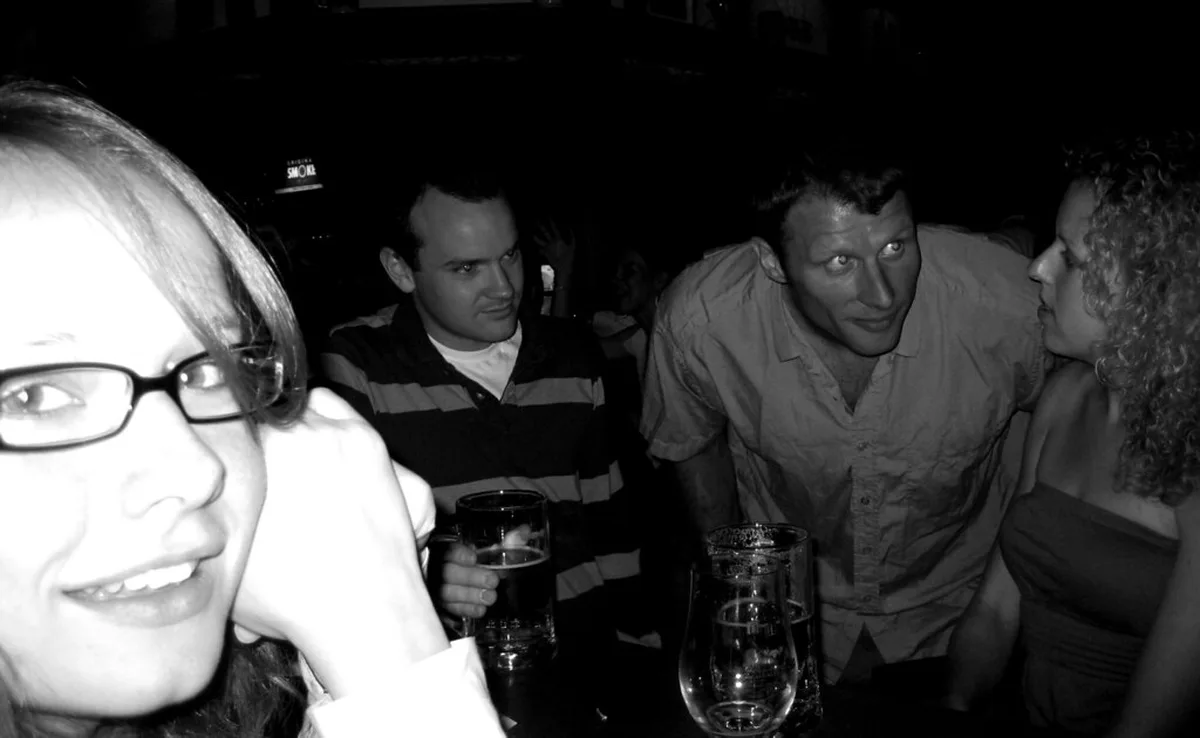
La Cava is a sophisticated wine bar that doubles as a live music venue on weekend evenings. Its intimate stone-walled interior has a distinctly Mediterranean feel, drawing couples and small groups looking for something more refined. House wines pour from around 5 KM (€2.50) per glass, while the curated cocktail list tops out at 12 KM (€6). The live sets — often jazz, acoustic, or Sevdalinka-influenced — begin around 9 PM on Fridays and Saturdays.
Beer lovers should make a beeline for Gastro Pub Vučko, which boasts an extensive craft beer list. They offer dozens of local Bosnian brews alongside famous international labels from Belgium and Germany, with craft pints ranging from 5–8 KM (€2.50–4). The pub is frequently packed, so arriving before 8 PM is recommended if you want a table. Their food menu also provides hearty options to fuel your late-night adventures across the city.
Blind Tiger offers a sophisticated atmosphere for those who prefer high-quality cocktails and gourmet burgers. The lighting is dim and the music is kept at a level that allows for easy conversation. Try their signature drinks that incorporate local ingredients like honey or regional herbs for a unique twist — most cocktails sit in the 9–11 KM (€4.50–5.50) range. This spot is particularly popular on Friday nights when the local professional crowd unwinds after the working week.
The Brew Pub is another excellent choice for fans of small-batch beers and a relaxed pub atmosphere. They often host quiz nights or live sports screenings that bring together locals and expats alike. Located near the National Theater, it provides a convenient central meeting point for groups. The industrial design and friendly service make it feel like a home away from home, and beers start from just 3 KM (€1.50). The Brew Pub also carries a rotating seasonal selection from smaller regional breweries, so regulars always find something new on tap.
- Zlatna Ribica
- Type: Eccentric Vintage Bar (goldfish-themed)
- Best for: Visual atmosphere, first-time visitors
- Where: Near Eternal Flame, Centar
- Cost: Beer 4 KM (€2), cocktails 8–10 KM (€4–5)
- La Cava
- Type: Wine & Live Music Bar
- Best for: Couples, wine lovers, live acoustic sets
- Where: Centar district
- Cost: Wine from 5 KM (€2.50), cocktails to 12 KM (€6)
- Gastro Pub Vučko
- Type: Craft Beer Hub
- Best for: Large beer selection
- Where: Radićeva district
- Cost: 5–8 KM (€2.50–4) per beer
- Blind Tiger
- Type: Cocktail & Burger Bar
- Best for: Modern cocktails and conversation
- Where: Near Dalmatinska Street
- Cost: Cocktails 9–11 KM (€4.50–5.50)
Baščaršija After Dark: The Old Town Bar Scene
As the sun dips behind the hills, Baščaršija transforms from a daytime bazaar into one of the most atmospheric evening destinations in the Western Balkans. The cobblestone lanes between Muvekita and Zelenih Beretki streets fill with a mix of locals, students, and travelers drawn by the low-key, unhurried pace that defines this neighborhood after dark. This is not the place for thumping bass lines — it is the place for honest conversation, cold rakija, and the warm glow of old lanterns.
Many of the small cafes and tea houses that trade during the day quietly pivot to cocktails and spirits after 8 PM. Bosnian coffee — served thick and black in a džezva — gives way to plum rakija shots (2–3 KM / €1–1.50) and locally made herbal liqueurs. The shift is unhurried, mirroring the Bosnian philosophy that an evening out is a marathon, not a sprint. Pull up a low stool at one of the outdoor terraces and you will quickly understand why locals rarely rush to the clubs before midnight.
Rakija bars here operate with an admirably simple model: a short menu, a long list of rakija varieties, and nothing to prove. Some bars specialize in single-fruit pours — quince, plum, walnut, or apple — while others offer tasting flights of three regional spirits for around 8–10 KM (€4–5). Pair a glass with grilled cheese or cevapi served from a nearby grill for the full Baščaršija experience, and you have one of the most authentic evenings possible in the Bosnian capital.
The pedestrian zone along Ferhadija Street, which connects the Old Town with the Centar district, becomes one of the city's busiest evening corridors after 7 PM. Street musicians set up near the intersection with Sarači, and outdoor bar tables spill out across the pavement. It is the ideal transition route between the low-key Baščaršija bar scene and the more energetic cocktail lounges further west. Travelers who want local atmosphere rather than club-style energy will find Baščaršija after dark the most rewarding part of any Sarajevo night out. If you plan to explore the historic district by day as well, our Sarajevo Old Town guide covers the top landmarks and hidden alleyways worth discovering before the evening begins.
What to Drink in Sarajevo: Local Spirits, Beer and Coffee Culture
Sarajevo has a rich drinking culture shaped by centuries of Ottoman, Austro-Hungarian, and Yugoslav influence. Understanding what the locals drink — and where — adds a meaningful layer to any night out. The drink menu in Sarajevo is not just a list of beverages; it is a reflection of the city's identity and resilience.
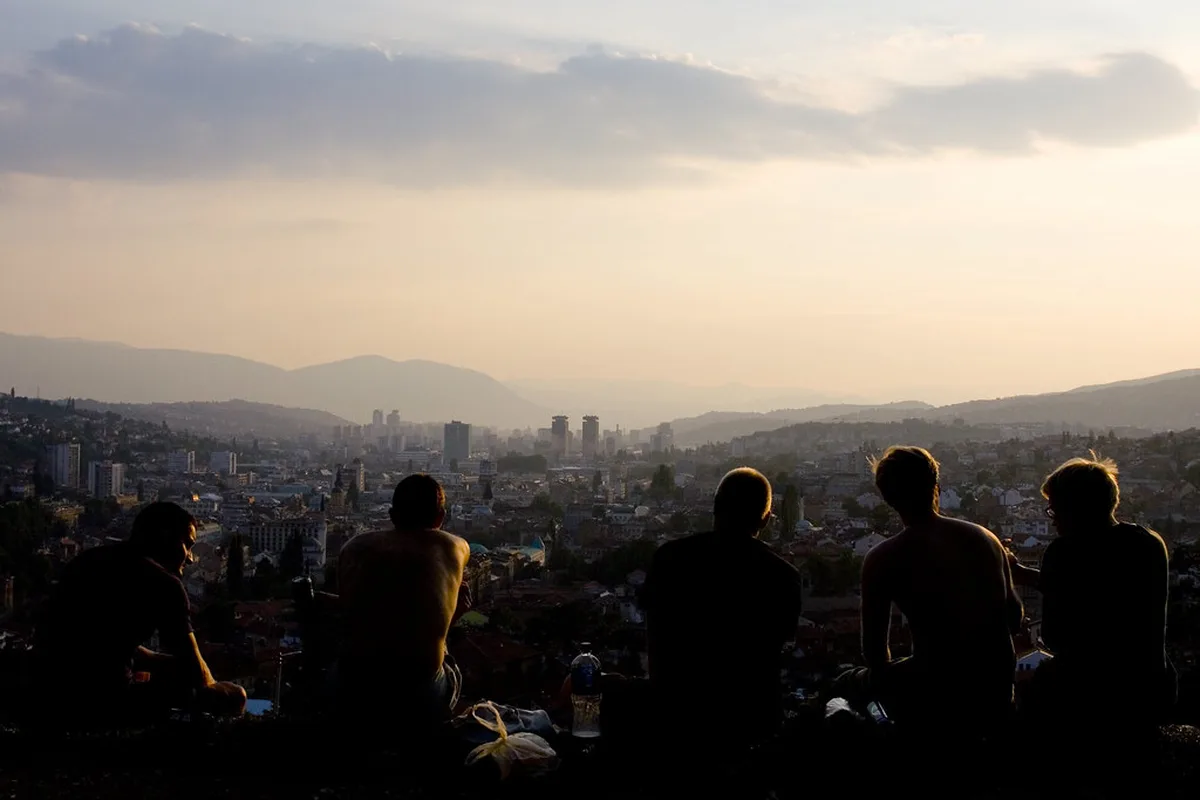
Rakija is the undisputed king of the Bosnian drinks scene. This fruit brandy is distilled from plums (šljivovica), pears, quinces, apples, or even walnuts, and consumed throughout the day — though it truly comes alive after dark. In 2026, a single measure of rakija costs 2–3 KM (€1–1.50) at most local bars, and a tasting flight of three varieties runs 8–10 KM (€4–5). Locals drink it slowly, often with a glass of water on the side, and will usually toast with "Živjeli!" before the first sip. Do not be in a rush — the ritual matters as much as the spirit itself.
Local Bosnian beers are another staple. Sarajevsko Pivo, brewed in the city since 1864, remains the most iconic domestic lager and costs just 3–4 KM (€1.50–2) on draught at most venues. Preminger beer, a newer Bosnian craft option, has gained a following in the city's craft bars and typically costs 5–6 KM (€2.50–3) per pint. For something imported, Belgian and German labels are widely available at the city's craft pubs, usually priced at 6–8 KM (€3–4). Gastro Pub Vučko on Radićeva is the go-to venue for the widest selection, with over 20 taps of local and international craft beer running year-round.
Bosnian coffee (bosanska kafa) deserves special mention even in a nightlife guide, because the transition from coffee to rakija defines how evenings unfold here. Served in a small copper džezva with sugar cubes and a piece of Turkish delight (rahat lokum), Bosnian coffee is not espresso — it is a slow ritual drink. Many bars in Baščaršija serve it alongside spirits well into the evening for 2–3 KM (€1–1.50) per džezva. If you want to try something sweeter and more distinctly Bosnian, ask for a boza — a mildly fermented grain drink — though it is harder to find outside specialist cafes.
Wine lovers are not forgotten in the local drinking scene. Bosnia produces respectable wine from the Herzegovina region, particularly around Mostar, using the indigenous Žilavka (white) and Blatina (red) grape varieties. A glass of local Herzegovina wine at a Sarajevo bar typically costs 5–8 KM (€2.50–4) in 2026, making it excellent value compared to imported French or Italian alternatives. La Cava in the Centar district is the best venue for a curated selection of regional wines, with knowledgeable staff who can guide you through the differences between producers. Whether you are starting your evening with a coffee, building up with a local lager, or ending on a glass of Žilavka, Sarajevo's drinking culture rewards those who take the time to explore it properly.
Late-Night Clubs and Dancing in the City
Silver & Smoke is the premier destination for fans of electronic music and intimate clubbing experiences. The basement venue features a high-quality sound system and hosts talented local and international DJs. Expect a focus on house, techno, and melodic beats that keep the crowd moving until 4–5 AM. Entry fees are modest in 2026, typically 5–10 KM (€2.50–5) depending on the performer — well below what you would pay in Lisbon or Berlin for a similar experience.
Sloga is a legendary venue with a long and storied history in the city — widely regarded as one of Sarajevo's iconic nightlife institutions. Often described as the venue where Bosnian pop, rock, and Balkan folk collide on the same dance floor, Sloga draws a mixed-age crowd of students, musicians, and night owls. The massive hall can hold hundreds of people, and the energy on peak nights rivals any major Balkan club. Doors open around midnight on weekends, with the real action building between 1 and 3 AM. Cover is usually 5–8 KM (€2.50–4).
Trebević Cable Car occasionally hosts unique sunset parties at the top station during the summer season. Dancing with a panoramic view of the city lights is an experience you will not soon forget. These events are usually ticketed and require advance booking through local social media pages. Keep an eye on regional event calendars to see if your visit aligns with these special nights.
The clubbing scene in Sarajevo in 2026 starts late — most venues do not fill up until well past midnight, peaking between 1 and 2 AM. Many clubs have a casual dress code, though some upscale lounges prefer a more polished look. Always carry some cash, as smaller clubs may not accept international credit cards at the door. Planning your transport home is easy since taxis are plentiful and affordable throughout the night, with a typical central journey costing 5–8 KM (€2.50–4). If you are new to the city and want to plan your daytime activities alongside the nightlife, read our day trips from Sarajevo guide for ideas on excursions that pair well with a late-night arrival back to the capital.
Local Nightlife Etiquette and Insider Tips
One important thing to note is that smoking is still permitted inside many Bosnian bars and clubs. Travelers who are sensitive to smoke should seek out venues with large outdoor terraces or modern ventilation. Most newer cocktail bars have implemented non-smoking sections, but the traditional pubs remain quite smoky. Packing clothes that are easy to wash is a practical tip for frequent night owls in the city.
Safety in Sarajevo is generally very high for tourists, even during the late hours of the night. Violent crime is rare, but it is always wise to stay aware of your surroundings in crowded clubs. Read more about general precautions in our guide on is Sarajevo safe for tourists before your trip. Stick to licensed taxis rather than unmarked cars when returning to your accommodation after dark.
Tipping is appreciated but not mandatory in the local nightlife scene of Bosnia and Herzegovina. Rounding up the bill or leaving a few extra KM for good service is a common local practice. If you are part of a large group, a 10 percent tip is considered very generous by local standards. Always check if a service charge has already been added to your bill in more tourist-heavy areas.
Reservations are highly recommended for popular bars on Friday and Saturday nights to avoid disappointment. You can often message bars directly on social media platforms to secure a table for your group. Arriving early around 9 PM can also help you snag a spot before the main rush begins — the early evening hours in Baščaršija are ideal for a pre-club drink at local 2026 prices (rakija 2–3 KM / €1–1.50, beer 3–4 KM / €1.50–2). This ensures you have a home base for the evening as the venues become increasingly crowded later on.
Frequently Asked Questions
Is Sarajevo nightlife expensive for tourists?
Sarajevo is very affordable compared to Western European cities. A domestic beer costs around 3–4 KM (€1.50–2), while cocktails are usually 8–12 KM (€4–6) in 2026. You can enjoy a full night out for a fraction of the price found in London or Paris.
How cheap is nightlife in Sarajevo?
Sarajevo is one of the cheapest nightlife cities in Europe. In 2026, a rakija shot costs 2–3 KM (€1–1.50), a local beer 3–4 KM (€1.50–2), and cocktails 8–12 KM (€4–6). Club entry is typically 5–10 KM (€2.50–5). A full night out — drinks, entry, and a late-night snack — can come to under 30 KM (€15), which is exceptional value compared to Lisbon, Prague, or Berlin.
What is the typical dress code for Sarajevo clubs?
The dress code is generally casual to smart-casual. Most pubs and electronic clubs allow jeans and sneakers. However, upscale hotel bars and certain cocktail lounges may require a more polished look. It is best to avoid overly sporty attire if you plan to visit multiple types of venues in one evening.
What time do clubs open in Sarajevo?
Sarajevo clubs officially open around midnight, but the real crowd arrives between 1 and 2 AM. Most clubs stay open until 4–5 AM on Friday and Saturday nights. On weeknights, things are quieter and many venues close by midnight or 1 AM. Plan your evening in Baščaršija bars first, then head to clubs after midnight for the best energy.
What time do bars and clubs usually close in Sarajevo?
Most bars in the city center close between midnight and 2 AM. Late-night clubs like Silver & Smoke and Sloga often stay open until 4 or 5 AM on weekends. Weeknights are generally quieter, with many venues shutting their doors by 11 PM or midnight depending on the crowd size.
Is it safe to walk around Sarajevo at night?
Yes, the city is considered very safe for walking at night, especially in the central districts. The streets are well-lit and usually have a steady flow of people until late. As with any city, stay in populated areas and keep your valuables secure to avoid any minor issues with pickpockets. Our dedicated guide on is Sarajevo safe for tourists covers safety in detail.
What is the local drink to try in Sarajevo?
Rakija (fruit brandy) is the quintessential Bosnian drink — a shot costs just 2–3 KM (€1–1.50) in 2026. Šljivovica (plum rakija) is the most popular variety. Sarajevsko Pivo, the local lager brewed in the city since 1864, is the go-to beer at 3–4 KM (€1.50–2) on draught. For wine, ask for a Žilavka from Herzegovina — a crisp white wine produced with indigenous grapes and available for around 5–8 KM (€2.50–4) per glass.
The nightlife in Sarajevo offers a captivating mix of history, culture, and modern entertainment for every traveler in 2026. From the quirky goldfish-bar charm of Zlatna Ribica to the iconic live-music energy of Sloga, there is never a dull moment. Embrace the local pace, start your evening in Baščaršija with a rakija (2–3 KM / €1–1.50), and enjoy the warm hospitality that defines this beautiful Balkan capital.
Planning your evening ahead of time helps you make the most of the city's diverse offerings. Whether you are looking for a quiet glass of wine at La Cava or an all-night party at Sloga, Sarajevo will likely exceed your expectations. Pack your dancing shoes and get ready to experience one of Europe's most underrated — and most affordable — nightlife destinations. Safe travels and enjoy the vibrant spirit of Bosnia and Herzegovina during your next visit.