Is Sarajevo Safe for Tourists? A Complete 2026 Travel Guide
Sarajevo is safe for tourists in 2026 — violent crime targeting visitors is exceptionally rare, tram tickets cost 1.80 KM (€0.90), and taxis start at 1.50 KM (€0.75) per trip within the city center.
Airport taxis run 40–50 KM (€20–25) and are the safest transfer option; rural areas outside the city carry a residual landmine hazard from the 1992–1995 war, but all tourist zones are thoroughly cleared and safe.
Safety remains a top priority for the Bosnian government as tourism continues to grow in 2026. Violent crime targeting international visitors is exceptionally rare in the city center and surrounding neighborhoods. Most travelers find that common sense and basic awareness are sufficient for a trouble-free stay. Exploring the cobblestone streets often feels more secure than walking through many larger Western capitals.
General Safety for Travelers in Sarajevo
Walking through the historic center, you will notice a visible but non-intrusive police presence near major landmarks. Local residents take great pride in their hospitality and often go out of their way to assist lost tourists. Violent incidents are mostly confined to localized disputes and almost never involve the tourist population. Daytime exploration in the famous Sarajevo Old Town feels relaxed and communal. For more about the Bosnia and Herzegovina Mine Action Centre (BHMAC) and de-mined areas, visit their official site.
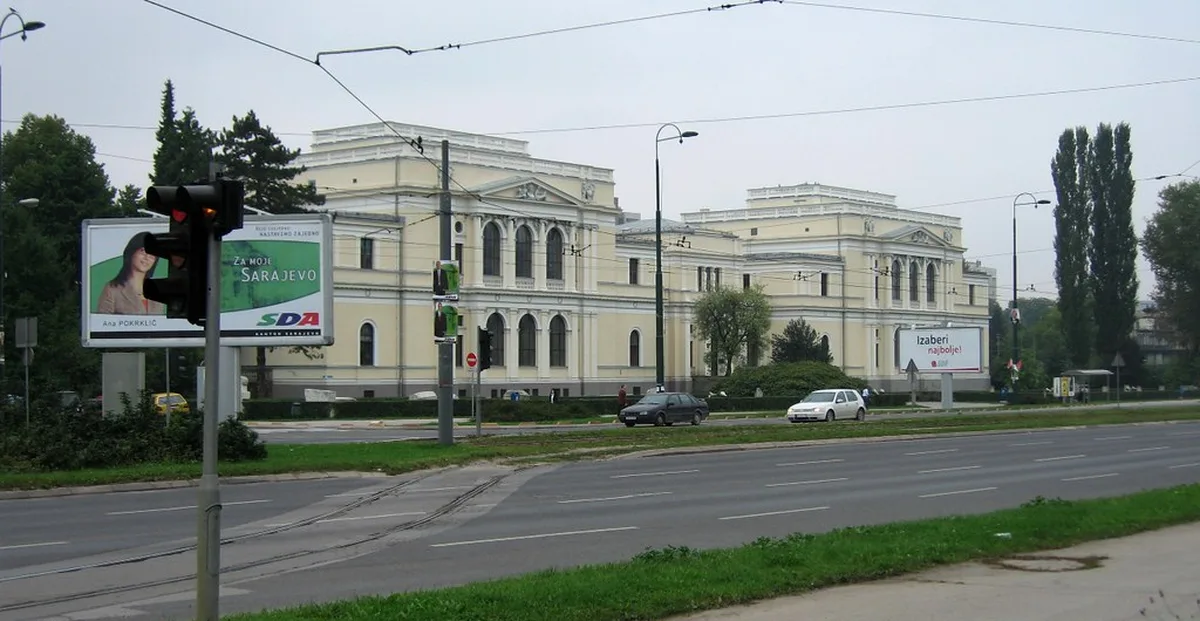
Standard precautions like keeping your phone secure and watching your bag in cafes are still recommended. Residential areas such as Mejtaš and Vratnik are generally quiet and safe for those staying in local guesthouses. Emergency services can be reached by dialing 122 for police and 124 for ambulance assistance throughout the country — save both numbers in your phone before you arrive. English is widely spoken by younger generations, making it easy to ask for help if you feel uncomfortable.
The overall risk level remains low, but travelers should stay informed about any local demonstrations or gatherings. Protests are usually peaceful and occur near government buildings rather than in the primary tourist zones. Most visitors report feeling a sense of ease while dining at outdoor restaurants that stay open late. Basic situational awareness ensures that you can focus on the stunning architecture and rich cultural heritage.
Safest Areas for Tourists in Sarajevo (2026)
Baščaršija (the old bazaar district) is the heart of tourist Sarajevo and considered very safe for visitors day and night. The area is well-policed and heavily frequented by locals and travelers alike — the main concern here is pickpocketing near the Sebilj fountain during peak hours, not violent crime. Ferhadija pedestrian street is equally safe, a car-free zone lined with cafes and shops where you can walk freely at any hour. Stari Grad (the old town district encompassing both) is consistently rated the safest neighborhood for tourists — wide open spaces, good lighting, and constant foot traffic deter opportunistic theft effectively.
Areas to exercise slightly more caution after midnight include the outer residential suburbs and the slopes above the city center, where street lighting can be sparse. These areas are not dangerous, but they are less patrolled and see fewer tourists, so standard nighttime awareness applies.
Common Scams and Petty Crime to Avoid
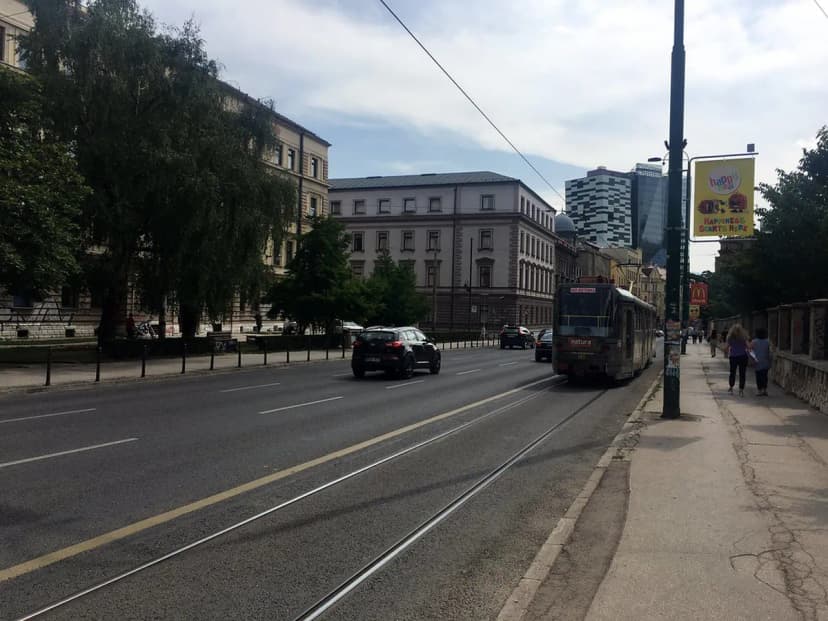
Pickpocketing is the most frequent issue travelers encounter, particularly on the city's crowded public tram lines. Tram number 3, which connects the train station to the city center, is a known hotspot for opportunistic thieves — hold your bag in front of you when boarding and keep your phone in a deep pocket during busy afternoon rush hours. The trams are safe to use, but this specific attention to pockets is warranted every time you board.
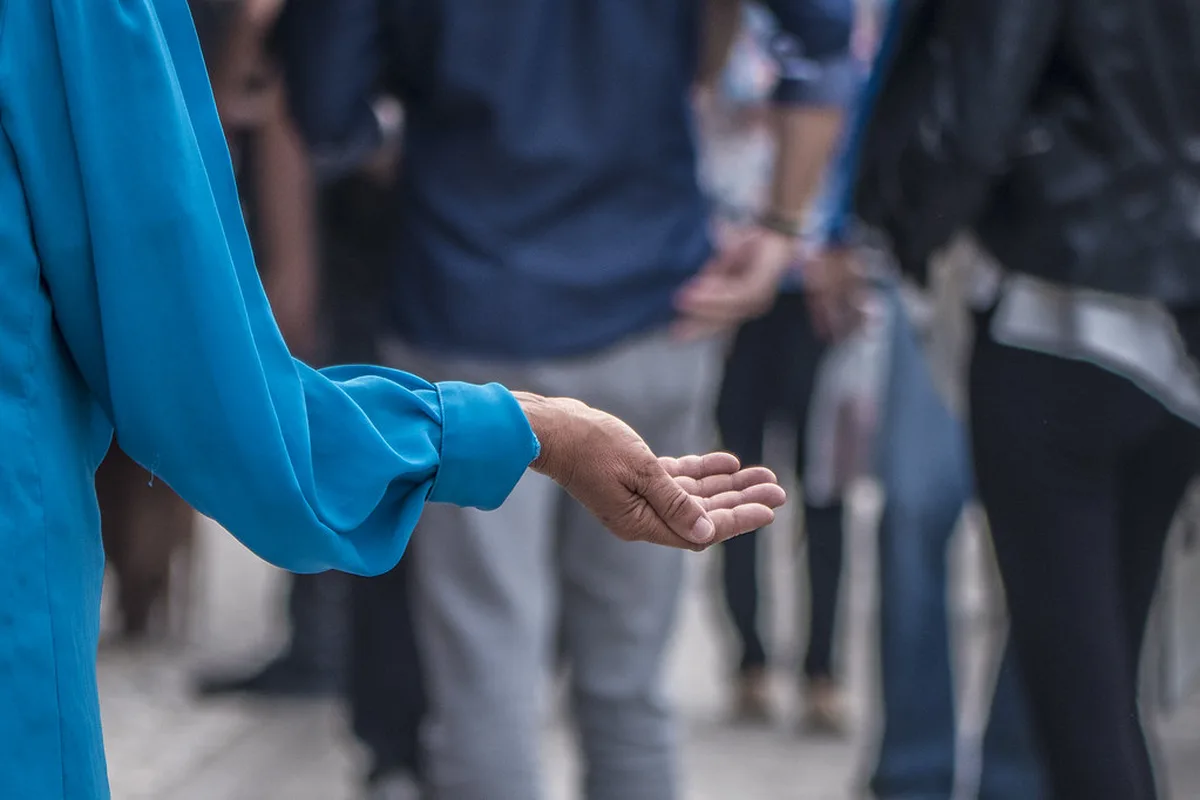
Small groups sometimes use distraction techniques in Baščaršija to target unsuspecting shoppers near the Sebilj fountain. Stay alert when someone engages you unexpectedly or bumps into you in a crowd — these are classic distraction-theft setups. Keep wallets in front pockets and use a crossbody bag with a zipper for valuables.
Taxi scams represent another minor annoyance where drivers may refuse to turn on the taximeter for foreigners. Always insist on using the meter or agree on a price before the vehicle starts moving. A standard ride within the city center should typically cost between 5–10 KM (€2.50–5.00). Legitimate taxis will always display a 'TAXI' sign on the roof and have official license plates.
Currency exchange scams are rare, but it is best to use established banks or official exchange offices. Avoid changing money with individuals on the street who offer rates that seem too good to be true. Most reputable shops and restaurants in the city center accept major credit cards for your convenience. Carrying a small amount of cash in the local currency is helpful for purchasing street food or souvenirs.
Vehicle break-ins are also a noted concern, consistent with government advisories from Canada and Australia for 2026. Never leave valuables — laptops, bags, cameras — visible inside a parked car anywhere in the city. Use the boot or leave nothing in the vehicle at all. This applies to rental cars in particular, which are commonly targeted near popular viewpoints.
Solo Female Travel and Nightlife Safety
Solo female travelers generally find Sarajevo to be a respectful and safe environment for independent exploration. Walking alone during the evening is common, as the streets remain active with families and students until late. Sticking to well-lit main thoroughfares like Ferhadija Street provides a high level of comfort and security. The vibrant Sarajevo nightlife scene is inclusive and lacks the aggressive atmosphere found elsewhere.
Socializing in local 'kafanas' or modern bars is a safe way to experience the local culture. Instances of drink spiking are not common, but you should always keep an eye on your beverage. If you plan to stay out late, using a reputable ride-hailing app or calling a radio taxi is advised. Local women are frequently seen out in groups or alone, reflecting the city's generally safe social climate.
Accommodation choices for solo travelers are plentiful, ranging from social hostels to boutique hotels in the center. Staying near the Eternal Flame ensures you are within walking distance of most major attractions and transport. Most hosts are very protective of their guests and will provide specific local safety advice upon arrival. Trusting your instincts remains the best tool for any woman traveling alone in the Balkan region.
Landmines and War Remnants: City vs. Countryside
Bosnia and Herzegovina still has residual landmines from the 1990s war — but this risk is entirely rural and does not affect tourist areas. Sarajevo city, Mostar, and all major tourist sites are completely safe. The landmine hazard is confined to remote forested hillsides, uninhabited rural areas, and certain mountain regions that were contested during the 1992–1995 siege. In 2026, approximately 1,000 km² of Bosnian territory remains under active demining operations, mostly far from any typical tourist route. The urban areas of the city have been thoroughly cleared of landmines and are completely safe for walking.
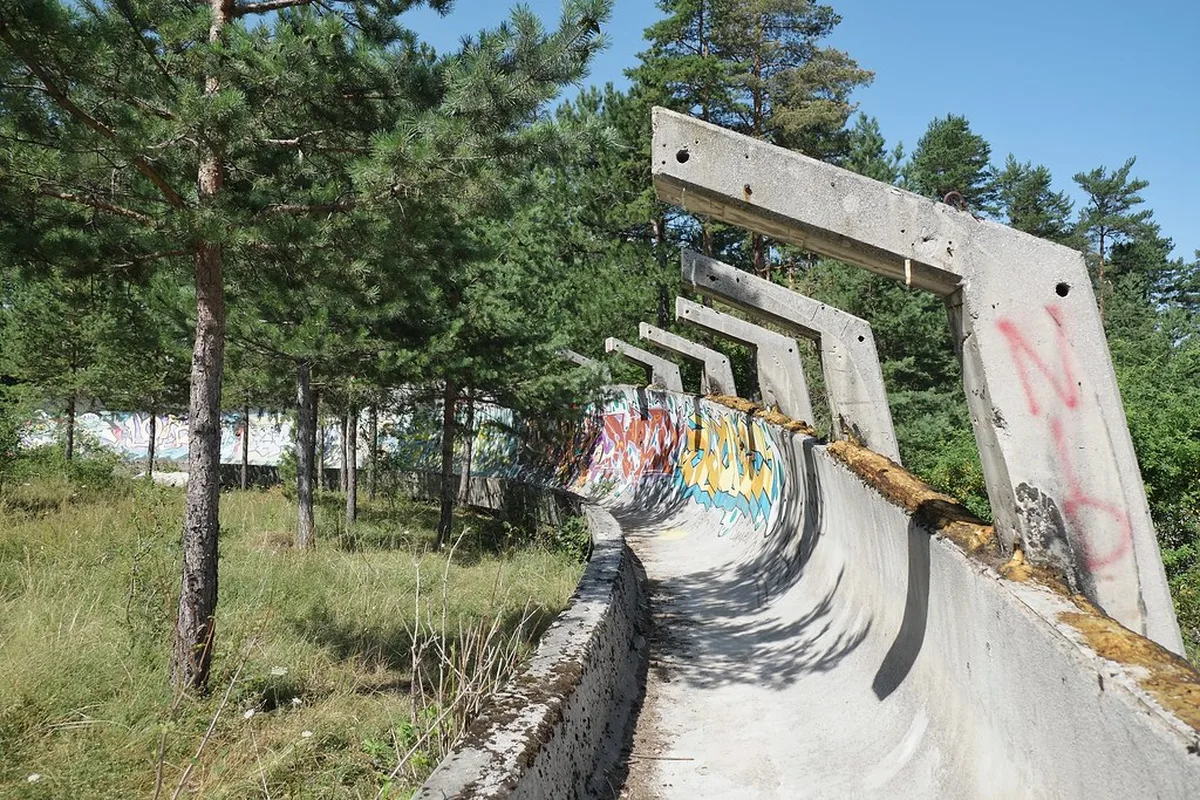
The Bosnia and Herzegovina Mine Action Centre (BHMAC) maintains updated maps of all suspected hazard areas and cleared zones. These maps are publicly available at bhmac.org and at tourist information centers in Sarajevo. If you plan to hike in rural or forested areas outside the city, consult BHMAC maps before setting out — never rely solely on a general hiking app. Park rangers at Mt. Trebević and Mt. Igman are familiar with the safe trail network and can advise you directly. Consulting with a local tourist information center before a solo hike provides the most current safety data available.
The rules in rural areas are simple and non-negotiable: stay on marked trails at all times. Do not cut through overgrown vegetation, do not enter war-era abandoned structures, and do not pick up any unfamiliar metal objects. Yellow warning tape and red skull-and-crossbones signs mark suspected hazard areas — if you see these, stop and retrace your steps on the same path you came in on. Abandoned buildings from the war era should never be entered, as they may contain unstable structures or unexploded ordnance alongside the risk of landmines. A standard guided tour of the surrounding mountains eliminates this risk entirely, as guides know the safe zones intimately. Sticking to popular routes used by locals is equally reliable for avoiding any potential danger.
For city-based sightseeing — Baščaršija, the old town, the cable car to Mt. Trebević's summit, Vrelo Bosne park, and all museums — there is zero landmine risk. These areas have been thoroughly cleared and inspected. The process of demining continues in 2026, with many previously restricted areas now being reopened for public use — so if you plan day trips from Sarajevo into the surrounding countryside, always verify current trail safety with BHMAC or local park rangers before departure. Respecting warning signs ensures that your mountain adventures remain a highlight of your Bosnian journey. The landmine concern is specifically relevant only to independent off-trail hikers in backcountry Bosnia, not to the average tourist in Sarajevo.
Transport and Traffic Safety Tips
Navigating the city requires an understanding of the local driving style, which can be somewhat assertive and fast. Pedestrians should use designated crosswalks but always wait for vehicles to come to a complete stop first. Narrow streets in the hills can be challenging for those who choose to rent a car during their visit.
Tram tickets cost 1.80 KM (€0.90) and must be validated immediately upon entering the vehicle to avoid fines. Inspectors frequently check tickets and can be quite strict with tourists who fail to follow the rules. Buses and trolleybuses offer a safe alternative for reaching neighborhoods outside the immediate historic center. Official taxi companies like Sarajevo Taxi or Crveni Taxi are the most reliable options for late-night transport.
Parking in the city center can be difficult and expensive at private lots near the shopping malls. Avoid leaving any valuable items visible inside a parked car — home and vehicle break-ins are among the most commonly reported crimes in Sarajevo according to the Australian government's 2026 travel advisory. The city is very walkable, and most major sites are within a twenty-minute radius of the Latin Bridge. Choosing to explore on foot allows you to discover hidden alleys and local cafes safely.
- Safe Transport Options
- Trams: Best for city center (watch belongings on Tram 3)
- Taxis: Use official metered cars (Sarajevo Taxi, Crveni Taxi)
- Walking: Ideal for Old Town, Baščaršija, Ferhadija
- Buses: Good for suburban trips
- Emergency Contact Numbers
- Police: Dial 122
- Fire: Dial 123
- Ambulance: Dial 124
- Roadside Assistance: Dial 1282
Frequently Asked Questions
Is Sarajevo safe for solo female travelers?
Yes, Sarajevo is very safe for solo female travelers due to its respectful culture and low violent crime rates. Walking alone at night in the city center is generally safe, particularly on Ferhadija Street and in Baščaršija, which remain busy with people until late. Stay in well-lit areas and use a registered taxi or ride-hailing app for late-night journeys.
Can you drink the tap water in Sarajevo?
The tap water in Sarajevo is generally safe to drink and of high quality throughout the city center. Many historic fountains, known as 'česme', provide free drinkable water to locals and tourists alike. Save money on bottles and drink freely from these fountains throughout the old town.
Are there still landmines in Bosnia?
Yes, landmines remain in rural and forested areas of Bosnia and Herzegovina — but Sarajevo city and all major tourist attractions are completely safe. The risk applies exclusively to off-trail hiking in remote countryside. In rural areas, always hike on marked trails, consult BHMAC (Bosnia and Herzegovina Mine Action Centre) maps before venturing off the beaten path, and never enter abandoned rural buildings. City sightseeing in Sarajevo carries zero landmine risk.
Is it safe to walk in Sarajevo at night?
Walking in Sarajevo at night is safe, especially in popular areas like Baščaršija and the Ferhadija pedestrian zone. These districts remain busy with people until late in the evening. As with any city, avoid poorly lit alleys and use official taxis if you are traveling long distances after dark.
Is Baščaršija safe at night?
Yes, Baščaršija is safe at night and is one of the most tourist-friendly areas in Sarajevo at any hour. The district is well-lit, continuously populated with locals and visitors, and patrolled regularly. Normal precautions apply — keep your bag zipped and your phone out of plain sight — but the area has a very low violent crime rate. It is an excellent place to dine, shop for souvenirs, and enjoy the evening atmosphere well into the night.
What are the emergency numbers in Sarajevo?
In Sarajevo and throughout Bosnia and Herzegovina, dial 122 for police, 124 for ambulance, and 123 for the fire brigade. Roadside assistance is available on 1282. Save these numbers in your phone before you arrive. English-speaking operators are available on the police line, and hospital emergency staff in Sarajevo generally speak enough English to assist tourists effectively.
Sarajevo remains one of the safest and most rewarding capitals to visit in the Balkan region in 2026. The combination of low violent crime and high hospitality creates a secure environment for all types of travelers. Stick to the well-trodden tourist neighborhoods, guard against pickpockets on the trams, avoid leaving valuables in your car, and save emergency numbers 122 (police) and 124 (ambulance) to your phone. For any rural hiking, consult BHMAC landmine maps and stay on marked trails. By following these straightforward precautions, you can enjoy a worry-free Bosnian adventure and experience the city's unique charm with complete confidence.