The Ultimate Rovinj Beach Guide: Croatia's Best Coastline
Lone Beach in Rovinj is free to enter — a rocky pebble bay 10 minutes on foot from the old town — while Mulini Beach nearby is also free access with optional sunbed hire at €12–15 per pair; Croatia has used the euro since January 2023.
Crveni Otok (Red Island) is Rovinj's top boat day trip: the return ferry costs €7 from Rovinj harbour, takes 15 minutes, and the island's pebble beaches are far less crowded than the mainland; Golden Cape forest park (Zlatni Rt) is free to enter year-round.
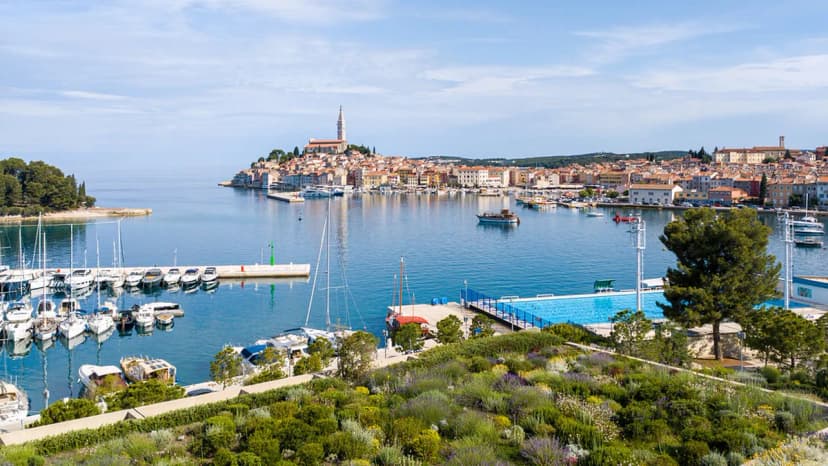
Rovinj offers a stunning coastline that blends historical charm with crystal-clear Adriatic waters. Visitors flock to this Istrian gem for its unique mix of rocky outcrops and pine-shaded pebble bays. This Rovinj beach guide helps you navigate the diverse swimming spots around the peninsula, from the easiest family-friendly coves directly below the old town all the way to secluded island beaches reached by boat.
Coastal paths lead travelers from the colorful old town to tranquil forest parks within minutes. Crystal waters remain the primary draw for families and solo adventurers seeking a Mediterranean escape. Planning your daily route ensures you find the perfect balance between comfort and seclusion, whether you want free wild swimming or a beach club with cocktail service.
Cuvi Beach: The Closest Swimming Spot to the Old Town
Cuvi Beach is the most conveniently located swimming area in Rovinj, sitting just a 5-minute walk south of the old town harbour along the seaside promenade. This compact pebble and rock cove is extremely popular with visitors staying in the historic centre because it requires no transport and no planning — you simply walk down the steps and you are in the Adriatic. The water is shallow enough near the shore for confident paddling but deepens quickly toward the open sea, making it suitable for children and adults alike.
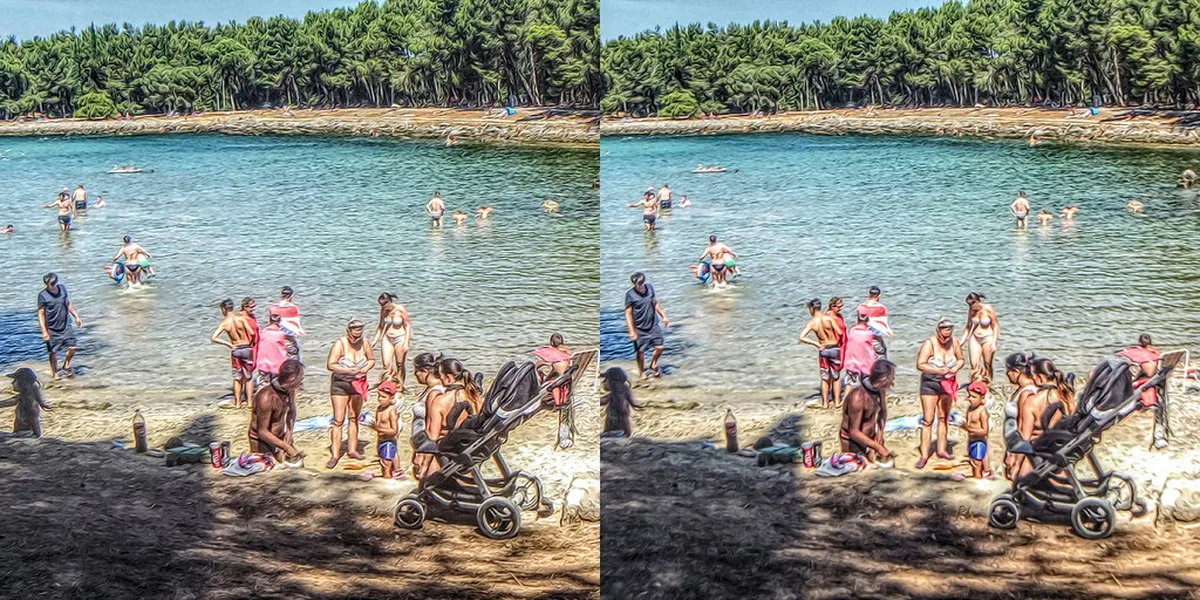
The beach faces south-west, meaning it catches afternoon sun until early evening, which makes it ideal for a late-afternoon swim after a morning exploring the old town. A small beach bar operates here during the summer season (June to September), serving cold drinks, ice cream, and light snacks at prices slightly above supermarket rates but very much in line with other beach bars in Istria — expect to pay around €3–4 for a local beer and €2–3 for a soft drink.
There are no sun lounger rentals at Cuvi — it is a public beach, completely free to use. Bring your own towel or padded mat, as the stones can be uncomfortable. Water shoes are strongly recommended because the entry involves stepping over rounded pebbles and exposed limestone slabs. The beach is accessible from the promenade without any steep descent, which makes it a good option for older visitors or those with young children who find cliff-side access challenging. At peak season (July and August) the beach fills up by 10:00 AM, so arrive earlier if you want a comfortable spot near the water.
Cuvi's pebble and rock surface is typical of the Istrian coast — there is no sand here, but the flat limestone ledges on the southern side make excellent sunbathing platforms once you spread a mat or beach towel. The water directly off those ledges drops to 2–3 metres quickly, making it a popular spot for confident swimmers who want to dive straight into deep, clear water. Visibility is typically 6–8 metres. Sea urchins are present in the rocky crevices below the surface, so water shoes with a solid rubber sole are non-negotiable. You can buy basic rubber shoes at the market stalls on the promenade for around €10–12. Cuvi's position right next to the old town also means you can nip back to the harbour cafes for lunch without a long walk, which makes it especially practical for families with young children. For more background on the historic waterfront area, the Rovinj old town guide covers the harbour, St. Euphemia's church, and the best breakfast spots nearby.
- Type: Pebble and flat rock
- Distance from old town: 5-minute walk south along the promenade
- Entry cost: Free
- Sun loungers: None — bring your own mat
- Best time: Afternoon (faces south-west)
- Facilities: Seasonal beach bar, public promenade toilets nearby
Top Pebble Beaches Near the Old Town: Lone Bay and Mulini
Lone Bay stands as one of the most popular swimming destinations within easy walking distance of the city centre, around 10 minutes south of the harbour along the coastal promenade. The bay is sheltered and faces west, creating calm, glassy water for most of the day. Smooth pebbles descend gradually into the sea, and the depth increases gently, which is why families with young children consistently rate it as one of the safest entry points in Rovinj. Natural shade from ancient Aleppo pines lines the upper section of the beach, providing a cool retreat during the scorching midday hours without the need to rent an umbrella. The pebble surface is smooth enough to walk barefoot if you take care, though water shoes remain advisable for the rocky seabed just below the waterline.
The bay forms part of the Zlatni Rt protected zone, which means no motorised boats are permitted to approach the swimming area. This keeps the water calm and clean even on windy afternoons. Paddleboard and kayak hire is available from operators at the northern end of the bay in summer 2026, with rates starting at approximately €10 per hour for a single kayak and €15 per hour for a double. Stand-up paddleboards rent for around €12–15 per hour. These are excellent for exploring the small caves and inlets along the adjacent rocky coastline. Snorkelling around the submerged boulders at the edges of the bay rewards visitors with sightings of bream, wrasse, and occasionally octopus hiding in the shallower rock pools.
Mulini Beach offers a more high-end experience right next to the luxury hotel district, about 500 metres further along from Lone Bay — roughly a 5-minute walk. Although it sits adjacent to the Hotel Lone and Hotel Monte Mulini, Mulini Beach is a free public beach open to all visitors; you do not need to be a hotel guest to use it or to sit on the public pebble sections. Sun lounger rentals cost €12–15 per pair for a paired set with an umbrella, charged per day. A full cocktail and food service operates from the beach club during the summer. The paved concrete entry area makes getting into the water comfortable even without water shoes, though the rocky seabed just below the surface still warrants caution. The beach bar at Mulini serves coffee, fresh juices, cocktails, and grilled snacks, with cocktails running €8–12 and a pressed juice around €4–6 in 2026.
Arriving before 10:00 AM on summer weekends is advisable at both spots to secure a good position on the pebbles. Local vendors near the promenade sell basic water shoes for €10–15. The coastal footpath between Lone Bay and Mulini is flat and paved, making it suitable for buggies. For a broader look at activities in this part of the coast, the day trips from Rovinj guide pairs well with a morning at Lone Bay followed by an afternoon excursion to the islands.
- Lone Bay
- Type: Smooth pebble
- Best for: Families, snorkellers
- Access: 10-minute walk from old town (free)
- Cost: Free entry; kayaks €10–15/hr
- Mulini Beach
- Type: Paved entry + pebble
- Best for: Comfort-seekers, beach club fans
- Access: 5-minute walk from Lone Bay (free entry)
- Cost: Free access; sun loungers €12–15/pair per day
Exploring Punta Corrente: The Golden Cape Forest Park
Zlatni Rt, known in Italian as Punta Corrente and in English as Golden Cape, is Rovinj's showpiece nature reserve — a 53-hectare protected forest park that stretches south of the hotel district and contains some of the finest wild swimming on the entire Istrian peninsula. Entry to the park is completely free for all visitors throughout the year, and there are no gates or ticket barriers. The park was planted with exotic tree species in the late 19th century by the Austro-Hungarian Count Hütterott, whose private estate it once was. Today those same towering cedars, holm oaks, and Aleppo pines provide dense shade over dozens of kilometres of gravel paths and rocky shoreline.
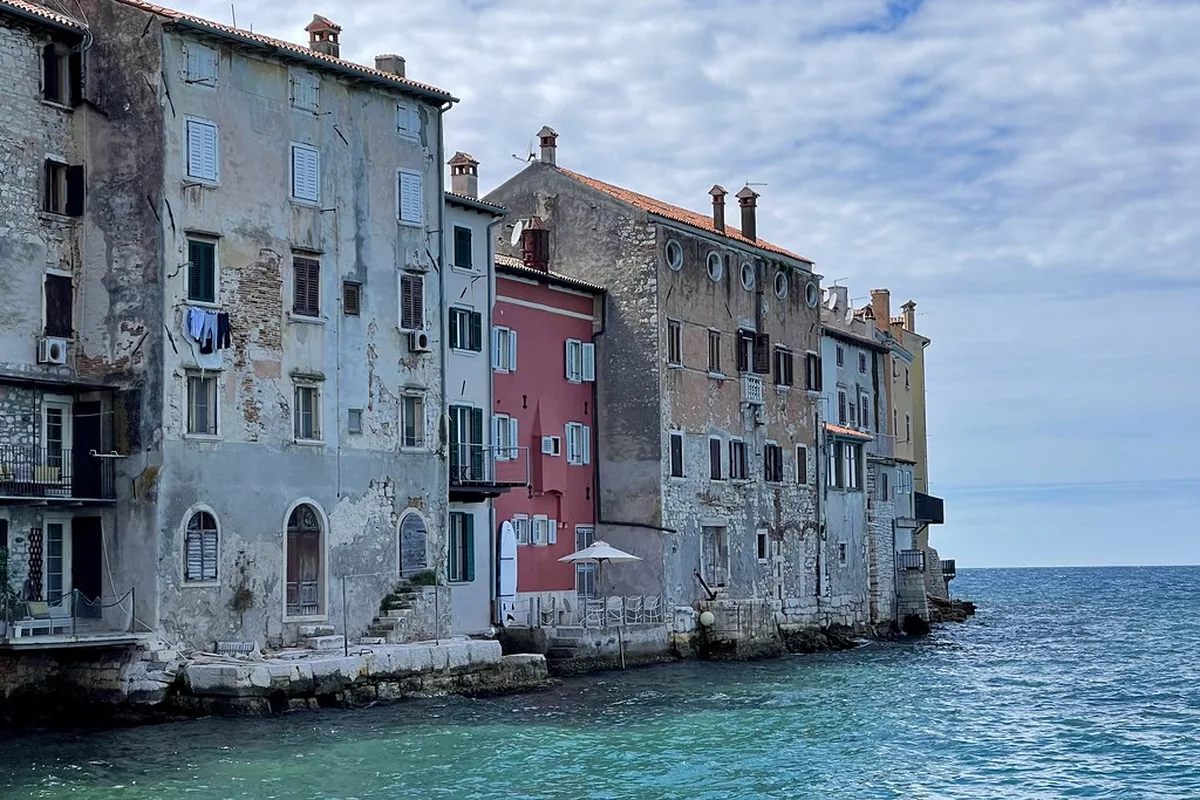
Within the park there are at least eight distinct swimming areas, ranging from large flat limestone terraces where you can spread a towel in the sun, to narrow pebble coves tucked between boulders where you feel entirely alone. The western-facing rocks are particularly popular at sunset, when the light turns the white limestone gold and the sea shimmers orange. Most of the shoreline here is rocky, with some pebble sections near the middle of the park's coastline that are better suited to families with small children. The water is exceptionally clear — visibility of 10 metres or more is common — which makes the park one of the best free snorkelling destinations in Rovinj. The distance from the old town to the park entrance is roughly 20–25 minutes on foot, making it easily walkable for most visitors.
Cycling through the forest is the fastest and most enjoyable way to discover the quietest swimming ledges. Bike rentals are widely available near the park entrance on Monsena Street for roughly €15 per day for a standard bicycle or €25–30 per day for an e-bike. Kayak hire is also offered near the park's northern boundary, with rates of €10–15 per hour for a single kayak, making it easy to paddle along the entire park coastline and find your own private rocky ledge. The rocky surface throughout the park means water shoes are essential — the limestone can be sharp and slippery, especially after rain.
Car parking near the forest entrance along Zlatni Rt Road costs approximately €1–2 per hour in summer 2026, with a maximum daily cap of around €10. The car park fills up by 11:00 AM on summer weekends, so cycling or walking from town is strongly advisable. The park remains free and accessible all year, and it is one of the few beaches in Rovinj where autumn and spring visits are genuinely rewarding — the crowds thin dramatically, the pines smell strongest after rain, and the sea stays warm enough for swimming well into October.
Crveni Otok (Red Island): Rovinj's Best Beach Day Trip
Crveni Otok — Croatian for Red Island, also known as St. Andrew's Island — is the single best beach day trip from Rovinj and one of the highlights of the entire Istrian coastline. The island sits approximately 1.5 kilometres off the Rovinj peninsula and is reached by a regular boat taxi departing from the Delfin pier in the main harbour. In summer 2026 the return ferry ticket costs €7 per adult, making it one of the most affordable island excursions in Croatia. The crossing takes around 15 minutes each way, with boats running every 30 to 60 minutes from early morning until late evening throughout June, July, August, and September.
The island's beaches are pebble-surfaced, sheltered by fragrant pine forests, and significantly less crowded than the mainland beaches even in peak August. The western shore has a long gentle pebble bay that is ideal for families with children — the water deepens gradually from the shore, the pebbles are smooth enough to walk on with confidence, and the island's trees provide natural shade across the upper beach throughout the afternoon. The eastern side of the island has rockier coves suited to snorkellers and swimmers who prefer deeper, calmer water. Visibility in these sheltered coves regularly exceeds 10 metres, and the rocky seabed shelters a good population of fish, sea urchins, and the occasional moray eel hiding in deeper crevices.
A hotel, bar, and restaurant operate on the island and are accessible to day-trippers as well as guests. You can have lunch on the island for approximately €15–25 per person for a main course and drink at the restaurant, or bring a packed picnic from Rovinj's supermarkets (Konzum and Lidl are both within walking distance of the harbour). Toilets and changing facilities are available near the hotel. Snorkelling equipment can be rented from the small kiosk near the main pier for around €5–8 per set per day. There are no motorised water sports on the island, which keeps the swimming areas peaceful and the water clean.
The last boat back to Rovinj departs around 23:00 in high season, which means you can stay for a spectacular sunset dinner on the island. The late afternoon light over the red-tinged rocks that give the island its name is genuinely beautiful, and it is worth timing your visit to be on the western shore as the sun drops toward the horizon around 20:30 in July. Children's tickets for the boat are around €4–5 return. Book your return crossing at the island pier before 17:00 if you plan to stay for dinner, as the later departures can sell out on busy August weekends. Combining Red Island with a morning at Lone Bay makes for one of the most complete beach days available anywhere on the Istrian coast.
- Surface type: Pebble (west shore) and flat rock (east shore)
- Distance: 1.5 km from Rovinj harbour; 15-minute crossing
- Ferry cost: €7 return per adult, ~€4–5 per child
- Facilities: Bar, restaurant, toilets, snorkel hire (€5–8/day)
- Best for: Families, snorkellers, sunset seekers, day escape from mainland crowds
Secluded Island Getaways: Boat Trips from Rovinj Harbour
Beyond Crveni Otok, the archipelago of 14 islands and islets scattered around the Rovinj peninsula offers beaches and coves that are impossible to reach on foot, and taking a boat trip is one of the most rewarding ways to spend a day on the Istrian coast. In 2026 the standard options are: public boat taxis to St. Andrew's Island (Red Island) and St. Catherine's Island, and private or shared tour boats to the outer islands further south.
St. Catherine's Island sits directly across from the old town and offers spectacular skyline views back toward the church of St. Euphemia. The crossing from the old town pier takes just 5 minutes and runs frequently throughout the day and into the evening. The return fare is approximately €3–5 per adult. Rocky shores here are famous for cliff jumping into the deep blue Adriatic, and the lush gardens and historic hotel buildings provide a scenic backdrop for a relaxing afternoon of sunbathing on the flat rocks. The rocky surface here is not suitable for young children without water shoes, but the proximity to the old town means it is easy to make a short exploratory visit rather than committing a full day.
For the outer islands and more secluded coves, shared boat excursions depart the harbour daily in summer 2026, priced at €15–25 per adult for a half-day or full-day trip. These tours typically stop at two or three island swimming spots, often including Maškin Island and Sturag Island. The boats provide snorkelling equipment and sometimes a light lunch. Booking in advance at the harbour kiosks or through your hotel is advisable in July and August. Last public boat departures from St. Catherine's are usually around 23:00 in high season, giving you time for a sunset swim and dinner on the island.
Combining an island day trip with a base at one of the mainland beaches gives you the most complete Rovinj coastline experience. Start with Lone Bay in the morning — free, calm, and close to town — then take the afternoon ferry to Crveni Otok or St. Catherine's and return for dinner in the old town. For a full breakdown of how to structure multi-stop days, the day trips from Rovinj guide covers logistics for island-hopping and Istrian inland excursions.
- St. Andrew's (Red Island): boat taxi €7 return, 15 min crossing, pebble beaches, bar and restaurant
- St. Catherine's Island: boat taxi ~€3–5 return, 5 min crossing, rocky shores, dramatic old town views
- Outer island tours: €15–25 per adult, half or full day, includes snorkelling gear
Cisterna Beach and Hidden Rocky Coves
Beyond the well-known beaches, Rovinj has a series of quieter coves and spots that locals tend to favour — areas that most visitors walk past without realising they are there. Cisterna Beach is one of the best of these. Situated north of the old town peninsula, it is one of the few places around Rovinj with a genuinely sandy seabed accessible from the shore, which makes it particularly popular with families. The beach is not large, but the shallow sandy entry is rare in this part of Istria and children can wade comfortably without fear of sharp rocks underfoot. It is about a 10-minute walk from the town centre heading north past the marina. Entry is free, there are no sun lounger facilities, and the beach is significantly quieter than Lone Bay or Mulini on peak summer days.
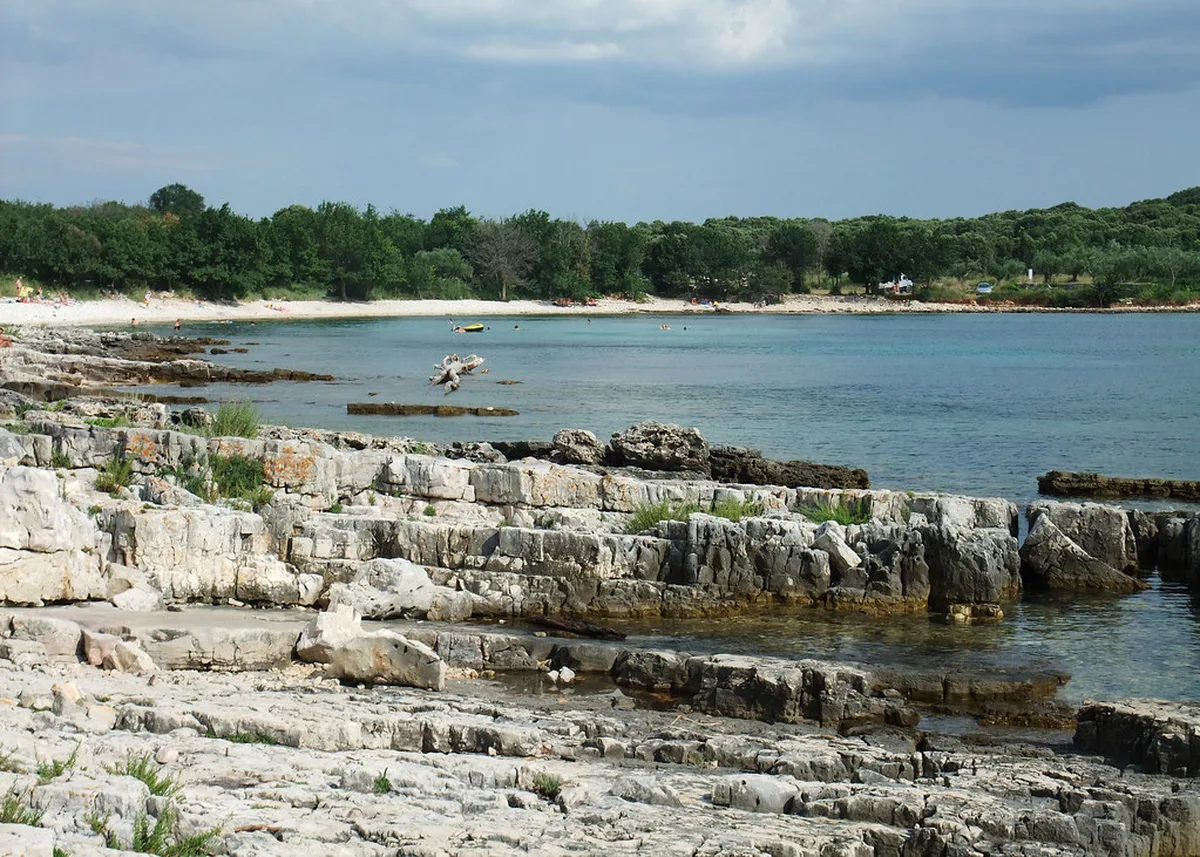
Skaraba Beach (also spelled Škaraba) caters to those seeking a more rugged and natural Istrian environment, south of the town beyond Mulini. Large flat rocks provide ideal platforms for sunbathing without the discomfort of small pebbles. Reaching this spot requires a 20-minute walk through the forest from the main parking areas — the walk itself is pleasant, along a well-marked coastal trail between the pine trees. The rocky surface here is typical limestone — broad, flat ledges that warm up in the sun and provide excellent perches for reading, sunbathing, and diving into deeper water from the edges. There are no facilities here at all, so bring water, snacks, and everything you need for the day.
Balsamake Beach remains a favourite for locals who enjoy diving from higher limestone ledges. Secluded corners of this rocky coast offer privacy even during the busiest weeks of August. Sturdy footwear is essential for navigating the uneven terrain leading down to the water, and the approach involves some scrambling over rocks. The reward is a stretch of deep, clear blue water that is rarely overcrowded even at the height of summer. Like all wild beaches in Rovinj, Balsamake is completely free to use — there are no charges, no facilities, and no vendors. Bring your own supplies and carry all rubbish back with you, as the wild spots have no bins.
Afternoon breezes often cool these southern coves, making them comfortable during heatwaves when the more exposed town beaches can feel oppressively hot. Wild landscapes here provide excellent opportunities for coastal photography during the golden hour before sunset. For a broader day in this part of Rovinj, combine a visit to Balsamake with a walk through Punta Corrente.
The Rocky Reality: Essential Beach Gear and 2026 Prices
Istrian beaches are notoriously rocky, which requires specific preparation for a comfortable day. Water shoes are absolutely non-negotiable for protecting your feet from sharp limestone, rounded pebbles, and sea urchins. Local shops and market stalls near the harbour sell basic rubber shoes for approximately €10–15. For better grip on slippery underwater surfaces, look for shoes with a proper sole rather than thin wetsuit booties — these typically cost €15–25 at sports shops on the main shopping street.
Sea urchins thrive in the clean, salty waters around Rovinj and often hide in rocky crevices just below the surface. Stepping on one can ruin a vacation: spines break off under the skin and require professional removal. Always look before placing your feet down on the seabed. If you do step on a sea urchin, soak the area in warm water and seek medical advice at the local pharmacy or clinic on Carducci Street. Padded beach mats offer much more comfort than a simple towel on hard limestone and are sold throughout town for €15–30.
High UV levels in Croatia demand frequent application of water-resistant sunscreen throughout the day — factor 30 or above is recommended, with factor 50 advisable for children. Sunscreen prices in Rovinj supermarkets (Konzum on Carducci Street, Lidl on the ring road) are in line with northern European prices at €8–15 per bottle, so there is no particular saving in bringing a large supply from home. Reflective rocks can increase the intensity of the sun even in partly shaded areas, so reapply after every swim.
Portable beach umbrellas are difficult to secure in rocky ground without heavy anchors. Natural shade from the pine trees in Lone Bay and Punta Corrente is often the most reliable way to stay cool, and it is completely free. Carry at least two litres of water per person for a full beach afternoon — beach bar water costs €2–3 per 500ml bottle, so filling a reusable bottle at your accommodation before you leave is a significant saving across a week's holiday. Snorkelling masks and basic sets are available to rent from equipment kiosks near the harbour for around €5–8 per day.
Planning Your Rovinj Beach Trip in 2026
Peak travel season in 2026 will see the highest crowds between mid-July and late August. Visiting in June or September is strongly recommended: the water temperature remains warm (22–25°C in September), the beaches are significantly less crowded, and accommodation prices drop by 30–50% compared to the August peak. Most beach facilities — boat taxis, kayak hire, beach bars — operate on full schedules during these shoulder months, so there is no meaningful reduction in what you can do.
Public transport options within Rovinj are limited to infrequent local buses. Walking or cycling remains the best way to reach most beaches. The main coastal path from the old town to Punta Corrente is flat, well-surfaced, and suitable for all fitness levels. For beaches further south or the outer islands, renting a bicycle (€15/day) or scooter (€40–60/day) from one of the rental outlets on the Lim Street gives you flexibility without the parking problem.
Parking fees near the central zone and along Zlatni Rt Road cost €1–2 per hour in 2026, with all-day maximums of €8–12 depending on the zone. The central car park on the edge of the old town (Valdibora car park) costs €2 per hour. Parking fills completely by 10:30 AM on summer weekends, so visitors arriving by car should target the Monsena road car park further south and walk or cycle from there. Booking sun loungers at Mulini Beach in advance through the hotel's beach club website is recommended for weekends in July and August.
Weather patterns in Istria stay stable throughout the summer with sunshine from late May through September and minimal rain. Watch local forecasts for the "Bura" — a cold north-easterly wind that can arrive suddenly and make the sea choppy for small boats and island crossings. The Bura rarely lasts more than 24–48 hours and is more common in spring and autumn. Evening temperatures stay pleasant well into September, making coastal walks long after sunset a genuine pleasure. Respecting the local environment helps preserve the crystal clarity of the Adriatic — always follow posted signs regarding protected nature zones and do not remove shells, rocks, or sea creatures from the water. For planning your wider Istrian visit, see the full Croatia travel guide for transport, accommodation, and seasonal tips across the region.
Frequently Asked Questions
Are there any sandy beaches in Rovinj?
Most beaches in Rovinj are pebble or rock, but Cisterna Beach north of the old town has a sandy seabed, and Cuvi Beach has a sandy bottom in its shallows. Both are free to enter and within a 10-minute walk of the town centre. Sandy beaches are rare on the Istrian coast, so water shoes are still recommended even at Cisterna to navigate the rocky entry path.
How much does the boat to Crveni Otok (Red Island) cost from Rovinj?
The return ferry ticket to Crveni Otok (Red Island / St. Andrew's Island) costs €7 per adult in 2026. Children pay approximately €4–5 return. Boats depart from the Delfin pier in Rovinj harbour every 30 to 60 minutes during summer, and the crossing takes around 15 minutes each way. Tickets are bought directly at the pier — no advance booking is required except on busy August weekends for the last evening departure.
How do I get to the islands from Rovinj harbour?
Boat taxis to St. Andrew's Island (Red Island) depart from the Delfin pier in Rovinj harbour every 30–60 minutes in summer. The return fare is approximately €7 for adults and the crossing takes 15 minutes. St. Catherine's Island is even closer — a 5-minute crossing costing around €3–5 return. Tickets are bought directly at the pier. For outer island tours covering Maškin and Sturag islands, book with the operators at the harbour kiosks for €15–25 per adult.
Do I need to pay for beach access in Rovinj?
All public beaches in Rovinj are free to enter, including Lone Beach, Mulini Beach, and those inside Zlatni Rt (Punta Corrente) Forest Park. You only pay if you choose to rent sun loungers or umbrellas — typically €12–15 per pair at Mulini Beach. Natural spots like Lone Bay, the Golden Cape forest park, and the wild coves beyond Mulini are completely free with no facilities to rent. The only exception is the boat fare to reach the islands (€7 return to Red Island).
Does Croatia use the euro for beach services?
Yes. Croatia joined the Eurozone on 1 January 2023 and the euro (€) is the only legal currency. All beach bars, sun lounger rentals, kayak hire, and boat taxis in Rovinj are priced in euros. Card payments are widely accepted, but carry some cash for smaller beach operators and market vendors selling water shoes and beach mats.
What is the closest beach to Rovinj old town?
Cuvi Beach is the closest swimming spot, just a 5-minute walk south of the old town harbour along the seaside promenade. It is a free public pebble and rock beach with no sun loungers to rent. Lone Beach is the next closest at about 10 minutes on foot, with kayak hire available at €10–15 per hour. Mulini Beach is a further 5-minute walk from Lone Bay and offers sunbed hire at €12–15 per pair.
Can I hire a kayak or paddleboard at Rovinj beaches?
Yes. Kayak hire is available at Lone Bay and near the entrance to Punta Corrente Forest Park, costing €10–15 per hour for a single kayak and €15 per hour for a double. Stand-up paddleboards are also available at around €12–15 per hour in summer 2026. These let you explore the rocky inlets and small caves along the coast that are inaccessible on foot, and paddling around to Crveni Otok is possible for experienced kayakers on calm days.
Is Zlatni Rt (Golden Cape) forest park free to enter?
Yes, Zlatni Rt (Punta Corrente / Golden Cape) forest park is completely free to enter year-round, with no gates, ticket barriers, or time restrictions. The park contains multiple free wild swimming spots on rocky and pebble shoreline, shaded by century-old pines and cedars. It is roughly a 20–25-minute walk from Rovinj's old town along the coastal path, or a 5–10-minute cycle with a rented bike (€15/day from Monsena Street).
Rovinj remains one of the most beautiful coastal destinations in Croatia for a reason. Whether you want the effortless convenience of Cuvi Beach five minutes from the harbour, the pine-shaded family coves of Lone Bay (free, 10 minutes on foot), the optional comfort of Mulini Beach sunbeds (€12–15 per pair), the free wild swimming in Punta Corrente forest park, or a boat trip out to Crveni Otok Red Island (€7 return), this coastline has a spot for every style of traveller.
Remember to pack water shoes — they are essential here, not optional. Arrive early at the popular spots in July and August, bring your own water to save money, and do not overlook the quieter northern coves and the outer islands, which often have clearer water and more space. For more on what to do beyond the beaches, the Rovinj old town guide and the full list of day trips from Rovinj will help you plan the rest of your Istrian holiday.