8 Incredible Day Trips From Zadar You Must Experience in 2026
From Zadar, Plitvice Lakes is a 2-hour bus ride costing €15 return, with park entry €40–55 in peak season; Krka National Park is 1.5 hours by bus (€10 return, entry €40), making both Croatia's top national-park day trips in 2026.
Šibenik is just 1 hour from Zadar by bus (€8 return) and pairs perfectly with a Krka visit, while Nin village — Croatia's oldest royal town — is a 20-minute bus ride costing just €3 return, the cheapest and most overlooked day trip from Zadar.
Zadar serves as a perfect base for exploring the stunning Dalmatian coast and nearby national parks. You will find ancient ruins and modern art within the Zadar old town guide before heading out. Many travelers also use Zadar as a jumping-off point to visit Split — check the Split 3-day itinerary if you plan to extend your trip south. Many travelers choose this city because it connects easily to several world-class nature sites.
Planning your excursions carefully ensures you see the most beautiful landscapes without feeling rushed. Most destinations are within a two-hour drive or a scenic boat ride from the harbor. These day trips from Zadar offer a mix of turquoise waters, rugged mountains, and historic villages. Croatia joined the Eurozone in January 2023, so all prices here are given in EUR — no currency exchange needed.
Plitvice Lakes National Park Day Trip
Plitvice Lakes is the most famous nature destination in Croatia and sits about 90 minutes from Zadar. This UNESCO World Heritage site features sixteen terraced lakes connected by a series of powerful waterfalls. Visitors usually spend four to six hours walking the wooden boardwalks and dirt trails that wind between the upper and lower lakes.
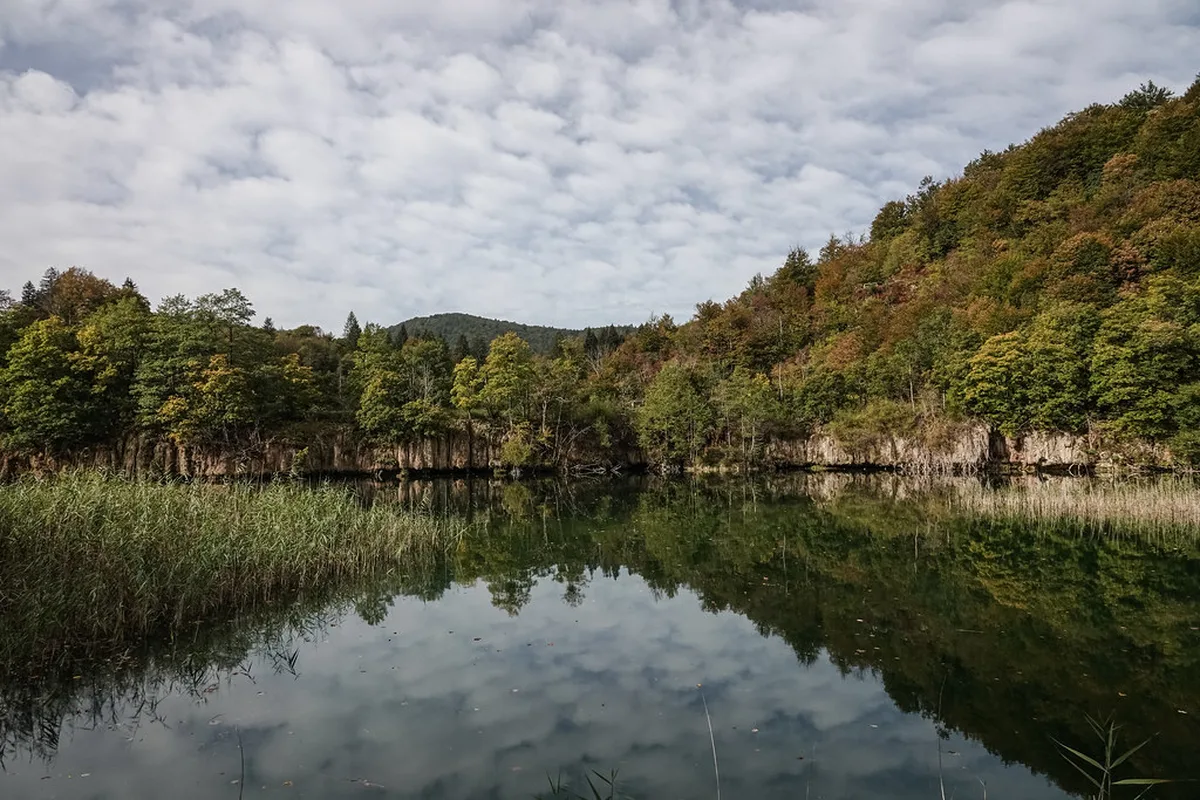
In 2026 the entry fee is tiered by season and route. Off-peak tickets (January–March and November–December) start at €18 for adults. High season (June–September) adult tickets reach €35–40 per person for the full-day Route H. Children aged 7–14 pay half price year-round, and under-7s are free. Purchasing tickets on the official Plitvice website at least 48 hours in advance is essential — walk-up tickets are often sold out in July and August by 8:00 AM.
The most affordable way to reach the park from Zadar without a car is by scheduled bus. Autotrans and Samoborček both run direct services from Zadar Bus Station on Kneza Trpimira Street; the journey takes 90–100 minutes and a return ticket costs approximately €15–18. If you drive, the Plitvice car parks charge €1–2 per hour and fill quickly in summer. Organised day tours from Zadar cost €45–65 per person and include transport, a guide, and sometimes lunch — a good option if you want a stress-free experience.
Wear sturdy, non-slip walking shoes because the wooden boardwalks become slippery when wet from spray. Pack a refillable water bottle to stay hydrated during the long circuit — there are only a handful of snack kiosks inside the park, and prices are steep. The free shuttle bus and electric boat service within the park help visitors transfer between the Upper and Lower Lakes without backtracking along the same trail.
The Lower Lakes are the most photogenic section, anchored by the grand Veliki Slap waterfall — Croatia's tallest at 78 metres. The Upper Lakes feel wilder and less crowded and reward visitors who arrive early. Spending at least five hours gives you enough time to cover both sections comfortably.
- Plitvice Lakes Logistics
- Distance from Zadar: ~120 km (90 min drive)
- Bus from Zadar: €15–18 return (Autotrans/Samoborček, Zadar Bus Station)
- Entry 2026: €18–40 adult (season-dependent) | €9–20 child (7–14)
- Best months: April–May and September–October (fewer crowds, lower price)
- Must-do: Book tickets online at np-plitvicka-jezera.hr at least 48 h ahead
Krka National Park and Šibenik
Krka National Park offers a shorter travel time of about one hour from the Zadar city center, making it the easiest national-park day trip in the region. Skradinski Buk is the park's centrepiece: a spectacular series of seventeen travertine cascades dropping 45 metres into an emerald pool. While swimming inside the national park was permanently banned in 2021 to protect the fragile travertine ecosystem, the boardwalk views and the ethno-village at the base of the falls more than compensate.
The 2026 adult entry fee at the main Skradin gate is €30, which covers park access and the short boat ride from Skradin village up the river to the falls. Tickets purchased on the spot often carry a small premium; buying online at np-krka.hr saves around €3–5. The park opens at 8:00 AM during summer and closes at 20:00 — arriving early means you get the waterfalls almost to yourself before tour buses start arriving around 10:30 AM.
A public bus from Zadar Bus Station to Šibenik departs several times a day; the fare is €5–8 one way and the ride takes about 70 minutes. From Šibenik you can take a local bus or taxi to the Skradin boat pier (about 20 minutes). Alternatively, organised Krka day tours from Zadar cost €35–50 per person and usually include a stop at the UNESCO-listed Cathedral of St. James in Šibenik — Croatia's finest Renaissance monument. If you drive, the journey is straightforward via the A1 motorway, but add €10–12 for motorway tolls and parking fees.
Combine your visit with an afternoon in Šibenik's old town. The medieval streets climb steeply above the waterfront, lined with stone houses, craft shops, and cafes serving local wine from the Šibenik-Knin region. St. Michael's Fortress, reached via a short walk from the Cathedral, gives panoramic views of the Šibenik Channel and the islands beyond. Budget an extra 90 minutes for Šibenik to round out a full and satisfying day.
Visitors with limited mobility will appreciate that the Krka boardwalk is relatively flat compared to Plitvice. Wheelchairs and pushchairs can navigate most of the main circuit around Skradinski Buk without difficulty. A small park shop sells Krka brand wine and olive oil — worthwhile souvenirs that you will not find cheaply outside the park.
- Krka National Park Logistics
- Distance from Zadar: ~85 km (60 min drive)
- Bus Zadar → Šibenik: €5–8 one way | Journey: 70 min
- Entry 2026: €30 adult (includes boat from Skradin)
- Ticket tip: Book at np-krka.hr to skip queues and save ~€3–5
- Pair with: Šibenik Cathedral + St. Michael's Fortress (free entry)
Sailing the Kornati Islands Archipelago
The Kornati Islands National Park is one of the most dramatic seascapes in the entire Mediterranean. The archipelago consists of 89 uninhabited islands, islets, and reefs scattered across 300 square kilometres of the central Dalmatian sea. What makes the Kornati unique is their striking bare limestone landscape — there are no rivers, roads, or permanent settlements, just raw karst cliffs plunging into water so clear it shows the seafloor at 20 metres depth.
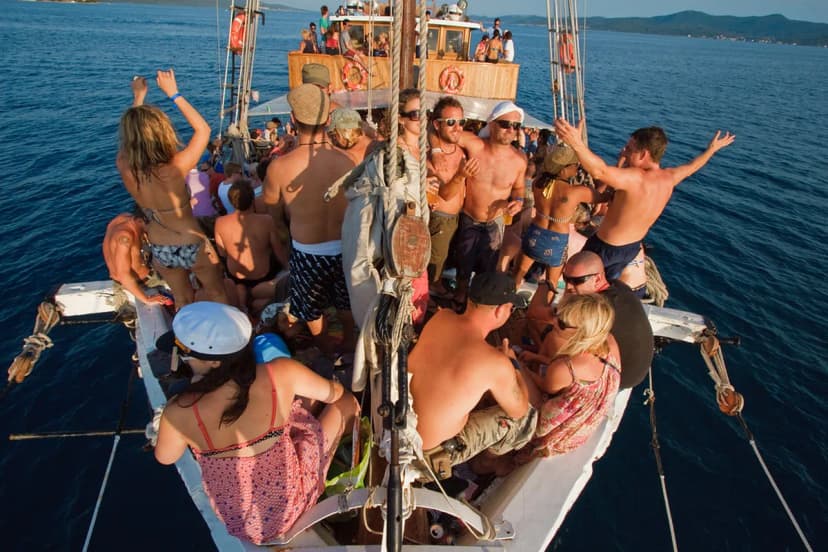
Most organised day tours depart from the Zadar waterfront, Old Town pier, or the Biograd na Moru marina at around 8:30–9:00 AM and return by 19:00–20:00. A standard Kornati boat tour in 2026 costs €40–60 per person. This price typically includes the Kornati National Park entry fee (€10 per person), a fresh fish lunch served on board or at a konoba in a sheltered bay, and two or three swimming stops. Premium speedboat tours that cover more islands cost €70–90. Budget boats (group size 20–30 people) sit at the lower end; private or semi-private chartered sailboats command €150–250 per person for a full day.
Many tour operators also combine Kornati with Telašćica Nature Park, which sits on the southern tip of Dugi Otok just north of the Kornati. Telašćica is famous for its 161-metre-high cliffs — the tallest on the Adriatic coast — and a landlocked saltwater lake called Mir whose water is several degrees warmer than the surrounding sea. The combined Kornati-Telašćica tour adds roughly 90 minutes to the itinerary but is widely considered the best single boat day out from Zadar.
Bring plenty of high-SPF sunscreen and a wide-brimmed hat, because shade on the open sea is scarce between 11:00 and 15:00. A light windproof layer is useful even in July — the Bura and Jugo winds can make the return leg feel surprisingly cool. Seasickness tablets are worth packing if you are sensitive to motion; the open-sea crossing to Kornati can be choppy. Book your tour through the Zadar tourist office or a reputable local agency (e.g., Aqua Tours or Kruna Excursions) to ensure the boat is Coast Guard certified.
- Kornati Islands Logistics
- Departure: Zadar Old Town pier or Biograd marina, ~9:00 AM
- Standard tour 2026: €40–60 per person (lunch + park entry included)
- Premium speedboat: €70–90 | Private charter: €150–250
- Park entry alone: €10 per person (if on own boat)
- Best combo: Kornati + Telašćica for cliffs and saltwater lake
Nin and Pag Island Cultural Tour
Nin is one of Croatia's most underrated gems — a tiny walled town set on a small circular island connected to the mainland by two stone bridges, just 15 kilometres north of Zadar. Despite its diminutive size, Nin was the first capital of medieval Croatia and home to Croatian kings from the 9th century. The Church of the Holy Cross, built around AD 800, is often described as the world's smallest cathedral, measuring just 8 metres by 6 metres. It was ingeniously designed so that sunlight enters specific windows only on the solstice and equinox — a kind of ancient sundial.
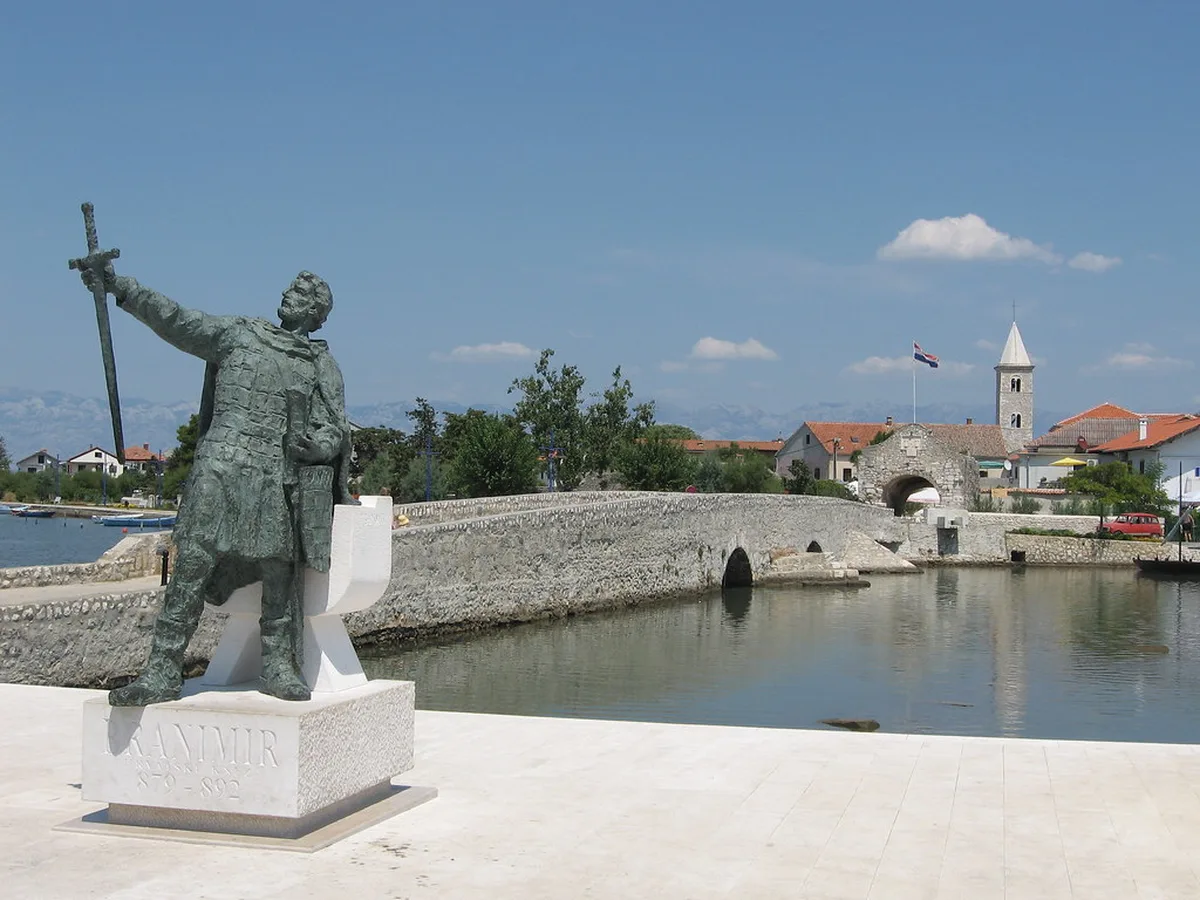
The surrounding salt flats (solana) have been in continuous operation since Roman times and produce some of the finest fleur de sel in Europe. A 250 g bag of Nin salt costs €3–5 at the local market and makes an authentic edible souvenir. The Nin beaches — Queen's Beach (Kraljičina plaža) and Štinica — are popular with families because they have the famous grey healing mud that visitors smear on their skin before washing off in the shallow Adriatic. Entry to the beaches is free; mud application is a self-service tradition that costs nothing.
Public buses connect Zadar to Nin roughly every hour from Zadar Bus Station; the fare is €2–3 each way and the journey takes 25 minutes. This makes Nin one of the cheapest and most accessible day trips on this list. Nin works well as a half-day trip combined with an afternoon at the nearby Zaton resort or Posedarje beach.
Continue your journey further north to Pag Island, which is connected to the mainland by a bridge and produces a world-renowned hard sheep cheese called Paški sir (sold at roadside stalls for €15–20 per kg). The island's moonlike, wind-stripped landscape is utterly different from anywhere else in Croatia. The town of Pag holds a traditional lace-making tradition listed by UNESCO, and hand-embroidered lace pieces start at €5 for a small coaster. The drive from Zadar to the northern tip of Pag takes about one hour and fifteen minutes and passes several quiet coves suitable for an impromptu swim.
- Nin Logistics
- Distance: 15 km north of Zadar | Bus: €2–3 each way (25 min)
- Highlights: Holy Cross Church, Roman salt flats, Queen's Beach healing mud
- Combine with: Pag Island (bridge crossing, no ferry needed)
- Paški sir cheese: €15–20/kg at roadside stalls
Dugi Otok and Sakarun Beach Escape
Dugi Otok ("Long Island") stretches 45 kilometres along the outer edge of the Zadar archipelago, offering a dramatically slower pace of life than the mainland. The island has a permanent population of fewer than 2,000 people spread across nine small villages, yet its coastal scenery — rugged pine-covered cliffs on the western shore, calm turquoise bays on the eastern side — is as beautiful as anything in the Adriatic.
There are two main ways to reach Dugi Otok from Zadar. The car ferry run by Jadrolinija departs from Gazenica Port (about 5 km south of the Old Town) several times a day; a passenger ticket costs €4–5 one way, while taking a car adds €20–25. The fast passenger catamaran operated by G&V Line departs from the Old Town pier and reaches Brbinj or Sali in 45–75 minutes for €7–10 one way. Check the Jadrolinija website for the seasonal timetable — the last ferry back to Zadar typically leaves by 18:30, so plan accordingly.
Sakarun Beach, at the north-western tip of the island, is the main reason most visitors make the crossing. The beach's powdery white sand and mirror-flat shallow water create a Caribbean-blue colour that feels entirely out of place in the Mediterranean. The water stays very shallow for 50–80 metres from shore, making it safe for young children. There is a small beach bar selling drinks, sandwiches, and ice cream (expect to pay €4–6 for a coffee and a snack), but bringing your own picnic is a wiser budget move.
Renting a scooter in the village of Veli Rat costs approximately €30–40 for a full day and unlocks the entire island. The Veli Rat lighthouse — the tallest in the Adriatic at 42 metres — is a 15-minute ride from Sakarun and rewards the detour with panoramic views across the open sea to the Kornati. The village of Sali on the eastern coast is a good lunch stop; local konobas serve freshly grilled fish for €12–18 per main course. The Telašćica Nature Park entrance point is also accessible from Sali by local taxi boat (€5–10 per person, informal seasonal service).
- Dugi Otok Logistics
- Ferry from Gazenica: €4–5 passenger / €20–25 with car | Catamaran Old Town pier: €7–10
- Scooter hire in Veli Rat: €30–40/day
- Best beach: Sakarun (white sand, shallow water, families ideal)
- Last ferry back to Zadar: check Jadrolinija timetable — typically by 18:30
Paklenica National Park: Best Hiking Day Trip From Zadar
Paklenica National Park is the top hiking and rock-climbing destination in Croatia, located just 40 kilometres north-east of Zadar along the coastal road near the town of Starigrad-Paklenica. The park protects two dramatic limestone canyons — Velika Paklenica and Mala Paklenica — that cut deep into the Velebit mountain range, offering vertical walls rising up to 400 metres from the canyon floor. It is one of the most visually striking landscapes in all of Croatia, yet it receives far fewer visitors than Plitvice or Krka.
The 2026 adult entry fee is €12 per person (€6 for children under 18). Tickets are sold at the main gate near the village of Marasovići, a short walk from the Starigrad bus stop. You can drive from Zadar in under 45 minutes via the coastal D8 road, or take a bus — the Zadar–Rijeka line stops at Starigrad-Paklenica for €4–6 each way. The park opens year-round; the most pleasant hiking months are April through June and September through October, when temperatures are moderate and the canyon paths are dry.
The most popular route is the trail along Velika Paklenica canyon, a relatively easy 4-kilometre walk that climbs gradually to the Lugarnica Mountain Hut (about 2 hours return). More experienced hikers can continue to the Manita Peć cave — a stalactite cave open to guided visits on specific days — or push all the way to the Paklenica Mountain Hut (Planinarsko sklonište) at 535 metres elevation. The entire round-trip to the hut and back takes 5–6 hours and is suitable for fit walkers with good footwear. Over 400 bolted rock-climbing routes of varying difficulty attract climbers from across Europe, making this a rare destination where hikers and climbers share the same spectacular venue.
Bring enough water for a full day — at least two litres per person — as refill points inside the canyon are limited. A sun hat and sunscreen are essential in summer once you emerge from the shaded canyon floor. The park cafe near the entrance sells basic refreshments; a homemade lunch at the Lugarnica hut (bean stew, grilled lamb sausages) costs around €8–12. Paklenica pairs well with a stop in the village of Starigrad for a coffee and a swim at the local pebble beach on the way back.
- Paklenica Logistics
- Distance: 40 km north-east of Zadar | Drive: 45 min | Bus: €4–6 (Zadar–Rijeka line)
- Entry 2026: €12 adult | €6 child
- Best hike: Velika Paklenica canyon to Lugarnica hut (4 km, 2 h return)
- Rock climbing: 400+ bolted routes, all grades
- Best months: April–June and September–October
Plitvice Lakes from Zadar: The Essential Waterfall Day Trip
Plitvice Lakes National Park is Croatia's most celebrated natural wonder and, for many visitors, the single most memorable day trip from Zadar in 2026. The park's sixteen terraced lakes are linked by 92 waterfalls, the most dramatic of which — Veliki Slap — drops 78 metres, making it the tallest waterfall in Croatia. The interconnected system of lakes, ranging from deep cobalt blue to vivid emerald green depending on mineral content and sunlight angle, creates scenery that feels almost impossibly beautiful for continental Europe.
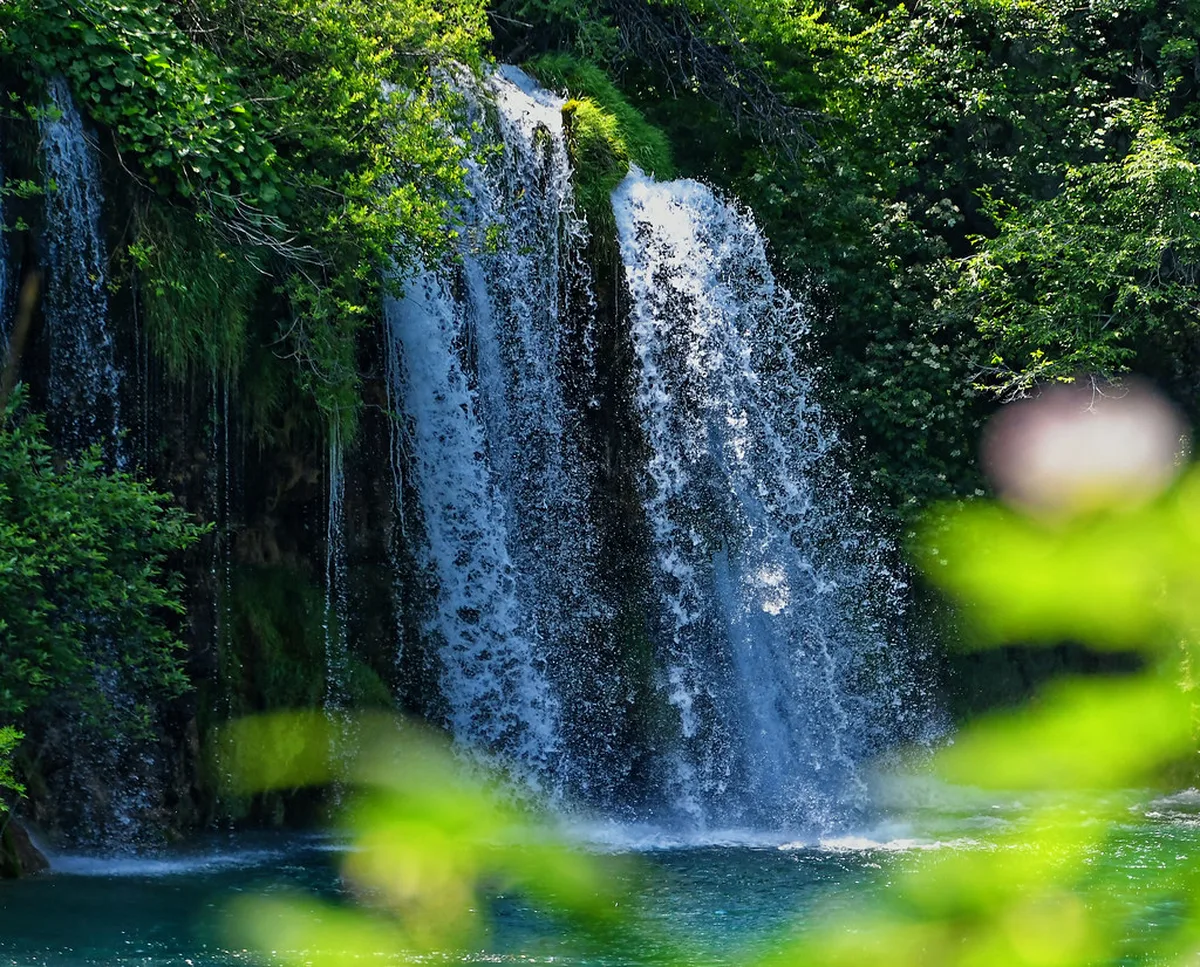
Getting from Zadar to Plitvice by public bus is simple and affordable. Autotrans operates a direct service departing Zadar Bus Station on Kneza Trpimira Street each morning; the 120-kilometre journey takes approximately 2 hours and a return ticket costs €15. During summer, additional services run at peak hours to accommodate the surge of visitors. The first bus typically departs at around 7:30–8:00 AM, giving you time to be at the park gates by 10:00 AM — important if you want to beat the peak-hour crowds that accumulate from 11:00 onwards.
Park entry fees in 2026 are tiered by season and chosen route. In the high season (June through September), adult tickets for the full-day Route H — covering both the Upper and Lower Lakes — cost €40–55 per person. Off-peak visits (January to March and November to December) start at €18. Tickets must be purchased online at np-plitvicka-jezera.hr at least 48 hours in advance during summer; walk-up availability is frequently exhausted before 9:00 AM in July and August. Children aged 7–14 pay half price; under-7s are free.
Inside the park, a free shuttle bus and an electric boat service transport visitors between the two main lake zones, eliminating the need to backtrack on foot. The Lower Lakes section is the most photographed area, dominated by Veliki Slap and the labyrinth of wooden boardwalks that pass directly over cascading water. The Upper Lakes feel wilder and less visited, with dense beech and fir forest framing the larger, deeper lakes. Walking the complete Route H circuit takes approximately 6–8 hours at a comfortable pace with photo stops.
For visitors who prefer a guided experience, organised day tours from Zadar cost €50–70 per person and include transport, an English-speaking guide, and sometimes a packed lunch. Independent travel by bus is significantly cheaper and gives you full control over which sections of the park you explore and how long you spend at each. Either way, arrive at the park entrance no later than 9:30 AM in summer, wear non-slip footwear, and carry at least 1.5 litres of water per person — the park's internal snack kiosks charge steep prices and queue times can exceed 20 minutes at midday.
- Plitvice from Zadar — Key Numbers
- Distance: 120 km | Bus travel time: 2 hours | Return bus fare: €15
- Entry 2026 (high season): €40–55 adult | €20–27 child (7–14)
- Entry 2026 (off-peak): from €18 adult
- Book tickets: np-plitvicka-jezera.hr — at least 48 hours ahead in summer
- Best months to visit: April–May and September–October (lower prices, fewer crowds)
- Tip: First bus from Zadar ~7:30 AM; aim to reach gates by 10:00 AM
Vrana Lake Nature Park and Biograd na Moru
Vrana Lake is the largest natural lake in Croatia, sitting just 25 kilometres south of Zadar behind a long coastal ridge. The lake and its surrounding wetlands form the Vrana Lake Nature Park, a Ramsar-listed bird sanctuary where over 250 bird species have been recorded. Birdwatchers, cyclists, and nature lovers who want a quiet contrast to the busy national parks find Vrana Lake a refreshing alternative. Entry to the nature park is free; guided birdwatching tours by the park rangers cost around €10–15 per person and can be arranged at the park visitor centre in Vrana village.
The easiest way to explore the lake shores is by bicycle. A flat gravel path follows roughly 5 kilometres of the eastern shore, linking the visitor centre to a series of reed-fringed observation towers where herons, cormorants, little egrets, and — if you are lucky — the rare Dalmatian pelican can be spotted. Bike rental is available in Biograd na Moru for €10–15 per day.
Biograd na Moru itself, just 5 kilometres from the lake, is a pleasant coastal town with a long beach promenade, several good fish restaurants, and a small marina packed with sailing yachts. Lunch at a seafood restaurant on the Biograd waterfront — grilled sea bream with salad and local wine — costs around €18–25 per person. The town is also the main embarkation point for budget Kornati boat tours if you are staying in the southern part of the Zadar county. A direct bus from Zadar Bus Station runs to Biograd every 30–60 minutes; the €4–5 fare and 30-minute journey make this one of the most affordable day trips on the list.
- Vrana Lake and Biograd Logistics
- Distance: 25 km south of Zadar | Bus to Biograd: €4–5, 30 min
- Nature park entry: Free | Guided birdwatching: €10–15
- Bike rental (Biograd): €10–15/day
- Combine with: Biograd seafood lunch + marina stroll
Common Mistakes to Avoid on Day Trips from Zadar
One common mistake travelers make is trying to visit Plitvice and Krka on the same calendar day. Each park requires significant walking time and travel distance, making a combined trip feel exhausting and rushed. Focus on one major national park per day so you can truly appreciate the natural beauty without clock-watching throughout.
Another frequent error is booking a boat tour to Kornati or Dugi Otok without checking the weather forecast the night before. Wind conditions in the Dalmatian Channel can change quickly, and Bura gusts above 30 knots make boat crossings genuinely unpleasant or unsafe. Reputable operators will cancel or reschedule automatically, but budget operators sometimes push ahead regardless. Choose agencies with a clear refund policy and book your island trip early in your stay so there is time to reschedule if the weather turns bad.
Public buses are reliable for reaching Nin, Šibenik, and Starigrad-Paklenica, but renting a car from Zadar Airport or the city centre offers much more flexibility if you plan to cover two stops in one day. Car rental from a local agency starts at around €35–45 per day including basic insurance, which quickly becomes economical for groups of two or more splitting the cost. Parking in the Zadar Old Town zone is prohibited for non-residents — leave your car at a peripheral park-and-ride lot on Ulica Stjepana Radića and walk or take the local bus into the centre.
Always pre-book national park tickets (Plitvice and Krka) online at least 48 hours ahead in summer. Walk-up tickets at the peak-season gates are frequently sold out by 10:00 AM. You can find more day-trip logistics inspiration in our Zadar beach guide and the Zadar old town guide for what to do on days when you stay in the city.
Frequently Asked Questions
Can you do a day trip to Split from Zadar?
Yes, Split is an easy day trip from Zadar — the drive takes about 1 hour 45 minutes via the A1 motorway. Direct buses run from Zadar Bus Station multiple times daily; the journey takes 2 hours 15 minutes and costs €9–14 each way. This gives you a comfortable 5–6 hours in Split to visit Diocletian's Palace, walk the Riva promenade, and have lunch before the return bus. See our Split Diocletian's Palace guide for what to prioritise on a short visit.
Is Plitvice or Krka better for a day trip from Zadar?
Both are outstanding, but they suit different travellers. Krka (€30 entry, 60 min from Zadar) is closer, more accessible, and can be combined with Šibenik town in a single day. Plitvice (€18–40 entry, 90 min away) is larger and more dramatic with sixteen interconnected lakes, but demands at least 5 hours inside the park. If you can only visit one, Plitvice is the more iconic Croatian experience; if time or budget is tight, Krka delivers excellent value with less travel time.
How do I get to Dugi Otok from Zadar?
Two services connect Zadar to Dugi Otok daily. The Jadrolinija car ferry departs from Gazenica Port (5 km south of the Old Town) and takes 90–120 minutes; passenger tickets cost €4–5 one way. The G&V Line fast catamaran departs from the Old Town pier and reaches Brbinj in 45–75 minutes for €7–10 one way. Check the seasonal timetable on jadrolinija.hr before you go — the last return boat typically leaves the island by 18:30.
How much does a Kornati Islands boat tour cost in 2026?
Standard group Kornati day tours from Zadar cost €40–60 per person in 2026. This price typically includes the national park entry fee (€10), a fresh fish lunch on board or at a bay konoba, and multiple swimming stops. Premium speedboat tours that cover more of the archipelago cost €70–90. If you are combining Kornati with Telašćica Nature Park — which most visitors recommend — budget towards the upper end of the range at €55–65.
Is Nin worth visiting as a day trip from Zadar?
Yes, Nin is one of the most rewarding half-day trips from Zadar and one of the cheapest — the bus costs just €2–3 each way and runs roughly every hour from Zadar Bus Station. In Nin you can walk across two ancient stone bridges to reach the world's smallest cathedral (Church of the Holy Cross, c. AD 800), apply the famous healing salt-flat mud at Queen's Beach, and buy award-winning Nin fleur de sel for €3–5 per bag. The entire old town can be explored on foot in 90 minutes, making it ideal to pair with a beach afternoon or a drive north to Pag Island.
What is the best day trip from Zadar for hikers?
Paklenica National Park (40 km from Zadar, €12 entry in 2026) is the best day-trip choice for hikers. The main trail follows the dramatic Velika Paklenica limestone canyon to the Lugarnica Mountain Hut — a 4-kilometre route taking about 2 hours return. Experienced hikers can continue to higher elevations on Velebit Mountain for a 5–6 hour full-day outing. The park also has over 400 bolted rock-climbing routes for those who prefer vertical adventure. Take the Zadar–Rijeka bus to Starigrad-Paklenica (€4–6 one way) and walk 2 km to the park entrance.
Is Šibenik worth visiting as a day trip from Zadar?
Yes, Šibenik is an excellent and underrated day trip from Zadar. The bus from Zadar Bus Station takes about 1 hour and costs just €8 return, making it one of the best-value day trips on the Dalmatian coast. In Šibenik you can visit the UNESCO-listed Cathedral of St. James — Croatia's finest Renaissance building, constructed entirely from stone without mortar — and St. Michael's Fortress for sweeping views of the Šibenik Channel. Most visitors combine Šibenik with Krka National Park (30 minutes further by local bus or taxi), giving you a waterfall experience and a medieval city in a single full day.
Zadar is an exceptional gateway to some of the most beautiful natural and historic sites in Croatia. Whether you prefer hiking through canyon limestone walls at Paklenica, swimming in turquoise bays on Dugi Otok, watching waterfalls cascade at Plitvice or Krka, or exploring the ancient salt town of Nin, there is a perfect excursion for every traveller. Taking these day trips from Zadar will provide you with memories that last a lifetime, and with Croatia now fully in the Eurozone, planning your budget in 2026 is simpler than ever.
Remember to book your national park tickets (Plitvice and Krka) online at least 48 hours ahead during peak season — walk-up availability is unreliable in July and August. Pack comfortable walking shoes, high-SPF sunscreen, and a light windproof layer for boat days. Explore our Zadar old town guide and Zadar beach guide for what to do on the days you choose to stay in the city itself.