The Ultimate Zadar Beach Guide for Your Next Croatia Trip
Kolovare Beach is Zadar's top city beach, a 15-minute walk south of Old Town, free to enter, with a sandy-pebbly mix, lifeguards June–September, and sun loungers from €8–10/day.
Borik Beach (4 km north, Blue Flag) rents sunbeds at €10–15/pair with umbrella; Falkensteiner's adjacent resort offers a day-pass for €20–25 including pool and beach access in 2026.
Zadar offers travelers some of the most diverse coastal experiences found throughout the beautiful Dalmatian region. The city's beaches range from convenient pebble coves just steps from the Sea Organ to remote island crescents of powdery white sand only reachable by catamaran. Croatia adopted the euro in January 2023, so all prices below are in EUR — no currency conversion needed. Whether you want to swim at sunrise before the crowds arrive, hire a paddleboard, or simply watch the famous Zadar sunset from a rocky ledge, this guide covers every worthwhile swimming spot in and around the city for 2026.
Finding the perfect spot requires knowing the local landscape and the specific textures of the shores. Most city beaches sit within comfortable walking distance of the historic center and the ancient stone walls, while resort beaches and island escapes demand a little more planning but reward you with dramatically better water clarity and fewer fellow tourists.
Best City Beaches in Zadar
Kolovare Beach is Zadar's most-visited swimming destination for good reason: it sits only a 15-minute walk south of the Old Town walls, making it the easiest beach to reach without a car or bus. The shore is a mix of small smooth pebbles and flat concrete platforms, and the water deepens gradually enough for confident non-swimmers to wade in without worry. Lifeguards patrol the designated swimming zone from June through late September, typically 9 AM to 7 PM. In 2026, a pair of sun loungers with umbrella costs €8–10 per day from the beach bar concession — cheaper than most Adriatic resorts. The café on the northern end serves espresso for €1.80 and cold beer for €3.50, with a full menu of grilled fish and salads for around €12–18 a plate. Pine trees line the back of the beach and provide natural shade in the afternoon, which means you can skip paying for an umbrella if you time your visit correctly.
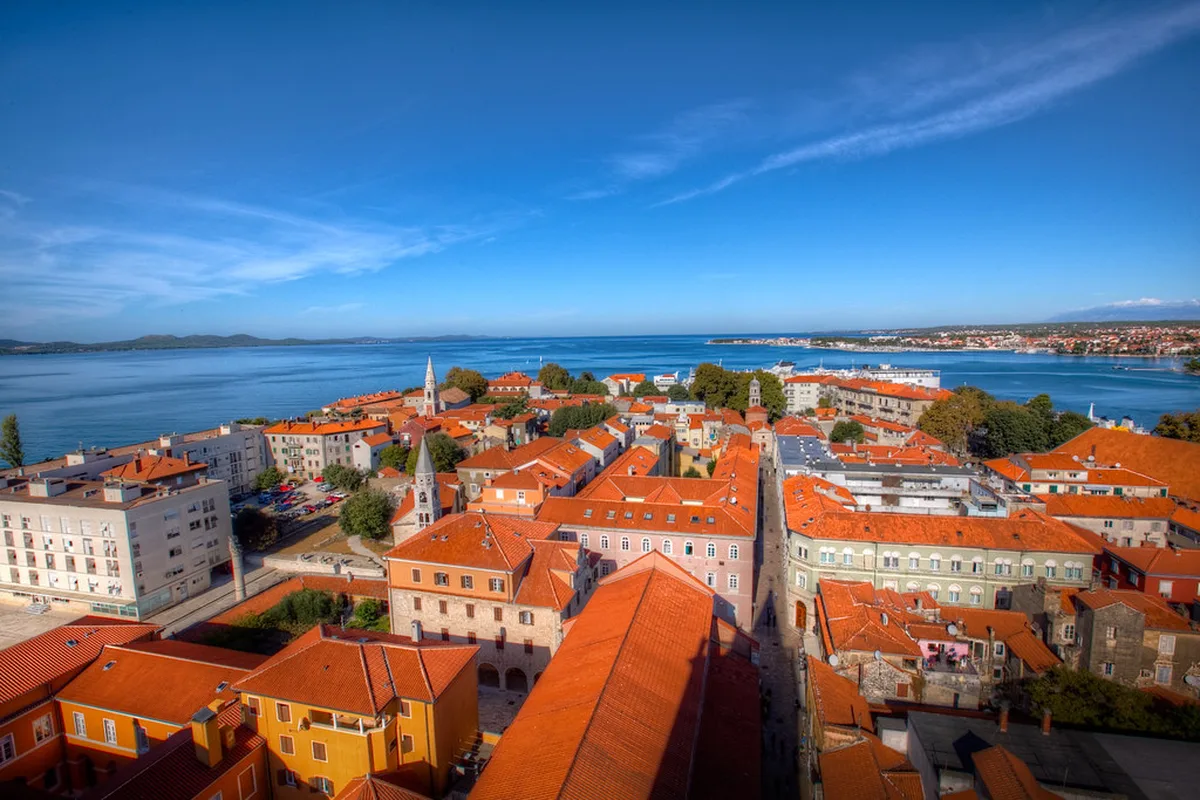
Puntamika Beach lies roughly 3 km north of the Old Town near the lighthouse of the same name. The shore is composed of fine-to-medium pebbles with very clean, shallow entry that suits families with young children. The beach is quieter than Kolovare on weekdays and draws a local crowd of joggers in the early mornings. Because Puntamika faces northwest it catches the afternoon Maestral breeze, making it the preferred spot for kitesurfers and windsurfers in the Zadar area. Kitesurf equipment hire from the local school runs €25 per hour for a board and harness, with introductory lessons available at €50 for a two-hour session. Parking in the small lot nearby is free, and a kiosk sells cold drinks and snacks from 8 AM. The sunsets from this beach are spectacular, rivalling the famous light show at the Sea Organ, because the beach faces directly west over the open Adriatic.
- Kolovare Beach — the most convenient access for city travelers.
- Type: Pebbles and concrete platforms
- Distance from Old Town: 15-minute walk south
- Sun lounger: €8–10/day (umbrella included)
- Café on site: espresso €1.80, beer €3.50
- Lifeguards: June–September, 9 AM–7 PM
- Best for: Quick city dips, families, evening swims
- Puntamika Beach — sunset views and watersports near the lighthouse.
- Type: Fine-to-medium pebbles
- Distance from Old Town: 3 km north (15-minute walk or bus)
- Kitesurf hire: €25/hr; intro lesson €50 for 2 hrs
- Parking: Free, small lot adjacent
- Best for: Sunset photos, kite/windsurfing, local atmosphere
Resort Vibes at Borik and Diklo
The Borik area, about 4 km north of the Old Town, is Zadar's most developed beach zone and holds a coveted Blue Flag certification for water quality and environmental management. Unlike most Dalmatian city beaches, parts of Borik have a sandy-to-gravel mix rather than pure pebble, which makes it far more comfortable for families who find traditional Croatian rock beaches uncomfortable. The beach is backed by a dense strip of hotels — Falkensteiner, Kolovare, and several others — and the amenities here are comprehensive: organized sun lounger rows cost €10–15 per pair with umbrella, a water sports centre offers pedalos (€10/hr), kayak rentals (€8/hr), and jet-ski sessions (€50 for 15 minutes). The Falkensteiner Beach Resort Zadar offers a beach-and-pool day pass for €20–25 per person in 2026, which includes access to the private beach strip, pool facilities, and a sun lounger — good value if you want resort-level comfort without booking a room. A small water park on the edge of the resort zone operates in July and August, popular with children under 12. Entry to the public sections of Borik beach is free; only the hotel-managed strips require a day-pass or towel deposit.
Diklo beach, another 2 km further north along the coast, feels noticeably quieter and more local than Borik. The shore is composed of pebbles and flat rock slabs, and there are no organized sun lounger rentals — just natural shade from the pine forest that runs down to the water's edge. Local families from the Diklo settlement come here in the evenings to escape the tourist-heavy Borik strip, and the water is visibly cleaner because there is less boat traffic. There are no formal amenities at Diklo — bring your own water, food, and a mat — but a small konoba (family tavern) at the edge of the settlement serves fresh fish and local wine by the carafe from about noon. A taxi from the Old Town to Diklo costs around €12–15, or you can take bus line 5 toward Borik and walk the remaining kilometre north.
Bus 5 departs every 20–30 minutes from the main bus stop on Liburnska Obala near the Old Town, covers both Borik and Diklo stops, and costs €1.50 per journey in 2026 when purchased from the kiosk (€2 on board). The ride takes around 20 minutes to Borik and 30 minutes to Diklo. Alternatively, the waterfront promenade walk from the Old Town to Borik takes 45–50 minutes and passes the Sea Organ and the Greeting to the Sun installation — a pleasant way to arrive on a cooler morning. See the Zadar Old Town guide for the full walking route from the historic centre.
Exploring the Sandy Shores of Nin and Soline Bay
Travelers who prefer soft sand over pebbles should make the 15-km drive — or a 25-minute bus ride on line 12 from Zadar bus station — to the small historic town of Nin. Queen's Beach (Kraljičina Plaža) stretches for roughly 800 metres and features extraordinarily warm, shallow lagoons that heat up to 28°C in July and August, making it one of the safest swimming spots in Croatia for toddlers and non-swimmers. The maximum depth in the main lagoon stays under 1.5 metres for the first 100 metres out. Parking near the lagoon entrance costs €2 per hour in peak season (July–August) and is free from October through May. Sun lounger rental on the organized section runs €10–12 per day including an umbrella.
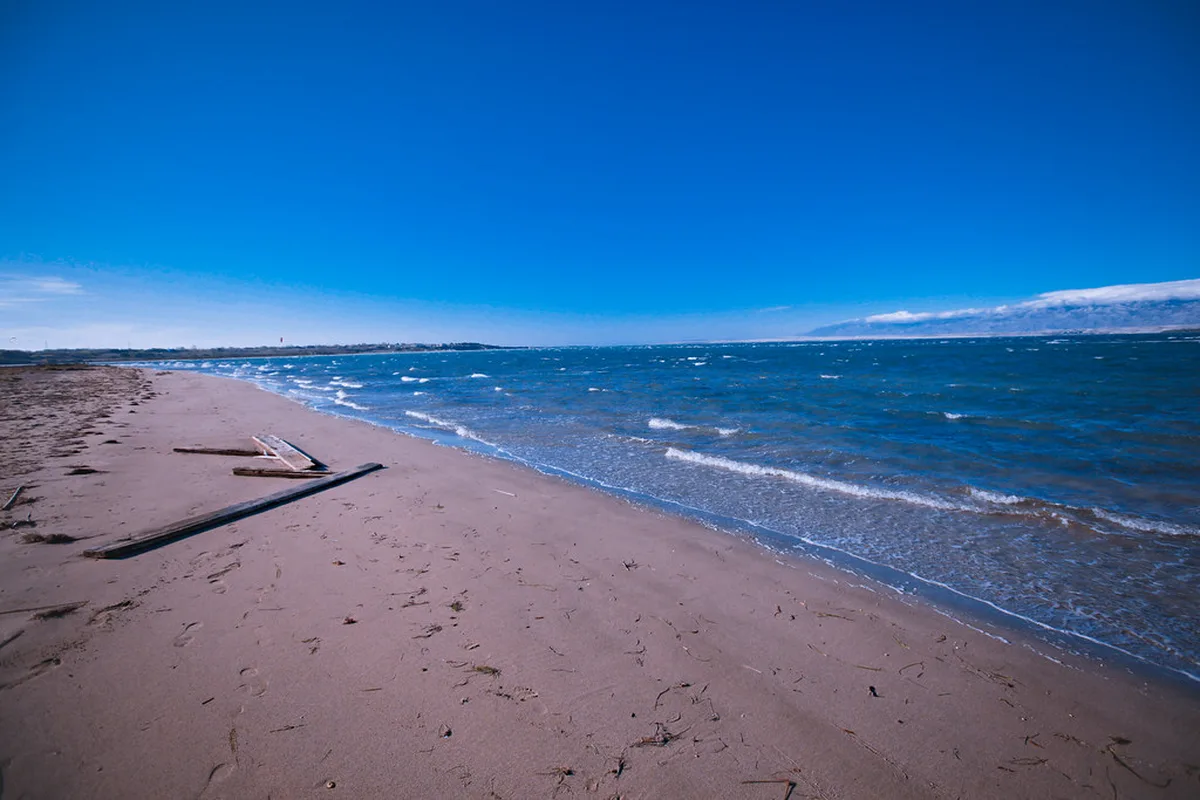
Nin is famous across Dalmatia for its therapeutic mud. The dark grey mud found in the tidal flats on the north side of the lagoon is rich in minerals and has been used medicinally for centuries. Visitors can scoop the mud free of charge from the flats and apply it to skin — local folklore attributes it with benefits for joint pain and psoriasis. It washes off easily in the lagoon water. Several small health spas on the edge of Nin offer professional mud treatments from €25 per session if you want a supervised experience.
Soline Bay, accessible from Biograd na Moru (about 30 km south of Zadar), is the other healing-mud destination worth knowing about. The bay's shallow waters take on a milky appearance due to the mineral-rich sediment on the seabed. Soline sees far fewer visitors than Nin and remains firmly off the mainstream tourist trail — ideal if Queen's Beach feels crowded in peak July. There is no organized infrastructure; bring food and water. The drive from Zadar is around 35 minutes via the coastal road, or you can combine it with a visit to the Kornati Islands ferry terminal at Biograd. Entry to the bay itself is free at all times.
Island Hopping to Saharun Beach on Dugi Otok
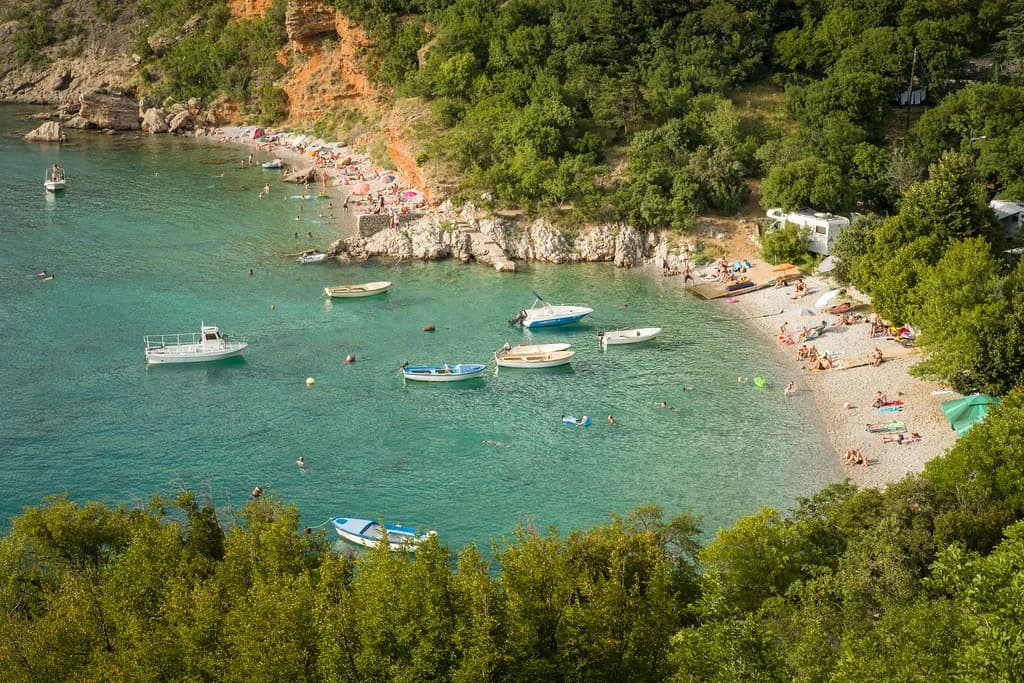
Saharun Beach on Dugi Otok (Long Island) is consistently rated among the finest beaches in the entire Adriatic, and many Croatian travel writers call it the best stretch of sand in Dalmatia — an opinion that becomes very easy to agree with when you step off the boat and see the turquoise water over white sand for the first time. The beach is a 300-metre crescent of fine white sand sheltered by low pine-covered hills, and the water colour shifts from pale turquoise at the shore through aquamarine to deep sapphire at the outer swimming buoys. It is genuinely one of those beaches that appears too perfect to be in Europe.
Getting there from Zadar in 2026 involves taking a catamaran from Zadar's main ferry terminal (Liburnska Obala). Jadrolinija operates a direct seasonal catamaran to Brbinj on Dugi Otok; the journey takes around 1 hour 20 minutes and a return ticket costs approximately €7–10 depending on the departure time and season. From Brbinj harbour you need either a taxi boat (€5–8 per person, runs frequently in summer) or a hire bicycle (€10/day from the rental shop near the pier) to reach Saharun, which sits on the northern tip of the island about 7 km from Brbinj. Alternatively, several private day-trip operators in Zadar Old Town run organised boat excursions to Saharun — typically departing at 9 AM and returning by 6 PM — for €35–55 per person including a stop at the Telašćica Nature Park and a fish lunch on board.
Saharun has minimal services: one beach bar sells cold drinks and simple snacks, and a paddleboard rental kiosk operates in July and August (€10/hr). There are no sun lounger rentals — the sand itself is the luxury. Arrive early on the catamaran to secure a spot under one of the few pine trees at the back of the beach; by noon in July the beach becomes crowded. Pack your own food and plenty of water. For detailed logistics on combining Saharun with other island and coastal stops, see the full guide to day trips from Zadar.
Kornati Islands Day Trip from Zadar: National Park Boat Tour (€60–80)
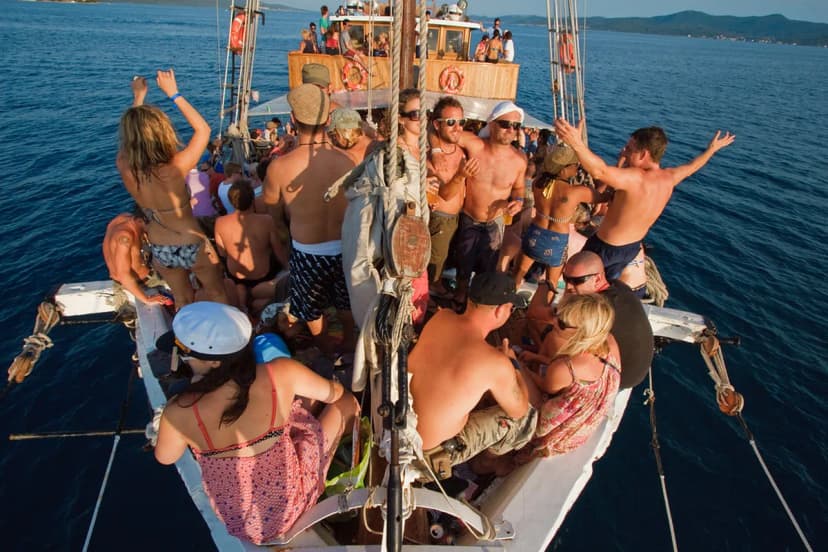
The Kornati National Park is one of the most breathtaking archipelagoes in the Mediterranean — 89 mostly uninhabited limestone islands scattered across a stretch of the central Dalmatian coast roughly 35 km south of Zadar. A full-day boat tour from Zadar to the Kornati Islands is the single best beach day trip you can combine with a Zadar holiday, and the journey itself — gliding past sheer white cliffs that drop straight into crystal-clear turquoise water — is as memorable as the swimming stops. Tours depart daily in peak season (June through September) from Zadar's main ferry terminal on Liburnska Obala.
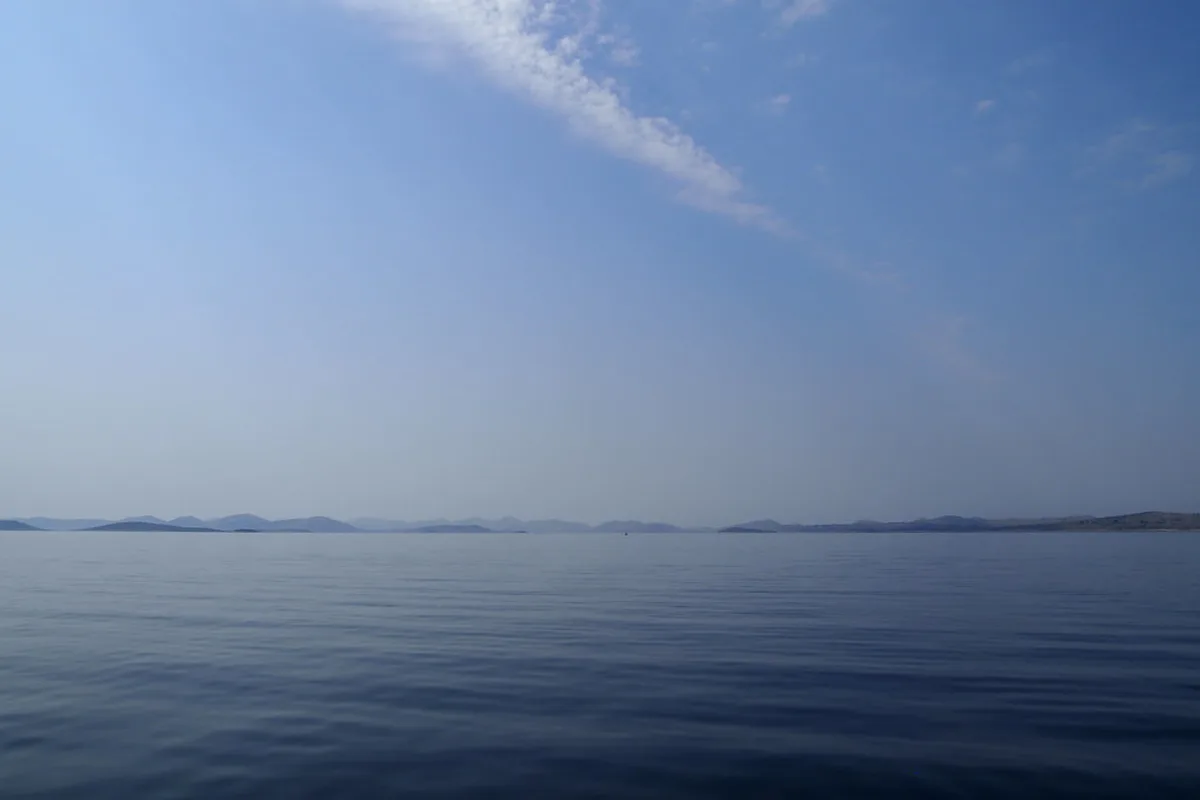
In 2026, guided day excursions from Zadar to the Kornati Islands cost between €60 and €80 per person, depending on the operator and what is included. Most packages cover the national park entry fee (around €30 per person if purchased separately), a fish lunch or barbecue on board or at a konoba island restaurant, unlimited soft drinks throughout the cruise, and three to four swimming stops at sheltered coves within the park. The swimming spots chosen by experienced local skippers are invariably stunning: small pebble-and-rock coves flanked by towering white limestone ridges, with water visibility sometimes exceeding 20 metres on calm days. Pack a snorkel — the underwater terrain in the Kornati is spectacular and marine life is abundant where there is no boat traffic.
Boats typically depart at 8:30–9:00 AM and return to Zadar by 6:00–7:00 PM, making it a long but highly rewarding full day. The route generally passes through the narrow channel between Murter and the outer Kornati islands, stopping at the famous Kornati cliffs on the ocean-facing western side of the archipelago before heading to quieter inner coves for lunch and swimming. Some operators include a stop at the small island of Žut or the channel villages for a fresh seafood lunch at a lighthouse konoba — prices for lunch are included in the package or run €15–25 extra at the konoba.
Booking ahead is strongly recommended in July and August: popular operators sell out 3–5 days in advance, particularly on weekends. Most tour desks in Zadar's Old Town can arrange bookings on the spot for shoulder season (June and September) departures. If you want to visit the Kornati independently without a guided tour, you can charter a private speedboat from Zadar marina — prices start at around €250/day for a small vessel — but national park permits must be purchased in advance and the navigation requires chart knowledge of the area. For most visitors, the organised excursion offers far better value and takes all the logistics out of the equation. Combine this trip with a review of the day trips from Zadar guide for boat schedule details and operator comparisons.
What to bring on a Kornati day trip: factor-50 sunscreen (shade on the boat is limited), a hat, a mask and snorkel, reef-safe sunscreen where required, rubber swim shoes for the rocky coves, and a light layer for the return journey when the sea breeze picks up after sunset. Credit cards are accepted by most operators for booking, but cash is usually required at the island konoba restaurants. The Kornati experience is genuinely one of Croatia's top highlights and fits seamlessly into any Zadar itinerary of three or more days.
Watersports and Active Beaches Around Zadar
Zadar's geography — a peninsula jutting into open water, flanked by islands that funnel consistent northwesterly winds — makes it one of the better watersports destinations on the Croatian coast. The Maestral wind blows reliably from the northwest most summer afternoons, typically picking up between 1 PM and 5 PM, which creates predictable conditions for kitesurfers and windsurfers without producing dangerous swells for swimmers on the leeward city beaches.
Puntamika is the main kite and windsurfing beach, as described above. If you prefer a more organised school environment, Borik beach has the largest watersports centre in the area. The Borik centre's 2026 rental price list includes: kayaks at €8/hr (single) or €12/hr (double), stand-up paddleboards at €10/hr, pedalo hire at €10/hr for a two-person boat, and jet-ski rental at €50 for 15 minutes. Wakeboarding lessons are available by appointment at €60 for a 30-minute tow session. The centre operates daily from 9 AM to 7 PM throughout June, July, August, and early September.
For snorkelling, the clearest water in the immediate Zadar area is found at the small rocky coves between Puntamika and Diklo, where underwater visibility can exceed 15 metres on calm mornings. Sea grass meadows just below the surface shelter juvenile bream, wrasse, and — particularly in the areas around submerged rocks — the occasional octopus. Snorkel sets can be hired at Borik's watersports centre for €5/hr or bought at the sports shop on the Zadar waterfront for around €15–25 for a basic mask-and-snorkel combination. Wear swim shoes in rocky areas: sea urchins are common in undisturbed reef sections and their spines, while not dangerous, are very unpleasant underfoot. A good pair of rubber swim shoes costs around €10 in local supermarkets or sports shops.
Diving is possible around the islands of the Zadar archipelago, with several wrecks and reefs accessible on guided day dives. Local dive schools on the waterfront offer certified single dives from €50 including equipment, with PADI Open Water courses starting at €350 for a four-day certification. The waters around Kornati National Park, reachable on day trips from Zadar, include some of the most dramatic underwater walls in the Mediterranean.
Essential Zadar Beach Guide Logistics
Choosing the right beach in Zadar depends on your priorities — proximity, amenities, water sports, or sand quality — and a little planning goes a long way. The city beaches (Kolovare, Puntamika) need zero preparation; you can walk there from your hotel. The resort beaches (Borik, Diklo) require a bus or taxi. The excursion beaches (Nin, Soline, Saharun) need dedicated half-days or full days with advance transport booking in peak season. If you are travelling the coast, see the Split beach guide and the Hvar beach guide for comparable Dalmatian coastal options further south.
Peak season runs from mid-June to late August. During these weeks, Kolovare and Borik fill up by 10 AM on sunny days. If you want a sun lounger at Borik's organized section, arrive before 9 AM. Saharun on weekends in July can feel crowded by midday despite the remote location — the catamaran brings a full load of day-trippers. Shoulder season (May, early June, September, October) is dramatically more pleasant: the water is still warm (22–24°C in September), prices drop 20–30% on accommodation, and the beaches are genuinely uncrowded.
Croatia uses the euro since January 2023, so there is no need to change currency. Card payments are widely accepted at beach bars and watersports centres, but some small kiosks and the bus tickets purchased on board are cash-only. ATMs are plentiful in the Old Town. The UV index in Zadar in July regularly reaches 9–10 (very high to extreme) — apply SPF 50 and reapply every two hours. Shade at city beaches is limited to the pine tree areas; at Saharun there is almost no shade at all, so a hat and a beach umbrella are essential packing items for island days.
- Sea urchins hide among rocks in cleaner waters.
- Risk: Sharp spines, painful but not dangerous
- Solution: Wear rubber swim shoes (€10 from local supermarkets)
- Treatment: Soak in warm water, remove spines with tweezers; pharmacies in Old Town can assist
- Hydration is critical in the intense Dalmatian summer heat.
- Bottled water at kiosks: €1.50 (0.5 L) to €2.50 (1.5 L)
- Tip: Freeze a bottle overnight and use it as an ice pack in your beach bag
- Avoid the beach between 12 PM and 3 PM in July and August
- Transport summary for 2026:
- Bus 5 (Old Town → Borik/Diklo): €1.50 kiosk / €2.00 on board, every 20–30 min
- Bus 12 (Zadar → Nin): €3.00, approx 25 min journey
- Taxi to Nin: €20–25 one way
- Catamaran to Dugi Otok (Saharun): €7–10 return, 1 hr 20 min
- Organised day trip to Saharun: €35–55 per person all-inclusive
Frequently Asked Questions
Are there sandy beaches in Zadar city center?
Zadar's city-center beaches — Kolovare and Puntamika — are pebble and concrete, not sand. For sand, head to Borik beach (4 km north, bus 5, partial sandy-gravel mix) or drive 15 minutes to Queen's Beach in Nin, which has a long stretch of soft sand and warm shallow lagoons free to enter in 2026.
How much does it cost to rent a sunbed in Zadar?
At Kolovare beach, a pair of sun loungers with umbrella costs €8–10 per day in 2026. At the Borik resort strip, organized sets run €10–15 per pair with umbrella. The public sections of both beaches are free — bring your own towel and skip the lounger fee entirely if you arrive early enough to claim a pine-tree shade spot.
Is the water clean enough for swimming at the Zadar Riva?
Yes — the water along Zadar's Riva promenade is generally very clean and locals jump from the stone piers near the Sea Organ regularly. Always check for signage about boat traffic before jumping into deeper sections. For certified Blue Flag water quality, Borik beach (4 km north) is the best-tested option in the Zadar area.
What is the best beach near Zadar for families with young children?
Queen's Beach in Nin (15 km from Zadar) is the top family choice: the lagoon stays under 1.5 metres deep for 100 metres out, heats to 28°C in summer, and has free healing mud on the northern flats. Borik beach is the best family option in Zadar itself, with Blue Flag water, organized sun loungers, and a small seasonal water park.
How do you get to Saharun Beach on Dugi Otok from Zadar?
Take the Jadrolinija catamaran from Zadar's ferry terminal to Brbinj on Dugi Otok — around 1 hour 20 minutes, €7–10 return in 2026. From Brbinj, catch a taxi boat (€5–8 per person) or hire a bicycle (€10/day) for the 7 km to Saharun. Alternatively, organised day-trip boats from Zadar Old Town cost €35–55 per person and include a lunch stop.
Which Zadar beach is best for kite surfing and wind sports?
Puntamika beach, 3 km north of Zadar's Old Town, is the best spot for kite surfing and windsurfing — the afternoon Maestral wind blows consistently from the northwest, creating reliable conditions from 1 PM onward. Kitesurf equipment hire costs €25 per hour; introductory lessons run €50 for a two-hour session from the local school operating at the beach.
How much does a Kornati Islands boat trip from Zadar cost in 2026?
A guided day trip to Kornati National Park from Zadar costs €60–80 per person in 2026, typically including the national park entry fee, a fish lunch or barbecue, soft drinks, and three to four swimming stops in sheltered island coves. Boats depart around 9 AM and return by 7 PM. Book 3–5 days ahead in July and August as popular operators sell out quickly.
Can you use the Falkensteiner Zadar resort beach without staying there?
Yes — the Falkensteiner Beach Resort Zadar at Borik offers a day-pass for non-guests at €20–25 per person in 2026. The day pass includes access to the private beach strip, pool facilities, and a sun lounger with umbrella. It is a good option if you want organized resort amenities without booking overnight accommodation. The adjacent public section of Borik beach remains free at all times.
Planning your coastal visits with this Zadar beach guide ensures you find the right balance of comfort, scenery, and activity for every day of your trip. The city beaches give you spontaneous swimming within a short walk of the Roman ruins and the Sea Organ; Borik and Diklo add organized amenities and Blue Flag water quality; Nin and Soline satisfy the craving for soft sand and therapeutic mud; and Saharun on Dugi Otok delivers the kind of Caribbean-grade beauty that makes you question why anyone ever leaves Croatia.
Pack rubber swim shoes, SPF 50, and a reusable water bottle. Arrive early to claim shade spots in July. Buy your catamaran tickets the evening before if heading to Dugi Otok on a weekend in peak season — the boats sell out. And if you want to combine beach days with the city's famous sunset spots, historic monuments, and the Sea Organ, the Zadar Old Town guide and the full list of day trips from Zadar will help you build a complete itinerary.