Is Mostar Safe for Tourists? A Complete 2026 Travel Guide
Mostar is safe for tourists in 2026. Crime rates are well below the Western European average, violent incidents against visitors are extremely rare, and the Old Town (Stari Grad) is fully car-free and pedestrianised. The main risks are pickpocketing in the Kujundžiluk bazaar during the July–August peak and overpriced tourist traps near the bridge. In an emergency call 122 for police or 124 for an ambulance.
The city centre and all established tourist routes carry zero landmine risk — that risk is confined to remote unpaved hillsides outside the city. Tap water is safe to drink throughout Mostar. A taxi from the bus station to the Old Town costs around 5 KM (€2.50). Solo female travellers consistently rate Mostar as one of the friendliest cities in the Balkans.
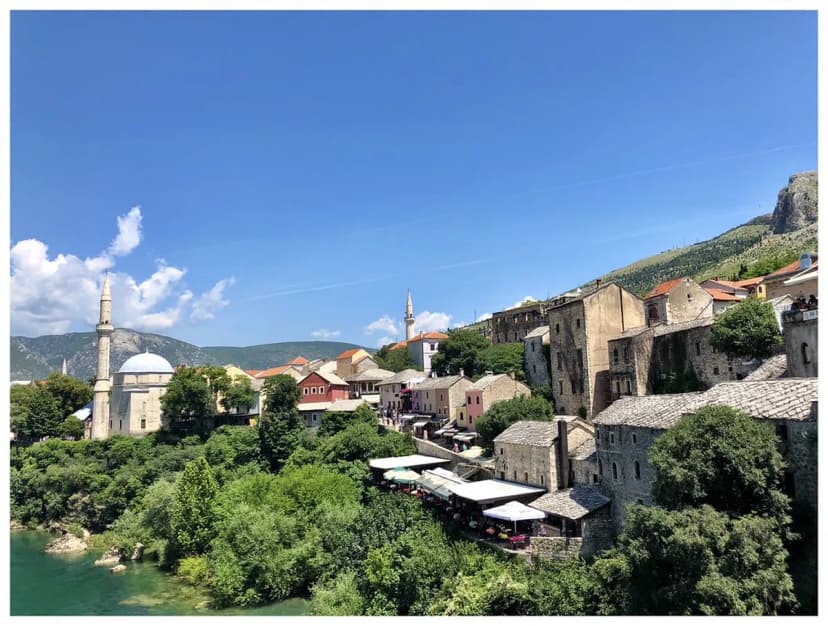
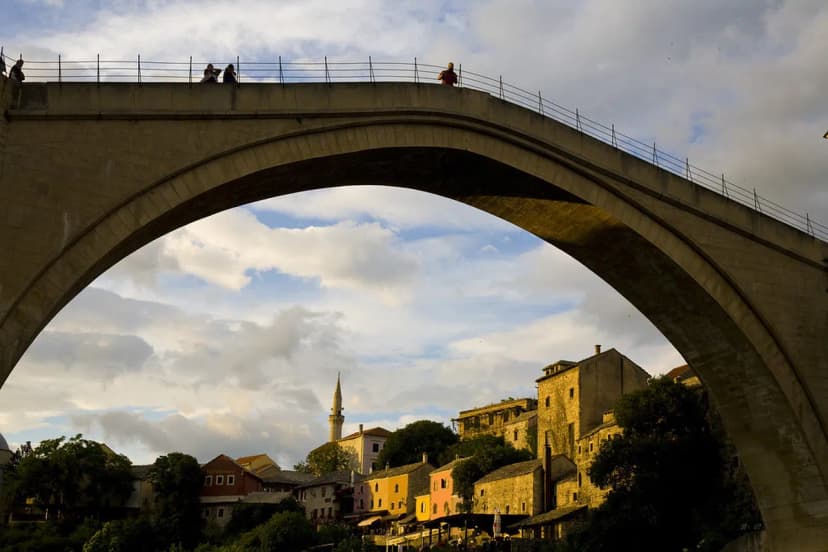
Mostar is a breathtaking city known for its iconic Stari Most bridge and a rich layered history spanning Ottoman, Austro-Hungarian, and Yugoslav eras. Many travellers wonder if Mostar is safe for tourists given the region's complex past. Current data shows that this destination is remarkably safe for international visitors in 2026. Understanding local nuances will ensure your visit remains pleasant and free of any unexpected complications.
Understanding Local Safety in Mostar
Violent crime against visitors is extremely rare throughout Bosnia and Herzegovina and specifically in Mostar. Most travellers find the city welcoming and peaceful as they explore the diverse cultural landmarks. Crime rates remain significantly lower than in many major Western European or North American capitals. Simple precautions will help you enjoy the historic atmosphere without any unnecessary stress.
Police officers are frequently visible in the city centre, particularly along the Kujundžiluk bazaar and around the Stari Most bridge. Walking through the main streets feels secure even after the sun sets behind the surrounding mountains. Officers are generally helpful to tourists and a number speak basic English. If you need assistance, the nearest police station to the Old Town is on Brace Fejica street, a five-minute walk from the bridge.
The most common issue travellers encounter is petty theft — specifically pickpocketing in the crowded bazaar during the summer peak (July and August). Opportunistic thieves target distracted visitors browsing market stalls or pausing for photos on the bridge approach. Keeping your wallet in a front trouser pocket or a zipped internal bag compartment eliminates most of this risk. A cross-body bag with a zip closure is the single most effective deterrent against opportunistic theft in this environment.
Tourist traps are arguably a bigger everyday nuisance than crime. Some restaurants near the bridge charge two to three times the local price for standard dishes, and unmarked taxis occasionally quote inflated fares to new arrivals. Always agree on a fare before entering a cab, and check menus posted outside restaurants before sitting down. The standard taxi fare from the bus station to the Old Town is 5 KM (€2.50) — anything significantly above that is a rip-off.
Local residents often speak English and are happy to provide directions or safety advice. The atmosphere in 2026 remains vibrant and inclusive for people from all walks of life. Mostar continues to grow as a tourism hub while maintaining a genuinely high standard of public safety. You can feel confident planning a trip to this beautiful corner of the Balkan peninsula.
Navigating the Old Town (Stari Grad) Safely
The historic Stari Grad — Mostar's Old Town — is a completely car-free, pedestrianised zone and consistently the safest area in the city for tourists. Its compact layout, heavy foot traffic throughout the day, and consistent police presence make it the most secure zone for visitors. The vast majority of travellers spend their entire trip within this area and encounter no issues whatsoever. Emergency access points are maintained at the perimeter, and medical help can be reached quickly if needed — dial 124 for an ambulance.
The Kujundžiluk bazaar is a UNESCO World Heritage site area that attracts thousands of daily visitors. Crowded sections of this market — particularly the 200-metre stretch leading directly to the bridge — are prime locations for pickpockets to operate quietly during July and August. Bag-snatching incidents spike noticeably in these peak weeks when the narrow cobbled lanes are packed shoulder to shoulder. Always keep your wallet in a front pocket or a zipped compartment while browsing the stalls. Using a cross-body bag with a zip closure is the single most effective deterrent against opportunistic theft here. When stopping to photograph the bridge from the bazaar approach, hold your camera strap firmly and keep your phone in a pocket rather than in your hand.
Physical safety is another important consideration when walking across the famous Stari Most bridge. The stones are polished and can be incredibly slippery even when the weather is perfectly dry. Wearing shoes with excellent rubber grip will prevent accidental slips on the steep incline of the arch — avoid heels, flip-flops, or any smooth-soled footwear. Hold onto the metal railings if you feel unsteady while crossing. The bridge is well-lit at night and remains open to pedestrians, but the slipperiness is if anything worse in the dark when you cannot see the moisture on the stones.
Professional divers jump from the bridge into the cold Neretva river for tips from the crowd. These are trained athletes affiliated with the Mostari diving club who have practised the 21-metre jump for years — watching the spectacle is perfectly safe and thoroughly entertaining. Do not attempt this jump yourself: the Neretva here is approximately 4 metres deep but deceptively fast-flowing, and the entry angle is highly technical. Watch from the banks or the bridge itself to enjoy the show without any personal risk.
Photography is a highlight of any trip but requires focus on your physical surroundings. Avoid backing up near ledges or steep drops while trying to get the perfect bridge shot. The river banks can have loose rocks that might cause a fall if you are not careful. Take your time and prioritise your footing over getting the ideal angle for social media. The best and safest vantage points for bridge photography are the two terrace cafes on either bank — both charge a small coffee price for the privilege of their view.
Safety Tips for Solo Travelers
Solo travellers will find Mostar to be a very manageable and friendly city to explore alone. Women travelling independently generally report feeling safe and respected by the local population. Standard travel common sense applies here just as it would in any other European destination. The compact geography of the Old Town means you are rarely more than a ten-minute walk from your accommodation, which reduces the need for late-night transport.
Mostar has a relaxed social scene with many cafes and restaurants staying open late into the evening. Walking back to your accommodation at night is typically safe in well-lit and central areas. Avoid poorly lit alleys or deserted parks if you are unfamiliar with the city layout. Taxis are readily available at the main taxi rank on Brace Fejica street and provide a very affordable way to get home after dark — the standard in-city fare is 5 KM (€2.50) for most journeys.
Local culture is a blend of different traditions that emphasise hospitality and mutual respect. Dressing modestly when visiting religious sites like mosques or churches is always appreciated by locals — covering shoulders and knees is sufficient for both men and women. Most people are helpful if you need assistance with directions or local transport schedules. Building a quick rapport with your guesthouse host can provide valuable insider safety tips and recommendations that no guidebook captures.
Nightlife in Mostar is generally centred around the Old Town and the newer city districts on the west side of the river. Bars and clubs are safe environments, but you should always keep an eye on your drink in any unfamiliar venue. If you feel uncomfortable in any situation, do not hesitate to ask venue staff for help or to call a taxi. Mostar residents are protective of their guests and will usually intervene if they see trouble.
Budget planning tip: a sit-down meal at a local restaurant costs 15–25 KM (€7.50–€12.50) per person. Tourist-facing restaurants around the bridge entrance can charge double that, so walk one street back from the main drag to eat at local prices. This financial awareness also reduces the risk of feeling targeted or overcharged.
Safety for Solo Female Travelers in Mostar
Mostar is one of the most welcoming destinations in the Balkans for solo female travellers. The compact Old Town makes it easy to orient yourself quickly, and the constant flow of tourists throughout the day means you are rarely far from other people. In 2026, countless women travel here independently and report overwhelmingly positive experiences. The overall risk level is genuinely low — lower than many popular Western European city-break destinations.
Catcalling is rare compared to many Southern European cities. Bosnian culture places a strong emphasis on hospitality and respecting guests, and this extends to how locals treat women travelling alone. If you do feel uncomfortable, moving to a nearby cafe or restaurant and speaking to staff is always an effective and easy solution. Most guesthouse owners are also happy to recommend the safest walking routes for solo travellers returning late in the evening.
When visiting mosques or religious sites, dressing modestly is appreciated — covering your shoulders and knees is sufficient. A headscarf is not required but can be offered at mosque entrances. This gesture of respect is warmly received by the local community and often leads to friendly conversations about local history and culture, which are among the highlights of any trip to Mostar.
At night, stick to the well-lit Old Town zone and the main riverside promenade on both banks of the Neretva. These areas remain active with both locals and tourists until at least 23:00 in summer. For longer journeys back to accommodation on the outskirts, use a reputable taxi or ask your guesthouse to arrange a car — a standard city fare is 5 KM (€2.50). The key precautions here are the same common-sense rules that apply in any European city. For more on what to see and do safely, check out our Mostar Old Town guide for a detailed area-by-area breakdown.
Is Mostar Safe at Night?
Yes, Mostar is very safe at night — arguably more pleasant after dark than during the intense summer heat of the afternoon. The Old Town transforms into a beautifully lit scene once the day-trippers depart, with the illuminated Stari Most arch reflecting off the dark Neretva river. Street lighting in the core pedestrian zone is good, and there are always other tourists and locals around until at least midnight during peak season.
The riverside promenade on both the east and west banks is particularly lively on warm evenings. Locals of all ages socialise here, and the atmosphere is relaxed and family-friendly. Walking the promenade at 22:00 in July feels completely normal and safe. The main risk at night is the same as during the day — the slippery cobblestones and polished bridge surface — so rubber-soled shoes remain essential regardless of the hour.
Bars and restaurants in the Old Town and in the newer Rondo district on the west bank typically stay open until 01:00 or 02:00 on weekends. The local nightlife scene is low-key compared to Sarajevo — this is not a city with large nightclubs — but there are plenty of well-run bars where solo travellers feel comfortable. Keep your standard drink-watching precautions in place and you will have no issues.
If you need to travel to accommodation outside the Old Town at night, the reliable option is a taxi. The main rank is on Brace Fejica street at the western edge of the pedestrian zone. A taxi to most hotels in the city costs 5–10 KM (€2.50–€5). Avoid unmarked vehicles and always agree a price upfront. Alternatively, several guesthouses within the Old Town offer rooms that eliminate the need for any late-night travel at all — staying within the pedestrian zone is the most convenient and secure option. For ideas on how to structure a full day and evening itinerary, see our Mostar walking tour guide.
Emergency numbers to save before any evening out: 122 for police, 124 for ambulance. Most operators can connect you with an English-speaking dispatcher.
Exploring Beyond the City Center
Venturing into the countryside offers stunning views and unique historical sites for adventurous souls. Landmines remain a serious concern in some rural areas of Bosnia and Herzegovina — but this risk is firmly limited to remote countryside and unpaved hillsides well outside the city, not within Mostar city itself. The city centre, Old Town, and all established tourist routes are completely clear and have been formally de-mined. There is no landmine risk anywhere along the routes you will naturally take as a tourist in Mostar.
When hiking or exploring beyond the city limits, always stay strictly on paved roads or clearly marked trails. Never walk into fields, dense undergrowth, or abandoned land in rural areas of the country. Warning signs — red triangles with skull symbols — are posted near any areas where residual risk exists. Treat these as hard boundaries and do not cross them for any reason. Reputable guided day trips handle route planning for you, keeping you on fully verified safe paths at all times. For fully vetted rural routes around Mostar, see our day trips from Mostar guide.
Abandoned buildings from the 1990s conflict era may look interesting from the outside but can be structurally unstable. Entering these ruins is dangerous due to the risk of falling debris or hidden hazards. Stick to official tourist sites which are maintained and regularly inspected for visitor safety. Respecting 'No Entry' signs will keep you away from the most significant physical risks in the wider region.
If you are driving or renting a car, car security deserves specific attention. Break-ins targeting tourist vehicles have been reported in parking areas near popular sites — particularly when bags or luggage are left visible on seats. Always lock your car, store all valuables in the boot before you arrive at your destination (not when you get there — thieves watch for this), and use official paid car parks rather than isolated roadside spots. Parking in the main city car park costs approximately 3 KM (€1.50) per hour. Local driving styles can seem assertive on mountain roads, so keep your headlights on at all times and follow speed limits strictly.
Public transport is a reliable way to reach nearby towns like Blagaj or Počitelj. Buses from the main station are generally safe and run on regular schedules throughout the peak travel season — a return ticket to Blagaj costs around 4 KM (€2). Keep your luggage close to you during transit to avoid any confusion or accidental loss. Travelling by train to Sarajevo offers a scenic and very secure alternative to driving, and the journey costs approximately 10 KM (€5) one way.
- Stay on Marked Paths Always
- Risk: Landmines in rural areas only — zero risk in city
- Area: Remote hillsides outside city limits
- Tip: Use GPS and guided tours for countryside excursions
- Action: Follow all posted warning signs without exception
- Secure Your Car Before Parking
- Risk: Break-ins targeting visible luggage
- Area: Tourist parking areas near popular sites
- Tip: Store bags in boot before arrival; use official car parks at 3 KM/€1.50 per hour
- Action: Lock car and never leave valuables visible
- Wear Shoes with Good Rubber Soles
- Location: Stari Most bridge and Old Town cobblestones
- Risk: Slippery polished stones — worse when wet or at night
- Best for: All walking in the Old Town area
- Tip: Avoid heels, flip-flops, or smooth-soled footwear
Health and Emergency Information
The tap water in Mostar is safe to drink and tastes fresh. The city's water supply comes from the Neretva catchment and is treated to European standards. Many of the historic stone fountains (česme) distributed throughout the Old Town provide clean, cold drinking water that is perfectly safe — locals use them daily. Staying hydrated is essential during the hot summer months when temperatures regularly exceed 38°C in July and August. Carry a reusable bottle to save money and reduce plastic waste: buying bottled water in tourist cafes costs 2–3 KM (€1–€1.50) per 500ml bottle, while fountain water is free.
Medical facilities in Mostar are capable of handling most common travel-related health issues. The University Clinical Hospital (Sveučilišna klinička bolnica Mostar) on Bijeli Brijeg street is the main healthcare provider for the city and surrounding region. For minor issues, pharmacies (apoteke) are easily found throughout the city — at least three are located within walking distance of the Old Town — and often have staff who speak basic English. Ensure you have comprehensive travel insurance before you travel, as hospital bills for non-EU citizens are paid directly and reimbursed later.
Emergency numbers are important to save in your phone before you arrive. Dial 122 for police assistance if you find yourself in a dangerous or difficult situation. Ambulance services can be reached by calling 124 for any urgent medical needs. The general European emergency number 112 also works in Bosnia and Herzegovina and will route your call appropriately. Most emergency operators in tourist areas can connect you with an English-speaking dispatcher.
Sun protection is a vital part of staying healthy while exploring the city's stone streets. The white limestone of the Old Town reflects heat and can lead to quick sunburns or heat exhaustion even on days that do not feel particularly hot. Plan your outdoor sightseeing for the early morning (before 10:00) or late afternoon (after 17:00) to avoid the peak UV hours. Taking regular breaks in shaded cafes will help you maintain your energy for sightseeing and also gives you a chance to enjoy the city's excellent Bosnian coffee culture. Sunscreen factor 50, a wide-brimmed hat, and light breathable clothing are essential packing items for any summer visit. For those travelling from Sarajevo, our Is Sarajevo safe for tourists guide covers the capital's safety landscape in similar detail.
Frequently Asked Questions
Is Mostar safe for tourists at night?
Yes, Mostar is very safe at night. The Old Town is well-lit and remains active with locals and tourists until at least midnight in summer. The main risk after dark is the same as during the day — the slippery polished cobblestones and bridge surface — so wear rubber-soled shoes. For longer journeys back to accommodation outside the pedestrian zone, use a taxi from the Brace Fejica street rank; standard city fares are 5–10 KM (€2.50–€5). Emergency numbers: 122 police, 124 ambulance.
Can I drink the tap water in Mostar?
Yes, tap water in Mostar is safe and high quality. The city's supply comes from the Neretva catchment and is treated to European drinking-water standards. You will also find historic stone fountains (česme) distributed throughout the Old Town that provide clean, cold water — locals use them daily. Carry a reusable bottle to avoid paying 2–3 KM (€1–€1.50) per bottle at tourist cafes.
Are landmines a risk for tourists in Mostar?
No. Landmines are not a risk within Mostar city or on any established tourist route. The city centre, Old Town, and all standard tourist paths have been formally de-mined. Residual landmine risk in Bosnia and Herzegovina is confined to remote unpaved hillsides and overgrown rural land outside the city. Always stay on marked, paved trails when exploring the countryside and observe any red triangle warning signs. Never enter unmarked fields or abandoned land.
What are the emergency numbers in Bosnia and Herzegovina?
Police: 122. Ambulance: 124. Fire brigade: 123. The pan-European emergency number 112 also works and routes your call to the appropriate service. Most operators in tourist areas like Mostar can connect you with an English-speaking dispatcher. Save these numbers before you arrive.
Is Mostar safe for solo female travelers?
Yes, Mostar is very safe for solo female travellers in 2026. The compact Old Town is easy to navigate and remains busy throughout the day. Bosnian culture is highly hospitable and catcalling is rare. Dress modestly near mosques (covering shoulders and knees is sufficient), stick to the well-lit Old Town and riverside promenade at night, and apply the same standard precautions you would in any European city. The overall risk level is genuinely low — lower than many popular Western European city-break destinations.
Is it safe to walk across Stari Most (Old Bridge) at night?
Yes, Stari Most is safe to walk across at night. The bridge is well lit after dark and is one of the more beautiful spots in Mostar in the evening, with the illuminated arch reflecting off the Neretva river. Take care on the polished stones, which remain slippery at any hour — wear rubber-soled shoes and use the railings if needed. The bridge is open to pedestrians throughout the night during the tourist season.
How much does a taxi cost in Mostar?
A standard taxi journey within Mostar — for example from the bus station to the Old Town — costs approximately 5 KM (€2.50). Most in-city journeys are 5–10 KM (€2.50–€5). Always agree the fare before getting in. The main taxi rank near the Old Town is on Brace Fejica street. Avoid unmarked vehicles and any driver who refuses to name a price in advance.
Mostar is a safe and welcoming destination that offers a unique blend of history and beauty. The Old Town (Stari Grad) is fully car-free, well-policed, and the best base for your visit. By following basic precautions — guarding against pickpockets in the Kujundžiluk bazaar in peak summer, securing valuables in your car, staying on marked trails outside the city, and saving emergency numbers 122 (police) and 124 (ambulance) — you can explore everything this remarkable place has to offer with complete confidence. Plan your 2026 trip to Mostar knowing that the local community is genuinely eager to welcome you. For further planning, browse our day trips from Sarajevo guide and the full Bosnia and Herzegovina travel hub for inspiration across the country.