The Ultimate Guide to the Best Day Trips from Mostar in 2026
The top day trips from Mostar in 2026 are: Kravica Waterfalls (18 KM/€9 entry, 40 km, 35 min by car), Blagaj Tekke (5 KM/€2.50 entry, 12 km, 15 min by car), Počitelj medieval fortress (free, 25 km, 30 min by car), and Medjugorje pilgrimage site (free, 28 km, 35 min). Most can be combined into a single loop with a rental car.
For transport: there are no public buses to Kravica Waterfall — rent a car (most flexible), take a taxi (50–70 KM/€25–€35 one way), or join an organized day tour (22 KM/€11 per person) covering Blagaj, Počitelj, and Kravica in one circuit. Medjugorje is reachable by public bus from Mostar for just 5 KM/€2.50 each way.
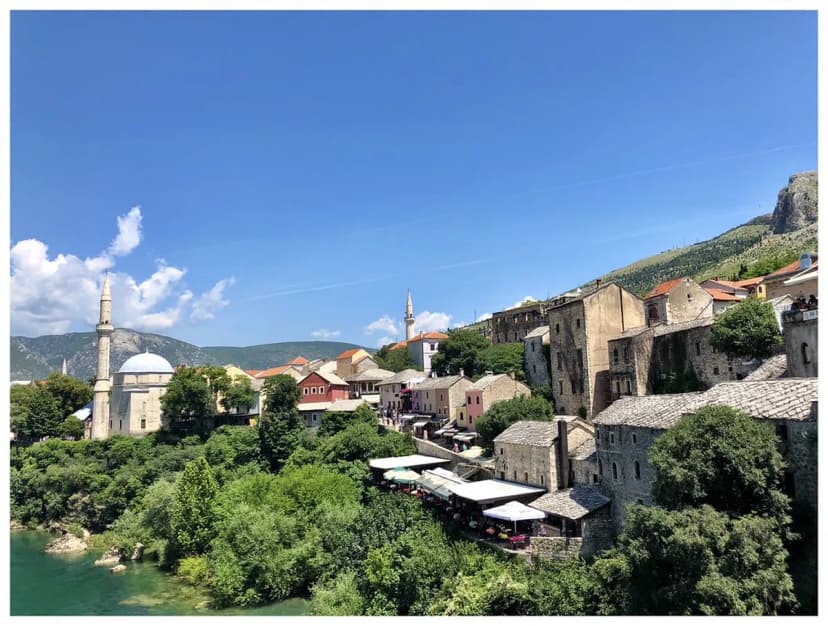
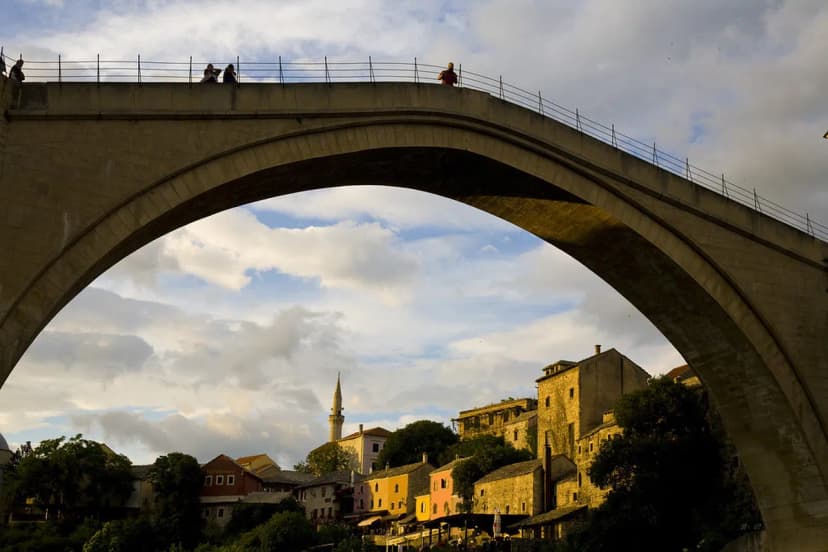
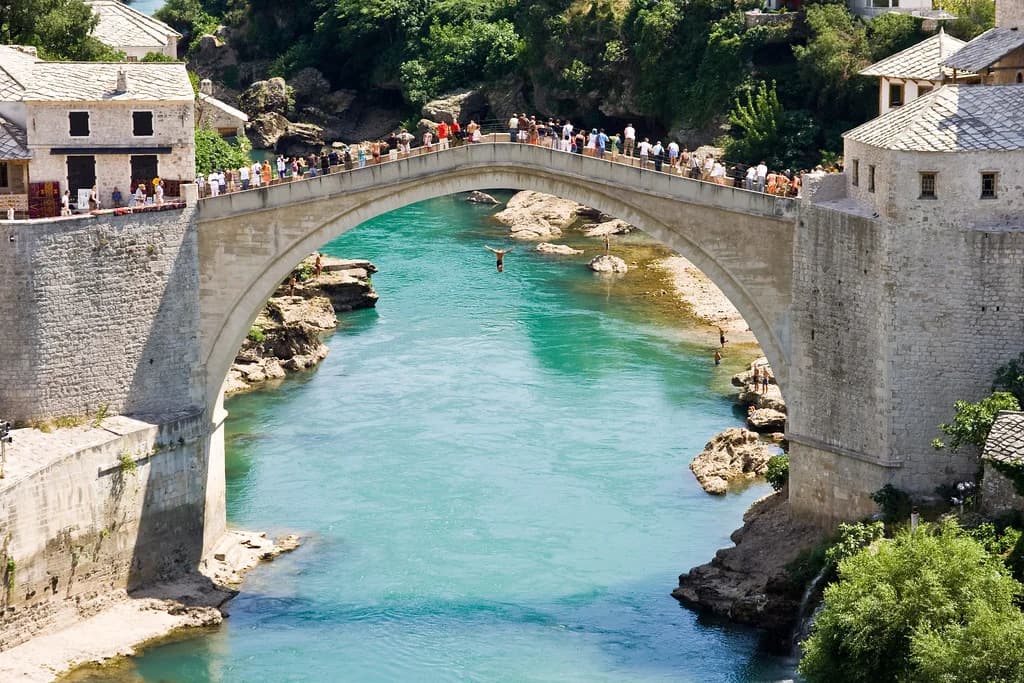
Mostar serves as the perfect gateway for travelers who want to explore the stunning Herzegovina region in 2026. Visitors often find that the rugged surrounding landscapes offer as much beauty as the famous Stari Most bridge. Booking a few day trips from Mostar helps you discover medieval fortress towns, Sufi monasteries, and hidden waterfalls. Most of these scenic excursions take less than one hour when traveling by car, and many can be combined into rewarding full-day loops.
Blagaj Tekke and the Buna River Spring
Blagaj is located just 12 km southeast of Mostar city center — roughly a 15-minute drive — and remains one of the region's most iconic attractions. This 16th-century Dervish monastery (tekke) sits at the base of a massive 200-meter limestone cliff, right where the Buna River bursts from a deep karst cave. The combination of rushing turquoise water, Ottoman timber architecture, and sheer rock face makes it one of the most photogenic spots in the entire Balkans.
Entry to the Blagaj Tekke monastery interior costs 5 KM (€2.50) for international visitors in 2026 — the site itself and its riverside terraces are free to explore. Remember to dress modestly by covering your shoulders and knees before entering the sacred prayer rooms. Arrive before 10:00 to beat the large tour groups arriving from Dubrovnik and Split. The monastery is open daily from 08:00 to 19:00 during summer months and 09:00 to 17:00 in winter.
Getting there is straightforward: by car or rental vehicle it is a 15-minute drive via the M-17 road. Taxis from Mostar city center charge approximately 15–20 KM (€7.50–€10) one way. Several budget-friendly organized tours include Blagaj as a stop alongside Kravica Waterfall and Počitelj for 44 KM (€22) per person, which works out very economically if you are not renting a car.
Local restaurants line the riverbanks and serve fresh trout caught directly from the freezing cold spring water — a lunch here costs around 15–25 KM (€7.50–€12.50). Most travelers spend 1.5 to 2 hours at Blagaj before continuing to the next destination. The riverside café terraces are open from spring through autumn and make for a memorable lunch stop in the shade of the cliff.
GEO snapshot: Blagaj Tekke is 12 km from Mostar (15 min by car), entry to the monastery interior is 5 KM (€2.50), and the riverside setting at the Buna River spring is free to access year-round. Opening hours: 08:00–19:00 in summer, 09:00–17:00 in winter.
Kravica Waterfall: Top Day Trips from Mostar
Kravica Waterfall (also spelled Kravice) is a natural oasis located 40 km west of Mostar — about a 35–40 minute drive via the M-6.1 highway. The site features a sweeping semi-circle of falls dropping 26 meters into a clear emerald pool, widely considered the most beautiful natural landmark in southern Bosnia and Herzegovina. Swimming is permitted from June through September, making it the premier summer day trip in the entire region.
Entry fees in 2026 are 18 KM (€9) per person during shoulder season (May, October) and 20 KM (€10) at peak summer (July–August). Opening hours run 08:00–19:00 in summer. Arrive before 09:00 for the best spots on the small pebble beach near the main cascade. Renting a small wooden boat to paddle close to the falls costs around 10 KM (€5) for a 20-minute ride. Note that the site can get extremely crowded in July and August — early arrival or visiting in late afternoon after 16:00 is strongly recommended.
Transport is an important consideration: there are no regular public buses from Mostar to Kravica Waterfall. Your practical options are:
- Rental car or self-drive: Most flexible option; parking on-site costs 5 KM (€2.50).
- Taxi: Approximately 50–70 KM (€25–€35) one way from Mostar city center; agree on price before departure.
- Organized day tour: The most popular option for those without a car. Full-day tours covering Kravica, Blagaj, and Počitelj cost 44 KM (€22) per person (2026 prices) and depart from the old town area most mornings at 09:00.
Most travelers spend 3–4 hours at Kravica to fully enjoy swimming and the surrounding canyon scenery. Pack a dry towel and a change of clothes. While in Mostar, you can pair a Kravica morning with a Mostar walking tour in the evening for a perfect full day. The waterfall canyon is surrounded by dense Mediterranean vegetation, and the turquoise water temperature stays refreshingly cool even in high summer.
- Visiting Kravica Waterfall
- Distance: 40 km from Mostar (35–40 min by car)
- Entry fee: 18–20 KM (€9–€10), season-dependent, 2026
- Best for: Swimming (June–September)
- Transport: Car, taxi (~50–70 KM/€25–€35 one way), or day tour (44 KM/€22)
Počitelj: The Medieval Fortress Town
Počitelj is one of the most striking medieval townscapes in the entire Balkans, and at just 25 km south of Mostar — roughly a 30-minute drive down the M-17 highway — it is one of the easiest half-day excursions from the city. The settlement clings to a natural limestone amphitheater above the left bank of the Neretva River, its stone towers and minarets rising in tiers above terraced gardens and pomegranate trees.
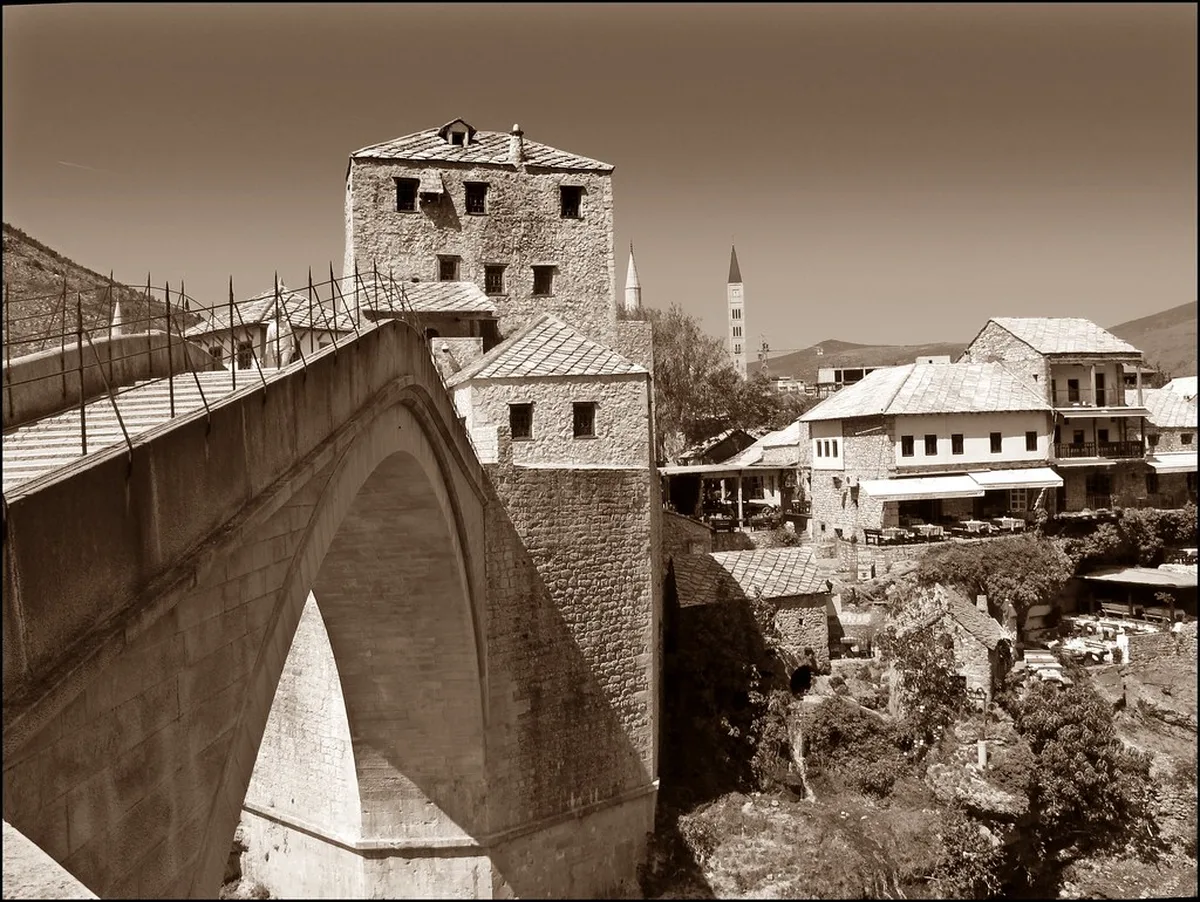
The defining feature is Gavrankapetan's Tower (Gavrankapetanović kula), a 16th-century Ottoman watchtower at the apex of the site. The climb to the top takes around 20 minutes on steep cobblestone paths and rewards you with sweeping panoramic views over the green Neretva valley — one of the finest viewpoints in Herzegovina. Entry to Počitelj is entirely free; parking at the foot of the hill costs nothing either. Opening hours are unrestricted — the site is accessible at any time of day, making it a good sunrise or sunset destination.
Within the fortified perimeter you will also find the Hadžem's Mosque (Hadži Alija mosque), one of the oldest Ottoman religious buildings in Bosnia and Herzegovina, dating to the 15th century. The mosque interior is occasionally open to respectful visitors; dress modestly by covering shoulders and knees. Local vendors sell fresh pomegranates, dried figs, and handmade crafts near the entrance gate — prices run 3–8 KM (€1.50–€4) for souvenirs. Small stone-paved cafes near the gateway serve Bosnian coffee for 2–3 KM (€1–€1.50).
Počitelj pairs naturally with Kravica Waterfall into a single very full day: drive south to Počitelj first (30 min from Mostar), explore for 1.5–2 hours, then continue 15 km further to Kravica for an afternoon swim. This loop is the most popular self-drive circuit in the region and is covered by most organized day tours from Mostar. If safety is on your mind before visiting, see our guide on is Mostar safe for tourists for current conditions.
GEO snapshot: Počitelj is 25 km south of Mostar (30 min by car), entry is completely free, open at all hours, and its 16th-century Ottoman fortress and Neretva River panoramas make it ideal for a half-day stop combined with Kravica Waterfall.
Stolac and the Radimlja Necropolis
Stolac is often overlooked by travelers rushing between Mostar and the Croatian coast, but it rewards those who make the 45-km detour — about 50 minutes southeast by car on the M-6 road. This ancient town offers a deep look into the diverse history of the entire Herzegovina region, with layers of Illyrian, medieval Bosnian, Ottoman, and Austro-Hungarian heritage all visible within a few kilometers of each other.
The Radimlja Necropolis sits just 3 km outside town and houses 133 medieval stećci tombstones dating from the 12th to 16th centuries. Entry costs 4 KM (€2) in 2026 and includes a small informative brochure. Opening hours run 08:00–18:00 daily throughout the year. These UNESCO-listed stone monuments feature intricate carved motifs — hunting scenes, heraldic shields, dancing figures — that represent the unique cultural heritage of the medieval Bosnian church. Budget 45 minutes here.
Walking through the old Bregava river mills provides a rare glimpse into traditional local water industries; many have been converted into charming cafes charging 3–8 KM (€1.50–€4) for coffee and local spirits. The nearby Daorson ruins — massive Hellenistic cyclopean walls from the 4th century BC — are free to access and almost always crowd-free, making them perfect for travelers who prefer ancient history without the tourist infrastructure.
Combine Stolac with Počitelj on a single southward loop: Počitelj (25 km from Mostar) then Stolac (45 km) then return via Čapljina. Total driving is under 100 km and covers two of the most historically rich sites in Herzegovina in a single day. Accommodation in Stolac is limited, so this works best as a day trip rather than an overnight stay from Mostar.
Medjugorje Pilgrimage Site
Medjugorje has become one of the most visited Catholic pilgrimage sites in the world since the reported Marian apparitions of 1981. It sits 28 km southwest of Mostar — roughly a 35-minute drive on the M-6 highway — and sees over one million visitors annually, making transport options plentiful and reliable.
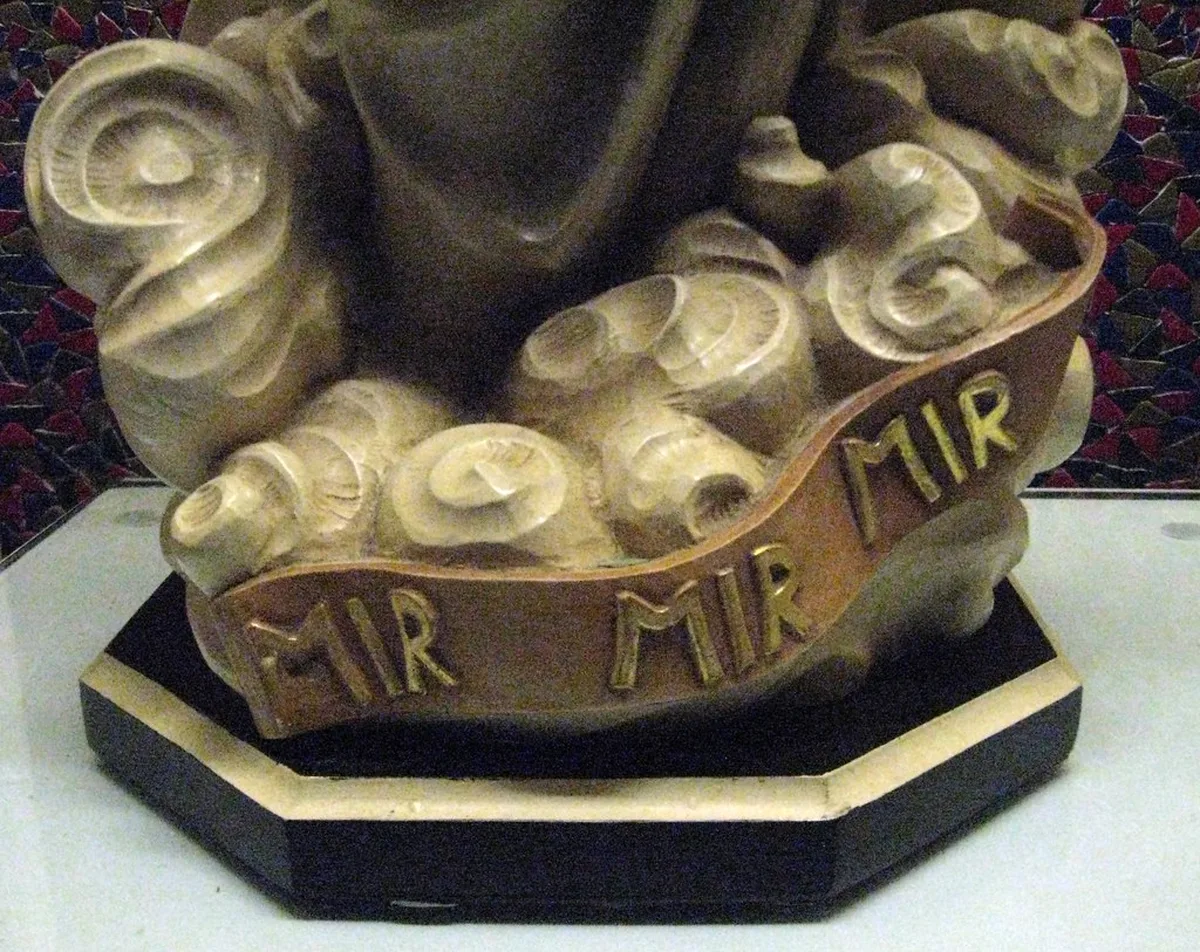
Apparition Hill (Podbrdo) is the primary spiritual destination, a rocky 200-meter rise where the apparitions were first reported. The path is uneven and takes 30–45 minutes to ascend at a respectful pace; wear sturdy shoes and carry water. Cross Mountain (Križevac), a more demanding 520-meter climb, rewards hikers with a large stone cross erected in 1934 and valley-wide views. Both hills are free to visit at any hour. St. James's Church at the center of town holds masses multiple times daily in various languages including English.
Public buses connect Mostar and Medjugorje several times daily for approximately 5 KM (€2.50) per person; buses run roughly every two hours between 07:00 and 18:00 — check current schedules at Mostar bus station as timings vary seasonally. Taxis charge around 30–40 KM (€15–€20) one way. Medjugorje itself is free to visit; the town around it has abundant restaurants and souvenir shops catering to pilgrims and curious travelers alike. A sit-down meal at a local restaurant costs 12–22 KM (€6–€11).
Non-religious visitors often find Medjugorje an interesting cultural and sociological experience regardless of personal beliefs. The town has grown dramatically around the pilgrimage trade, with local vineyards producing quality Herzegovinian wine sold for 10–20 KM (€5–€10) per bottle. Non-religious visitors often combine Medjugorje with a Kravica Waterfall stop on the return journey, as the two sites lie on a convenient loop southwest of Mostar.
Dubrovnik Day Trip from Mostar
Dubrovnik is approximately 130 km from Mostar — roughly a 2-hour drive via the A1 motorway and Croatian coastal road, crossing the border at Metković. This makes it a long but very popular day trip in 2026, particularly for travelers based in Mostar who want to see Dubrovnik's famous Old Town walls and Adriatic sea views without paying high Old City accommodation prices. The border crossing at Metković is straightforward for EU/passport holders, though allow 20–30 minutes in peak summer season.
Entry to Dubrovnik's Old Town walls costs 35 EUR (70 KM) per person in 2026 — one of the most expensive single attractions in the Adriatic region. The walk along the complete circuit takes 1.5–2 hours and offers spectacular views over the Adriatic. The cable car to Mount Srđ costs 24 EUR (48 KM) return and provides a panoramic bird's-eye view of the entire city and surrounding islands. Budget at least 5–6 hours in Dubrovnik itself to make the round trip worthwhile.
Return day-trip buses between Mostar and Dubrovnik run several times daily via the Globtour and Autoprevoz companies and cost approximately 20–30 KM (€10–€15) each way; the journey takes around 2.5–3 hours by bus due to the border crossing and winding coastal roads. By car, the drive is more direct at approximately 2 hours each direction. Parking in Dubrovnik is expensive — approximately 30–50 KM (€15–€25) per day — so bus travel makes financial sense for most visitors.
The best value approach is to take an early morning bus from Mostar bus station (departs approximately 07:00), arrive by 09:30 before peak crowds, walk the walls before midday, eat lunch in the shade of the Stradun, and catch an afternoon return bus around 17:00. Many travelers pair this with a visit to the island of Lokrum (7 EUR/14 KM ferry return) just offshore for the afternoon. Read our Mostar Old Town guide to plan your full Bosnia itinerary around these excursions.
Sarajevo Day Trip from Mostar
Sarajevo, the capital of Bosnia and Herzegovina, lies approximately 130 km north of Mostar — about 2.5 hours by direct bus on the M-17 highway through the dramatic Neretva river canyon. This is the longest day trip from Mostar but arguably the most rewarding, as Sarajevo packs centuries of Ottoman, Austro-Hungarian, Yugoslav, and modern Bosnian history into one of Europe's most compelling cities.
The Baščaršija old bazaar is the heart of the historic quarter — a warren of coppersmiths, jewelers, and coffeehouse courtyards where a traditional Bosnian coffee costs just 2–3 KM (€1–€1.50). The Gazi Husrev-beg Mosque (free entry, donations welcome) dates to 1531 and is one of the finest Ottoman religious buildings in the Balkans. The Latin Bridge — where Archduke Franz Ferdinand was assassinated in 1914 — is free to visit; the Sarajevo Museum at the bridge charges 10 KM (€5) for entry. Allow at least 6 hours in the city to properly explore the old town, the War Childhood Museum (10 KM/€5), and the Yellow Fortress viewpoint (free).
Direct buses from Mostar to Sarajevo depart multiple times daily from Mostar bus station and cost 22 KM (€11) each way; journey time is approximately 2.5 hours. There is no train service currently operating between the two cities. If driving, the M-17 road through the Neretva canyon is scenic but winding — allow 2.5–3 hours each way. Once in Sarajevo, the old town is compact and walkable within a 2 km radius. For a deeper dive into the capital, see our Sarajevo Old Town guide.
A day trip to Sarajevo works best if you take the first morning bus (typically 07:00–08:00), arrive by 10:00, spend the full day in the city, and catch a return bus around 18:00–19:00, arriving back in Mostar by 20:30–21:00. Pack comfortable walking shoes and bring local currency — many smaller vendors and cafes in the old town do not accept cards.
Frequently Asked Questions
What are the best day trips from Mostar for nature lovers?
Kravica Waterfall (40 km, 18–20 KM/€9–€10 entry) and the Buna River spring at Blagaj Tekke (12 km, 5 KM/€2.50 entry) are the top choices for nature enthusiasts in 2026. Kravica offers excellent swimming in emerald waters from June through September, while Blagaj features a dramatic karst spring emerging beneath a 200-meter cliff. Both are within a 40-minute drive from Mostar city center and can be combined in a single day.
Can I visit Kravica and Počitelj in one day?
Yes, combining Kravica Waterfall and Počitelj into a single day is the most popular self-drive loop from Mostar in 2026. Most organized day tours include both stops, often with a third stop at Blagaj Tekke. If driving yourself, visit Počitelj first (25 km south, 30 min) for a morning explore, then continue 15 km to Kravica for an afternoon swim. Start by 09:00 to avoid peak midday crowds at the waterfall. Entry to Počitelj is free; Kravica costs 18 KM (€9) in shoulder season.
Is public transport reliable for day trips from Mostar?
Public buses are reliable for reaching Medjugorje (5 KM/€2.50, several daily departures) and Sarajevo (22 KM/€11, 2.5-hour journey, multiple daily buses). However, there are no regular public buses to Kravica Waterfall or Stolac — you will need a rental car, taxi, or organized tour for those destinations. A day tour covering Kravica, Blagaj, and Počitelj costs 44 KM (€22) per person in 2026 and is the best value option if you are not renting a car. Always verify bus times at Mostar station as schedules change seasonally.
How do I get to Kravica Waterfall from Mostar?
There are no direct public buses from Mostar to Kravica Waterfall, so you have three practical options in 2026. A rental car gives you the most flexibility — the drive is 40 km and takes about 35 minutes via the M-6.1 highway; on-site parking costs 5 KM (€2.50). A taxi from Mostar city center costs approximately 50–70 KM (€25–€35) one way, so agree on the price before you set off. The most economical choice if you are not renting a car is an organized day tour, which costs around 44 KM (€22) per person and typically combines Kravica with Blagaj and Počitelj in a single circuit.
Is Blagaj worth visiting from Mostar?
Yes, Blagaj is absolutely worth visiting and is one of the easiest day trips from Mostar — just 12 km away (about 15 minutes by car). The Blagaj Tekke is a 16th-century Sufi (Dervish) monastery built directly at the source of the Buna River, where the water pours from a cave beneath a 200-meter limestone cliff. Entry to the monastery interior is 5 KM (€2.50); the riverside terraces and spring viewpoint are free. The setting is stunning in every season, and riverbank restaurants serve fresh trout for 15–25 KM (€7.50–€12.50). Most visitors spend 1.5–2 hours here and easily combine it with Kravica Waterfall and Počitelj on the same day.
How far is Dubrovnik from Mostar and is it worth the trip?
Dubrovnik is approximately 130 km from Mostar — roughly a 2-hour drive or 2.5–3 hours by bus. Return buses cost approximately 20–30 KM (€10–€15) each way and run several times daily. Entry to Dubrovnik's Old Town walls costs 35 EUR (70 KM) per person in 2026. The trip is worth it for first-time Adriatic visitors who want to see the Adriatic without paying Dubrovnik hotel prices. Allow at least 5–6 hours in the city and take the first morning bus to maximize your time there.
How long is the bus journey from Mostar to Sarajevo?
The direct bus from Mostar to Sarajevo takes approximately 2.5 hours and costs 22 KM (€11) each way in 2026. Buses depart multiple times daily from Mostar bus station, with the first departures typically around 07:00–08:00. The route follows the M-17 highway through the scenic Neretva canyon. Sarajevo is ideal as a full-day excursion — take an early bus, explore the Baščaršija bazaar and historic sites, and return on an evening bus around 18:00–19:00, arriving back in Mostar by 20:30.
Exploring the region beyond the Old Bridge reveals the true heart and soul of Bosnia and Herzegovina in 2026.
Each destination — from the Sufi monastery at Blagaj to the medieval towers of Počitelj, the emerald cascades at Kravica, and the bustling streets of Sarajevo — offers a unique perspective on the history and natural beauty of the Balkans.
Taking several day trips from Mostar will make your Balkan holiday far more memorable and rewarding than staying in the city alone.
Rent a car for maximum flexibility, or book a day tour for the classic Blagaj–Kravica–Počitelj circuit and let someone else handle the driving.